
The history is richly layered here. And my telling rolls along rather than scratches the surface.
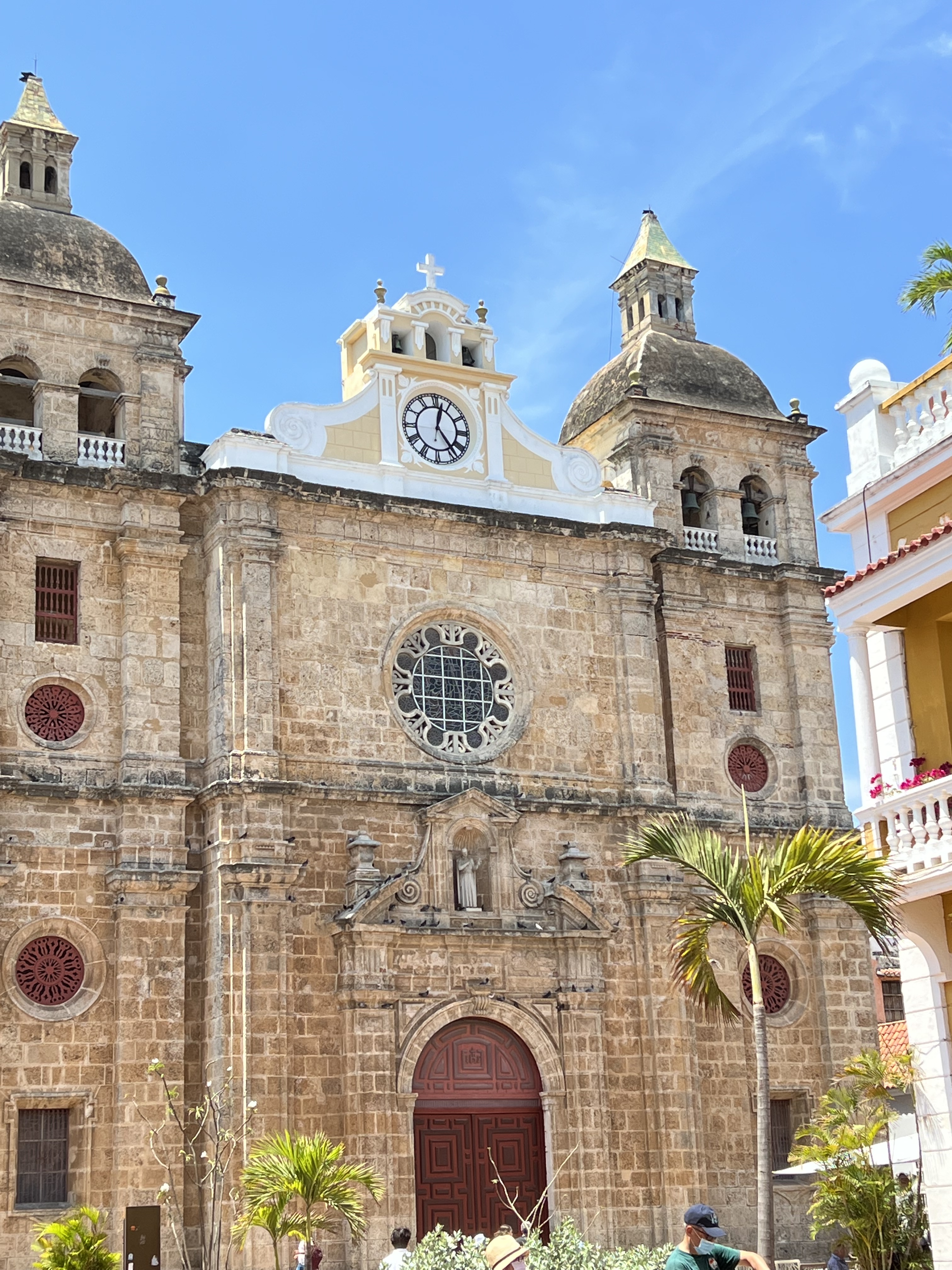
The story is familiar: colonization, exploitation, disease, the fight for independence, and the reconciliation or the ongoing struggle for it. And woven through every chapter is the role of religion, especially the Catholic Church.
So here’s an inadequate summary on each of those things: the Samba tribe lived in this area before Sir Francis Drake among other explorers, conquerors, privateers and pirates made their way to Cartagena. These groups, as was customary in their time, exploited the people here took their land and removed their treasures. The fight for territory and treasure took place on land and at sea not only in the port city itself but throughout the Caribbean. Ultimately, the Spanish prevailed. Disease traded between the native and the colonizers to the detriment of both. By the late 1700s the fight for independence from Spanish rule began and in 1811 it was won. The separation of church and state didn’t take place until 1991. (I am not sure a truncated history serves anyone and this may be last time I attempt it.)
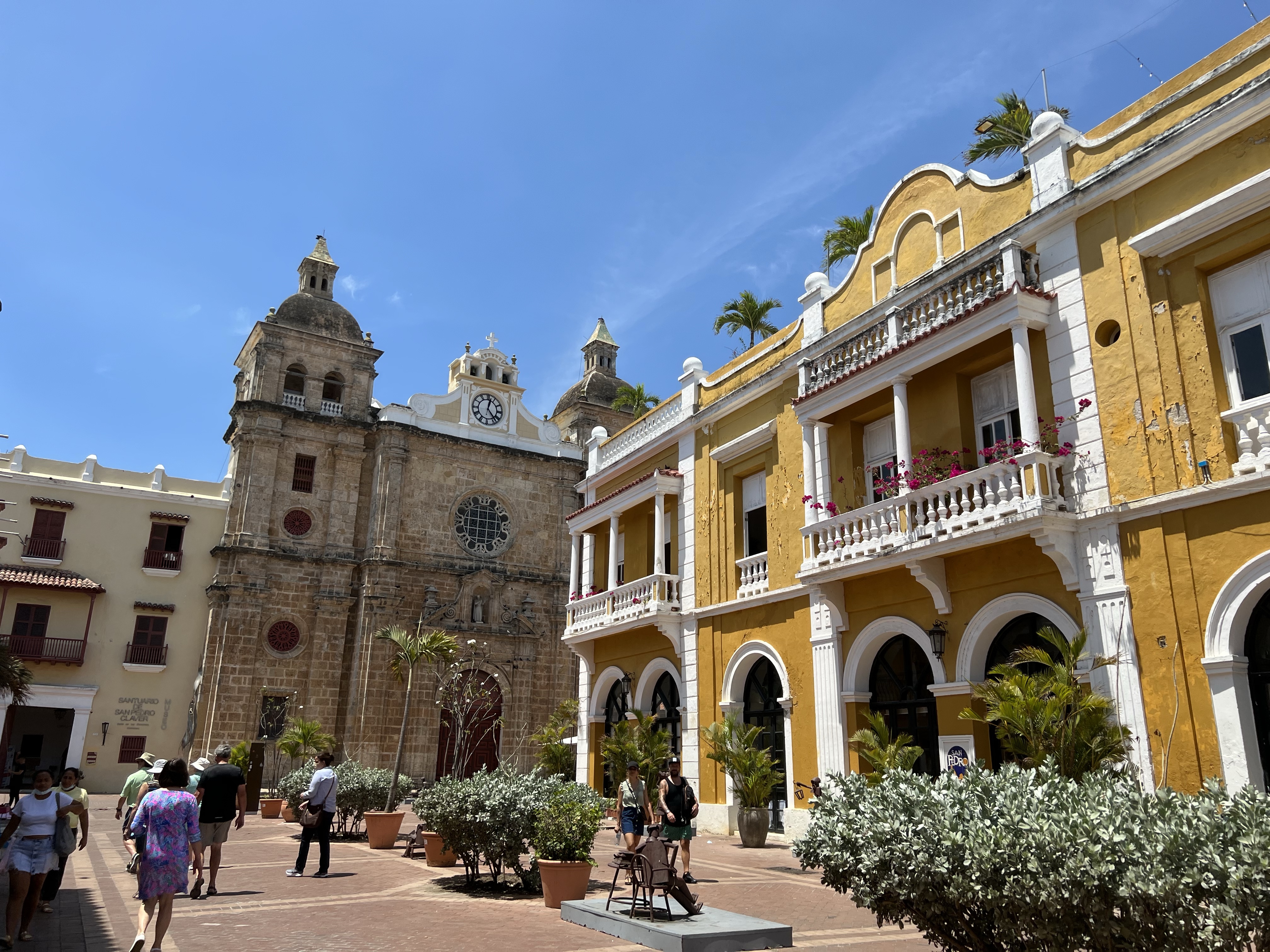
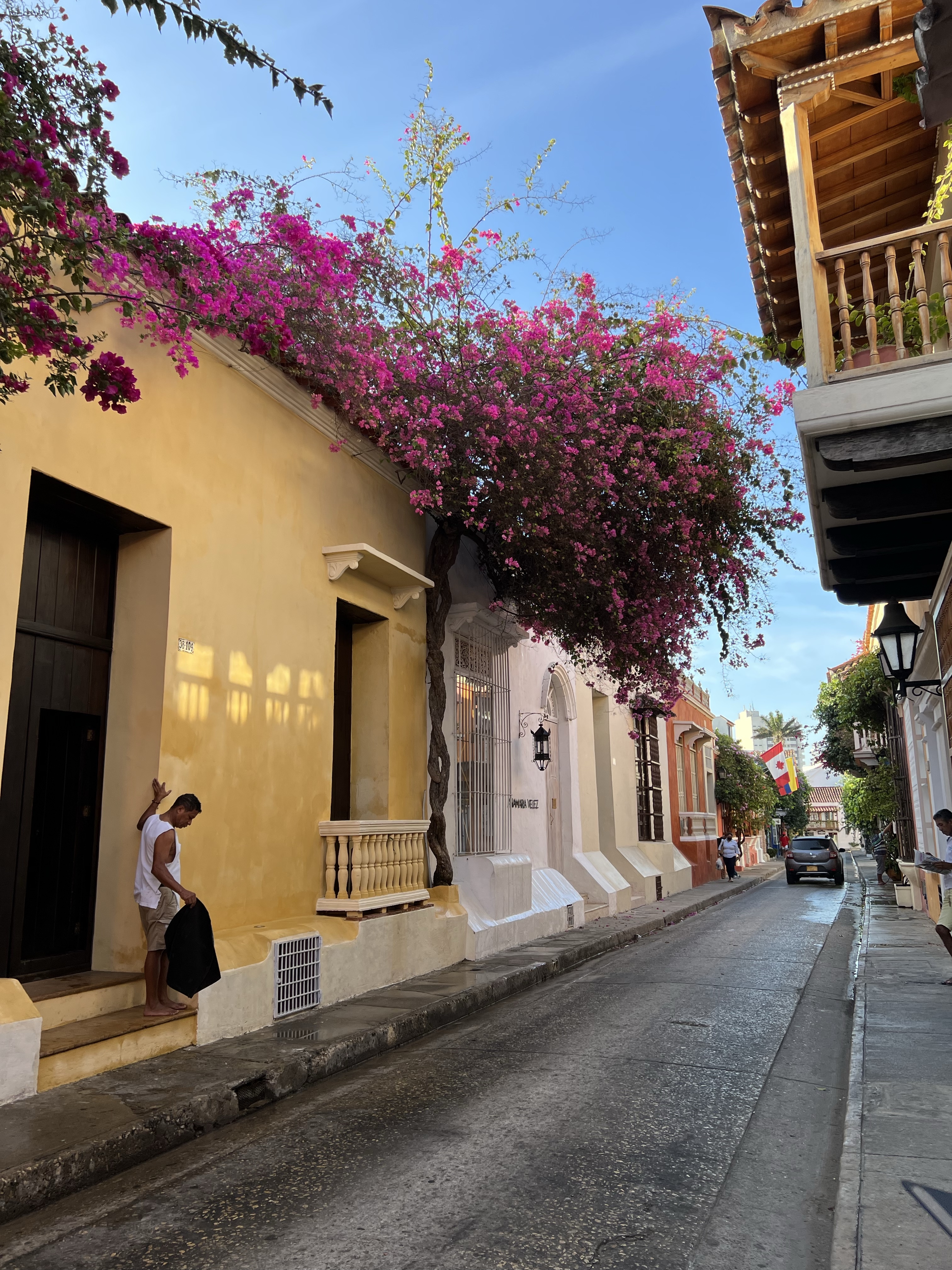
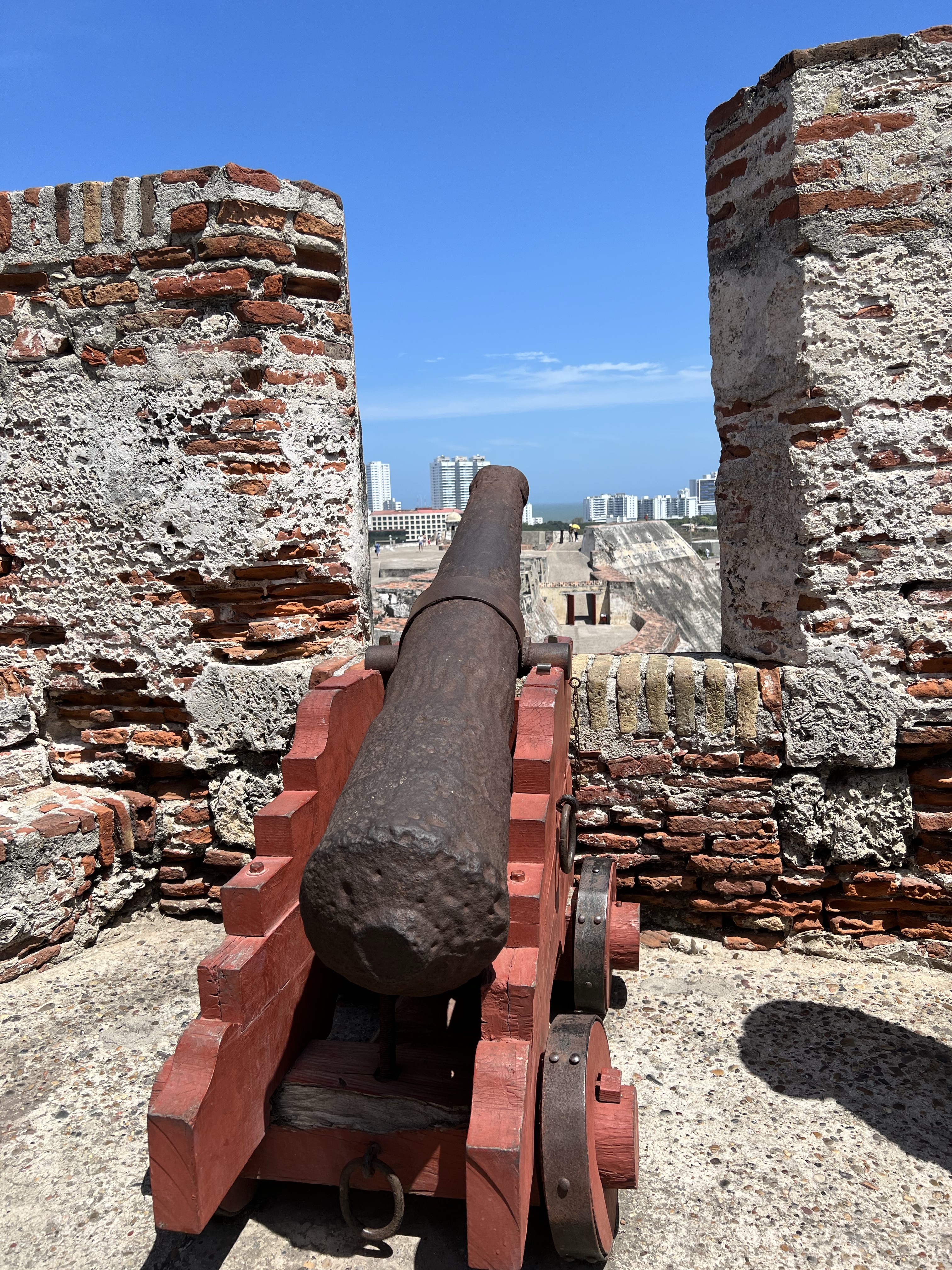
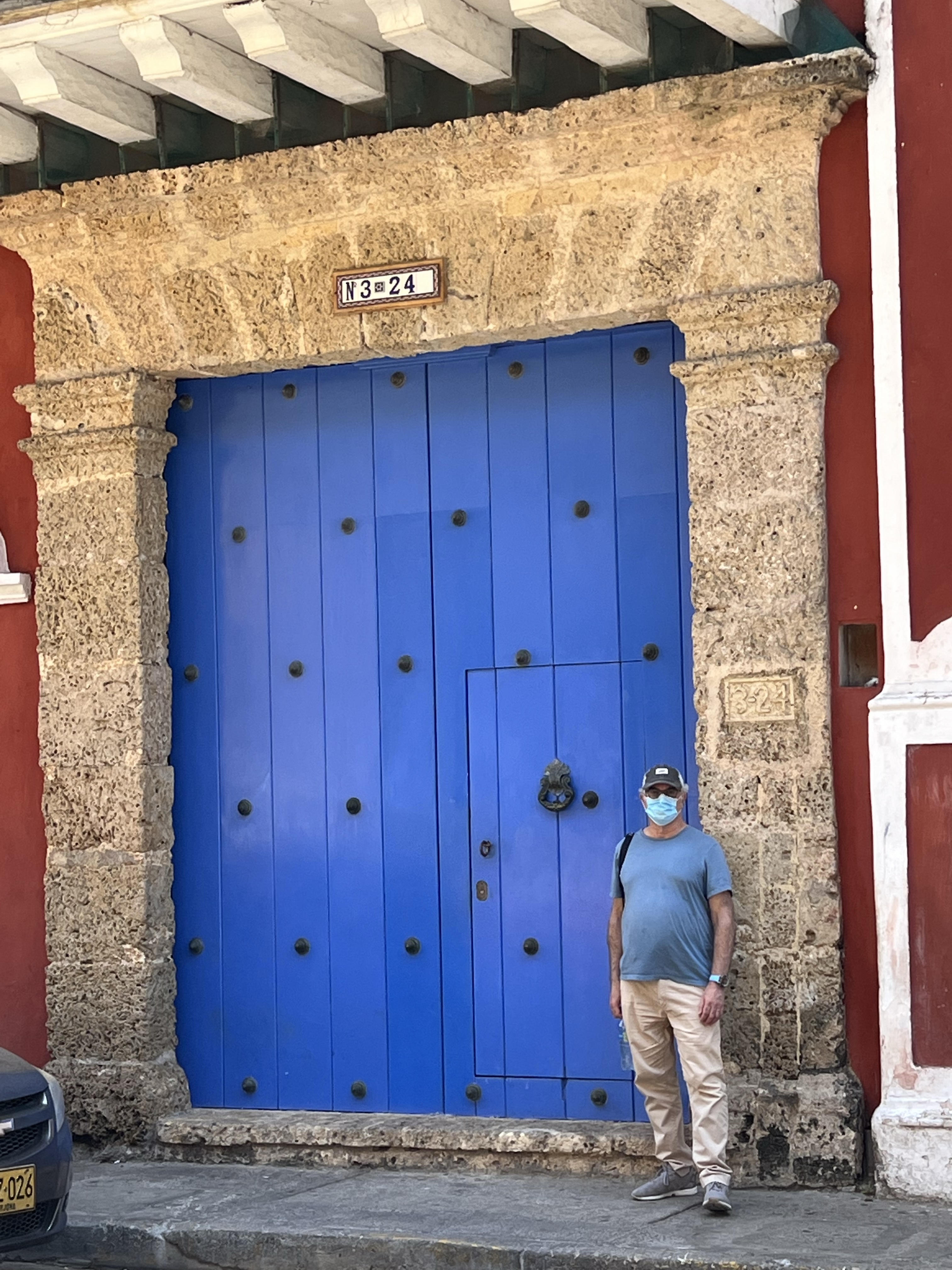
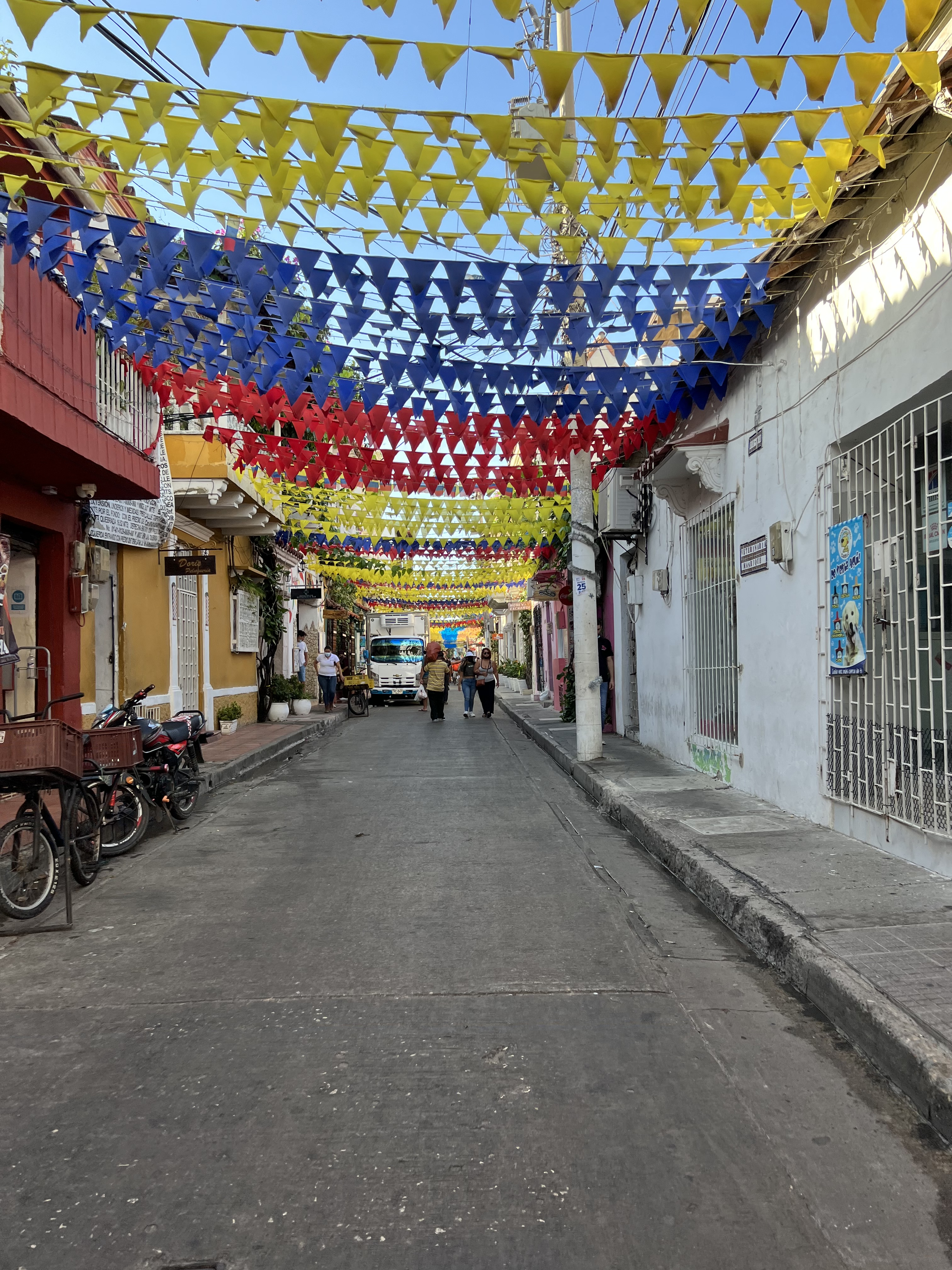
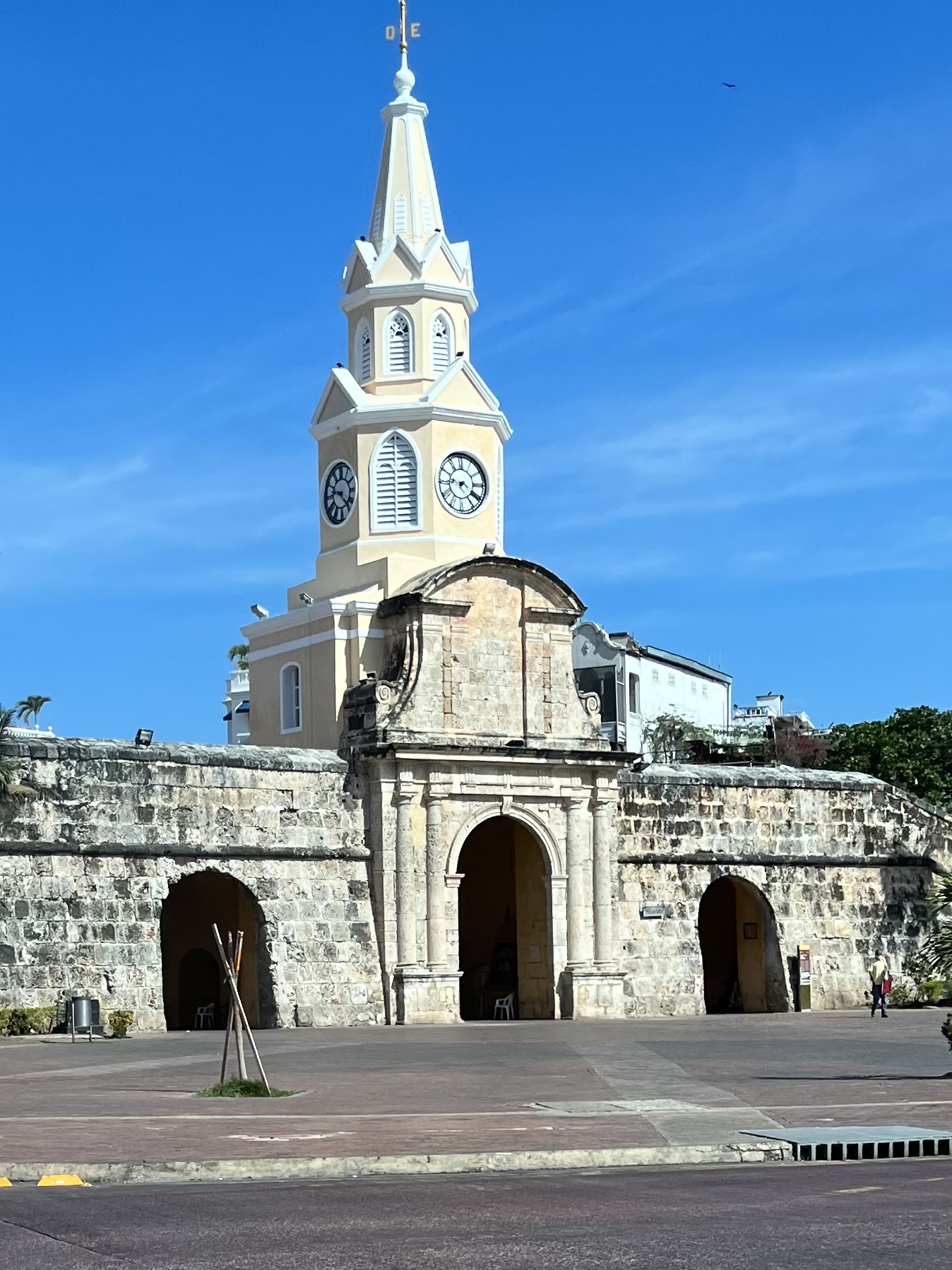
Old Cartagena is a beautiful walled seaside port, with colorful Spanish architecture, and lively people. The Spanish fort and the ramparts of the walled city still stand.
The old city is made of a labyrinth of streets. It served to fool pillaging attackers in the 1600s but today provides quaint walking streets for tourists visiting the old church, monastery (now luxury hotel), shops and public squares.
In areas previously considered “dangerous” you find ample street art, restaurants and upscale coffee shops next to street vendors and curbside shoe cobblers.
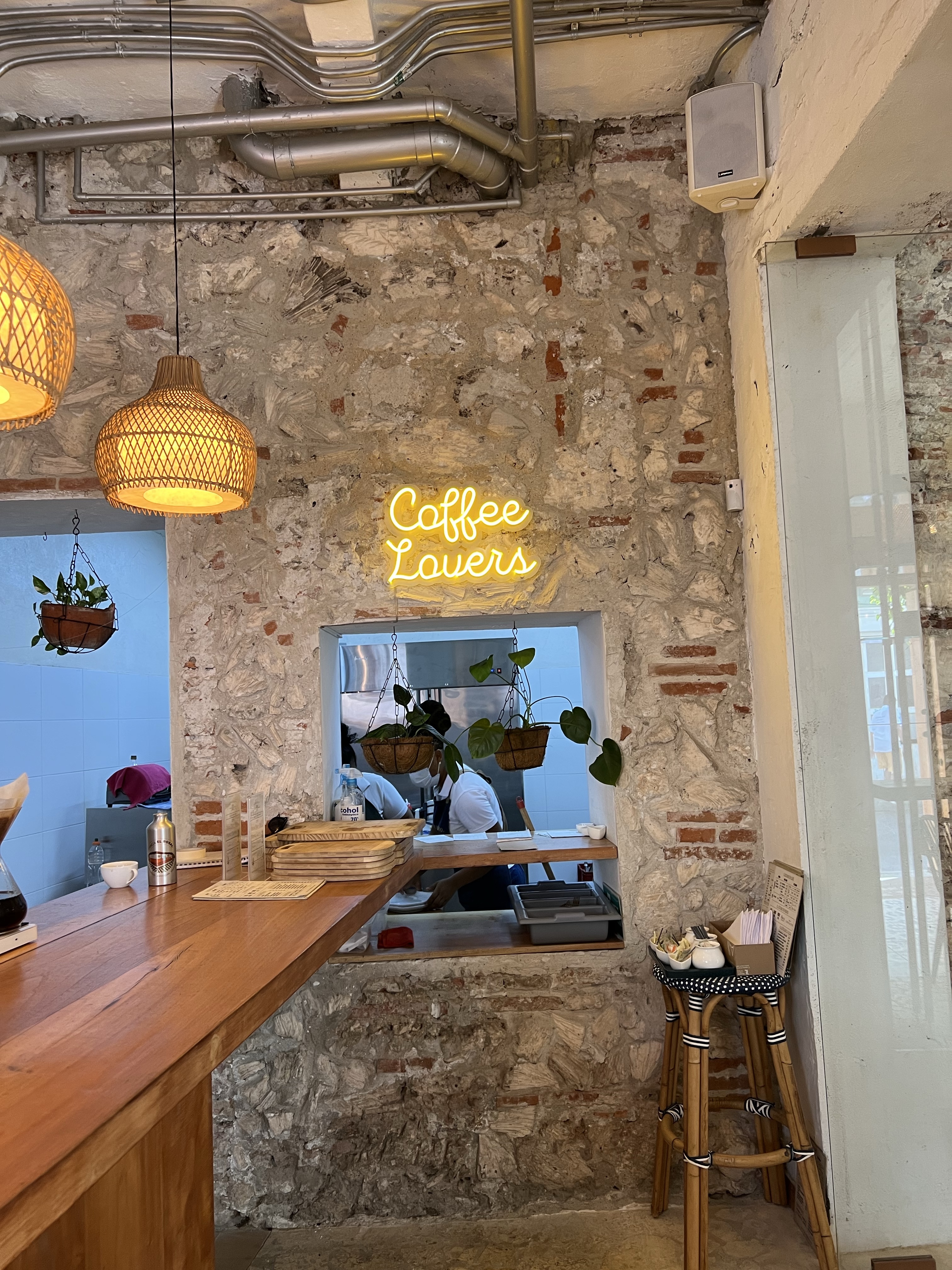
Colombia is known for its coffee. I sampled extraordinary light roast Colombian coffee at a shop that does beautiful latte art and delicious pour overs. They gave me a cupping (like a wine tasting but with coffee) since it was quiet. The smaller growers and artisanal roasters are gaining in popularity. Move over Juan Valdez.
Colombia is also known for its emeralds. Mining takes place closer to Bogota, it’s capitol city, but as a port city there was robust trade in emeralds here in Cartagena. Tourists are taken to “museums” that have diorama depicting the mining process and then, of course, you exit through the gift shop.
But there is so much we didn’t see.
Our pace of travel means that we will not have time to be immersed in our destinations. We will have to just “roll along” and resolve to return for further exploration and deeper appreciation.
Here are a few impressions as we made our way through town:







 Davidson Big Trip
And the journey begins. I love your writing…not quite as good as being there, but pretty close! And the photos are amazing.