When we were considering this round the world trip, one of the ideas was to do a Self-Fly Safari out of South Africa. As part of that research I also turned up a Self-fly tour in Australia. Given the timing of our trip and the amount of time that we would spend in a small airplane, we decided not to make one of the tours a component of this trip.
However, the research into self-fly trips and the idea that I would be away from flying for a year, got me thinking about renting planes along the way. I focused on Australia as the place to fly. We would be here for a month and it is a BIG country, about the size of the lower forty-eight.
I don’t know what it’s like for a foreign pilot to fly in the US, but it is not easy for a US pilot to fly in Australia. I started working on this back in June. Australia’s equivalent of the FAA is CASA. Through numerous phone calls, websites, and discussion boards, I finally determined that I would need a CoV (Certificate of Validation) and an ASIC (Security Clearance). I was all ready to file the paper work so that I could fly when I got here. Then I found out that in order to get the CoV I would need to demonstrate English Language Proficiency (ELP) and to get the ASIC I needed to be in Australia, physically.
So while my original plan was to arrive in Sydney and rent a plane for the month, these obstacles dashed that plan as it was unclear how long it would take to get the appropriate licenses in place. Instead, I opted for a more modest plan of getting the CoV, ASIC and ELP while in Melbourne and then taking a few shorter trips.
The English Language Proficiency test, (Australia doesn’t recognize the FAA English language endorsement for technical reasons) requires you to listen to some air traffic communication and write down what you hear. I was very nervous about this because I don’t speak Australian, mate. In a twist of fate, it turns out that they want you to recognize “foreign” accents. So the test had me listening to English with a Russian accent and a French accent. Pretty much a no-brainer for a New Yorker.
With the ELP completed, I needed to pass a flying test and get familiar with the area. I flew twice with Melbourne Flight Training with an instructor and received my necessary sign-offs.
The other component of the Australian licensing process is an ASIC, or airport security clearance. This has turned out to be a keystone cop episode. It turns out that like the ELP, you can’t do this until you are in Australia, since they need to perform an “immigration check.” This is supposed to take two or three days. Or if it isn’t done in a few days, then maybe a week, or two weeks. Finally, I got an e-mail saying my ASIC had been rejected, because I had left Australia (which I hadn’t). A phone call to CASA, one of many, revealed that no, it wasn’t rejected, but instead was on its way to me. CASA has a separate service that ships out the ASICs. I called them to get the tracking number. Unfortunately the letter never showed up in the post office system (auspost.com). I also checked with the local post office to see if it had arrived there. After a few days, the ID service decided that they should send out a new one. Unfortunately by then we would be leaving Melbourne. Supposedly a new one has been sent to the flying school in Melbourne. I suspect that they will get it as I board my flight back to the US.
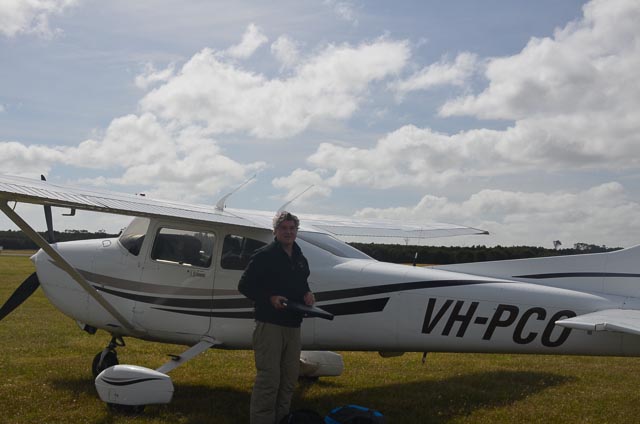
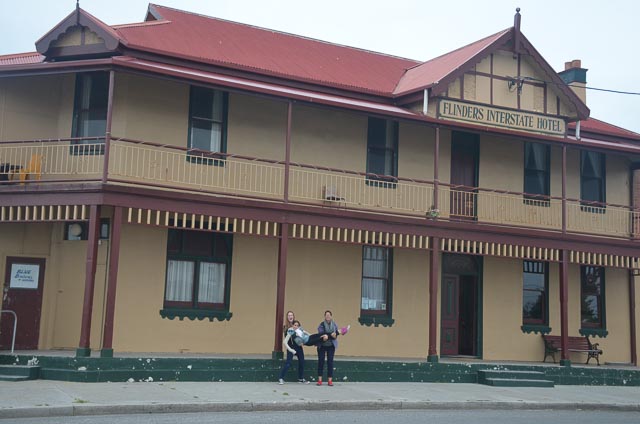
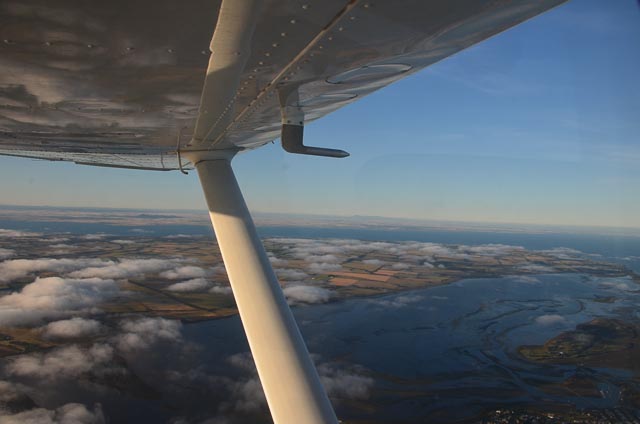
On December 14th with local training completed and CoV in hand (but no ASIC), we flew from Melbourne to Tasmania. Our first stop was Flinders Island a small uncontrolled airport. To get there we needed to fly over water. I haven’t been over water in a single engine airplane for years. It is certainly much more reassuring to be in a twin. Nevertheless, we made it there without incident. Actually, it was nice to fly in a smaller, slower, high wing plane especially for the scenic views.
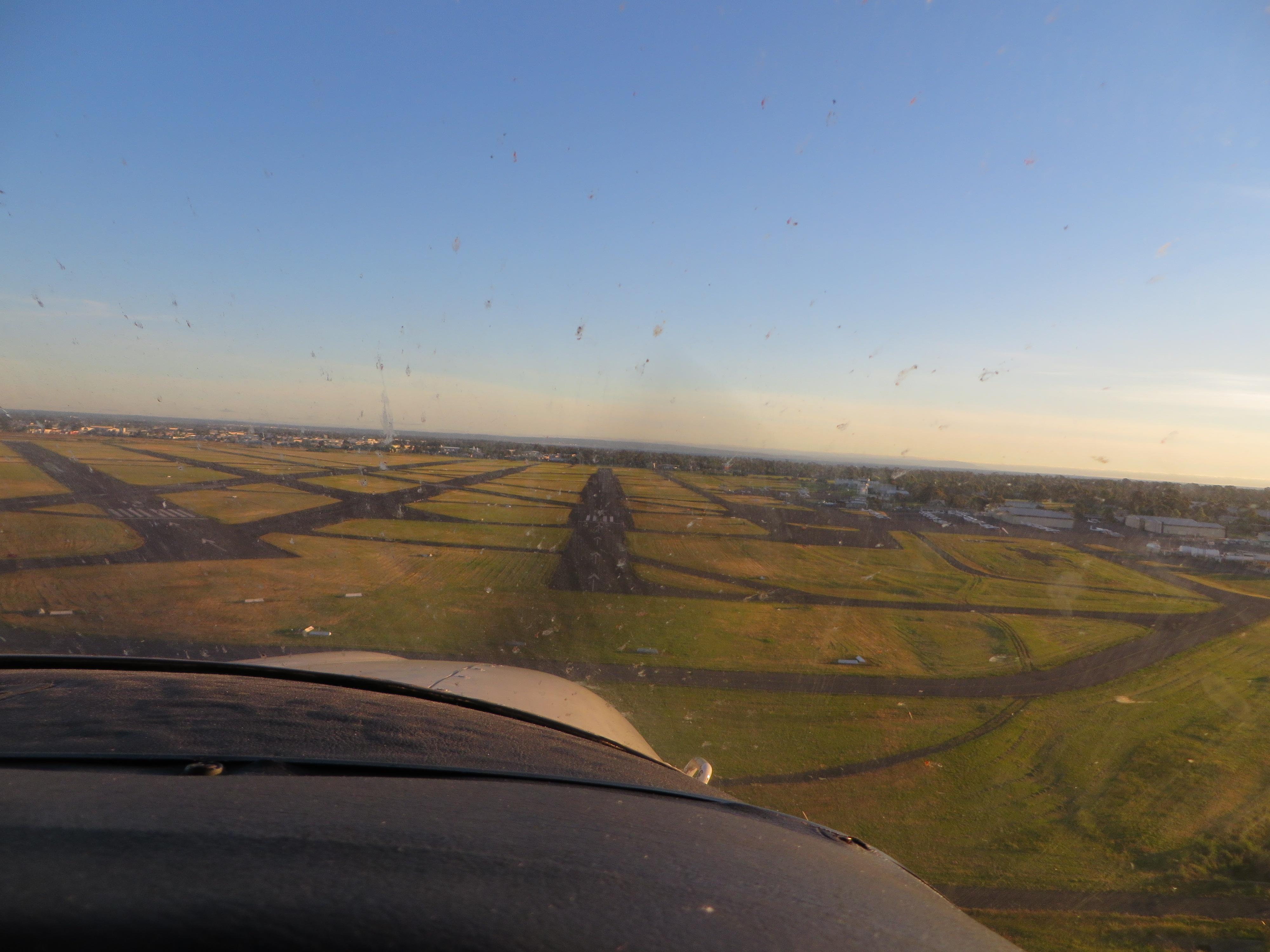
The next day we flew to Hobart and had the rare experience of flying into a small airport (Cambridge) with the control tower at the adjacent international airport (Hobart). After spending two days in Hobart, we flew back to Melbourne overflying western Tasmania and King Island. We had hoped to stop at King Island, but since the temporary license is only for visual (VFR) flying, I was concerned about getting trapped under the clouds for a few days, so we skipped that stop. As luck would have it King Island was completely clear as we flew over and could have been a good stop. We landed in Melbourne with the sun setting and the full moon rising. (See photos in Melbourne post.)
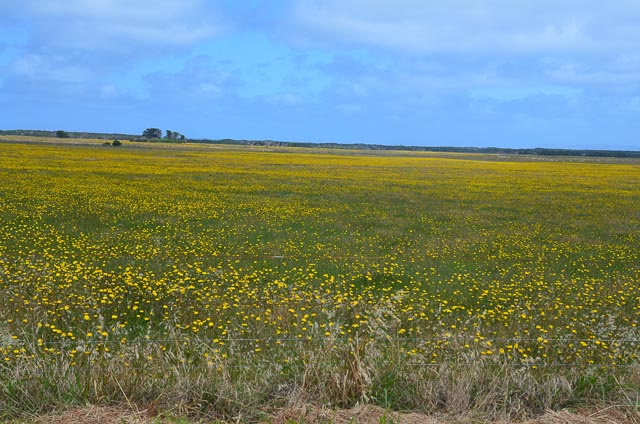
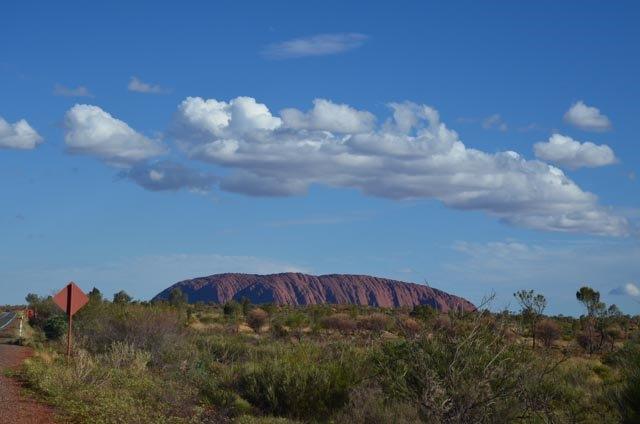
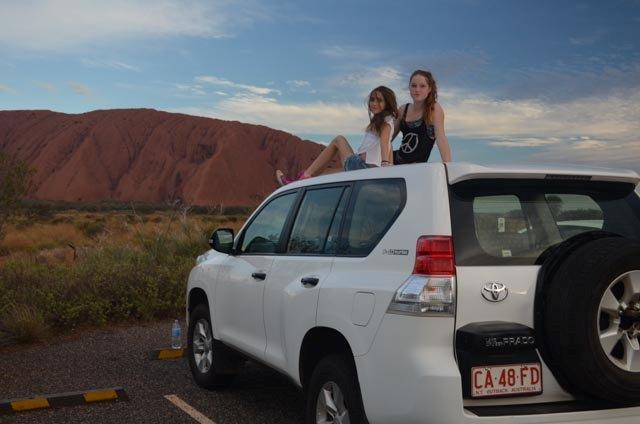
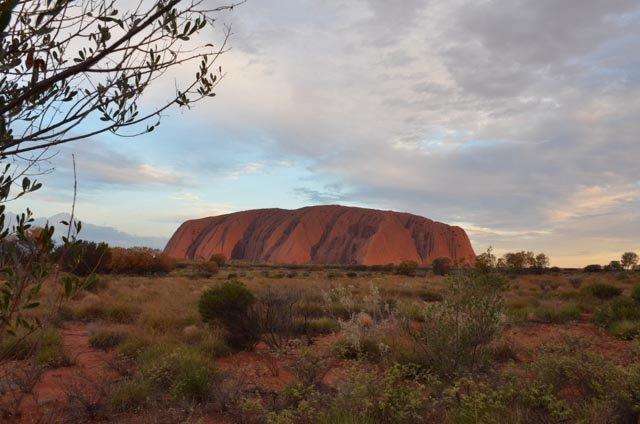
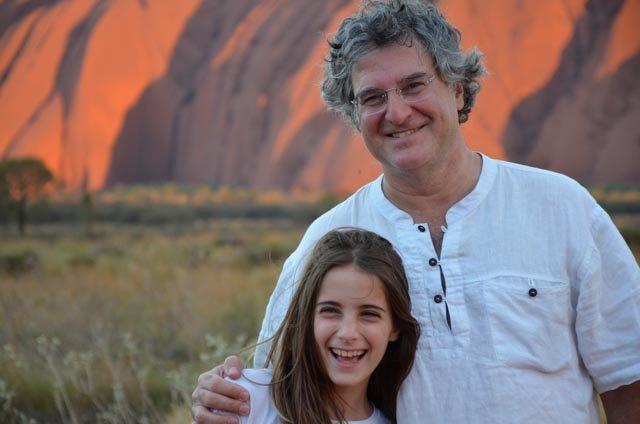
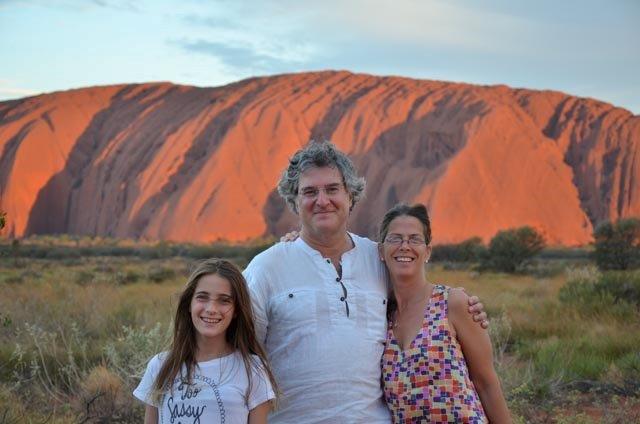
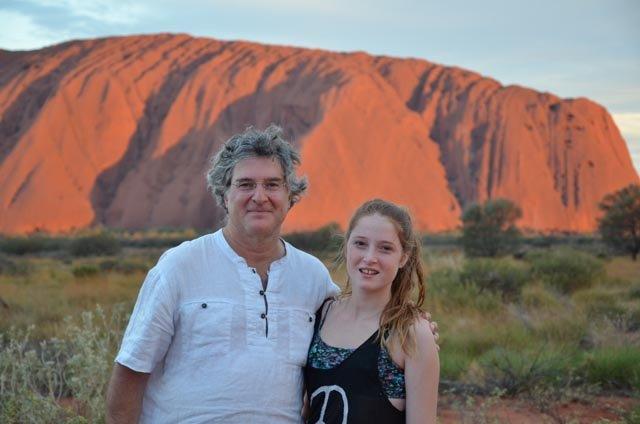
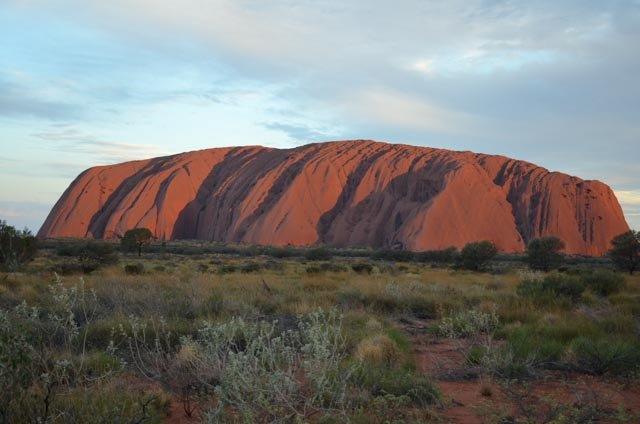
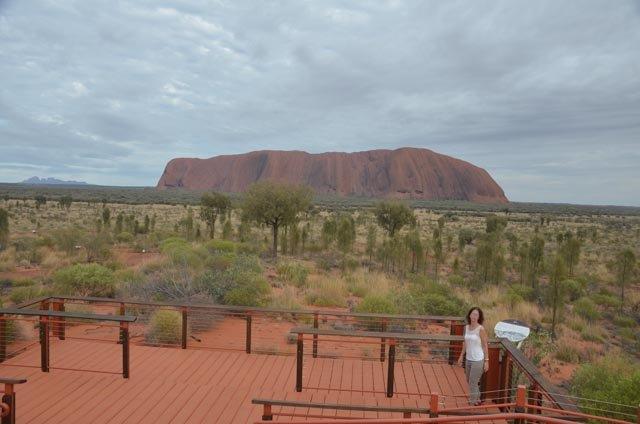
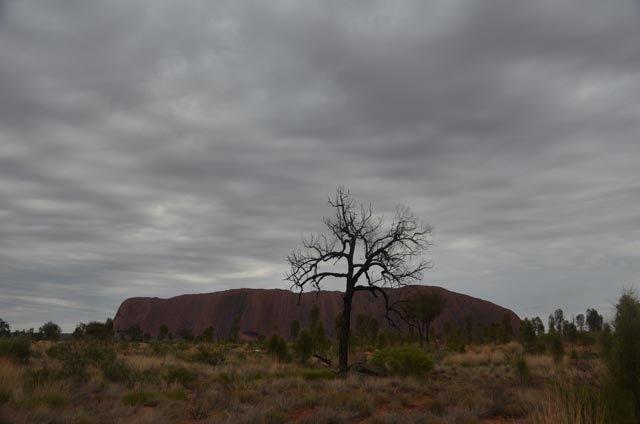
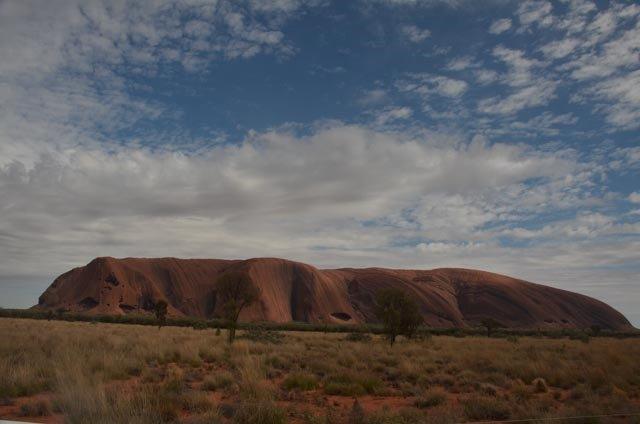
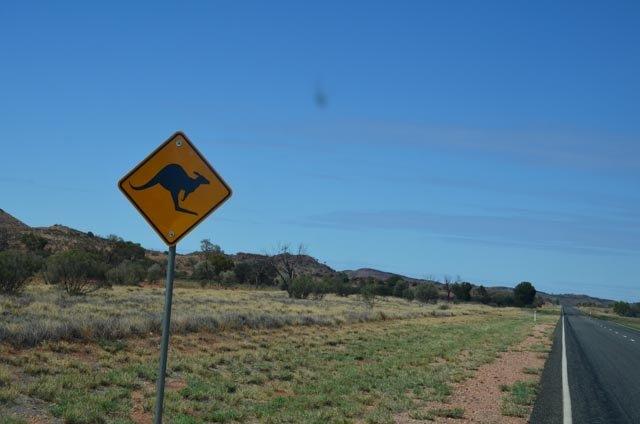
One thing you learn when you fly around Australia is how empty this country is once you get away from the main cities. In the US there are people and towns almost everywhere, except possibly in some remote sections of Arizona and Nevada. In Australia, between the main cities there are some small townships, but mostly nothing. Also if you are traveling around Australia you need to understand that there are four categories of places, the cities/towns, paddocks/fields, the bush and the outback. The outback is essentially desert (see the pictures of Ayers Rock/Uluru) and the bush is everything else. This country is mostly bush and outback.
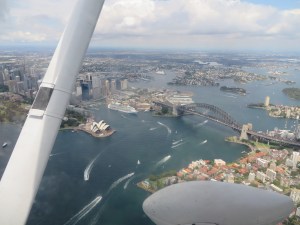
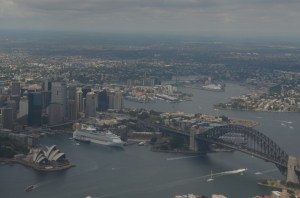
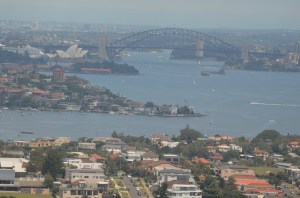
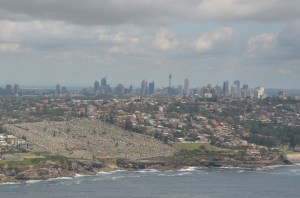
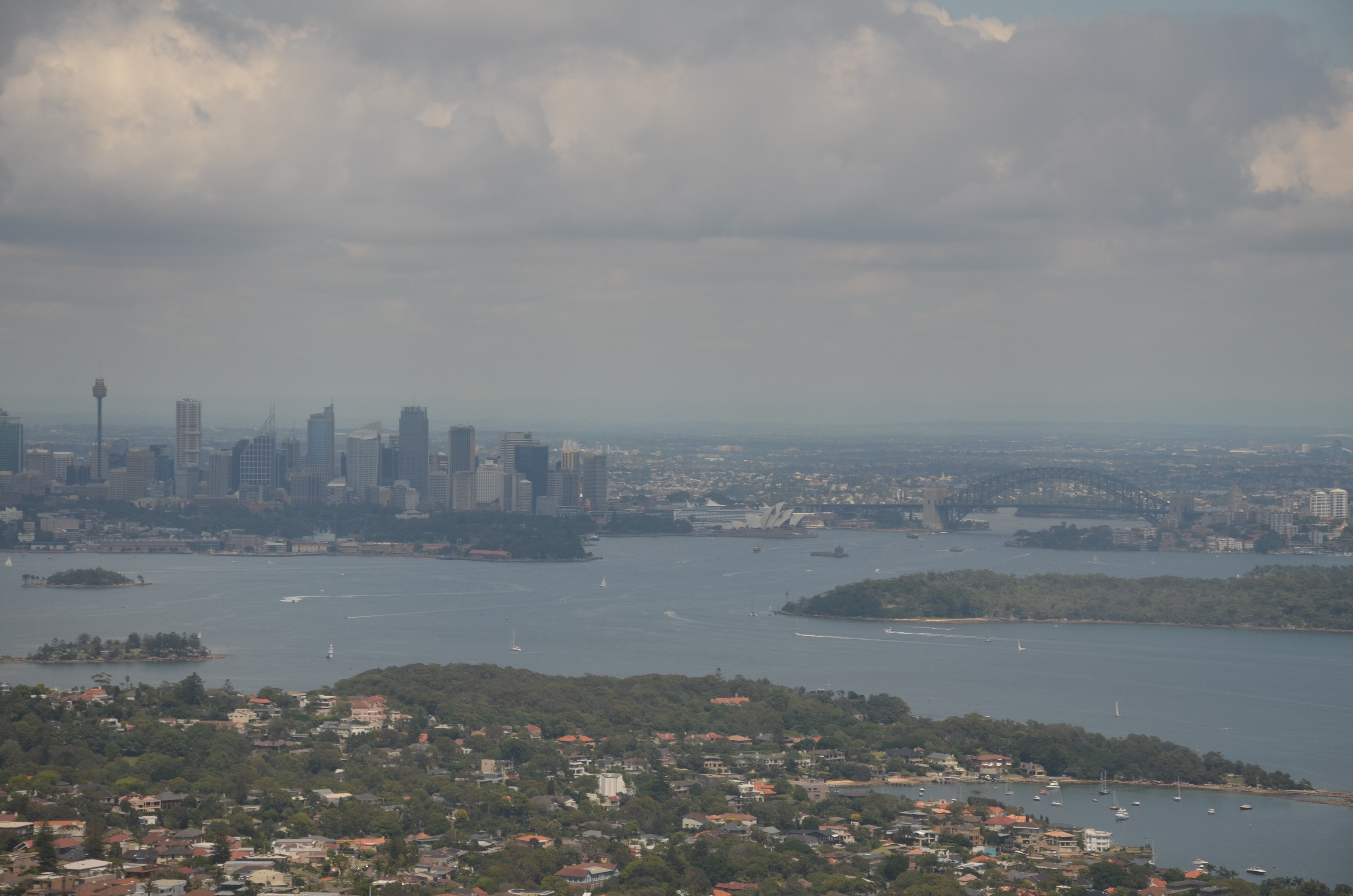
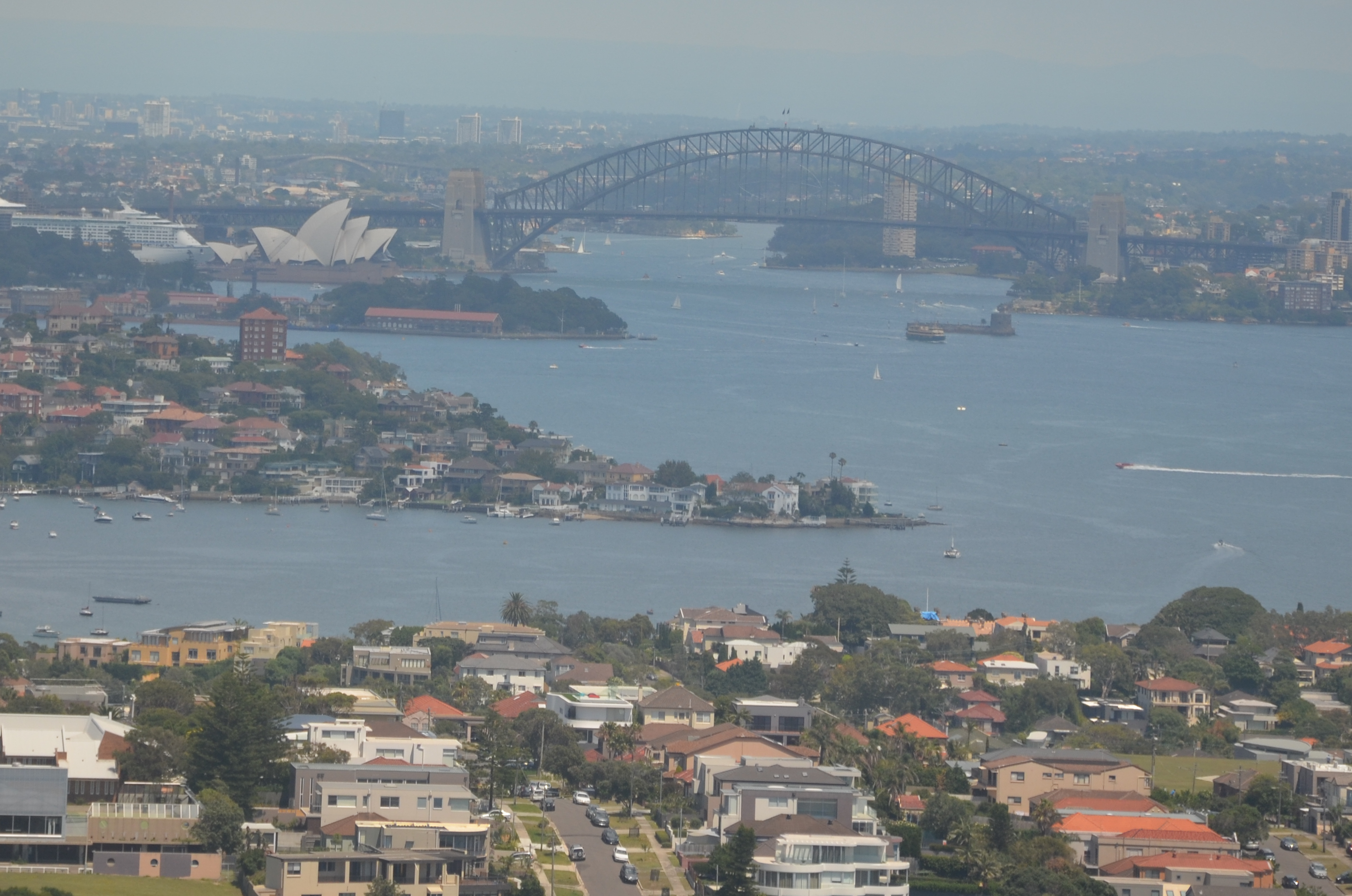
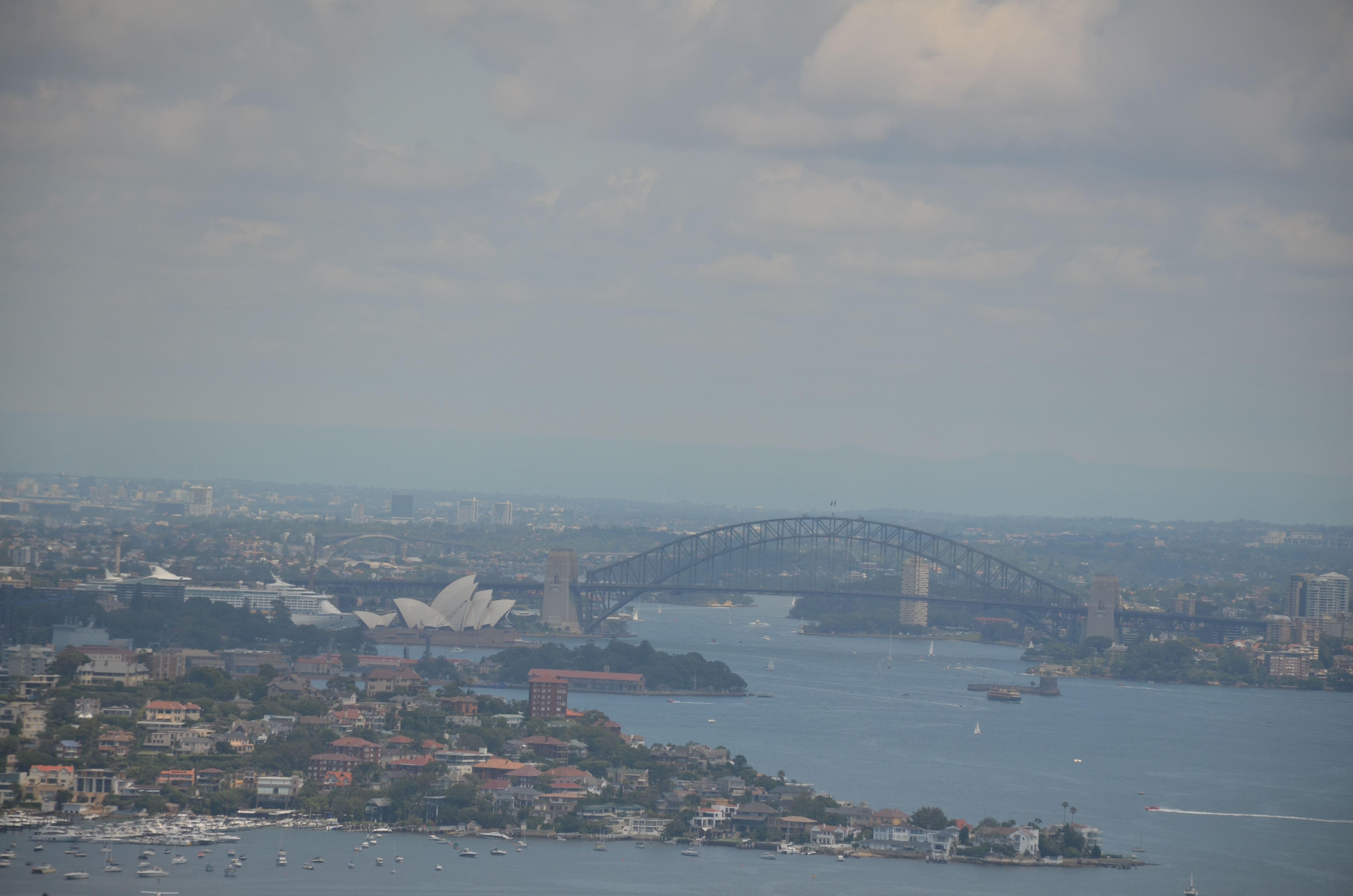
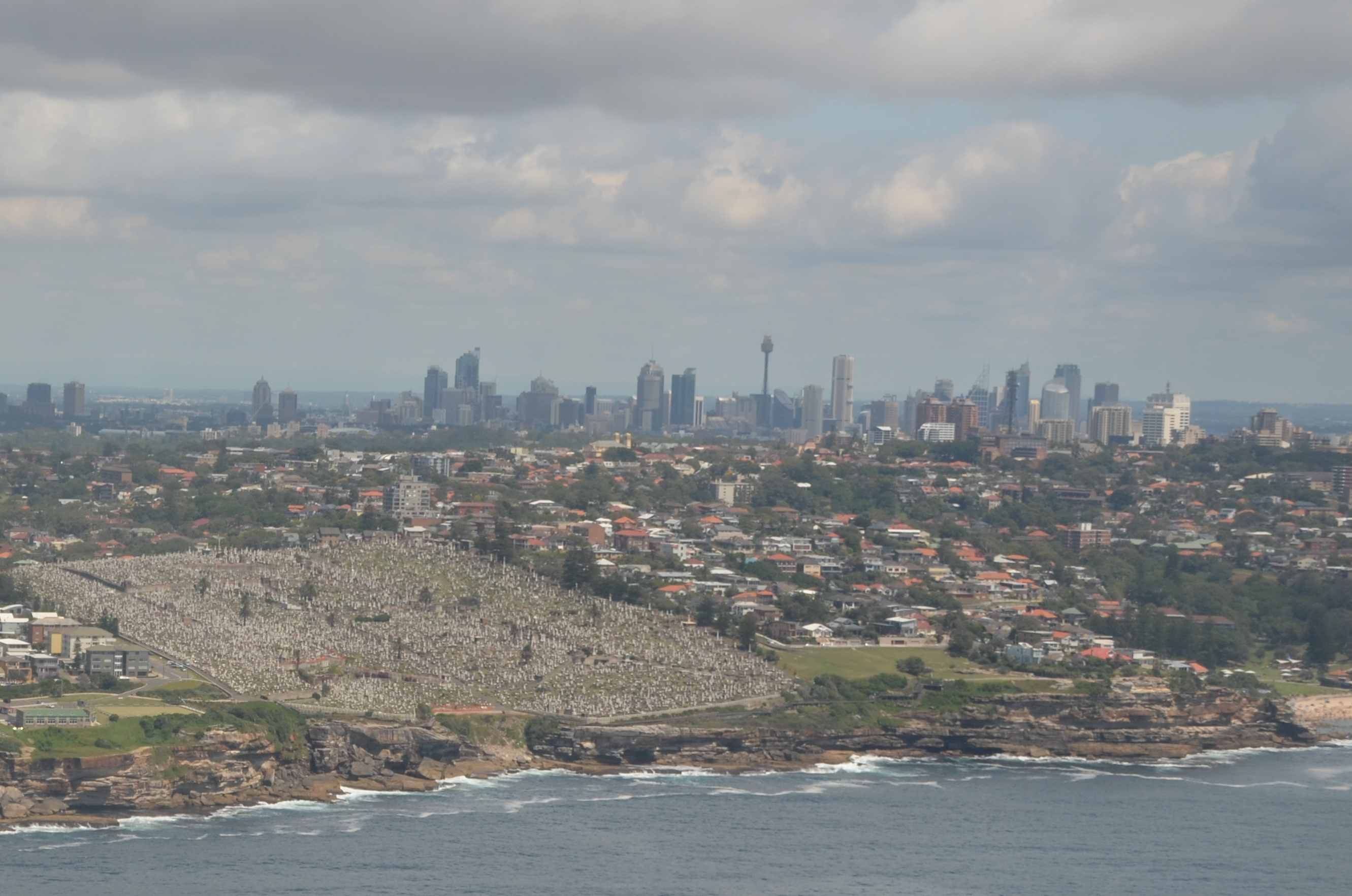
Instead of flying the Cessna from Melbourne to Sydney, which would have taken two days and may not have fit our four suitcases, four backpacks, we decided to take a commercial flight. As a result if I wanted to fly, I needed to get a new check out from a Sydney flight school. I flew for an hour or so with Paras of Sydney Aviators. We went on an incredible trip flying over Sydney Harbor and down the coast of Sydney. This would prove to be good preparation for me taking the family on the same trip today.
——–
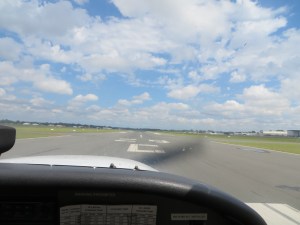
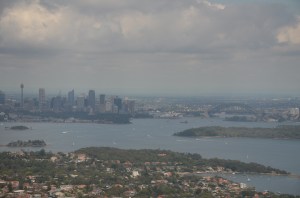
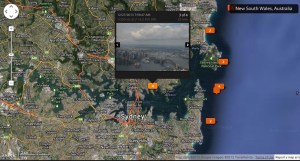
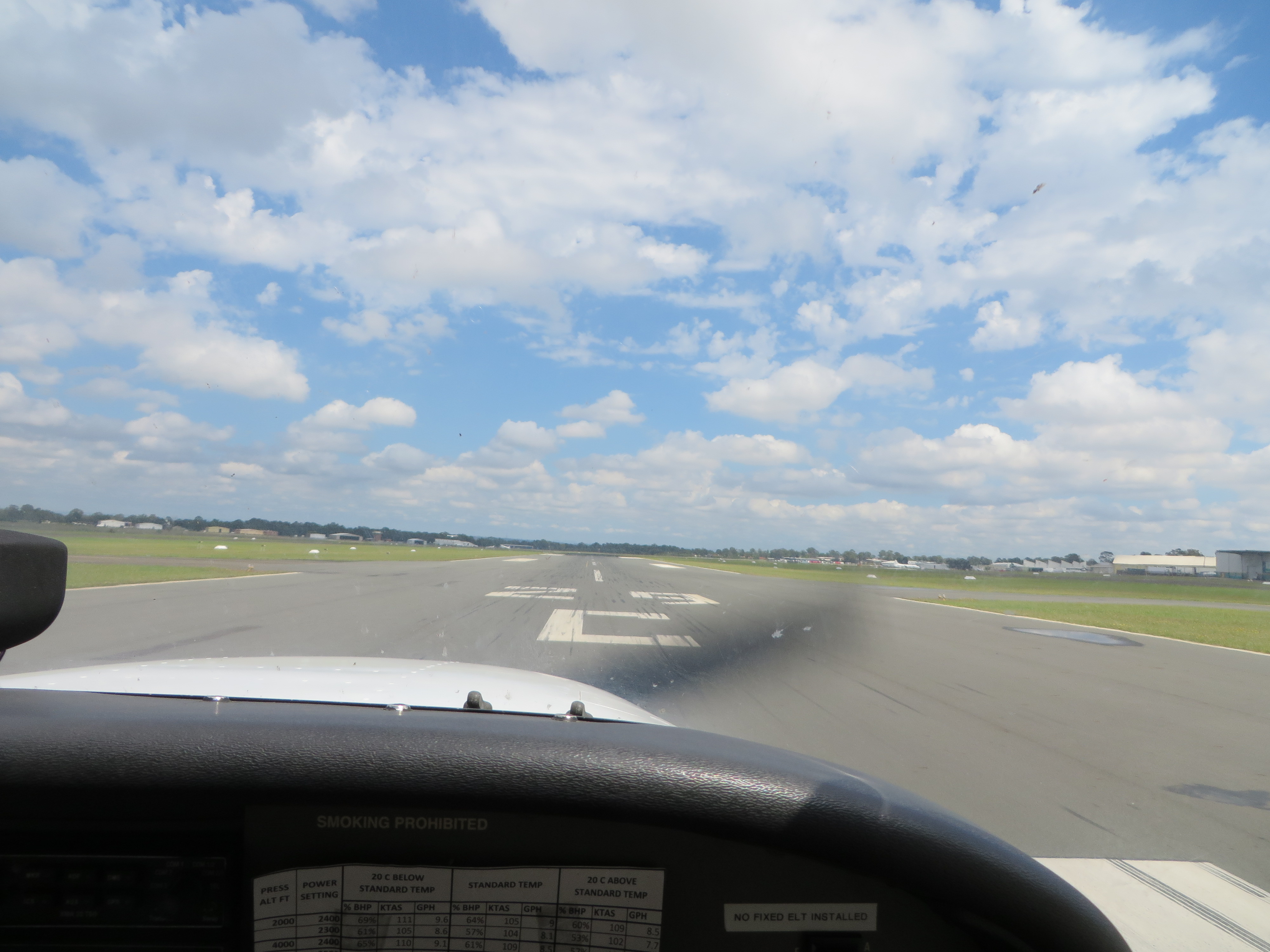
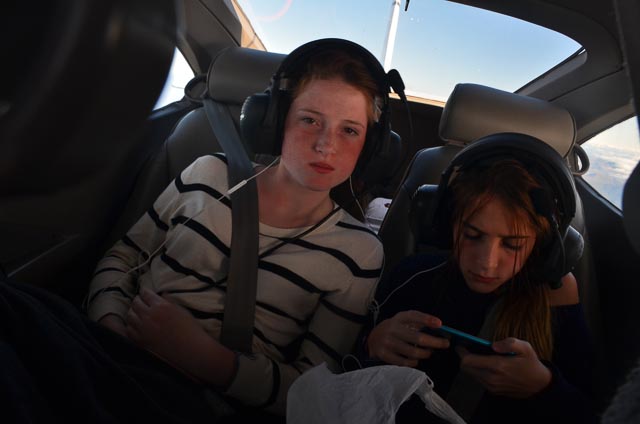
We flew in a Cessna 172 on today’s Sydney Harbor flight. (See photos) For the girls who are used to flying in our twin engine six-seater, the four seat single engine cessna looked a bit rickety but they were game anyway. We all climbed into the plane with our life jackets secured around our waists. A portion of the flight is over water at 500 ft and Australian regulations require life jackets for such flights.
I don’t often think of Australia of having a rugged coast, but near Sydney there are impressive cliffs overlooking the ocean. Our beautiful 1.2 hour flight used about 12 gallons of fuel (which is purchased in liters).
–Another whole blog could be devoted to the English vs. the metric system. But I should note that the English use the metric system! The American’s are the only holdouts with inches, yards, ounces and pounds.
With this flight, my Australian flying for this trip comes to an end but I hope to fly here again.
I need to thank the many people who helped me along the way:
Everyone at Paramus Flying Club, especially Tomoharu for training me in the G1000 C172s.
The Australian Embassy for notarizing all of the documents.
Kreisha of AOPA Australia for an excellent and inspirational blog as well as much useful information.
Pete of the AOPA USA
Clare of Air Safaris International, who provided much insight on flying in Australia.
Everyone at CASA, especially Stephen, who clarified what I needed to do to get the license and Donna, who sent me the CoV so promptly.
I would also like to thank about a dozen people at AusPost. They didn’t find my ASIC, but they were helpful and cheerful none-the-less.
Special thanks to Glen, chief pilot at Melbourne Flight Training and my incredible instructor Rishi, who taught me about flying in Australia. As a result of the training, I was able to get weather, understand the local charts/maps, file a flight notification, fly out of a controlled airport, get over-water monitoring (called Skeds) and do it all safely and with confidence.



























































 Davidson Big Trip