
A meditation clip.
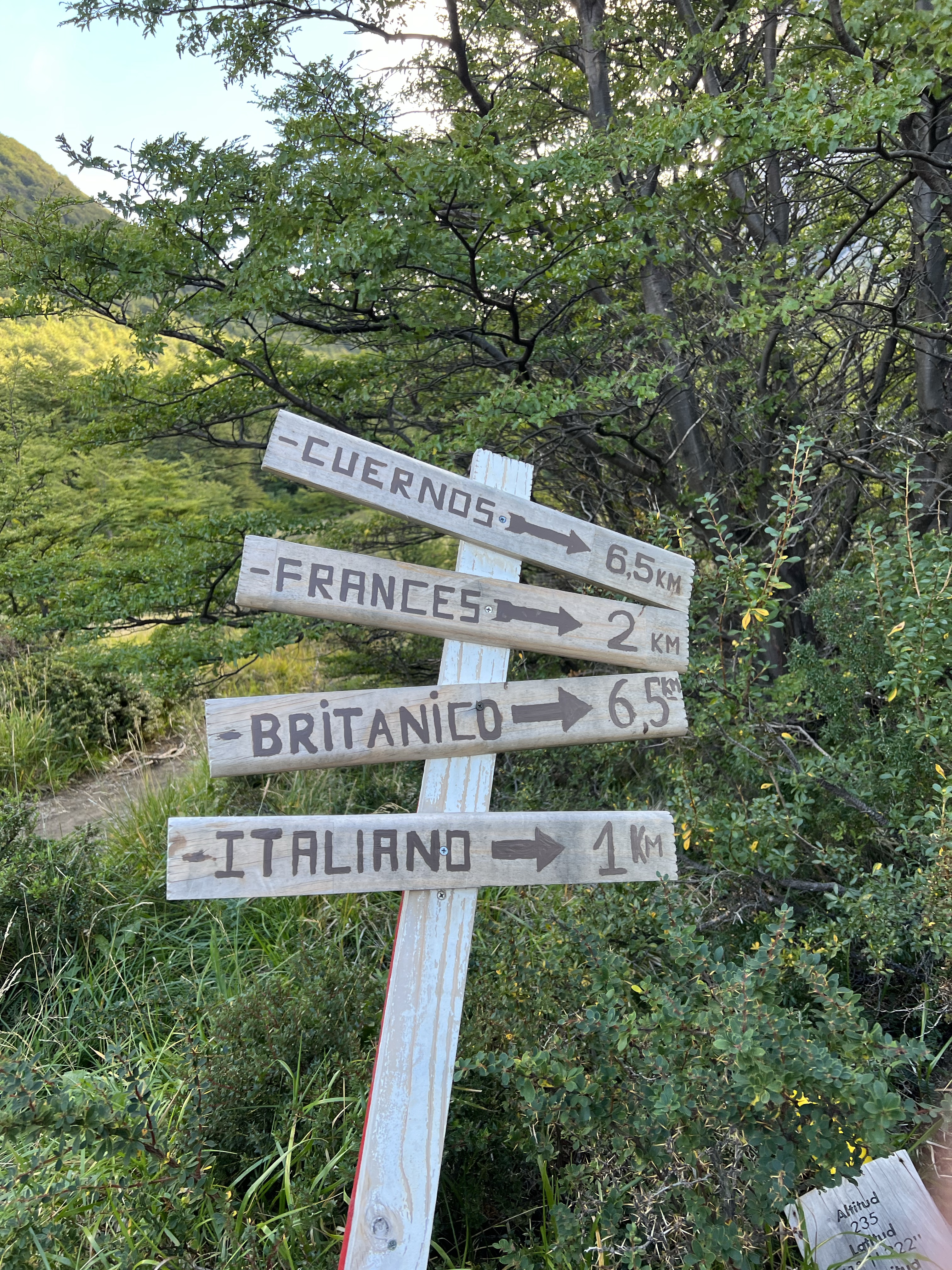
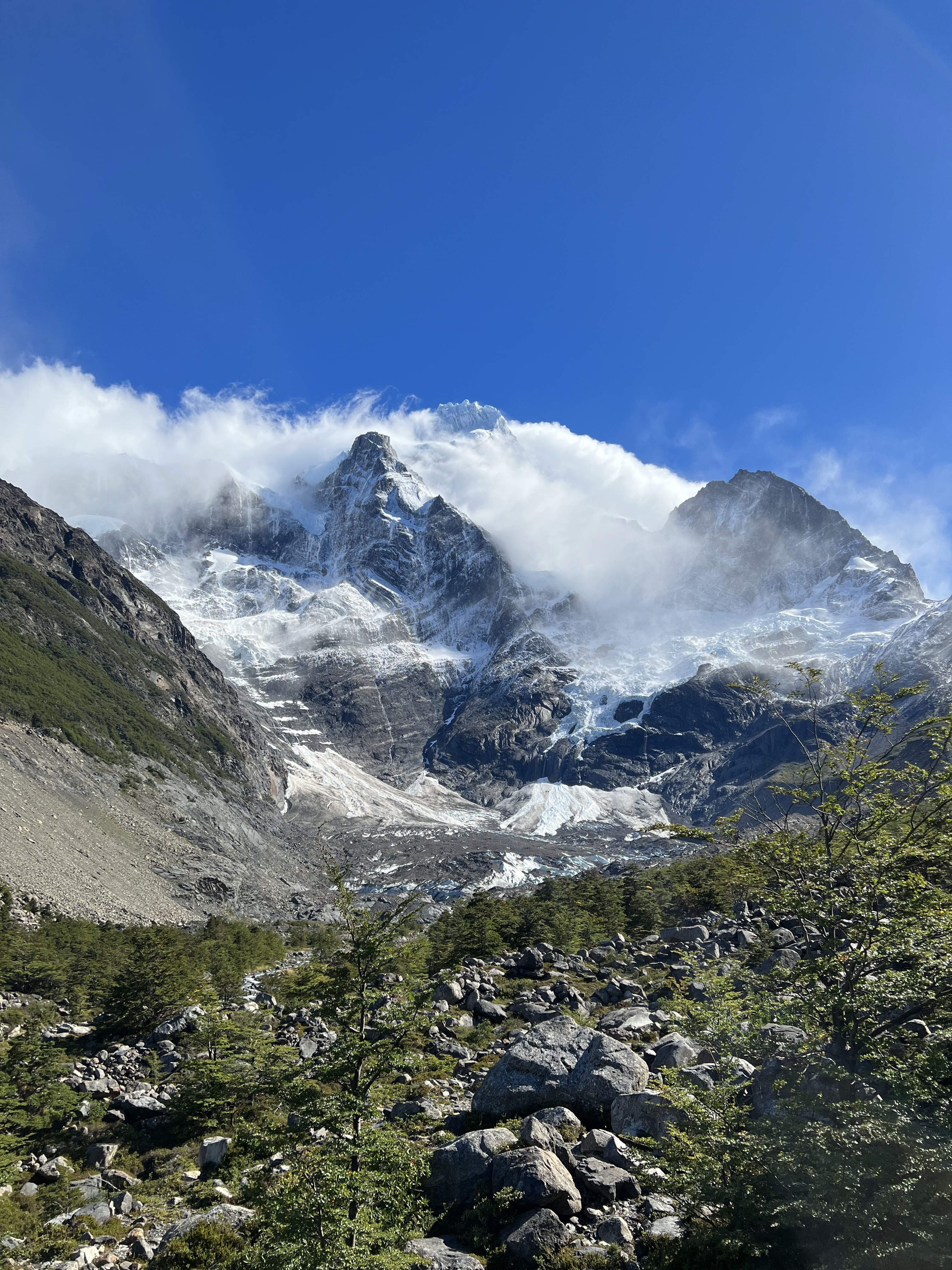
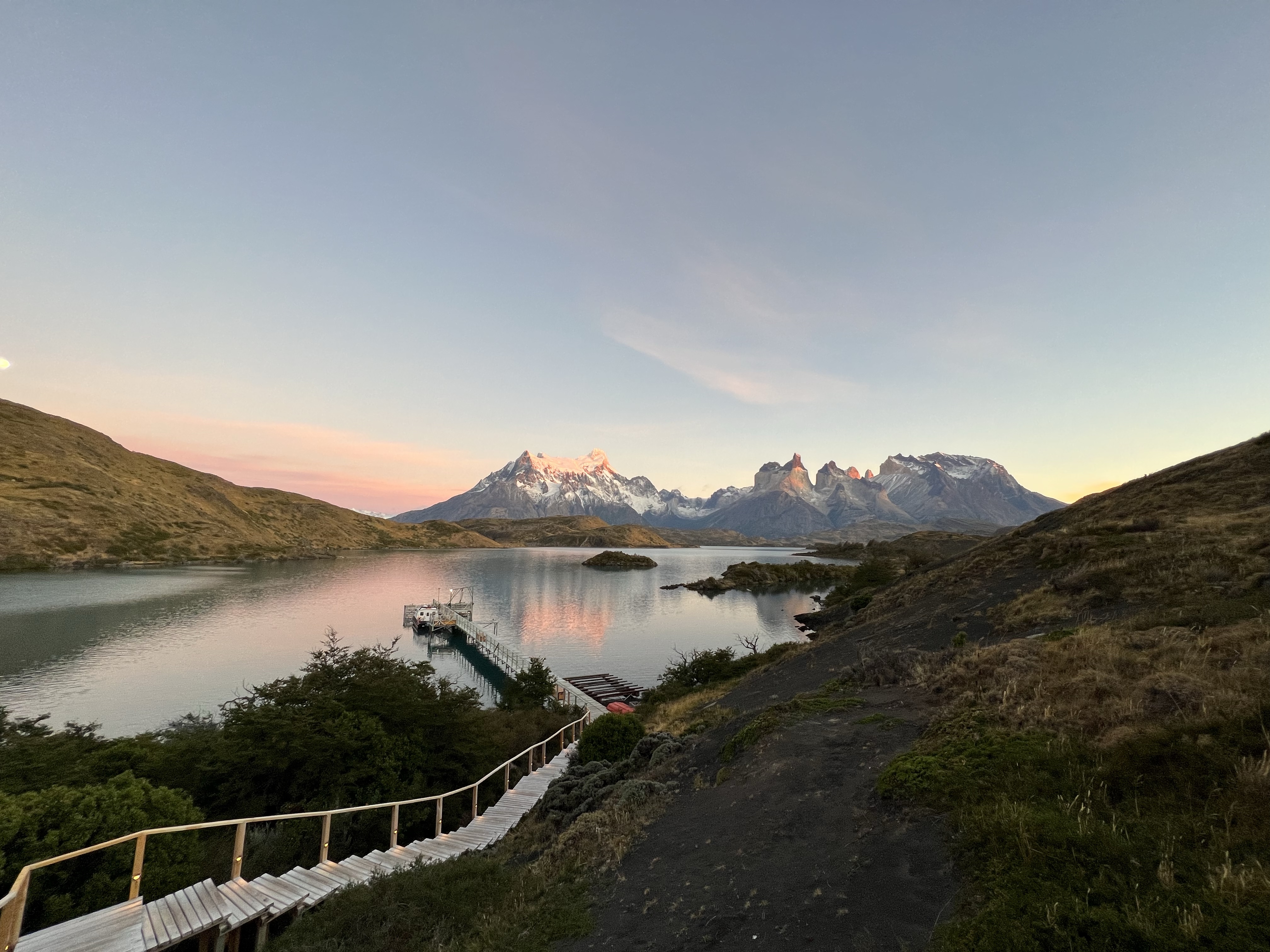
Patagonia
I am spoiled.
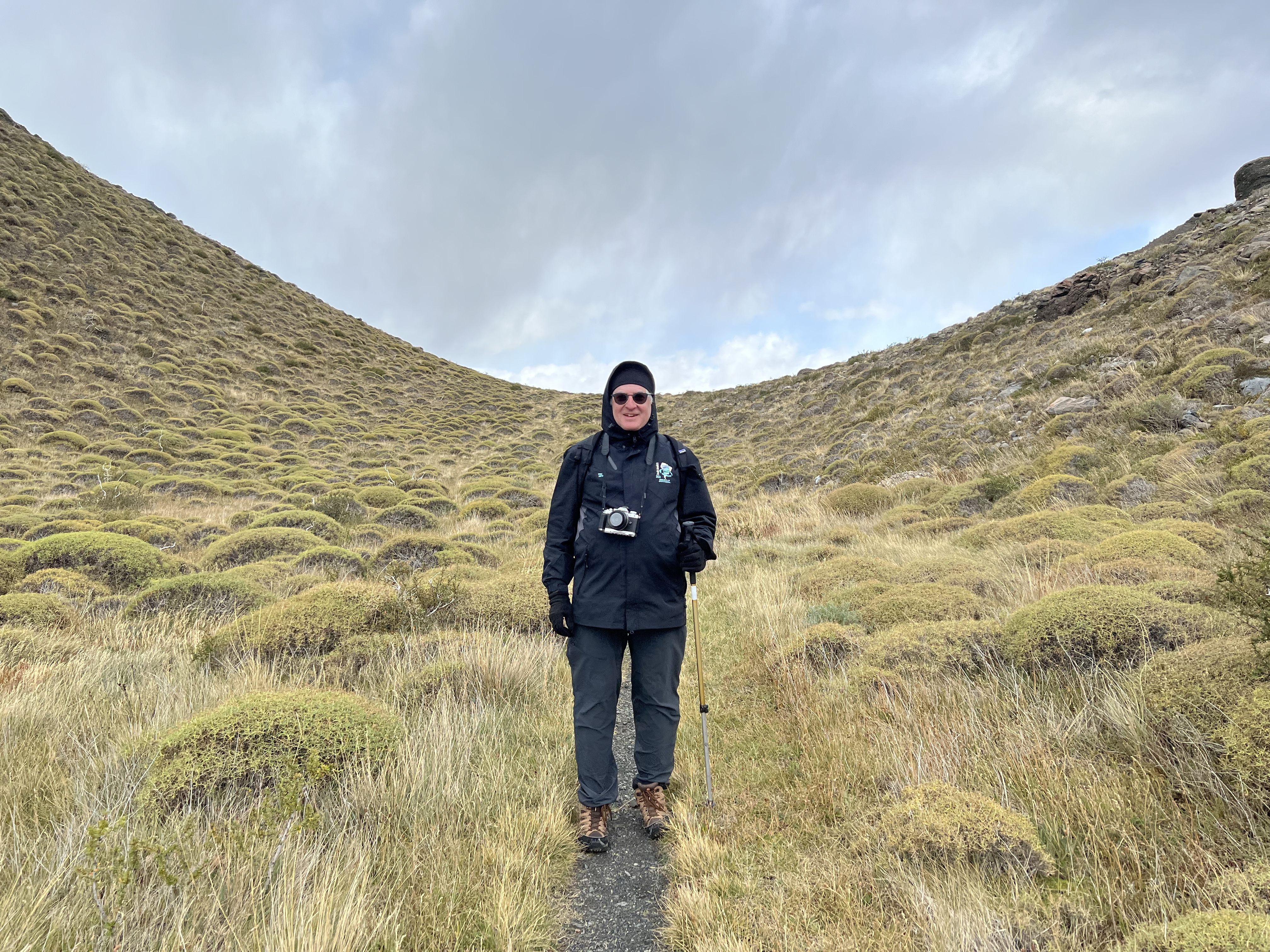
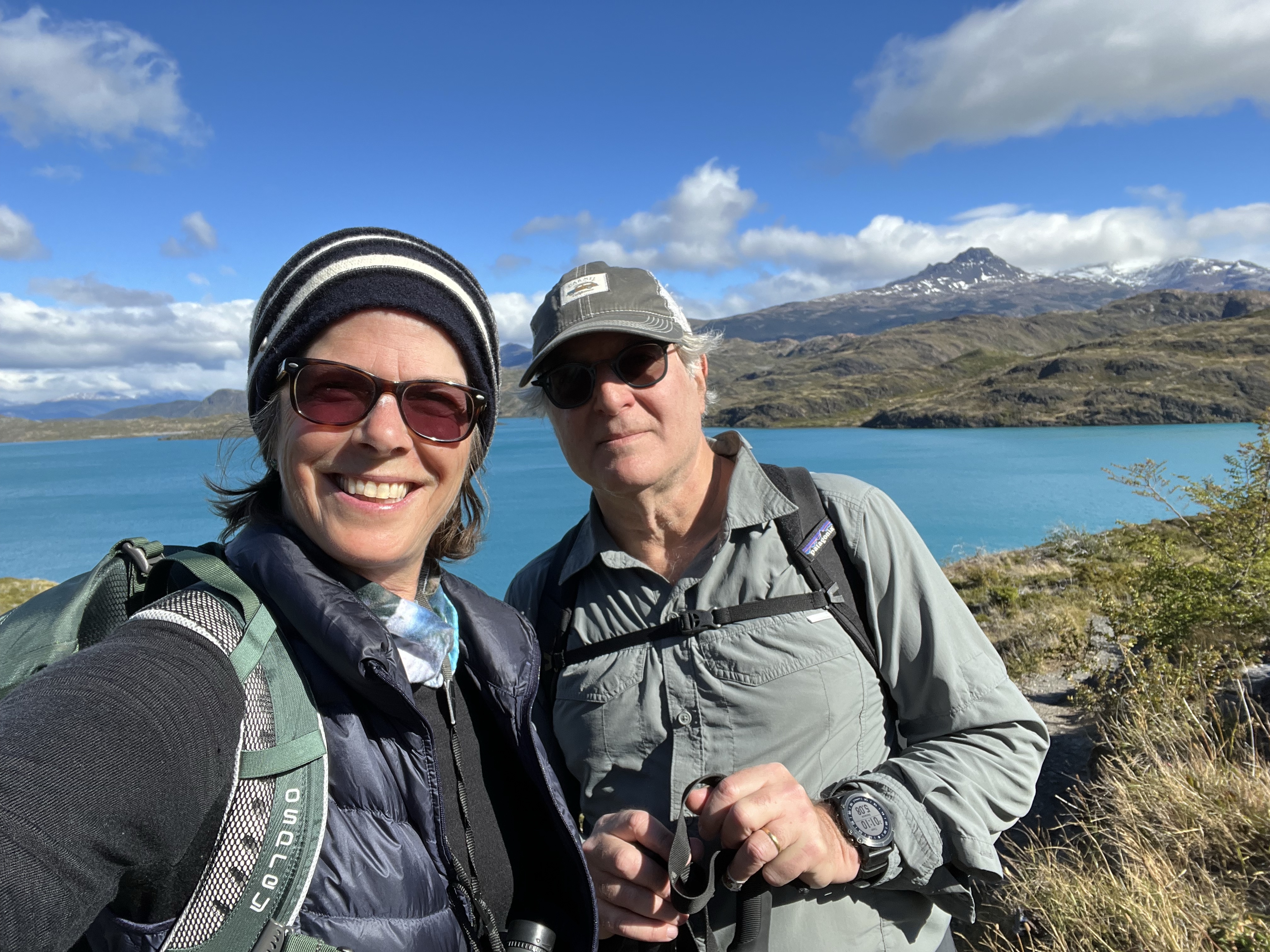
I’ve hiked here before. Rose and I hiked the W circuit with a couple from Denmark, a woman from Australia her college roommate and US AID worker from Washington DC back in 2017.
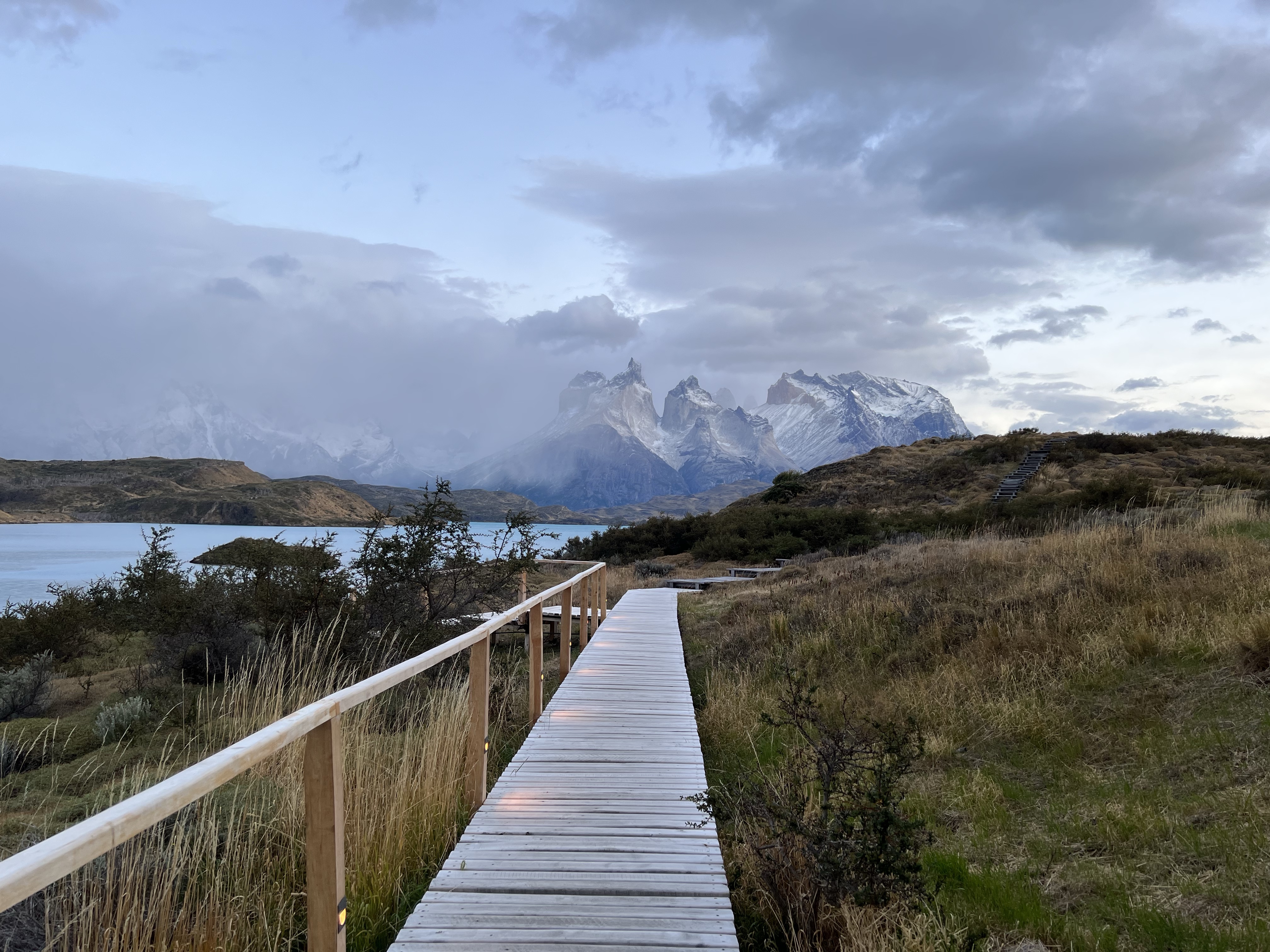
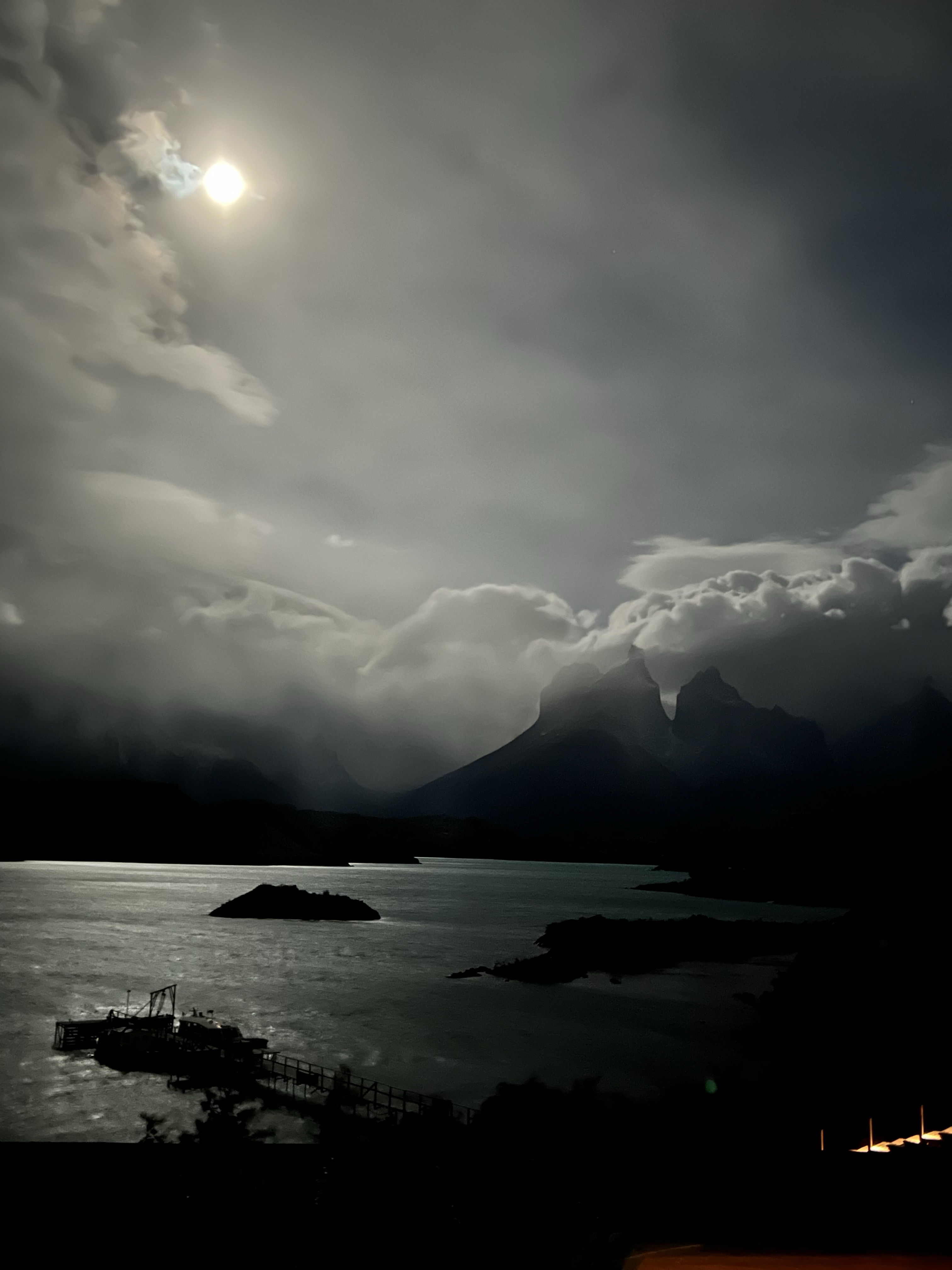
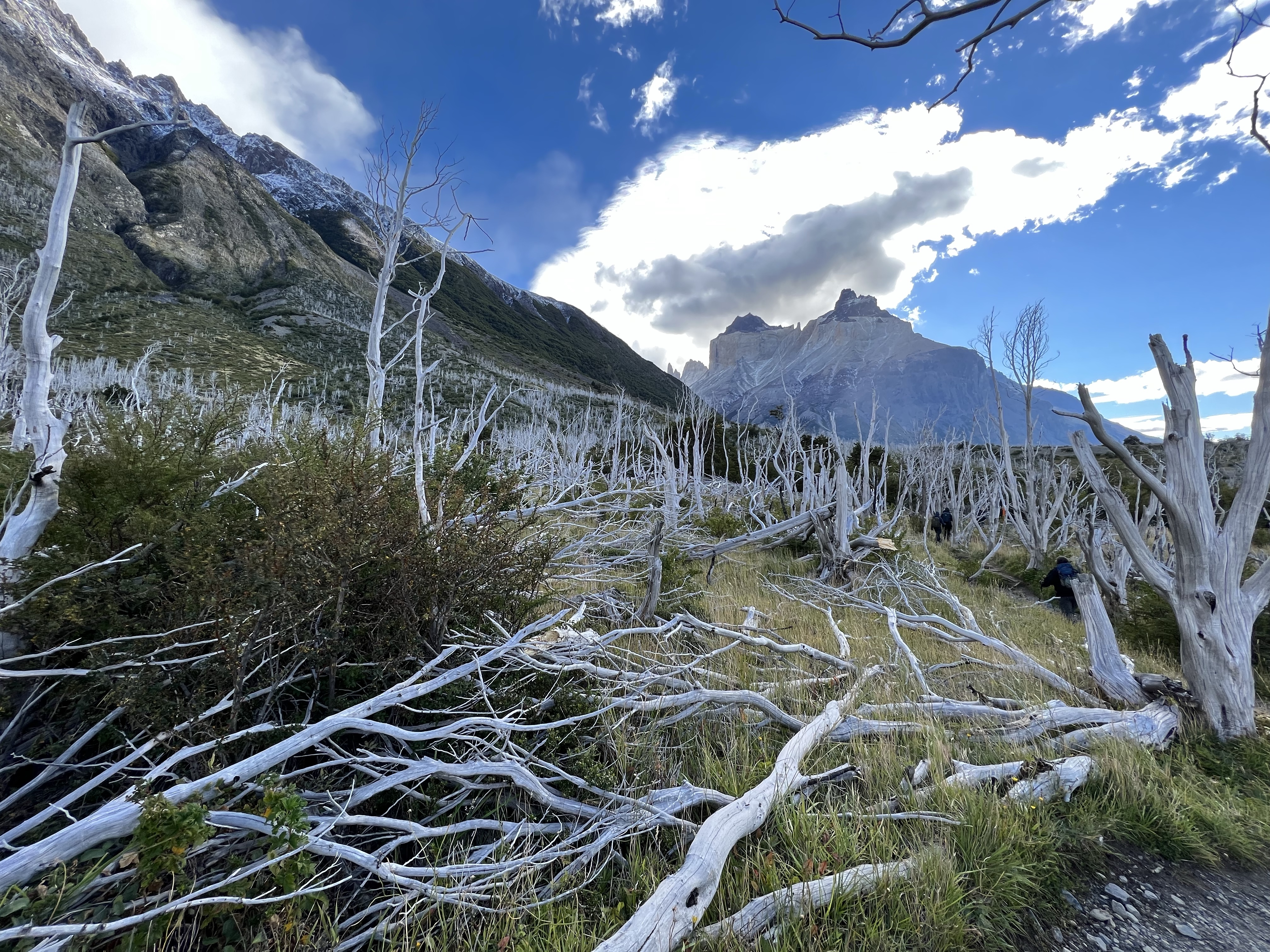
Chilean Patagonia is a rugged, raw, and majestic landscape. When the wind blows, it’s chill pierces every pore and every raindrop feels like hail. When the sun shines, it’s like a shower of blessings.
I was very happy to be here again. And even happier to share it with Andy. It reminds us of New Zealand. It reminds us of Maine. It reminds us of Big Sur. It reminds us how important nature is and how small we are.






Santiago

We prefer boutique hotels with local flavor; our group is booked into large and luxurious accommodations.
It sounds like I am complaining and I am, sort of.
Traveling with Air Journey means that every detail is arranged including international flight plans, manifests, briefings, immigration and customs. A wonderful service.
The trade off is that we stay in hotels that wouldn’t be our style. So here we are in Santiago at the Mandarin Oriental.
Don’t judge me.
And, we needed to do a bit of laundry. I expected the prices to be exorbitant. But two years of Covid means that there are fewer travelers and the prices here are surprisingly reasonable. So we sent out a 4 pants and 6 shirts, plus a dress. And because it’s the Mandarin Oriental, everything was beautifully laundered, pressed and hung. (Price USD$65.00)
For “undies” I brought oxi-clean detergent in a small container that, during the heightened of the pandemic, Blue Ribbon delivered with wasabi. (I keep waiting for questions from the immigration and customs inspectors about the white powder in the small plastic container with Japanese writing. So far no one seems interested in asking what exactly it contains.)
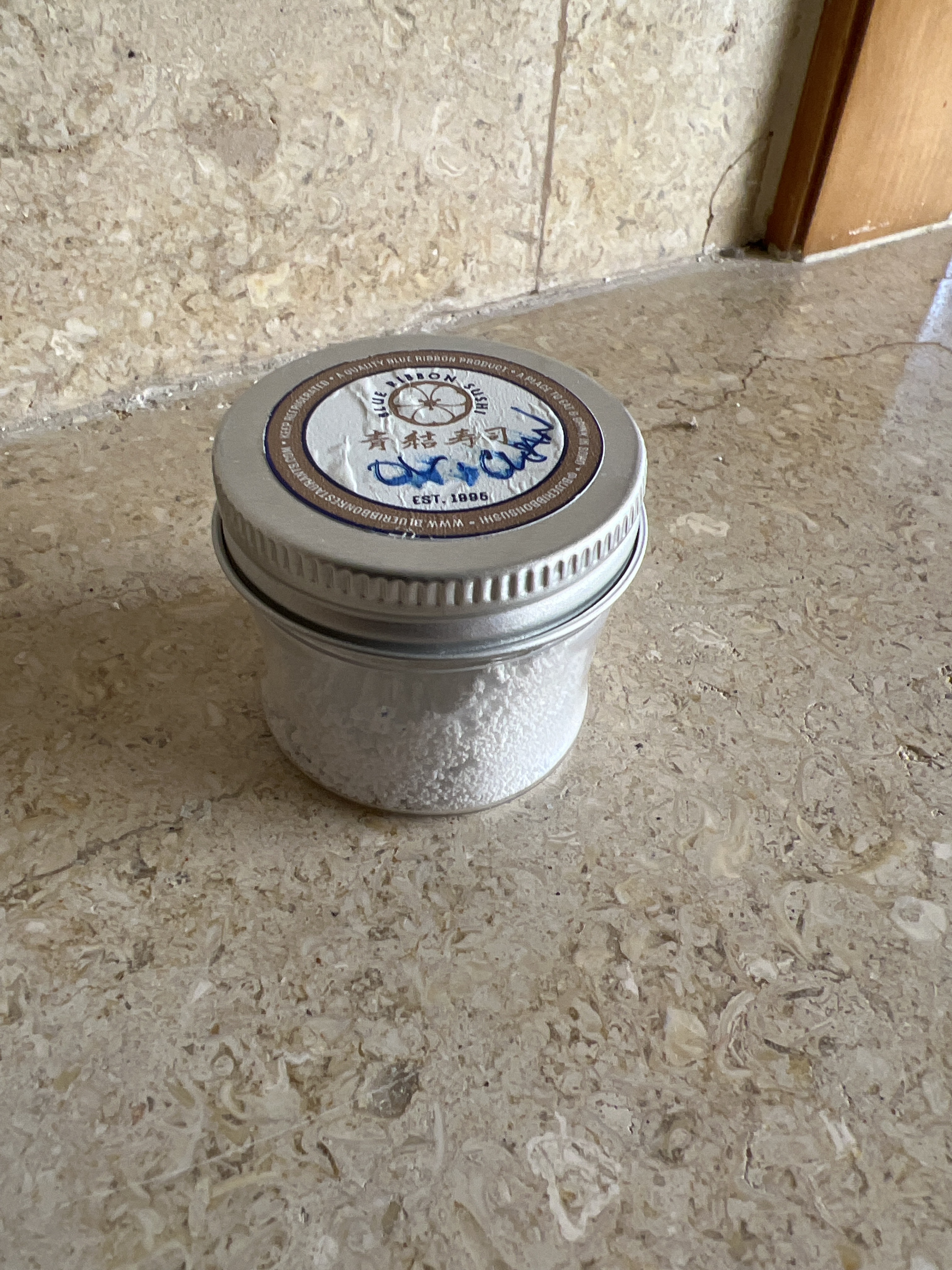
Anyway, the Oxi-clean served us well enough for our personal items and we redecorated the room with improvised drying lines. Sorry no pictures. You can thank me with a nice glass of burgundy when I get back 🙂
There are very few pictures of our time in Santiago. Because other than doing laundry, we spent our time catching up on emails and doing a little work. We ran an errand to the Nikon store to get a sensor cleaned had lunch and then rejoined the group for flight briefings and dinner. It was a quick visit, not a deep one.



More than Hashtags – Bolivian Salt Flats
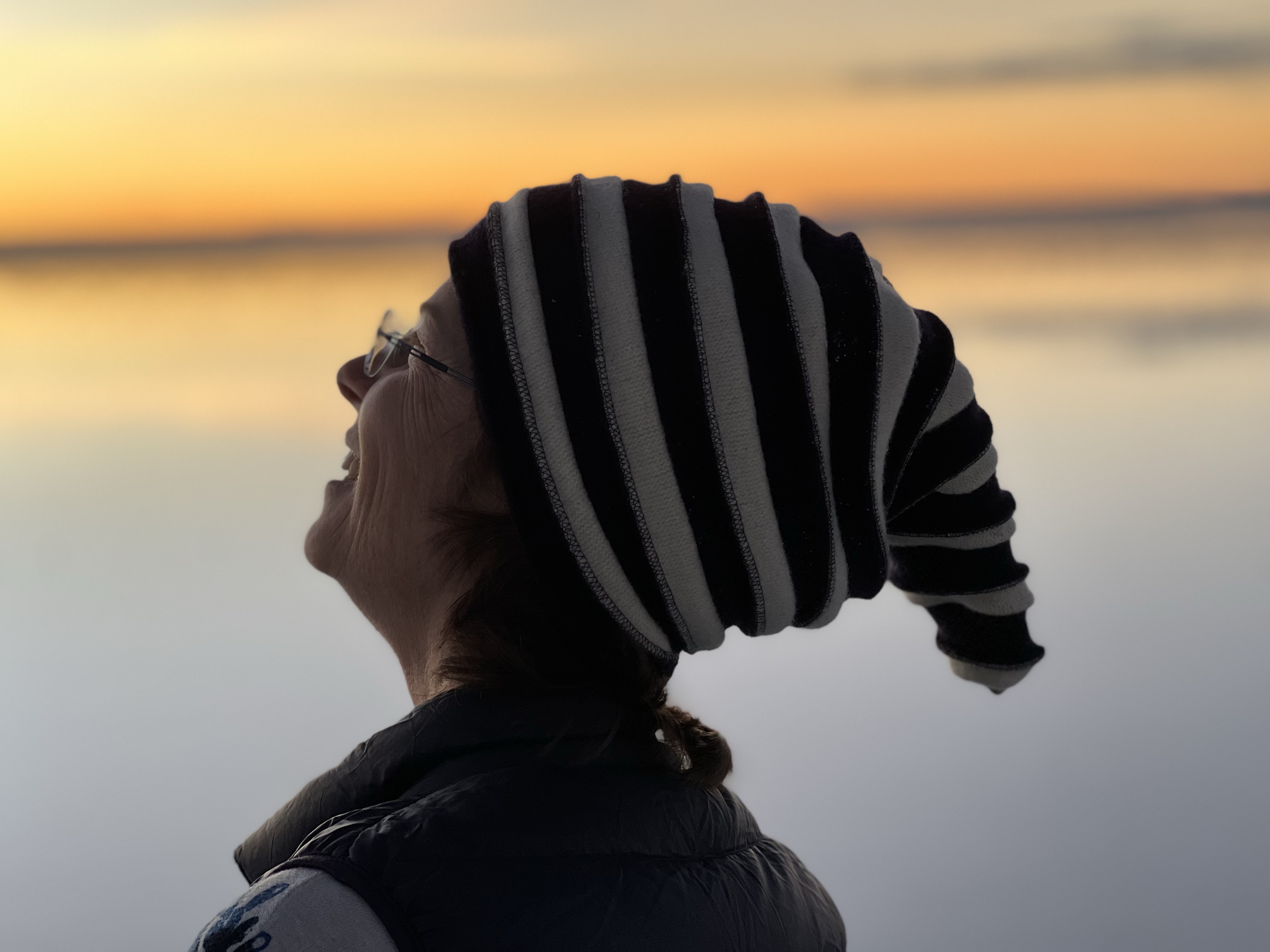
It’s a natural wonder. 12,000 sq km of salt flat – the largest in the world. But people don’t come here for the salt. They come for the photos.
For Instagram, TikTok, and the like. Tourists and tour companies appear to have gone to some length to curate the best pose, video, and post.
And the results are stunning and sometimes hilarious. You can scroll through posts using hashtag Uyuni (#uyuni) to see what I mean.
But, there is another side to visiting this area; one that isn’t posted on social media. It’s not nearly as pretty.
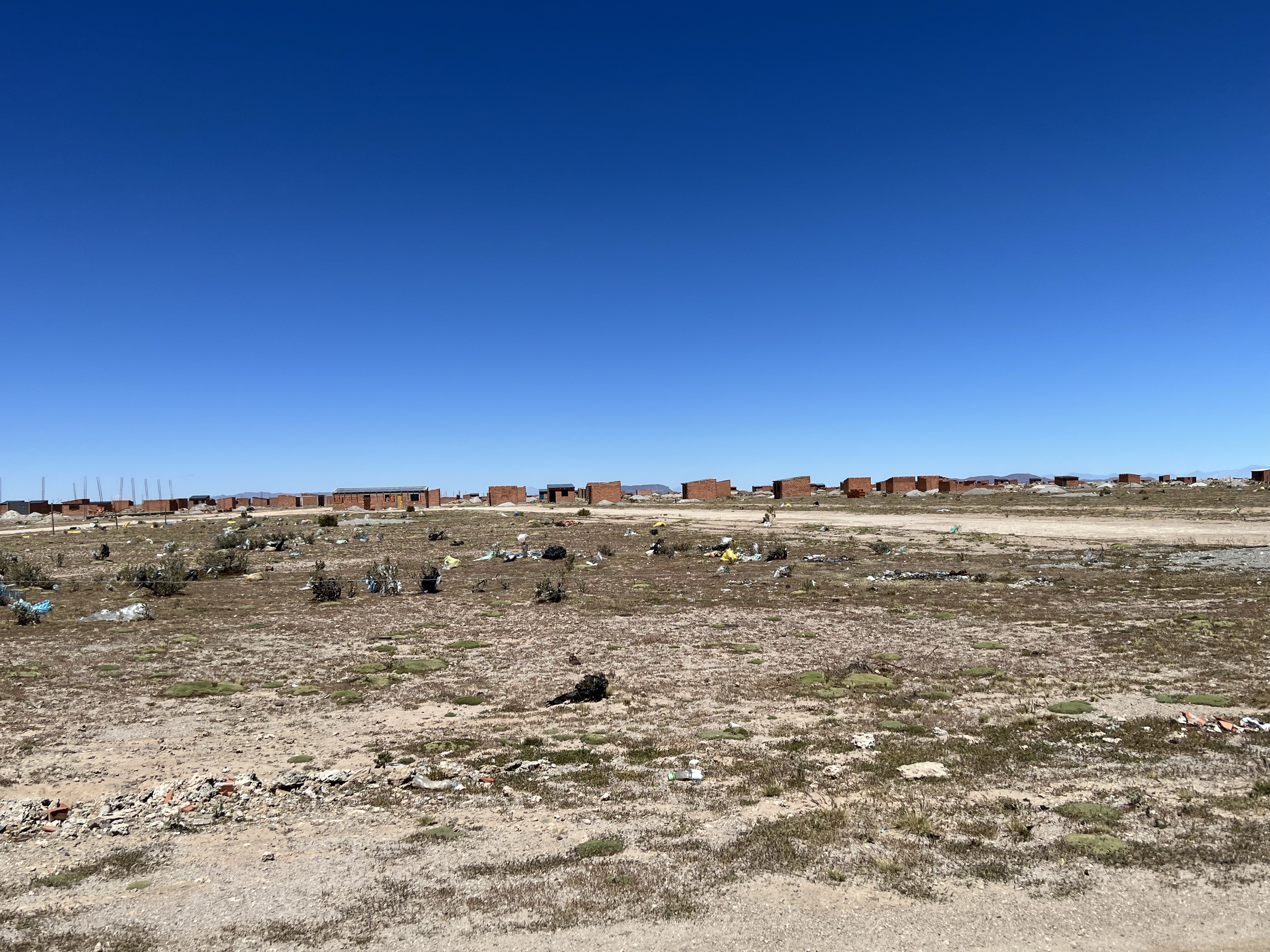
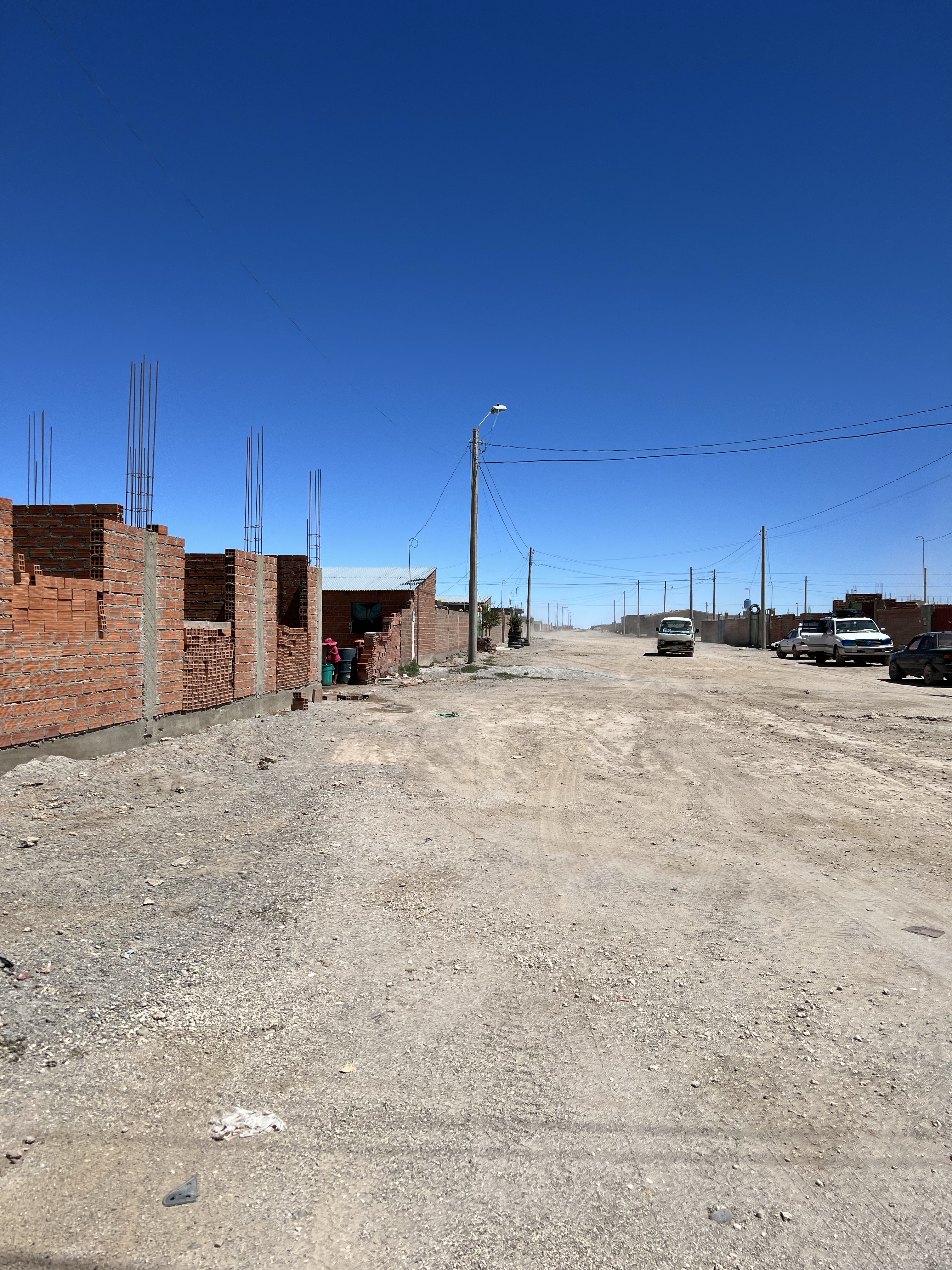
The land is barren except for a few quinoa farms, meandering vicuna, and lots and lots of plastic debris. Plastic bags are caught in the scrubby landscape. Plastic bottles of all sizes are strewn everywhere. People bury their trash and then light it on fire with limited success which means there are piles of partially burned plastics dotting the landscape.
There is also a lot of unfinished construction – small houses only partially started with gravity fed water tanks, no septic system, and spotty electricity. This is the side of the Bolivian Salt Flats that doesn’t show up in the carefully curated TikTok or Instagram post.
Here are the two sides as I experienced them.




Sacsaywaman
Most of the tourists head straight to Machu Picchu, myself included. But in the town of Cusco stand the remains of an Incan temple extraordinary for its architecture and scale. Large boulders weighing hundreds of tons are shaped and pieced together seamlessly, without mortar.
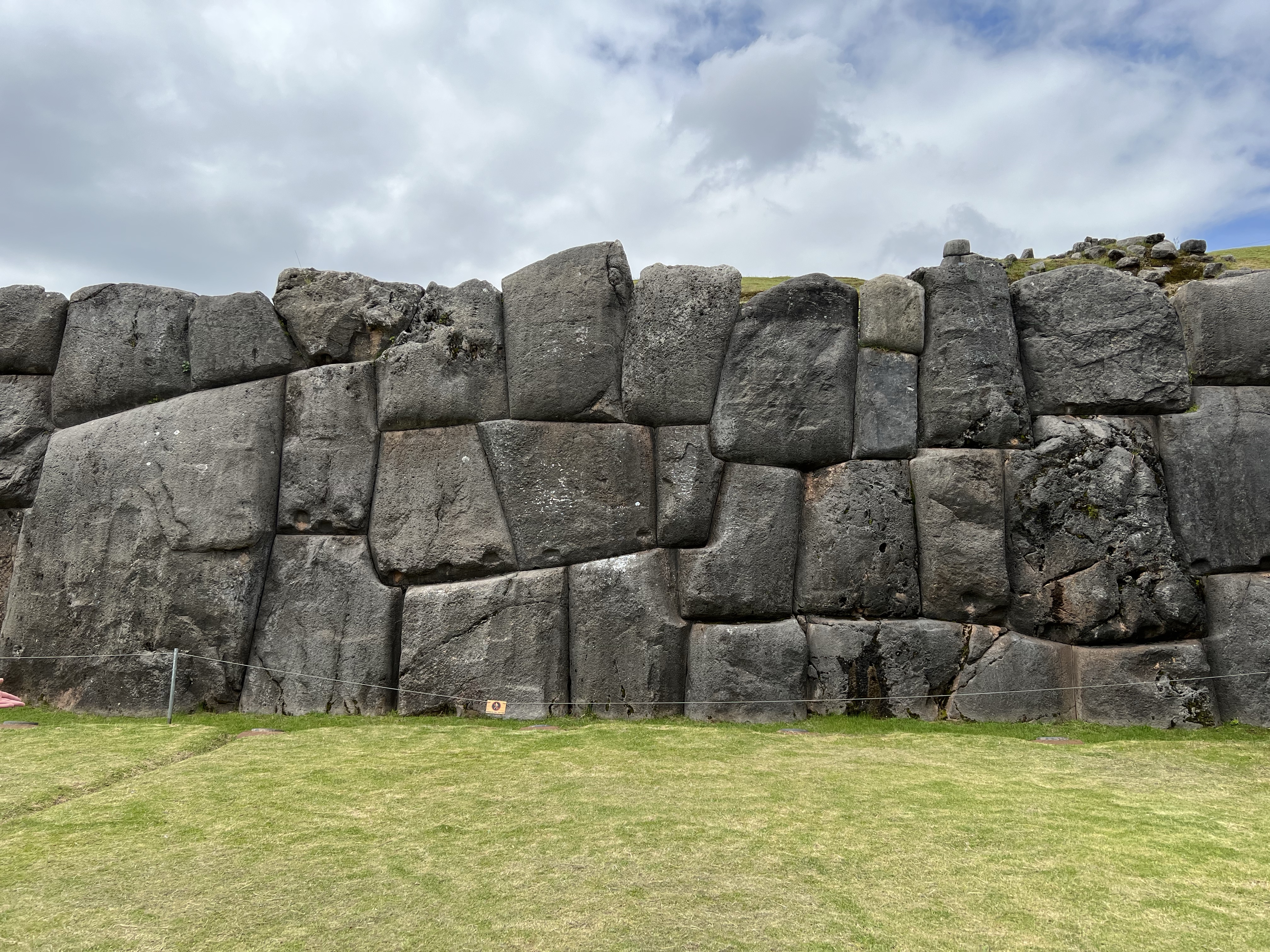
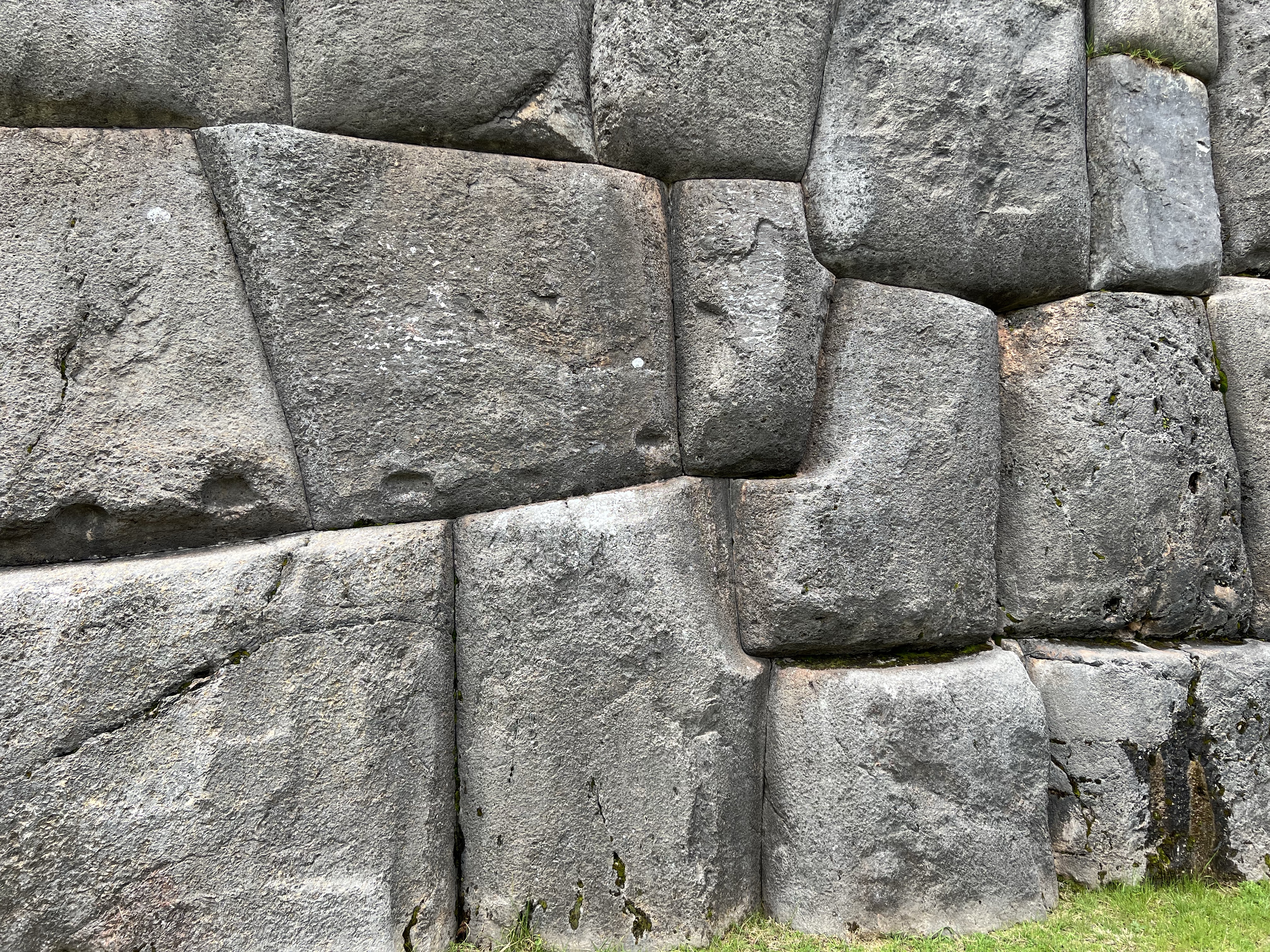

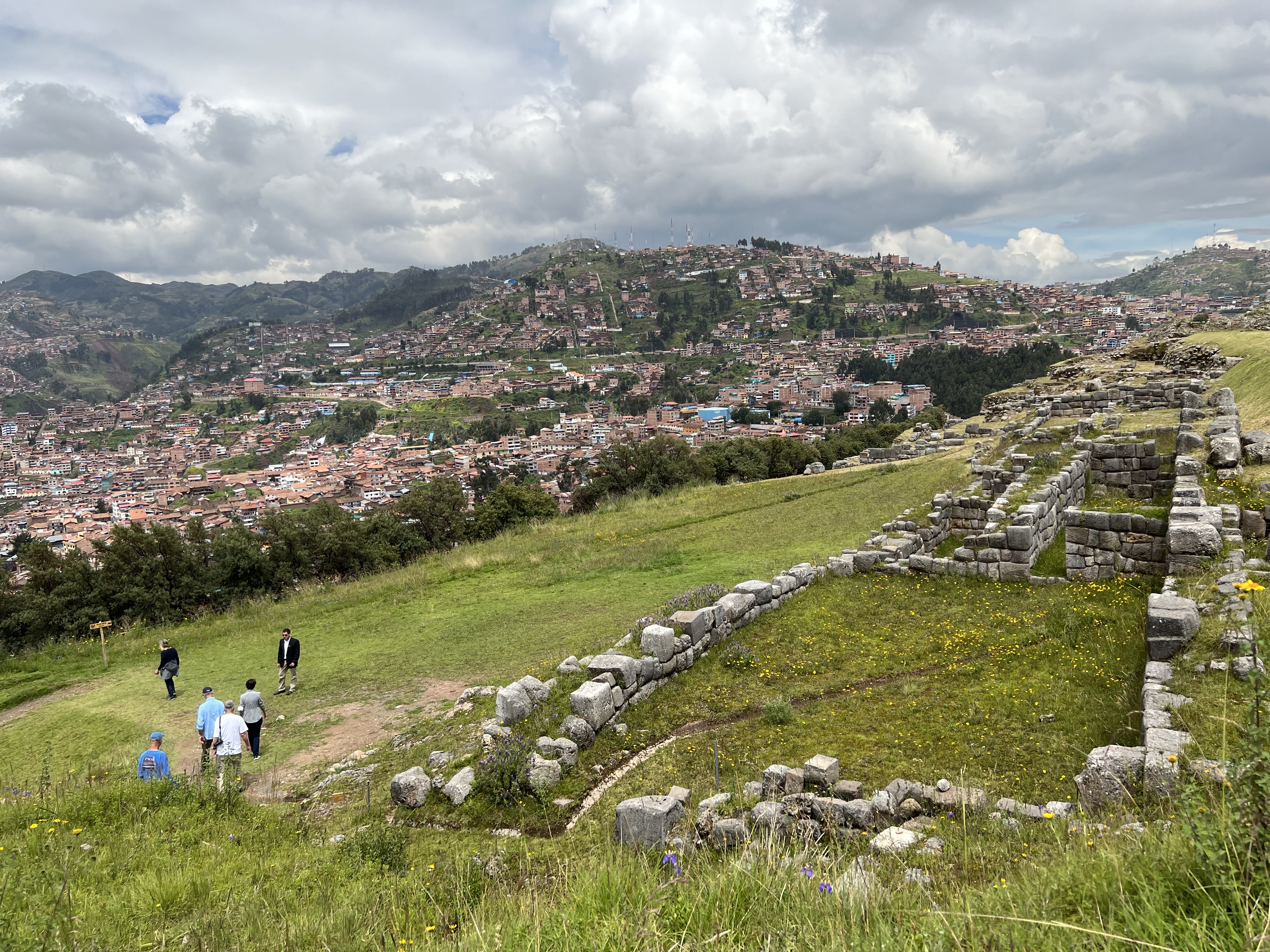
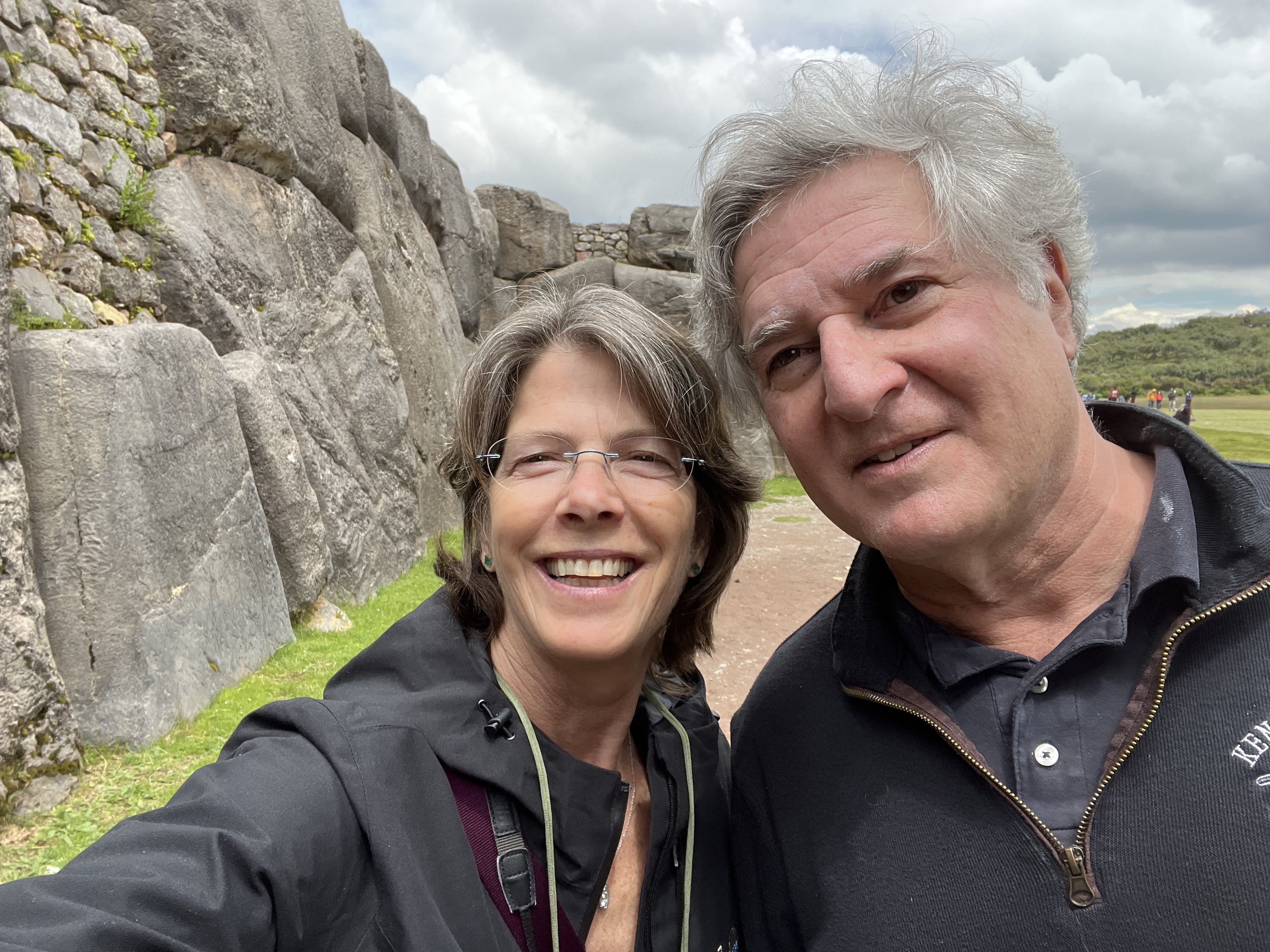


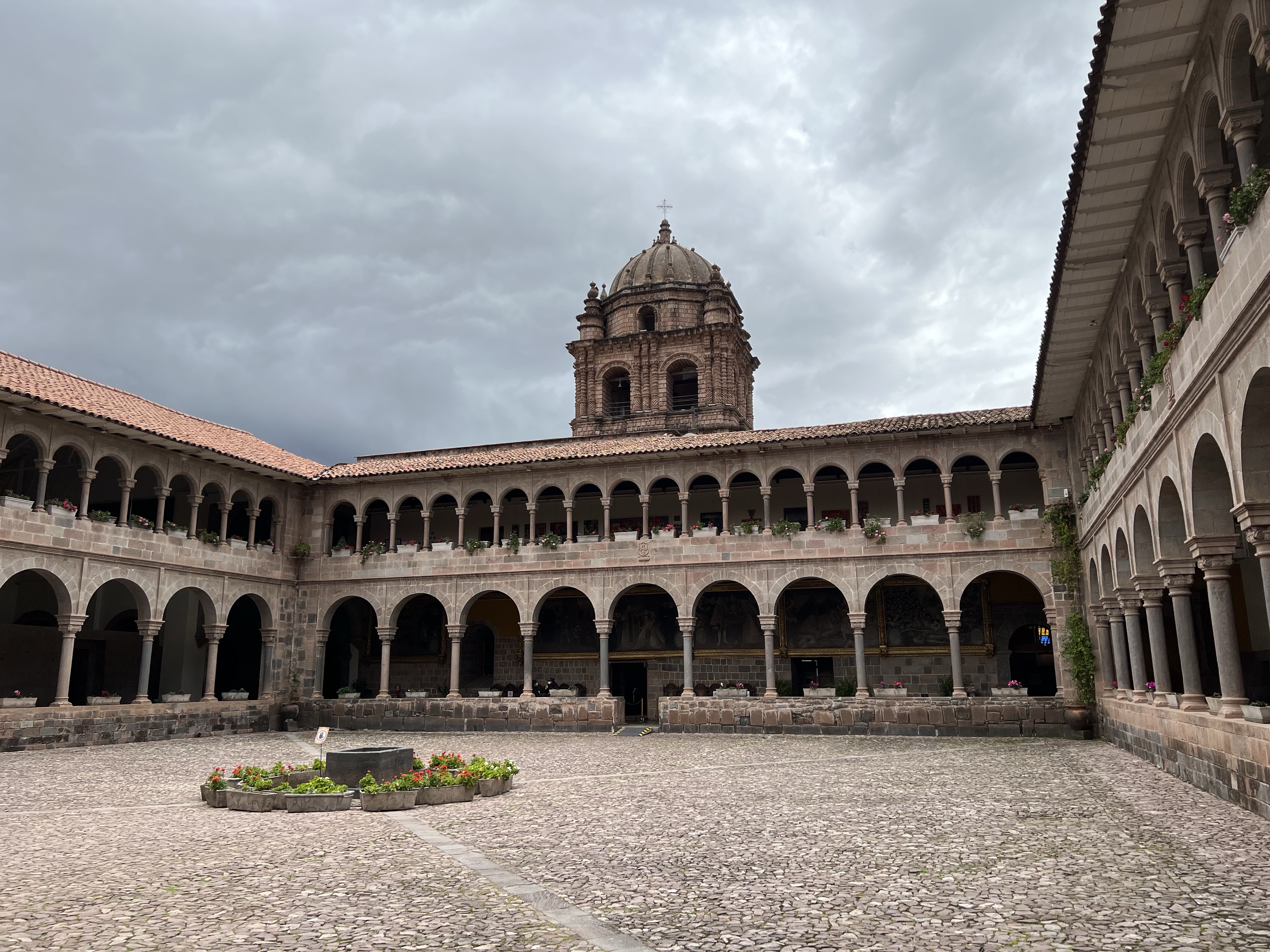
Unlike Machu Picchu which remains largely intact, most of the Incan architecture in Cuzco was destroyed in the mid 1500s when the Spaniards arrived. The Spaniards forced the locals to destroy their own temples and then build churches on their remains.

Peruvian Food
Peruvians take their food very seriously, and it’s delicious and beautiful. I wasn’t really focused on photographing or writing about it. But this vegan lunch in Cusco changed all that.


Not since Sri Lanka have I had such delicious mango.
And Tarwi has its own special history. Tarwi comes from the seeds of the lupine plant. The lupine seeds are poisonous but in pre-Incan times the indigenous people figured out that they could soak the seeds in water to leech out the poison. The seeds would be dried in the sun for two weeks and then they could be eaten. The water was used as a natural pesticide.
Andy chose this restaurant based on a quick Google search and reading a few reviews. It was our best meal in Cusco. Next time, fingers crossed, I will sign up for cooking classes with Mama Seledonia.
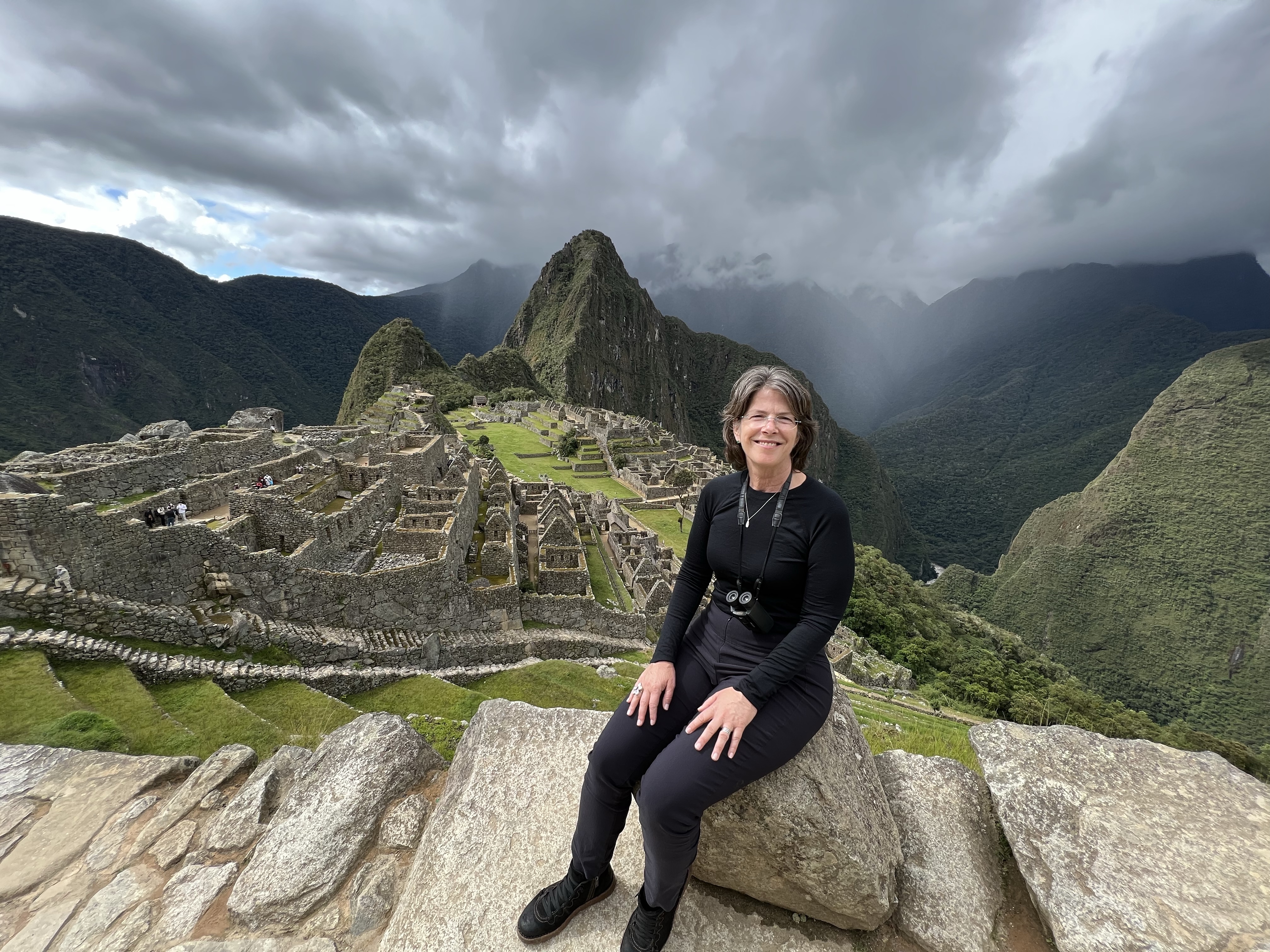
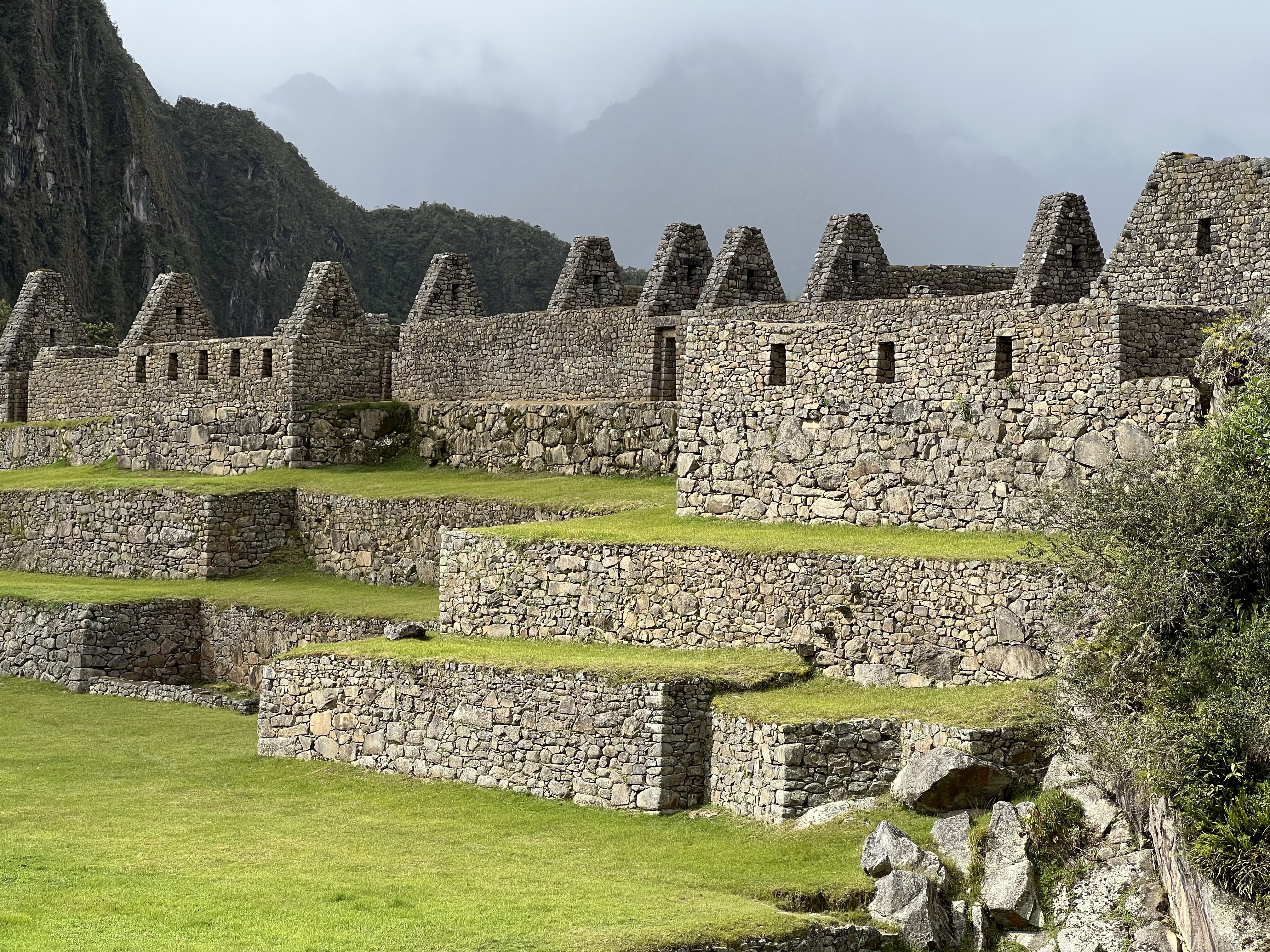
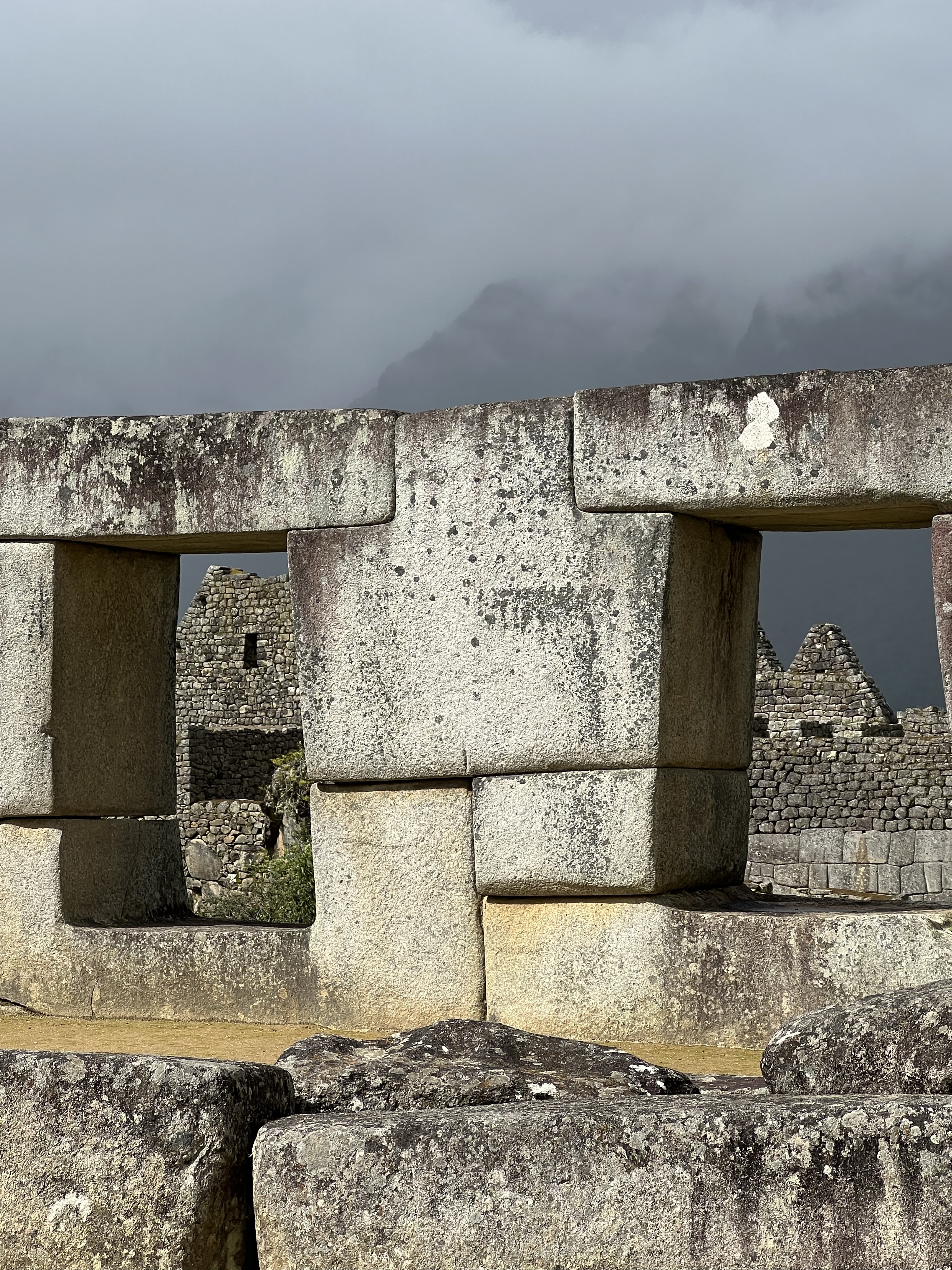
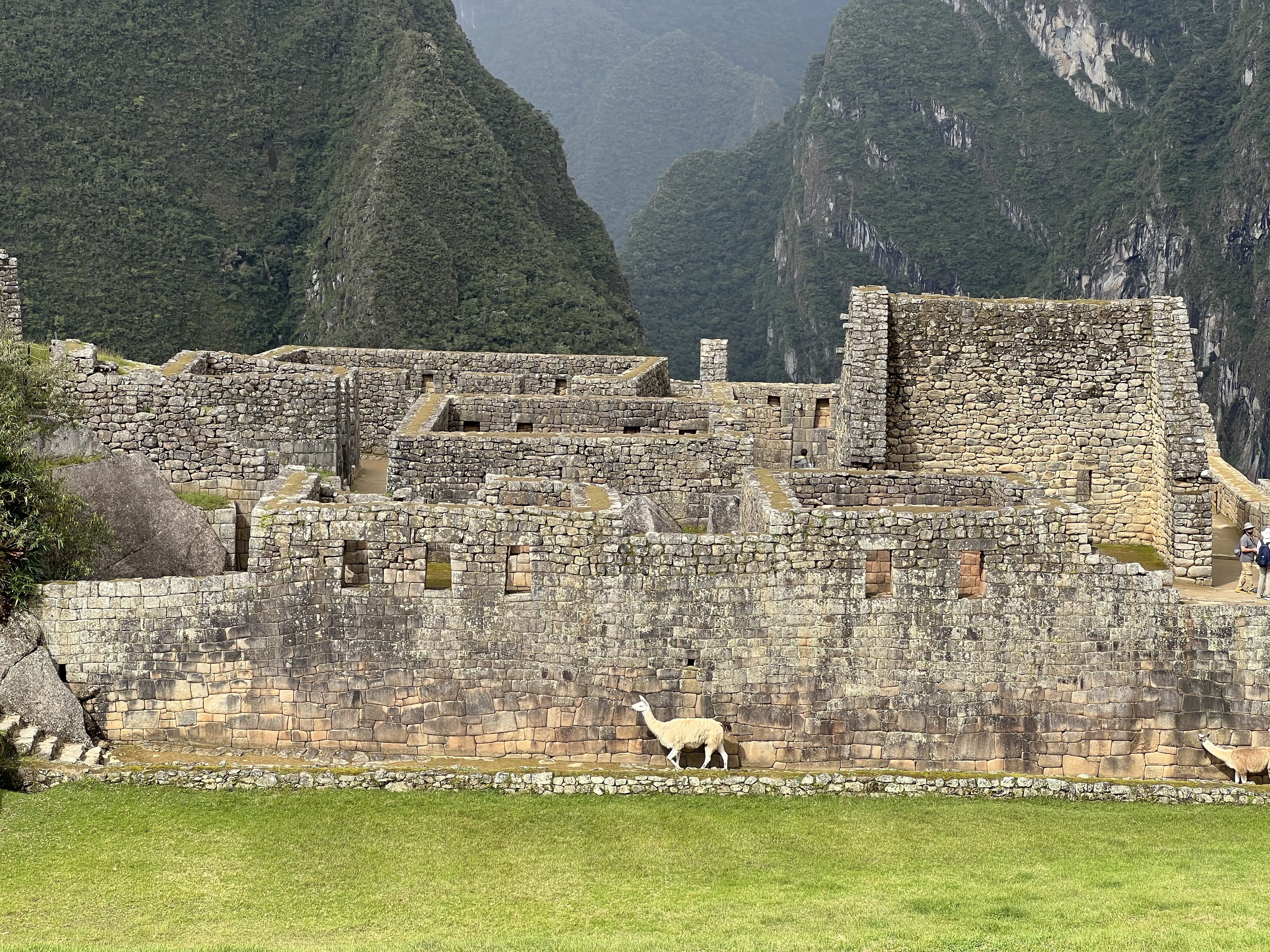
Machu Picchu
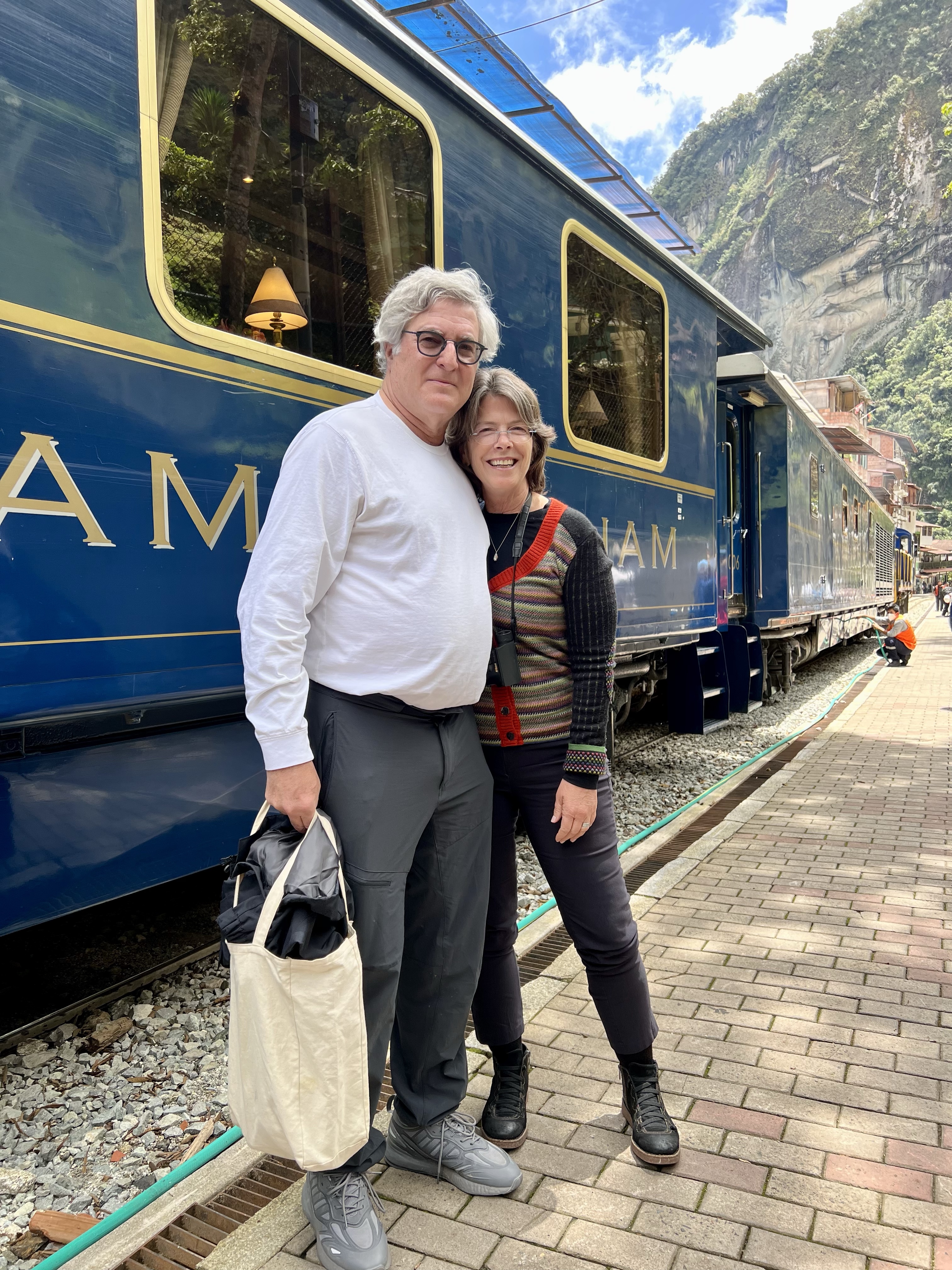
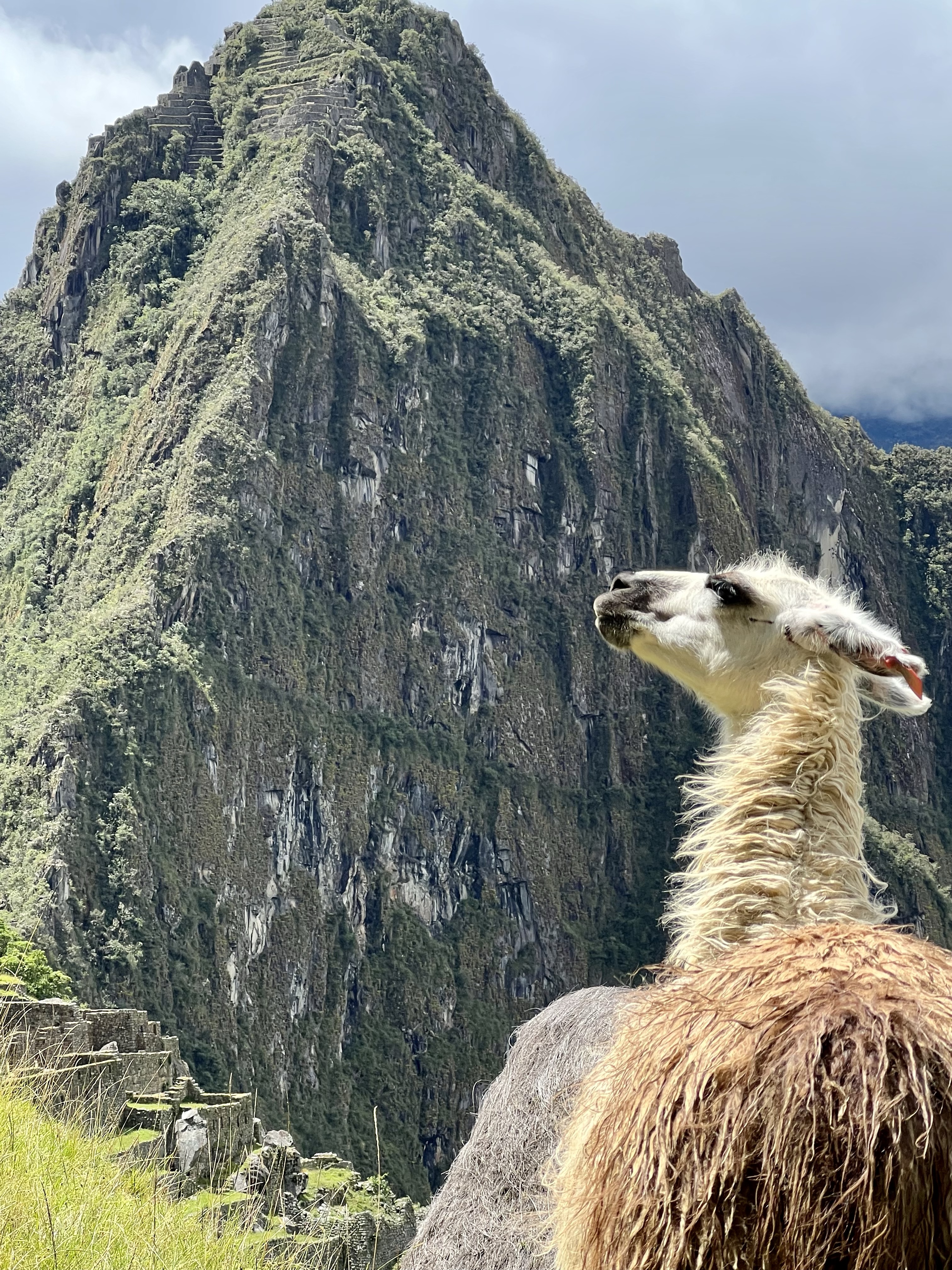
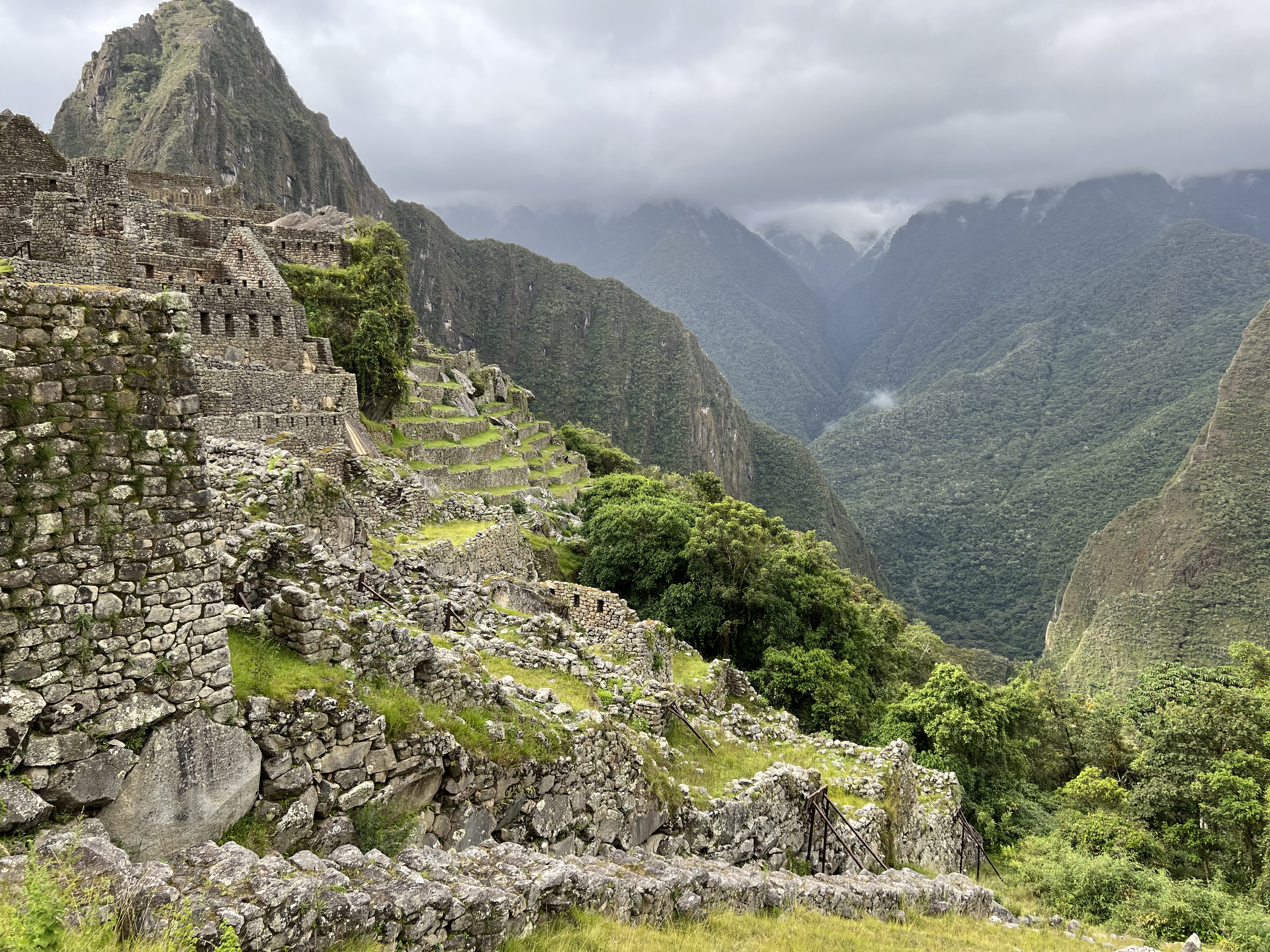
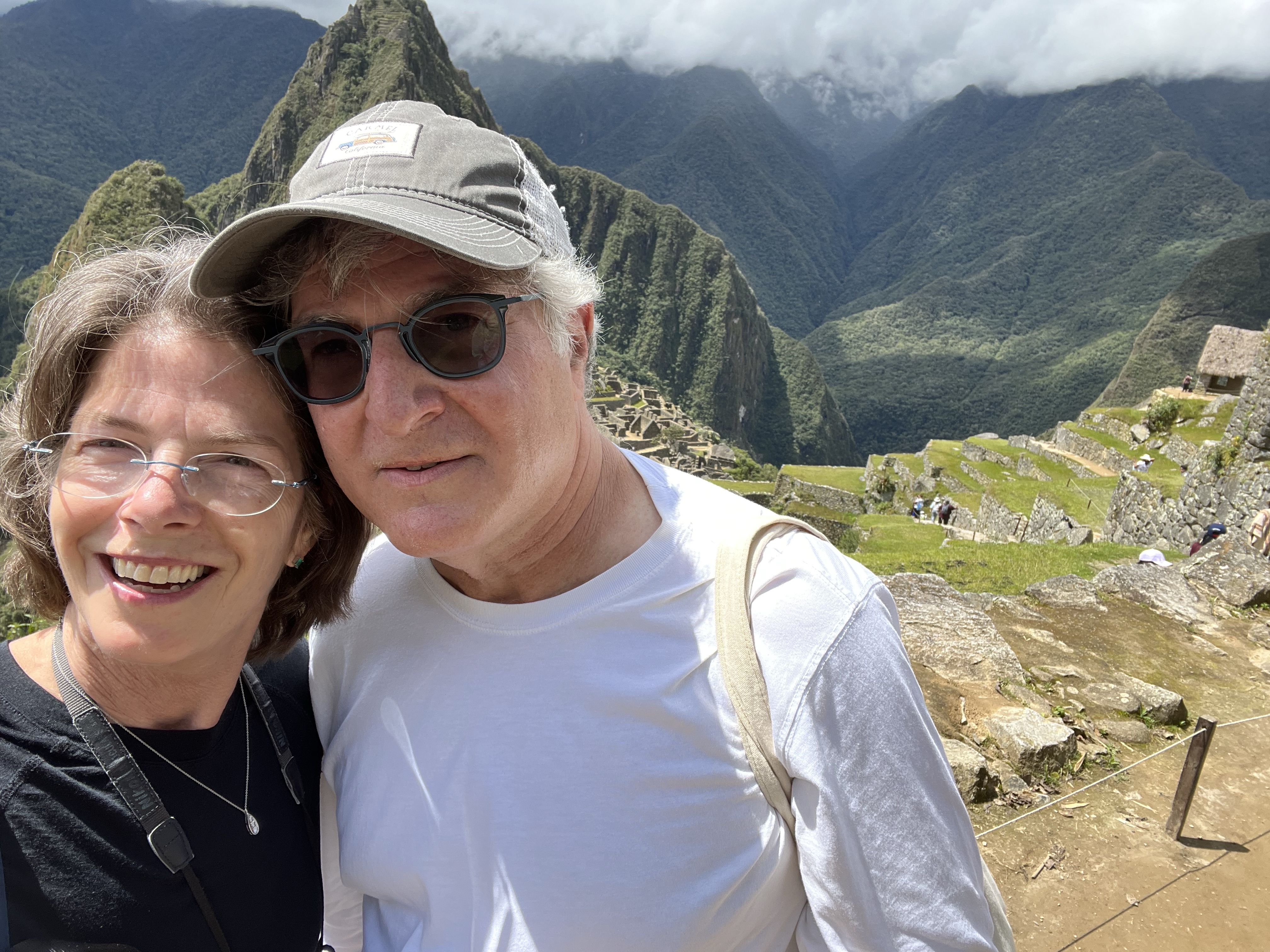
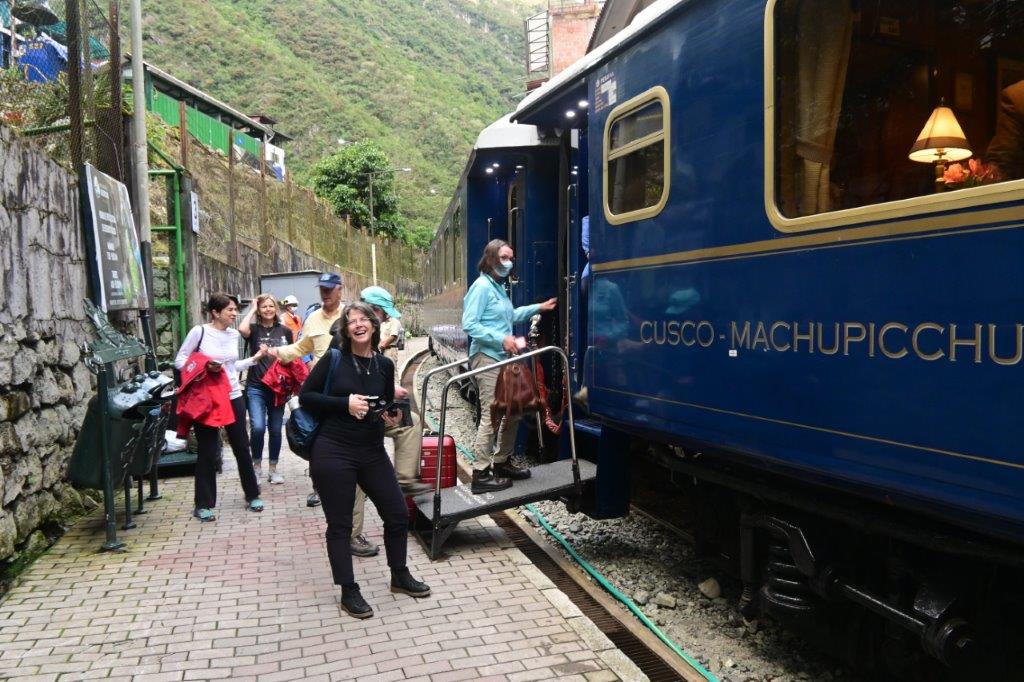
Getting there required a 7 AM departure from the hotel in Cusco for a bus ride of 1 1/2 hours. Followed by the luxurious 3 hour Hiram Bingham train to Aguascalientes. And then another bus ride – this one only one hour – of switchbacks before reaching the gate to Machu Picchu.
It was worth it.




Searching for Ceramics
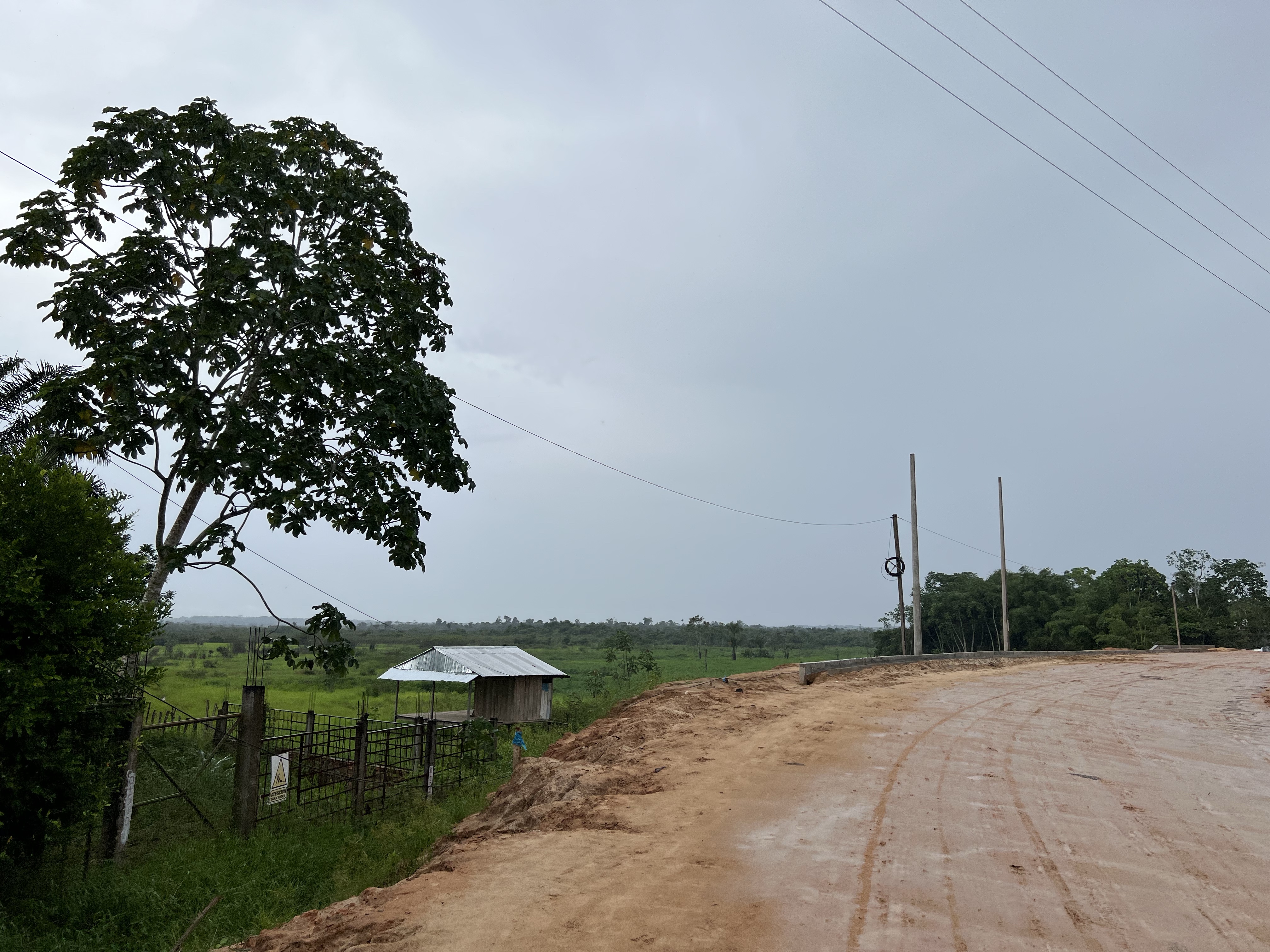
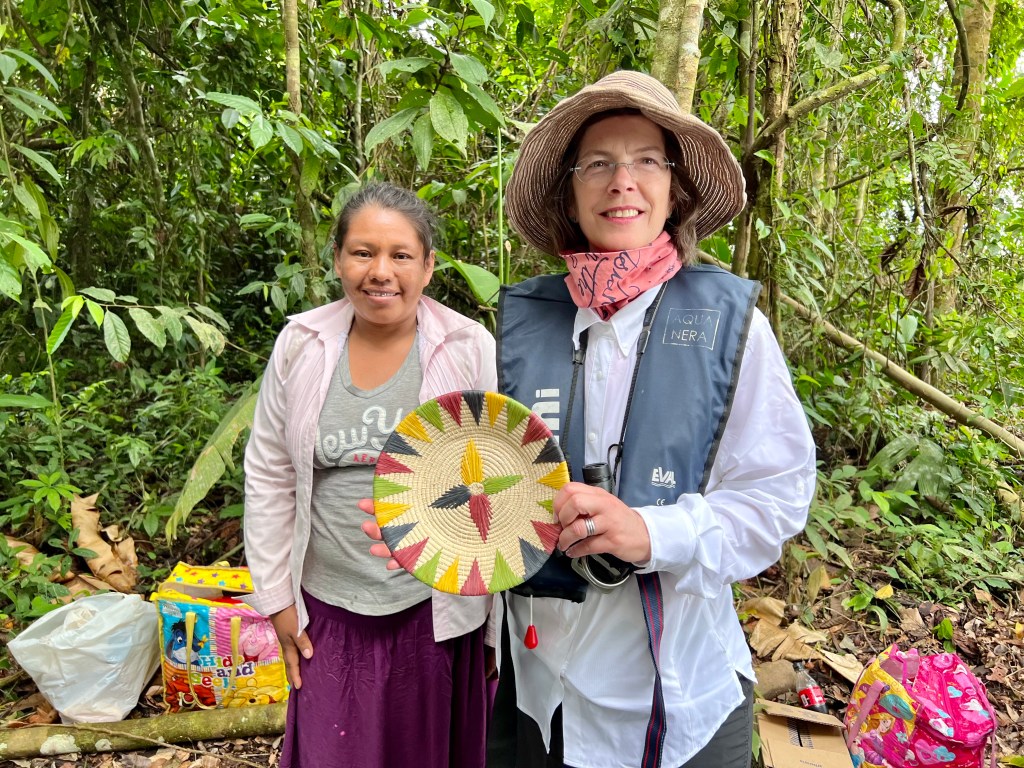
According to my National Geographic guidebook, there is a small town famous for its ceramics not too far from Iquitos. With an afternoon to explore we decided to hop on a tuktuk and make the 45 minute trip to Santo Tomas town.
It was raining. It was muddy. It was noisy. It was an adventure.
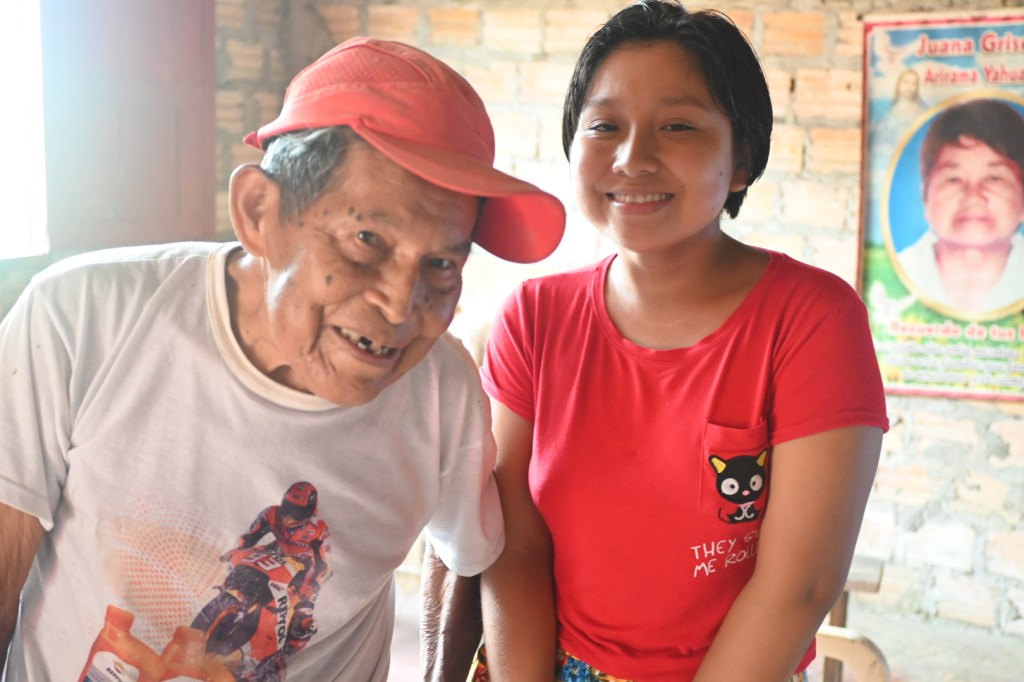
Only one ceramicist still exists in town and he was not easy to find. Alejandro still hand builds vases, tableware and masks but the pandemic crushed his business. Destined for sale in Lima two years ago, a case or two of ceramics sat in the corner of his small home/studio. With no demand, he stopped working and was surprised when our tuktuk driver knocked on his door.
We left with full hearts making the whole journey worthwhile.



Making Friends on the Aqua Nera
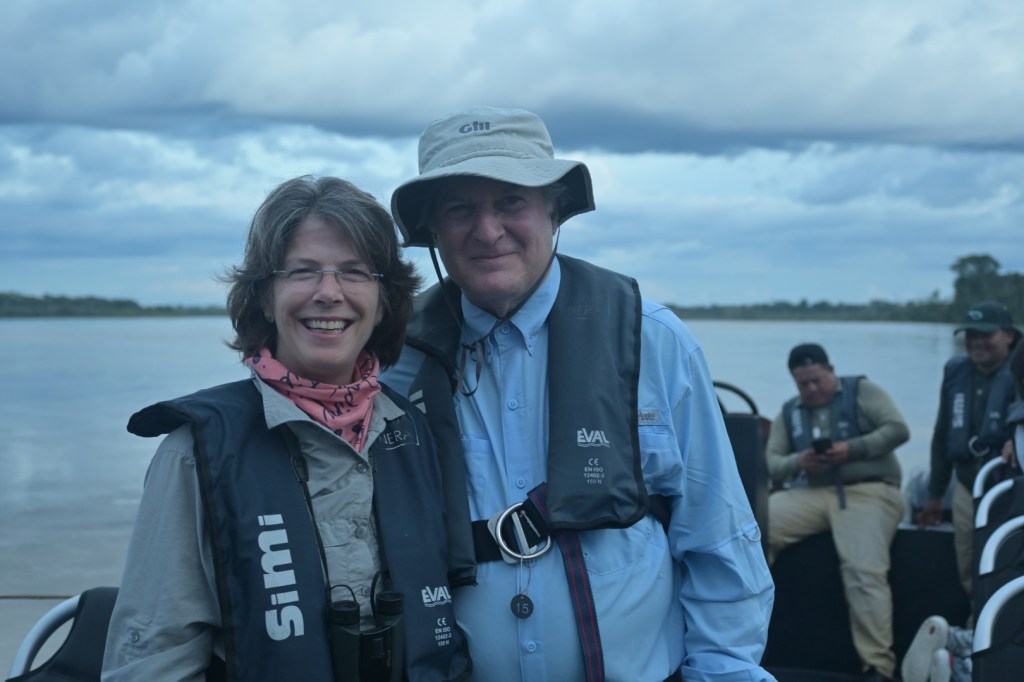
This is a travel recommendation. Should you go to this part of the Amazon, consider using Aqua Nera. Here’s why.
First a vibe check.
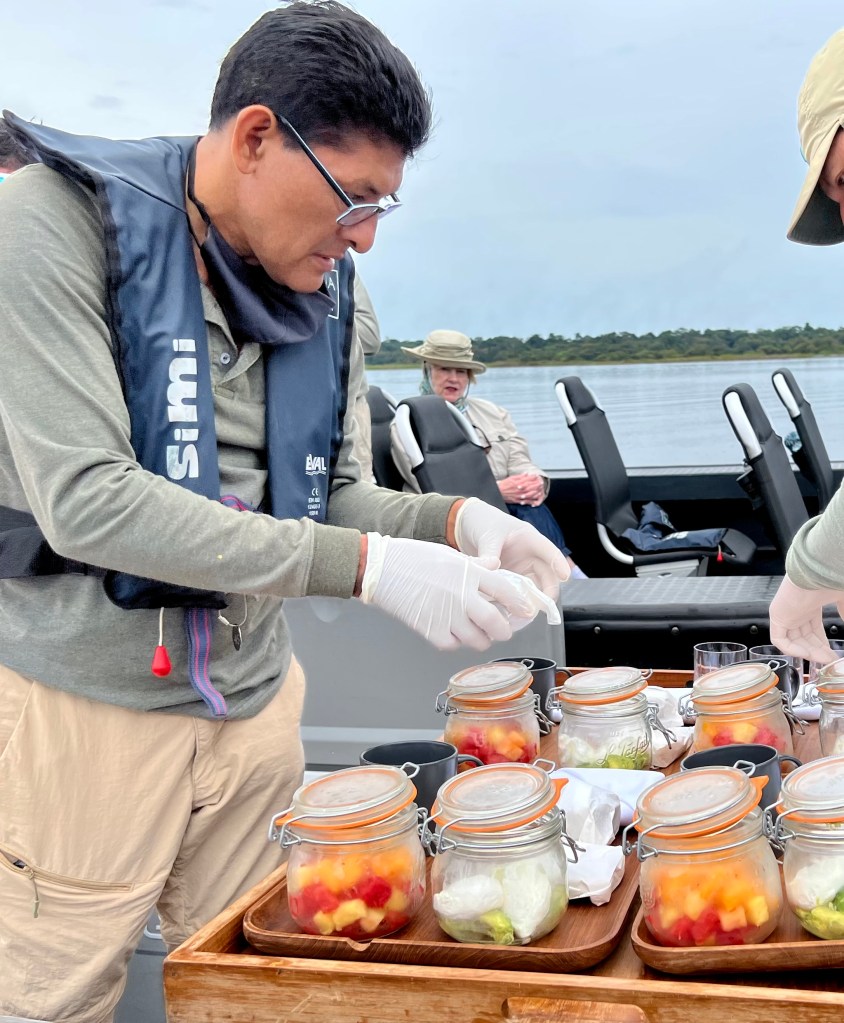
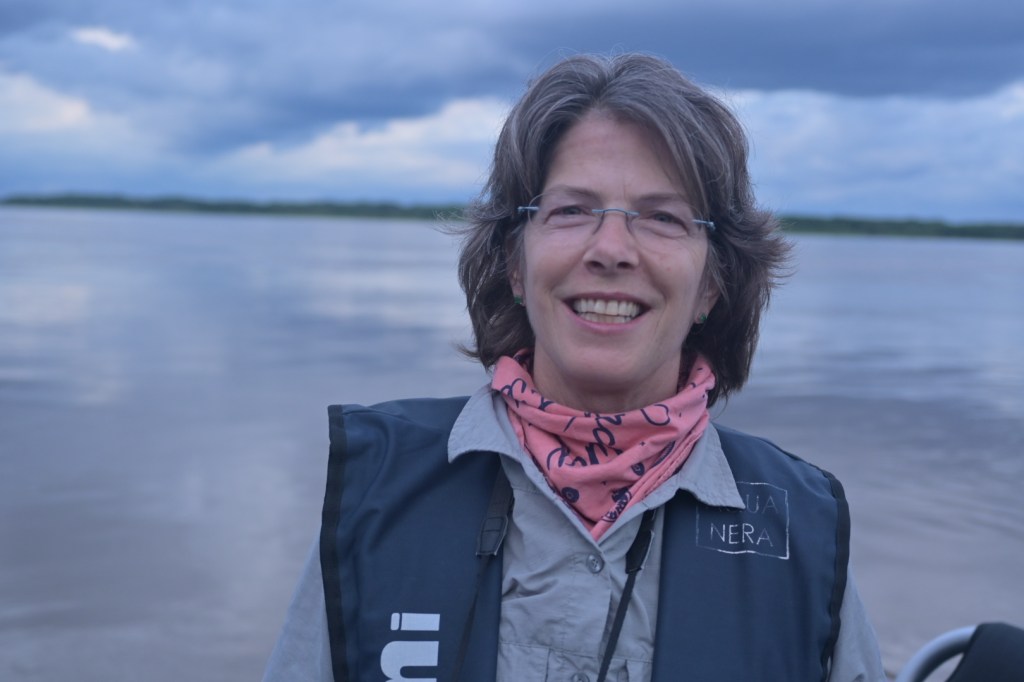
Nice right?! Comfortable and aesthetically perfect for my taste. And the food was a perfect combination of local flavors and sophisticated gastronomy. Delicious meals without being fussy and an enthusiastic team preparing and serving them. I didn’t take too many food pics but the few I took give you the idea. Of them, my favourite was a breakfast served out on the river in our skiff — poached eggs and avo in a Ball jar, freshest watermelon, fruit salad, and hot Peruvian coffee. Birding and breakfast a perfect was to start my day!
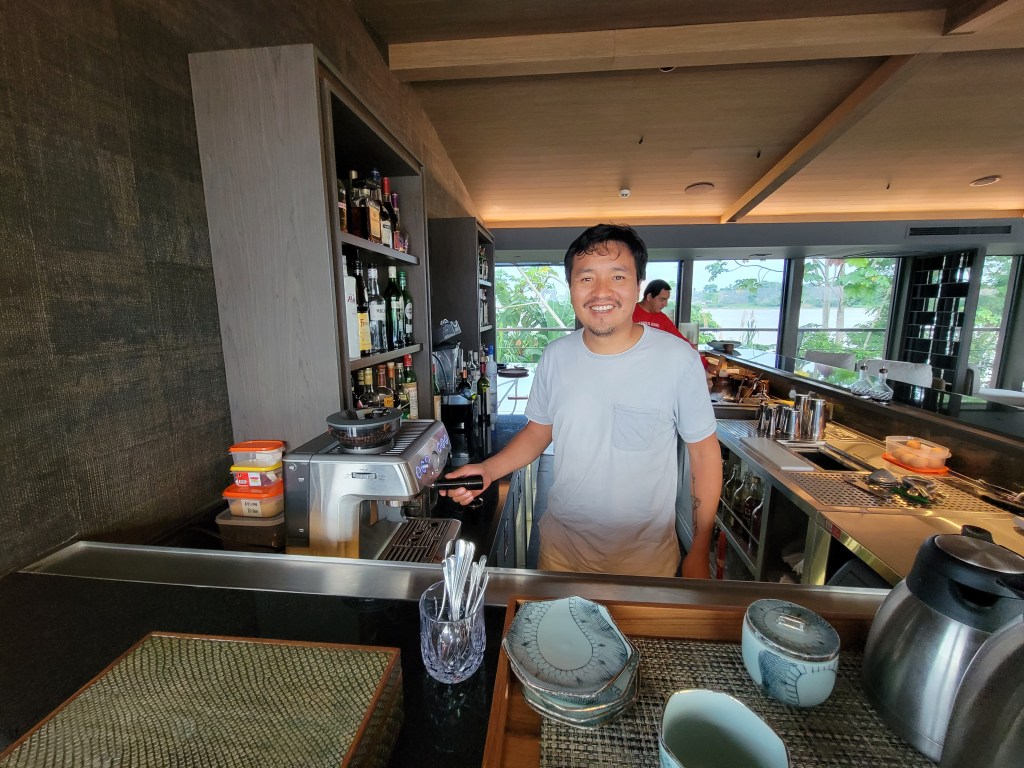
And to finish the day, we often found ourselves in the care of the mixologists – one from Lima and the other from a nearby local tribe.
We met after dinner on our first night. We had finished our meal and it was just a bit early for bed so we went up to see the lounge and explore – maybe play a game of pool, maybe just test the temperature of the plunge pool. Instead, we were invited to join a wine tasting by Adrian, a charming Aussie. All Aussies are charming in my experience. Adrian, Chino, Robinson, Andy and I and spent the next hour or so chatting about tannins, organic wines, food, and travel. As an aside, Adrian may have the best job in the world right now. When he finishes his visit on the Nera he will go to a new ship they are launching in the Galapagos. (I may need to go back!)
Adrian, Chino and I became fast friends – talking daily about local winemaking techniques and biodynamics; infusions for various local drinks; tasting chocolate varieties and making morning espressos. It was as comfortable as if I were having any of you over for a weekend. (I can say that because no one is reading this except my dearest friends.)
But I digress.
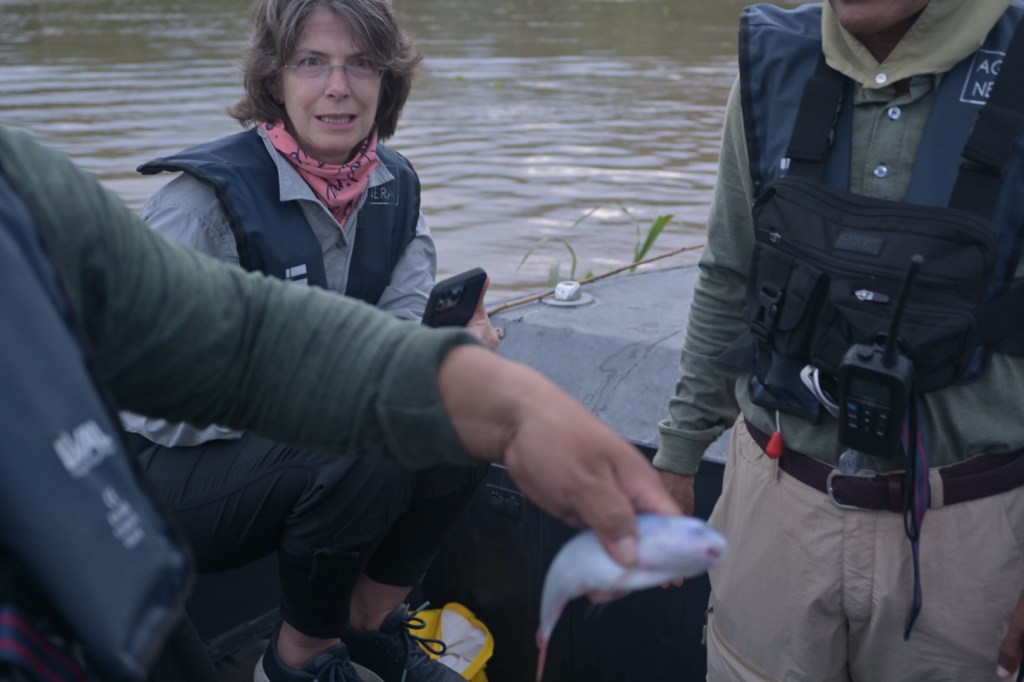
Here is the next plug for taking Aqua Nera: the Guides. Guides like Alejandro from my last post, are knowledgeable and super friendly. They are all highly trained but as you spend time with each, their passions shine through. All areas of interest are covered: plant life and medicinal herbs, geology and agricultural changes resulting from the meandering rivers over high and low water seasons; intimate understanding of local tribes and their customs; and yes, a keen eye for birds. I was constantly seeking their help identifying the many many birds I spotted. I am still updating my birding app but I saw at least 20 NEW species for my life list!
Finally, and fittingly for International Women’s Day (March 8), our ships captain is female. She is the first one ever on the Amazon and only the second in Peruvian history.








Alejandro
I was wrong.
Yeah, I’m letting that linger.
Even if we are rolling along most of the trip, we CAN dive a little deeper if we focus on the people we meet and their culture, despite our short stays.
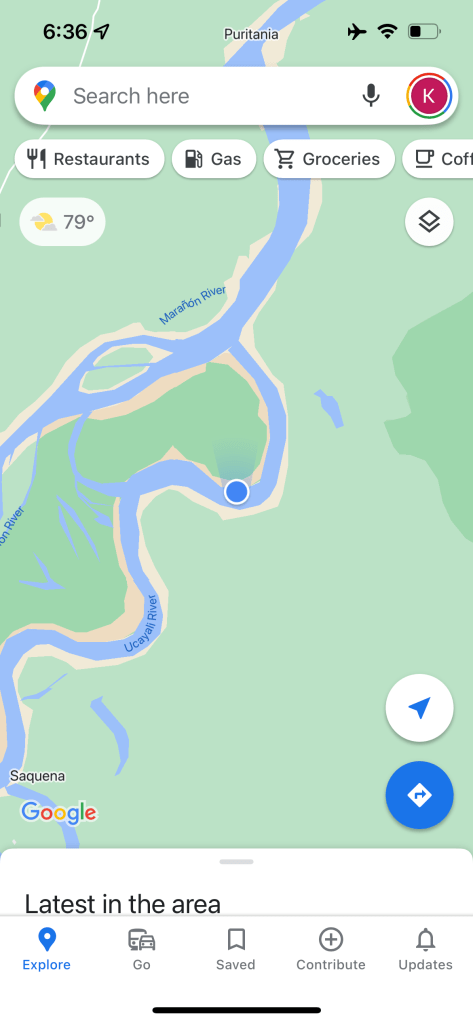
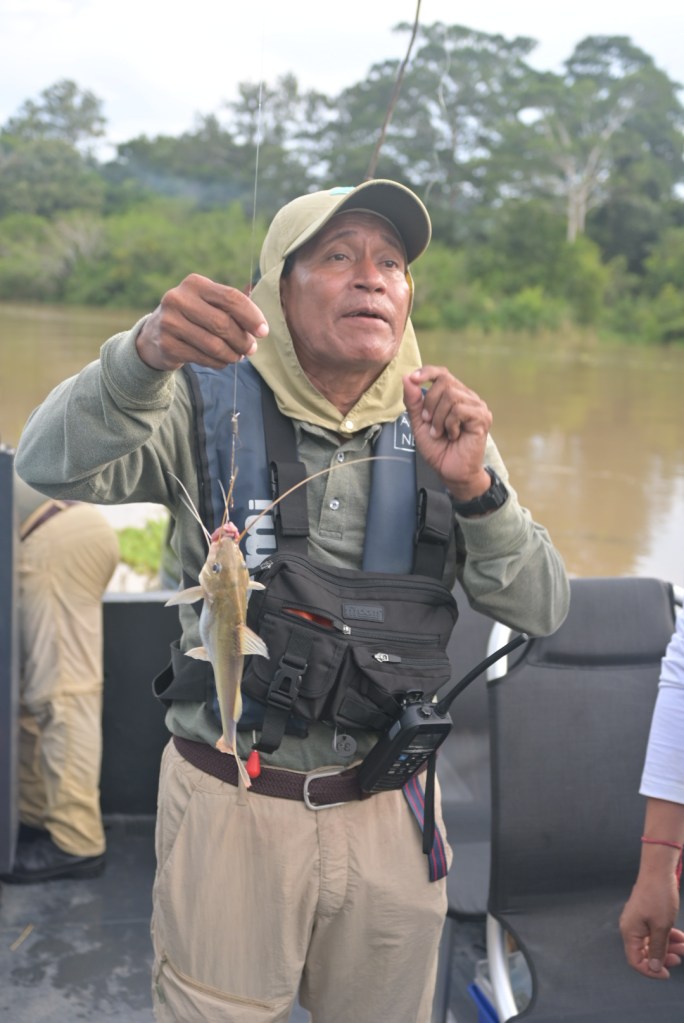
Meet Alejandro, Alex. Alex is a member of thee Arabella tribe located north of Iquitos along the Napu river in the Amazon. Alex was a young boy in a small village along the amazon river but there was no school in his town. When he was a young boy he and another boy from the village left the village for Iquitos which offered schooling. As they made the journey, they were taken in by a woman in another village who fed and housed them. They stayed with her and became part of the household. She taught them to speak Spanish.
While there, a group of anthropologists came through the village with the goal of documenting the various Amazon tribes. The woman suggested Alex and his friend show the anthropologists their ways of life. For several years the anthropologists documented their habits of eating (foraging, farming, and hunting), sleeping, and using jungle medicinal herbs including Ayahuasca. The project continued to document not only Alex and his friend, but members of 60 other tribes.
This university-funded research grant allowed the project to flourish but as funding dried up the anthropologists began to offer “excursions” to visit the tribes of the Amazon. Ideological differences apparently broke up the team of anthropologists and the project splintered into research vs tourism factions.
As part of that experience, however, Alex learned to speak English.
When the research project funding was discontinued in 2011, Alex and the others had to look for work. He made his way to Iquitos and there began to interview for jobs in tourism. Landing a job was difficult because he had no formal training or schooling. Once given a chance, his friendliness and knowledge of the river’s many creeks and tributaries secured his place on the team. Lucky for us.

 Davidson Big Trip