Cape Town, South Africa

Cape Town, Feb 22-March 1

I love AirBnB.  We have stayed in the nicest homes.

We booked a place in the Fresnaye neighborhood with ample space for the girls to have their own rooms and to accommodate Jet and Lance who were joining us for a spell.  This was the house with the electric fence and the panic buttons that I wrote about earlier in Gated and Guarded.  We felt totally safe there and the sunsets were spectacular.  The owners have a similar aesthetic to mine and their home reminded me of the many lovely spaces Kirtlye designs (shameless plug for Santa Fe’s best designer… www.kirtlyeparker.com ).  Lots of white and neutral colors punctuated with color and art, unique linens and furnishings.  It was PERFECT!

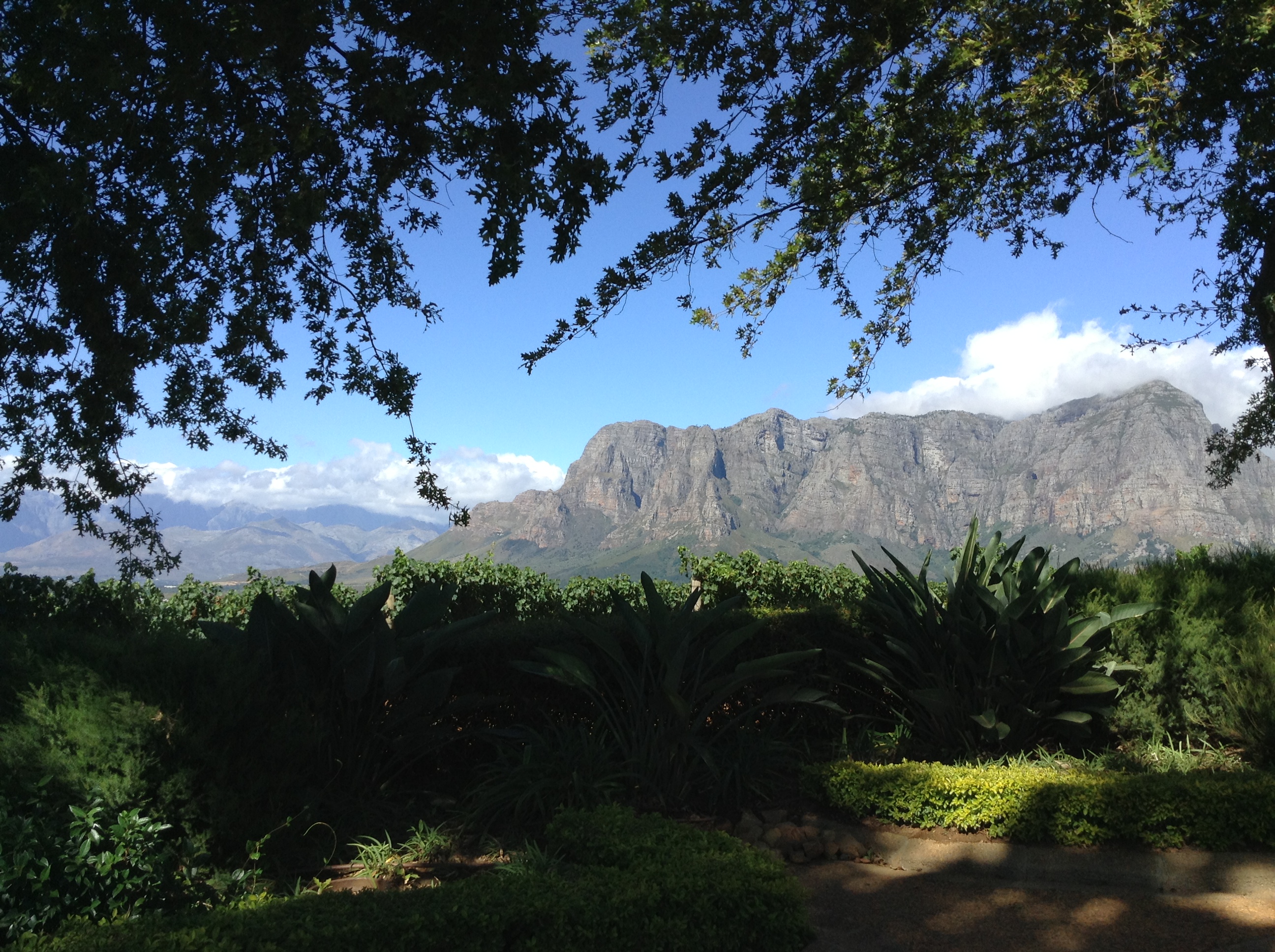
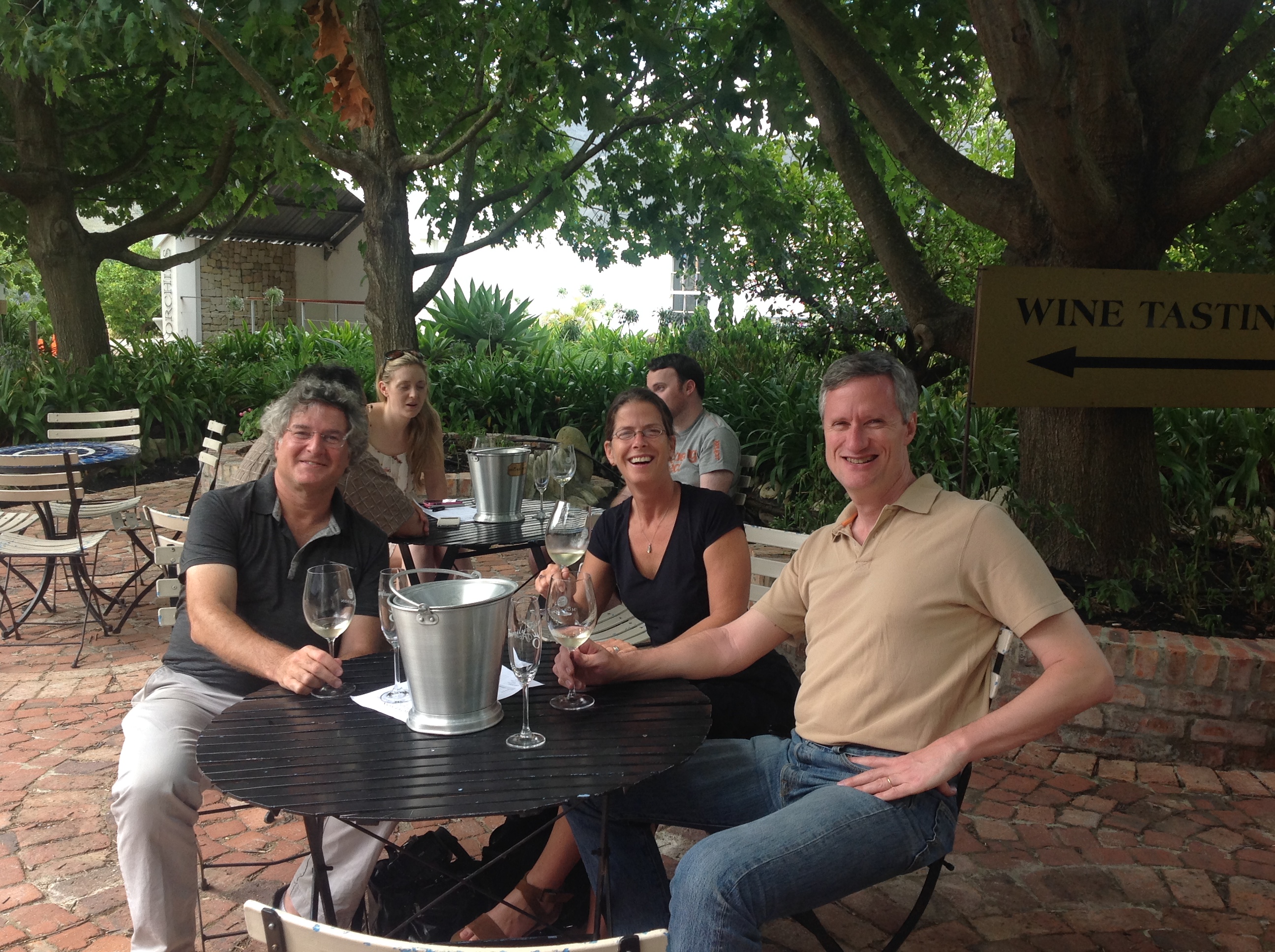
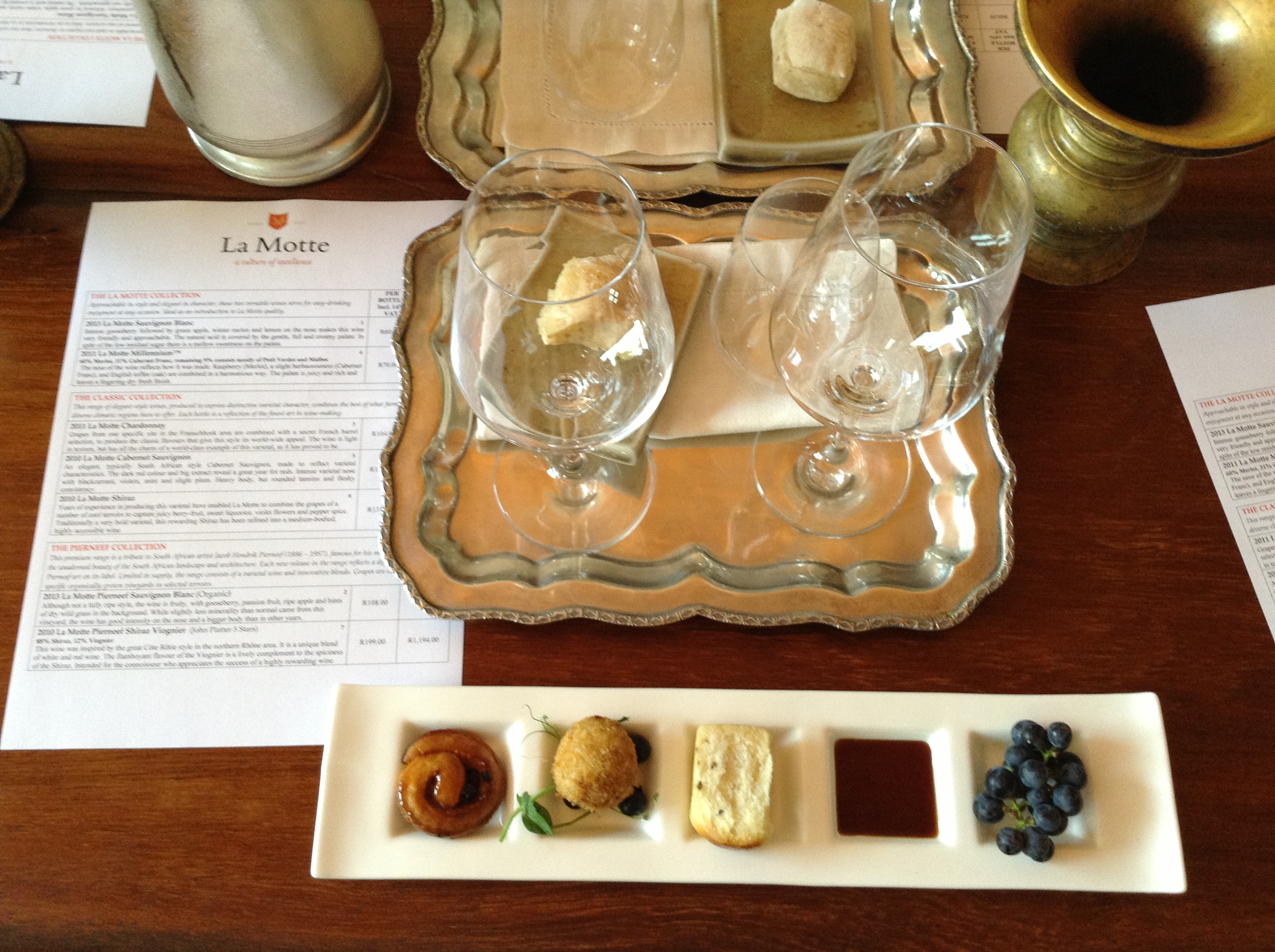
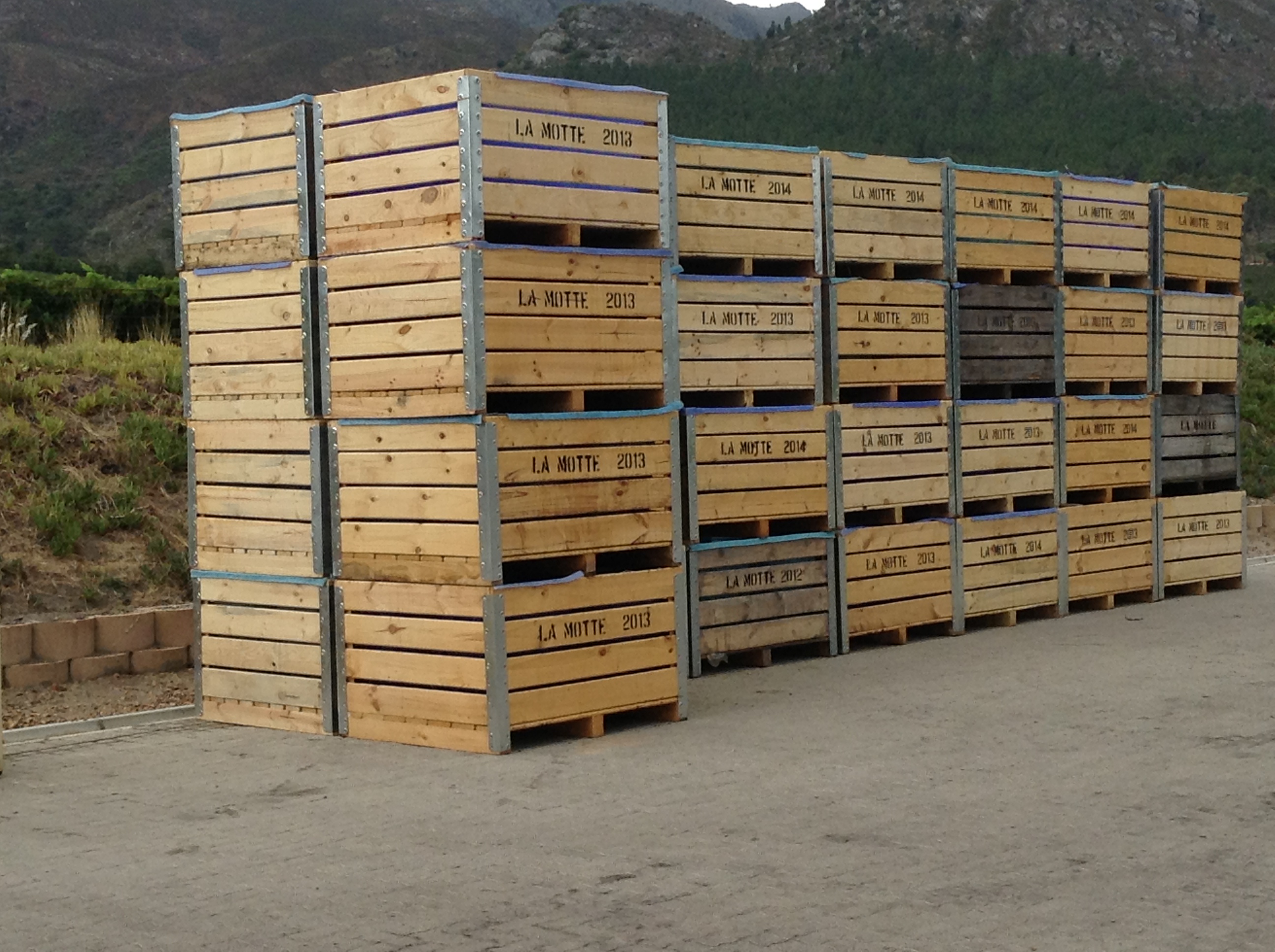
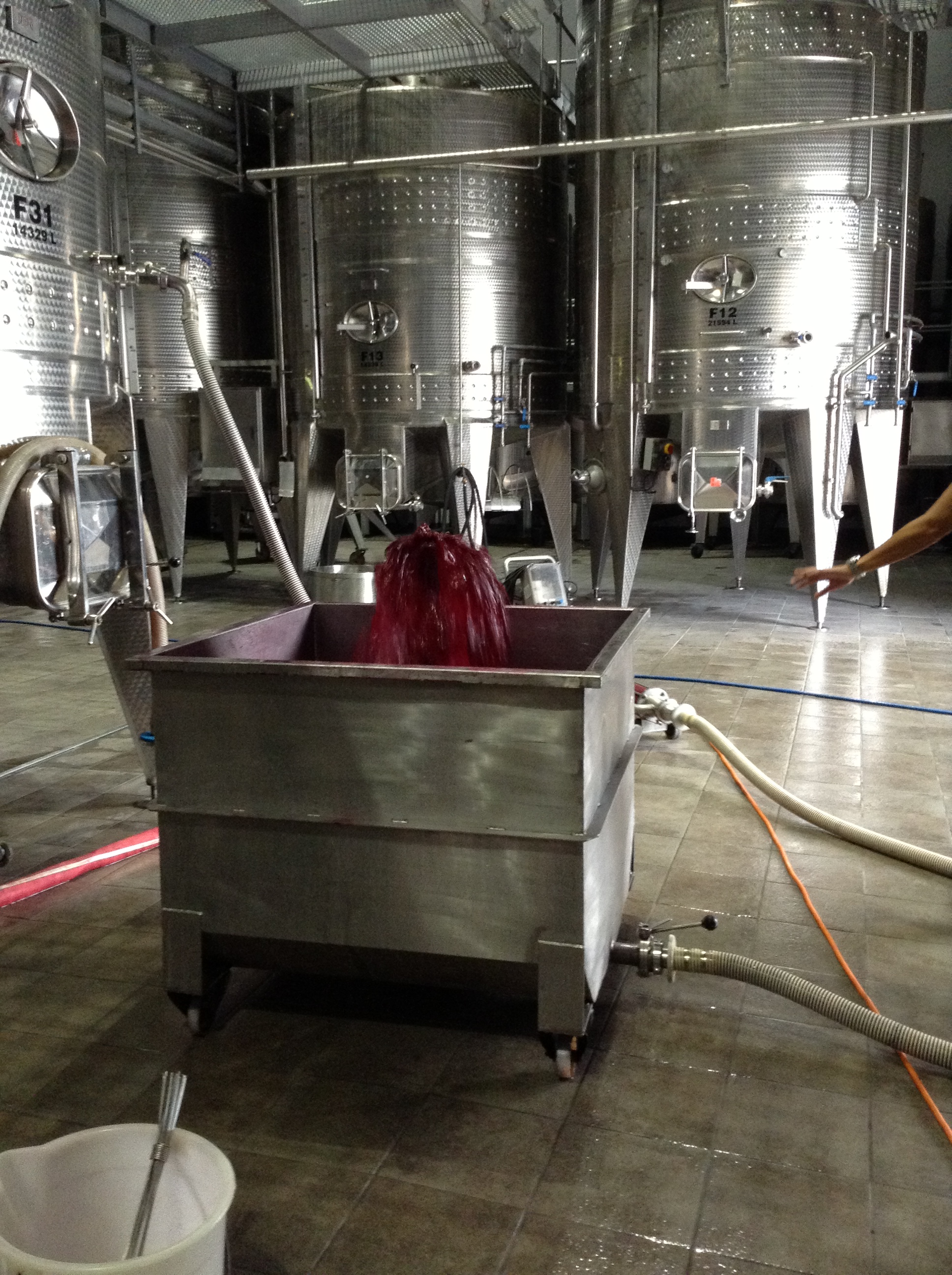
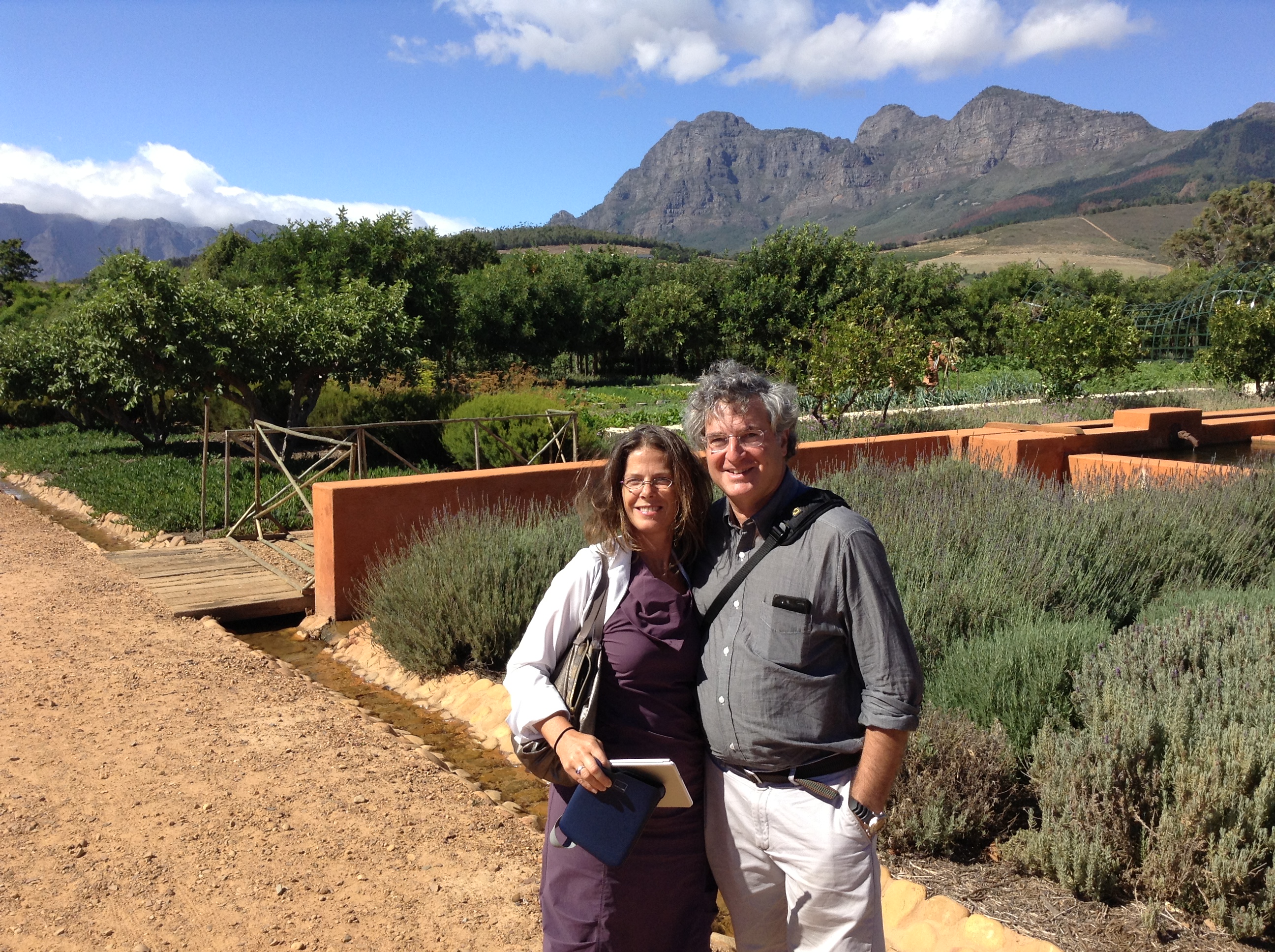
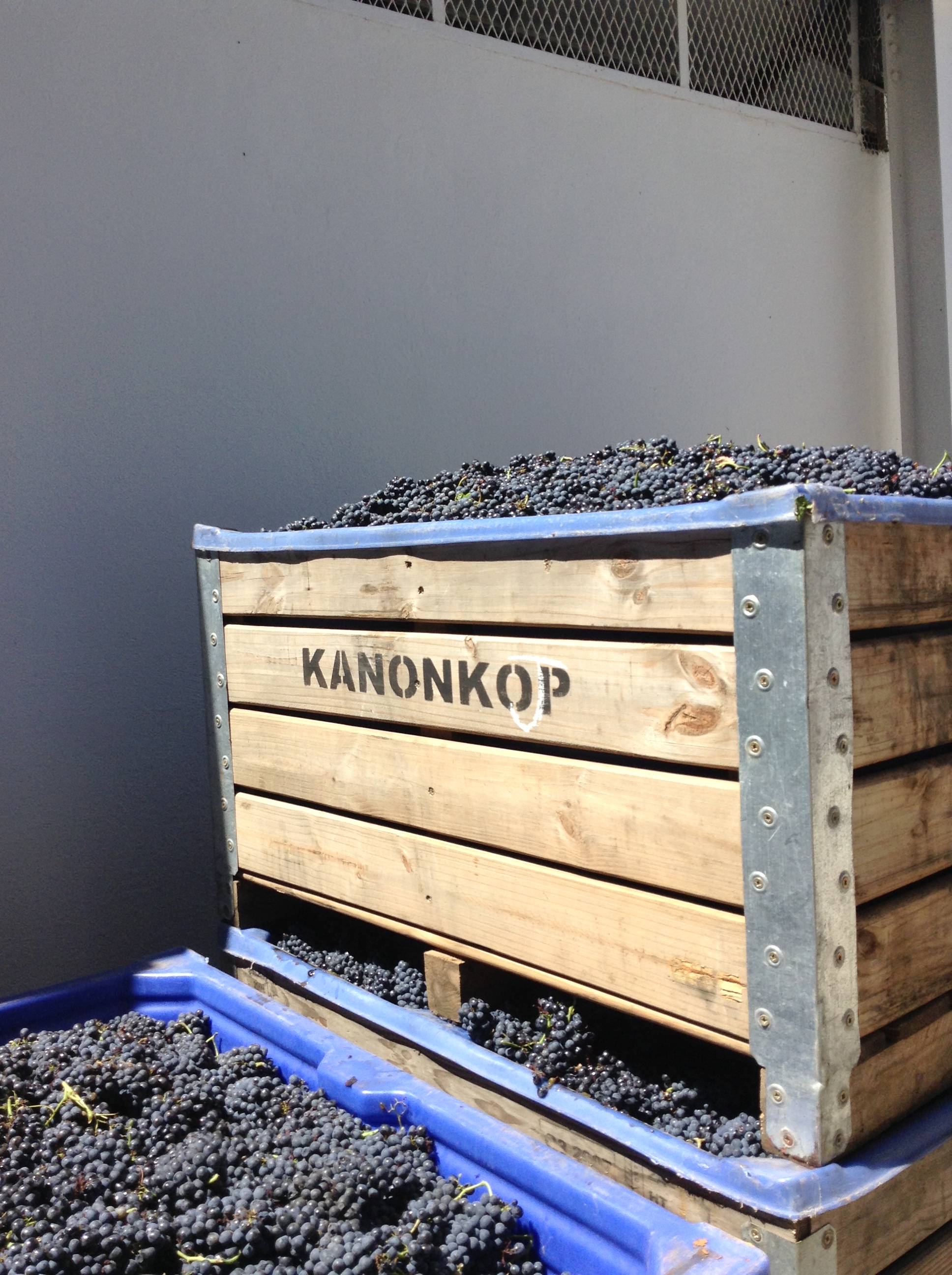
Using the house as our base, we made our way twice to the wine lands.  First to Stellenbosch and then to Franceschoek.  Visiting wine country here is nothing like visiting Napa today.  The wineries are more like agricultural experiences and less the Disneyesque wine pouring events of Napa.  We enjoyed delicious food, strolled vineyard gardens, and saw 3-4 wineries at a very relaxing pace each day.  South Africa is known for its chenin blanc and pinotage, about which I still know very little, and it’s harvest time so we saw everything in full production.
 

2014-02-24 10.17.15 2014-02-24 11.55.59 2014-02-24 15.47.54 2014-02-28 14.42.222014-02-28 11.40.35 2014-02-28 11.30.43 2014-02-28 11.25.49 2014-02-28 11.19.57

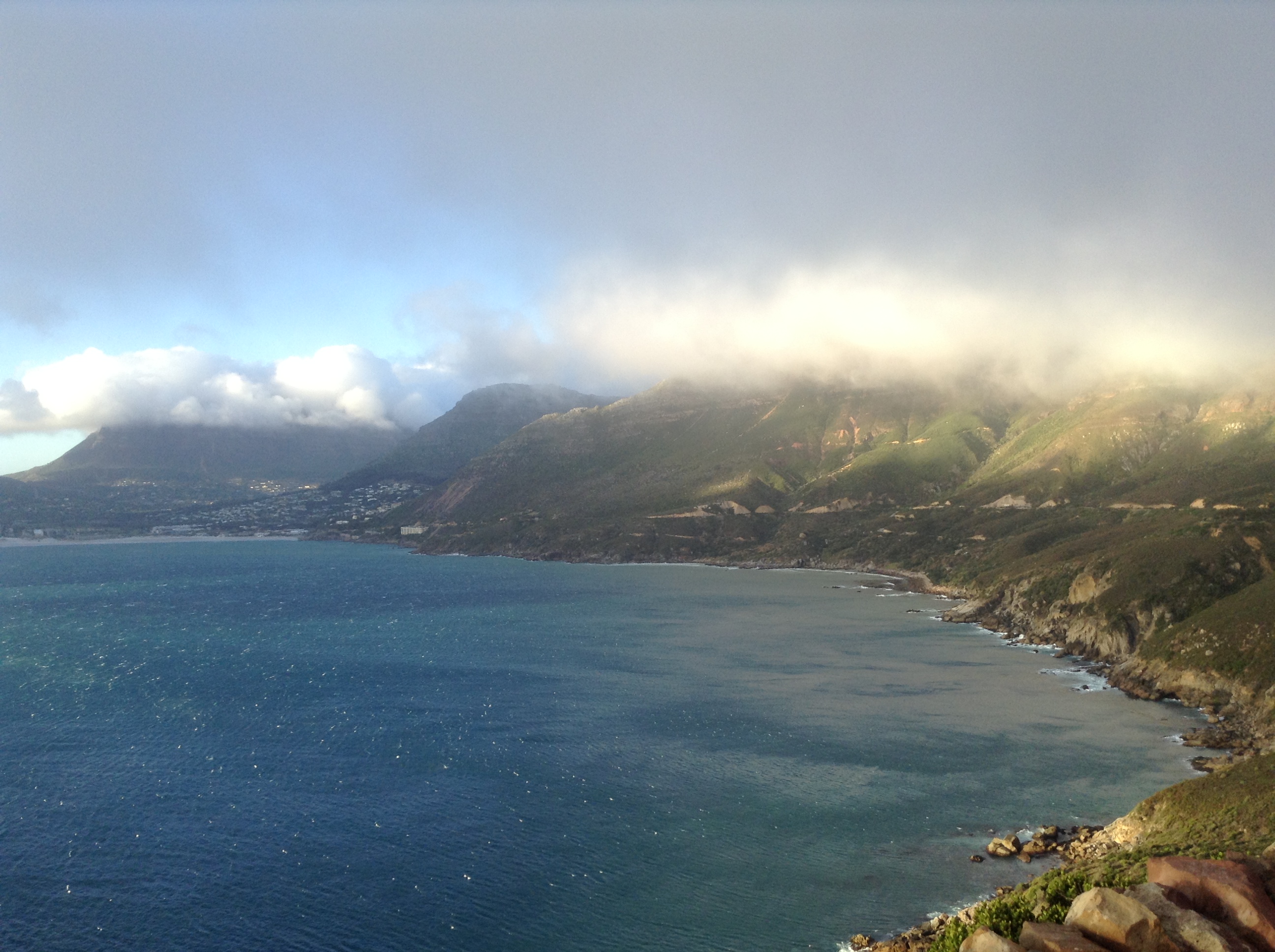
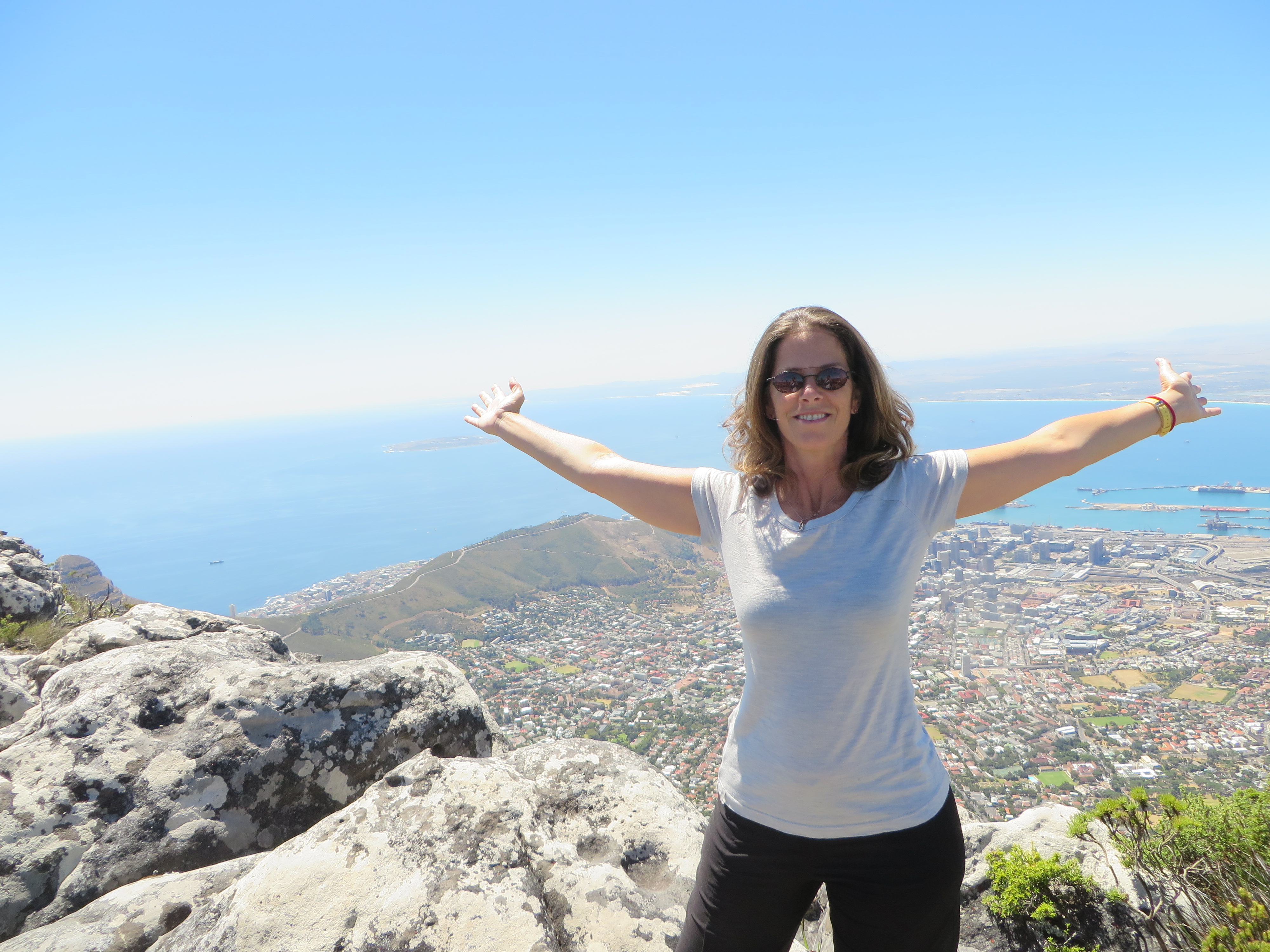
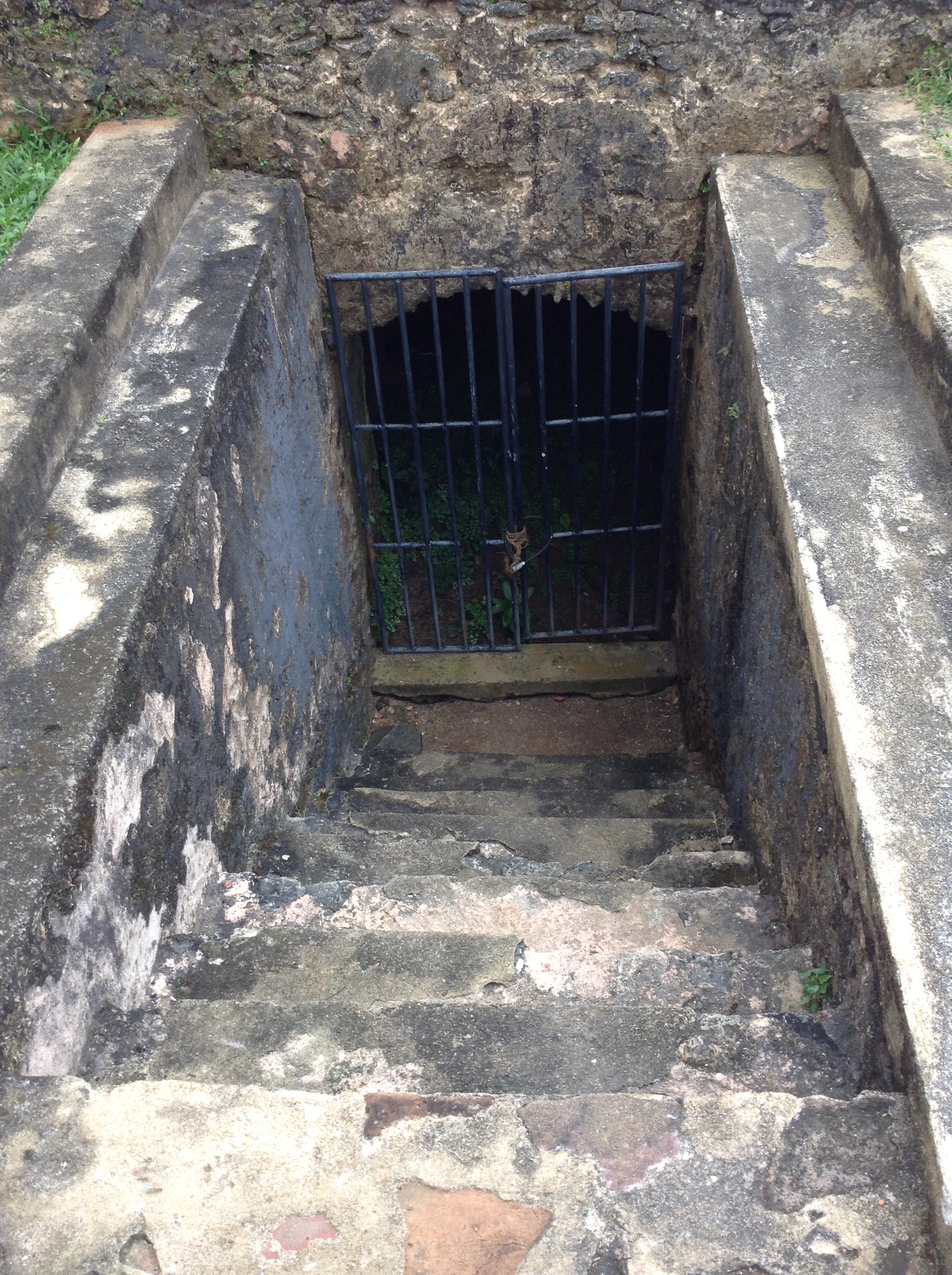
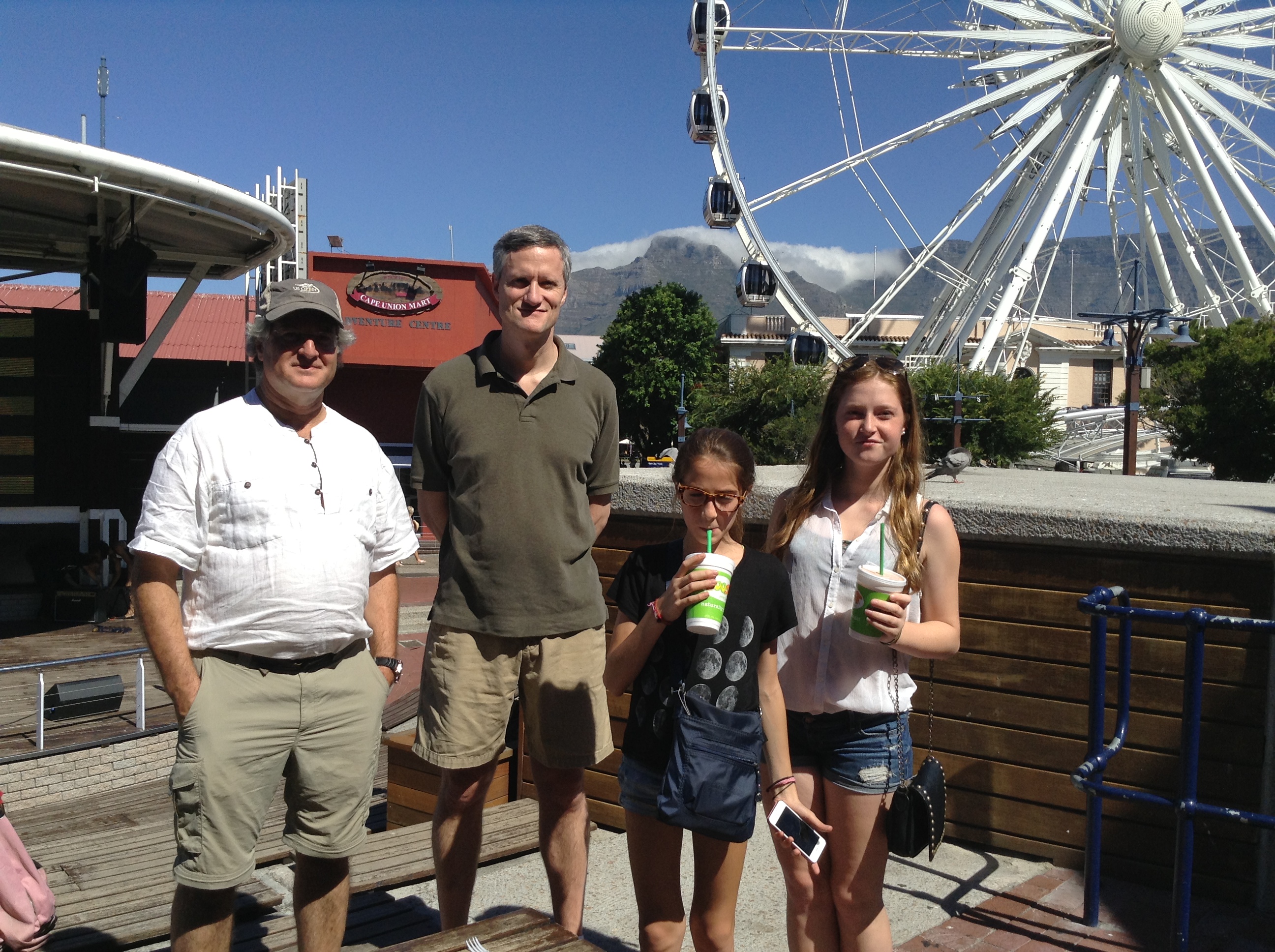
Cape Town itself has a lot to offer as well.  There is the iconic Table Mountain landmark with its rotating gondola; the Victoria & Albert waterfront with its Ferris wheel, sail boats and shopping; the old Dutch fort, Castle of Good Hope, with its torture chamber; the gorgeous and shark infested waters of Clifton and Camps Bay.  We toured and enjoyed them all.
2014-02-22 15.17.45 2014-02-24 18.41.16 2014-02-24 18.45.17 2014-02-24 19.28.24 2014-02-26 14.52.03 2014-02-25 15.20.18 2014-02-25 14.59.45

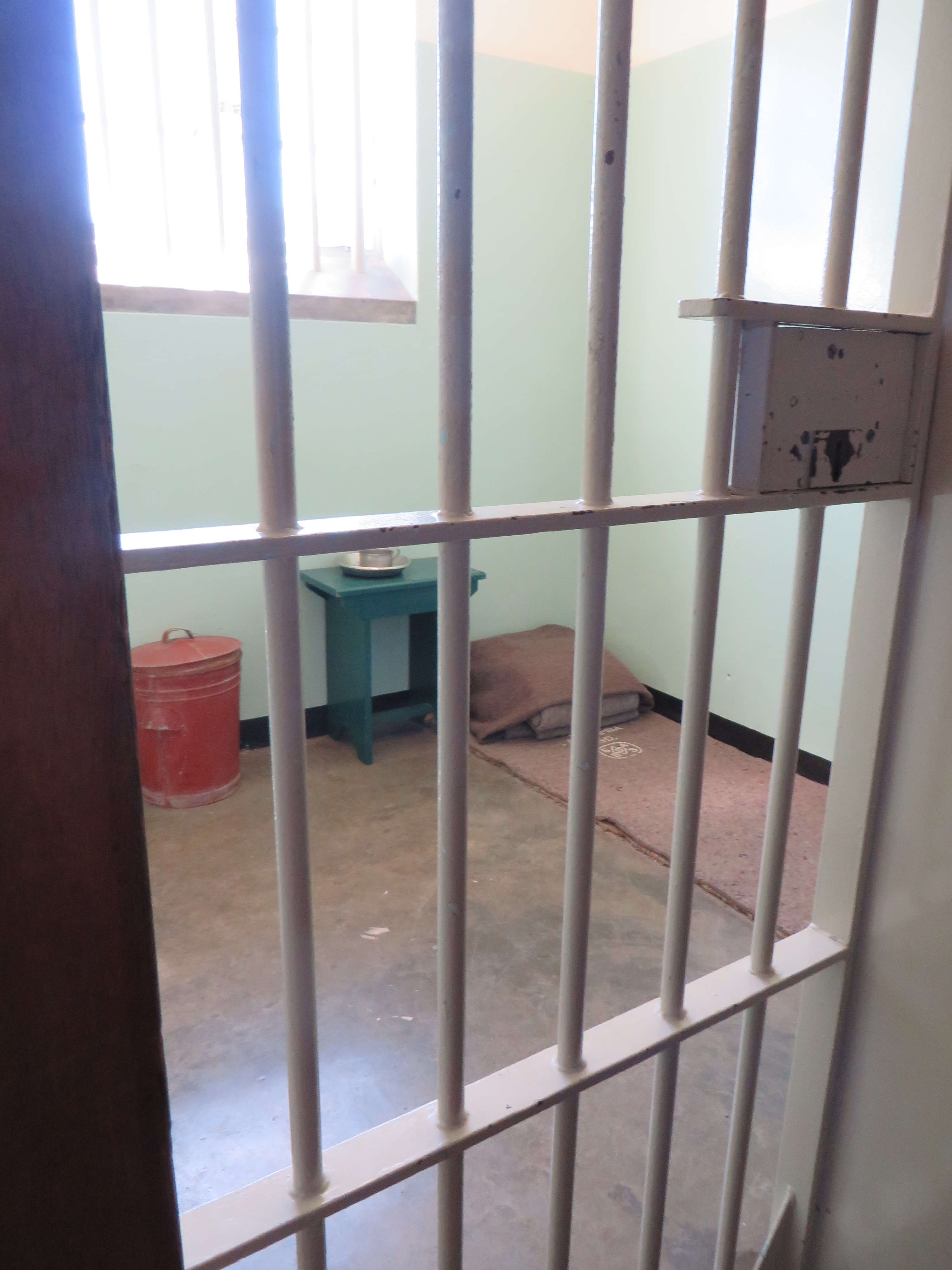
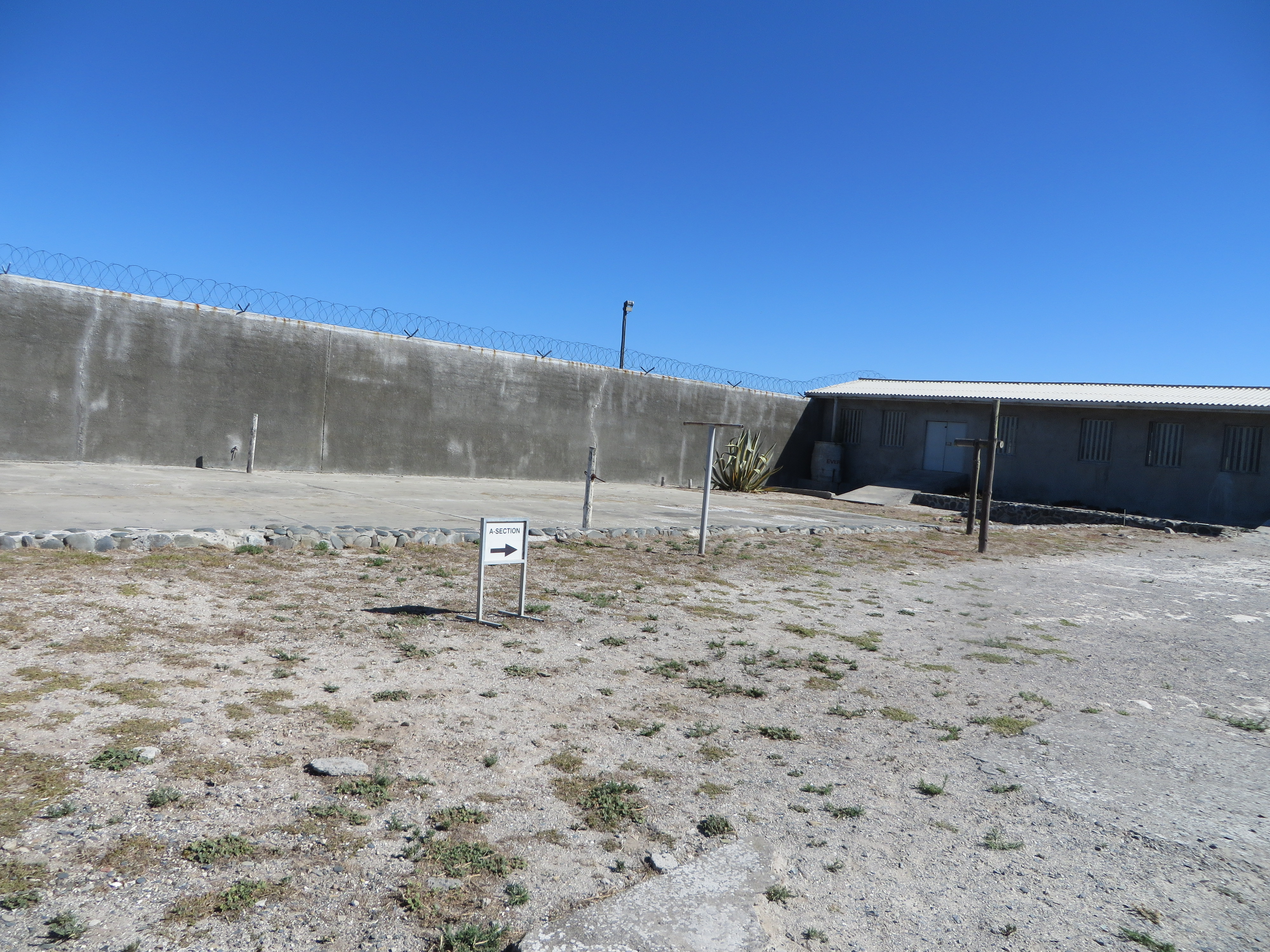
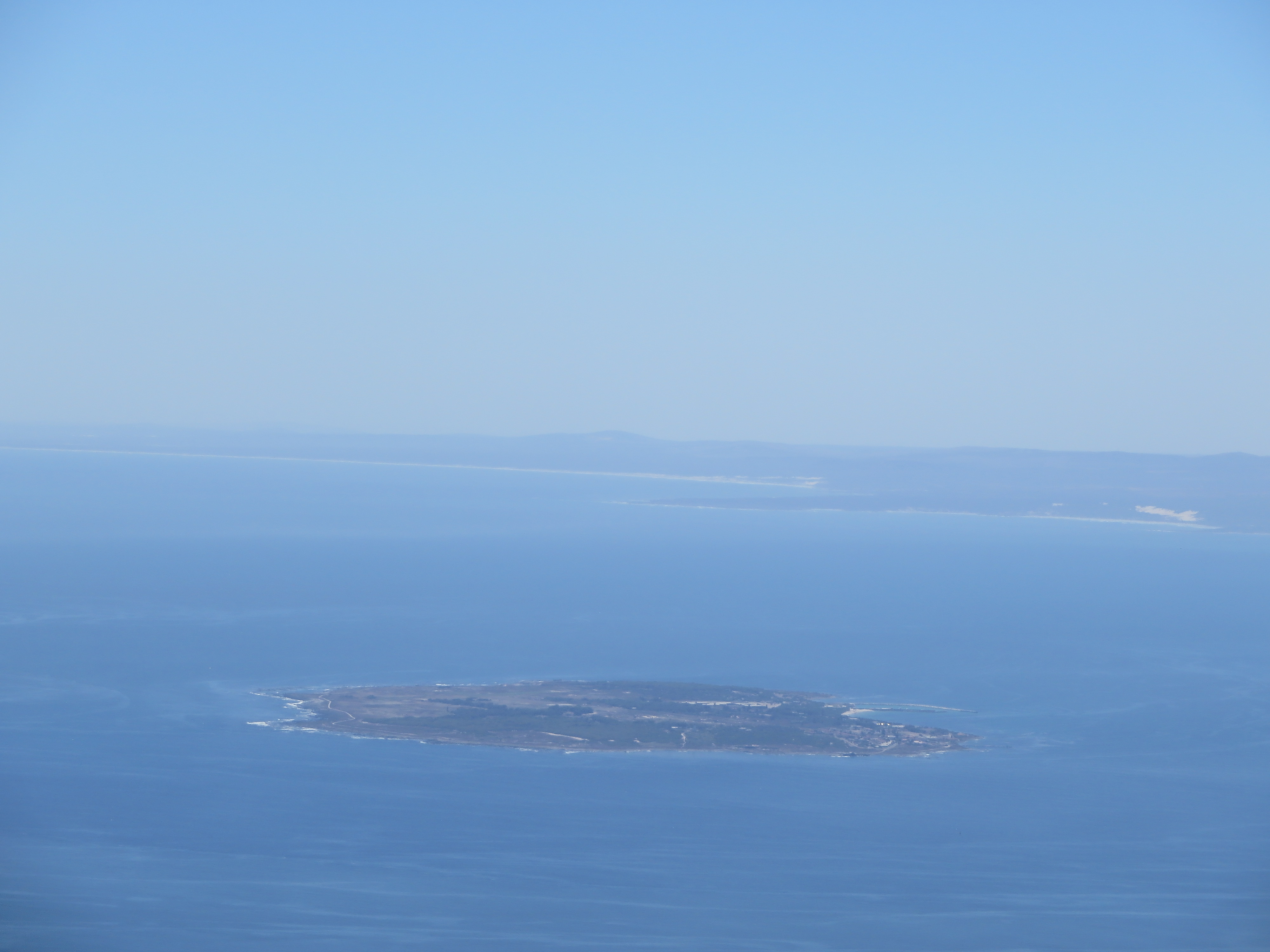
Just offshore sits Robben Island and the cell in which Mandela spent 18 of his 27 imprisoned years.  We went to see the cell, 10 by 10, the yard where he walked and the limestone quarry where he toiled.  We were guided by a former inmate, also a political prisoner.  He is an impressive man;  not because he endured similar mistreatment at the hands of the guards but because he demonstrated decency and kindness.  A bus had pulled in behind ours and there was no guide to greet them.  He asked our group to wait so that they too could be afforded the same warm greeting we had received.  He asked us to put our impatience aside and to put our empathy up front.  There were a few who didn’t get it.
2014-02-26 14.47.58 2014-02-27 16.56.16 2014-02-27 16.58.03

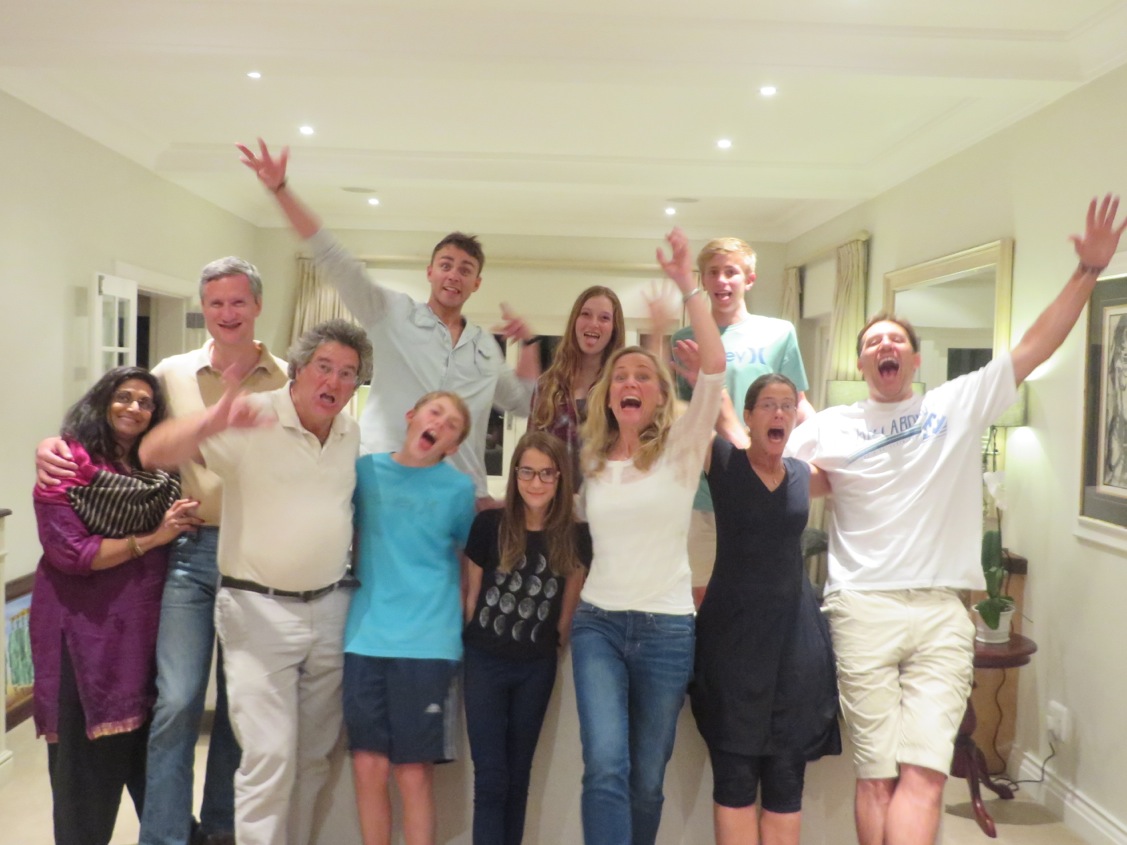
On our last night in Cape Town, we were hosted by James, Josh, Daniel, Colleen and Malcolm – our man in Africa :-). We met in Cambodia in October and hit it off straight away. (When we met in October, they were also on a round-the-world trip and we began following each other’s blogs.)  They treated us to a “braai” or barbeque at their truly lovely home with a great music playlist, excellent wine and company.  It was a highlight of our time in Cape Town – we laughed and drank well into the night and Uber-ed home safely.  We hope to host them for a braai in NYC sometime this summer…

2014-03-05 22.16.58-2 2014-03-05 22.16.59

The Cricket Test match between Australia and South Africa started the next morning.  I was tempted to take up the ticket offered by Colleen and Malcolm but I didn’t.  Such restraint.  Instead, we were heading for the “Garden Route” which is similar to saying we were making a drive along the Pacific Coast Hwy in California.  In fact the landscapes in South Africa are reminiscent of California.  Jo-burg reminded me of California in the late 70s, early 80s.  Like Ontario and Diamond Bar before it was contiguous with LA. Cape Town is a combination of San Francisco’s steep hills and the breathtaking beauty of La Jolla and the Monterey Bay.  The Garden Route is like the stretch between San Francisco and Santa Cruz with all of the bird watching, biking, hiking, sailing, horseback riding and eating one could hope for.  Plus there are game reserves thrown in here for good measure.  We had had our fill of safari but our friends reported seeing white lion, rhino, cheetah, jackal and more at the Pumba nature reserve.

South Africa.  We’re bullish.

2014-02-27 17.10.42 2014-03-01 14.01.15 2014-03-01 14.05.57 2014-03-04 11.02.07

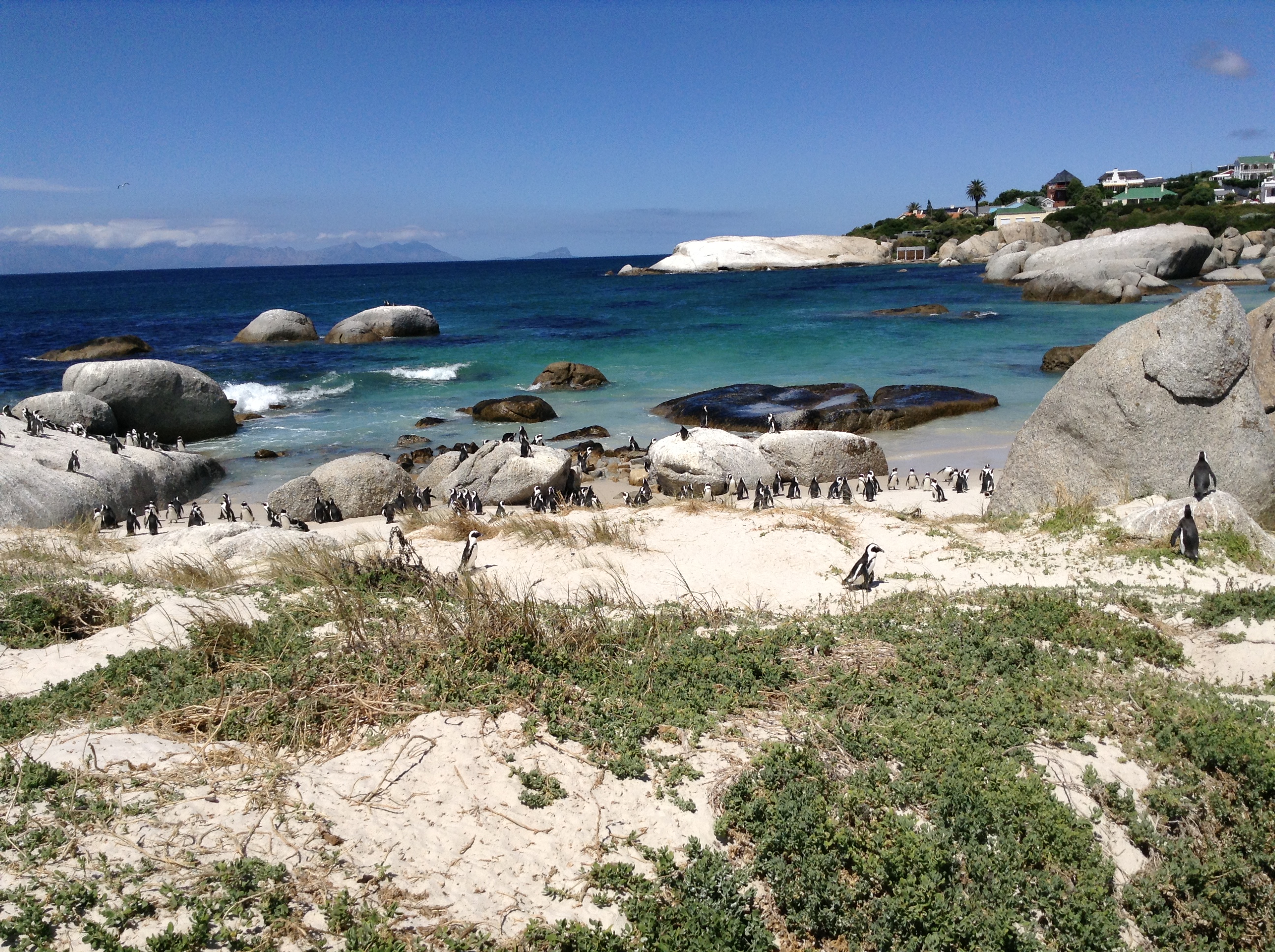
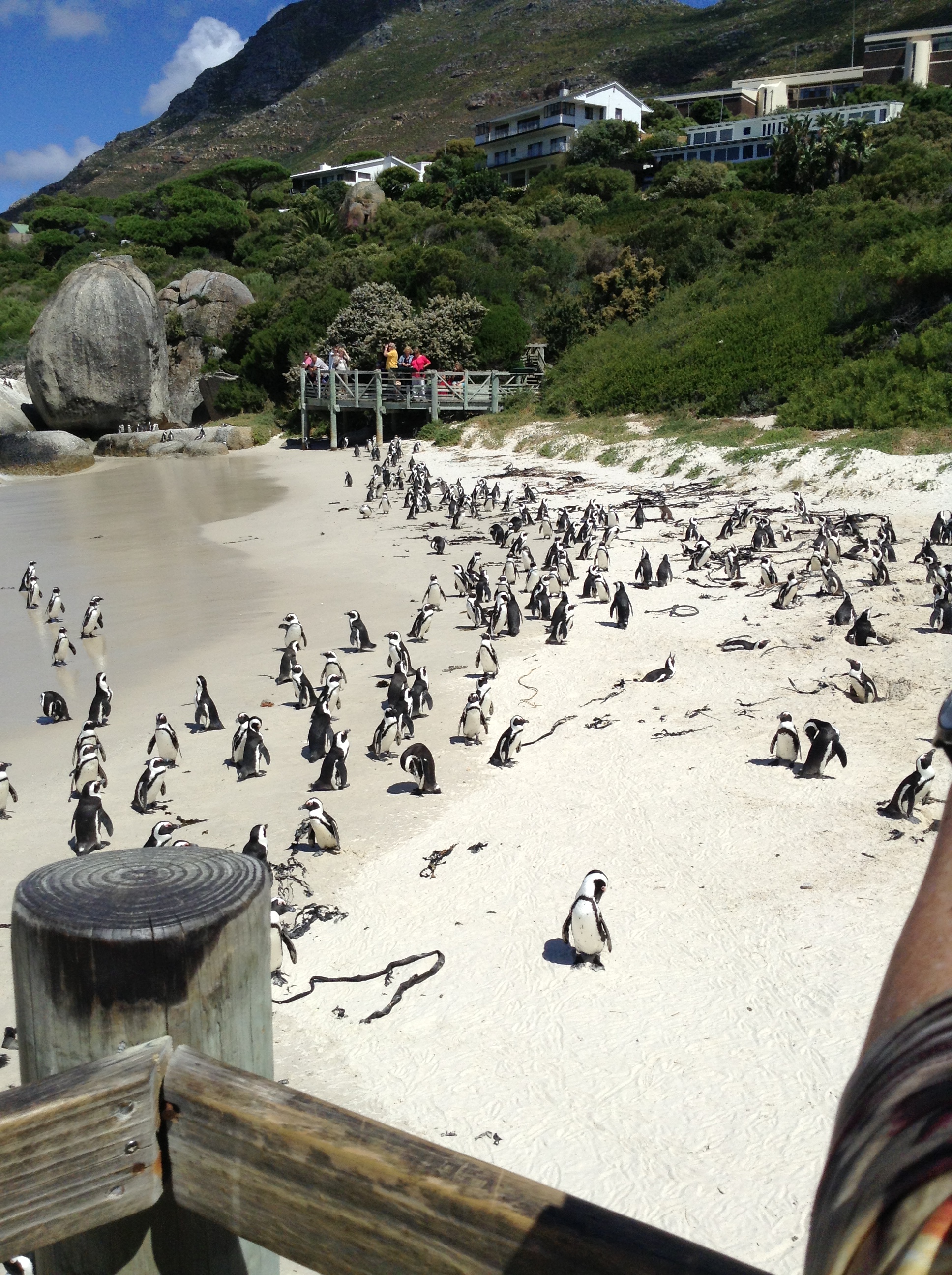
Some “Happy Feet” for my little viewers….Hudson, Duke, Caroline and Anthony
Standard

Gated and Guarded

Dar Es Salam and Johannesburg both have lovely compounds.

Some encompass several houses and some just a single dwelling the size of the Spelling home in LA. Hard to imagine living that way but in Dar we stayed overnight with a family (friends of Amy S-G who moved to Africa 5 years ago from the States) who explained that it’s just part of the landscape in Africa. Our stay in Dar was short – less than 12 hours really – which was a shame because I felt Lisa and I could have spent hours and hours talking.

Once in Johannesburg, we saw the same set up. Houses surrounded by electric wire, full time sentries out front. The strange thing is, we never saw any activity that would imply a high crime rate. No gangs of menacing youngsters anywhere! Why all the wiring? I’m told there is a good deal of burglary. Case in point: Desmond Tutu’s house was robbed. A group of youngsters made off with his electronics and his Nobel Peace Prize. Luckily, the kids parked their van outside a policeman’s home and when his partner came to pick him up for duty, they noticed the boys, made the arrest, and returned Tutu’s Nobel prize to him.
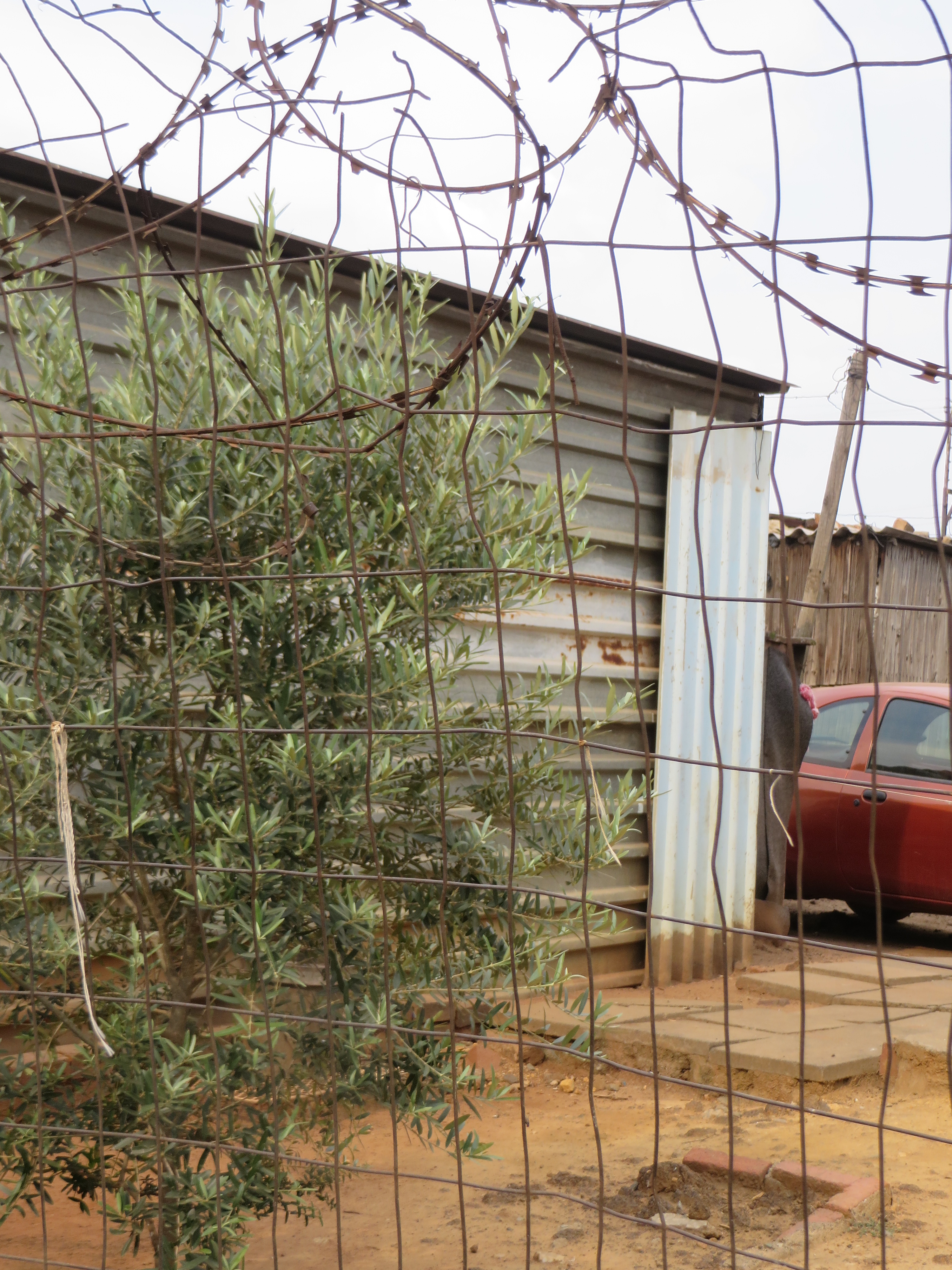
Here in Cape Town the houses are wired. The house we are staying in has electric fencing plus a panic button in the kitchen and in the master bedroom. The button calls a security company that sends armed sentries to the house. I am pretty sure I’d be more frightened of armed sentries storming the house than of burglars making us hand over cameras, computers or cash. But maybe violent crime is prevalent?
So I looked at crime stats just so I would know how tightly I should watch the girls, the rental car and the house. Click here if you are interested: http://www.crimestatssa.com/

I’m no statistician and I didn’t boot up the SAS software to model these numbers but the data on the few neighborhoods where we have been (or are likely to go) show little if any violent crime and with all crime steadily decreasing with a slight one year uptick in 2007-2008. Two stats that do show growth are drug-related crime and DUI. We don’t plan to be involved in either so my mind is at peace on the issue.

Safe and sound from Cape Town…

Standard

Johannesburg, South Africa

Our time here was short.  Two days.  We landed at 10am and hit the ground running.  First stop, Soweto.  We stopped first at the Hector Pieterson Museum.  The photo of this young man being carried from the student protest against Afrikaans as the national language prompted the world to notice the deteriorating situation in South Africa. The museum is small so we left well-informed but not overtaxed by the imagery.

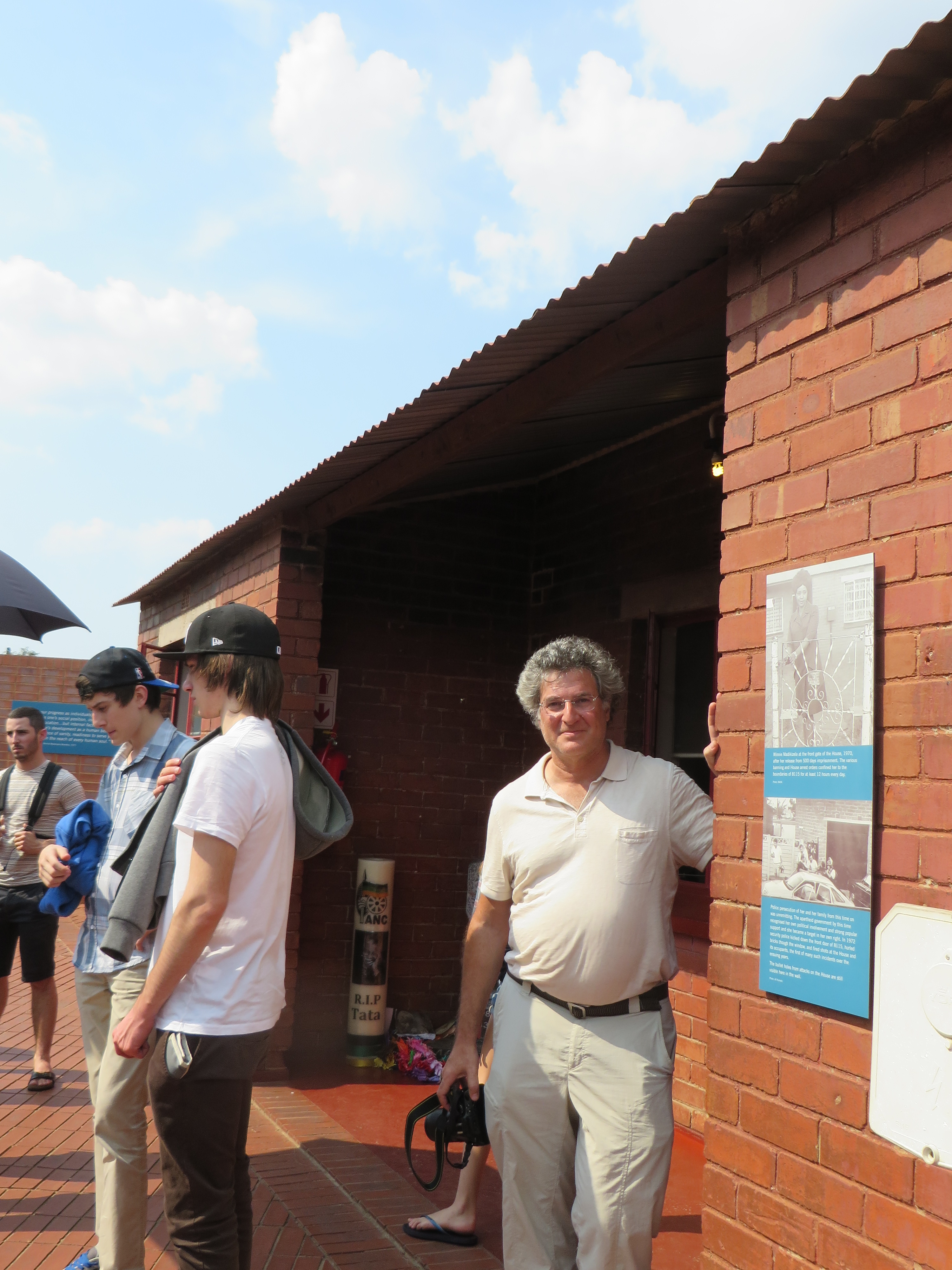
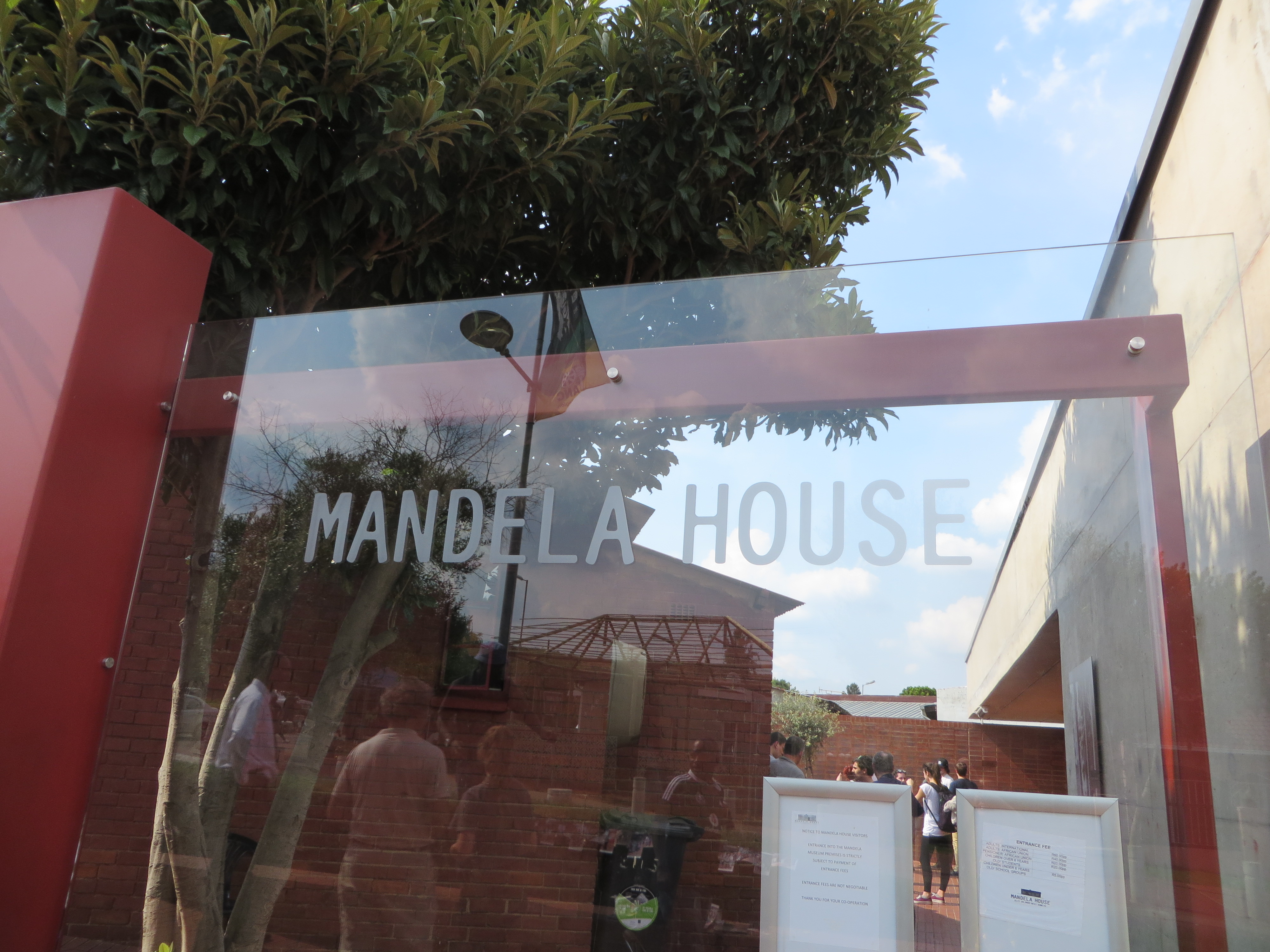
Next we visited Nelson Mandela’s house in Orlando, a section of Soweto.  From his autobiography I know he considered owning this home an important milestone.  My notes just say “a small space; a large legacy.”  Nearby, there were outdoor cafés and shops.  The people living here today seem to live well.

2014-02-19 16.20.23 2014-02-19 16.21.23 2014-02-19 16.18.08 2014-02-19 16.13.42 2014-02-19 16.13.21

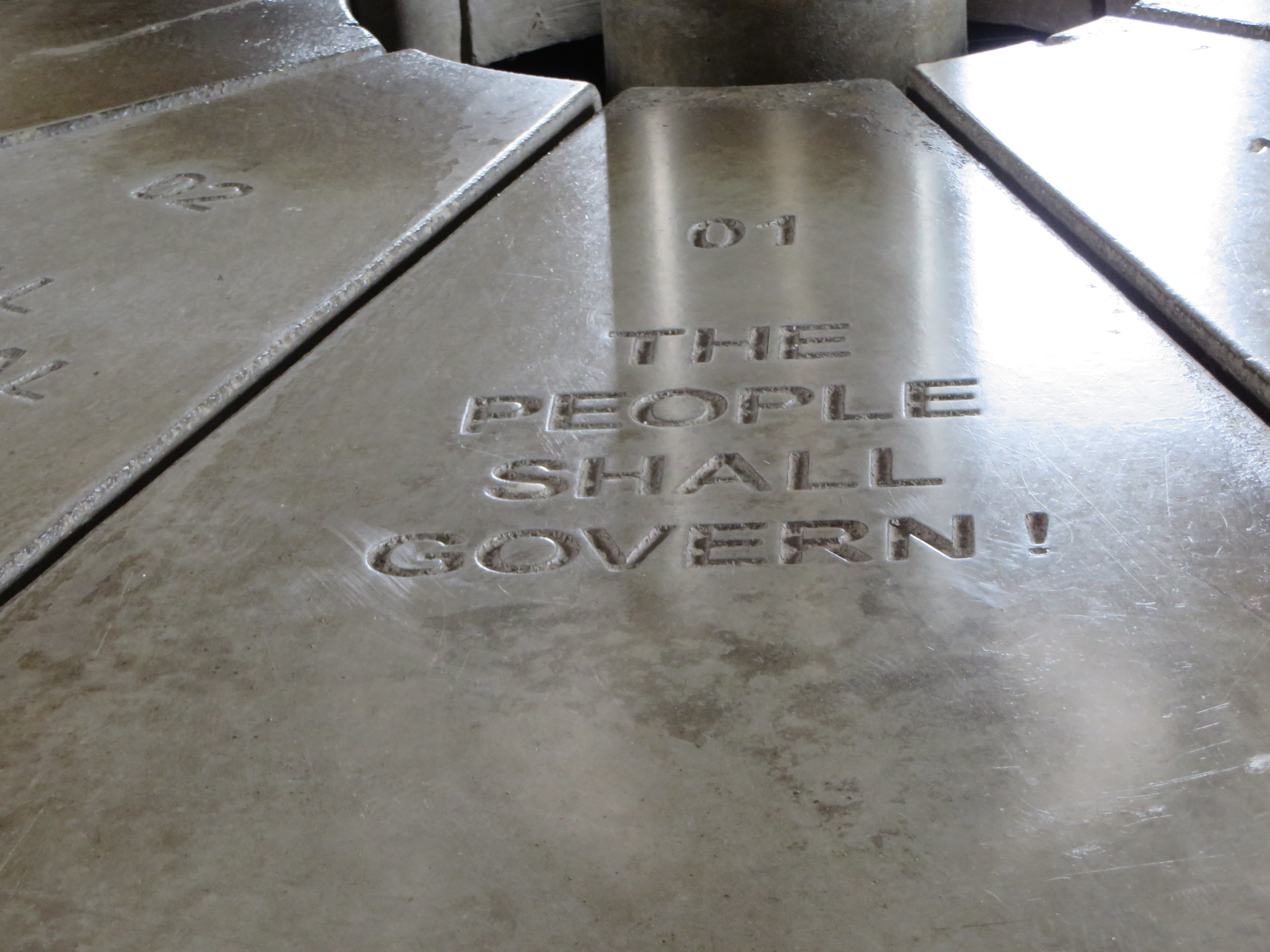
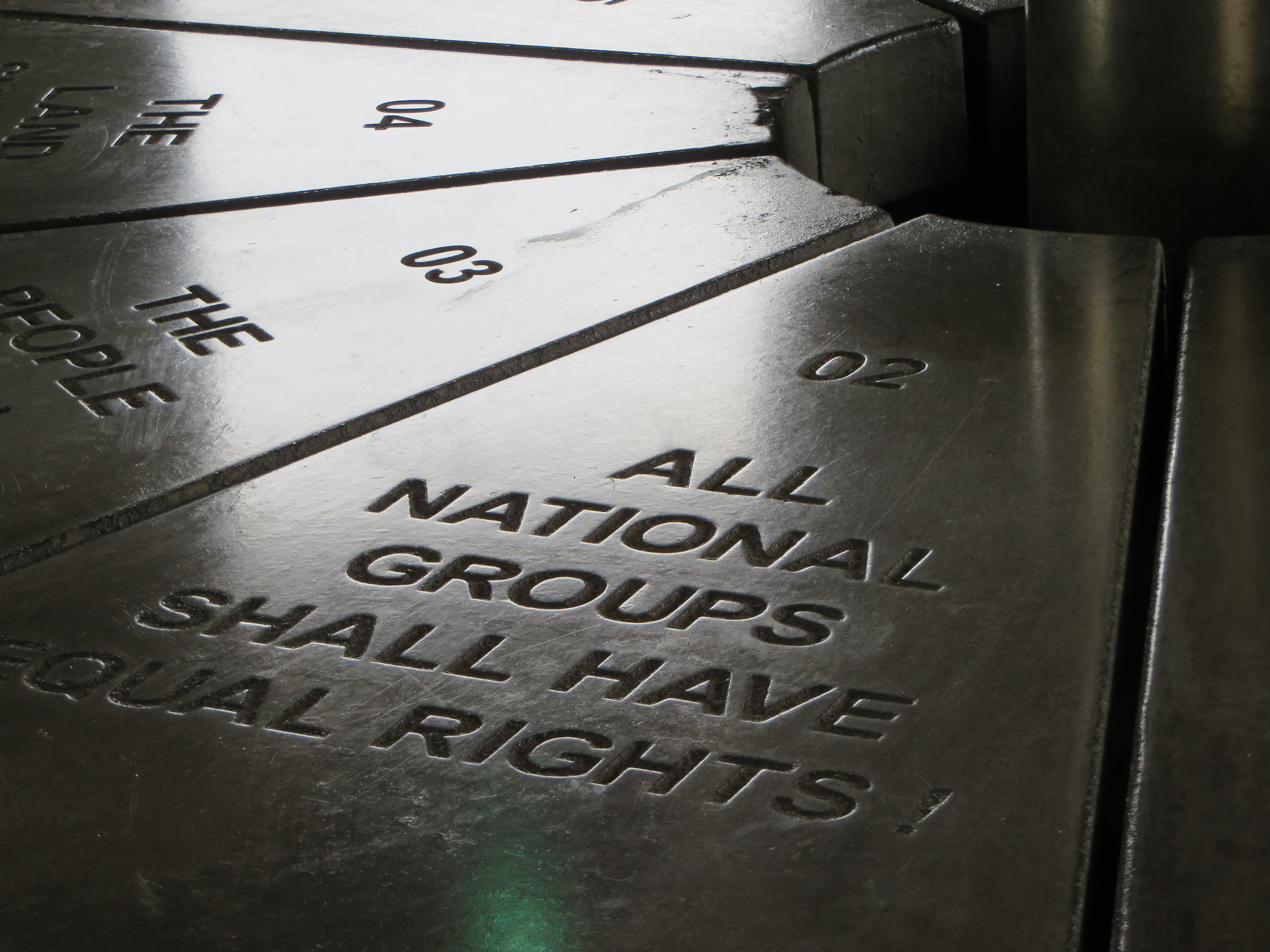
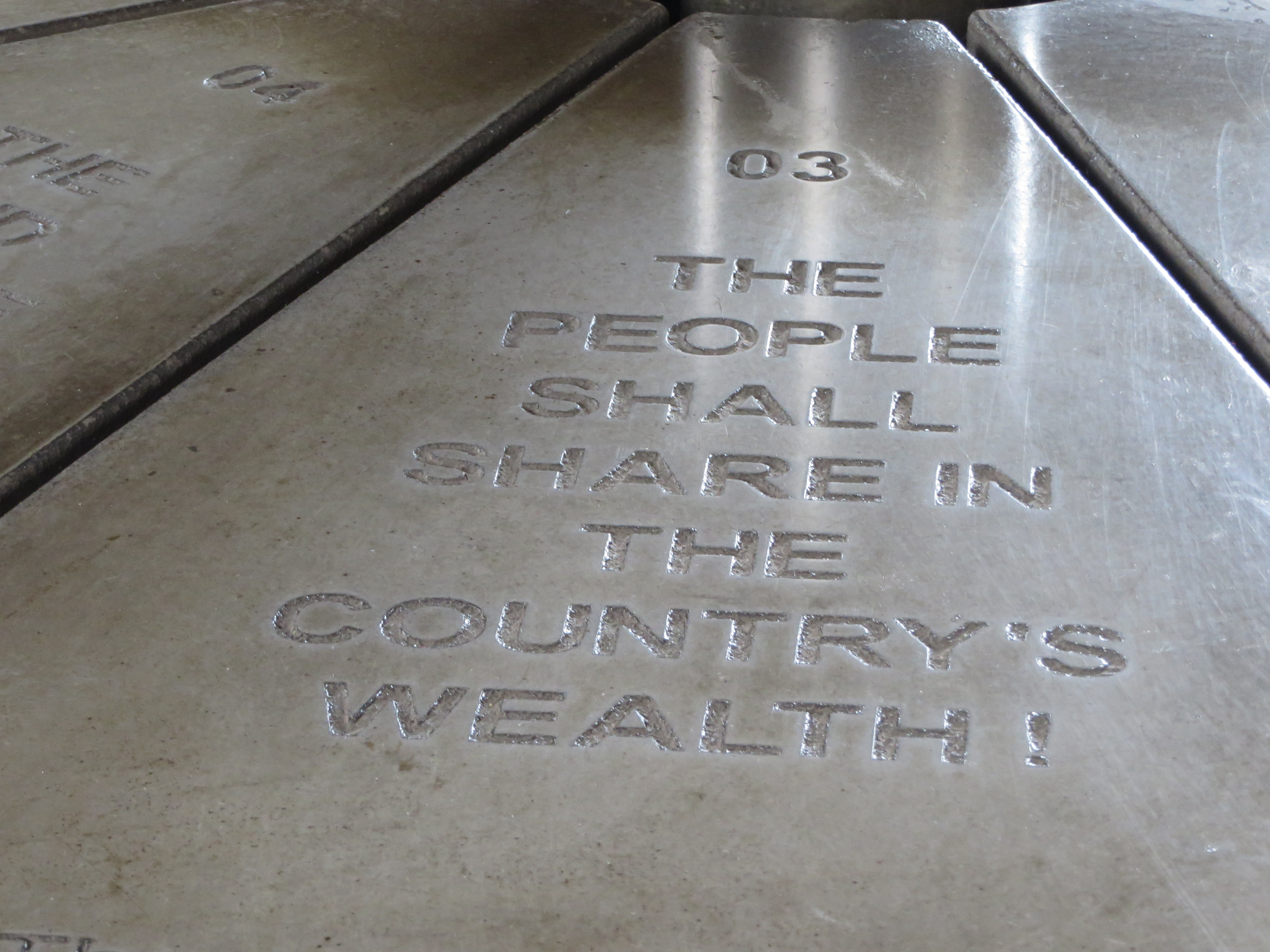
Finally, we visited a monument showing the Freedom Charter which was adopted by a variety of protest groups in 1955 and then became essential components of the South African constitution.  At every turn we are reminded that this democracy is twenty years young.  So much progress in such a short time. Under the constitution all are entitled to basic services like housing and sanitation. The City of Jo-burg has built 3.5 million homes in the past decade.  There are three tiers of home ownership – rent, rent to own, own.  Each according to his or her financial ability. Responsible lending programs exist!  But there is more work to be done before all are enjoying the wealth equally.

2014-02-19 16.44.55 2014-02-19 16.44.49 2014-02-19 16.44.19 2014-02-19 16.42.32

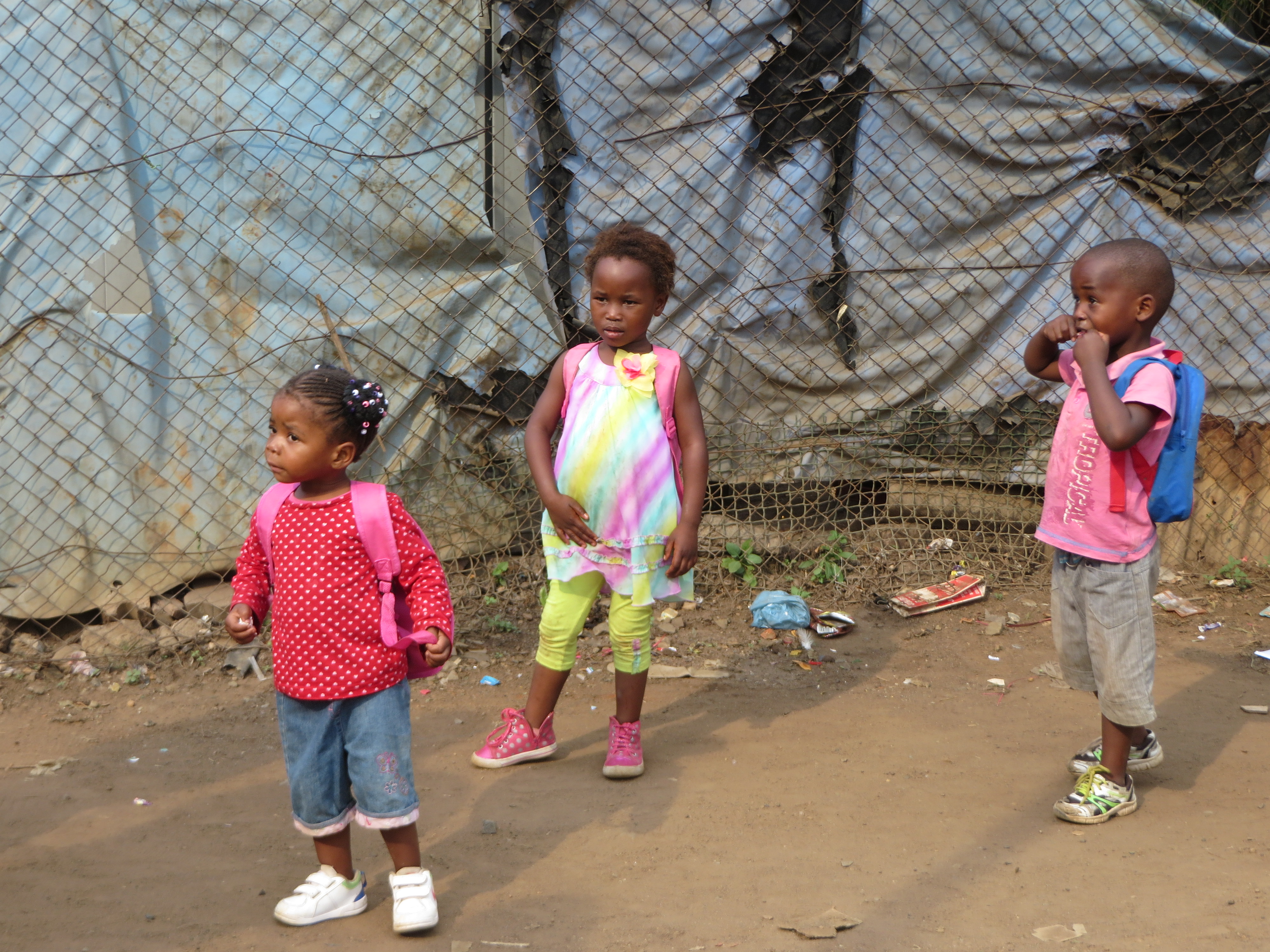
After Soweto, we visited the Kliptown Youth Program, an afterschool program that supports nearly 400 children with hot meals and homework help.  One of the program directors took us through the school (a CNN Heroes award recipient) and also took us on a tour of the township and his home.  There are 50 water taps for the 45,000 residents living in Kliptown.  We noticed porta-johns everywhere and learned that the city provides a toilet that is serviced once a week and gives each family a key to the padlock on its door.  Twenty families share a single toilet; twenty families with an average size of 6 per family is 120 people sharing a small light-free, 2 by 2 toilet, serviced on Thursdays.  Makes one think twice before complaining about who left the seat up …

2014-02-19 17.31.38 2014-02-19 17.22.21 2014-02-19 17.06.00 2014-02-19 17.04.07

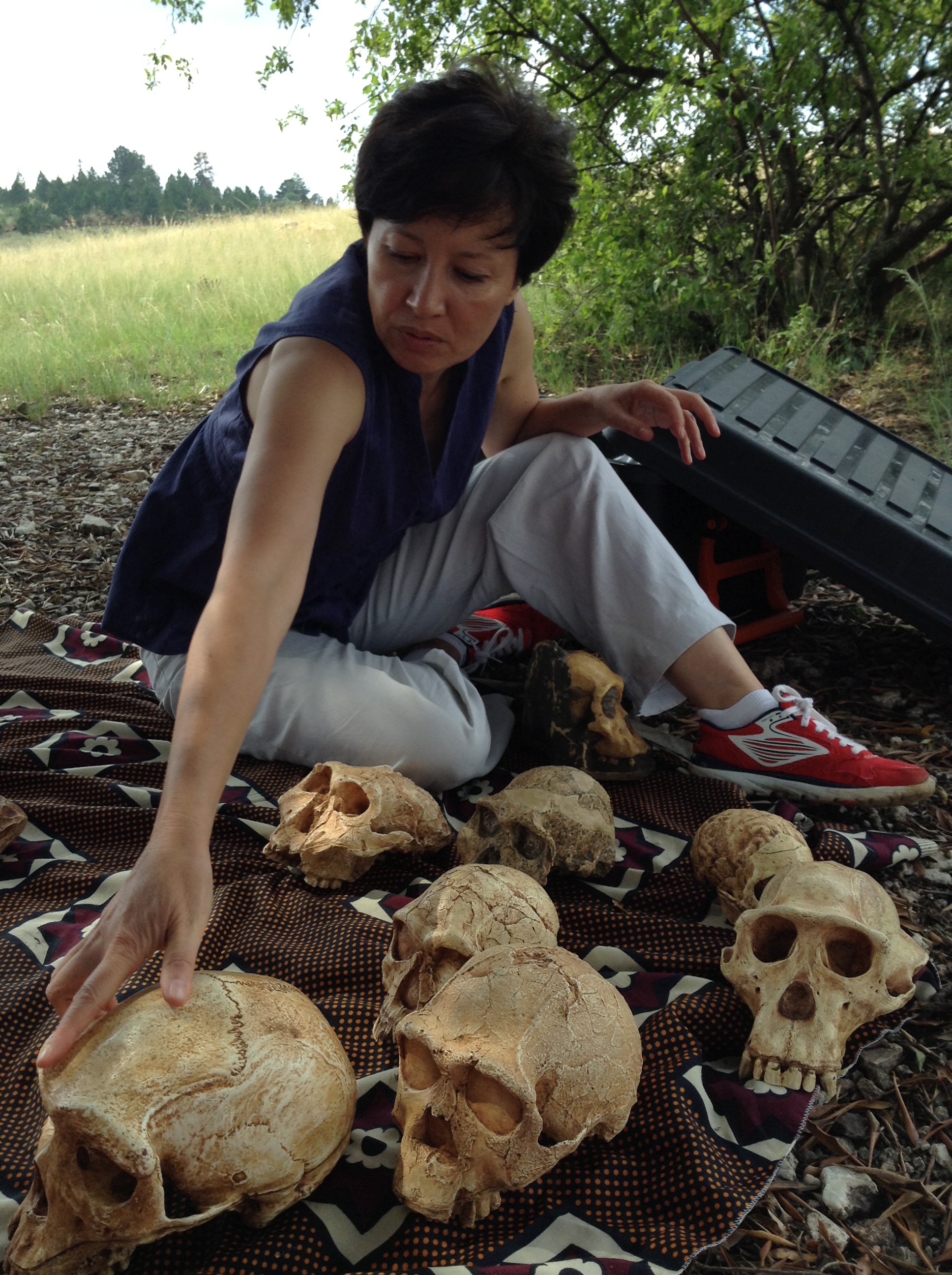
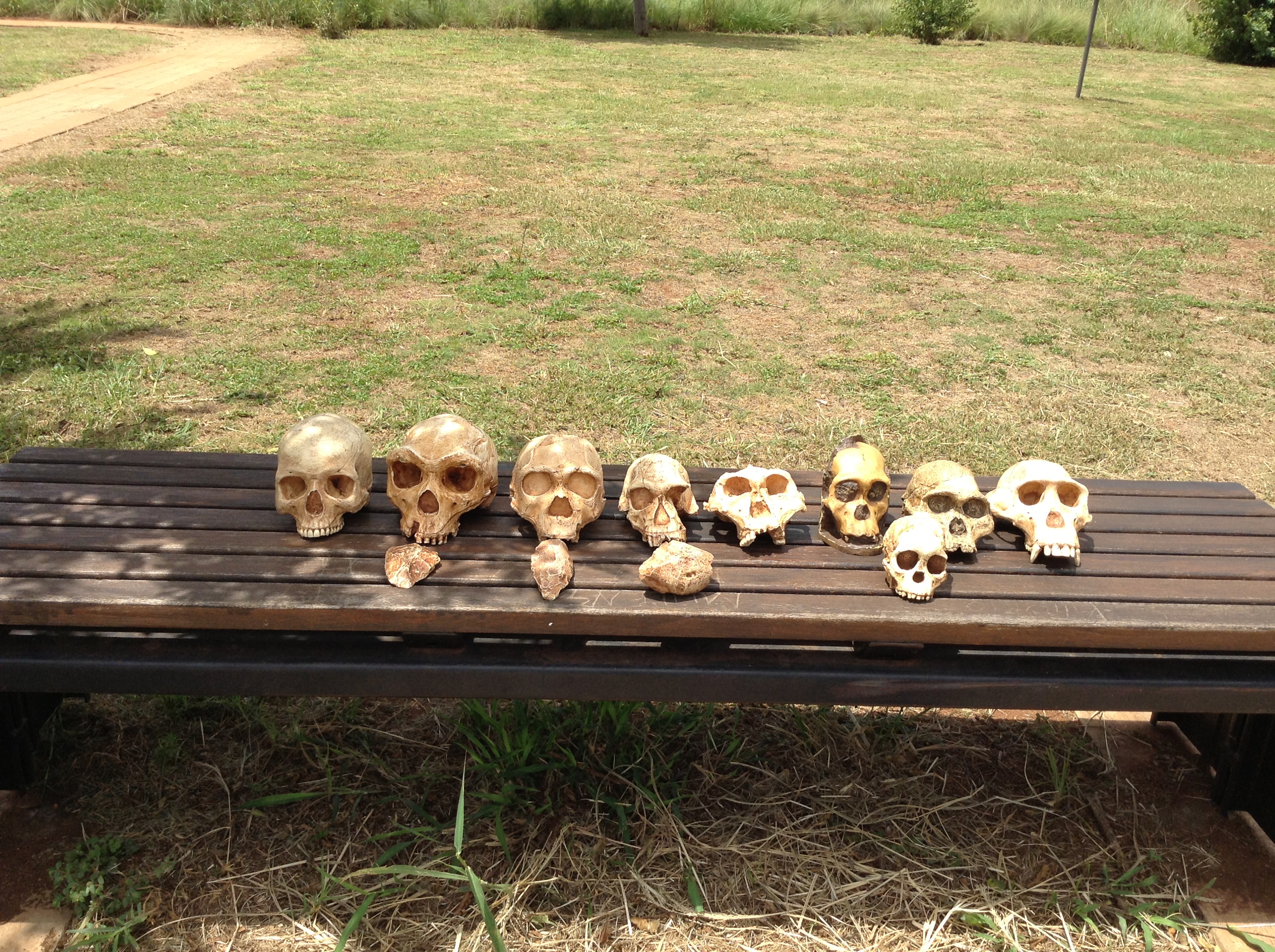
The next day Andy went to get his South African pilot’s certification (a future blogpost) and the girls and I took a trip to the Cradle of Mankind.  Christine, a researcher and excavator at the Cooper’s Cave, explained our evolution from chimp to chump.  She also took us to an active excavation site where she and her team (grad students and volunteers) made new discoveries, some only recently published.  We learned how to identify bones from stones in a fossilized trench and saw remains of microfauna, antelope, and lion that are still in progress.  Christine brings palpable excitement to this area of science; by the end of the day I was fundraising for her from the parking lot.  And I’m not exaggerating.  A young professional originally from India but currently “busy making money in Dubai” stopped to ask directions and when he realized who she was, he sought out a tour for himself.  She is so nice that she would have gladly done so had she not had to be at the museum that afternoon.  When he continued on, and on, about being keenly interested in the work she was doing I put him to the task a bit and suggested that he put the money towards his keen interest and then once he’s tired of being a money donor he could come back to be a working donor and excavate with the other volunteers.  An investment in his passion and his future.  It was a soft sell but it got him and he left saying he would donate online. Christine asked if I wanted to stay on and write grant applications.  Who knows, maybe that’s what I’ll do when I get back…but probably not.

2014-02-20 10.17.57 2014-02-20 12.36.08

Standard

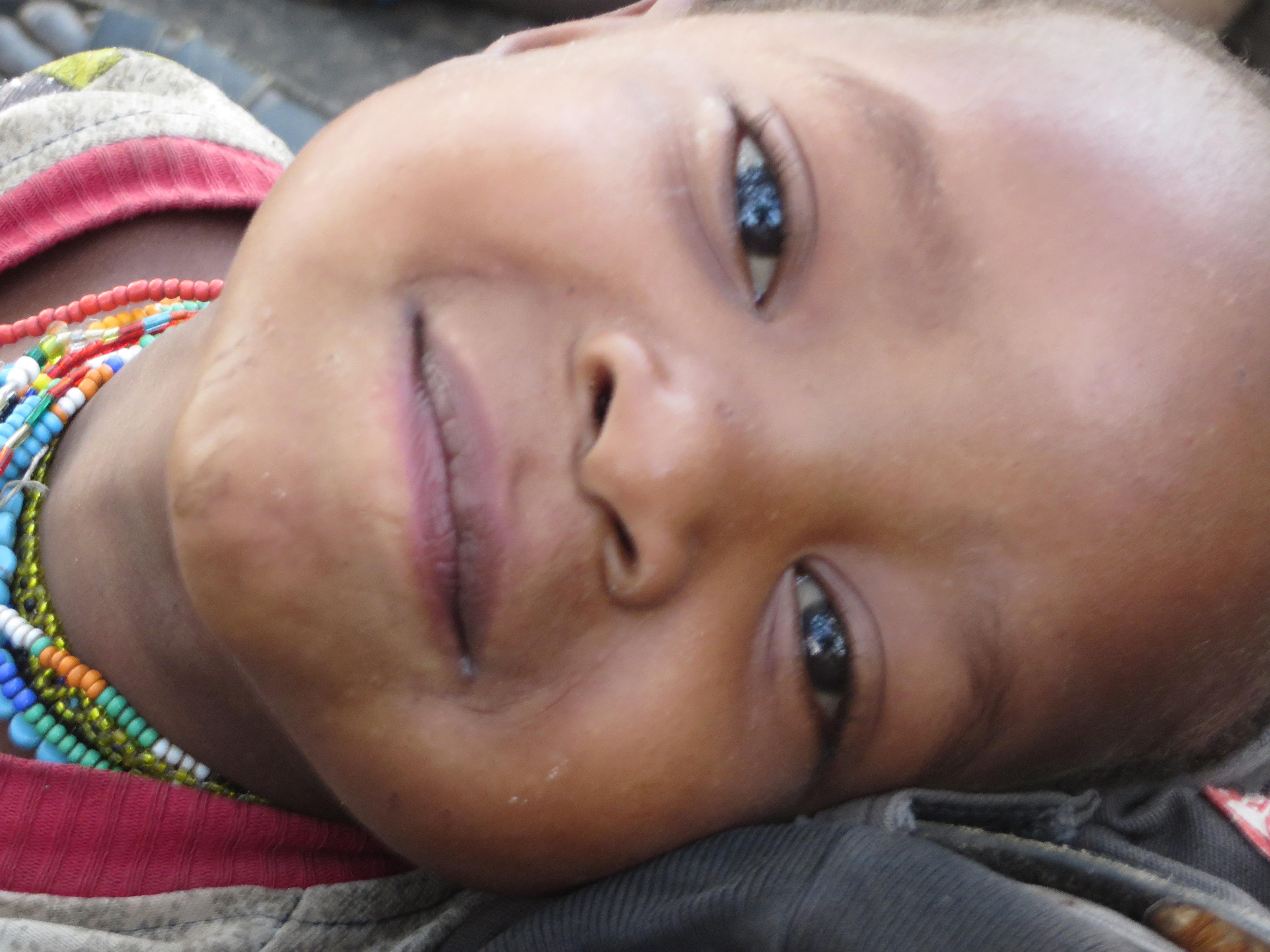
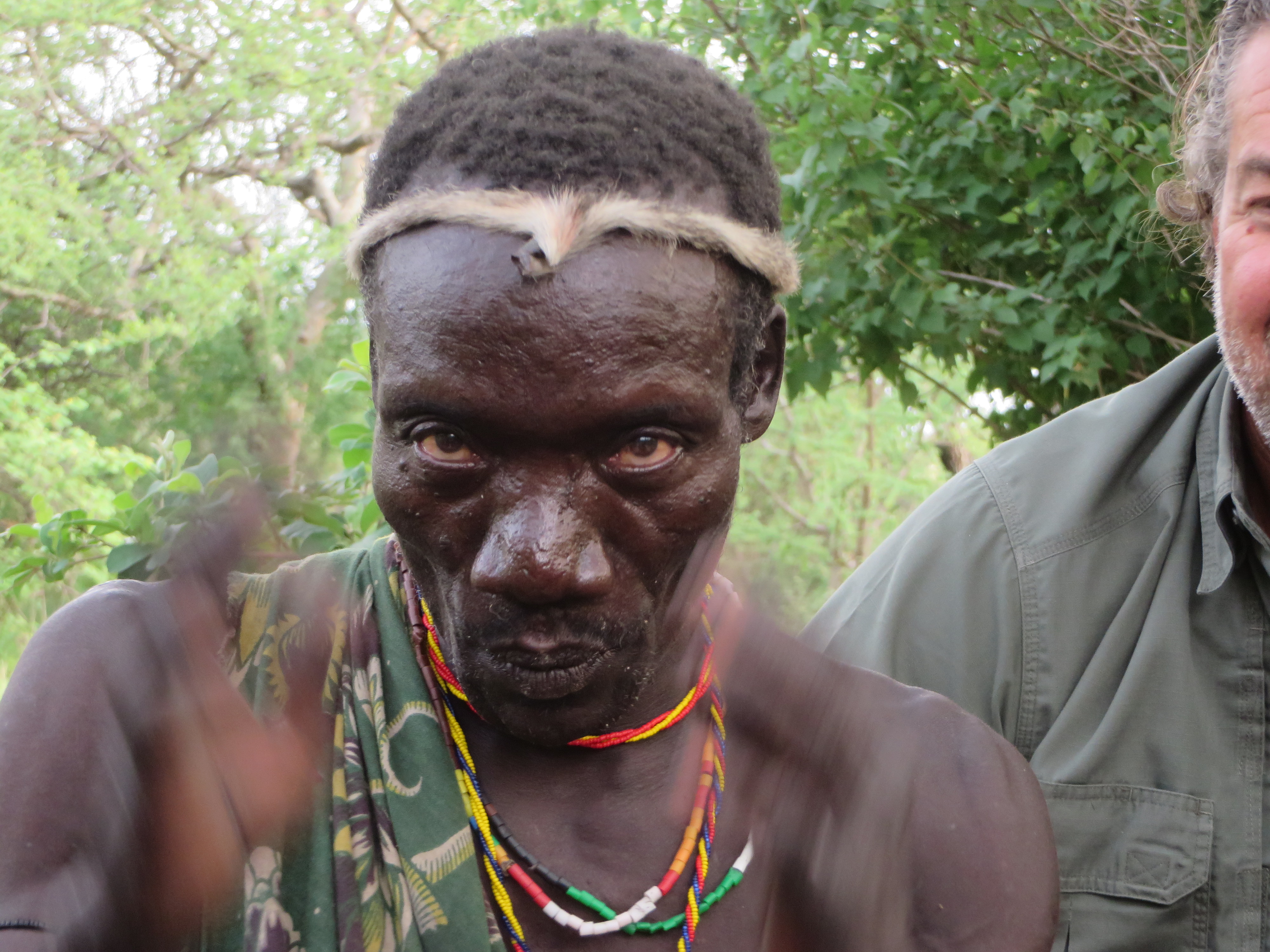
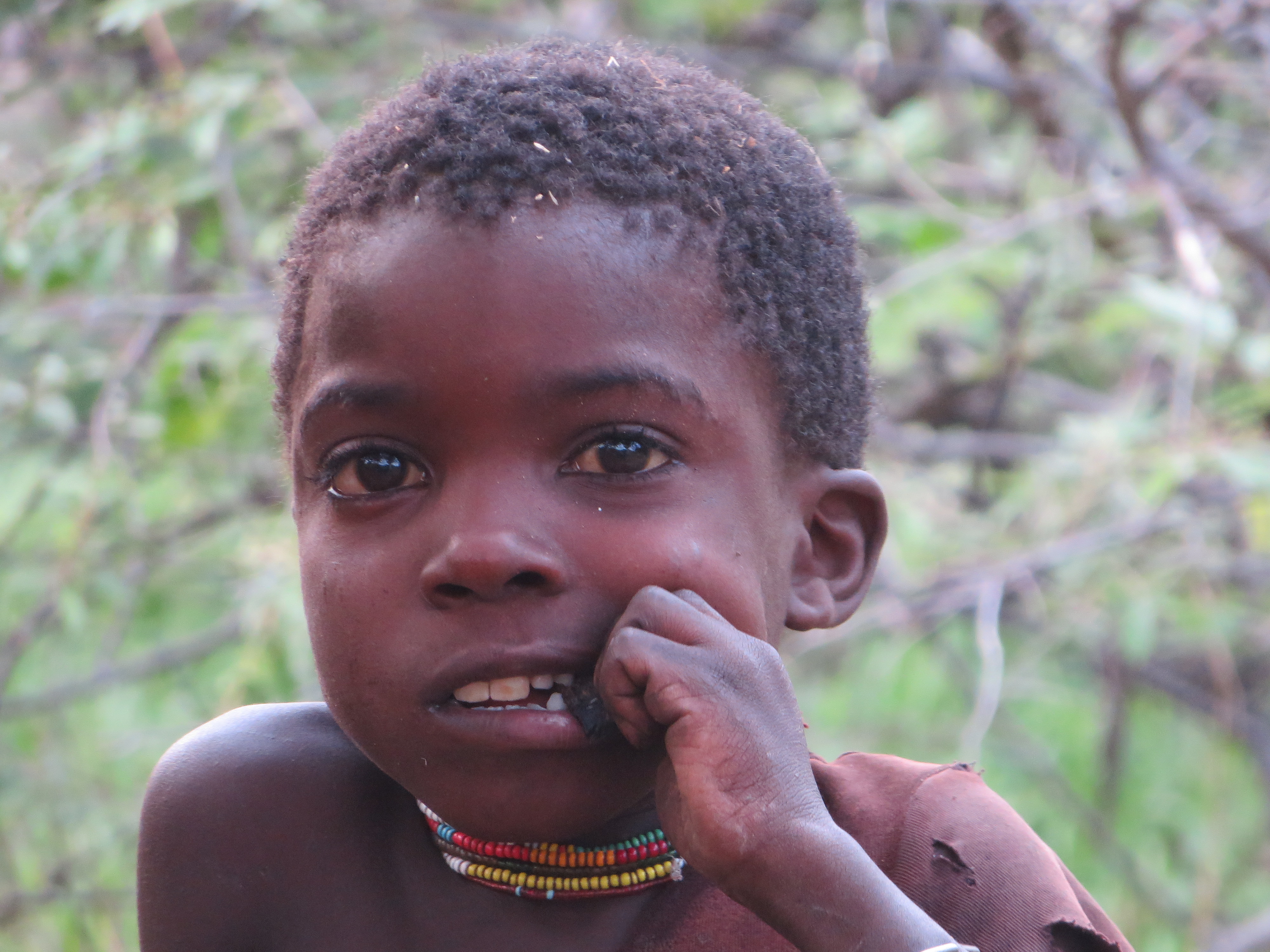
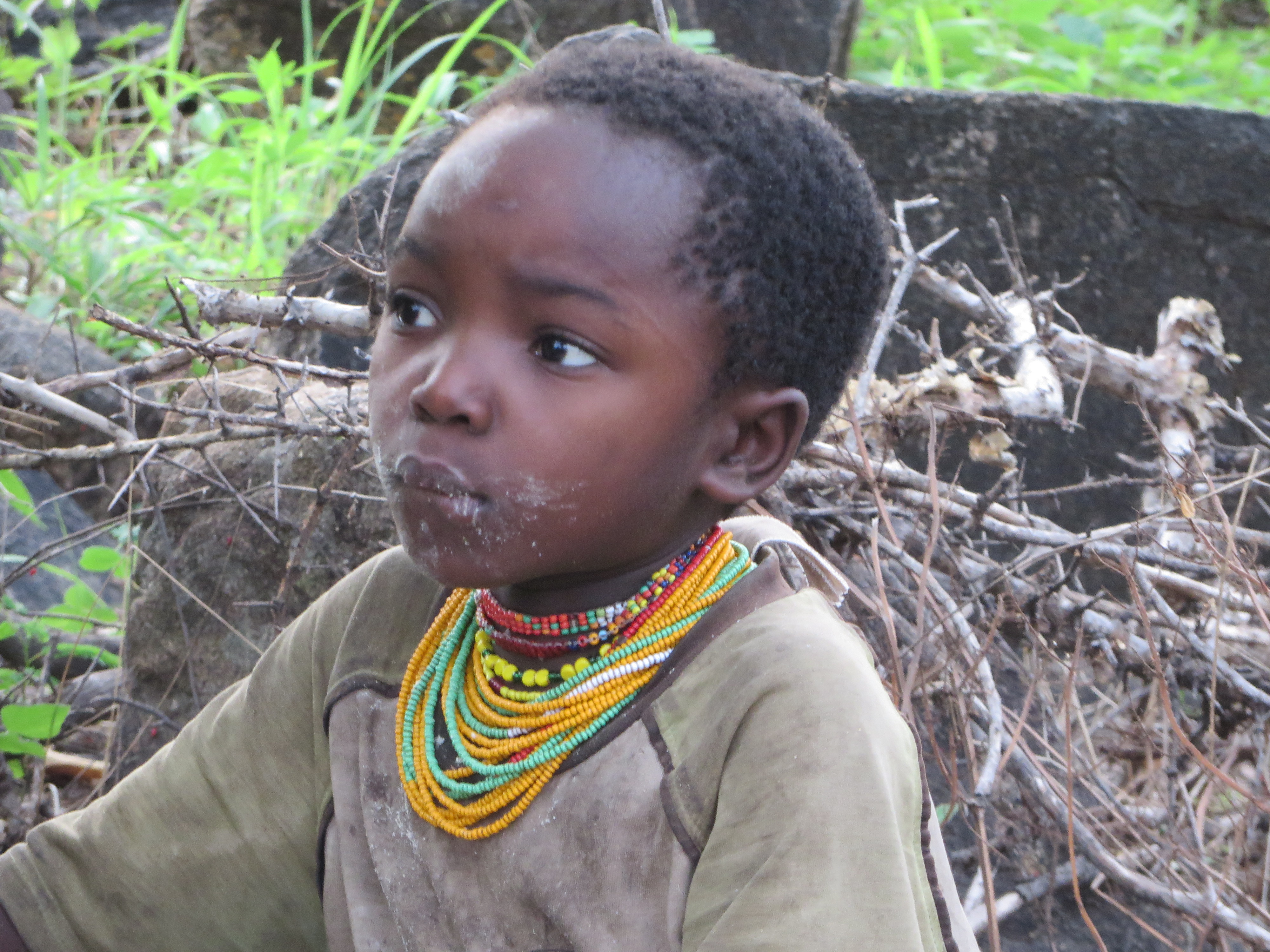
Hadzabe

We arrived bearing gifts.

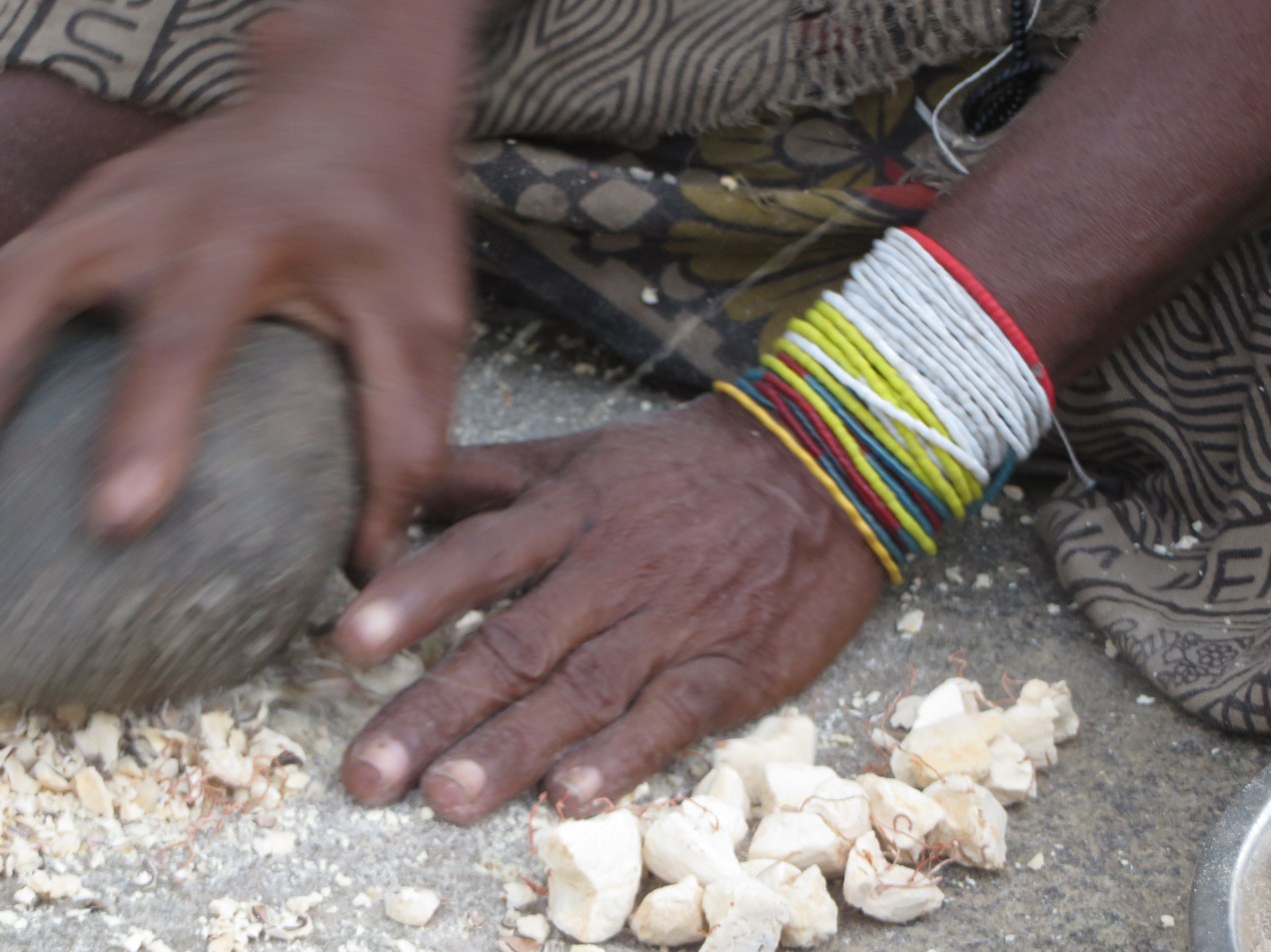
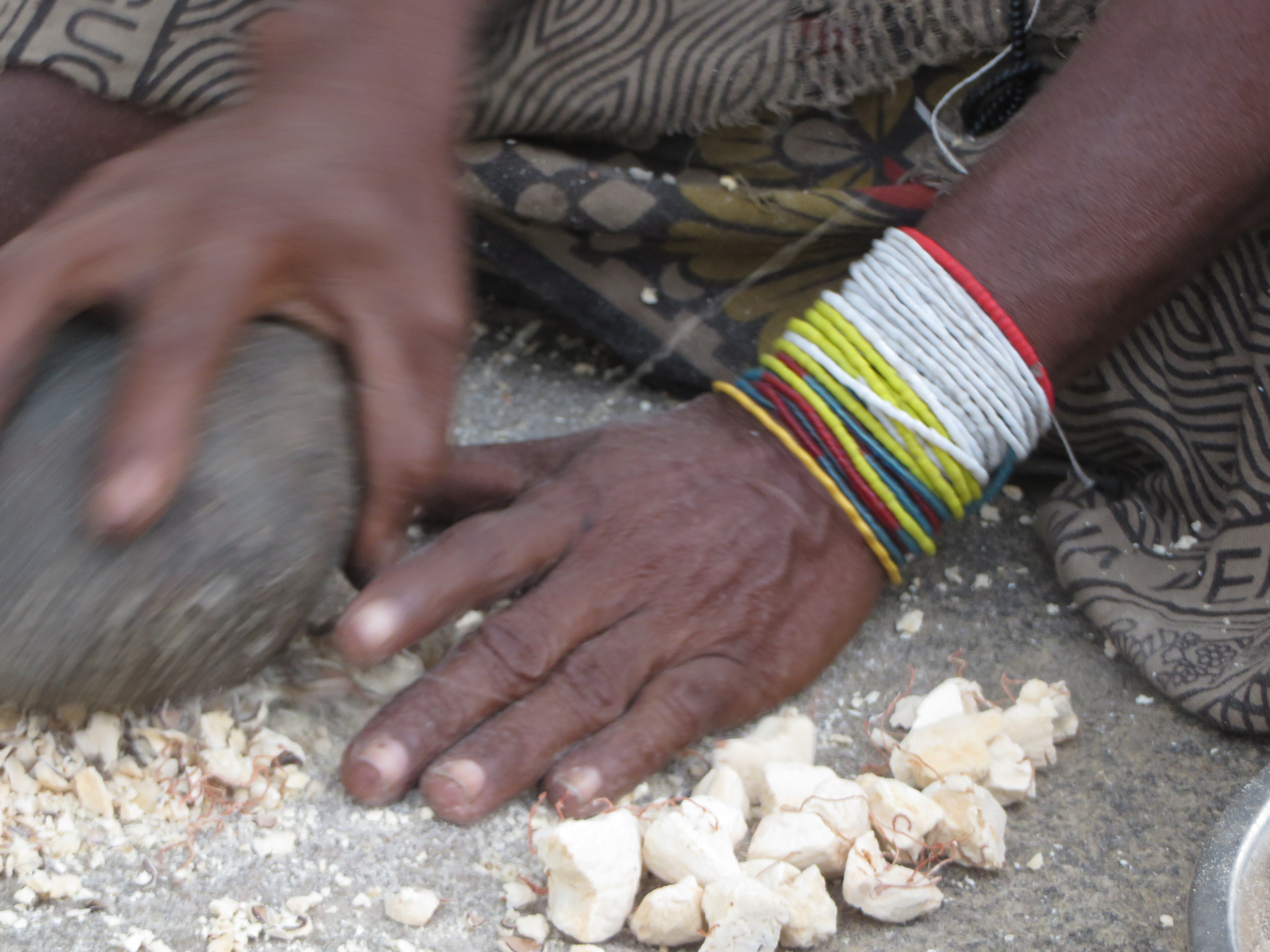
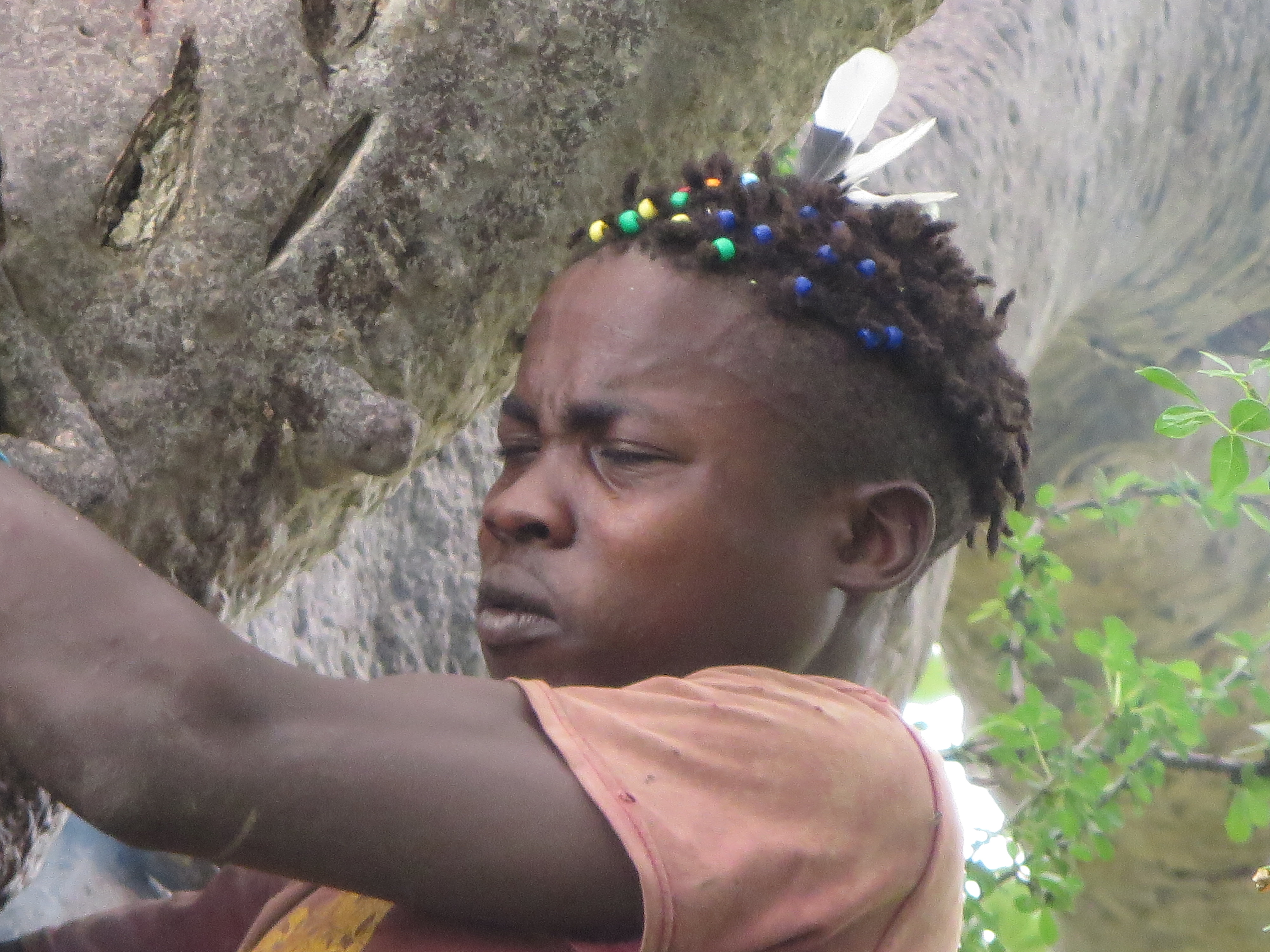
Salt, beads and two metal basins for the women. Five inch nails and native tobacco for the men. Mama Wan-day was very pleased with the beads in particular. We joined the tribe in the late afternoon. The fire was going. I got the sense that it doesn’t go out. The men and children were tearing at pieces of meat from a zebra caught two days before. Zebra jerky. The women led us down a path to a rise where there was a good piece of stone. There they pounded baobab fruit into a powder that, with water, would become a porridge (though the children were happy to eat it dry). The men lit up their communal pipe and the elder smoked so deeply I thought his cheeks might be inhaled with the tobacco itself. I took a video.

We bid each other a farewell; until tomorrow. The next day we would follow them on a hunt.

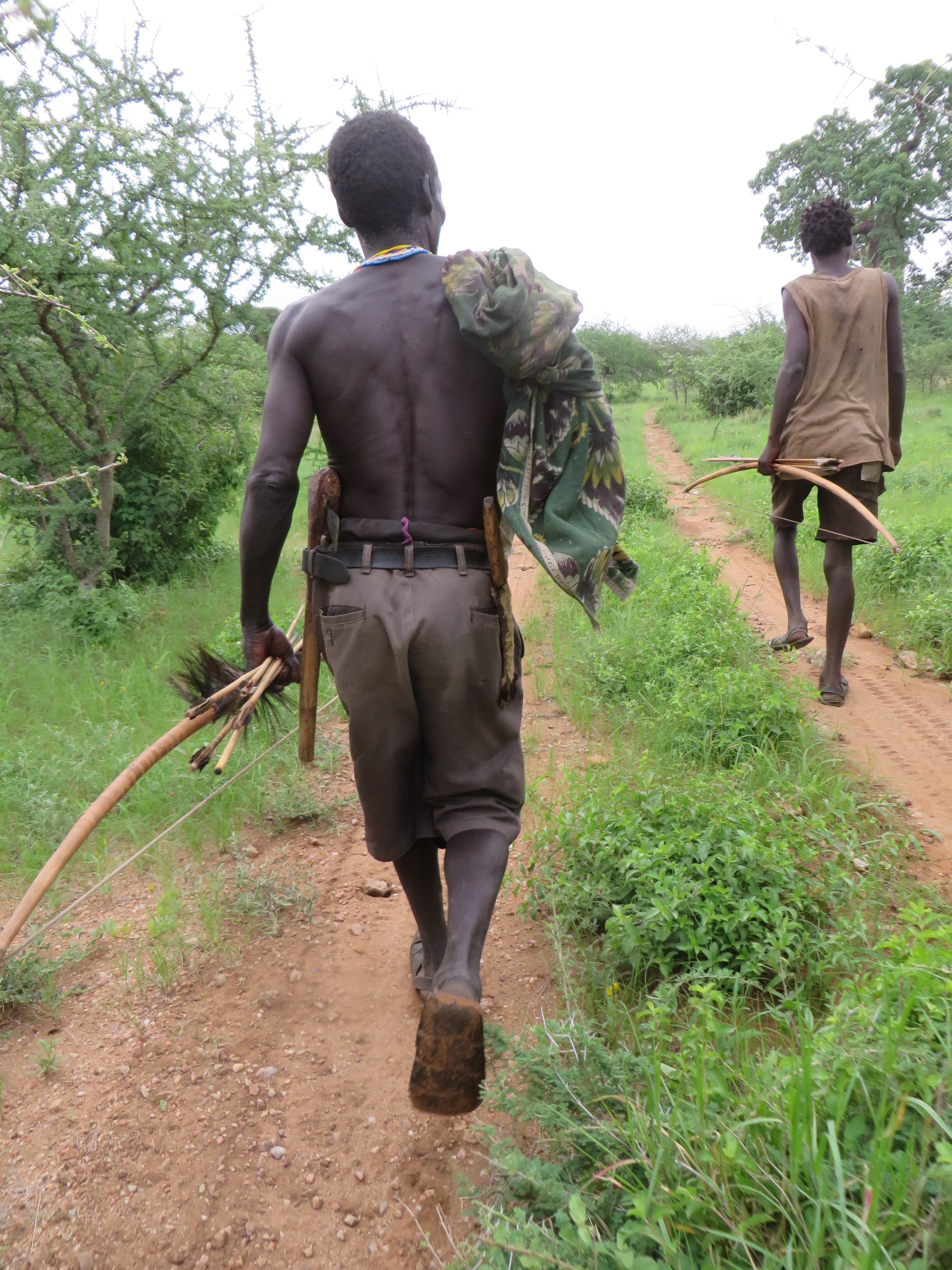
The men met us at our flycamp at 8am and we set out. Martin shot a dove in the first 5 minutes. He tucked the neck of the bird under his waist belt and we continued on. I worried if Lauren (our vegetarian) could handle it; my worry was misplaced.

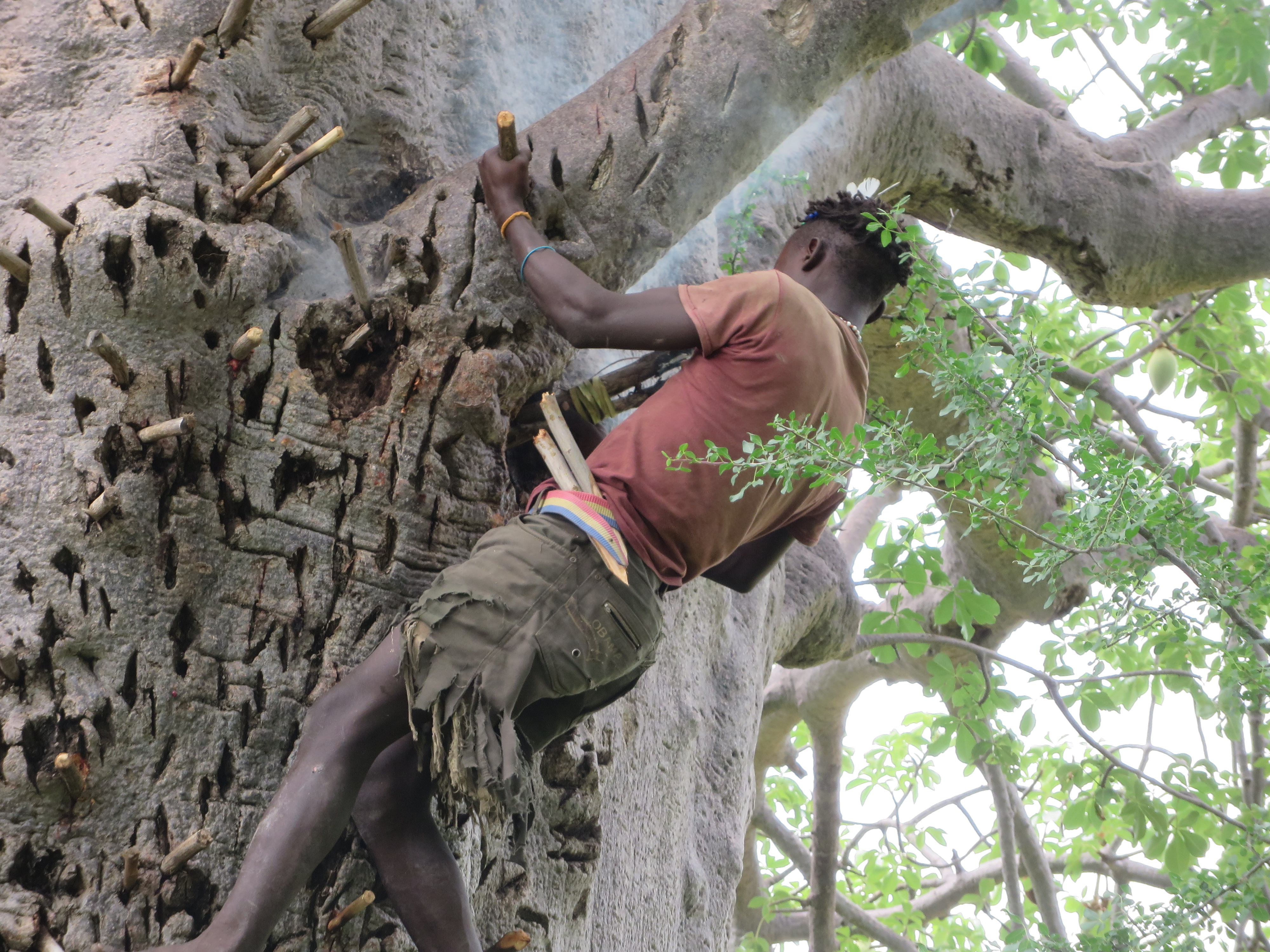
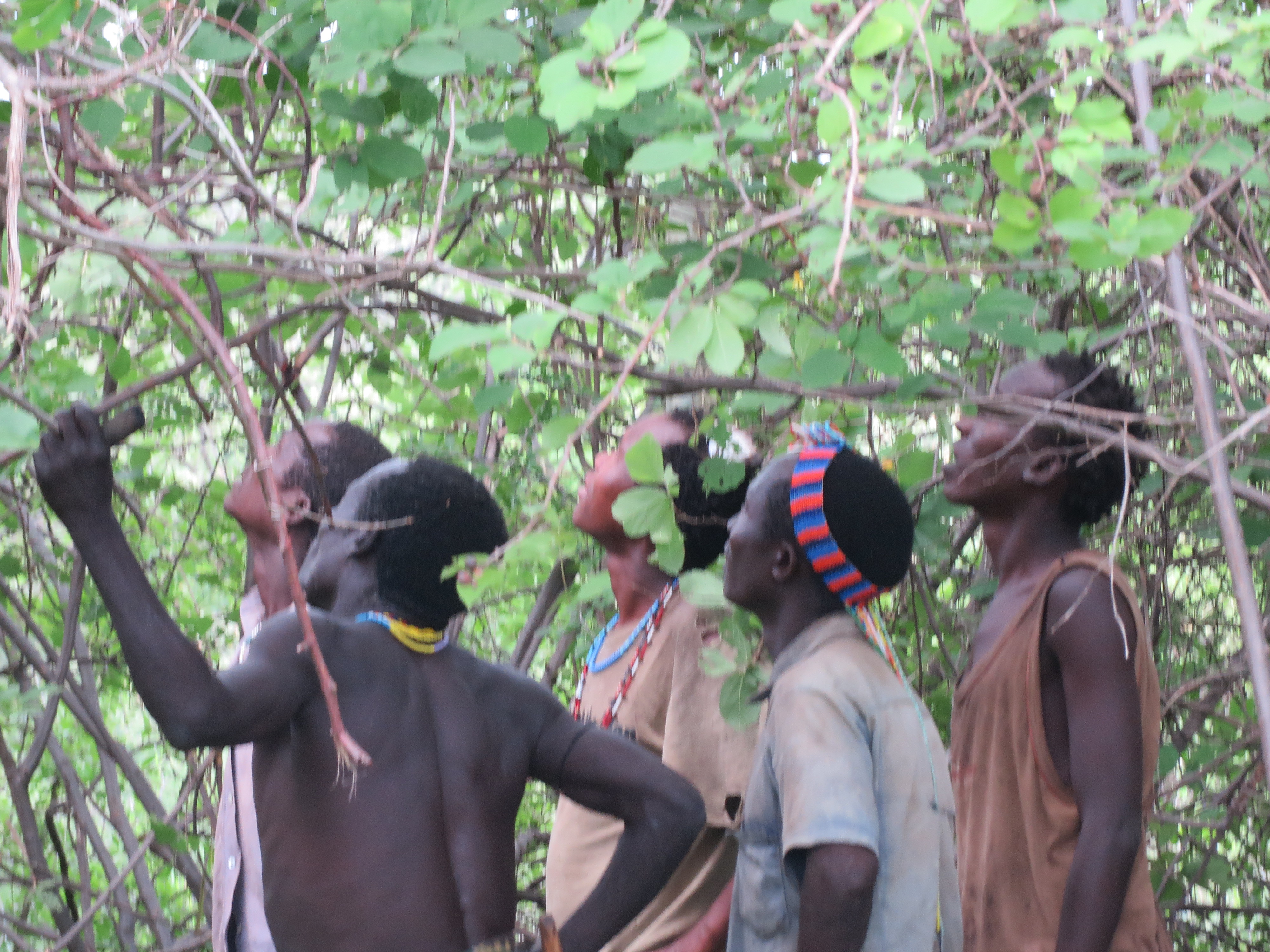
We started the day together finding honey. The men would tap on trees listening for hollow spots and when they found one, they would cut into the tree with their axes and expose a hive. The first tree had loads of larvae (we were advised to pass on eating them) and the second had honey and was very sweet. The bee pollen gave it a tinge of bitterness (reminding me of an Ann Burrell recipe with bee pollen but I digress).

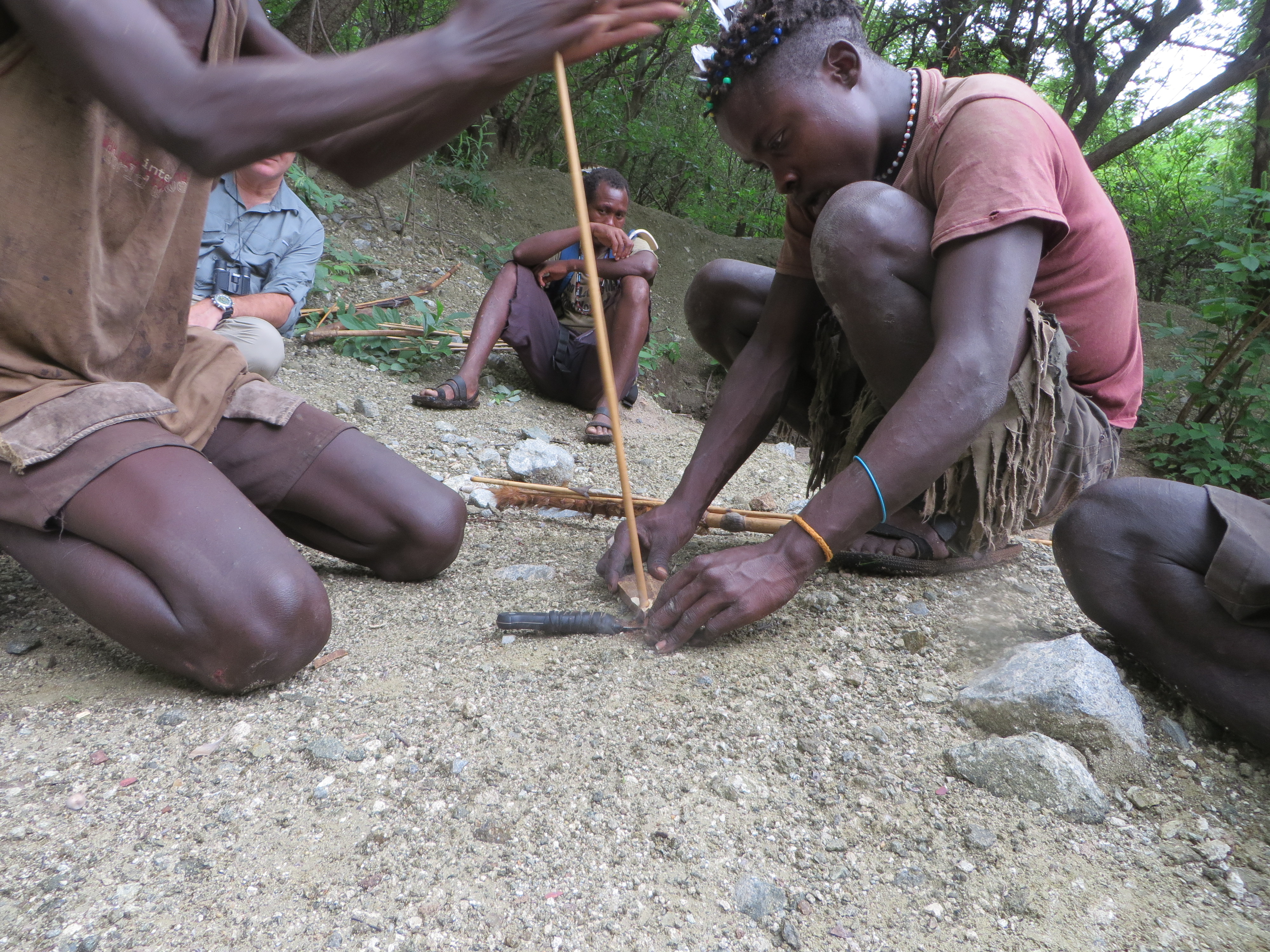
We were taught how to start a fire. You probably know how to do this from watching your kids’ 3rd grade Eastern Woodland Indians study…or because you are an Eagle Scout or something. Anyway, the men used their knife handles and a long piece of wood. The butt of a knife was notched and then a long stick was placed in the notch. The stick is rotated by placing it between your hands and rubbing your hands together. The friction creates fire and ignites the small embers that they used to kindle fire (or a pipe).

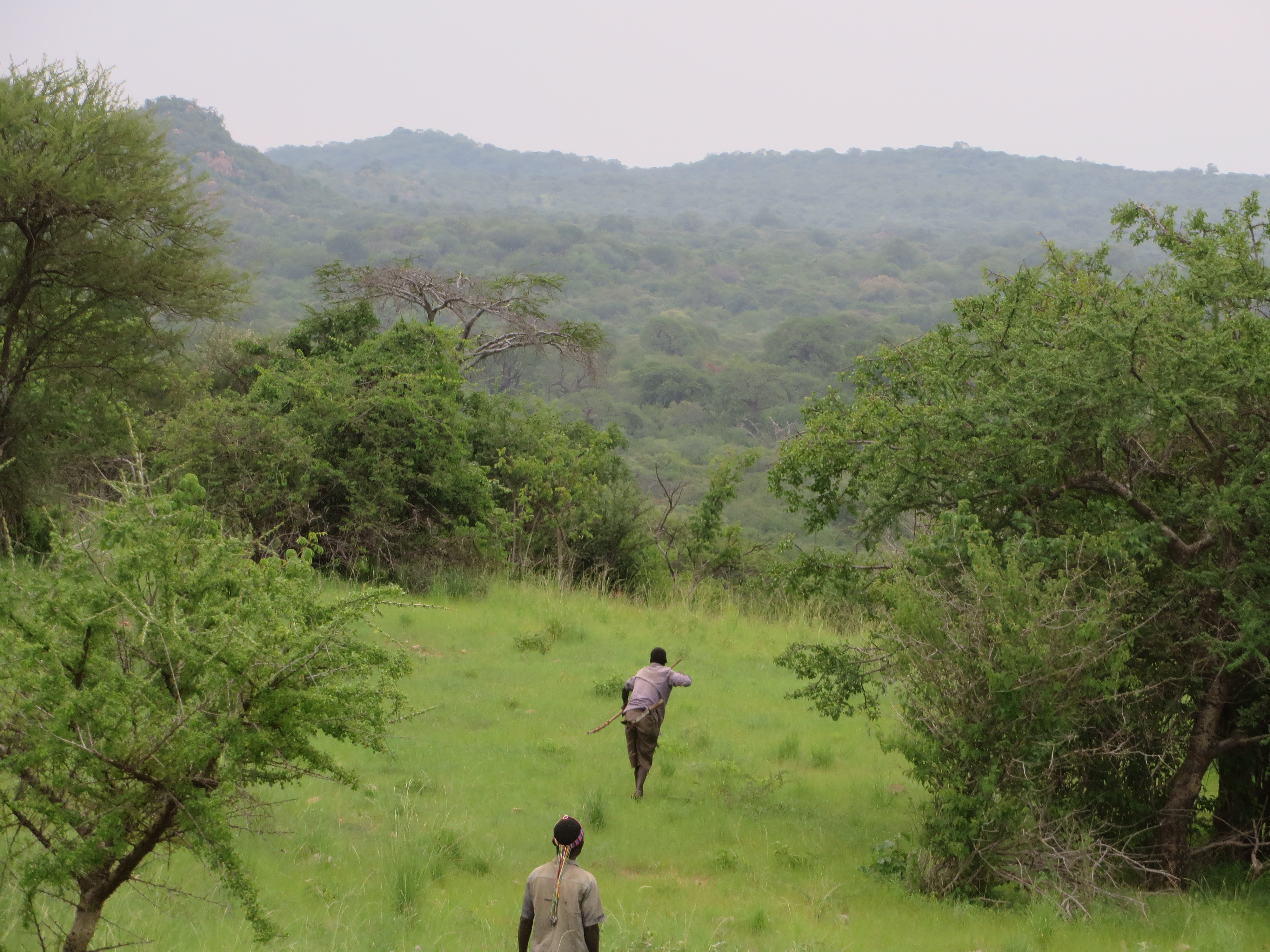
Later we were split into hunting parties. Each hunter has a task or chore to do. Jackson and three others were moving ahead to find larger game. Karie and Rose went with Martin to check the rocks for animals that may have become trapped in the crevices. None found.

Andy and Lauren went with Oya to look in a particular area for smaller game. Oya spotted a bushpig and took a shot. The shot missed so he tracked the bushpig, showing Lauren and Andy the tracks. They gave a decent chase but he was slowed down by the city slickers. A shame really because a bushpig would feed the hunting camp for several days. They didn’t come back empty-handed though. A honey cache and some bird eggs.

The hunting parties reconvened atop the mountain where they started a fire and the morning’s spoils were consumed. Martin’s dove, Oyas honey and eggs. There was much commiserating over the bushpig but the frustration gave way easily to smiles and laughing.

We must have stopped four or five times so the men could smoke their pipe – a communal piece of wood. They inhaled deeply, their cheeks becoming a cavity several inches deep. The eldest passed the pipe around for all to enjoy. All but one who had been into town and now preferred to roll his tobacco using scraps of newspaper. They all enjoyed a good smoke and took time to enjoy each other and the tobacco.

We then moved on in search of a particular baobab tree where they wanted to show us how they smoke out the bees and take the honeycomb. On the way, one of the hunters took a shot at a dikdik (a small deer-like animal) but his arrow narrowly missed its target.

More honey searching: the baobab tree has a hive they’ve raided many times by the looks of it. Each time, the Hadzabe hunter, Martin in this case, takes pegs and his axe and slowly makes a climbing stair to the hive. To do this Martin has to make a slit in the tree with his axe and then hammer the pegs into it using the butt of his axe. Once he reaches the opening to the hive, he smokes the bees to calm them. Having had their hive raided many times, the bees have adapted their hive to be further within the tree and, unfortunately for Martin and the Hadza, the honey is just out of reach.

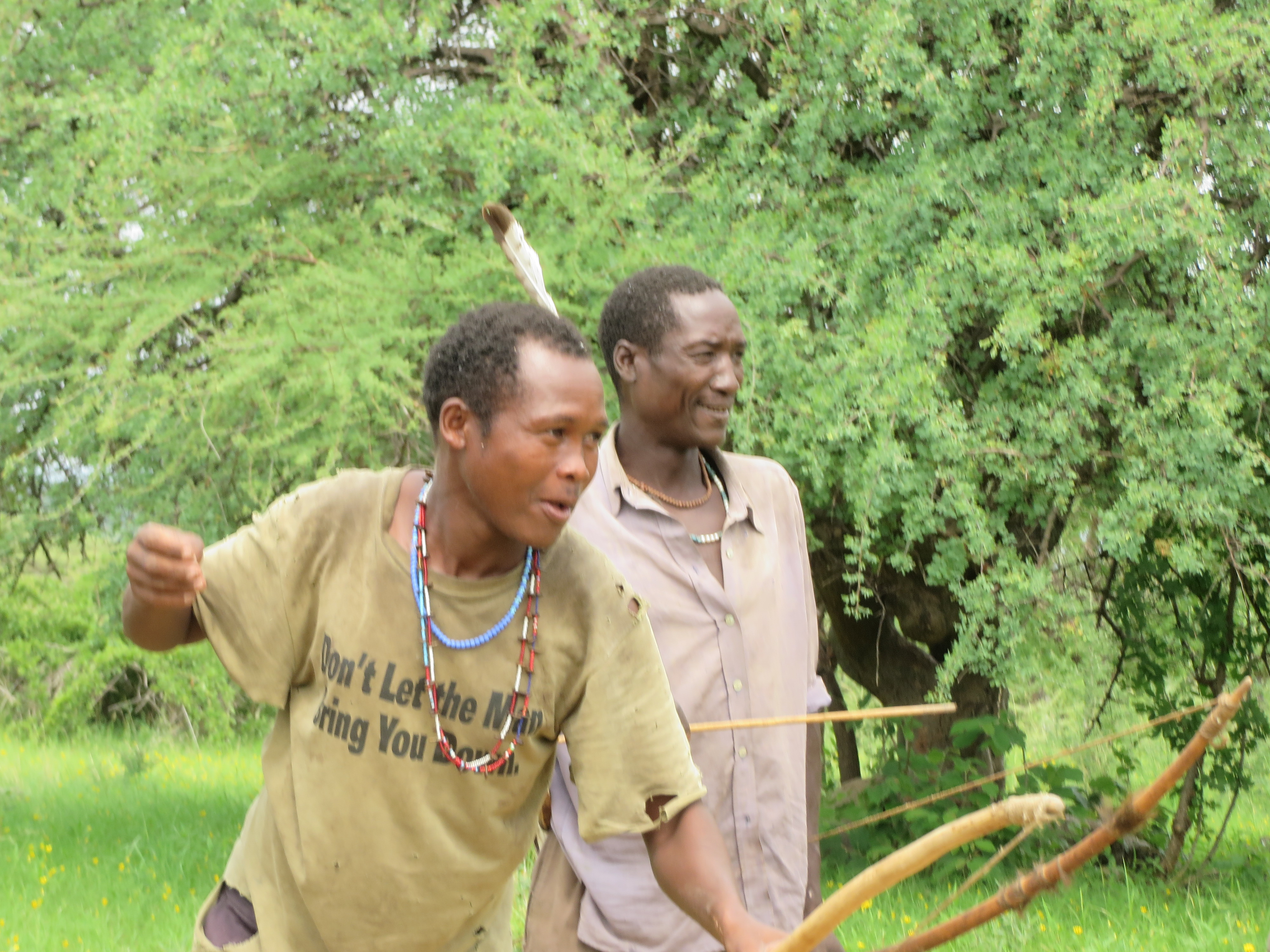
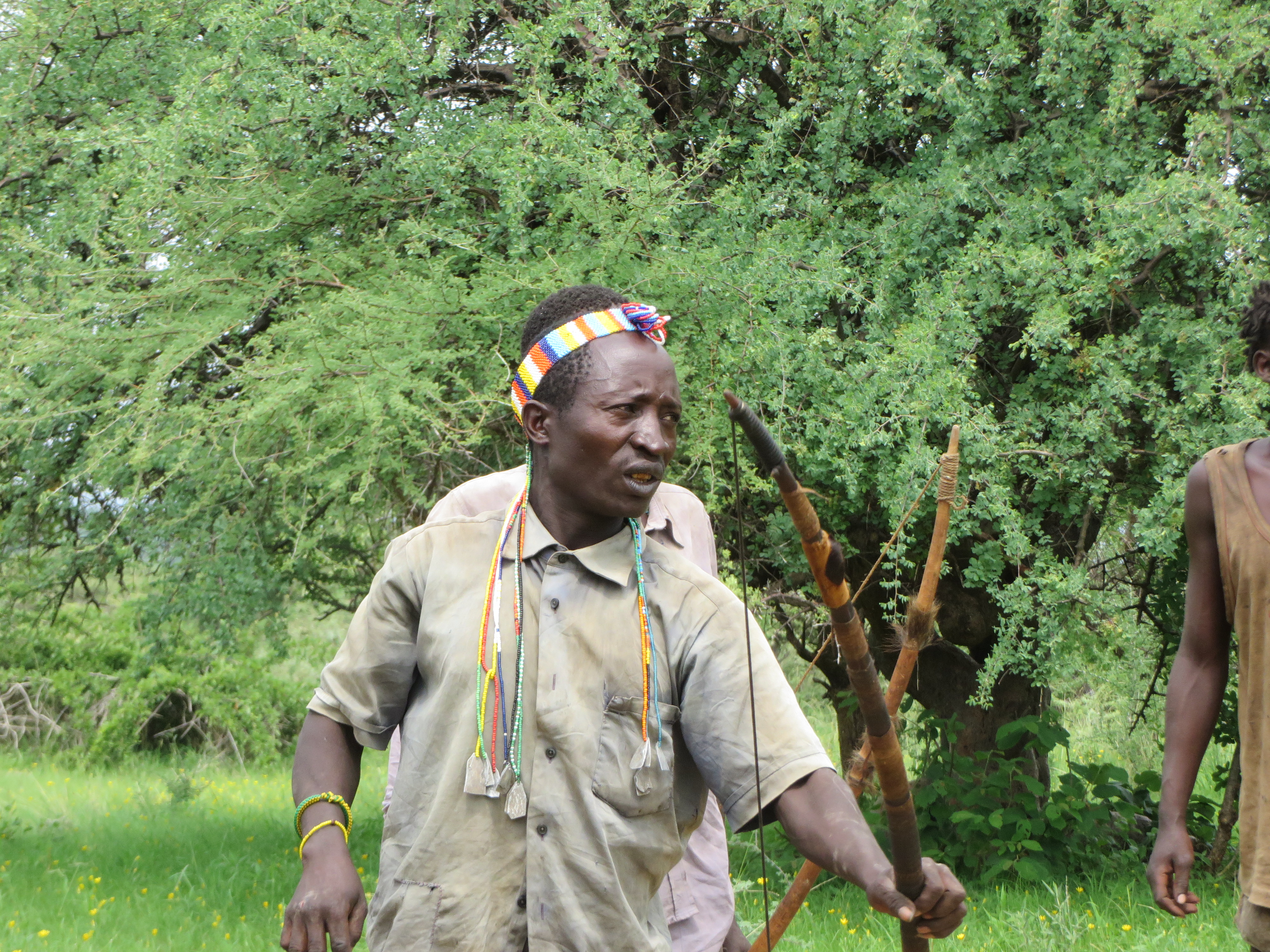
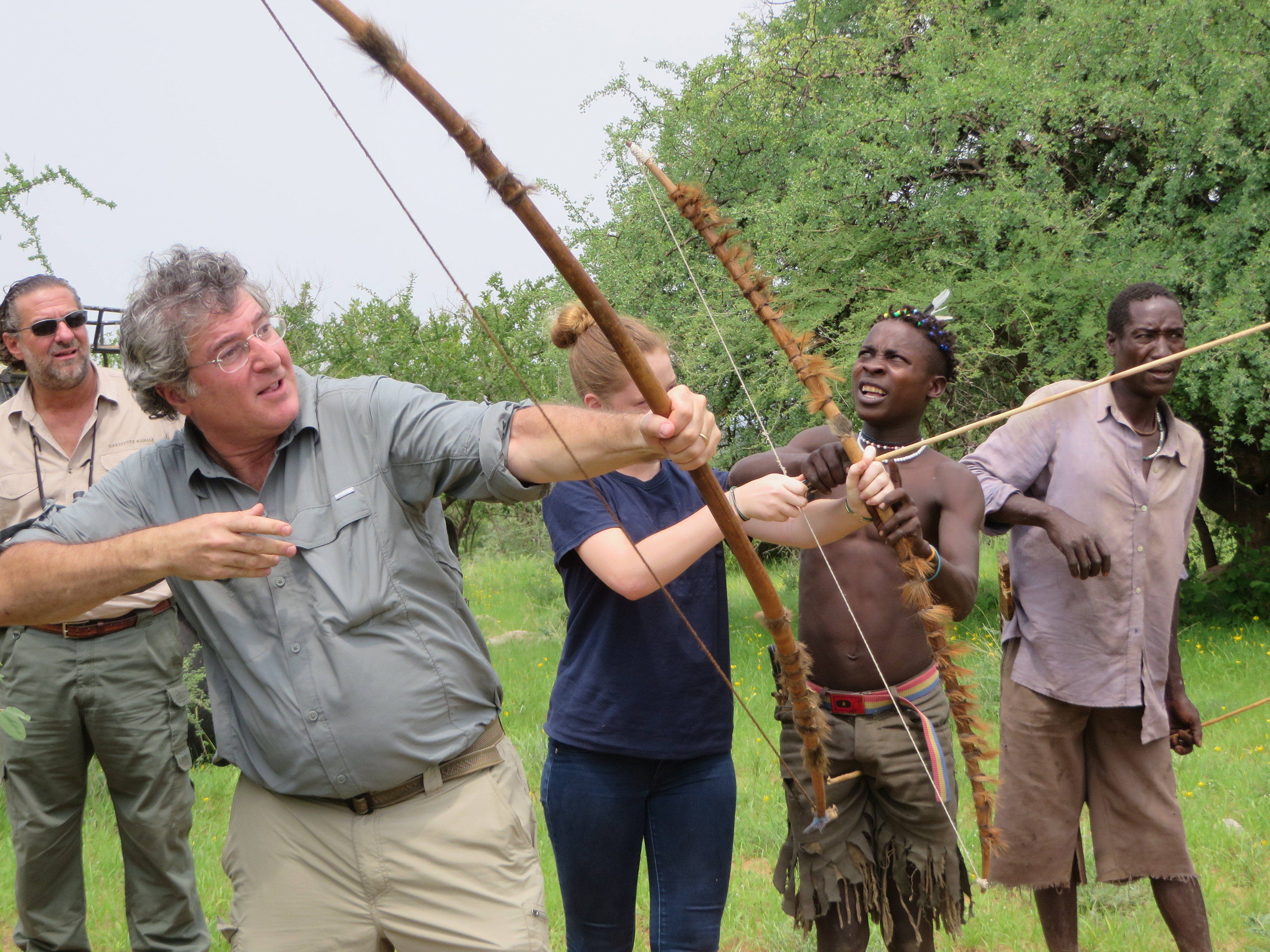
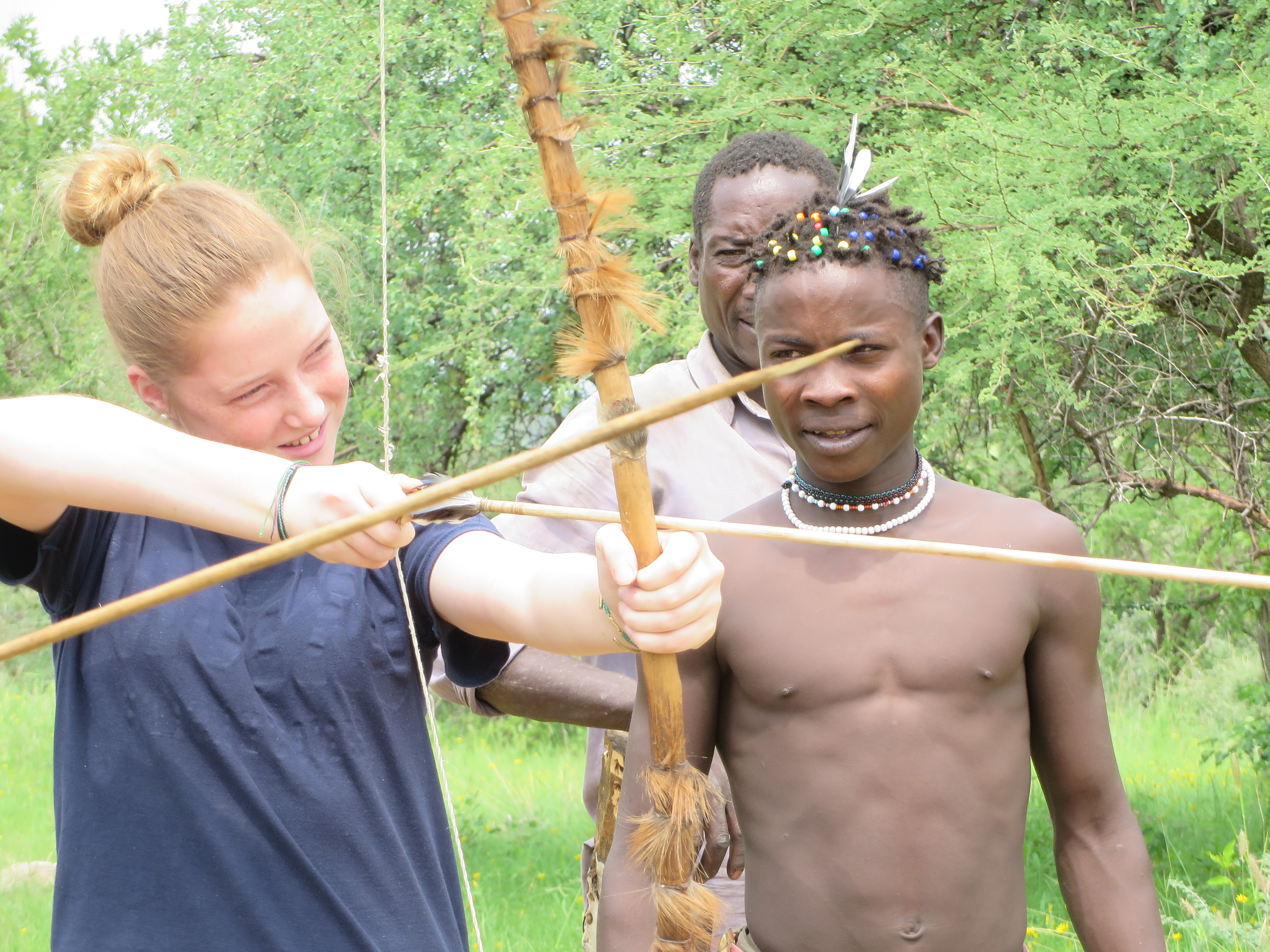
Next George asks them to demonstrate their archery kills. Their bows and arrows are made of wood. One of the men has his bow reinforced with small pieces of hide tied around the bow in 2 or 3 inch increments. Simple and effective. From 40 yards they can strike the center of a tree. We each took a turn. My arrow went 10 feet. So lame, right? Laakka – stronger – they coached. The next time I fared a little better and my arrow landed at the base of the tree. Still, I had a hard time pulling the bow string back. Andy fared very well due to either the Boy Scouts or 4H camp. He hit the tree. Lauren, Rose and I fared equally which means we would not survive long if we had only bow and arrow to hunt for our food.

As the midday sun grew hot, we made our way back to camp. We retreated to a shady tent and the Hadza to a shady grove. We bid each other a fond farewell and expressed our gratitude for all that we had learned. Nu-bay-a. Thank You.

Click here to learn more about the culture of the Hadza, the last one is a documentary:

http://ngm.nationalgeographic.com/2009/12/hadza/finkel-text/1

http://www.lightofamillionfires.com/

IMG_5270 IMG_5271 IMG_5273 IMG_5280 IMG_5281 IMG_5282 IMG_5290 IMG_5308 IMG_5316 IMG_5326 IMG_5328 IMG_5336 IMG_5345 IMG_5351 IMG_5357 IMG_5358 IMG_5361 IMG_5365 IMG_5366 IMG_5371 IMG_5373

Video:  Bearing Gifts and Inhaling Deeply

Standard

Babbo and the Blacksmith; Seven Sisters

Two Little Stories…

Babbo and the Blacksmith.
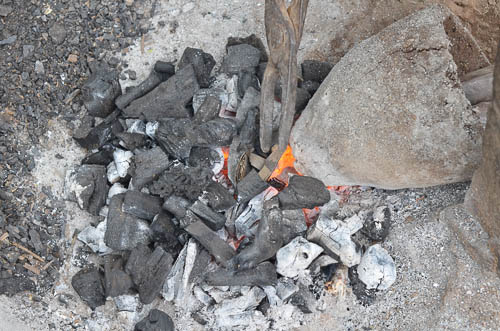
A sweet man and his family sit with a bin of brass miscellany to melt. One son keeps the goatskin bellows going with his feet or hands. Babbo, the youngest, is enamored with George’s land cruiser and pretends to drive, his smile bright. The rest of the family is beading, pounding bracelets, or running around the thorn enclosure. It seems straight out of Time Life magazine until…another tourist van shows up. This is new. The blacksmith says he has sold a piece of his land to a developer for a hotel and things are changing quickly. It’s not clear he understands the longer term consequences of tourism in his village. Nonetheless, he and his family seem content. I hope it will stay that way.
Blacksmith (1 of 9)

Blacksmith (2 of 9) Blacksmith (3 of 9) Blacksmith (4 of 9)

Ushoka and her Sisters.
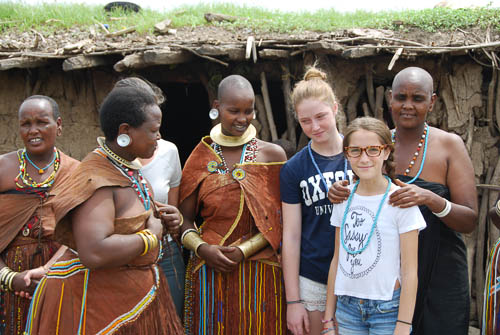
Let me set the context first. We are in a small village (Mbulu I think). Parts of it are equipped with Vodacom and Airtel vendors. Other parts are barely held together. We stop to visit a herder and his family. The man is not home. He has gone to the next village. His wives invite us in. All seven of them. The home is an L-shaped structure with independent areas for each wife. We entered one wife’s home for a visit and all of the others joined us there. The smell and the flies are overpowering. The air is still, almost suffocating. The home is a 10 by 10 sized main room with an anteroom of perhaps an equal size. The anteroom is the sleeping quarters and we can see in but are not invited there. In the first and main room, wooden benches stretch around its perimeter; two small three-legged stools are in a corner. A stone for pounding maize is in another corner as is an elder woman making a goatskin skirt. We make a series of introductions; George has known this particular family for many many years. He translates our conversation between English and Swahili. Here are the questions they ask:
Are you a farmer or a herder? We explain that we are neither. Instead we buy all of our food at a store. Lots of head shaking and tsk tsk.
Don’t you breastfeed? Yes. How long? It varies but six months to one year depending on the family. (I didn’t mention Similac)
Where do you live? In a structure ten stories high. Too far up she says and explains that she would be afraid of falling out since she gets dizzy climbing even the simplest mountaintop.
How many wives do you have? Just one says Andy. She isn’t impressed. He isn’t very wealthy if he has only one. She feels sorry for him but even sorrier for me. She explains that she is one of seven wives and asks, how it feels not to have any “sisters”. I understand what she means. I know women who are ex-wives who have a very strong sisterhood. I don’t have that. I have friendships that form my own sisterhood but not in the way that she does. I wouldn’t change my situation; no polygamy for us. But I have a new understanding of how one might feel in such a structure.

Ushoka and some of her sisters have markings around their eyes and on their cheeks and foreheads. It is called tribal scarification. When the slave trade was in full force, many women would scar their faces to make themselves less “marketable.” The practice of scarification continues today. A needle is used to open a cut under the skin and then a small piece of charcoal is placed inside. The result is a black scar.

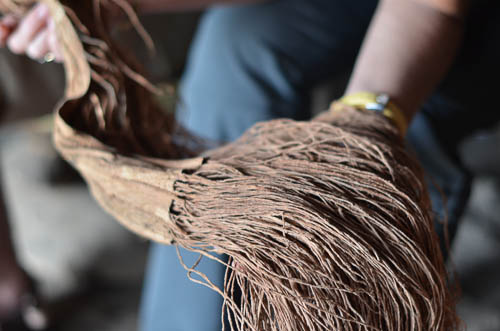
As I mentioned, a woman sits in one corner. She is visiting from another village and is a medicine woman or healer. She wears as many as twenty thick brass bracelets on each arm. When we ask about them, we learn that when someone is ill, they bring a brass band to her and she sends them healing energy while carrying the weight of the illness until they have recovered. She sits and works on cutting a goatskin. It will take her three weeks to make this hide into a skirt for one of the young wives. I ask to see it and compliment her on her work. The hide is not cured and the smell is overwhelming. At one point, I think Rose might be ill.

George explains that we must be going. The air outside seems fresher than before. The result of being inside with the goatskin. The women want to take pictures with us. I am sure this is what they think we want. And I’m not sorry to have the photos. Hugs and handshakes are exchanged and then we return to the land cruiser to be on our way.

Was it rude or just prudent to suggest that we put on copious amounts of hand sanitizer immediately afterward?
Blacksmith (5 of 9) Blacksmith (6 of 9) Blacksmith (7 of 9) Blacksmith (8 of 9) Blacksmith (9 of 9)

Standard

Out of Africa

Not really.  “Out of Tanzania” is the more accurate description.

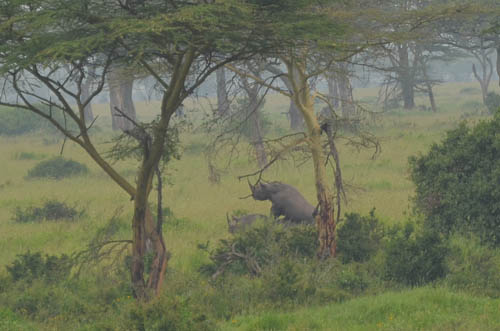
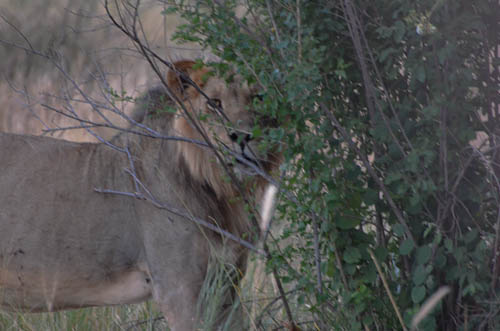
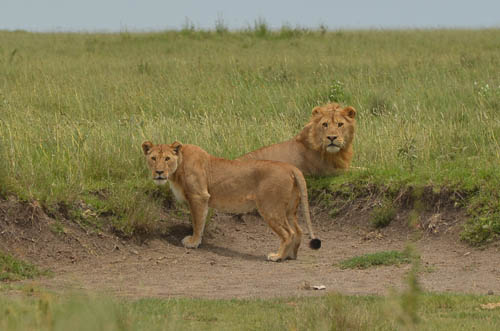
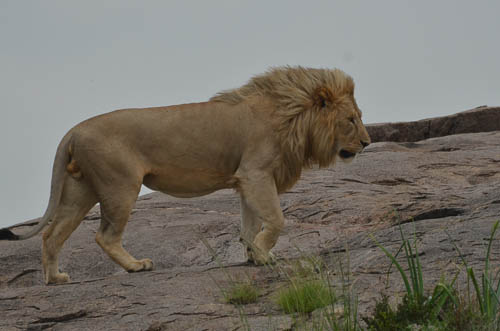
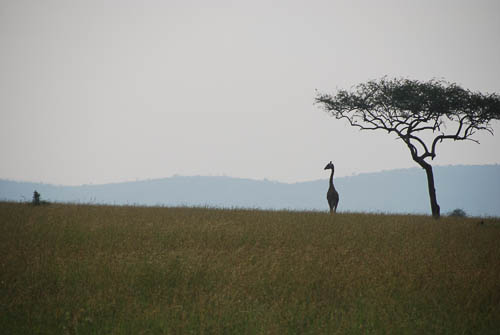
We are in Johannesburg now but we spent the past two weeks in the care of George Mavroudis (Royal African Safaris) and enjoyed a fantastic and diverse safari experience!  There were loads of animals of course:  lion, leopard, black rhino in the wild and at a very special sanctuary, elephant, hippopotami, wildebeest in their great migration, zebra, gazelle, antelope, spotted and striped hyena, jackals, wild dogs, warthogs.  One hundred thirty five bird species that I won’t bore you with.   In fact, this is silly.  I am not going to try to put it into words; I’m going to let our “five star” pictures speak for themselves.  (Perhaps a cop out.  There are two or three unique experiences that merit their own blog so you will have to check back for those. Such a tease…)

ImageImageImageImageImageImageImageImageImageImageImageImageImageImageImage

Standard

Sri Lanka

The girls and I have been in Sri Lanka for two weeks now.  The time has flown by and we are having a terrific time.  My friend Jet grew up here before coming to New York on scholarship to study music (and science/pre-med) in the late 70s.  She is super smart and ended up a lawyer rather than a violin playing internist, thankfully, because I may not have met her or husband Lance otherwise.  In fact, Lance is partly responsible for our decision to go on this adventure.  Lance’s parents took he and his two brothers on a similar trip and we have spoken many times about the impact it had.

Jet and Lance arranged for us to tour the island country of Sri Lanka over seven days with an Ondaatje book on hand to give an additional layer of local color.  (Ondaatje family is well known and you are probably thinking of Michael – The English Patient and Running in the Family.  I read a small novella by older brother Christopher. His is a more personal journey that includes a man-eating leopard tale and captures a particular time between warring periods here.)

Sri Lanka’s internal war ended in 2008 so the experience is still fresh for people here.  On our second day touring Sri Lanka’s ancient ruins we had a very interesting exchange with our tour guide. It started simply enough with the question of “what country do you come from?”  When I replied the US, he became quite animated.  “Best country in the world!”  I don’t remember what exactly I said but after being in India and careful not to say we come from New York City (where diplomats are invasively strip searched these days) I don’t think I said much more than a simple “thank you.”   He then said something I remember clearly.  “Never Surrender.”  I repeated it back as a question.  Yes, he said, I love America because you don’t give in to terrorists; “never surrender” to terrorists.

The news that day reported that the UN had conducted an investigation of war crimes by Sri Lanka’s current leadership.  His assumption was that I would be sympathetic to the Sri Lankan governments actions to rid the country of its terrorists, a reference to the Tamil Tigers.  I didn’t press the issue but I did try to politely point out that defeating terrorists, which I do support, doesn’t have to include wholesale massacres of  unarmed civilians or other war crimes – whether it’s the slaughter of surrendered Tamils or our treatment of prisoners at Abu Gahrib.  Anyway, I kept the conversation short and deferential. I am no expert on these matters.

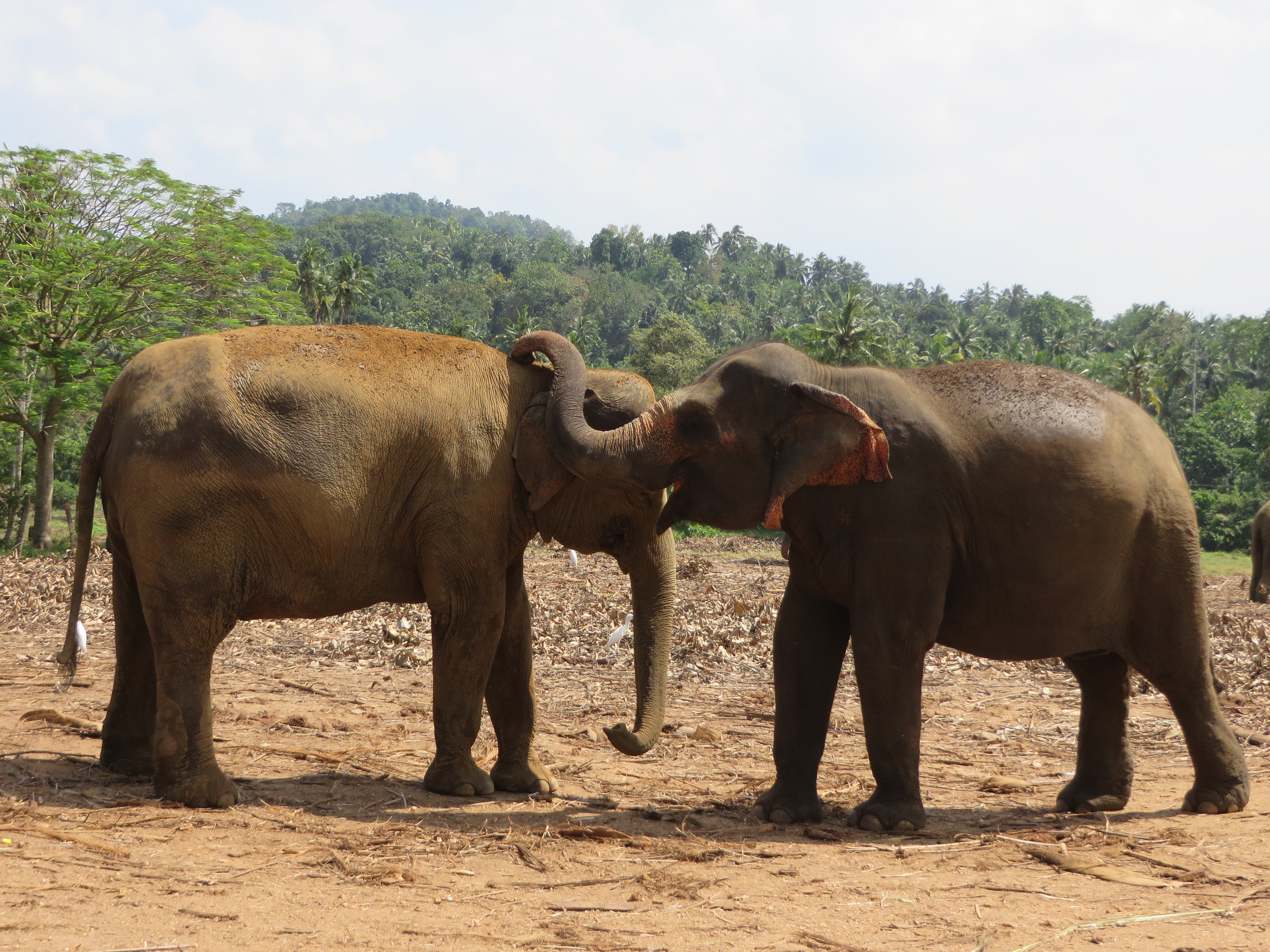
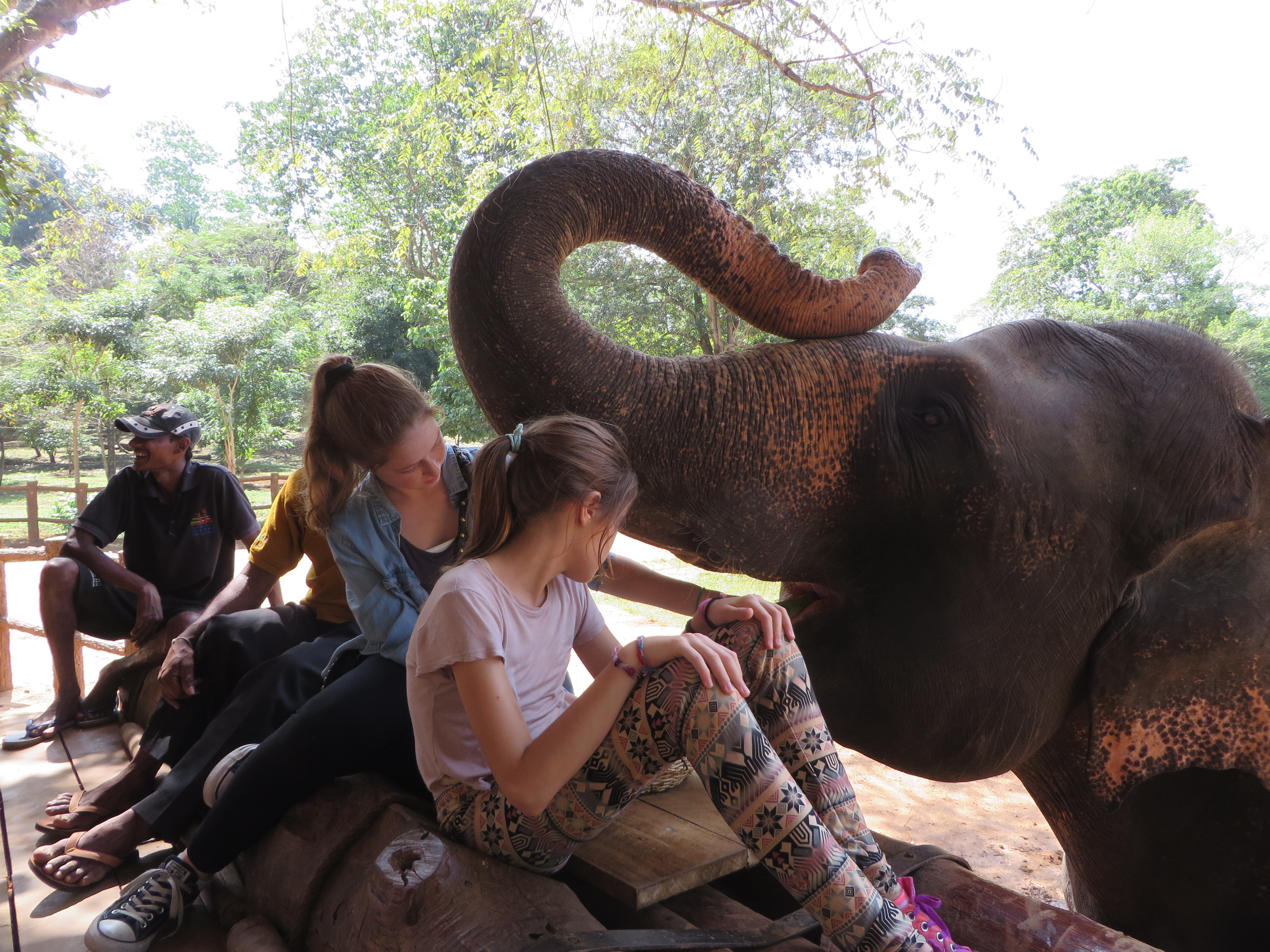
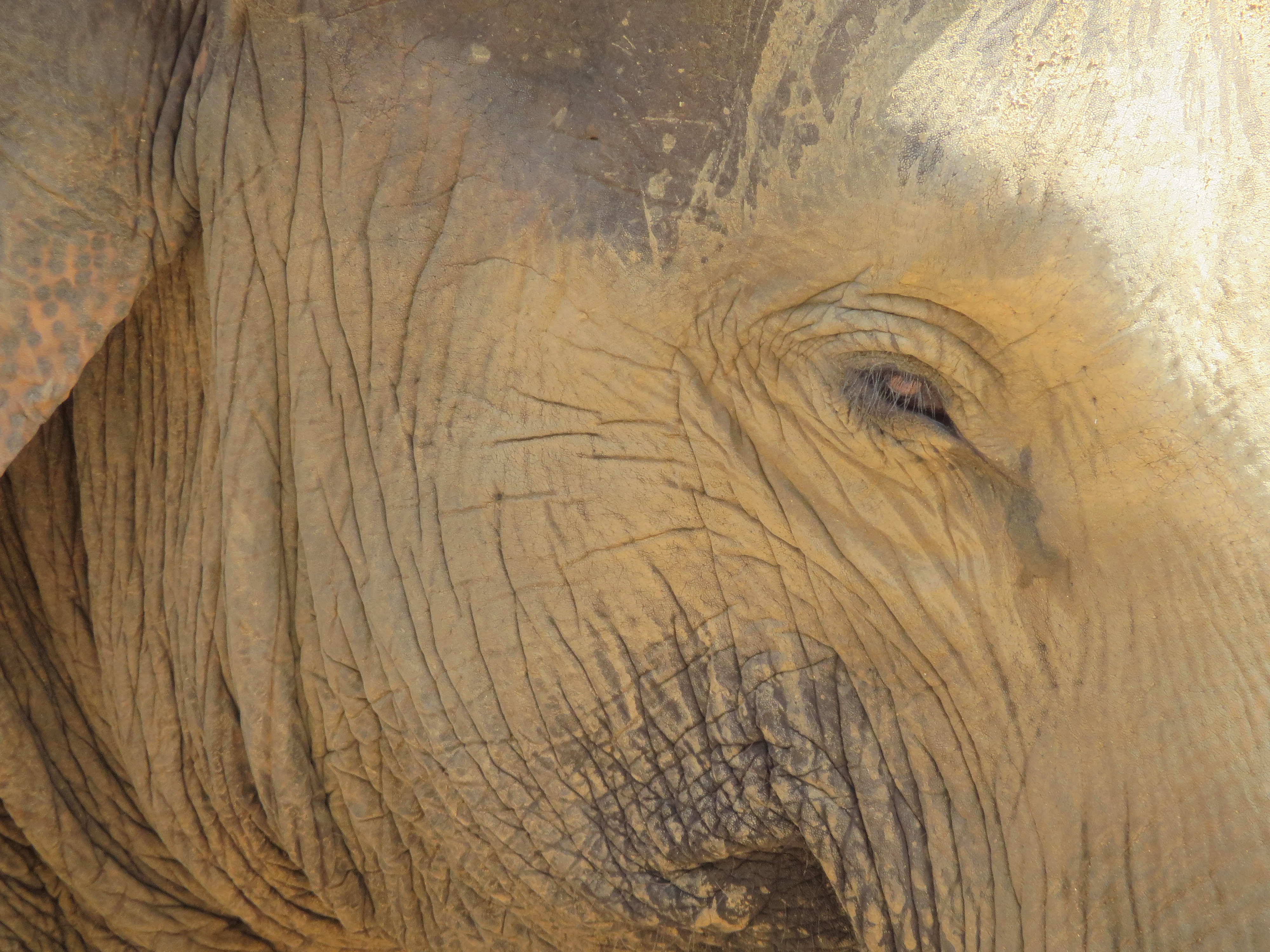
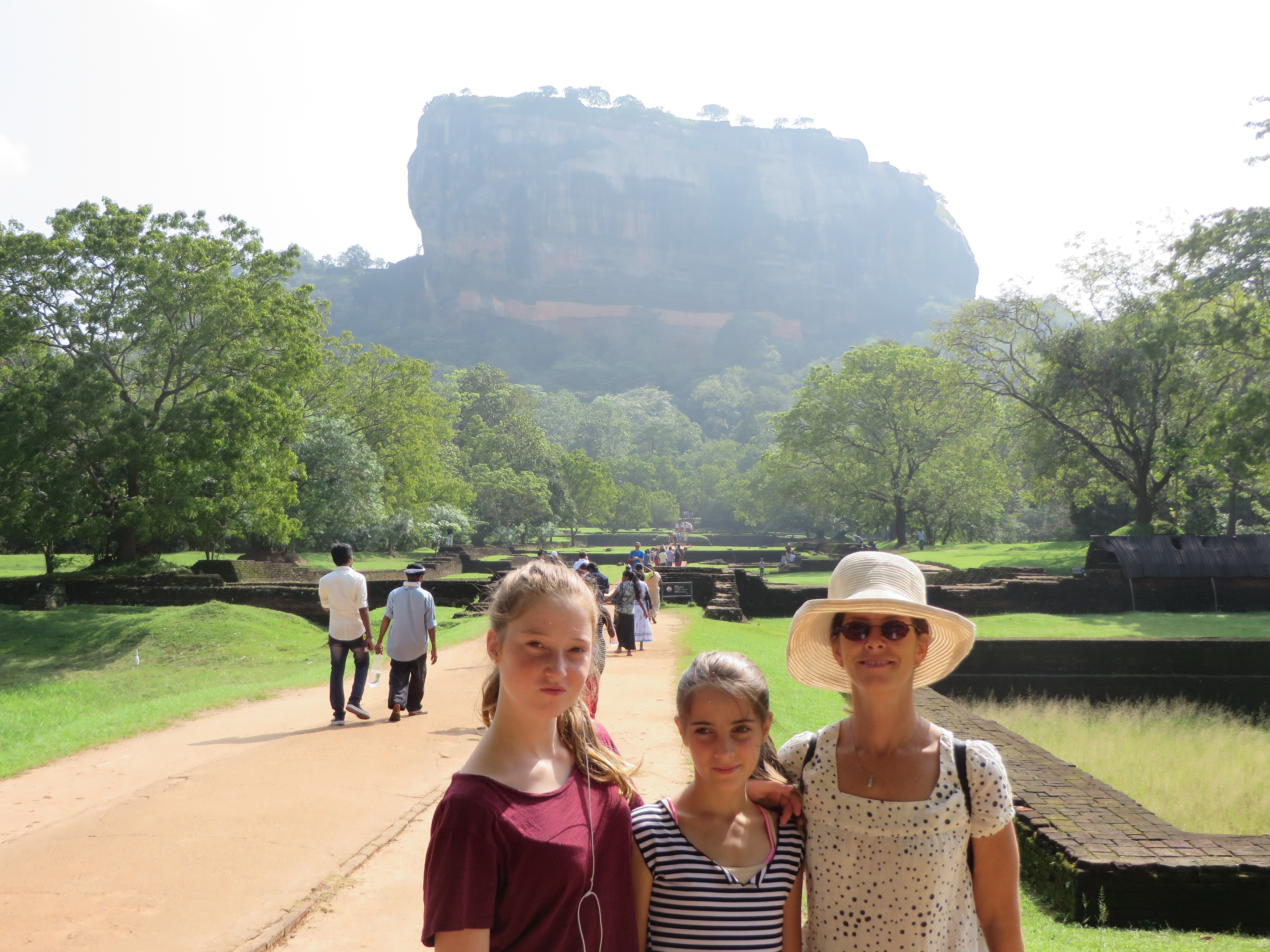
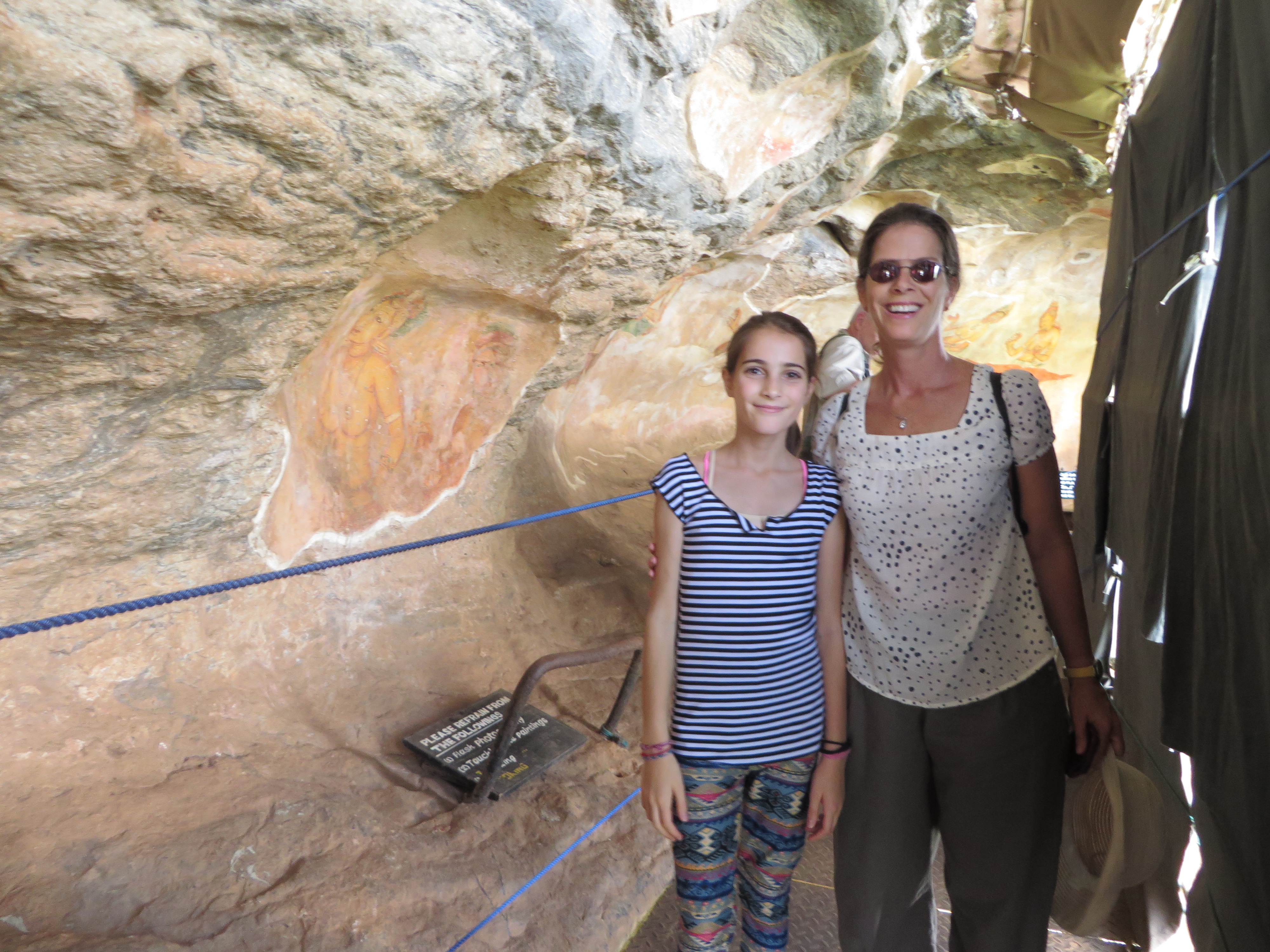
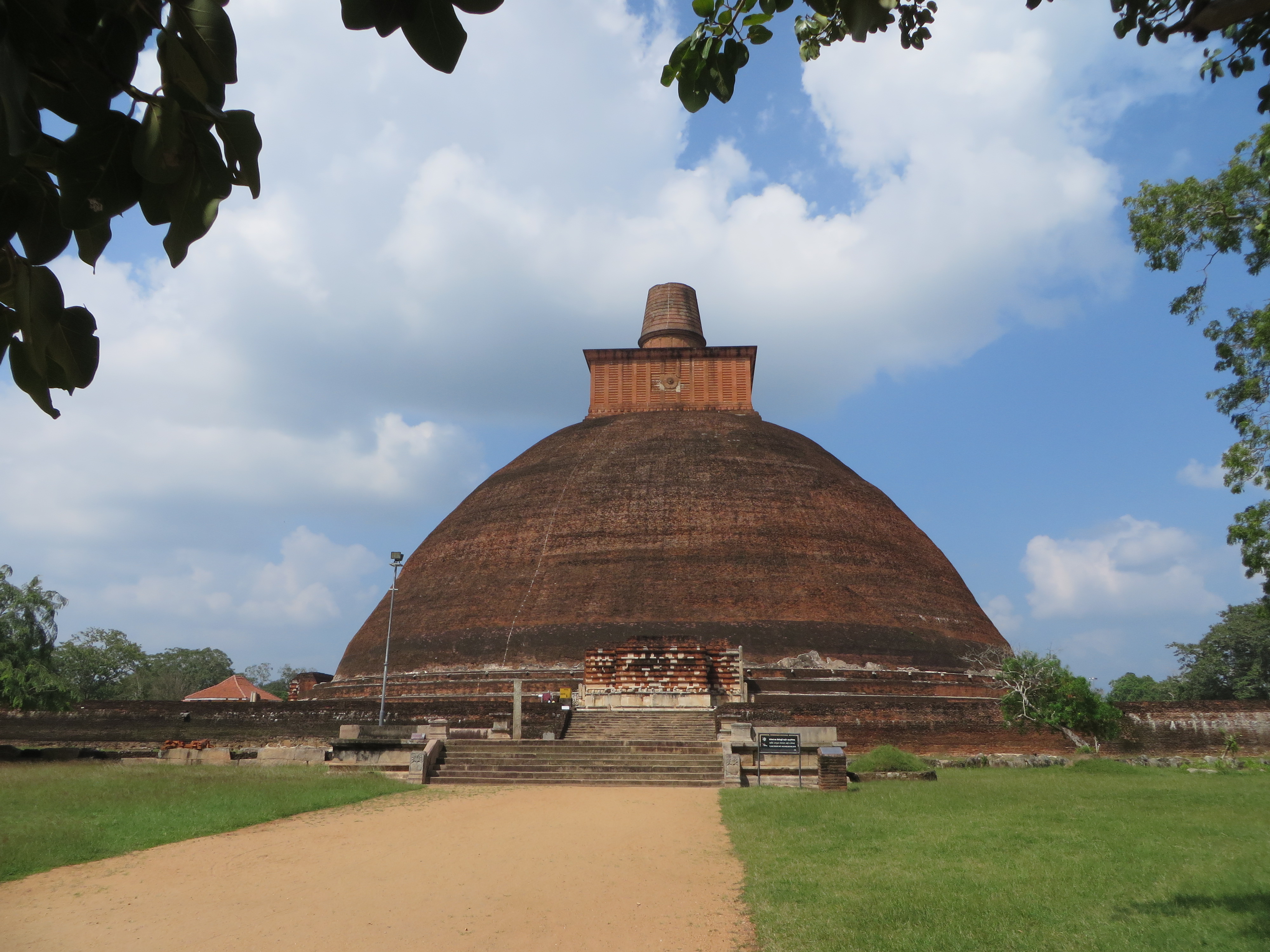
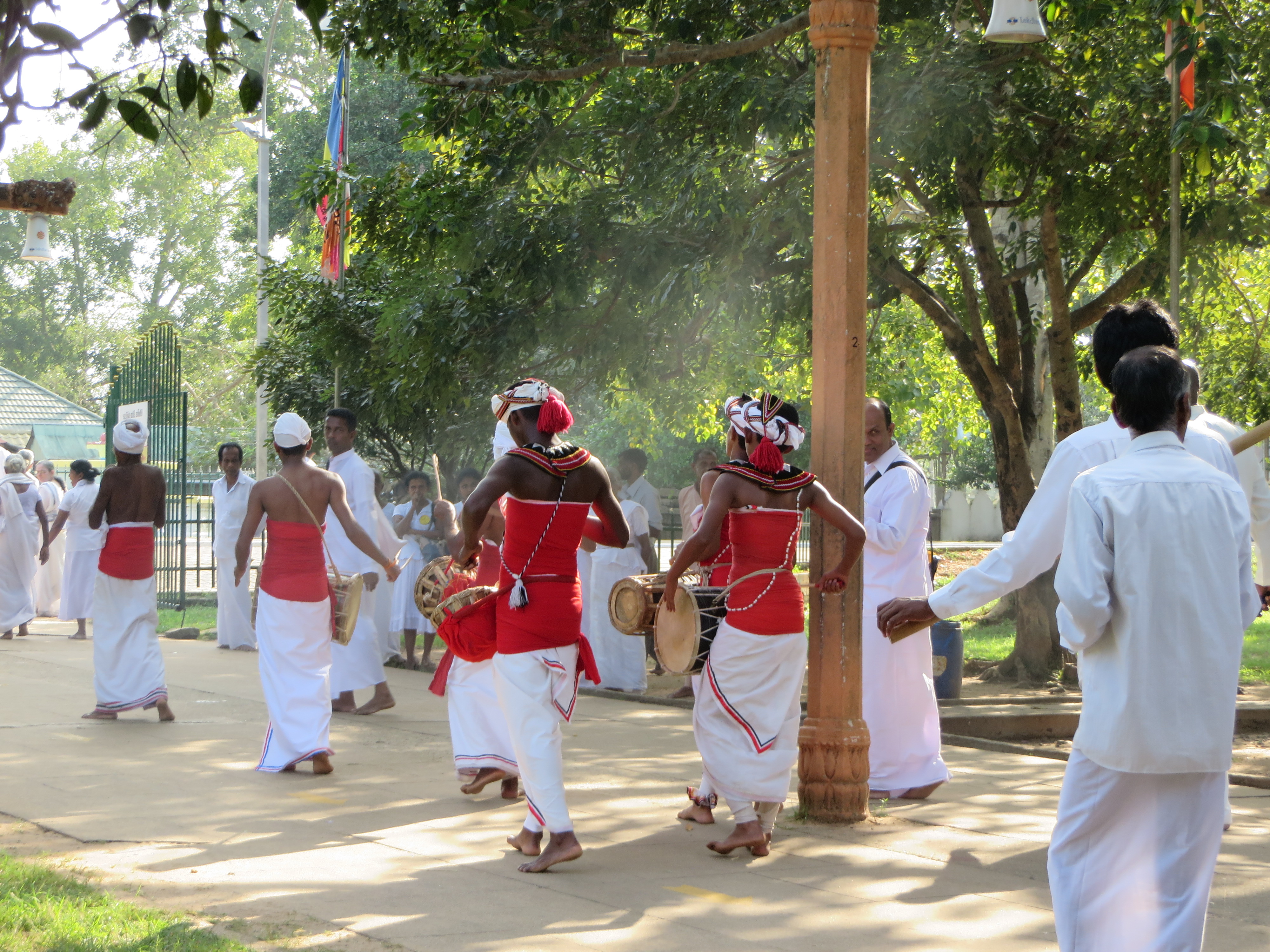
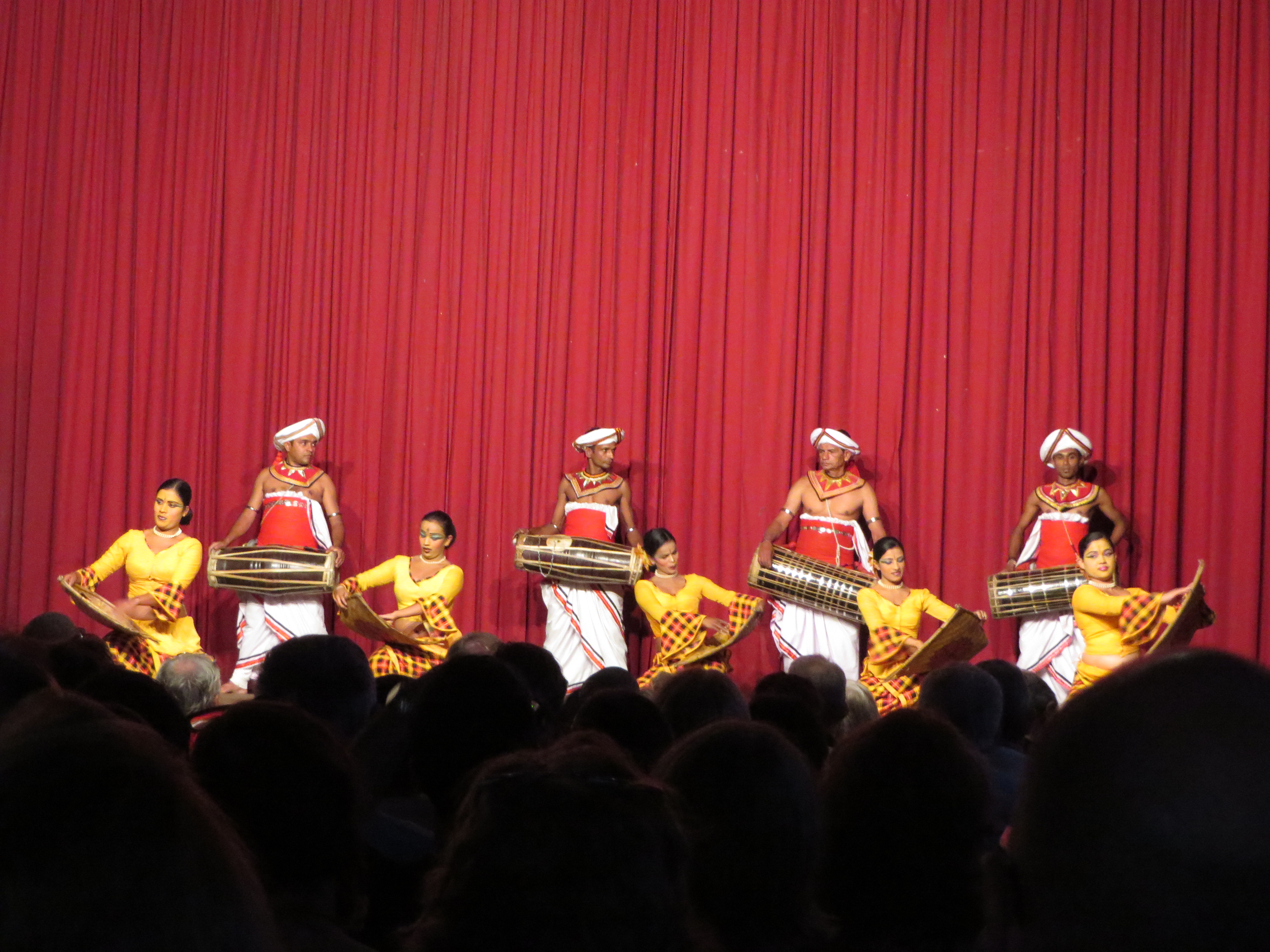
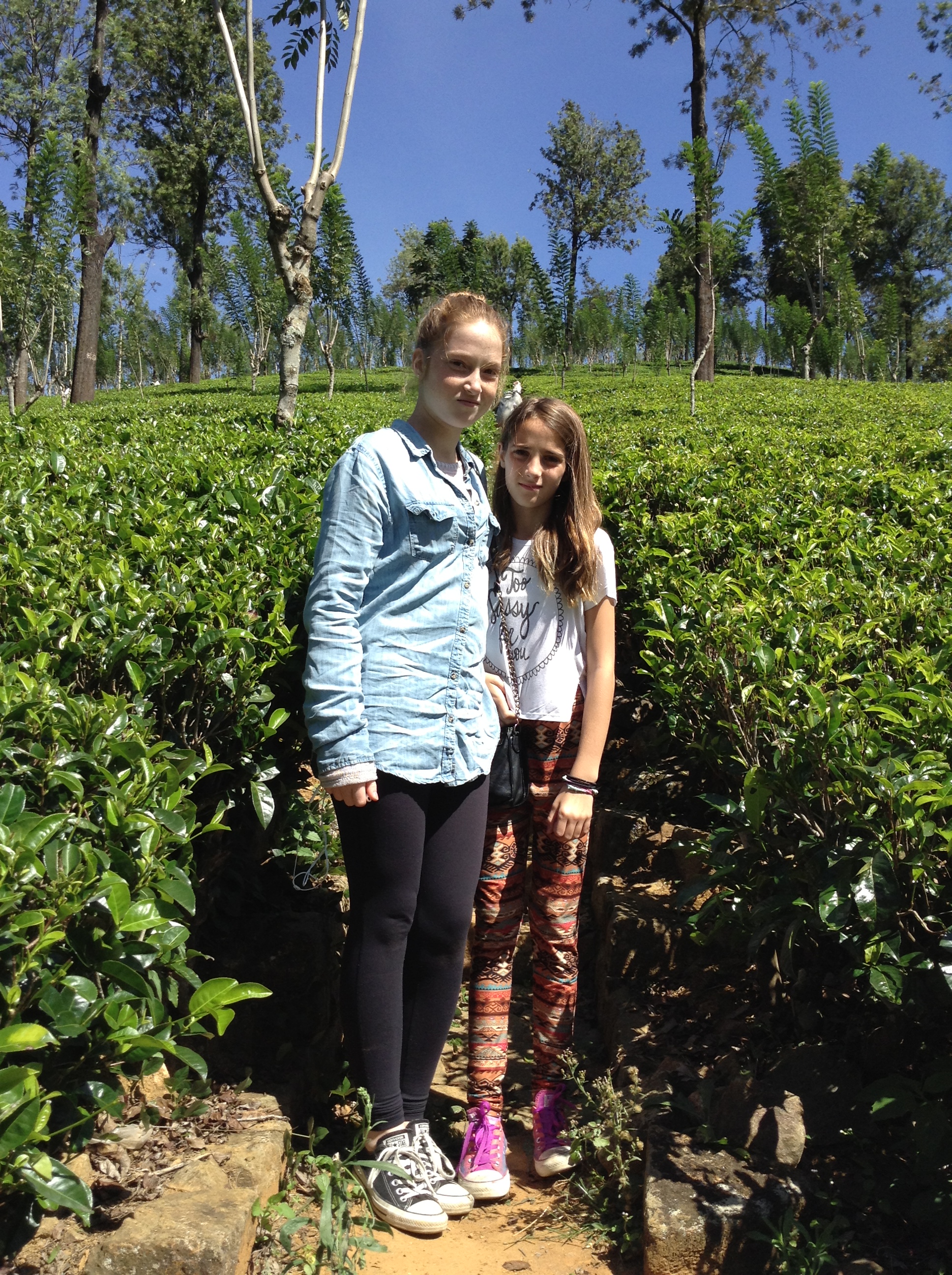
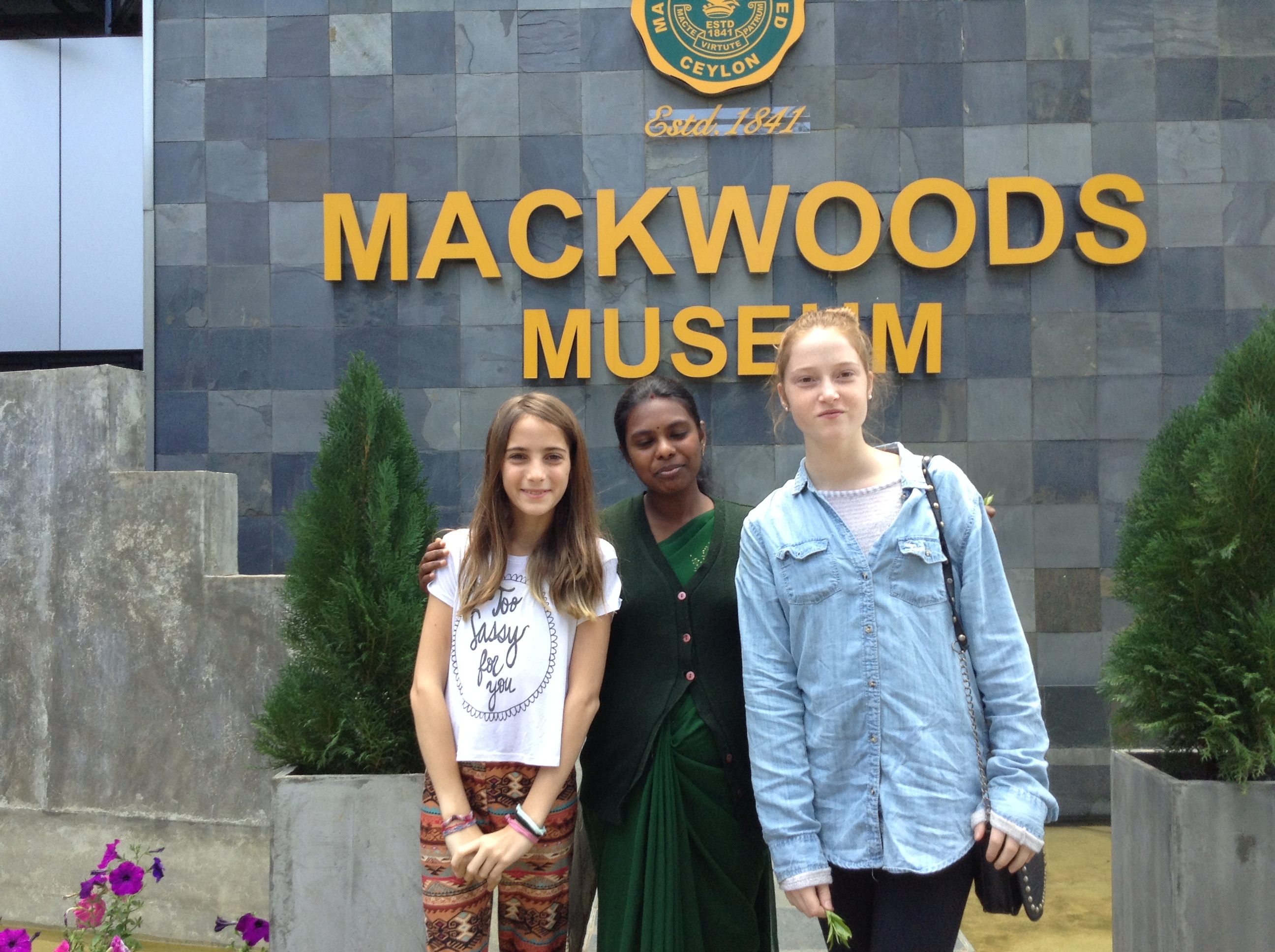
On our seven day whirlwind tour, we stopped at an elephant hospital (some have been injured by landmines, others just babies abandoned by their mothers), visited the ancient capitals of Anuradhapura (2nd century BCE) and Polonnaruwa (11th century AD/CE), increased our running count of buddha statues to top 50,000, stayed in a hotel designed by one of Sri Lankans best known architects (Bawa), climbed the Sigiriya rock fortress, watched ornately costumed local dancers in Kandy, visited a 172 year old tea plantation and consumed copious amounts of fresh mango, pineapple, curry, cashews, and Ceylon (as Sri Lanka was known prior to its independence from Britain) tea along the way.

After proving my mettle, roadside fresh-cut pineapple with chili and salt, I was dubbed an honorary Sri Lankan.  I think I need to see a leopard before I can take the honor seriously but I rather doubt my success from here in Colombo.

For our final week we have been staying at a hotel with its own beach, one of only two private beaches in the country.  It was glorious in its day but now its a bit tired.  No matter, it has decent wifi and we are focused on visits with Jet and her family, uploads to dropbox, school assignments and some essential trip planning.

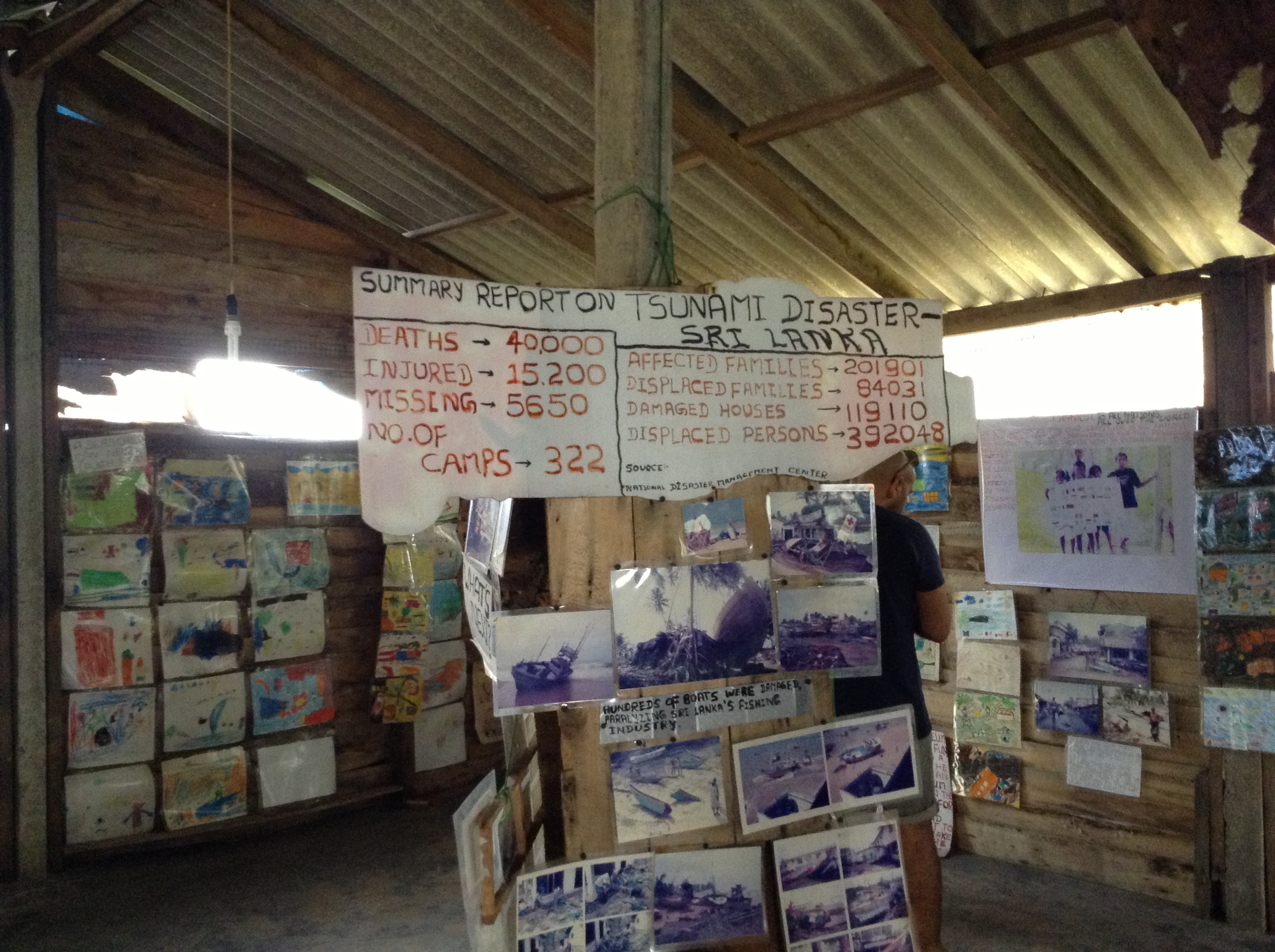
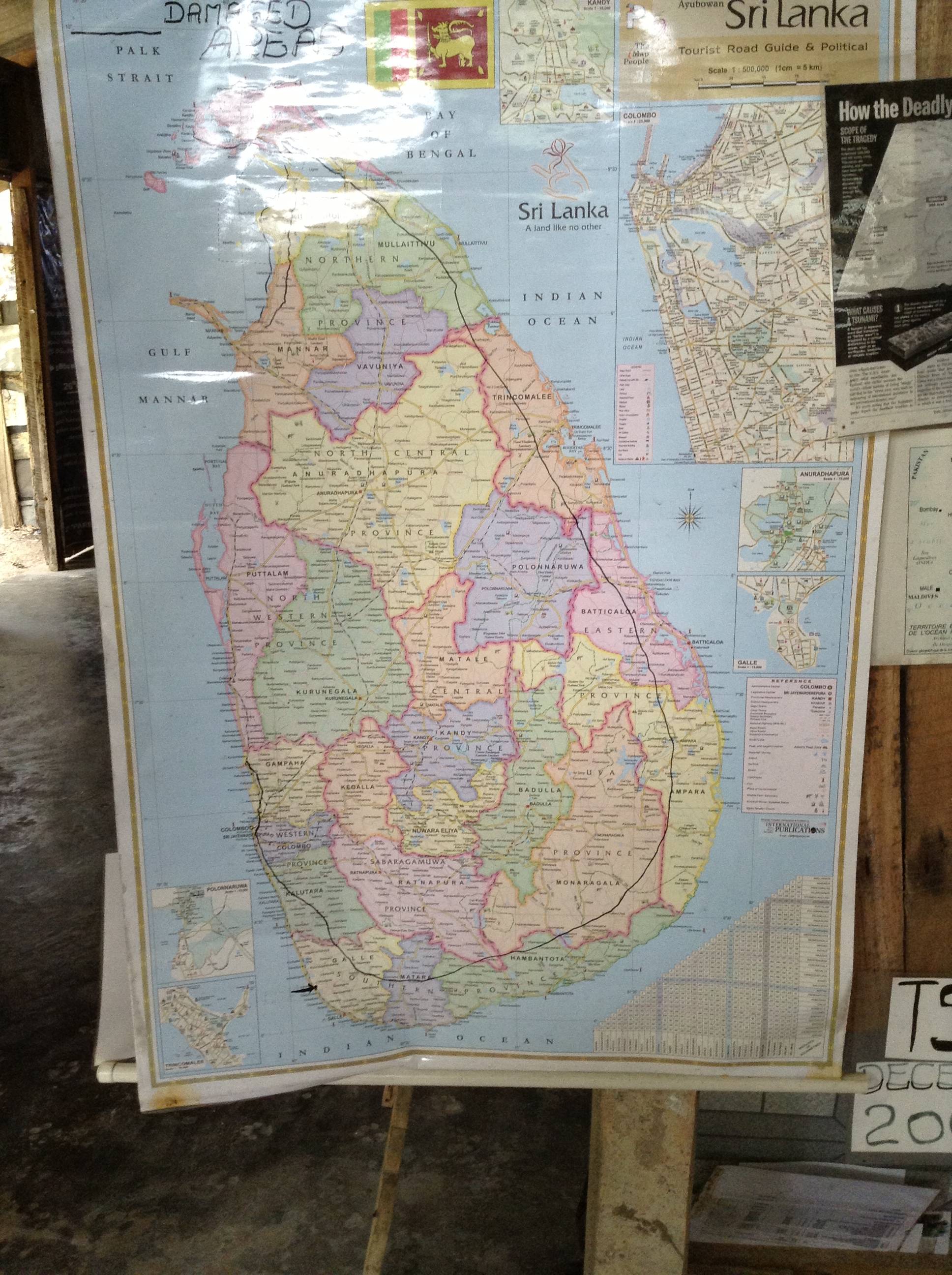
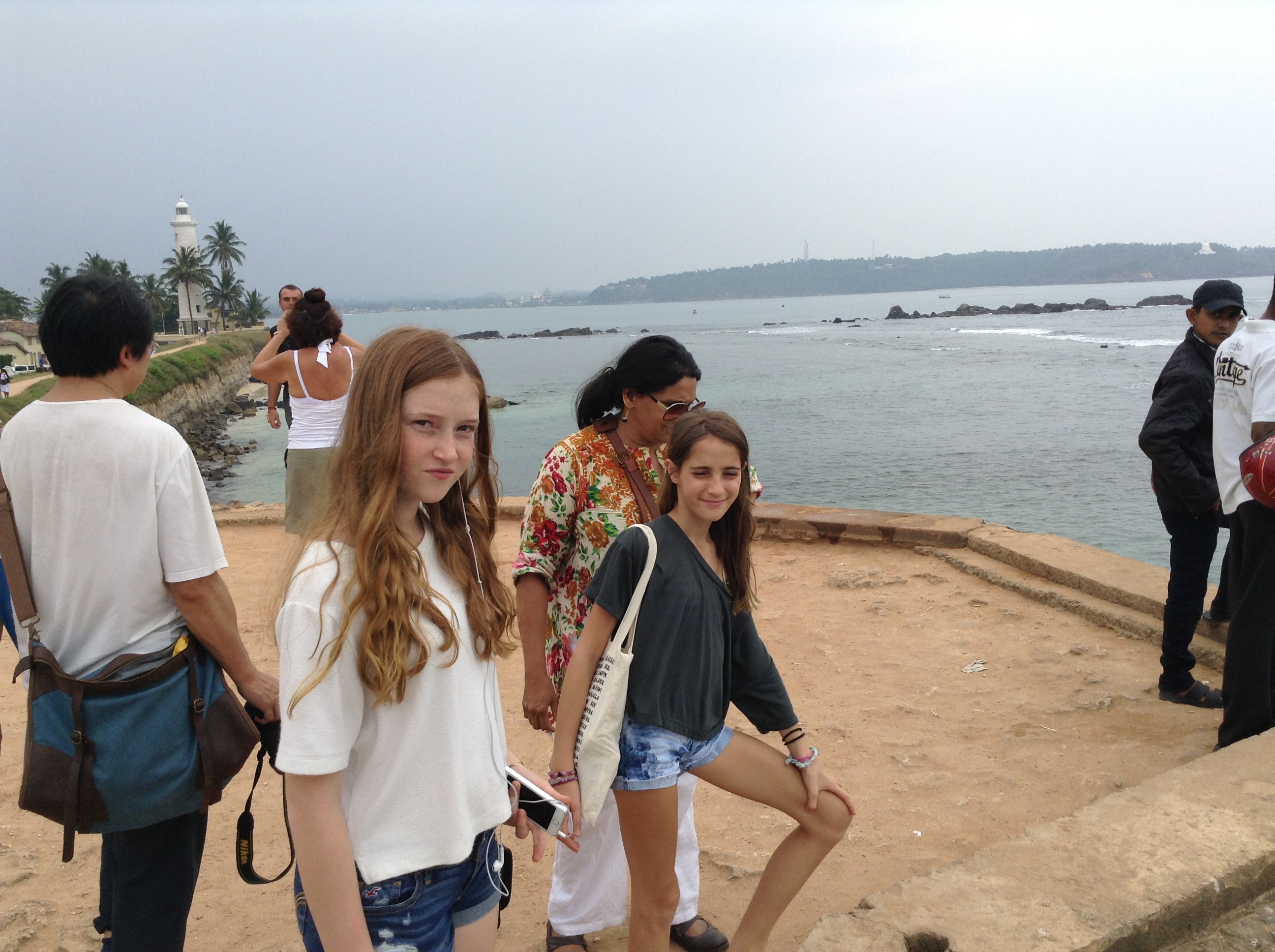
On Tuesday, we made a day trip along the west coast to see Galle and its old Dutch Fort. Quite by luck, we noticed a small makeshift museum – the Tsunami Photo Museum.  It was started by a Dutch woman but is overseen now by a Singhalese woman who lost her home. More than 250,000 people died in the tsunami, 40,000 in Sri Lanka alone.  People had never seen anything like it and before that day, I’m told, there was no word in the Singhalese language for “tsunami”.  After the first wave, people naively went to the shore to see the ocean’s bottom with its fish flapping on dry land.  The water had receded for more than a kilometer before rushing back at the coast with a second wave more than 30 meters high that would wash away entire communities.  Nine years have passed; a warning system is in place.  Peoples homes and shops are beginning to line the coast again.

Jet, the girls and I all depart for Istanbul on Saturday where we will meet Andy at the airport and visit altogether for an hour or so before bidding Jet a bon voyage for NYC and setting out on our next adventure. It’s my birthday next week and I want to spend it in Africa…

Photos:

Pinnawella Elephant Orphanage

2014-01-17 13.11.19 2014-01-17 12.59.40 2014-01-17 13.01.31 2014-01-17 13.07.05

Sigiriya Rock
2014-01-18 09.48.20 2014-01-18 10.13.23 2014-01-18 10.24.47 2014-01-18 10.38.17 2014-01-18 10.38.33

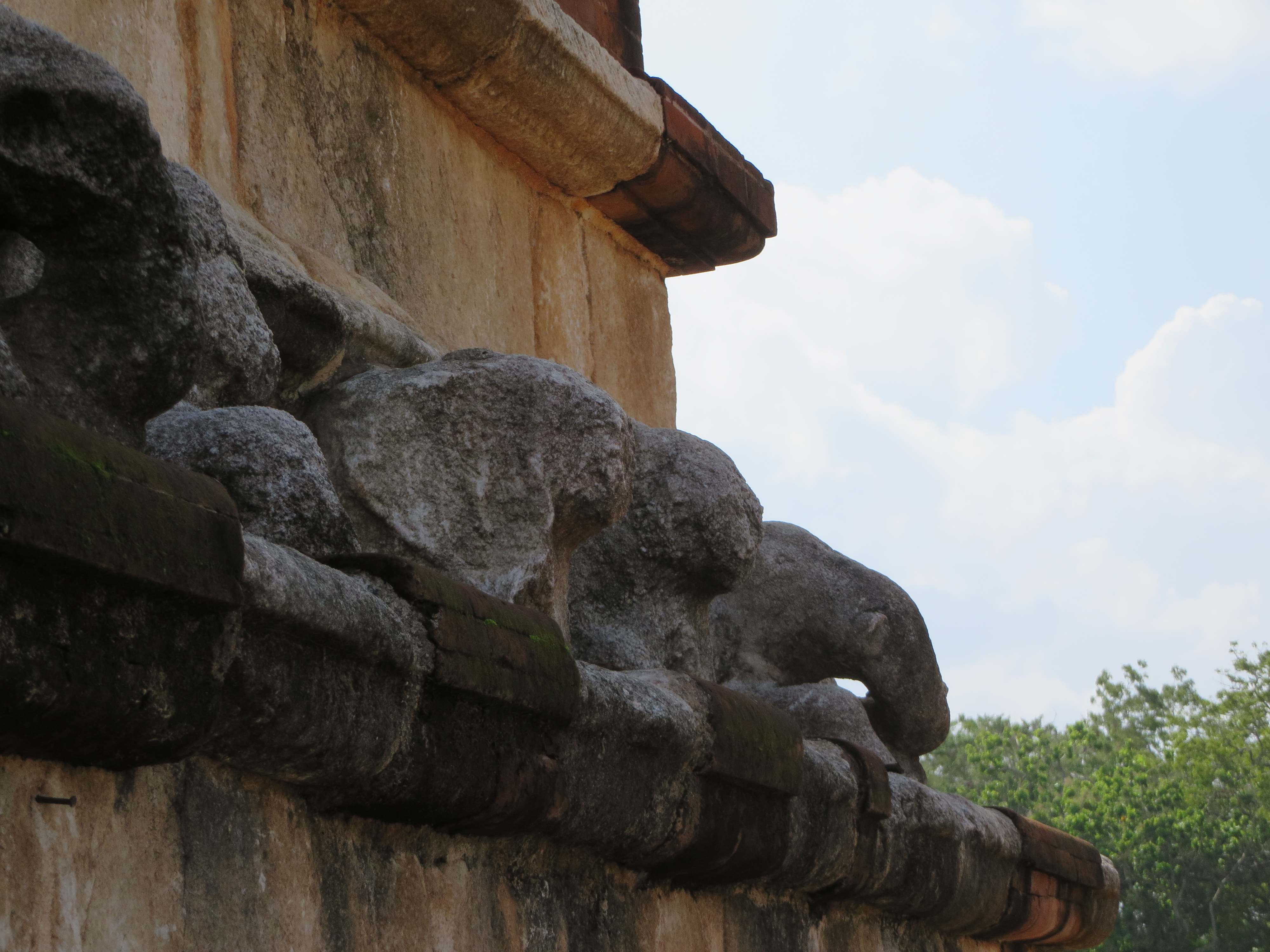
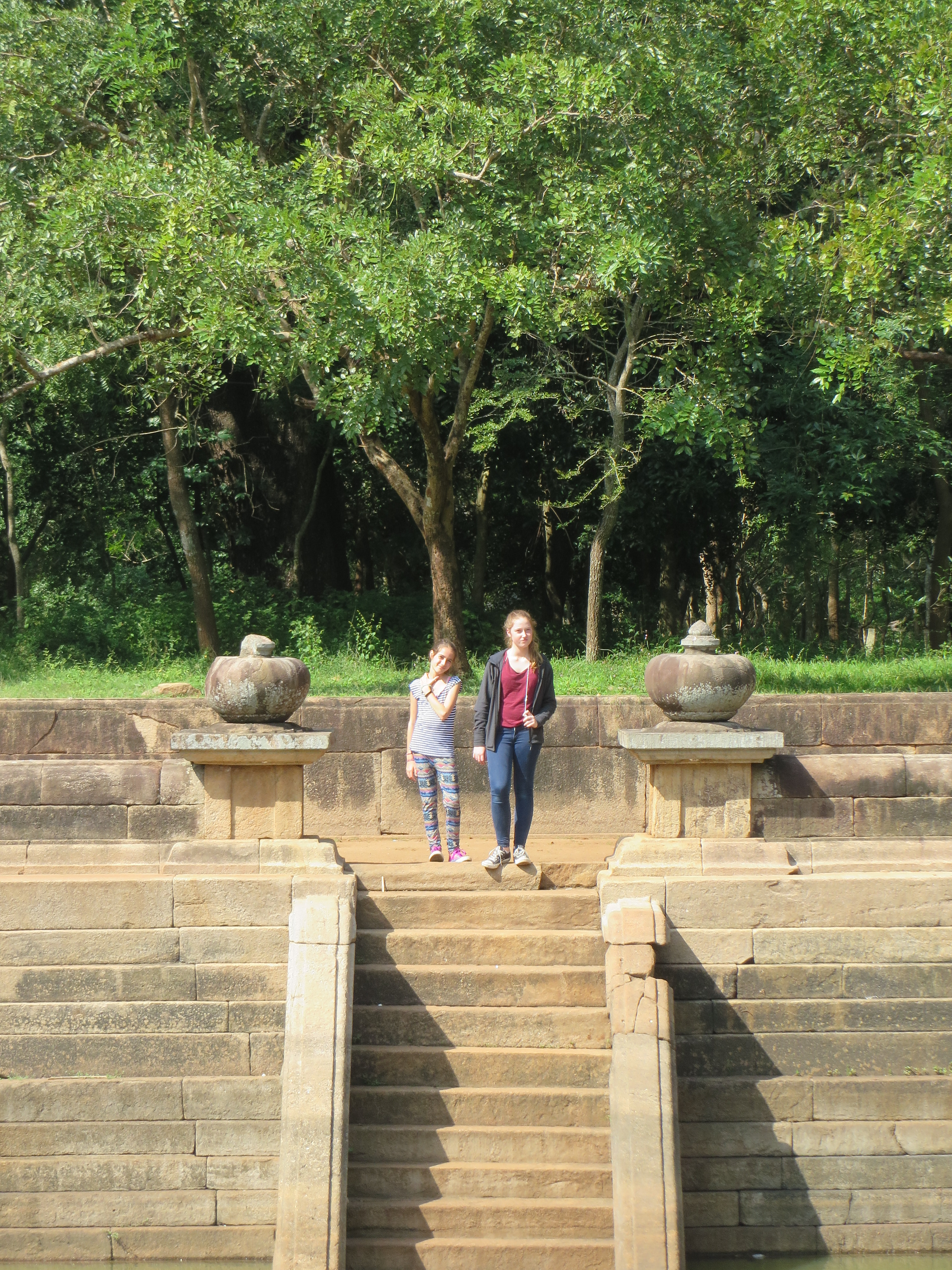
Anuradhapura (200 BCE)

2014-01-18 13.50.42 2014-01-18 13.55.59 2014-01-18 14.01.22 2014-01-18 14.25.12

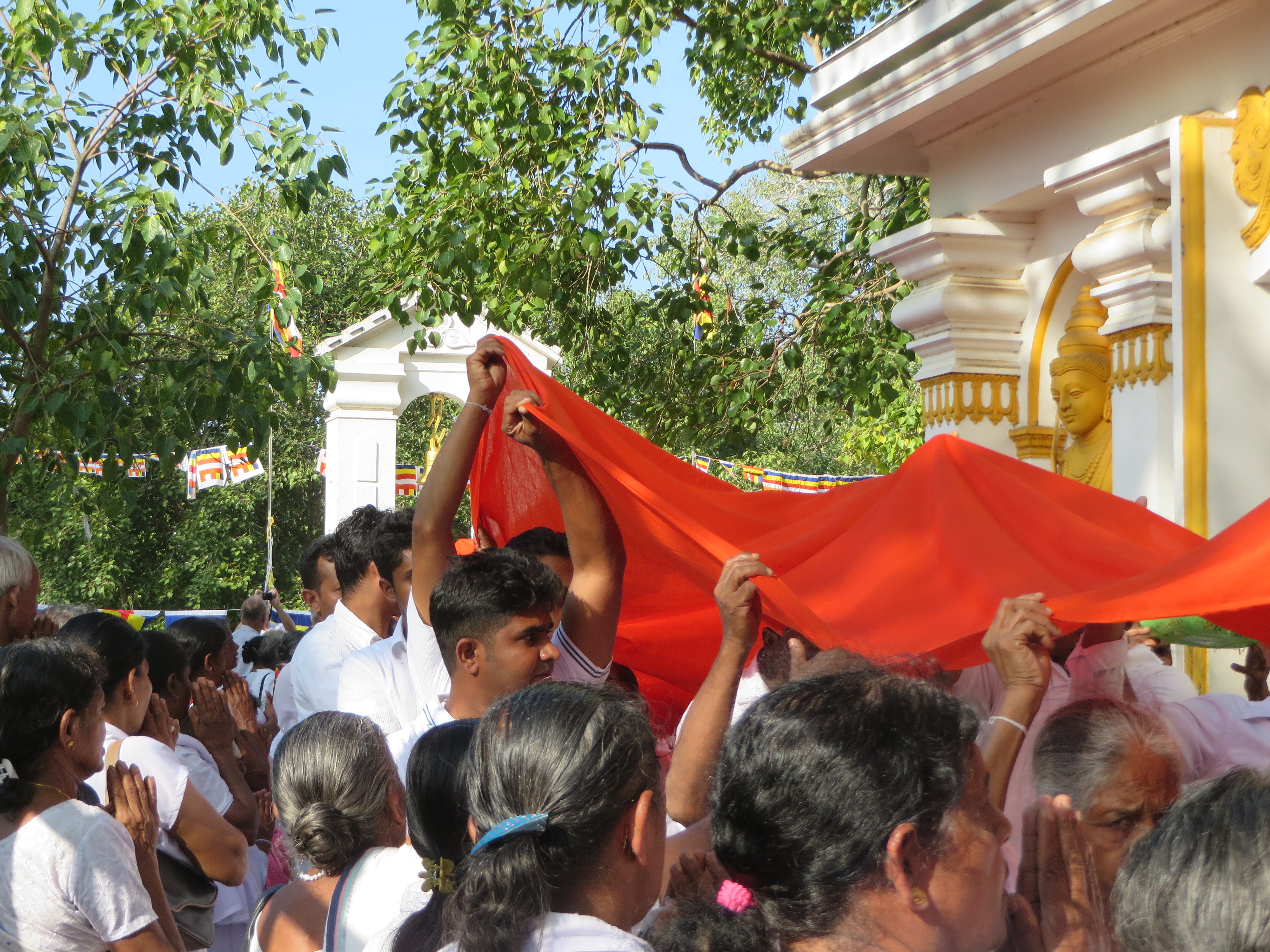
Bodhi Tree – there was a Buddhist festival going on here at the site of the oldest tree in recorded history.  It was brought as a sapling from India and is said to be a sapling from the tree under which Siddartha found enlightenment.

2014-01-18 14.50.29 2014-01-18 15.37.43 2014-01-18 15.35.42 2014-01-18 15.29.10

2014-01-18 15.46.55  2014-01-18 15.45.59

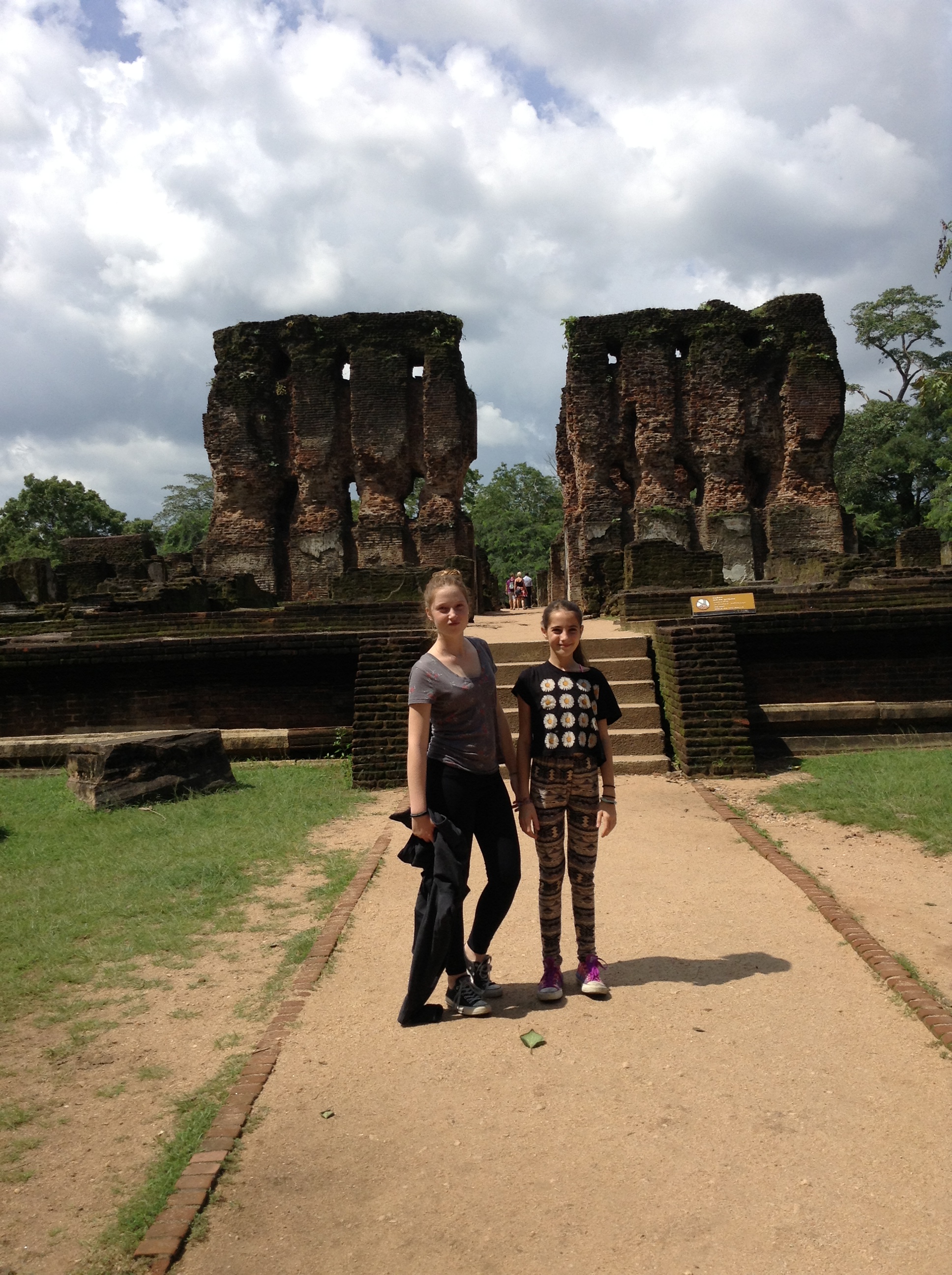
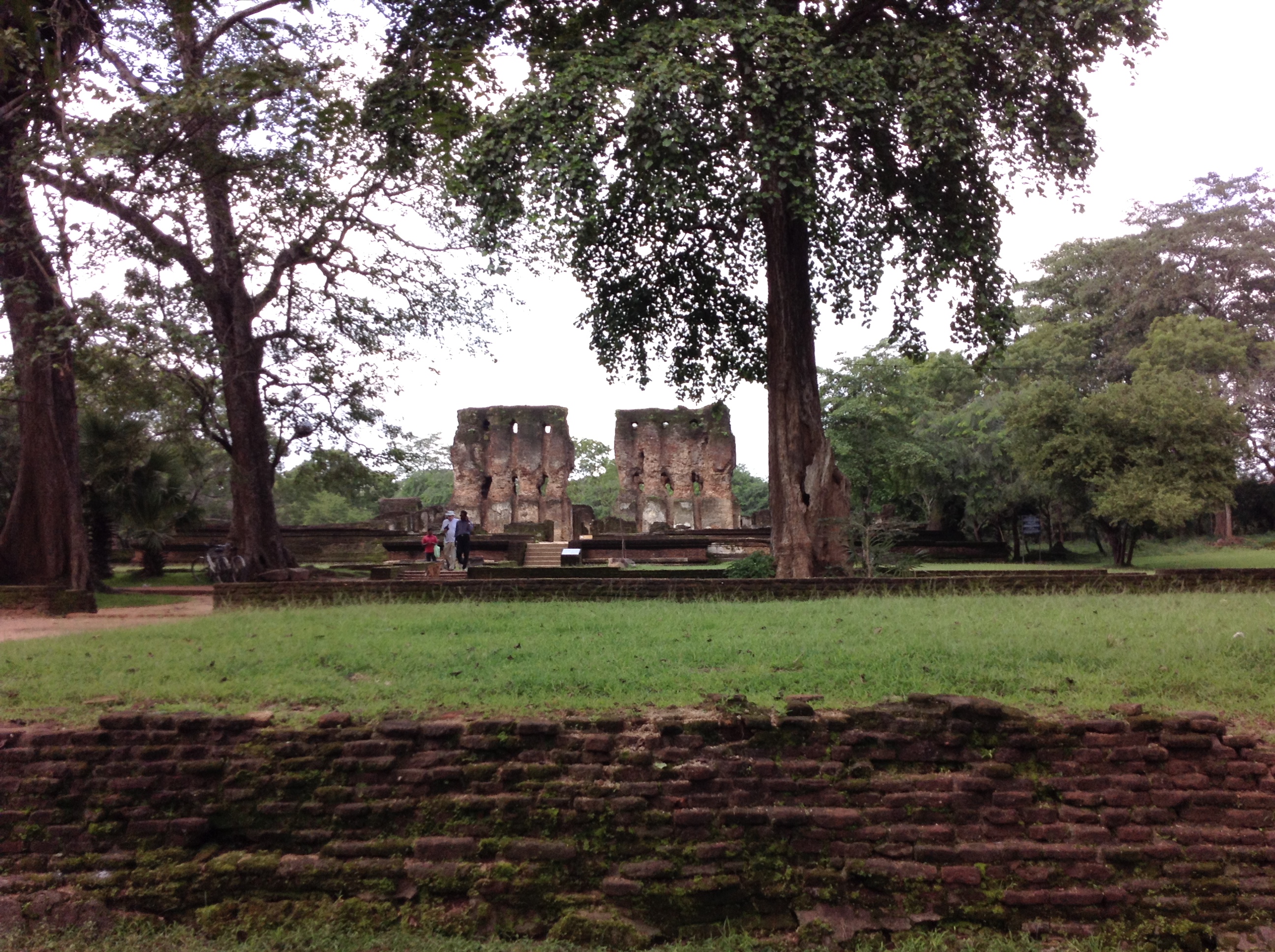
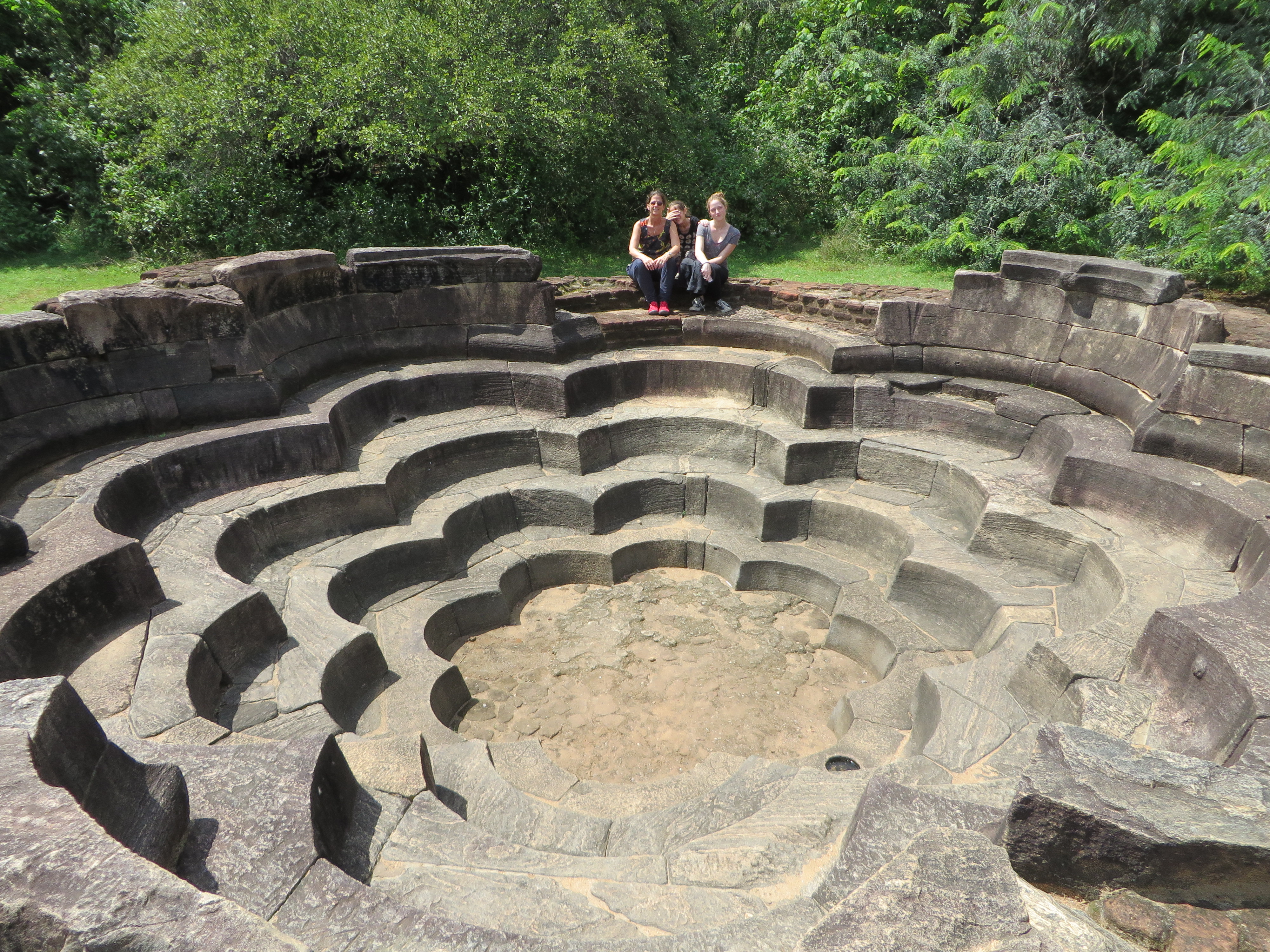
Polonnaruwa – Sri Lanka’s second capital city built in the 11th Century

2014-01-19 11.30.45 2014-01-19 11.38.11 2014-01-19 12.03.52 2014-01-19 12.10.33 2014-01-19 12.48.15 2014-01-19 12.57.21 2014-01-19 12.37.58

One Rock – Three Buddha

2014-01-19 12.31.20 2014-01-19 12.32.11  2014-01-19 12.32.33

Traditional Kandy Dancers

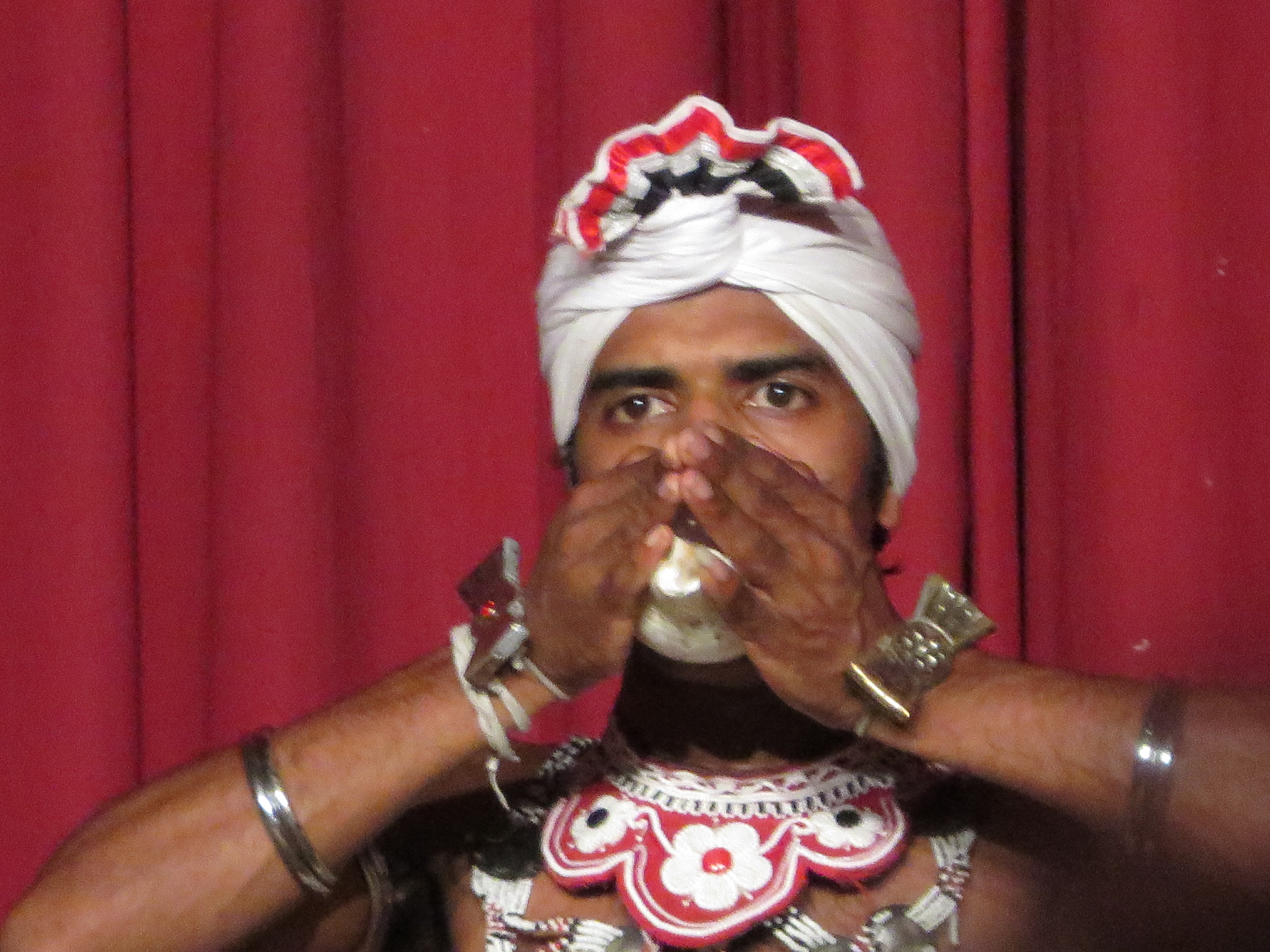
2014-01-20 17.31.16 2014-01-20 17.58.02 2014-01-20 18.10.29 2014-01-20 18.05.48

Labookellie Mackwoods Tea Plantation

2014-01-21 12.10.49 2014-01-21 10.46.59 2014-01-21 12.00.12-1 2014-01-21 12.17.36-1

Tsunami Photo Museum

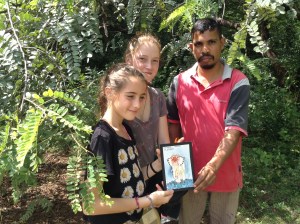
2014-01-28 10.36.37 2014-01-28 10.34.11 2014-01-28 10.31.34 2014-01-28 10.33.13 2014-01-28 10.33.21

Day Trip to Galle Fort
2014-01-28 14.12.33 2014-01-28 13.24.58 2014-01-28 13.29.53 2014-01-28 13.30.27 2014-01-28 16.57.19

Colombo

2014-01-26 15.13.30  2014-01-24 18.44.50 2014-01-24 18.08.44 2014-01-29 17.49.50 2014-01-29 08.47.35 (State of the Union Address)

Standard

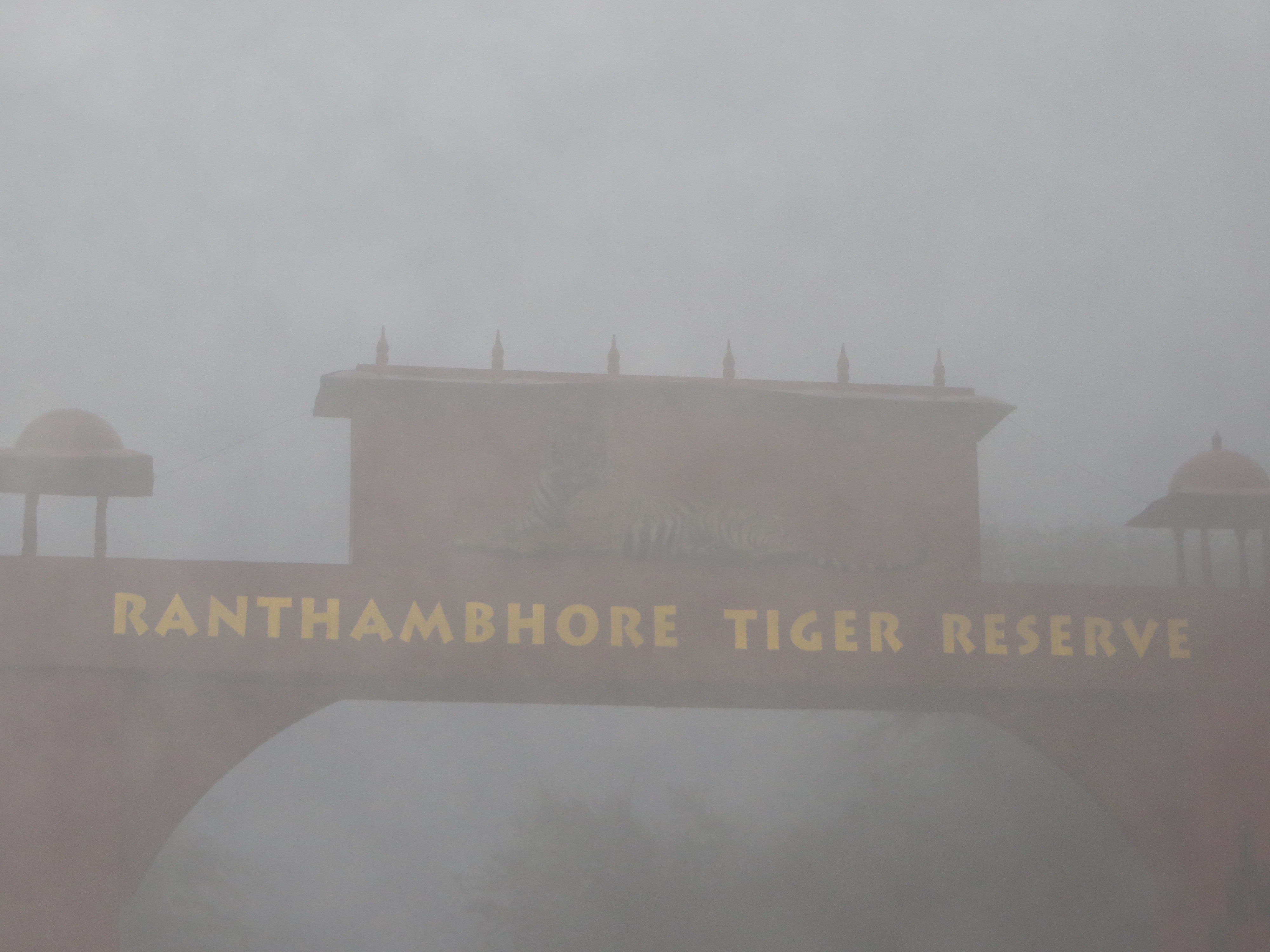
Ranthambhore Tiger Reserve, Rajasthan India

Ranthambhore Tiger Reserve is home to 51 Bengal tigers.  Seeing one, however, is a matter of luck.  As one guide said, “Unless there is a warning call by the spotted deer or langur monkeys, it’s like finding a needle in a haystack.”

We had attended the naturalist’s presentation at our hotel so we knew a few facts about tigers (solitary creatures with a specific territory) and the park (established in the 70s and broken down into six zones).  We were also cautioned that it might take three or four outings to see a tiger.

We had scheduled three drives: day one morning and afternoon and day three morning only.

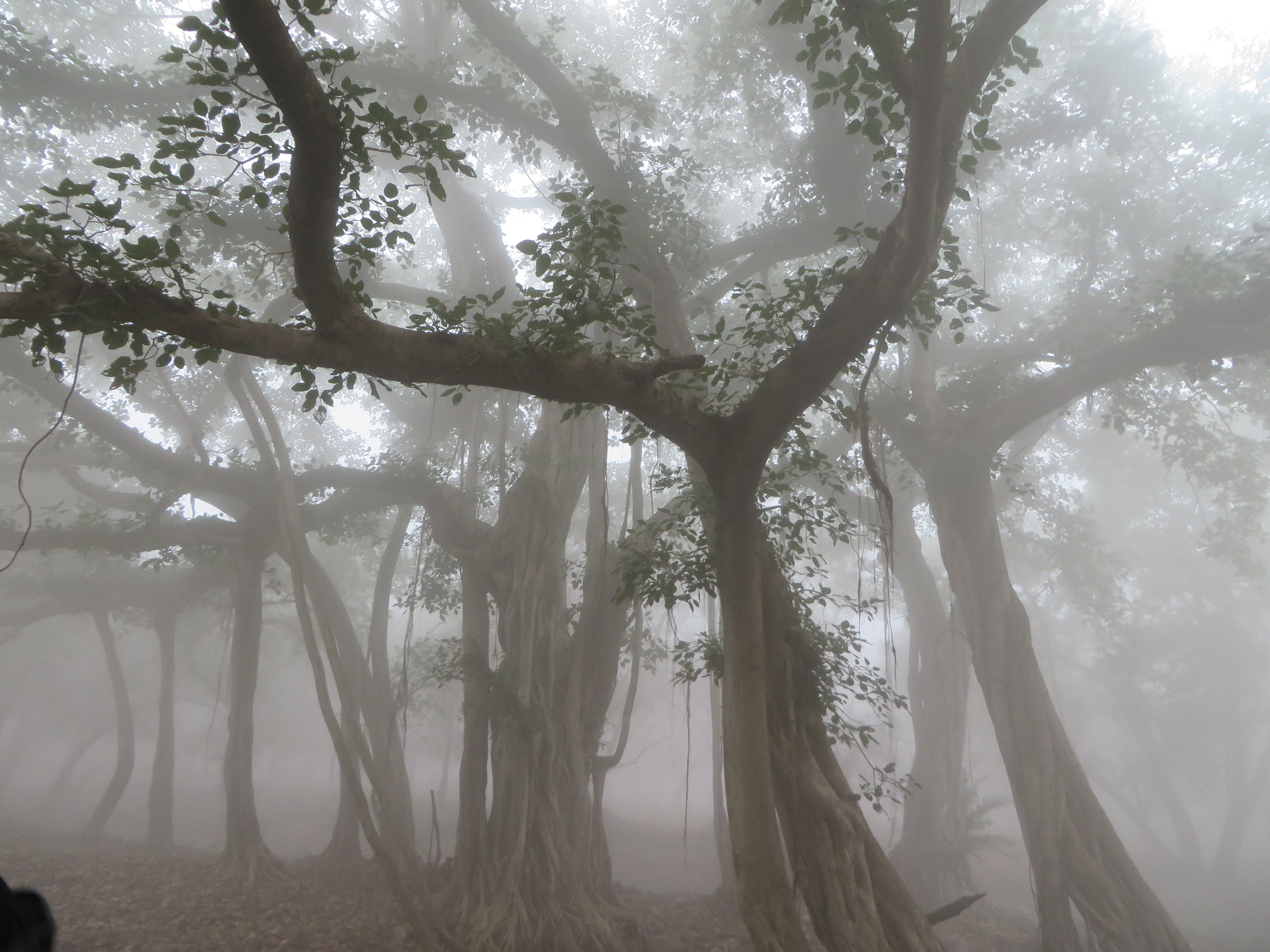
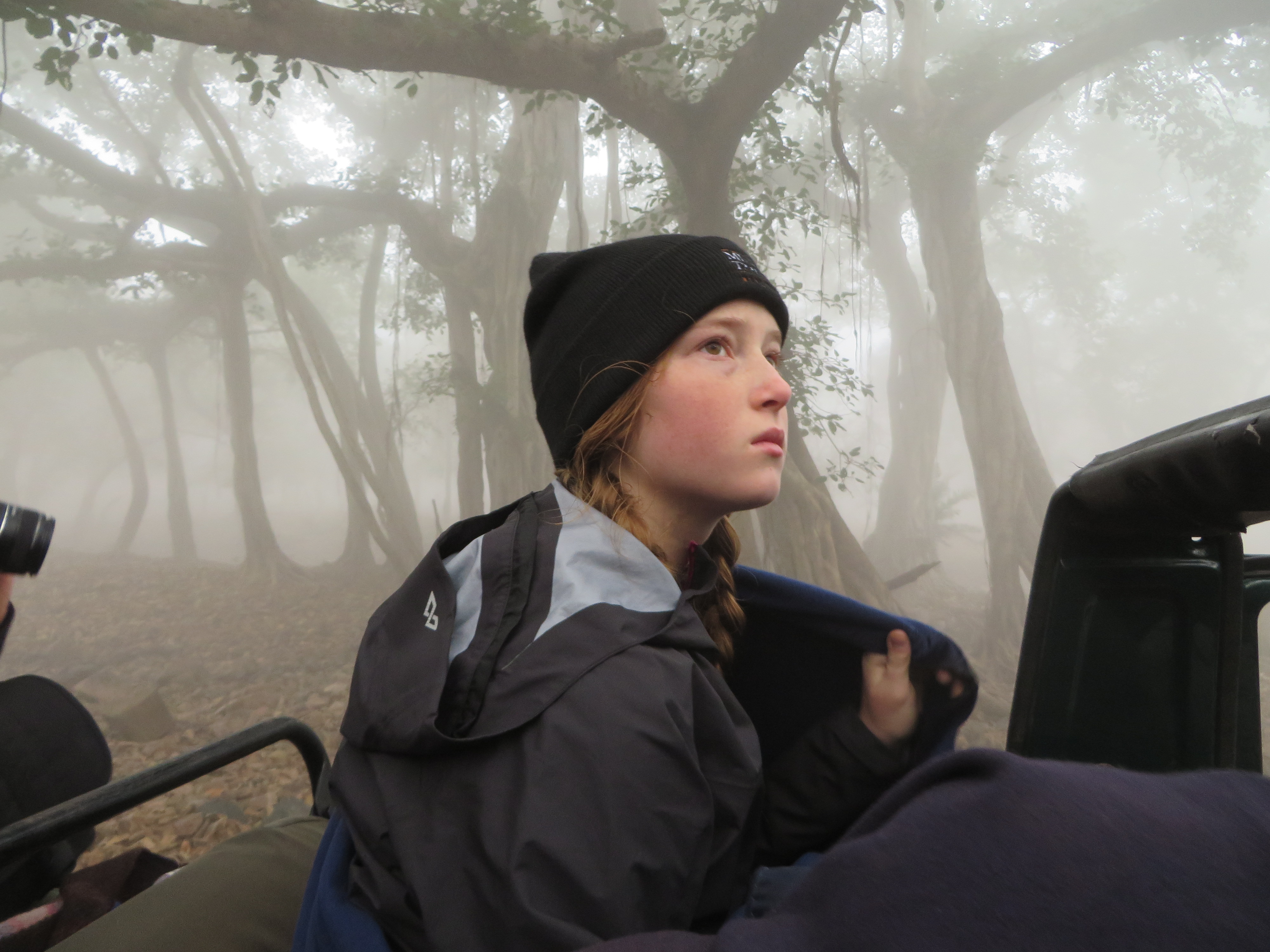
On day one, we left for our morning drive with foggy conditions and temperatures in the low 40s. To ward off the cold, the hotel gave us blankets and water bottles. (The girls and I are loving the whole water bottle thing. They put them in your bed at turndown service as well. So happy.)

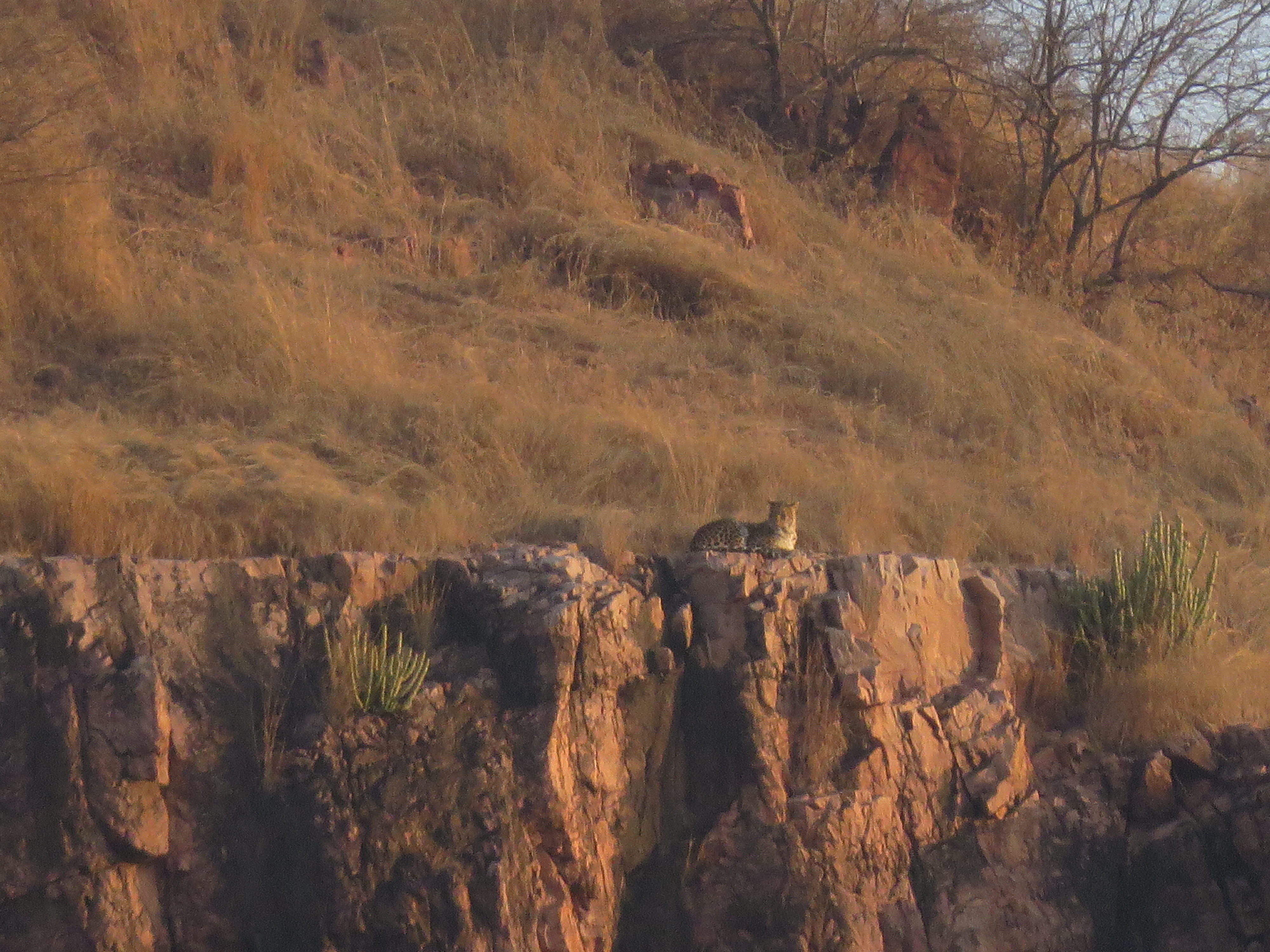
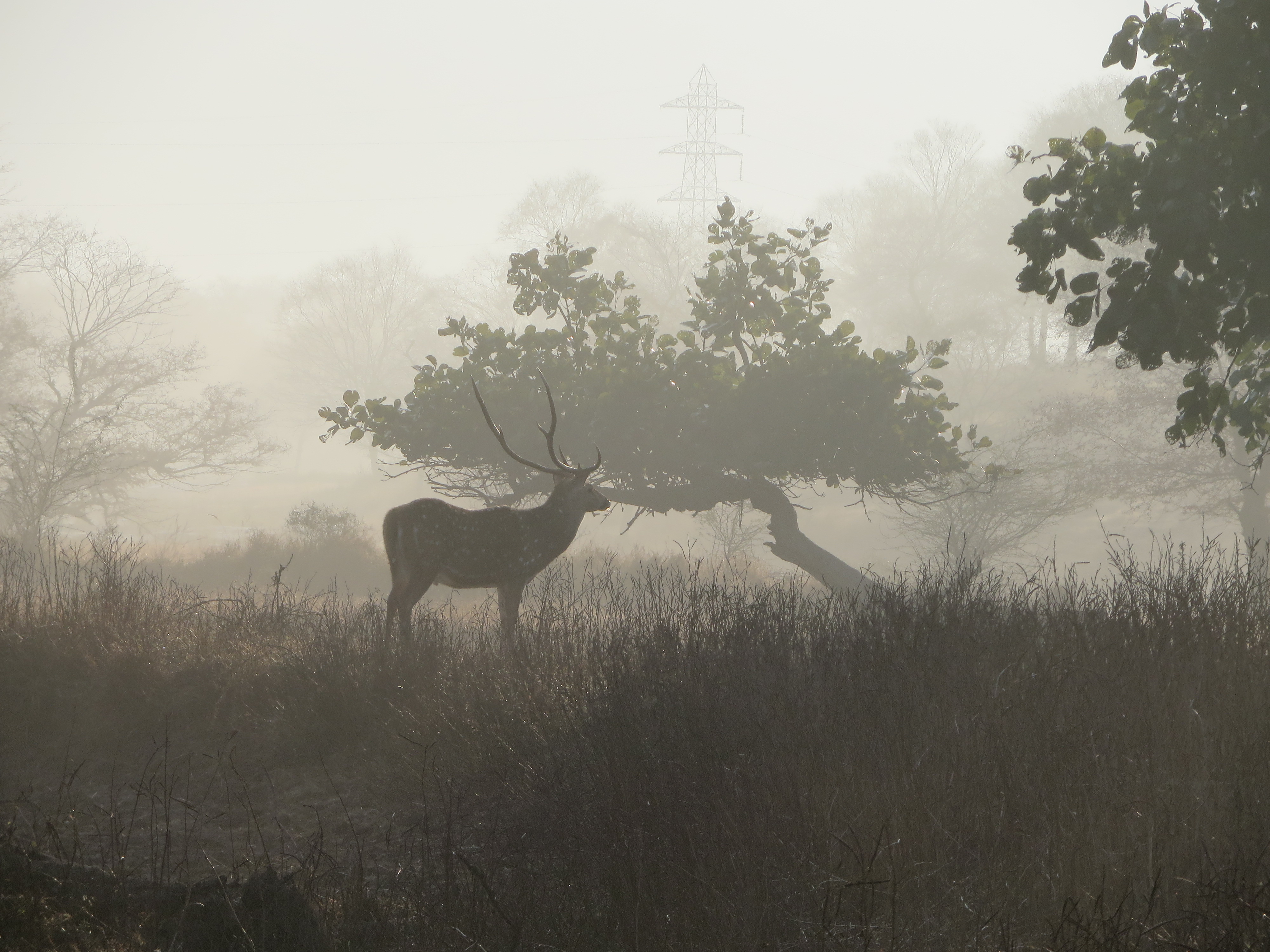
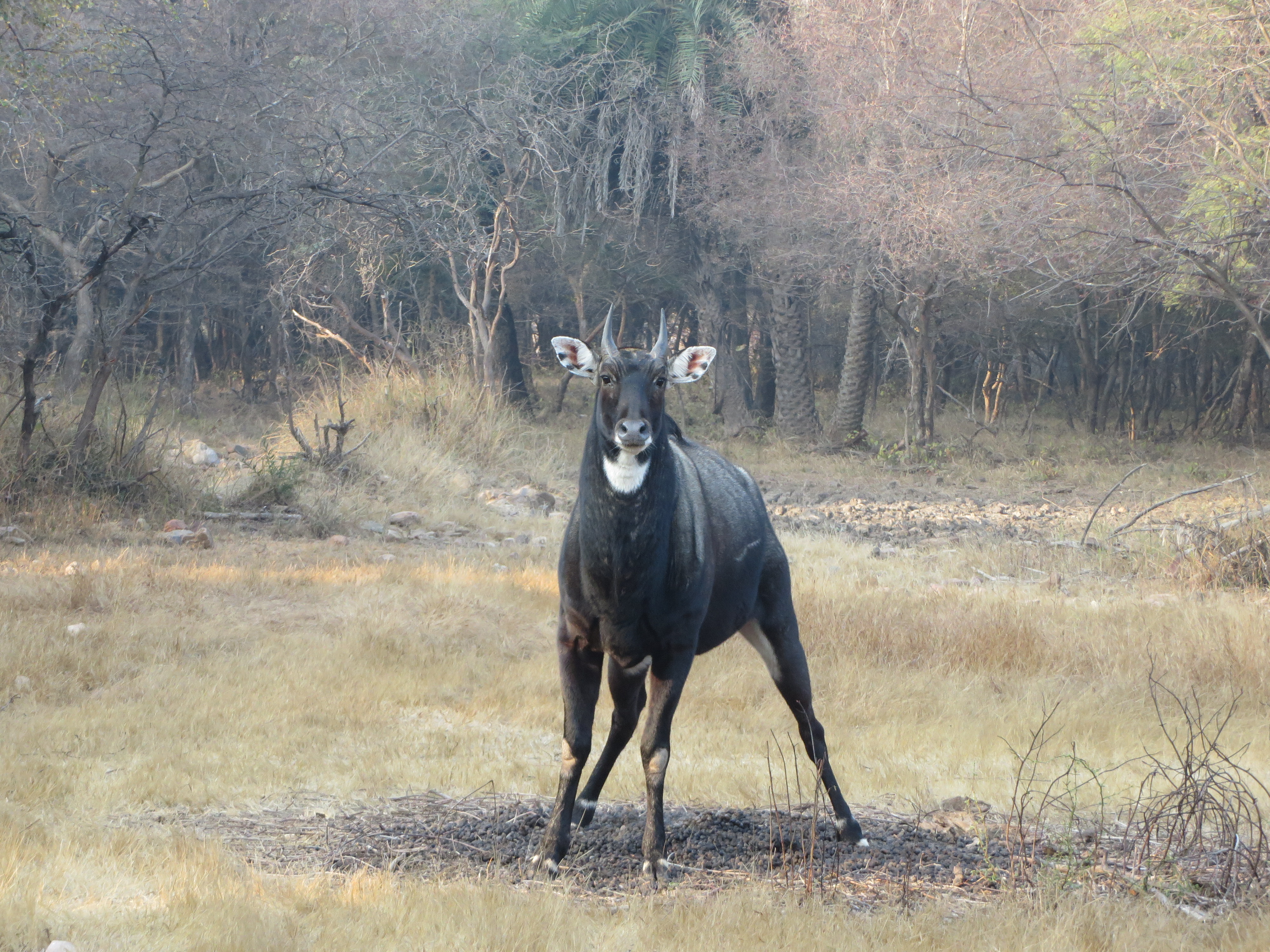
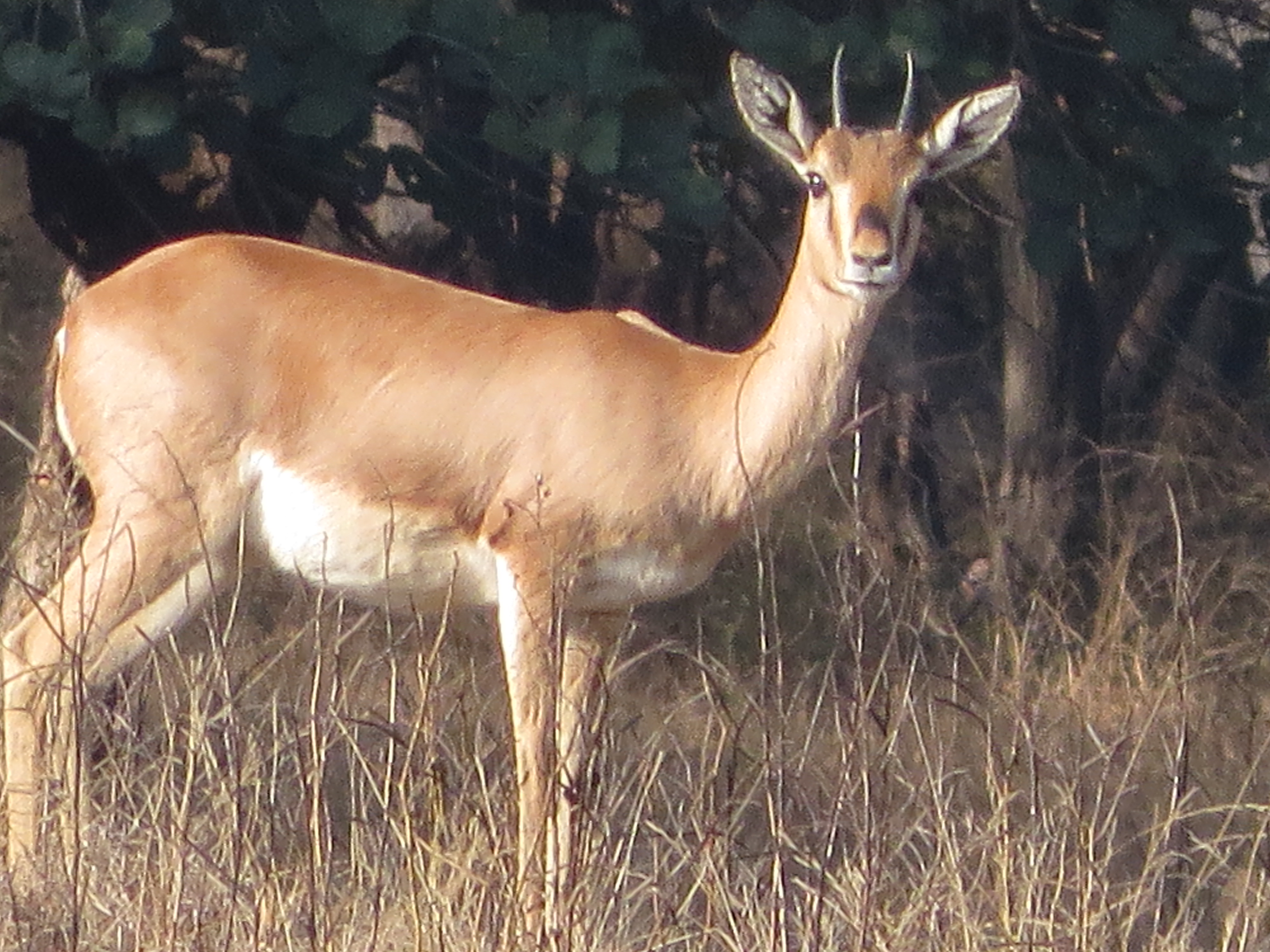
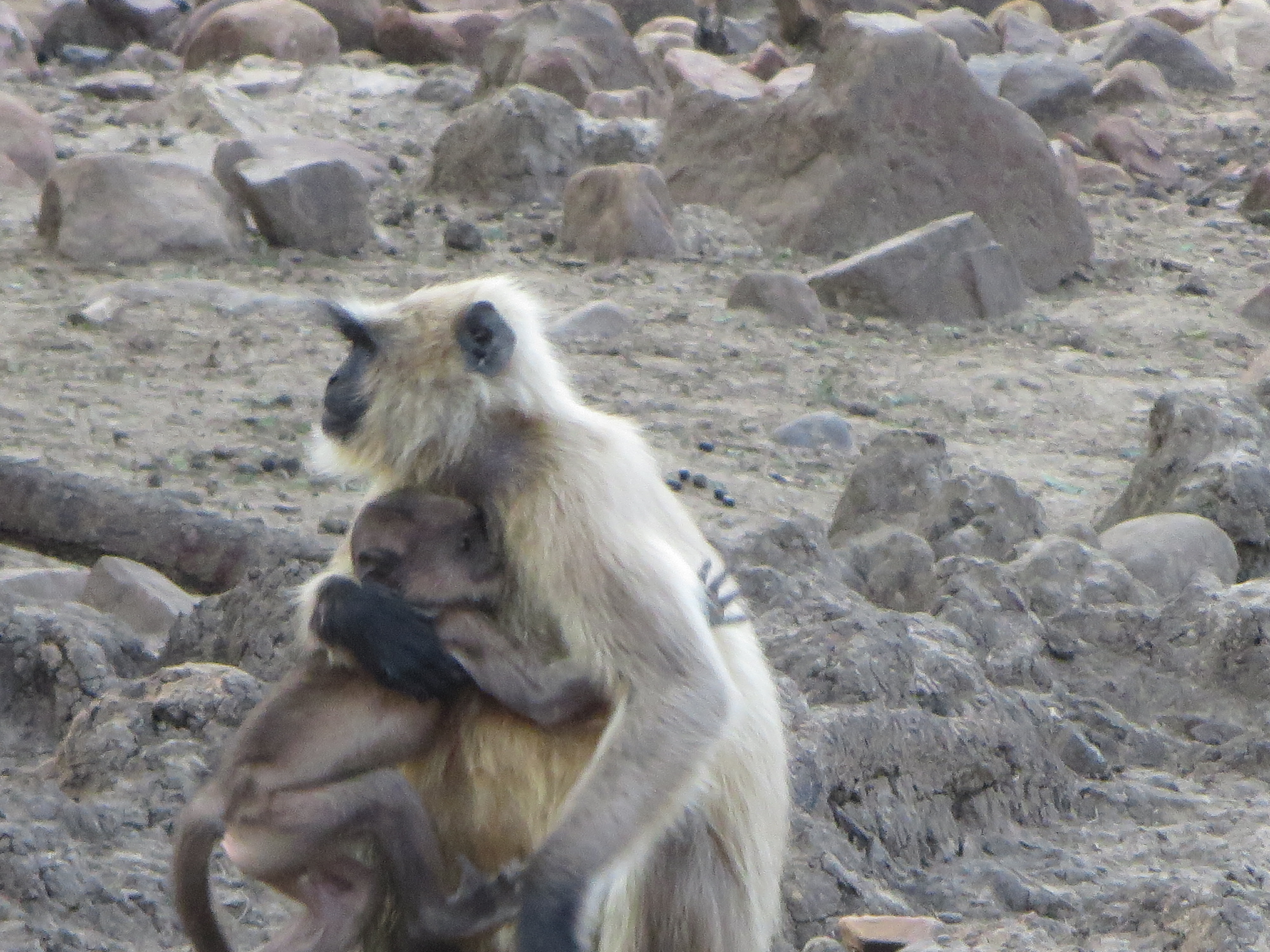
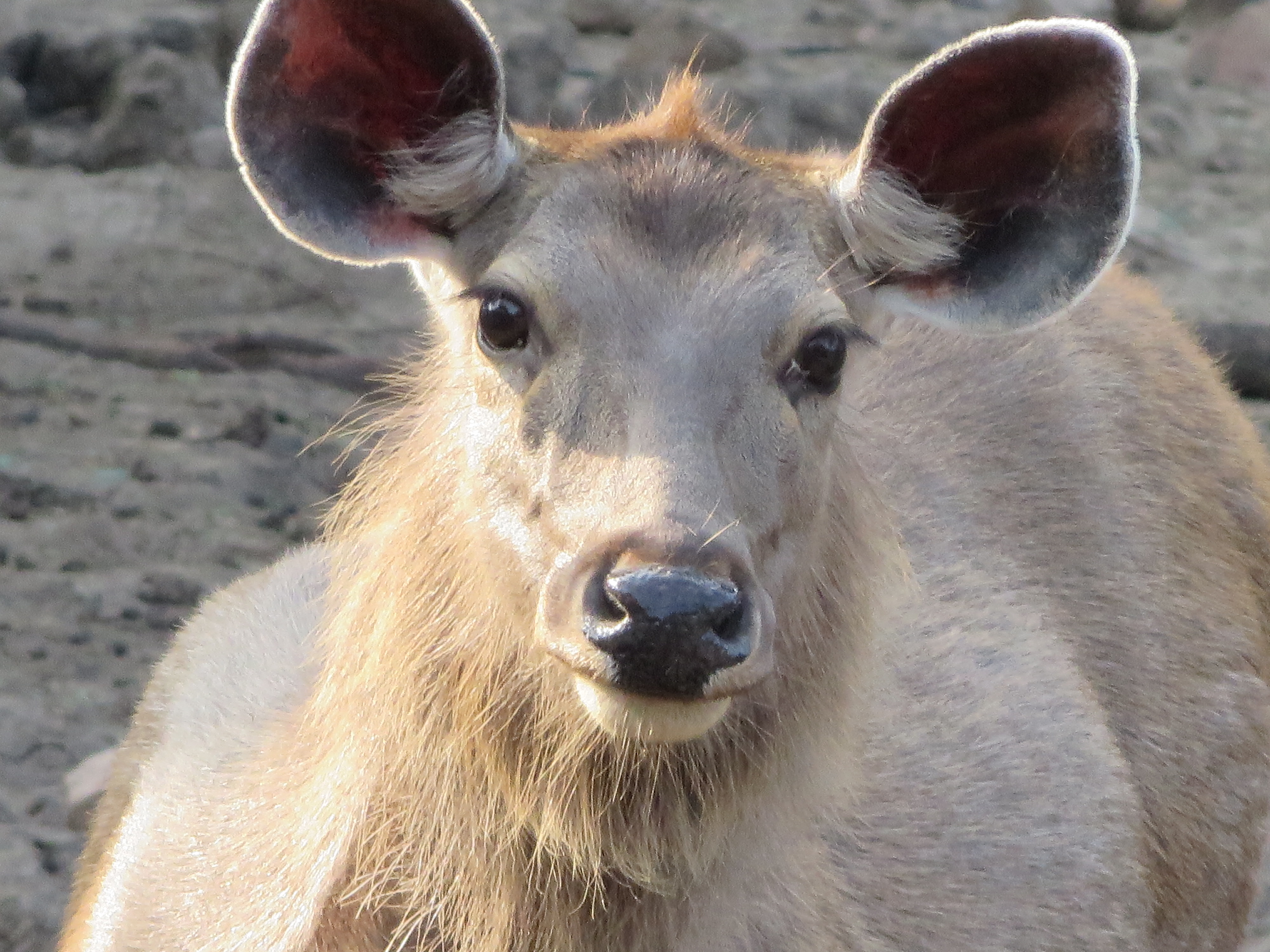
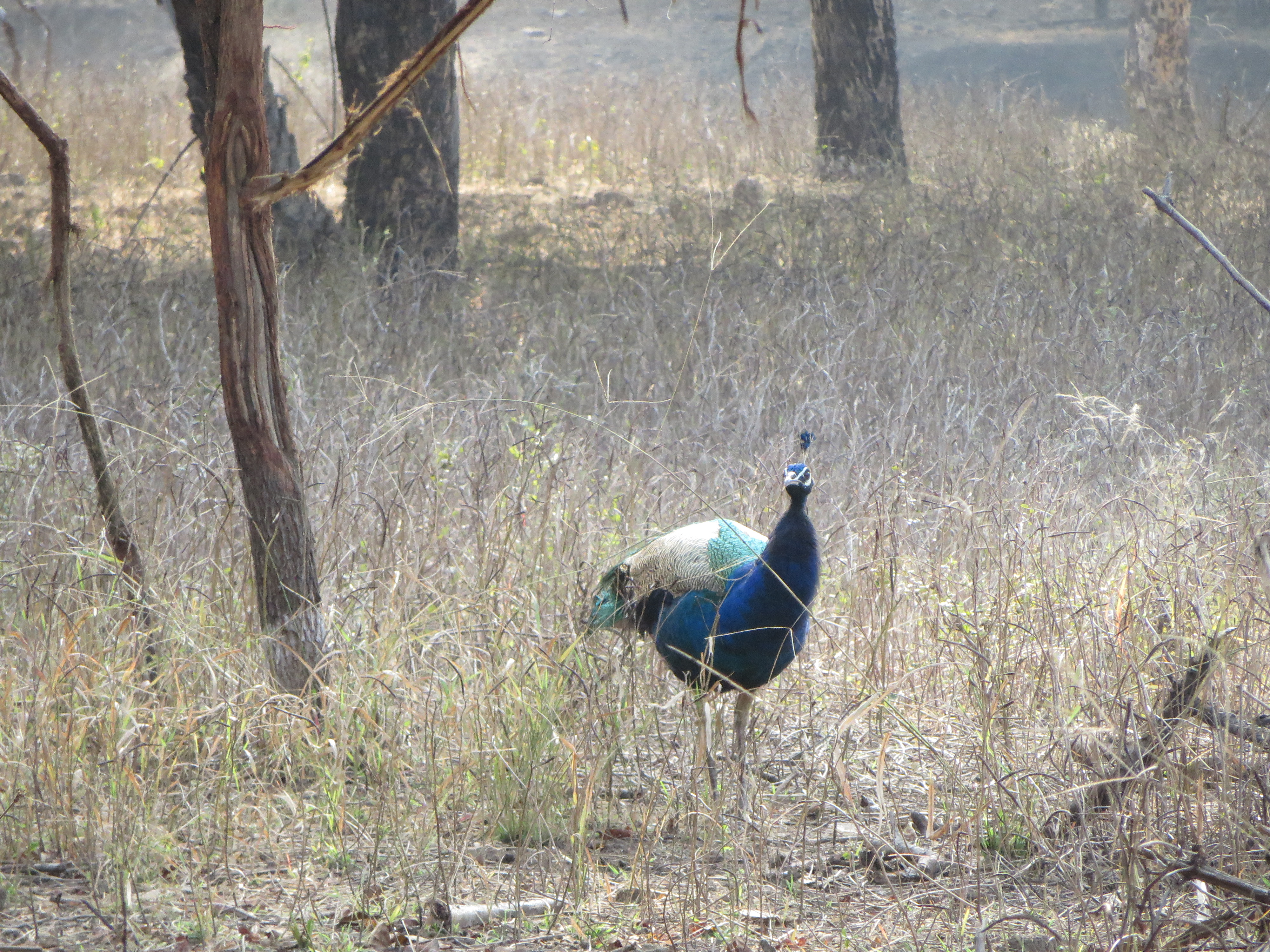
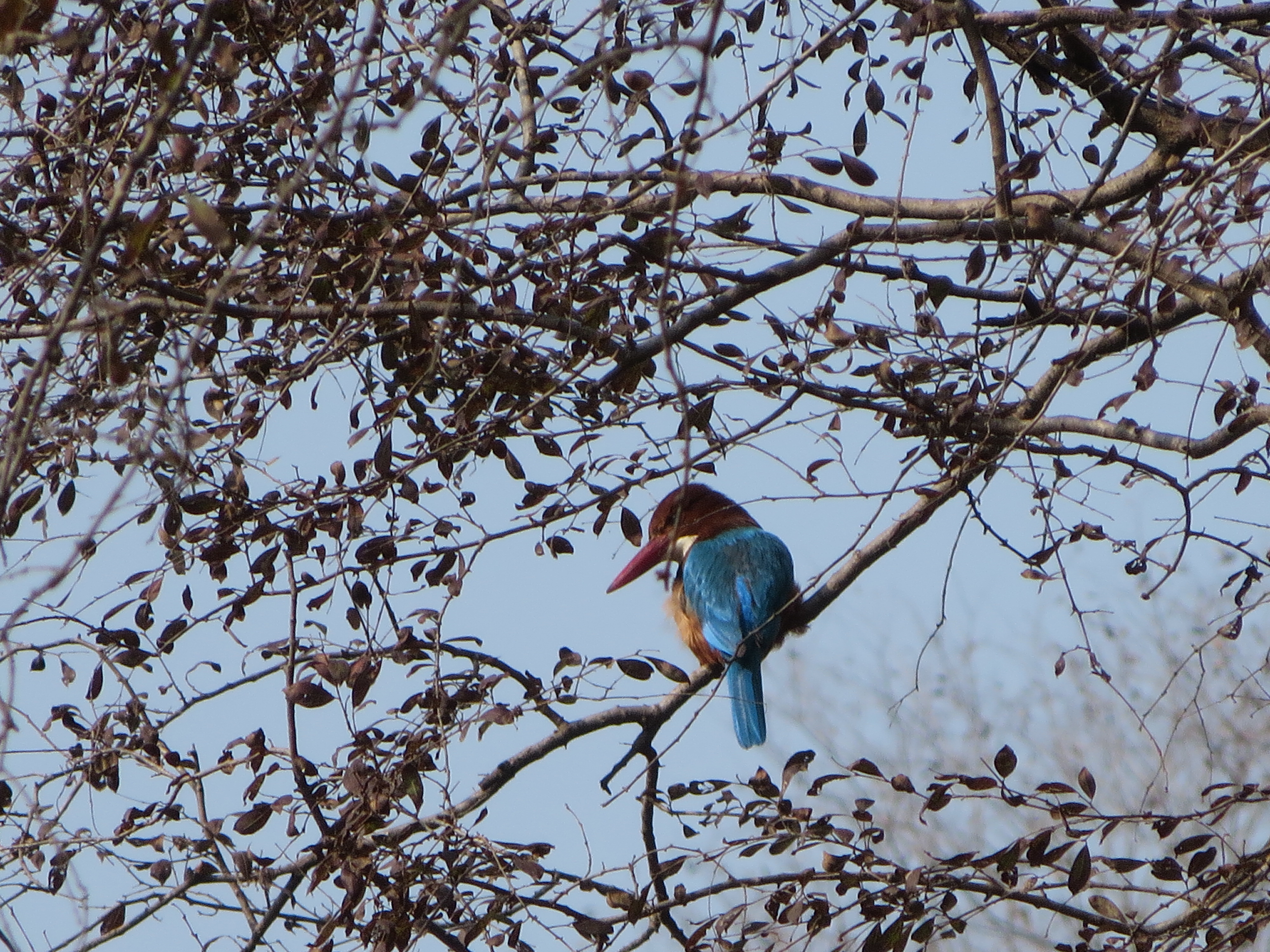
We were assigned Zone 3 and had a family of three from Auckland, NZ with us in our jeep. In the first 15 minutes we saw a leopard perched on a mountain ledge. An auspicious start! Then we spent the next 2+ hours driving in search of tigers. We saw tiger food but no tiger. Tiger food means wild boar, spotted deer, samba deer, gazelle, blue bull antelope, langurs, peahens and peacocks. There were several species of bird as well (kingfisher, shrike, rufus tree pi, minuet, etc). But no tiger.

On our afternoon drive, we were assigned Zone 4 and had the jeep to ourselves after a frustrated tourist decided to forego the afternoon drive. Our friends from Auckland were in a separate jeep but assigned Zone 4 as well. We crossed fingers and wished each other luck.

The sun was strong with milder weather and our guide suggested that this might get the tigers out into open sun areas. About half way into the drive, the guides heard a warning call so the jeeps turned to explore that the side of the mountain. Then the park ranger jeep came into view and the ranger excitedly waved us forward. We were the third jeep on scene, behind our friends from Auckland.

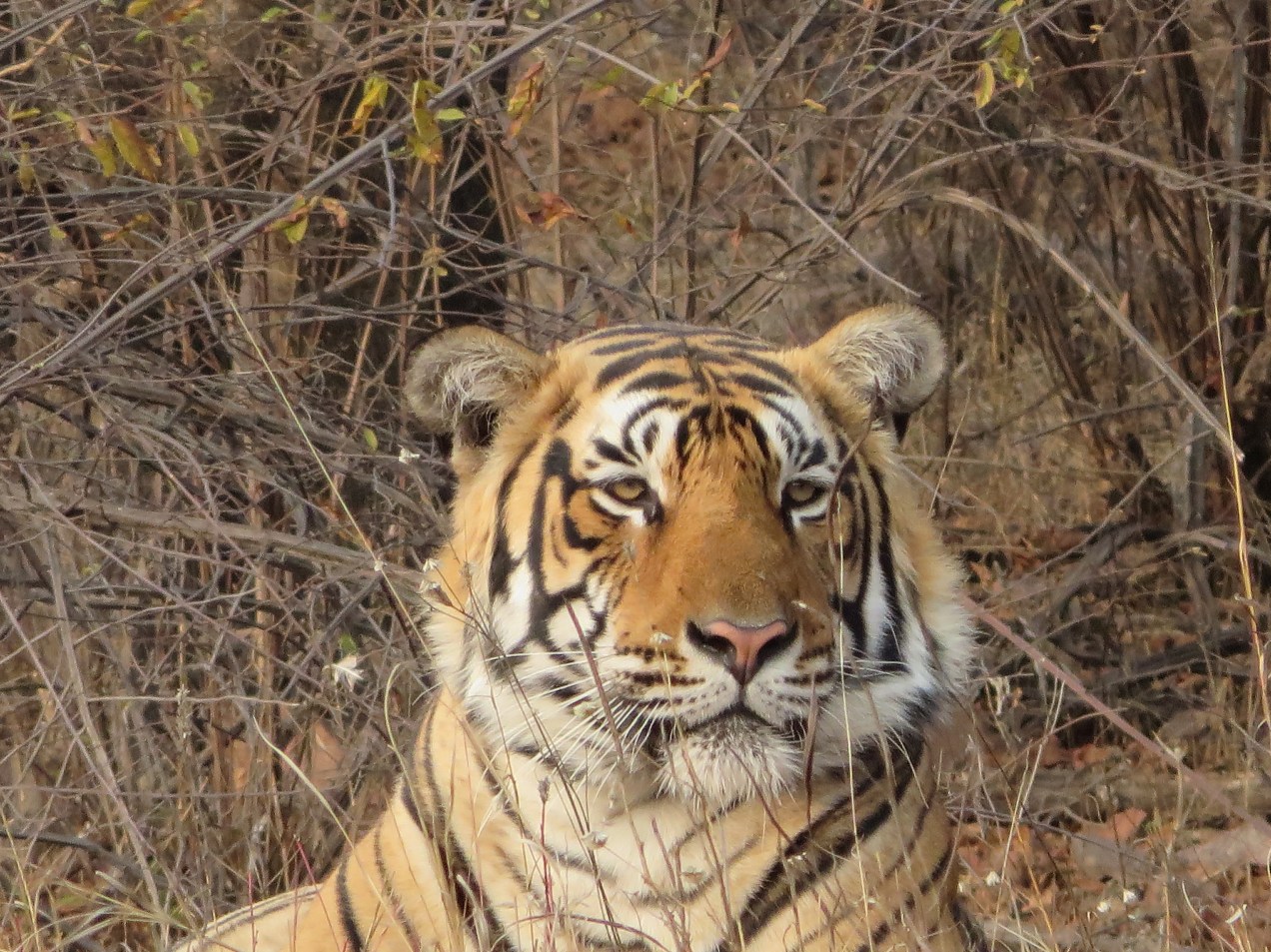
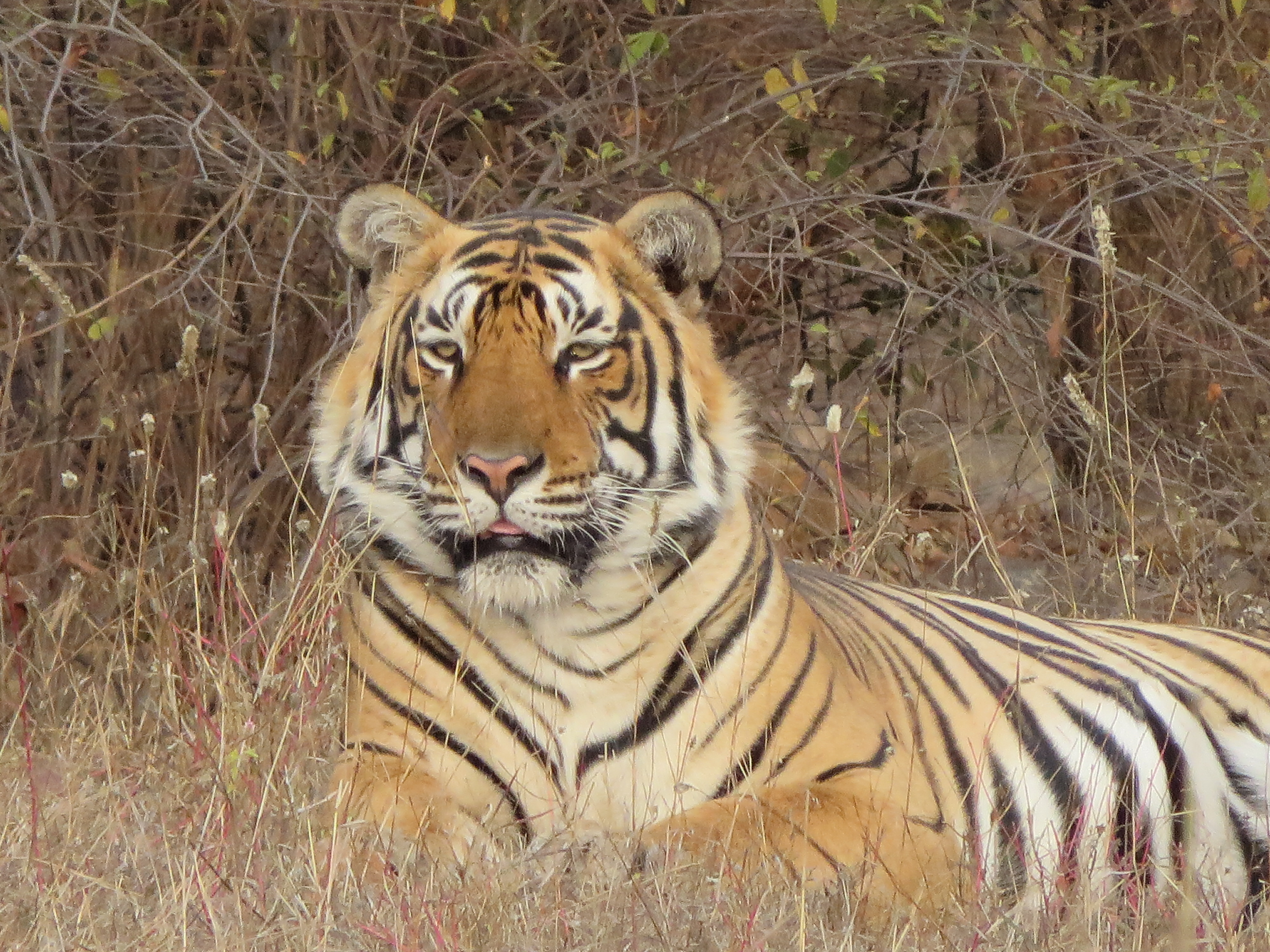
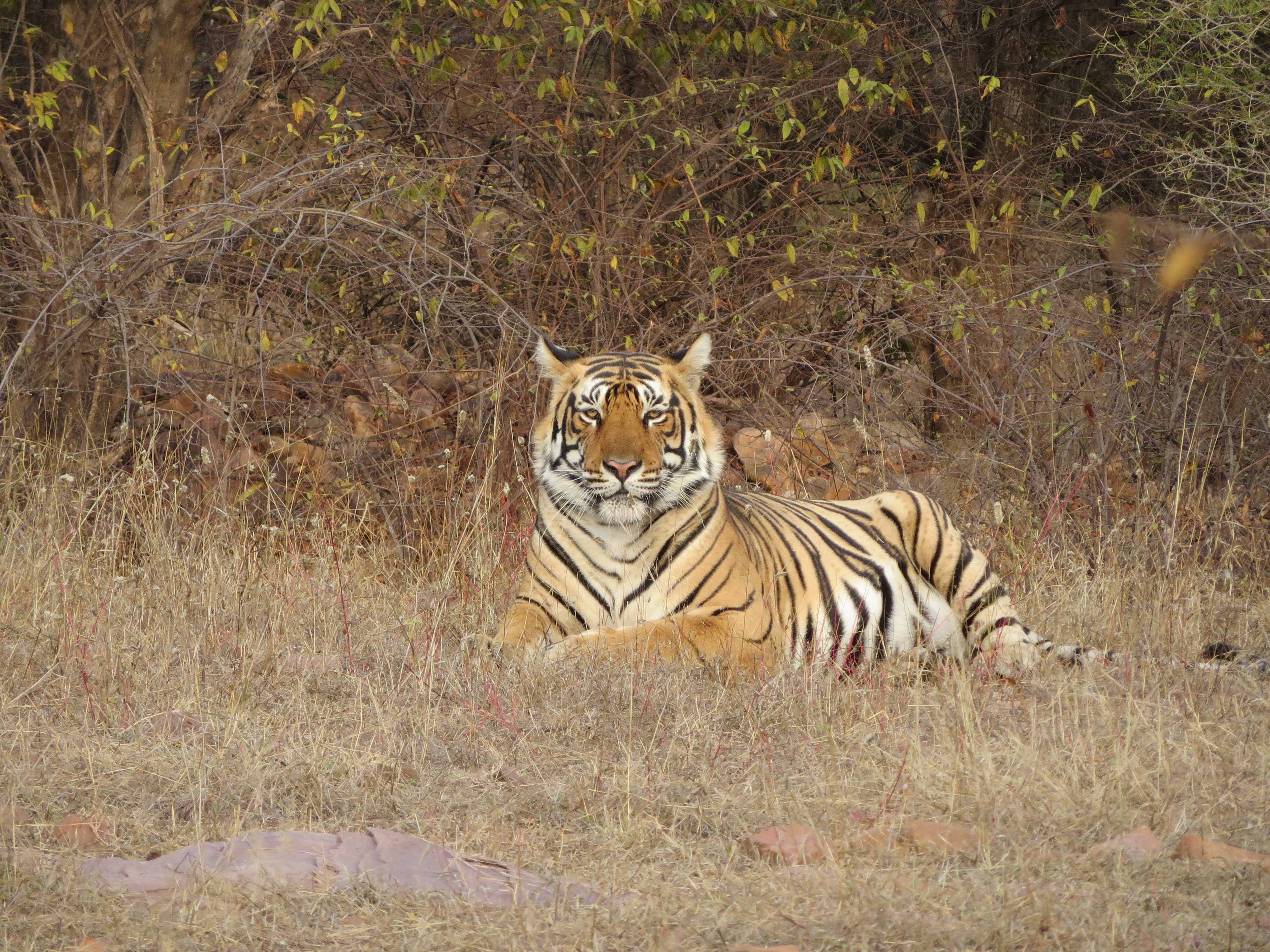
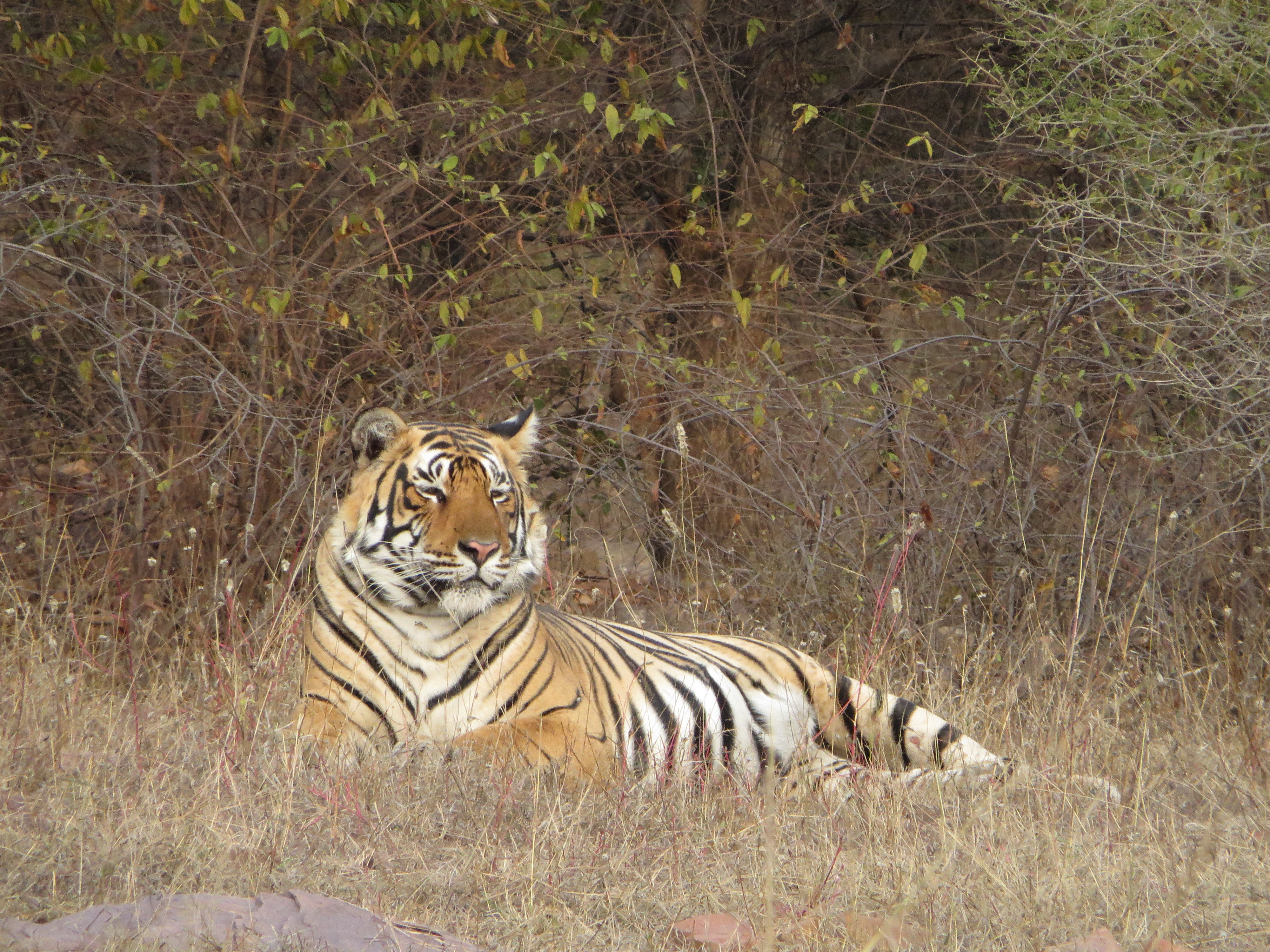
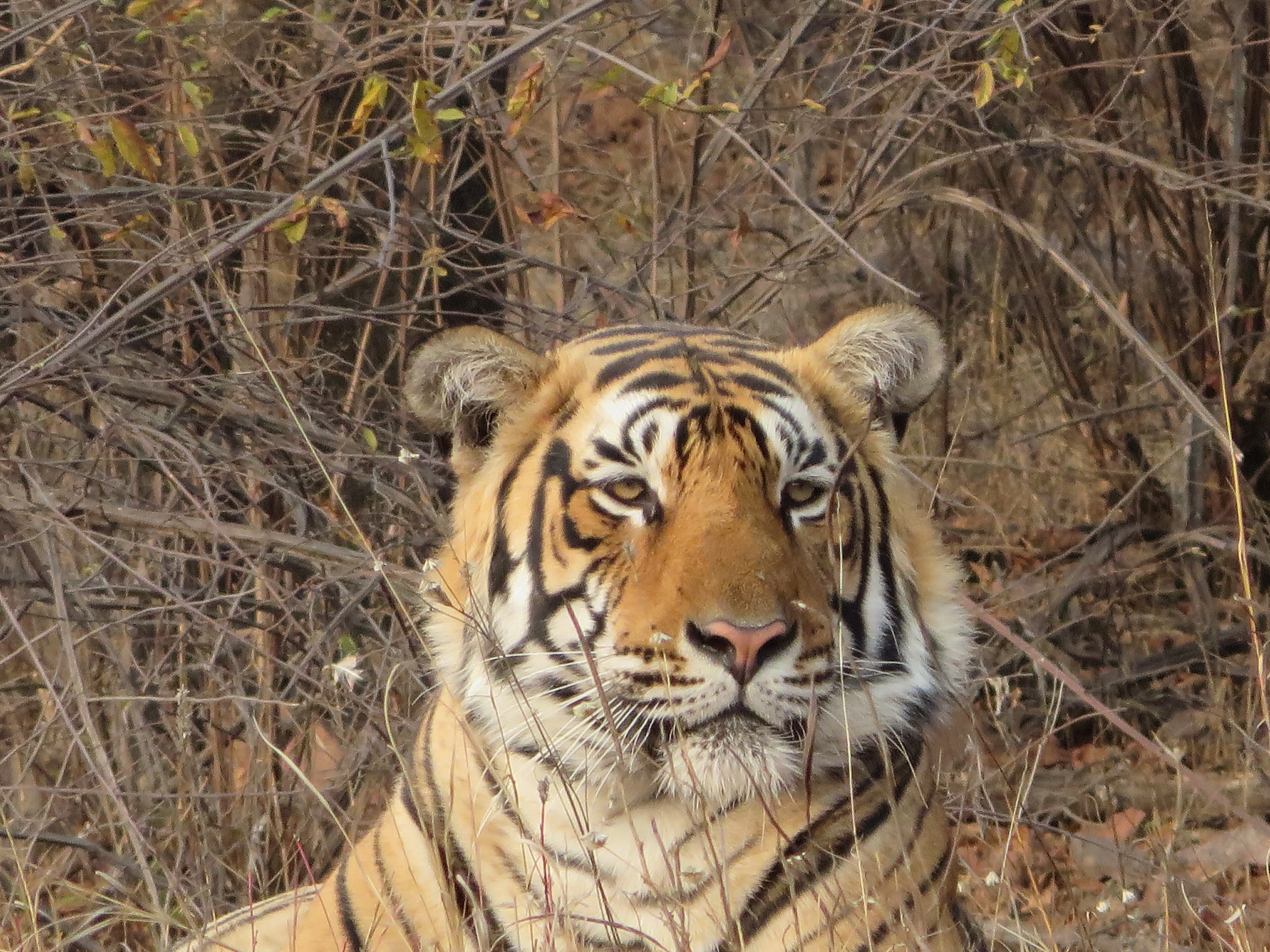
We saw Krishna, or T-19, from a safe distance of 15m (or 15 yards). She was getting a little sun and looked uninterested in the jeeps that continued to arrive. We snapped away like paparazzi on Nigella. OK, that’s hyperbole. All of the tourists, domestic tourists in equal numbers to those of us from the US, Australia and New Zealand, showed great respect for the tiger and for each other. We all left with a warm camaraderie and more than a few photos…and a video!

2014-01-08 06.18.46 (Getting Ready!)

2014-01-08 07.54.43 (Leopard)

2014-01-08 08.13.42 (Male Spotted Deer)

2014-01-08 08.25.40 (Male Blue Bull)

2014-01-08 09.07.35 (Gazelle)

2014-01-08 14.43.35 (Male Samba Deer)

2014-01-08 15.16.48 (Langur)

2014-01-08 15.20.42 (Female Samba Deer)

2014-01-08 15.23.28-1 (Peacock)

2014-01-08 15.14.40 (Kingfisher)

Krishna (T-19)

IMG_4618  IMG_4570 IMG_4588  IMG_4591  IMG_4608  IMG_4558  IMG_4569  IMG_4551   IMG_4579

2014-01-08 16.22.15  2014-01-08 16.29.26

For those wondering about Day 2 and drive three…
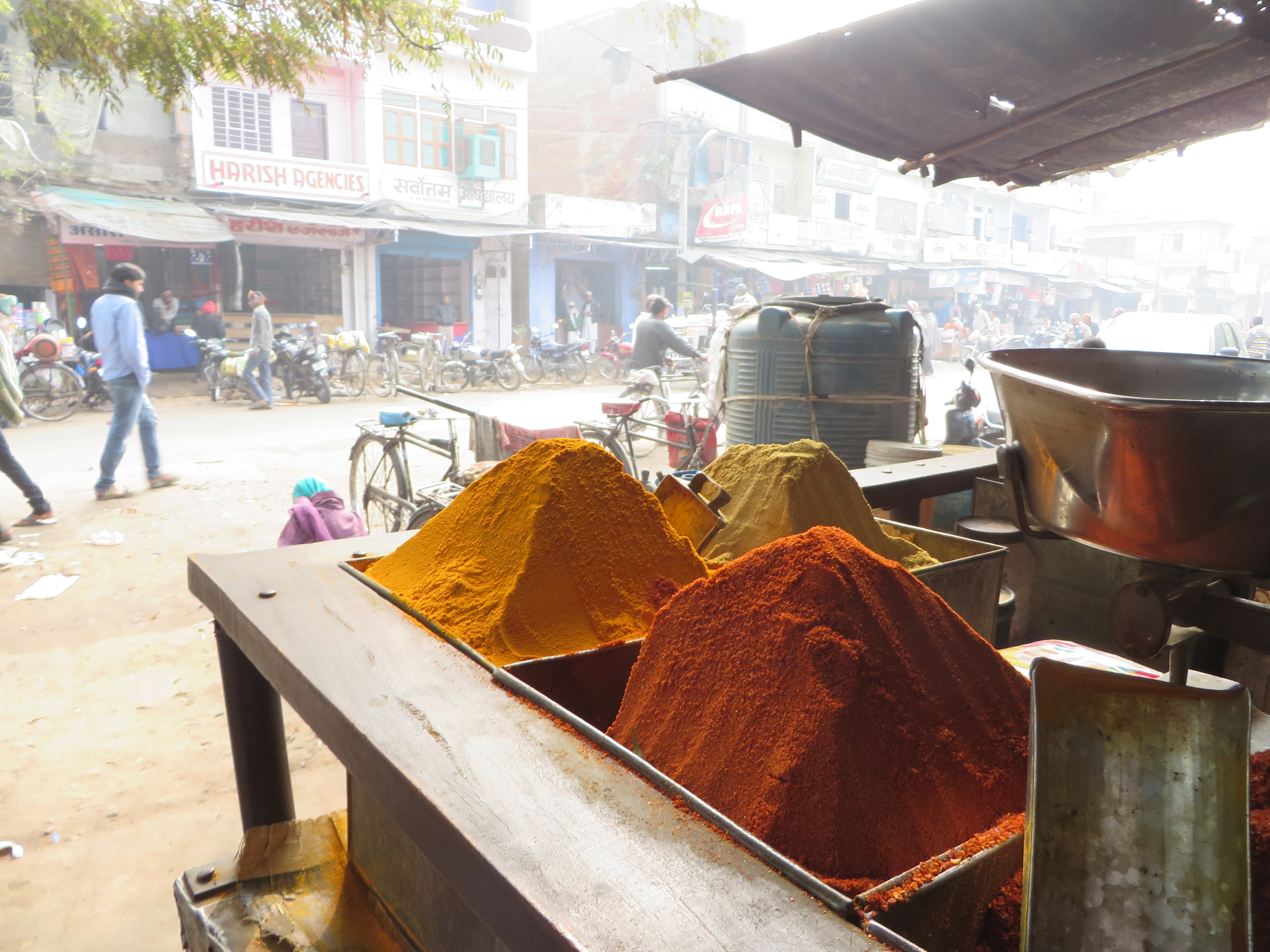
Day 2 we toured the local village shops and saw cooperatives of women doing embroidering or appliqué, men and women operating looms, small silversmith shops, and the chili and spice markets.

Our final drive was colder than the first and no tiger spotting or warning calls. Lots of deer, langurs, and pea fowl. But we were greeted on our return to the hotel with Lakshmi and Mala, the resident elephants, and that was enough for me.

IMG_4652 IMG_4646   IMG_4651  IMG_4655 IMG_4665 IMG_4669 IMG_4671 IMG_4674 IMG_4738IMG_4742

Standard

Taj Mahal

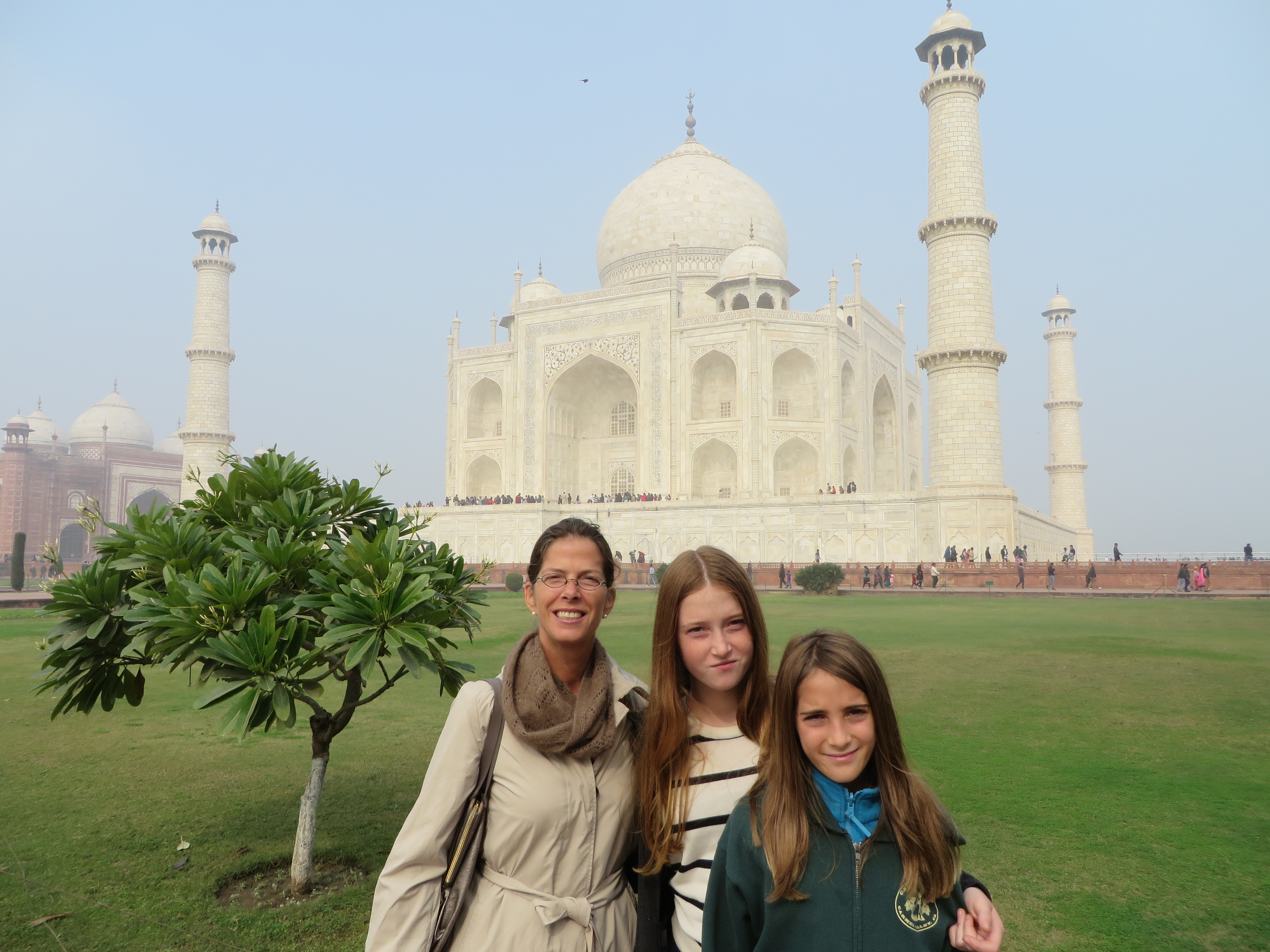
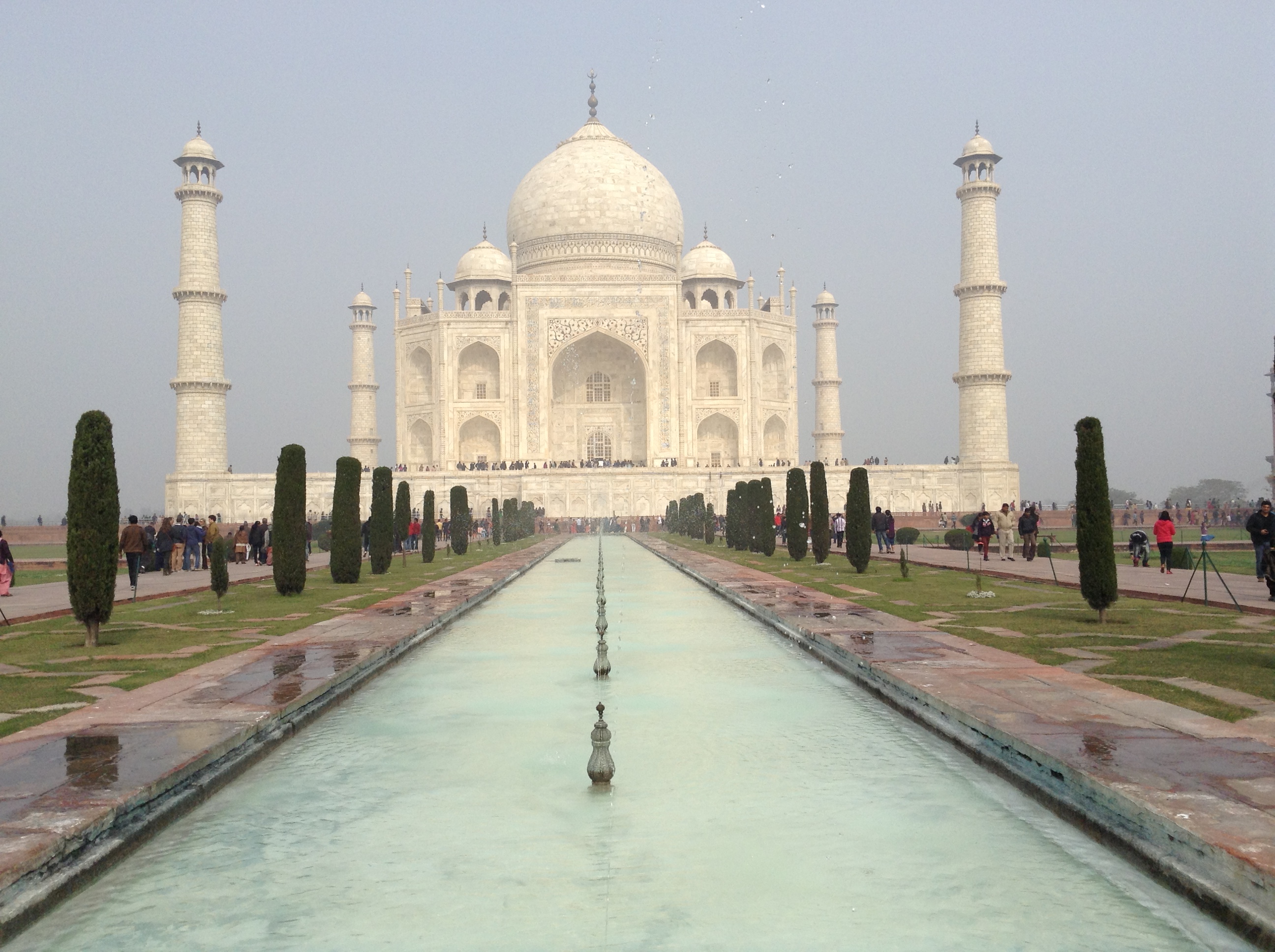
She is all the things people say.  Beautiful.  Architecturally brilliant.  Perfectly symmetrical.*

Shah Jahan, the Mughal emperor from 1628-1659, built the Taj Mahal as the mausoleum for his wife, Mumtaz Mahal.  She was the love of his life.  She died while birthing their 14th child at the age of 39.  When he emerged from his quarters many days later, he declared that he would build for her the world’s greatest mausoleum.  And he did.  It took 20,000 workers 18 years.

I’d like to say that she’s just another pretty face; but there is something mesmerizing about her.  As you enter the arched gateway she draws you in and then pulls away once you’ve passed through.  The inlaid verses of Koran that surround her entry gradually increase in size as they rise so that it stays a visual constant despite its growing distance from the viewer. An optical tease.

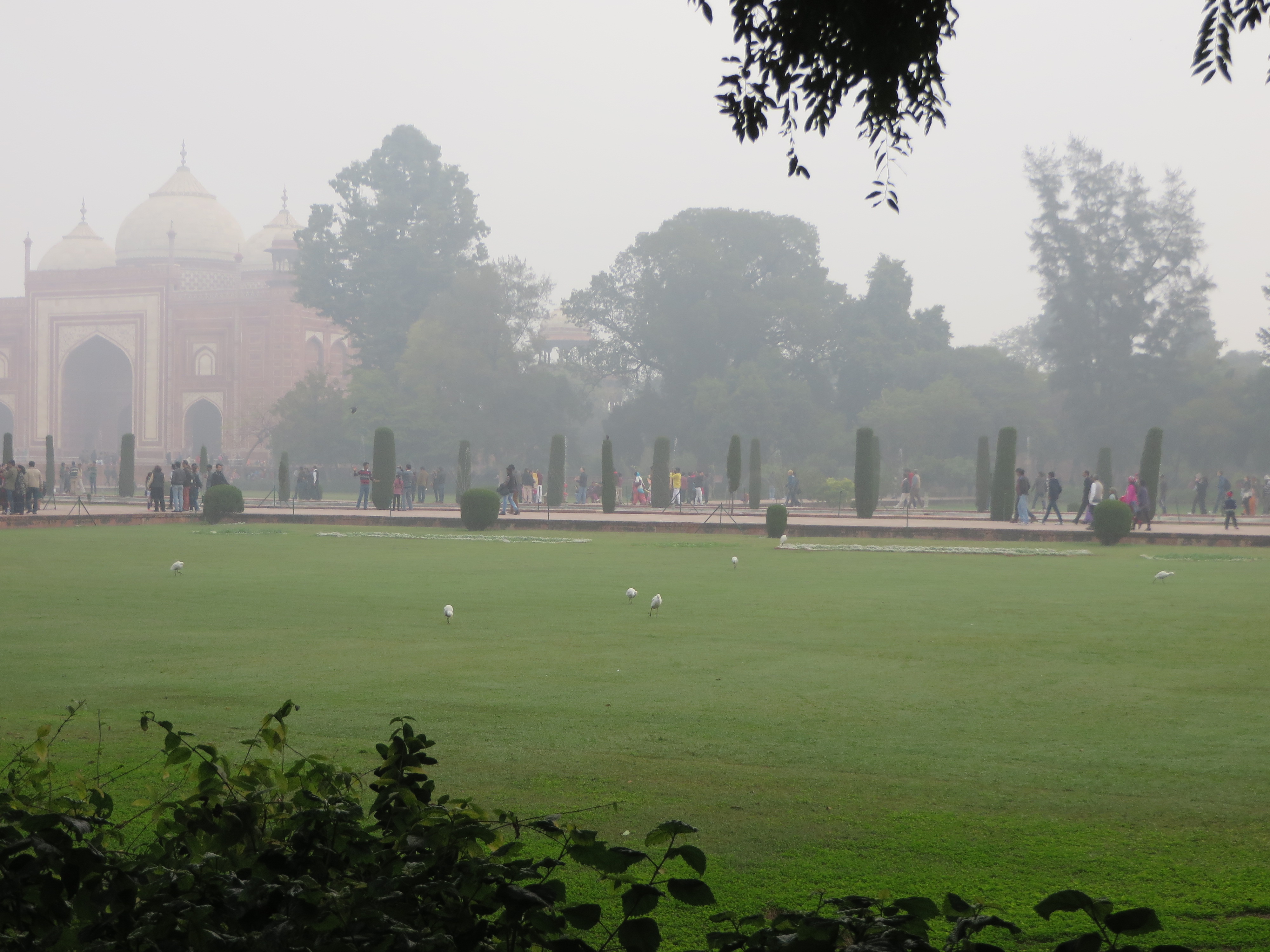
Between the gate and the tomb itself is a garden in four quadrants created in accordance with the Koran’s description of the garden of paradise (the charbagh).  Originally all of the areas you now see covered in lawn in our photos were sunken gardens planted with vineyards, fruit trees and rose gardens. The birds (ring-necked parakeet, common starling, purple sunbird) would have been flying among and on top of the flowering trees in easy view of the strolling Emperor.

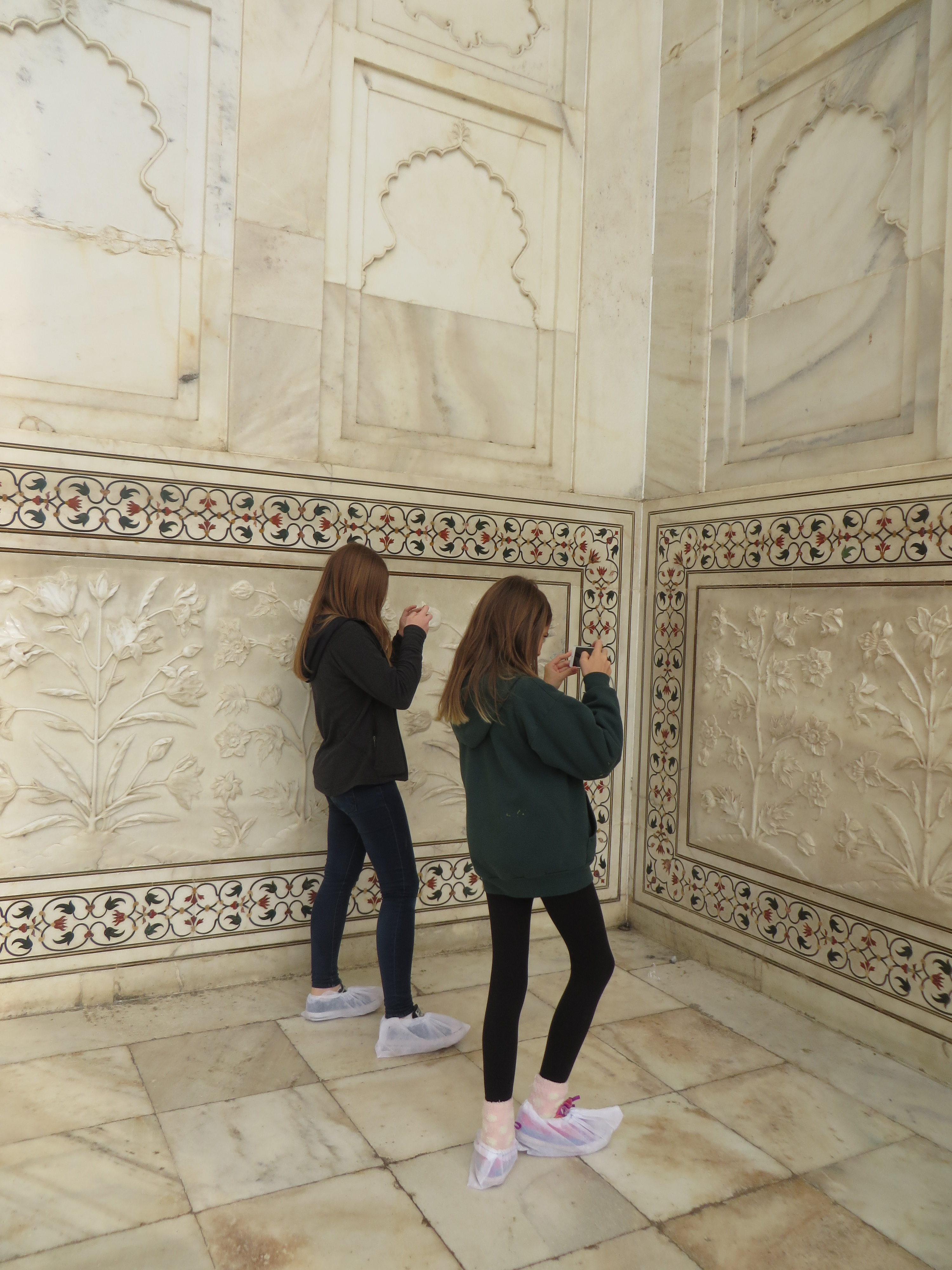
Beyond the garden is the mausoleum itself.  We have photos of its exterior designs which are exquisite but nothing compared to those we saw inside.  Photographs are not permitted inside and it is impossible to appreciate the workmanship unless you see it.  Flowers look to be painted in fine detail on every surface.  But they are not.  They are made up of a combination of precious stones, inlaid perfectly in white translucent marble.  When you hold a flashlight to the marble it glows and the flowers reveal 85 stones in a single lotus flower.  In addition to the inlay work, there are flowers in carved relief and the octagon of marble screens that surround the tomb are carved to be symmetrical both front to back and to its facing panel.  I am too poor a writer to describe it justly.

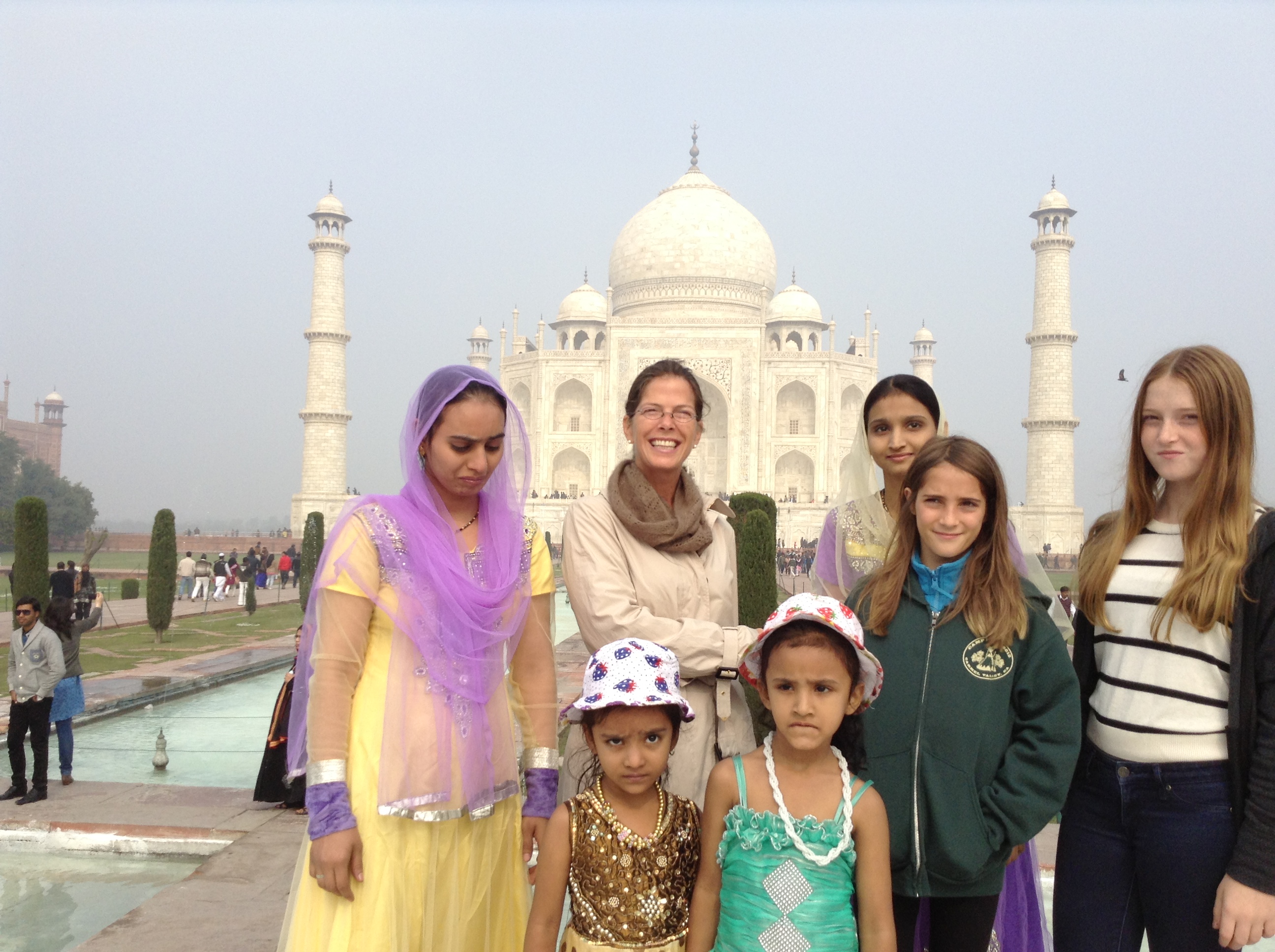
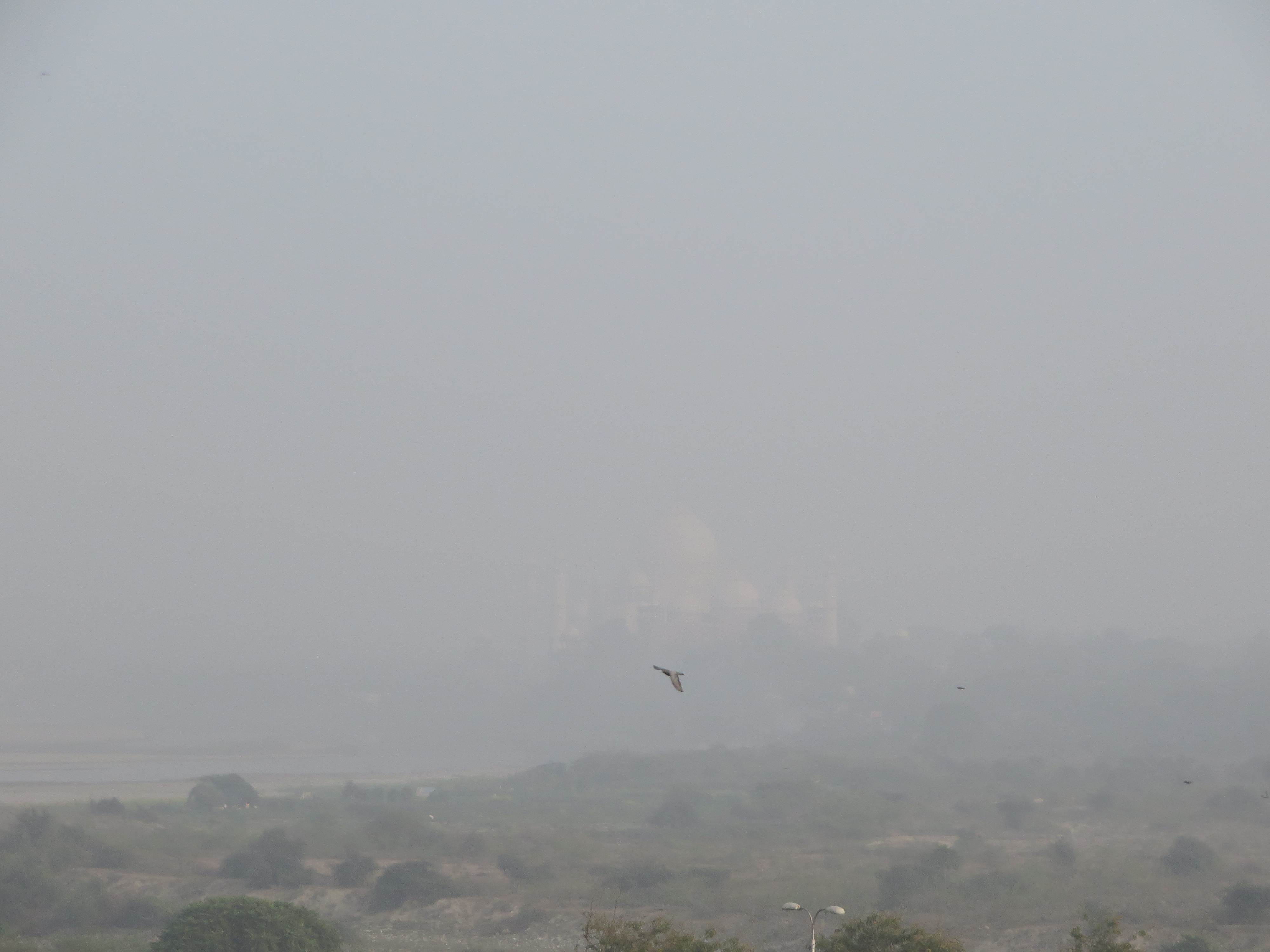
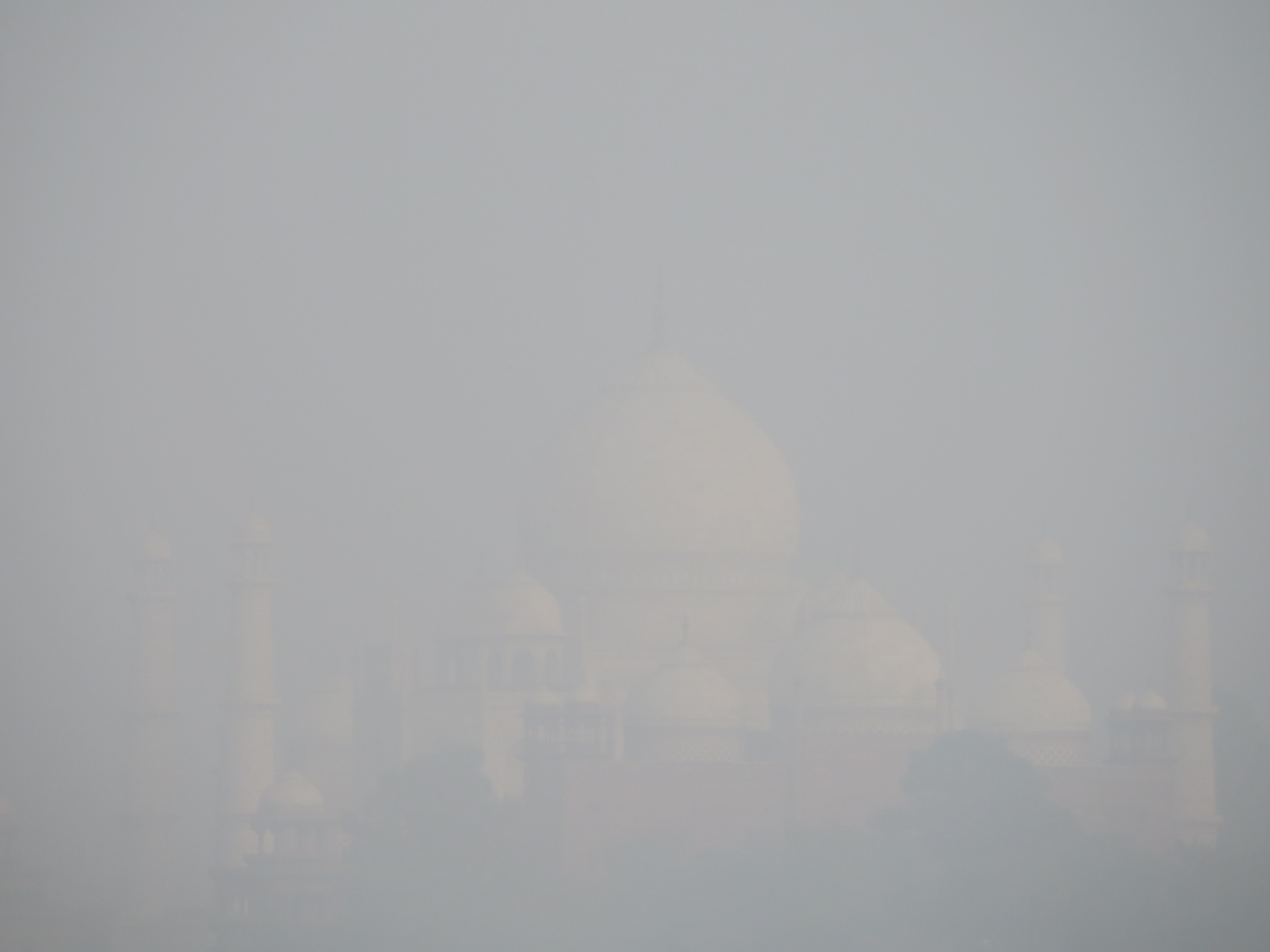
Luckily we had an hour of sun on our walk through the Taj but largely we have spent two days watching her appear and then disappear into the fog.    As we leave this morning she is again eluding our lenses; but not our memory.

*About that asterisk.  As built, the Taj is perfectly symmetrical.  And from the outside it still is.  However, when Shah Jahan died, he was placed inside next to his beloved wife.  His tomb is larger and higher than hers.  Also, our guide tells us that contrary to what we read in tour books, the Taj was completed in 18, not 22 years.  A lovely man with a PhD trumps Lonely Planet. (Thank you Leonard R for introducing us.)

2014-01-05 16.18.58 2014-01-05 16.20.40  2014-01-05 16.48.52 2014-01-05 16.48.42 2014-01-05 16.55.03 2014-01-05 17.14.41 2014-01-05 16.57.15 2014-01-05 11.40.18 2014-01-05 11.35.10

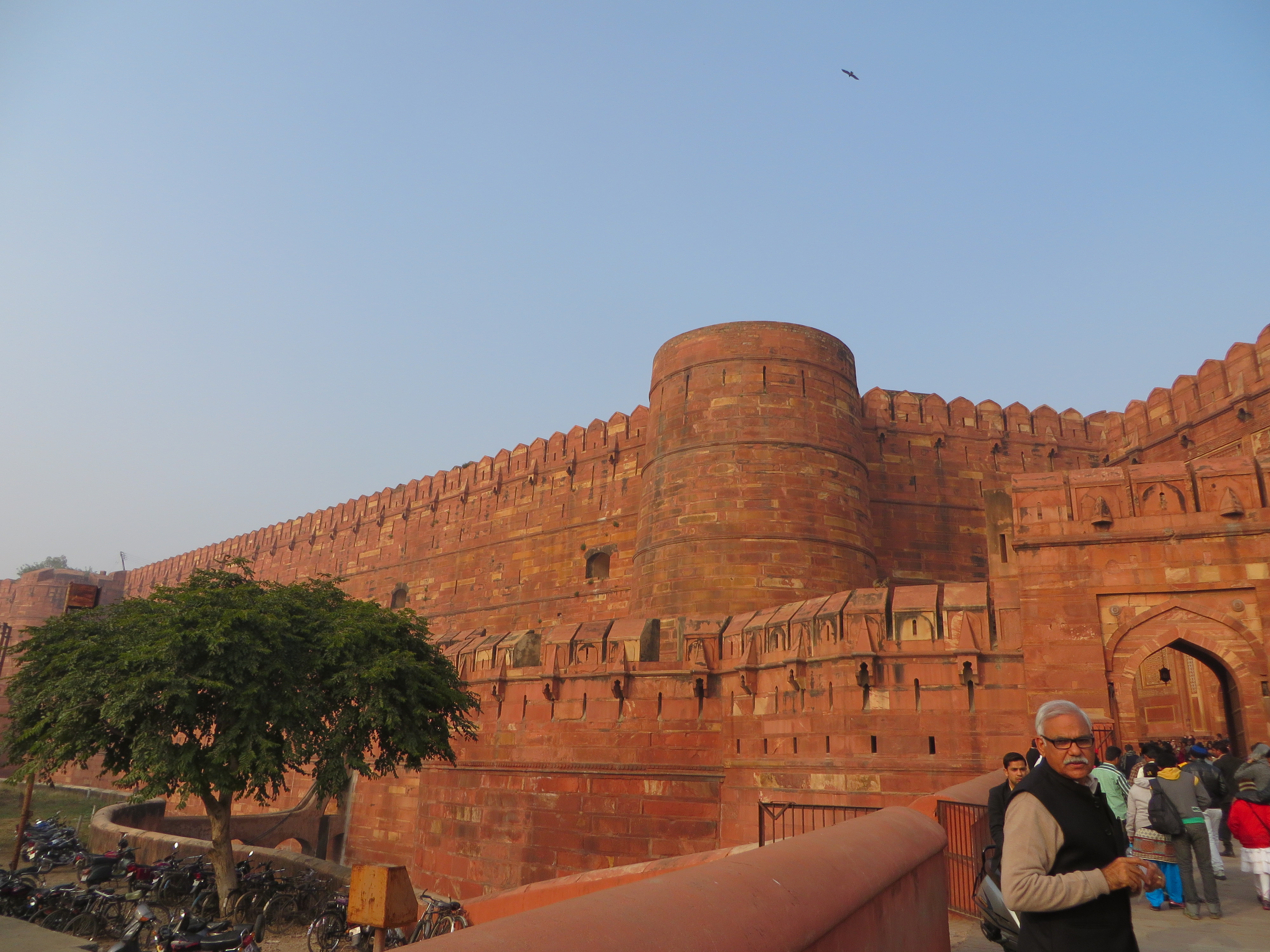
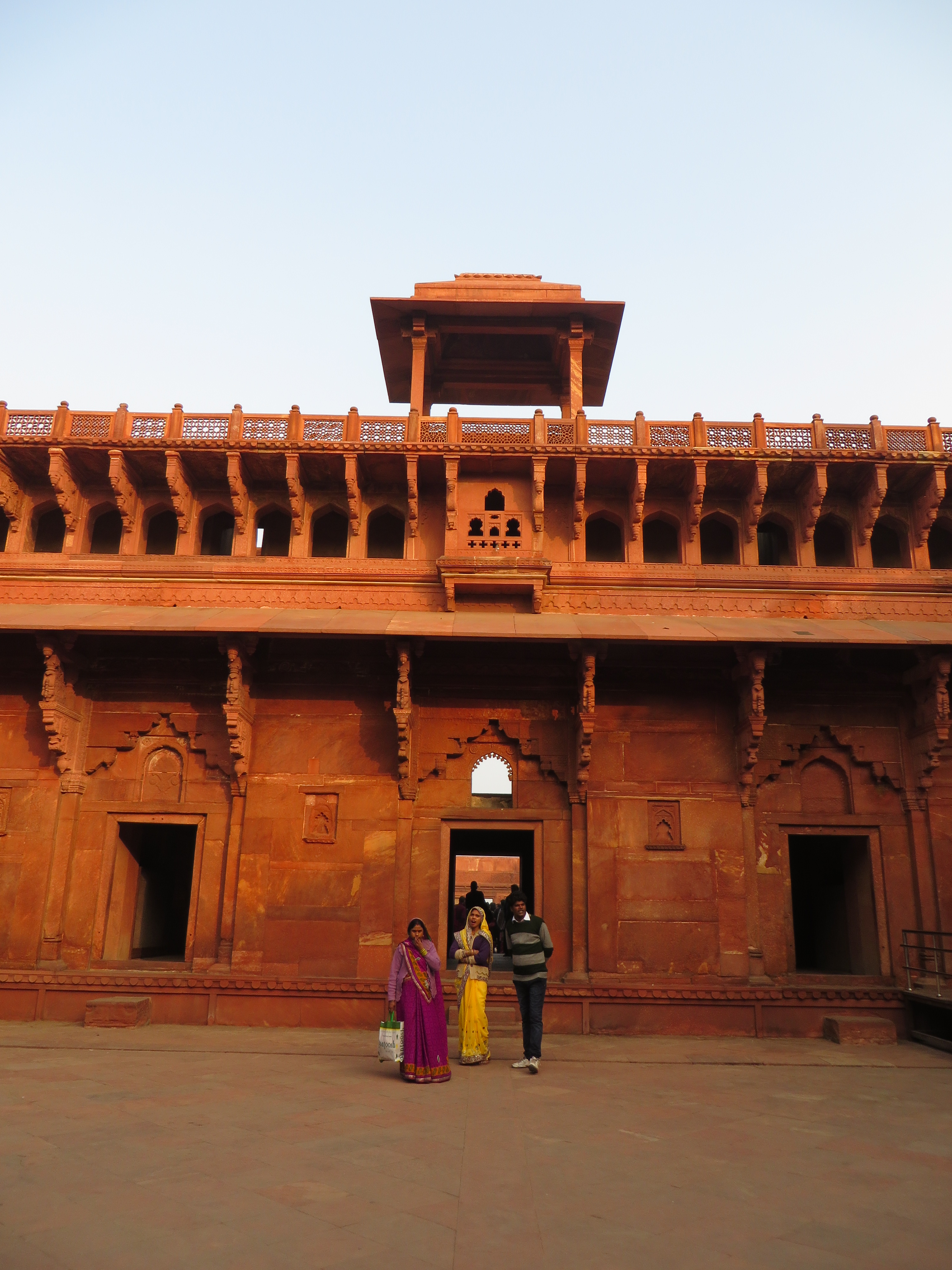
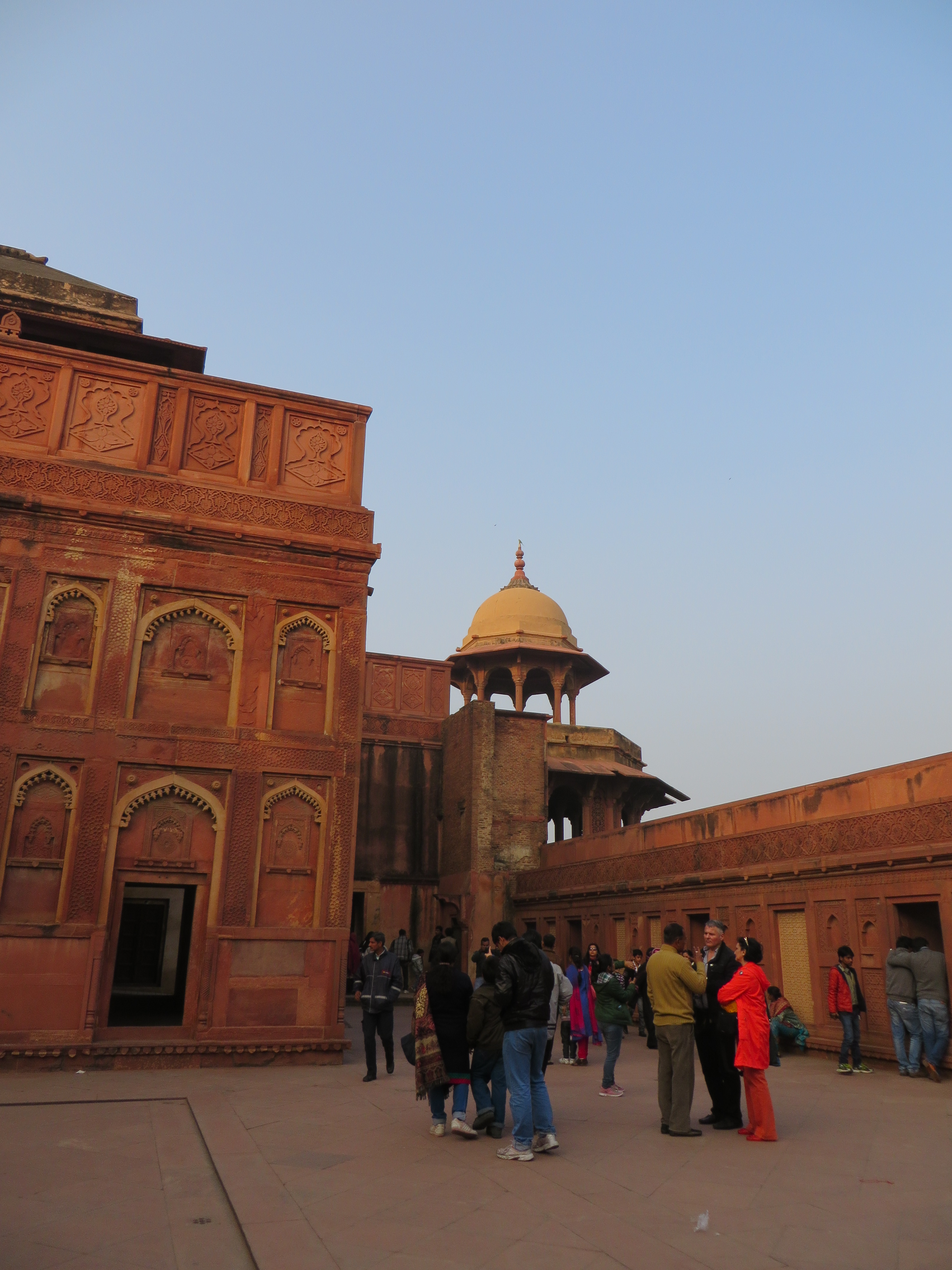
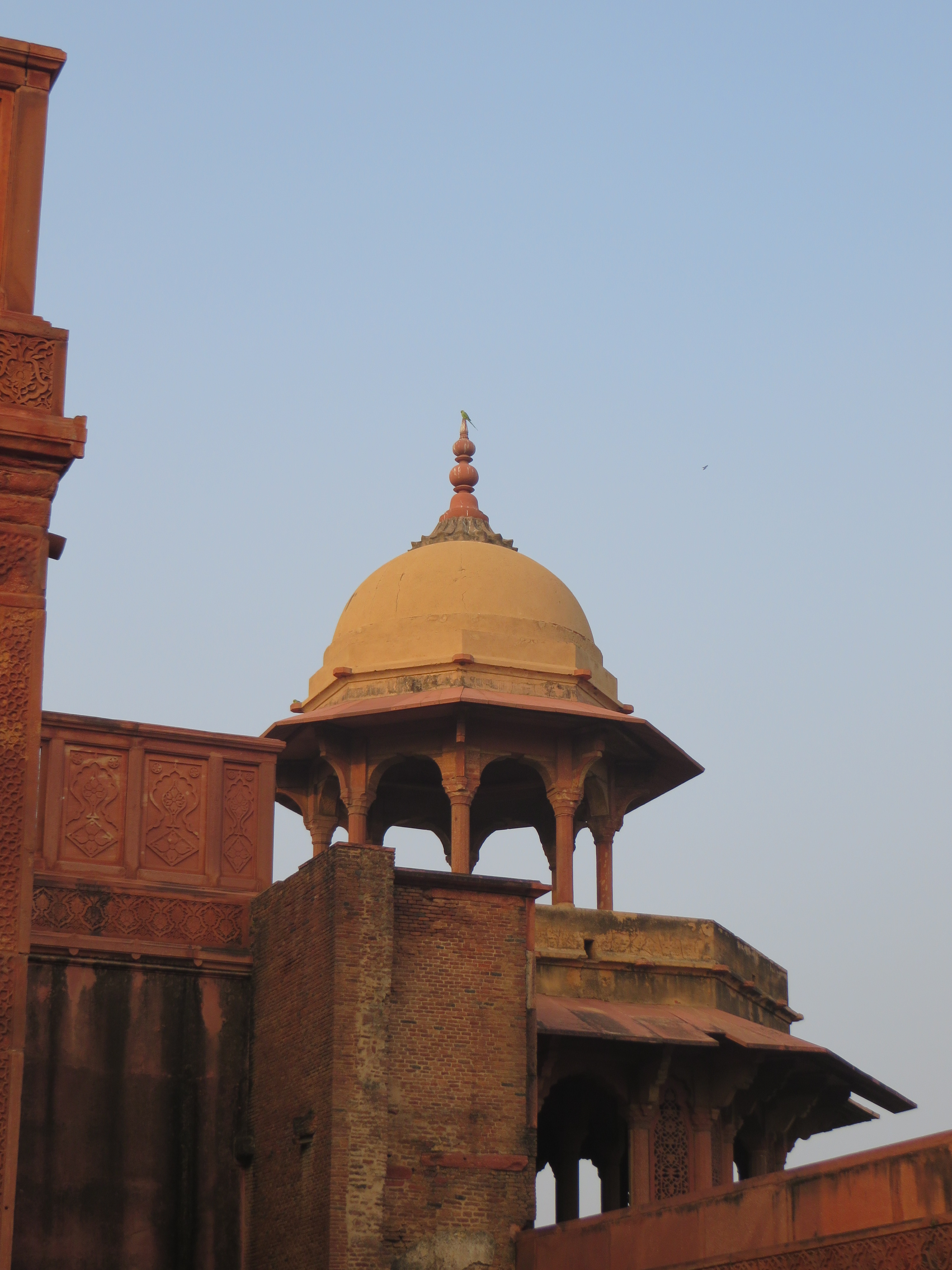
Agra Fort

2014-01-05 21.08.45 2014-01-05 21.18.062014-01-05 21.34.56 2014-01-05 21.32.42

2014-01-05 21.43.28  2014-01-05 21.43.32

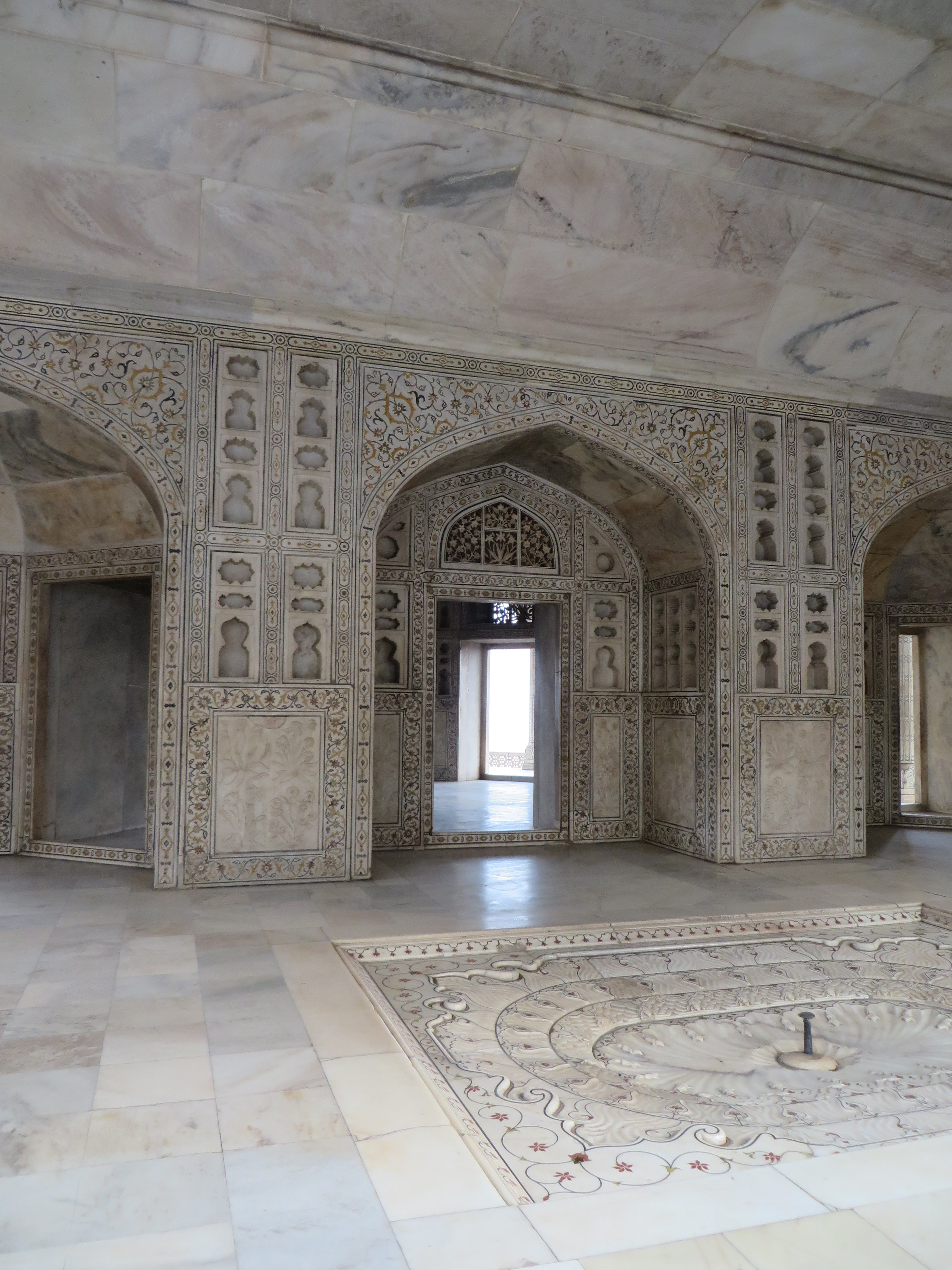
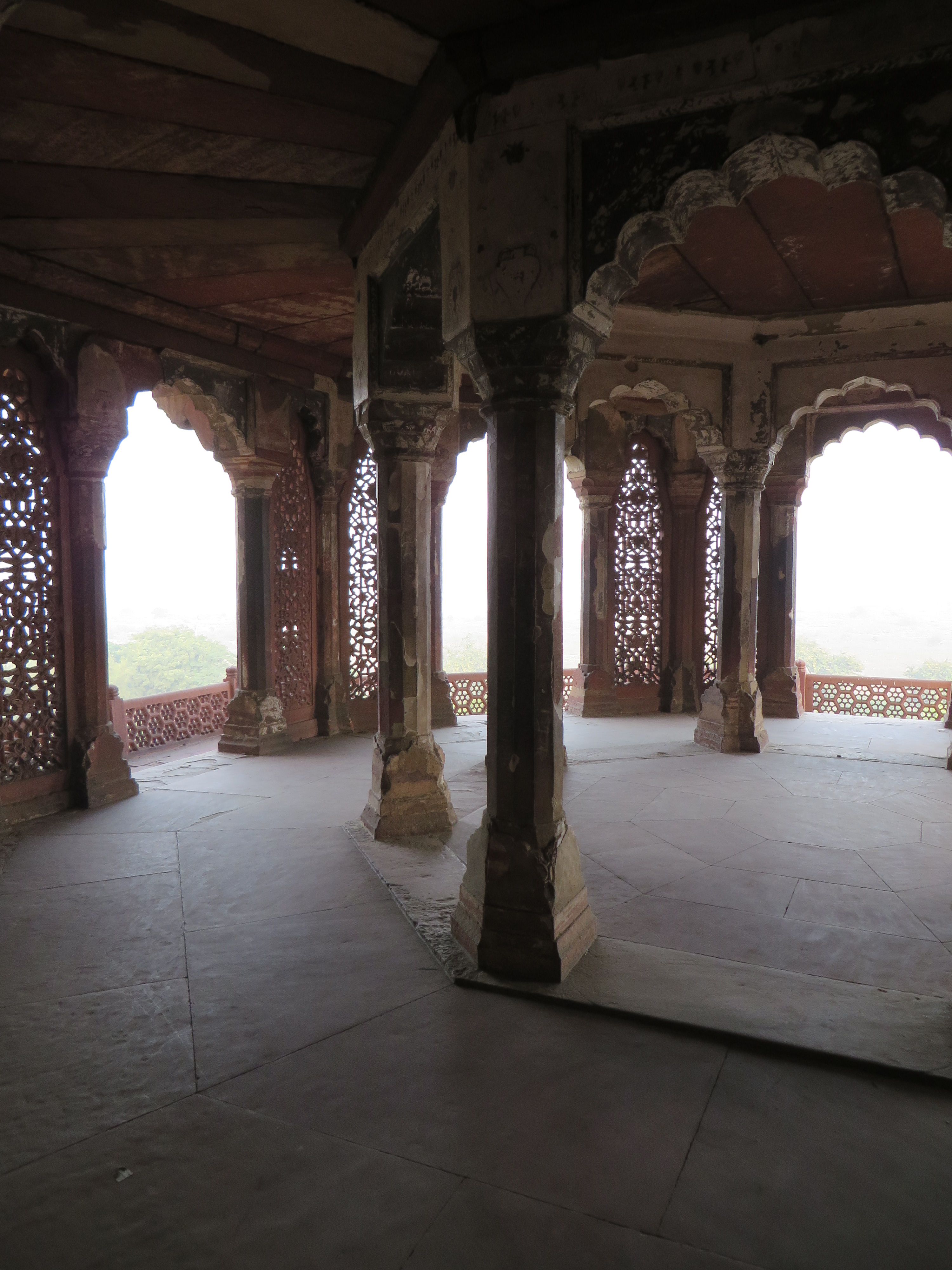
Shah Jahan’s Chambers during Confinement and his view to the Taj Mahal

2014-01-05 21.55.02 2014-01-05 21.45.15

2014-01-05 21.26.45 2014-01-05 21.26.39

Standard

Delhi to Agra From the Back Seat

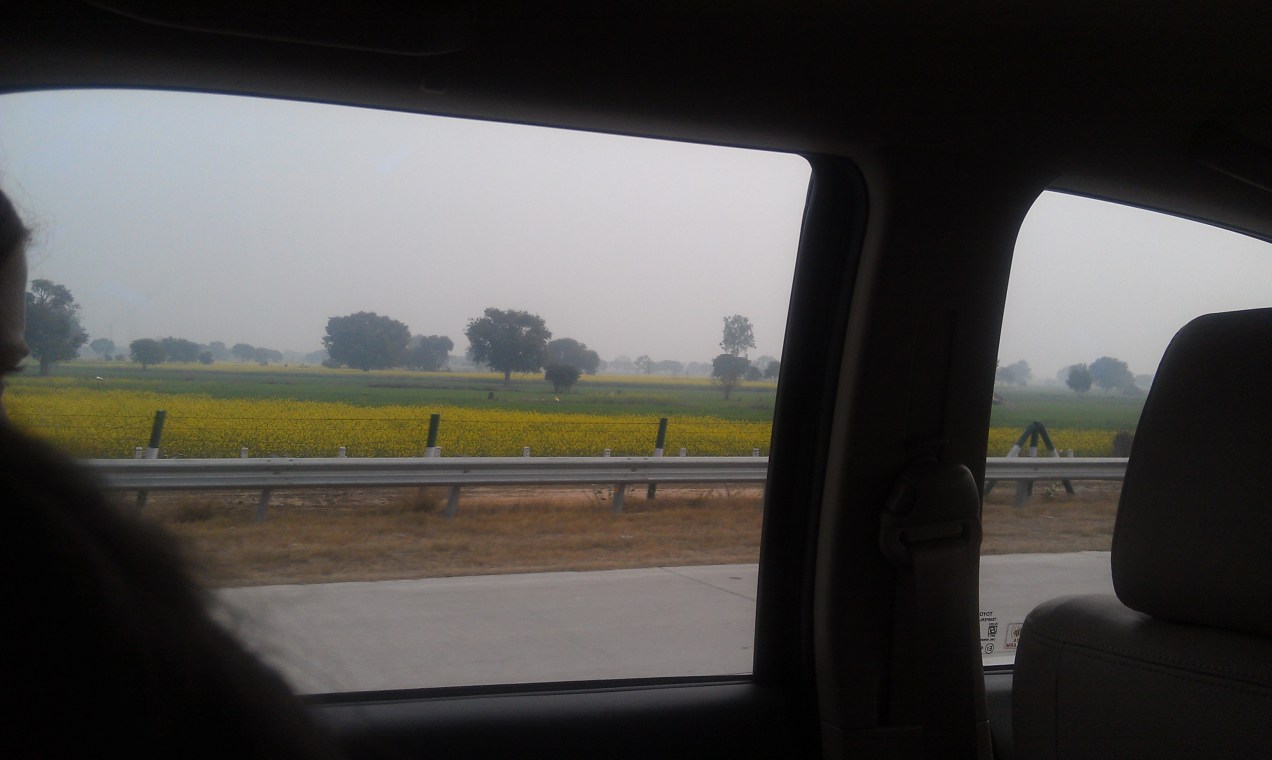
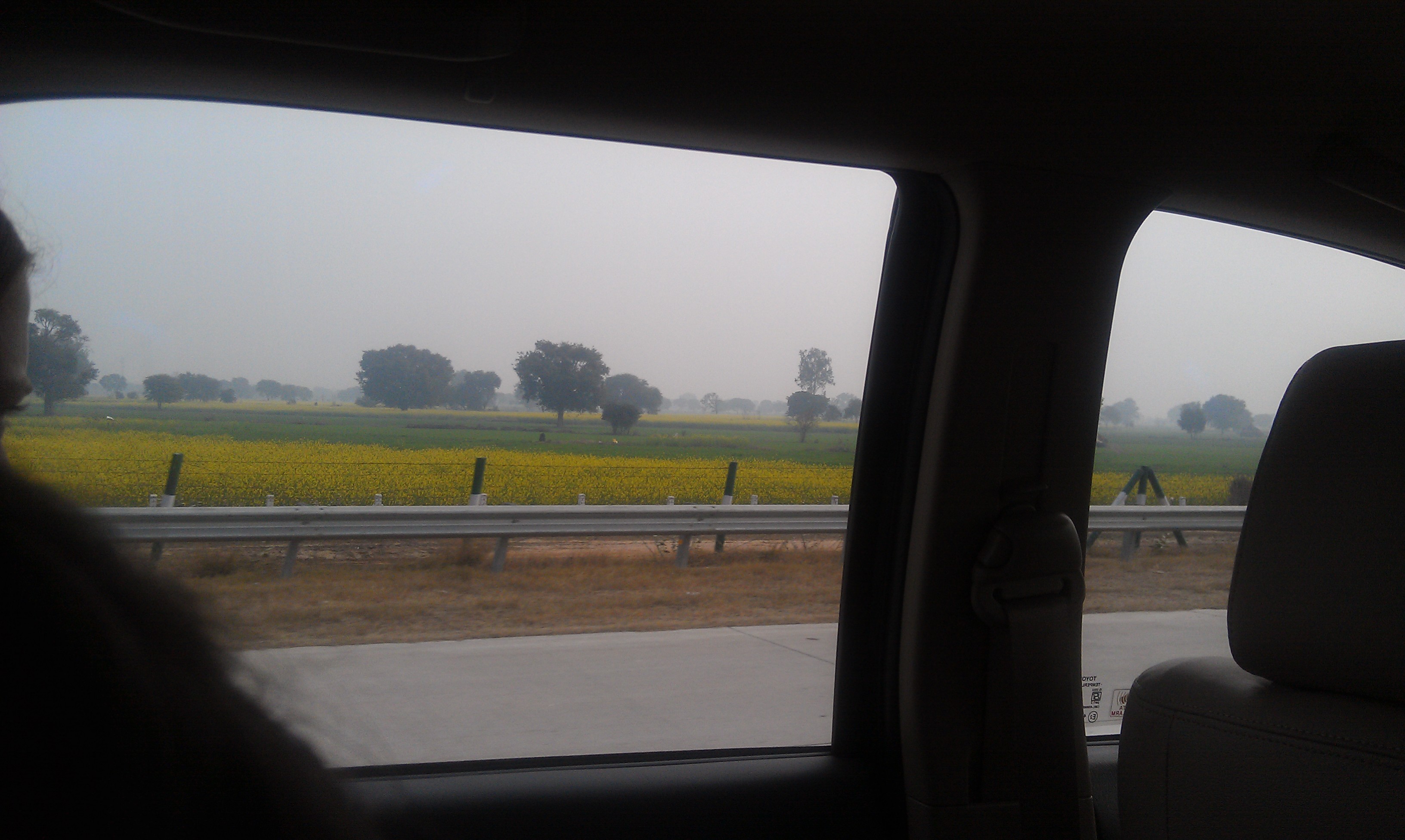
We have a three hour drive so I’m going to write what I see and bring you along for the ride.

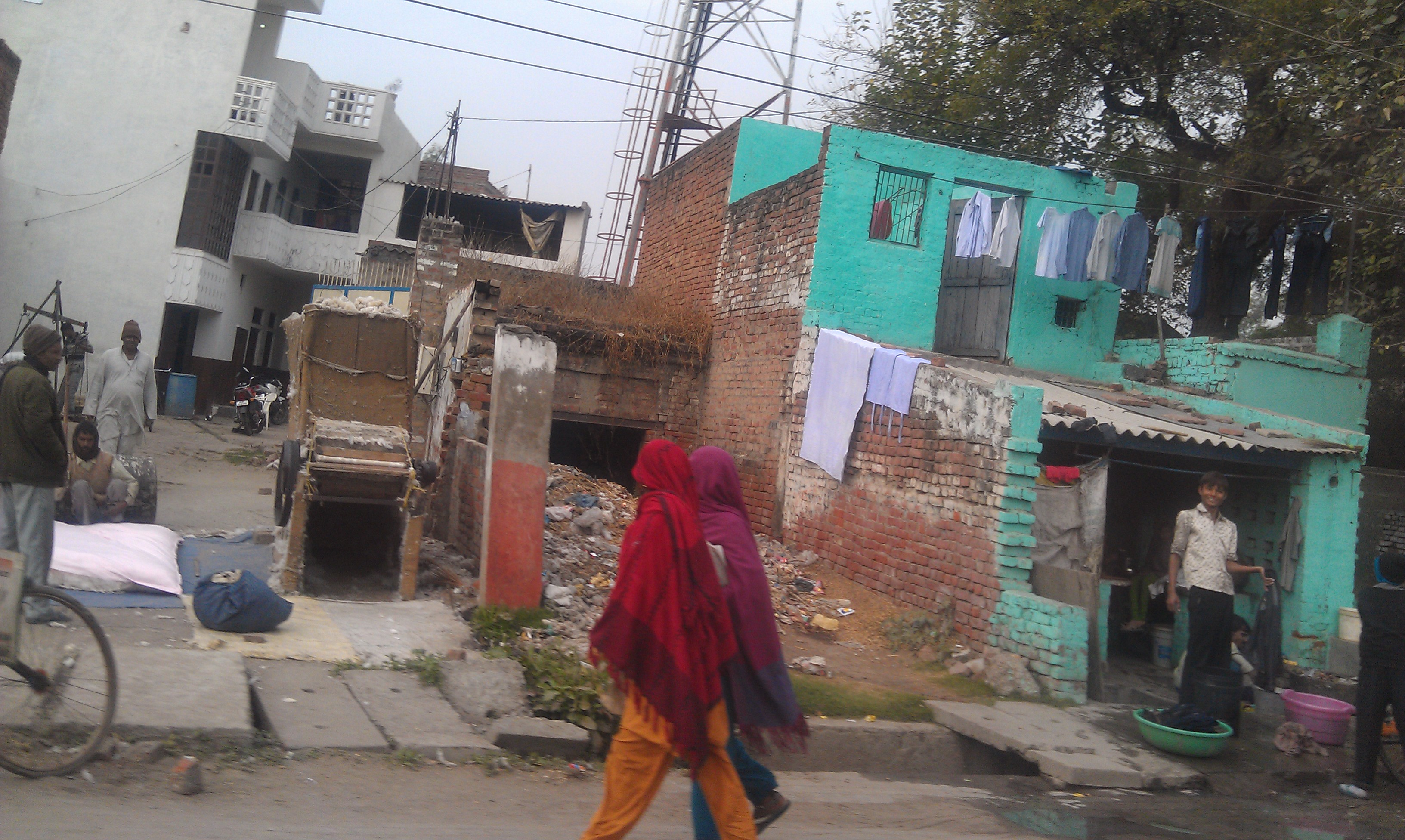
We are leaving Delhi, and its pockets of absolute poverty, behind.  Destination,  Agra and the famous Taj Majal.  For several km along the newly built expressway, we see that the outskirts of Delhi are being developed with technology companies (Samsung) and back offices (MetLife).  Apartment complexes are being constructed across the road – not unlike those we saw rising in China but about a third smaller and from an untrained eye, not nearly as well built.

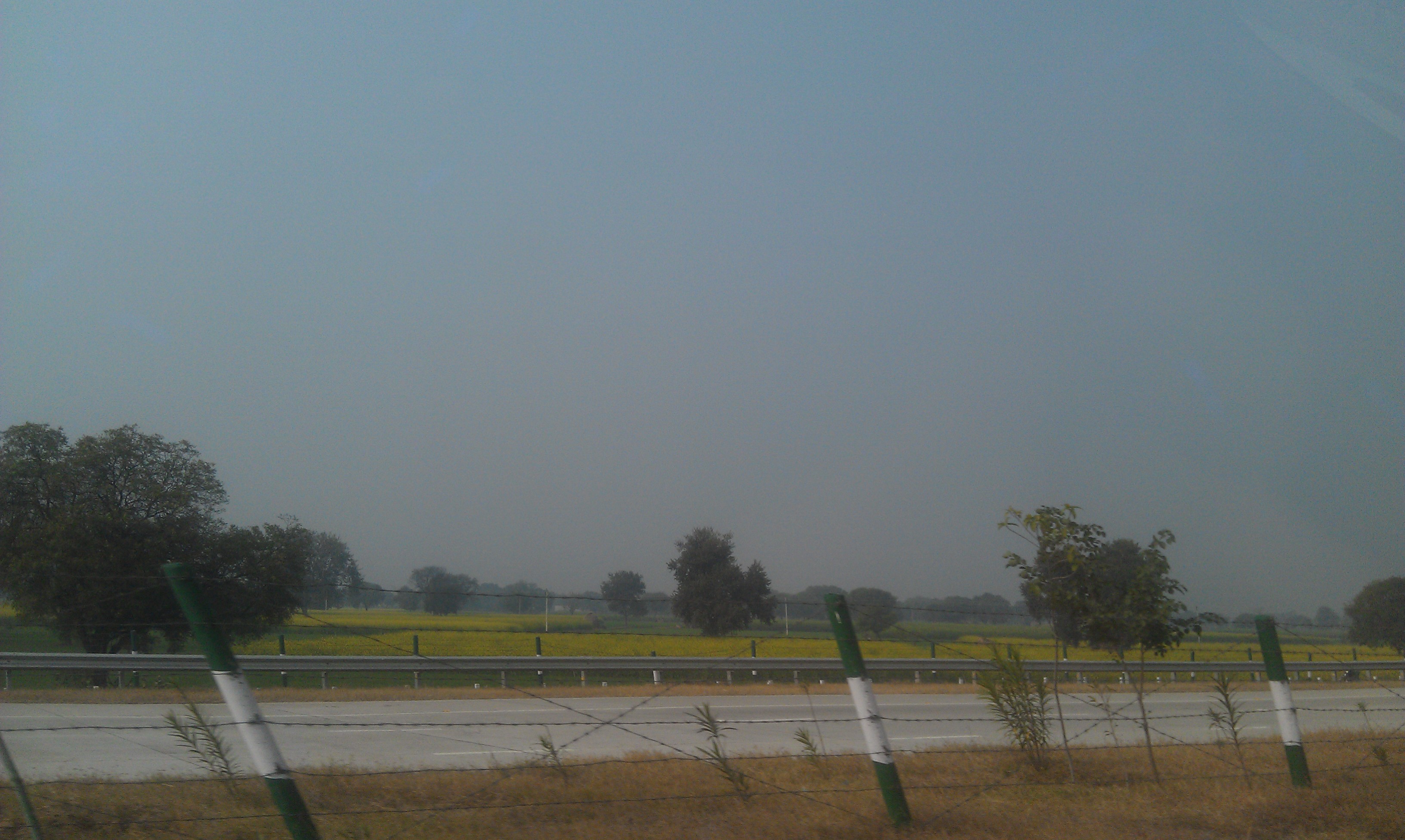
Eventually this gives way to fields of mustard that stretch for miles; huts of straw house farmer and family;  piles of brick are laid beside the road and farmers seem to be working together to build a more solid structure for themselves and their neighbors.  Some fields are cleared and boys play cricket with crude bats and stumps.  It is Saturday and school resumes on Sunday for those fortunate enough to have one; otherwise, the kids will help in the fields.  Our driver was a villager.  He explains that life was very hard in the villages compared to Delhi.

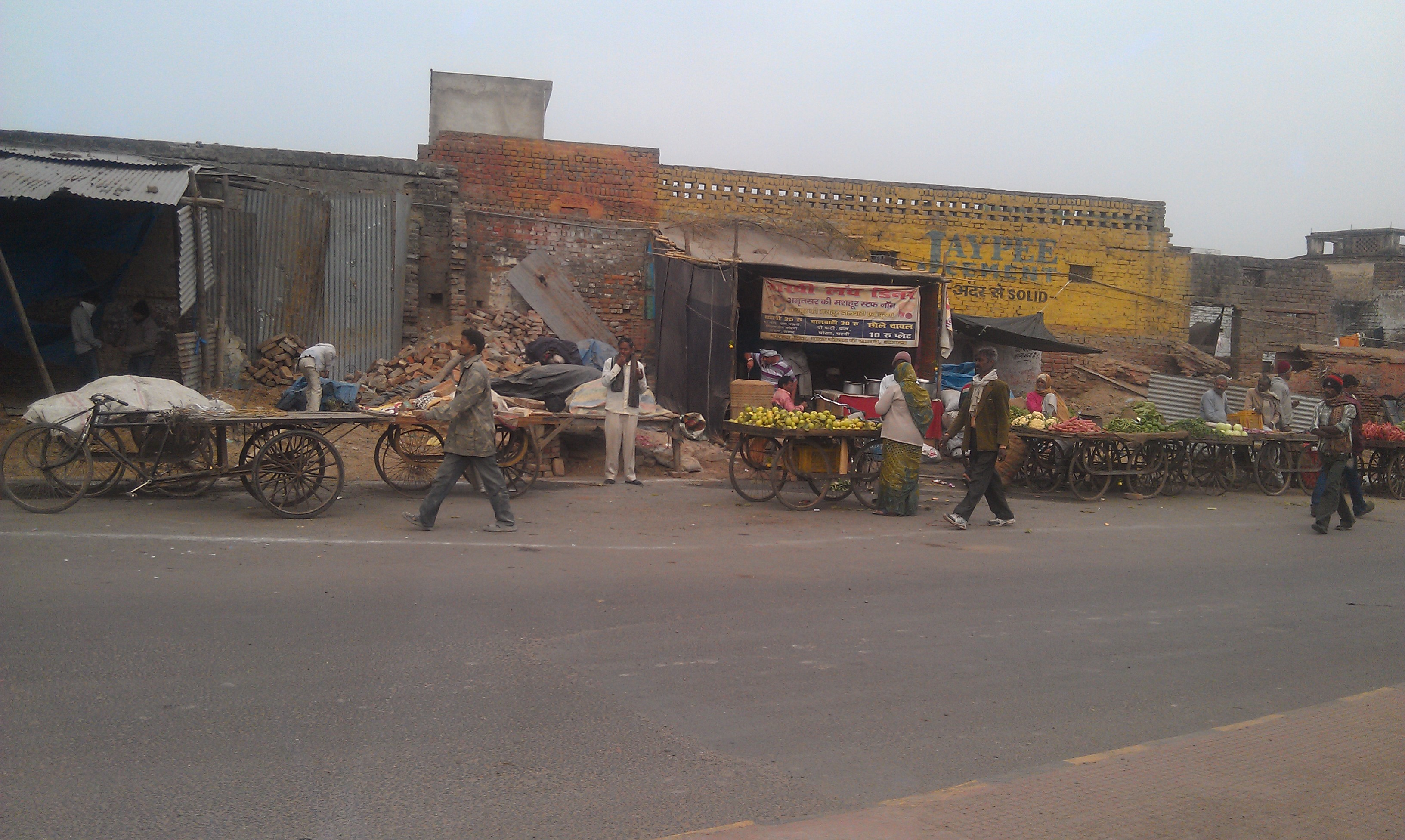
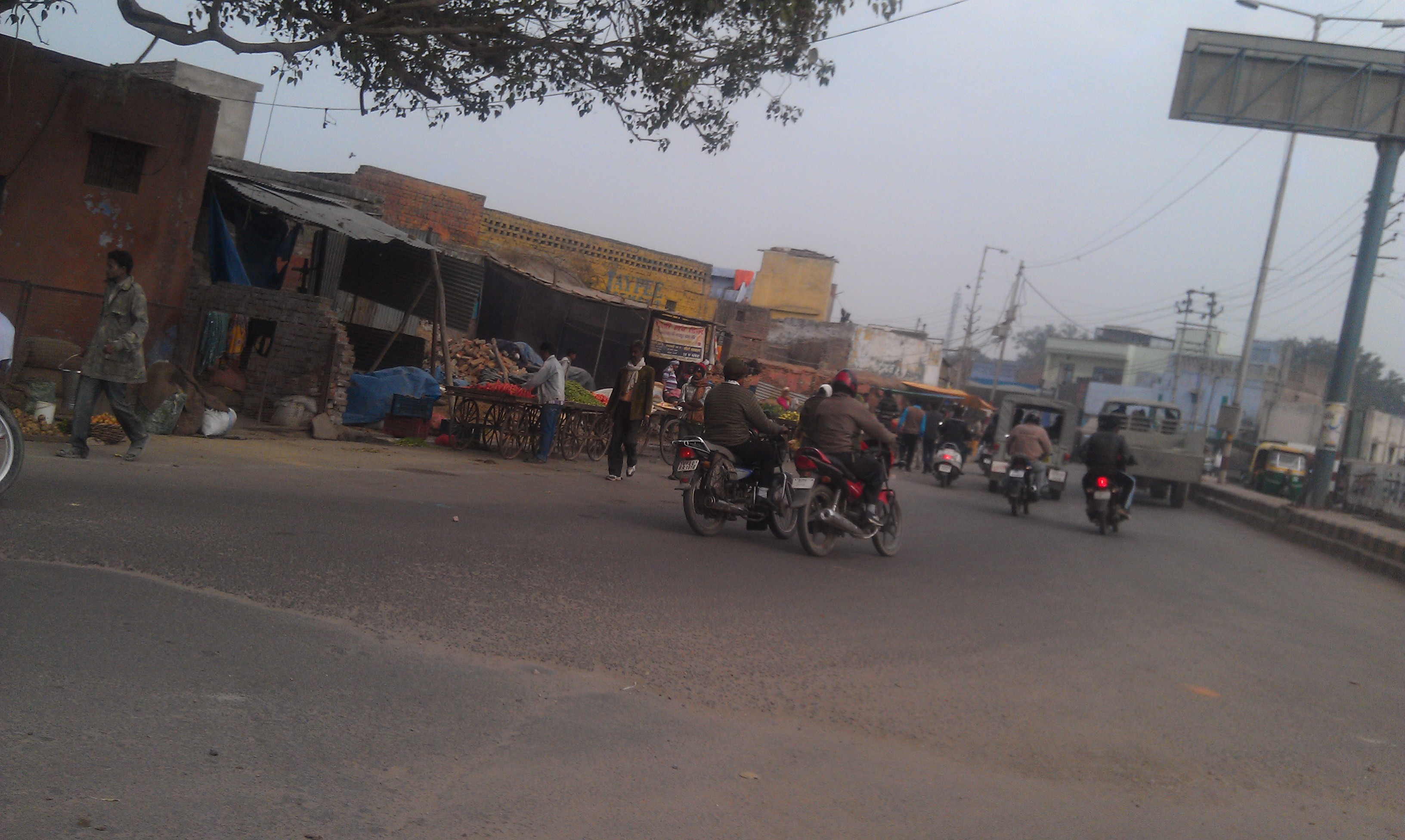
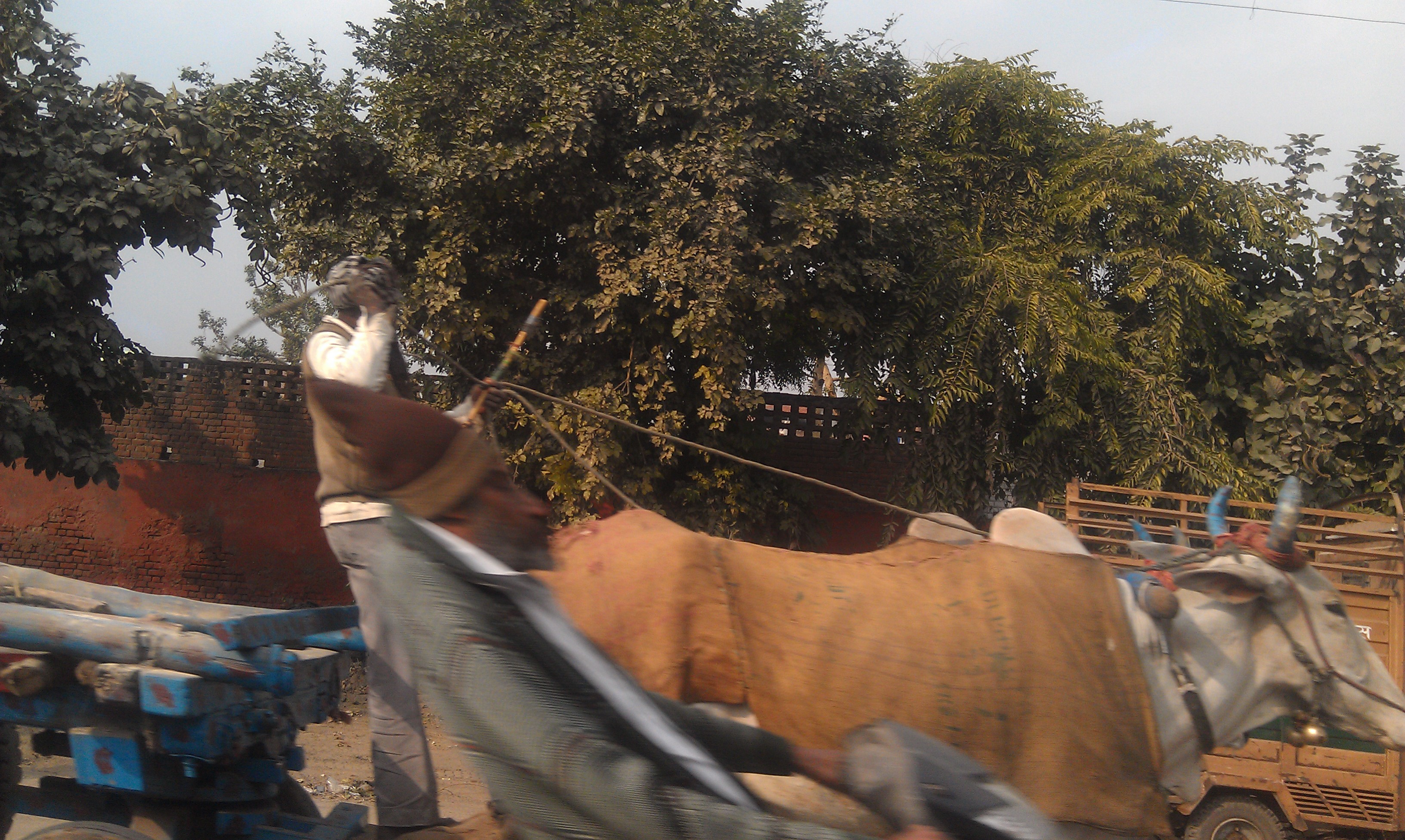
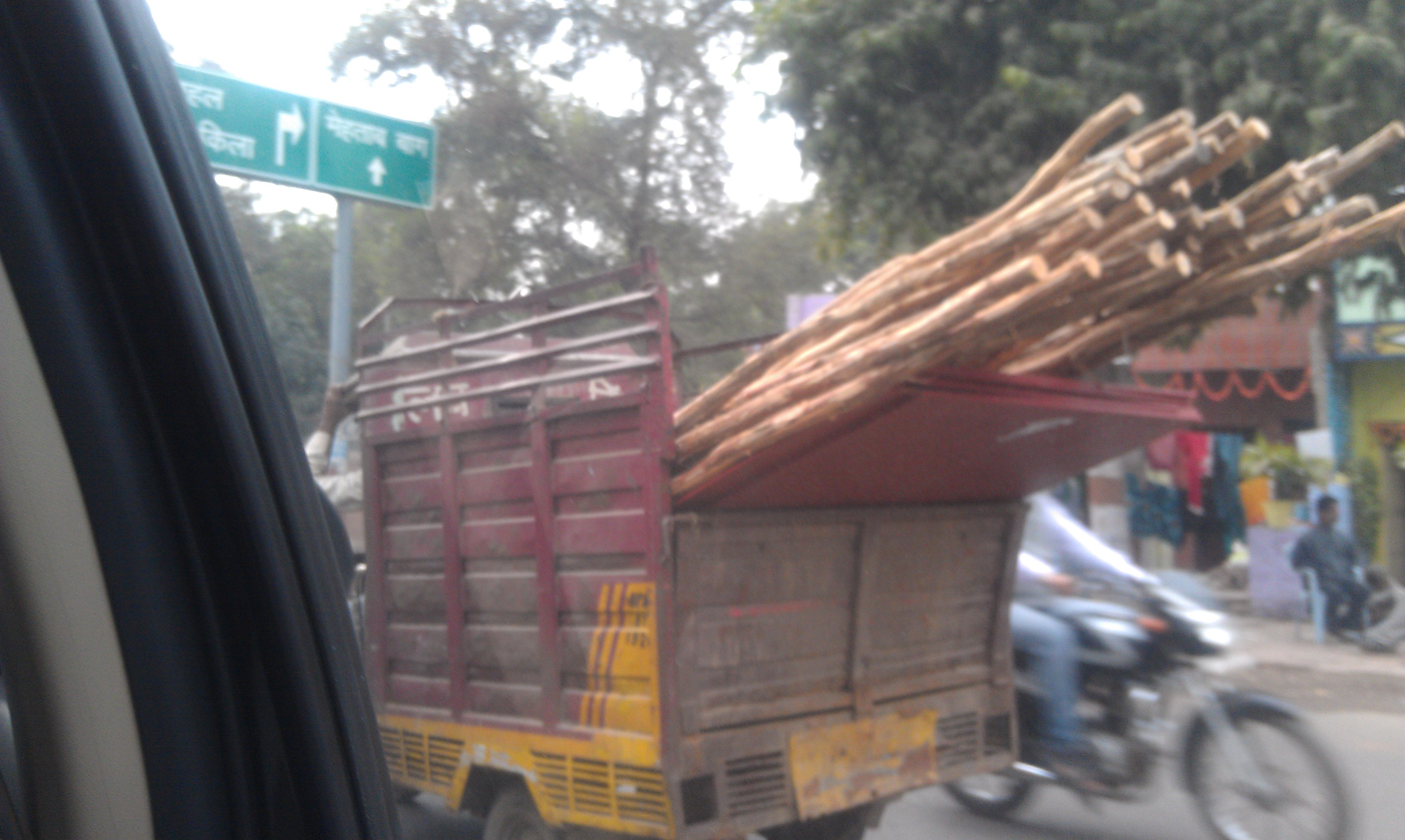
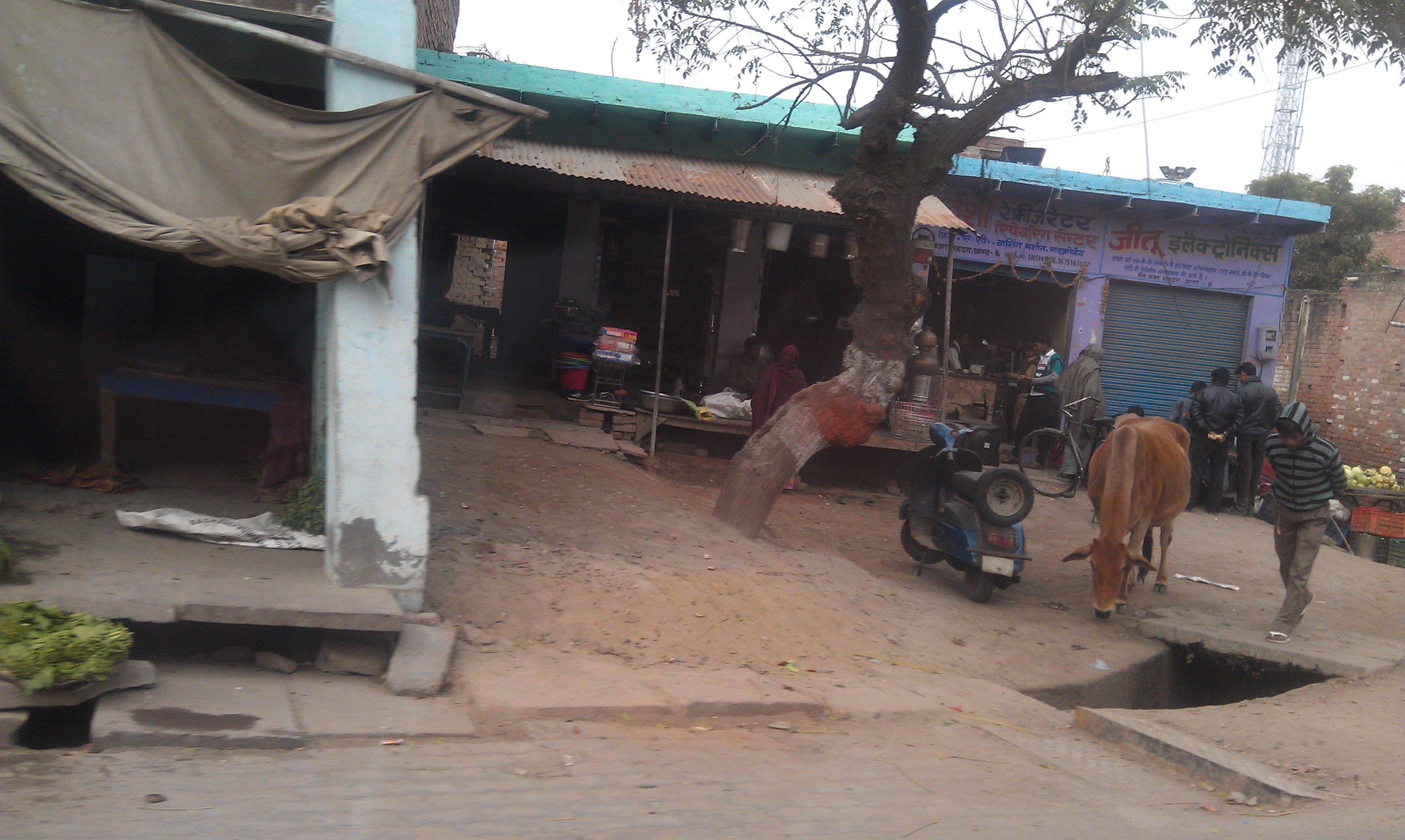
The expressway ends as we get close to Agra – the final stretch is to be finished in a year or so – and we find ourselves now on the more commonly depicted local road.  In order of appearance, no repeats:  rickshaws jammed with 6 adults and three children, cows, pedestrians, local busses, pigs, dogs, goats, children, small cars, a horse drawn buggy, white cows pulling carts…. all sharing with our driver a road wide enough for three cars.   I would say a three lane road but there are no lines painted; in fact, it’s only partly paved in places.

Once in town, there are small shops and three-walled homes lining the roads.  Fruit and veg carts; some covered with a cloth but most not.  Metal being pounded to make it useful for something, anything.  The family cow is chained to a peg nearby.

The town of Agra has a new section as well.  A KFC and McDonalds; two level concrete structures with craft shops, ATMs and Vodaphone stalls.  We get our first glimpse of the Taj Mahal and turn into our rather luxurious hotel.  The contrast with the outskirts of town is overwhelming.

photo-Delhi to Agra IMAG0897 IMAG0898 IMAG0899 IMAG0904 IMAG0905 IMAG0902 IMAG0903 IMAG0906 IMAG0901 IMAG0900 photo-Delhi to Agra Oberoi

Standard