Brussels & Bruges

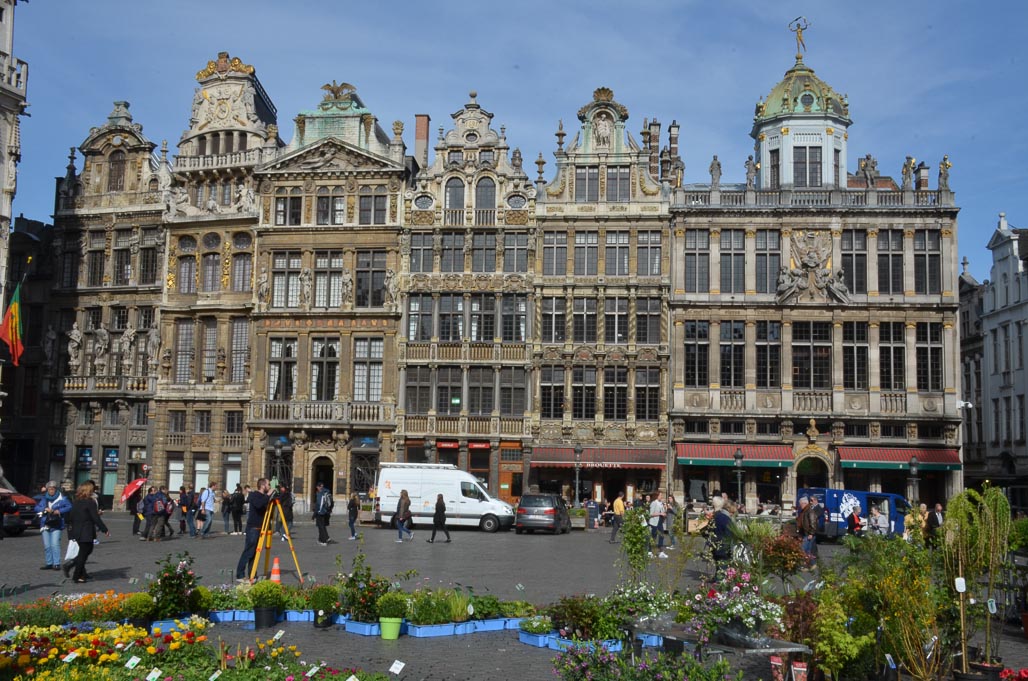
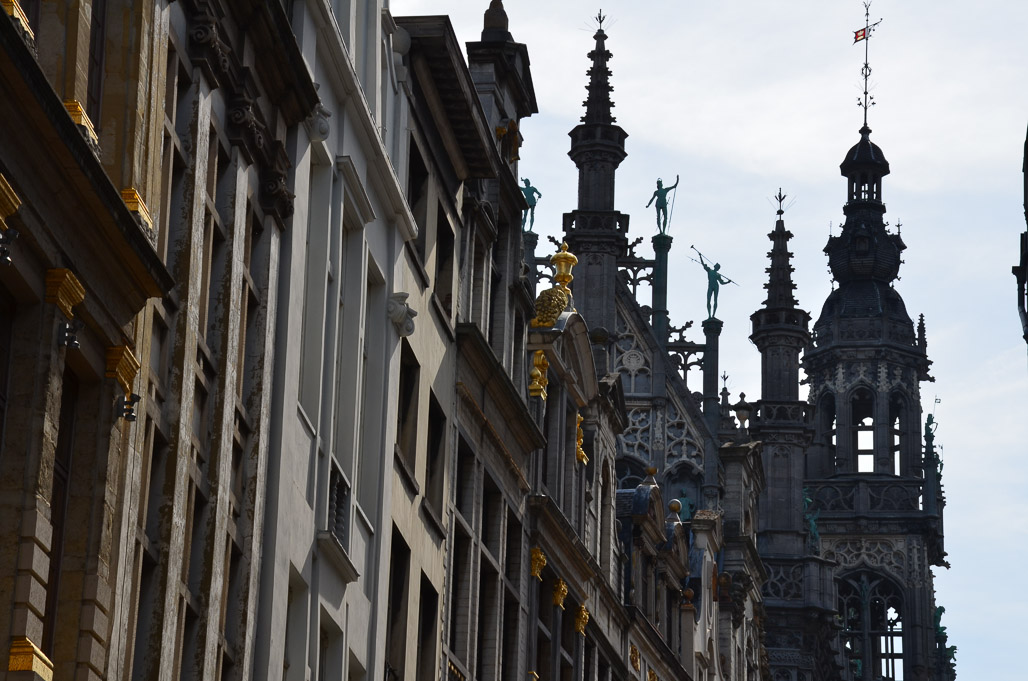
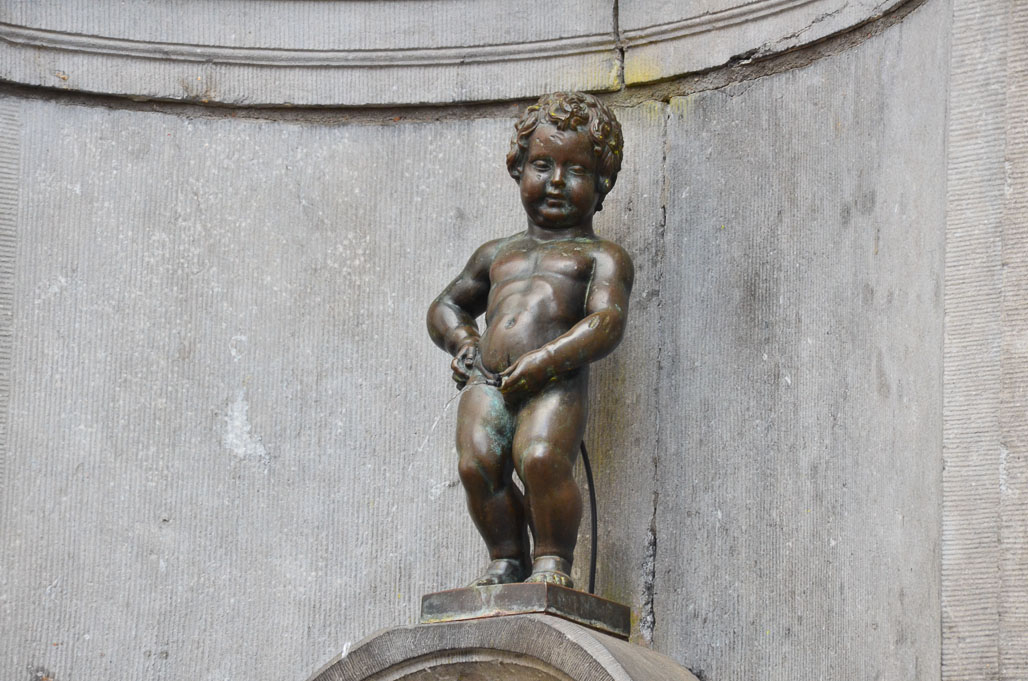
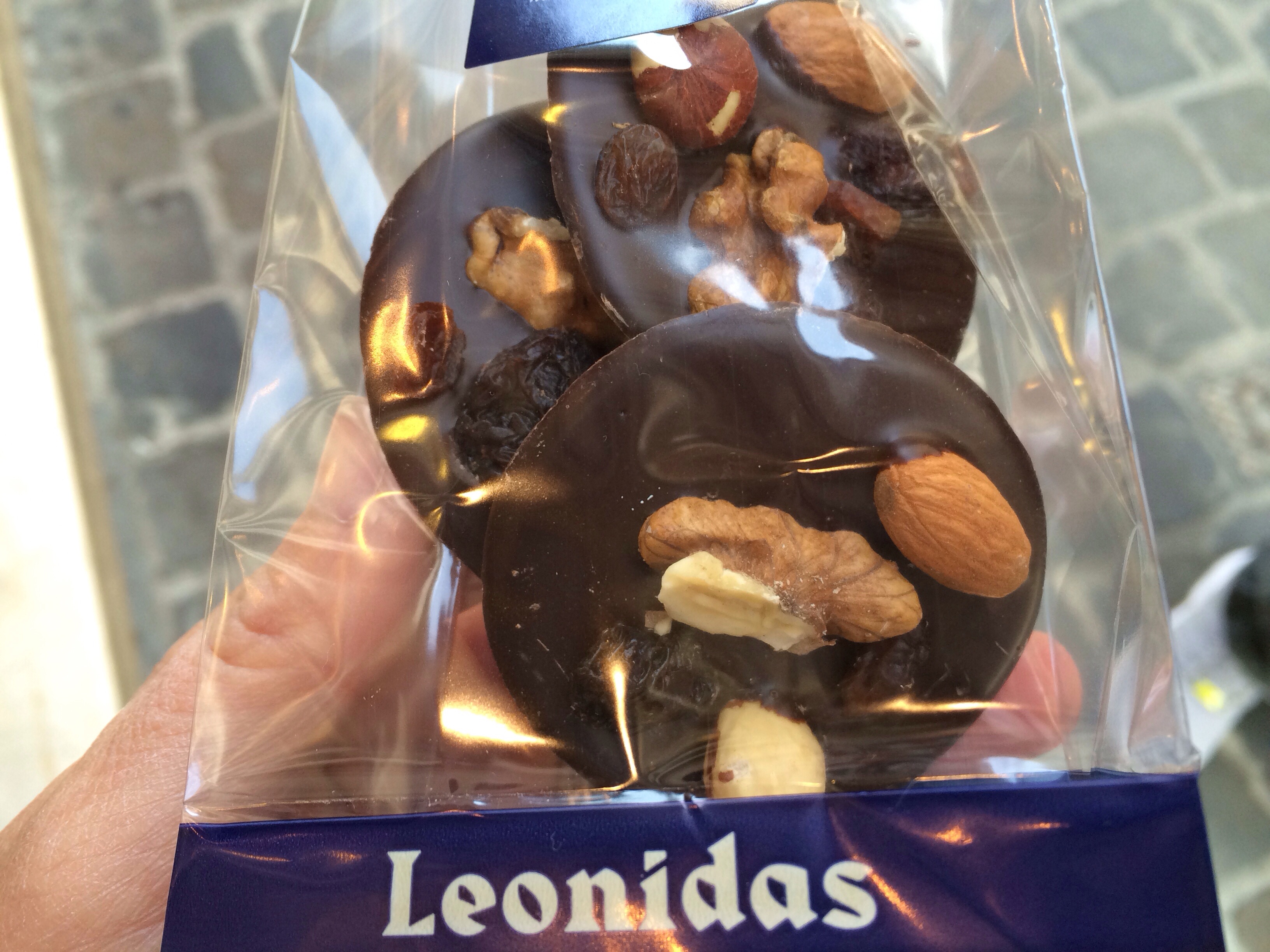
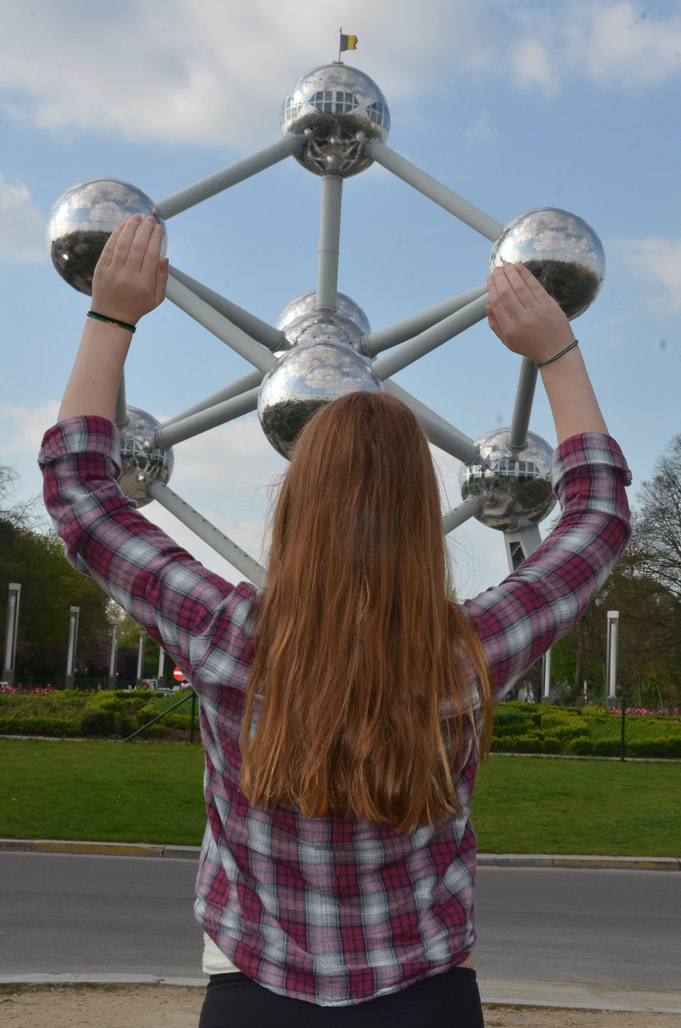
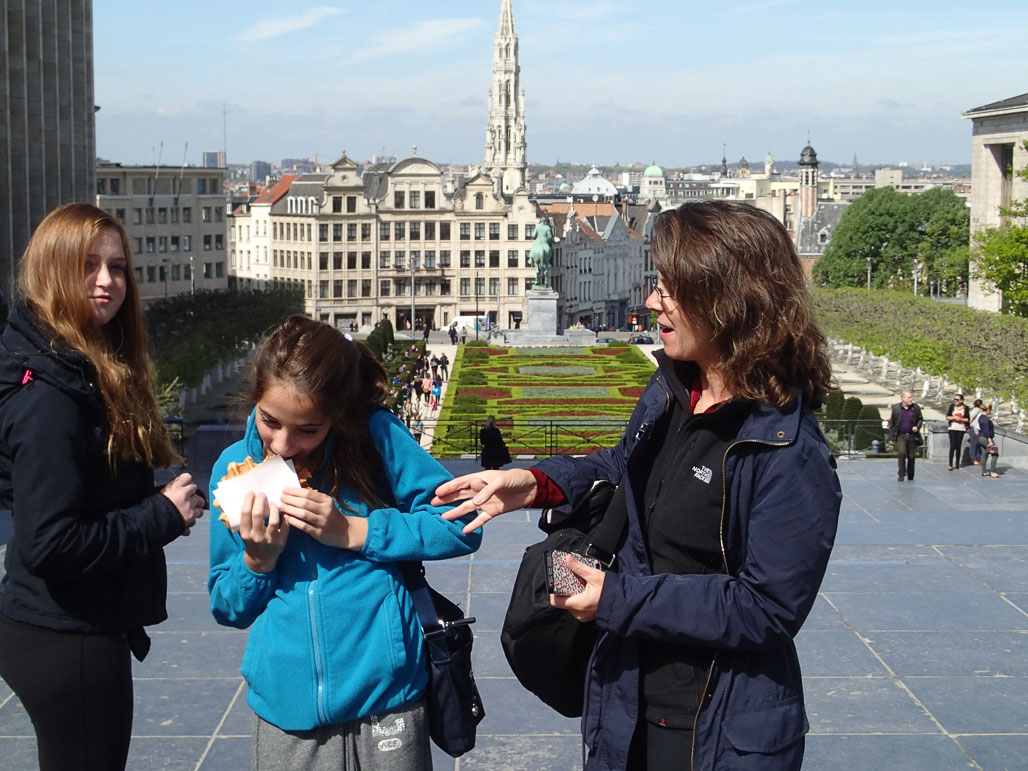
We have some photos but not much to say about our short visit to Belgium. We visited Brussels for two days to see the Grand Place (buildings date from 1697) and the Magritte Museum, take a picture with the Atomium, and sample the waffles, chocolates and beer. Best waffles came from the food truck, chocolates from Neuhaus. Andy tasted several beers – Delirium stood out. The beers are really good; though I still prefer wine.

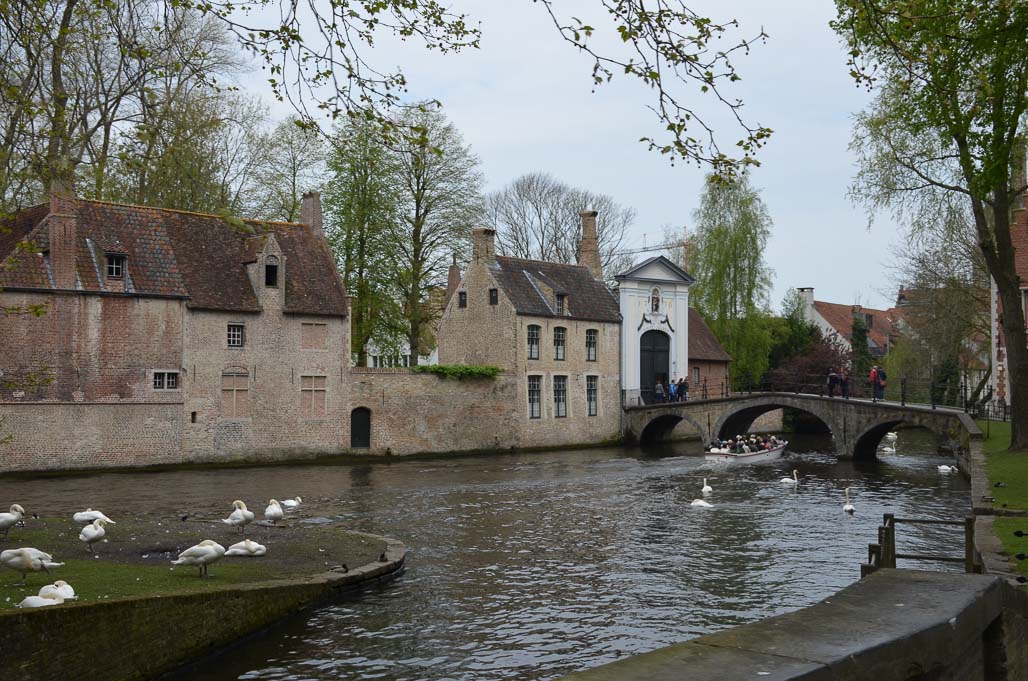
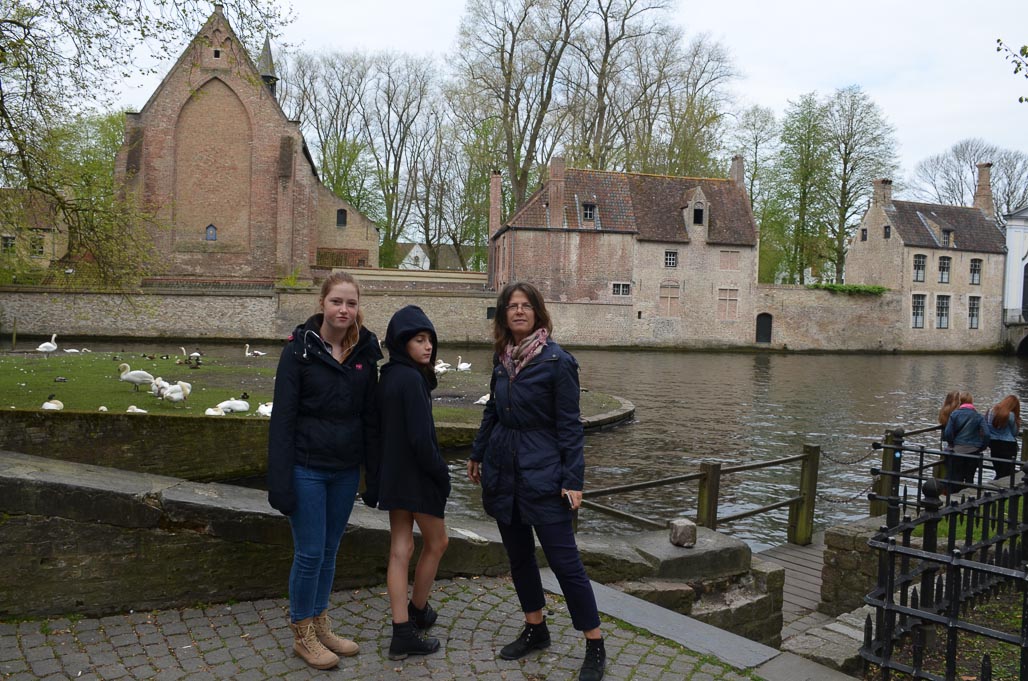
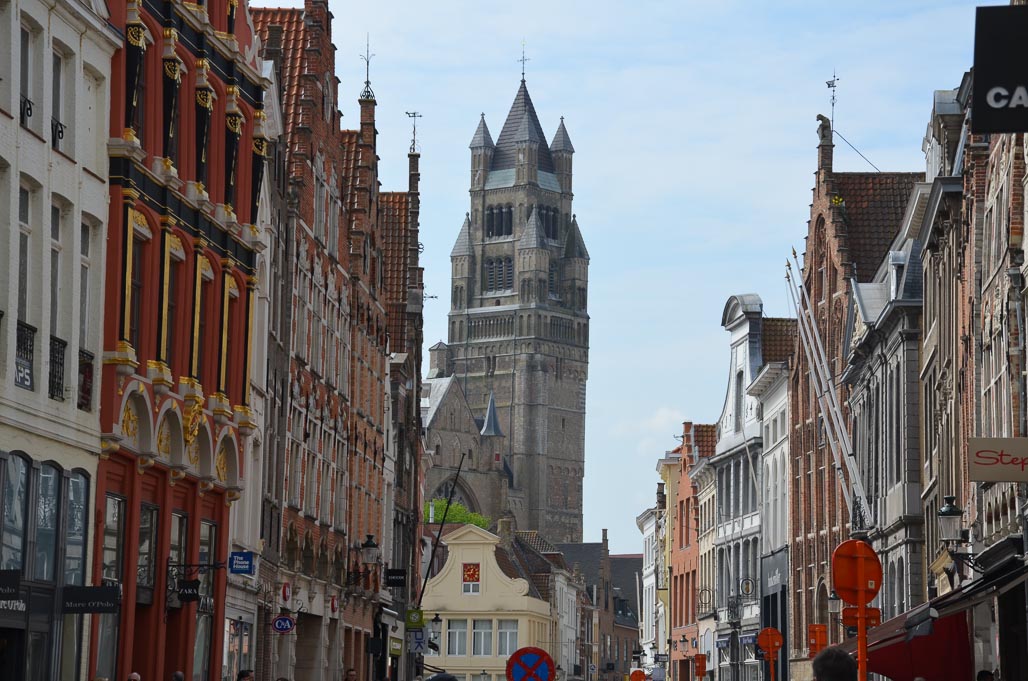
At the suggestion of Kim G and Aussie Kenneth, we made a side trip to Bruges (pronounced Broozh). I had read about it and I remember Joan telling us how much they had enjoyed their time in Bruges – sipping good beers and eating good food. So we back-tracked a bit on our drive to Amsterdam to see this very quaint town from a horse drawn carriage. It is a very sweet place, almost Disney-esque, and I imagine it was even sweeter and less touristed when Joan and Joel visited (fifteen) years ago.

Paris-12 Brussels-1 Brussels-2 Brussels-3 Brussels-4 Brussels-5 Brussels-6 Brussels-7 20140417-150020.jpg 20140417-145841.jpg 20140417-145931.jpg Brussels-8 Brussels-9 OLYMPUS DIGITAL CAMERA OLYMPUS DIGITAL CAMERA Brussels-12 Brussels-13 Brussels-14

Standard

Glorious Paris

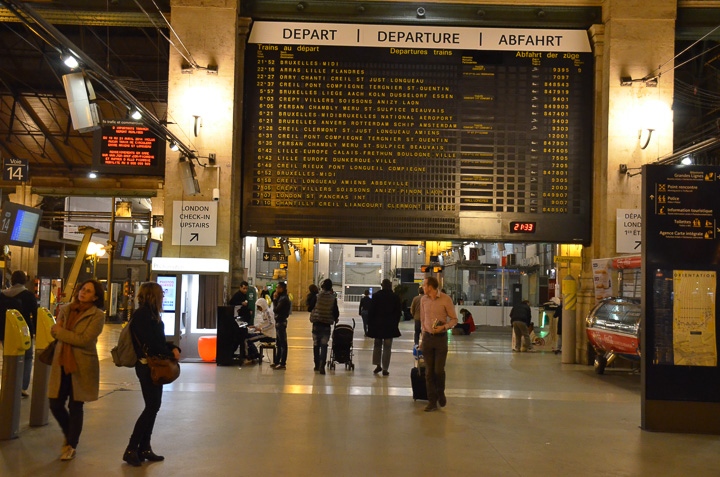
Often I sit in the departure lounge to write. I like to enjoy each place fully and the experience isn’t over until the call to board the aircraft. This time we left Paris by train which meant I didn’t have the mundane airport or the back of an airline seat to stare at. Instead, the landscapes of Paris gave way to the landscapes of Belgium and after only an hour, the ride was over. So here I am in Brussels, Belgium writing of Paris. But let’s pretend I am sitting in my new favorite Paris cafe, Fondation Cafe (the one with the mint green cup and saucer on my Instagram), sipping my cafe creme and writing to all of you.

Here goes:

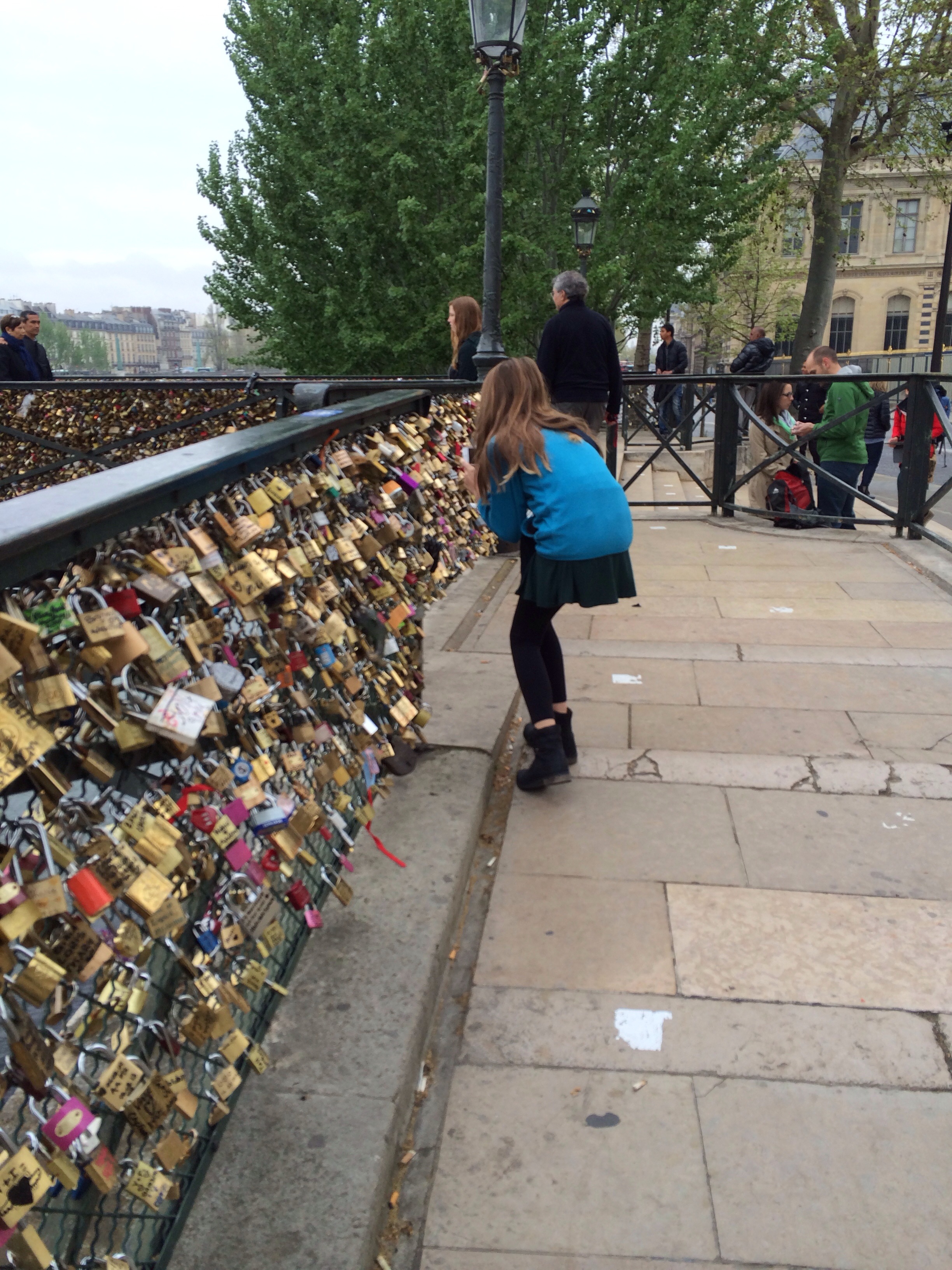
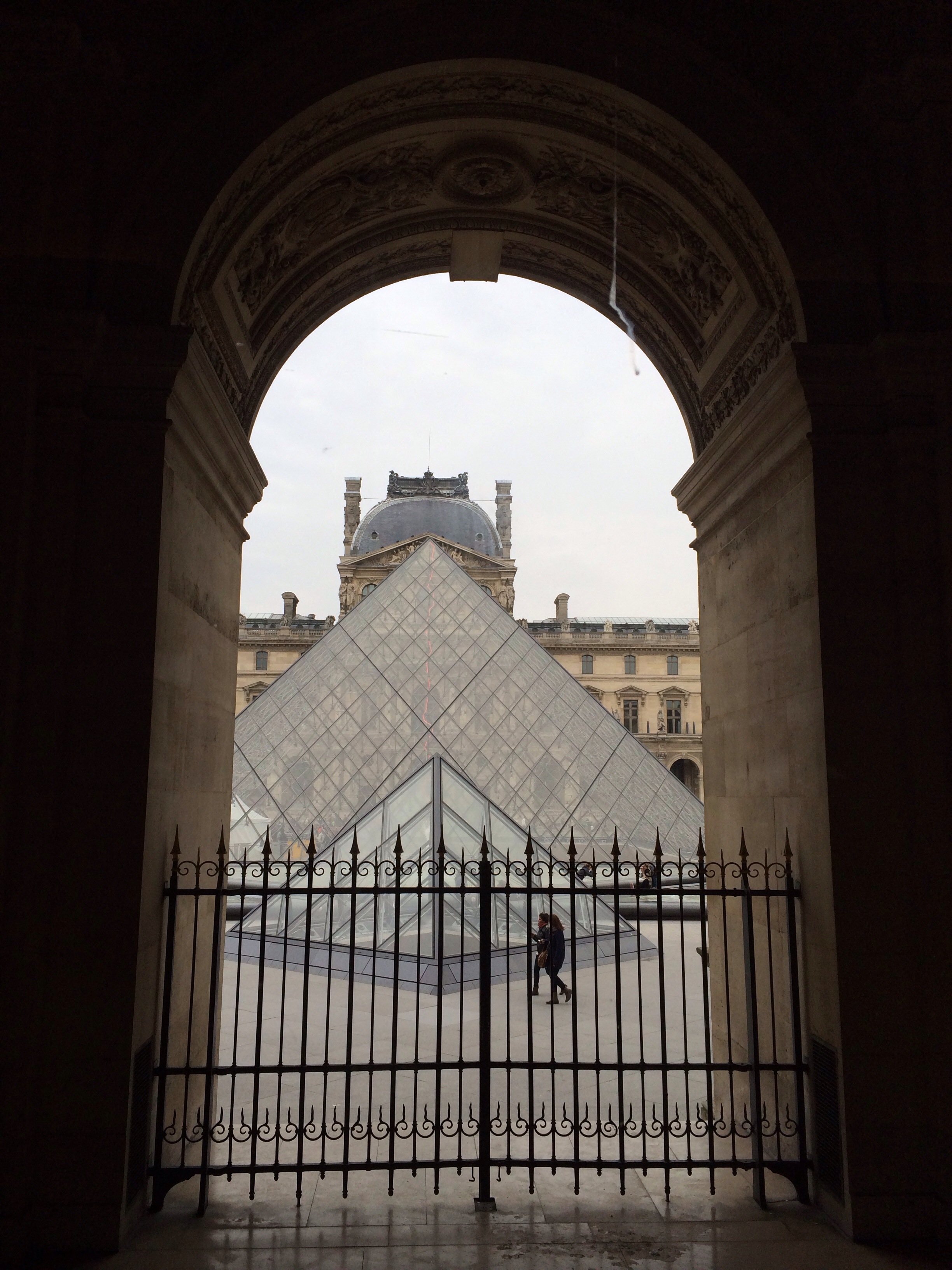
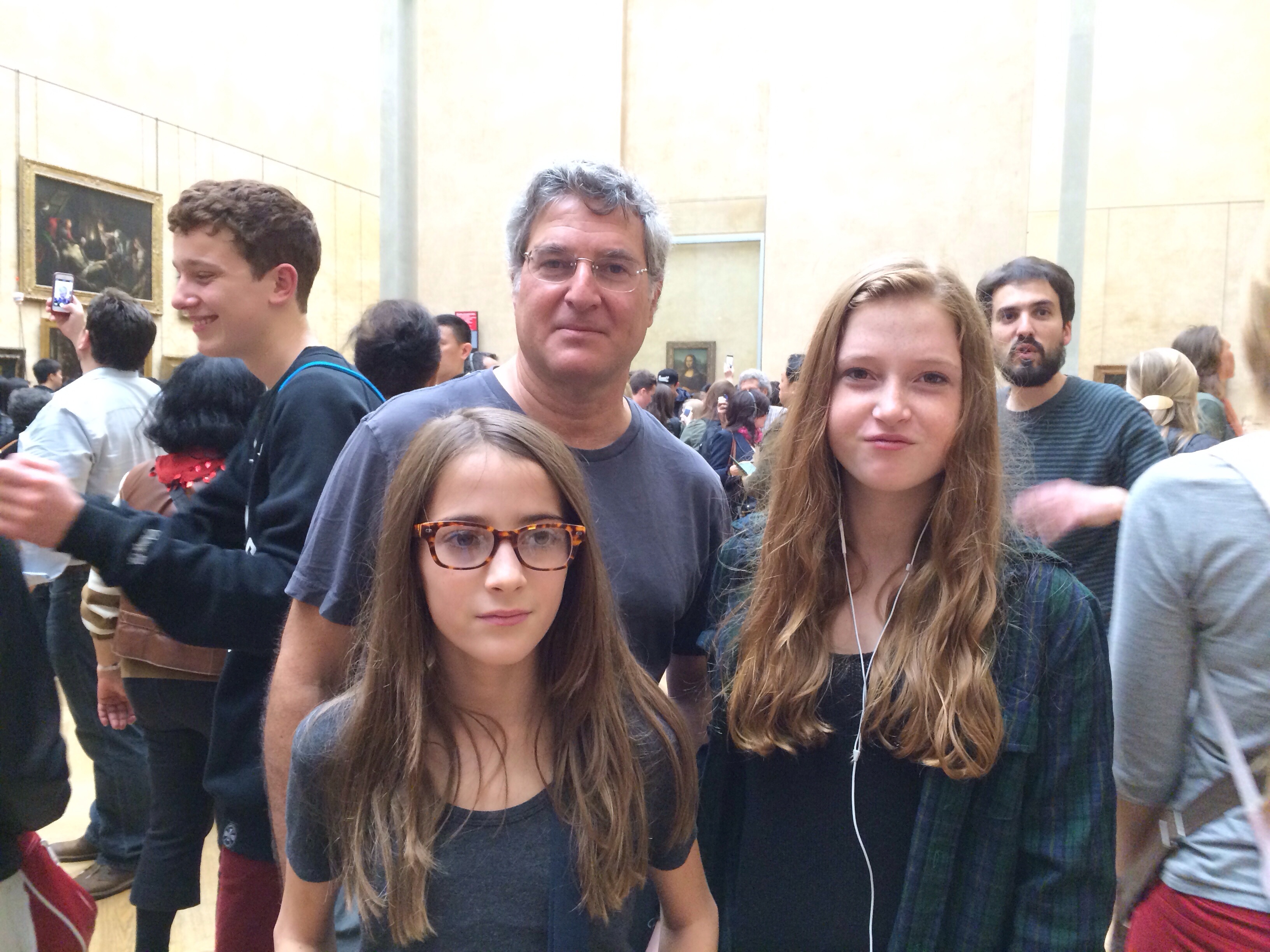
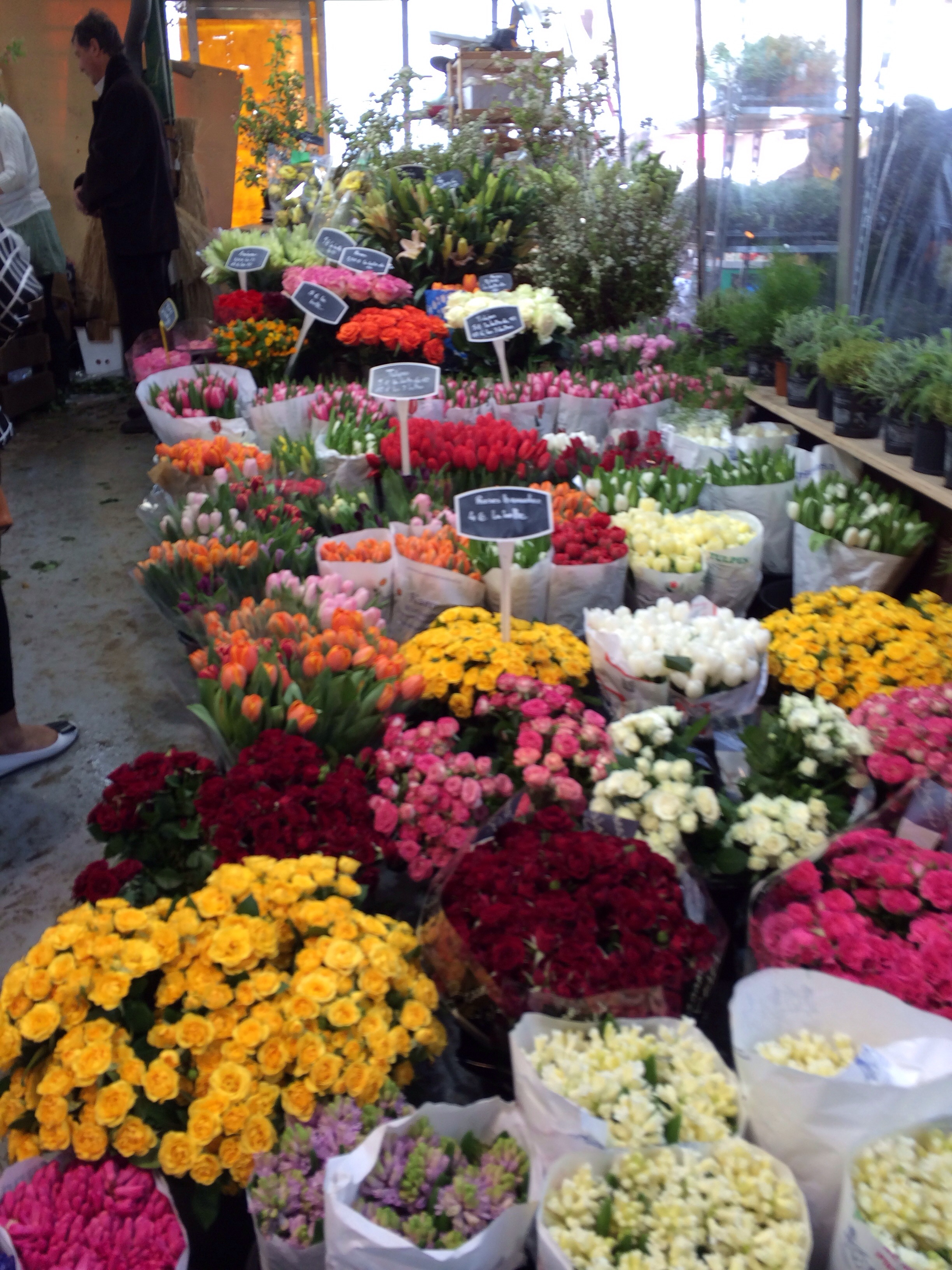
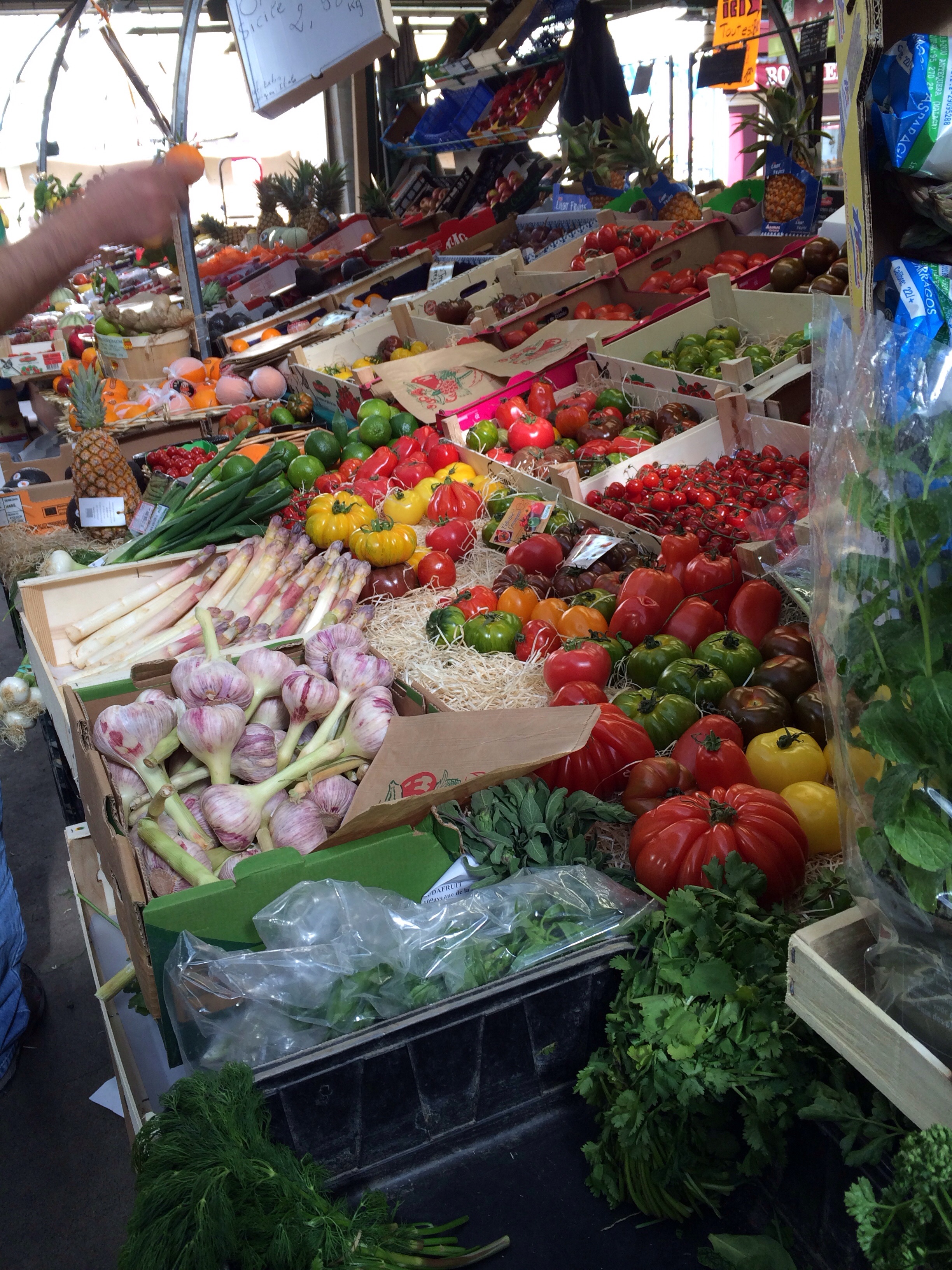
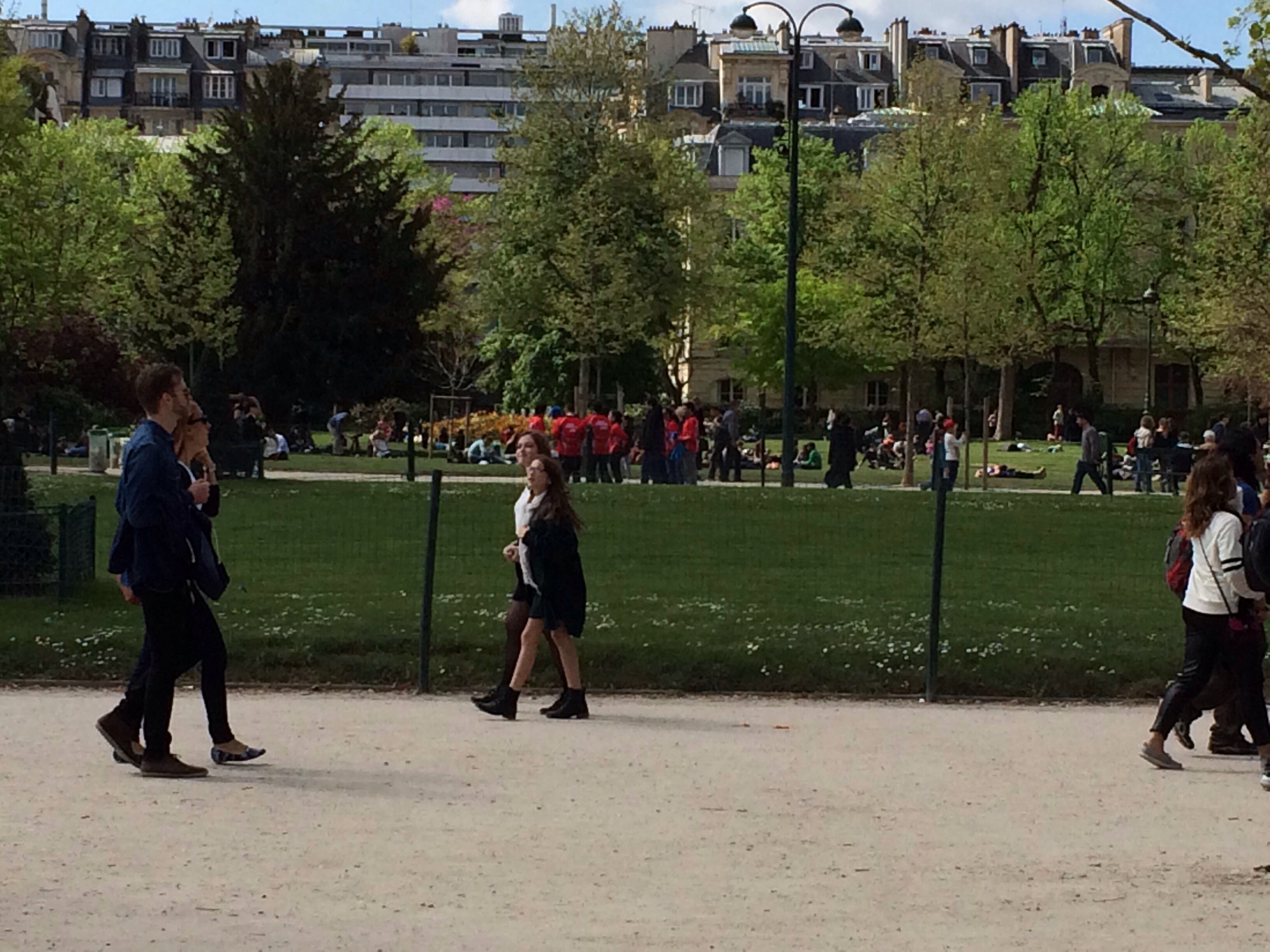
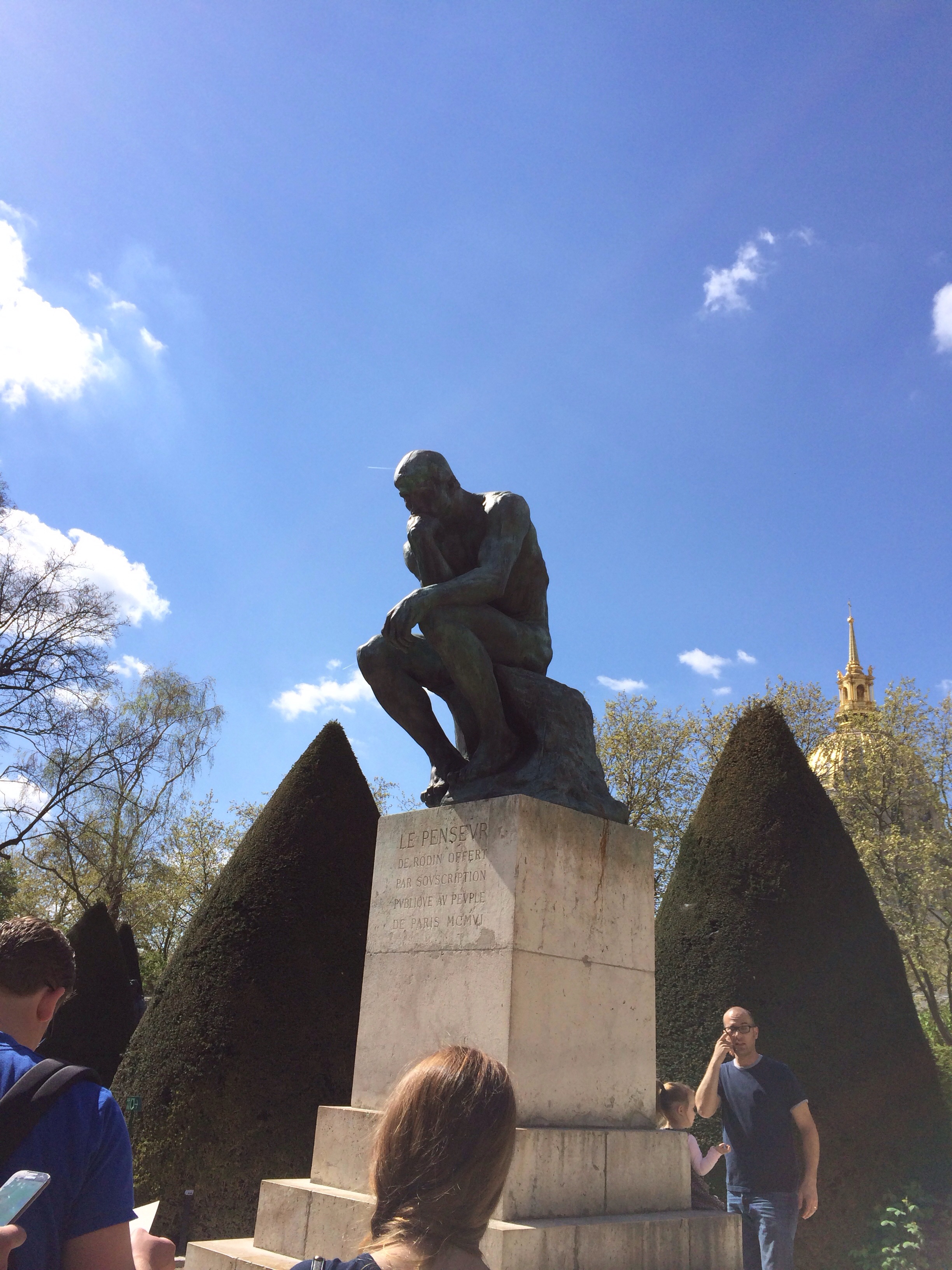
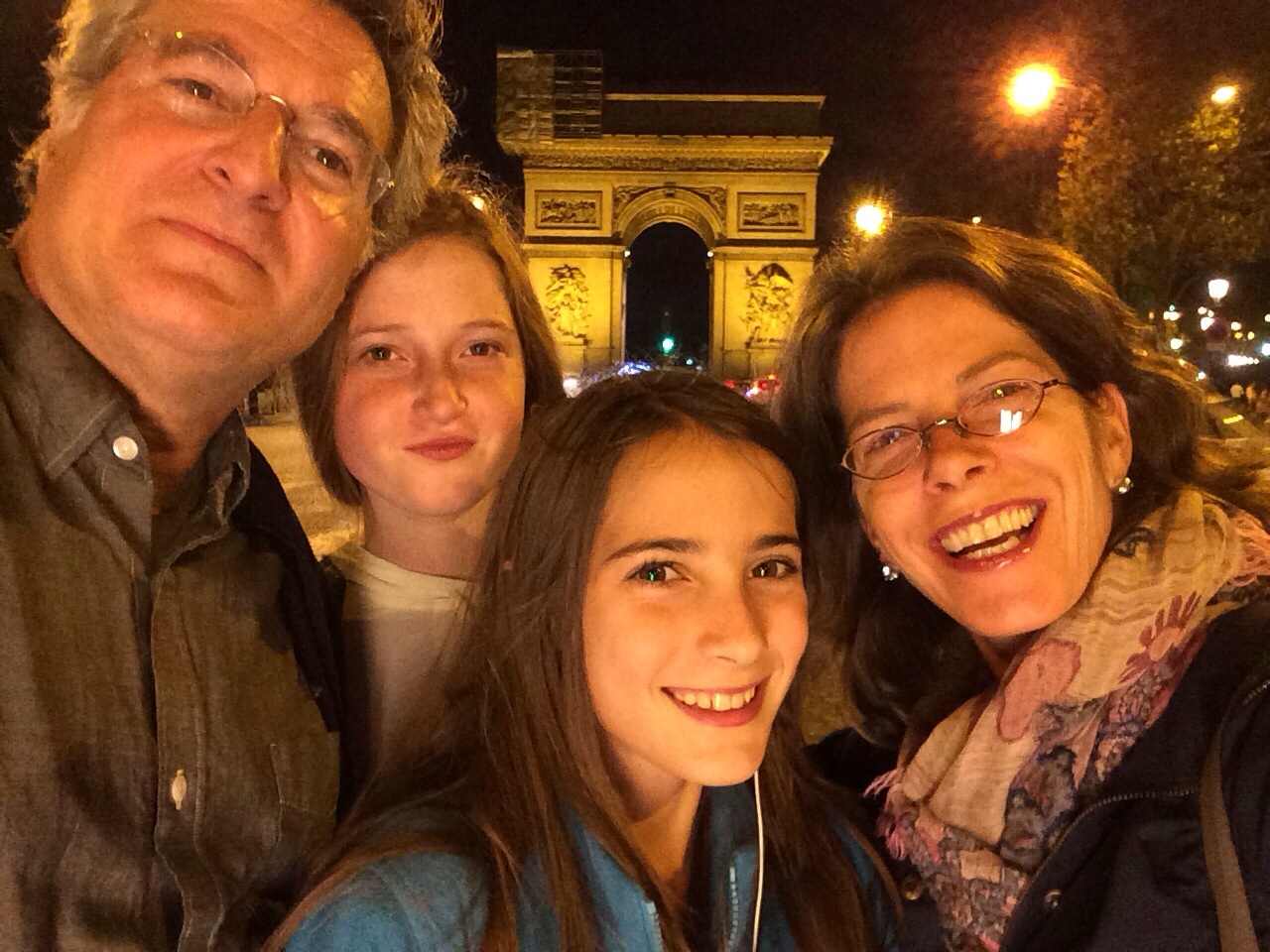
It is no secret that I love Paris. My college roommate and her friends were French and we became fast friends and I fell in love with a Frenchman. In the summer of 86, eight of us traveled together throughout France. They brought me to their homes, second homes and bateaux on the Riviera. It was a dreamy experience and there was a time when I might have lived here. We have since fallen out of touch but my love for Paris hasn’t wavered (much).* I love the grand boulevards, thank you Mssr. Haussman, and the maze of the Marais; I love the flowers in the markets and storefronts, the gardens and squares, the food and wine; I love the sweet soft sound of the language and the sensuality implied in all of it. Andy and I traveled here when we were still testing our relationship, we passed obviously, and we returned several times alone and with Tania and our girls. The last time we were here, Rose was 3 and Lauren 5. This is why they wanted to return. They didn’t remember it and they felt it was a key place – “How can we go around the world and not see Paris, the Eiffel Tower?” So we came. We saw the sights. The Mona Lisa and Venus de Milo in the Louvre. Impressionists at Musee d’Orsay. The Tour d’Eiffel and Place d’Etoile, Pont Neuf and the bridge of secrets (locks). Cathedral Notre Dame. And then we just walked a neighborhood or two – crepes at nowhere special in Quartier Latin, benches in the Place des Voges, more crepes on the Isle Saint Louis. And we went to some old faves – two challah from Rue des Rosiers, a chocolat chaud “L’Africain” and a Mont Blanc from Cafe Angelina, a new dress from Catherine Andre :-).

Four days go very quickly and, as with every visit to Paris, I leave vowing to return.

*Much – because in Cape Town we saw the rudest French people EVER. The line for the cable car up Table Mountain was long, even with the pre-purchased tix, and it was hot hot hot like 95F and this snotty little group of French cut the line! The audacity of the move floored me. How can I explain it? Ok, let’s say the line was 100 meters / yards long. Well, they cut in at the 5 yard line! I threatened to learn a new language and eschew les francais, completement. I would learn to speak Japanese or Canadian – the two politest nationalities I’ve come across yet.

But here is what I have learned since Table Mountain. The wealthy french are traveling (and rude) while those actually in France are working and lovely and often immigrants. The Polish waitress, lovely. The Spanish sales clerk, helpful. All of this is anecdotal but in the Cape Winelands (South Africa) we met a french couple in finance who explained that there are no jobs in France. The finance people have moved to London and Paris is just a shopping and tourism city. A nice place for the wealthier set. I’d like to say its not true; but in my heart I know I’d be lying.

20140410-182504.jpg 20140410-182540.jpg 20140410-182618.jpg 20140410-182656.jpg 20140410-182721.jpg 20140410-182803.jpg 20140410-182827.jpg 20140410-182845.jpg 20140410-182918.jpg 20140410-182954.jpg 20140410-183031.jpg 20140410-183111.jpg 20140410-183154.jpg 20140410-183233.jpg

Standard

Spring

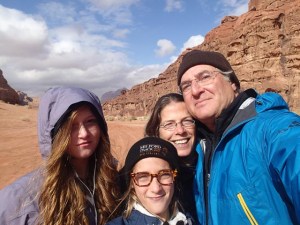
When we left South Africa for Jordan and Israel, I expected really cold weather. Nothing compared to the polar vortex that our friends back home are enduring, but cold enough that boots, hats, and jackets might be required. We had hail and snow in Petra and Wadi Rum and then all of the sudden it was spring.

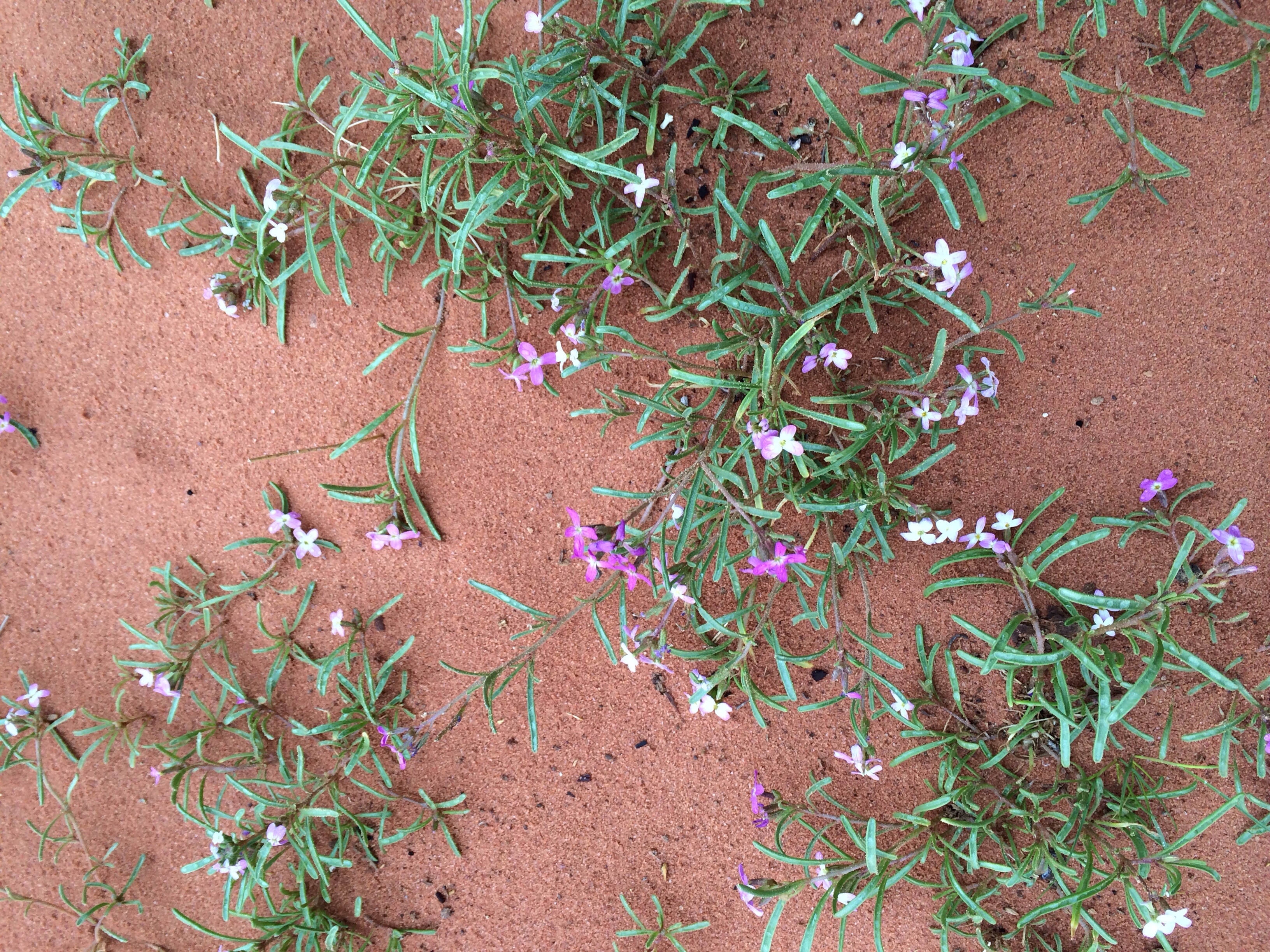
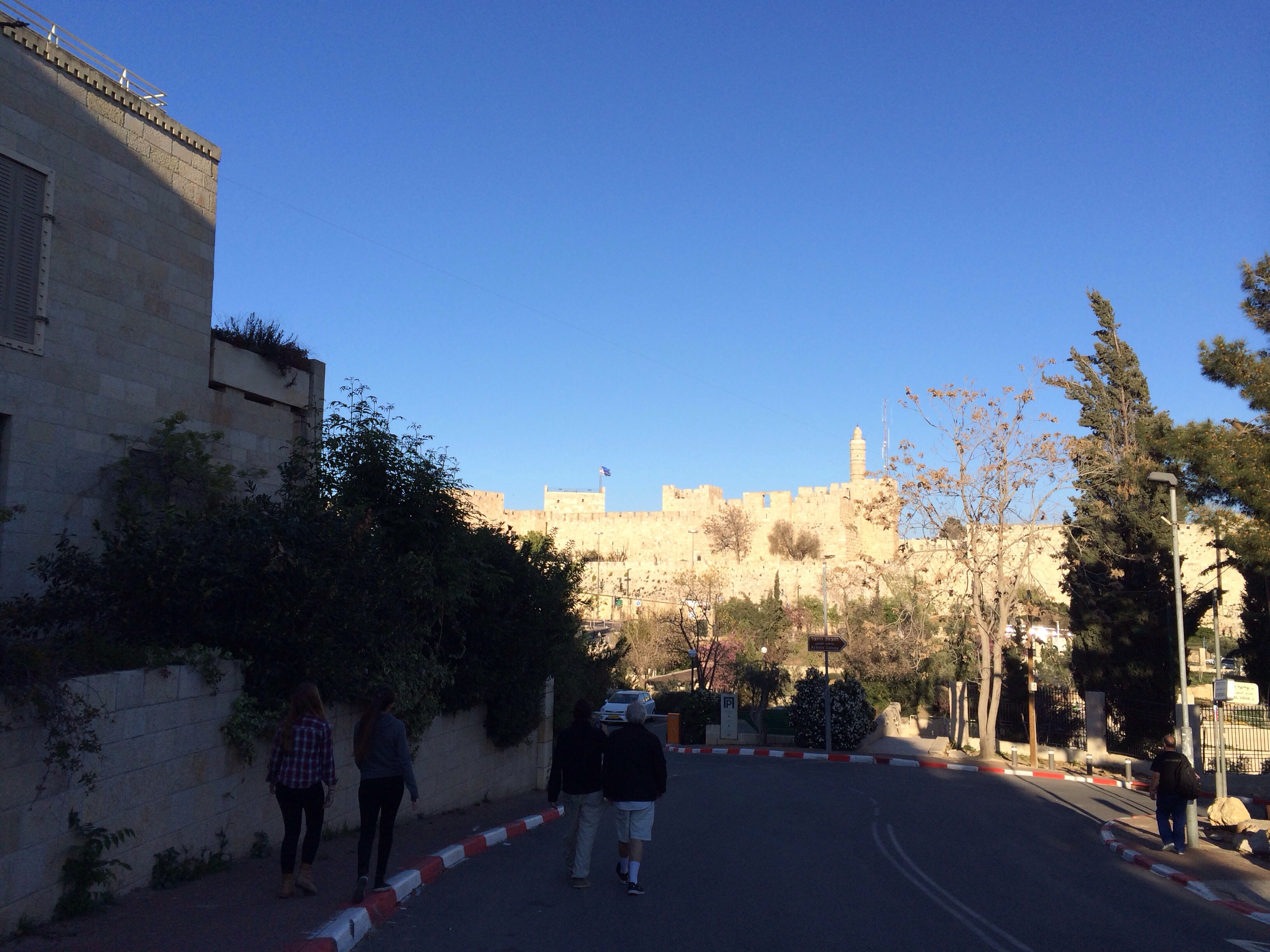
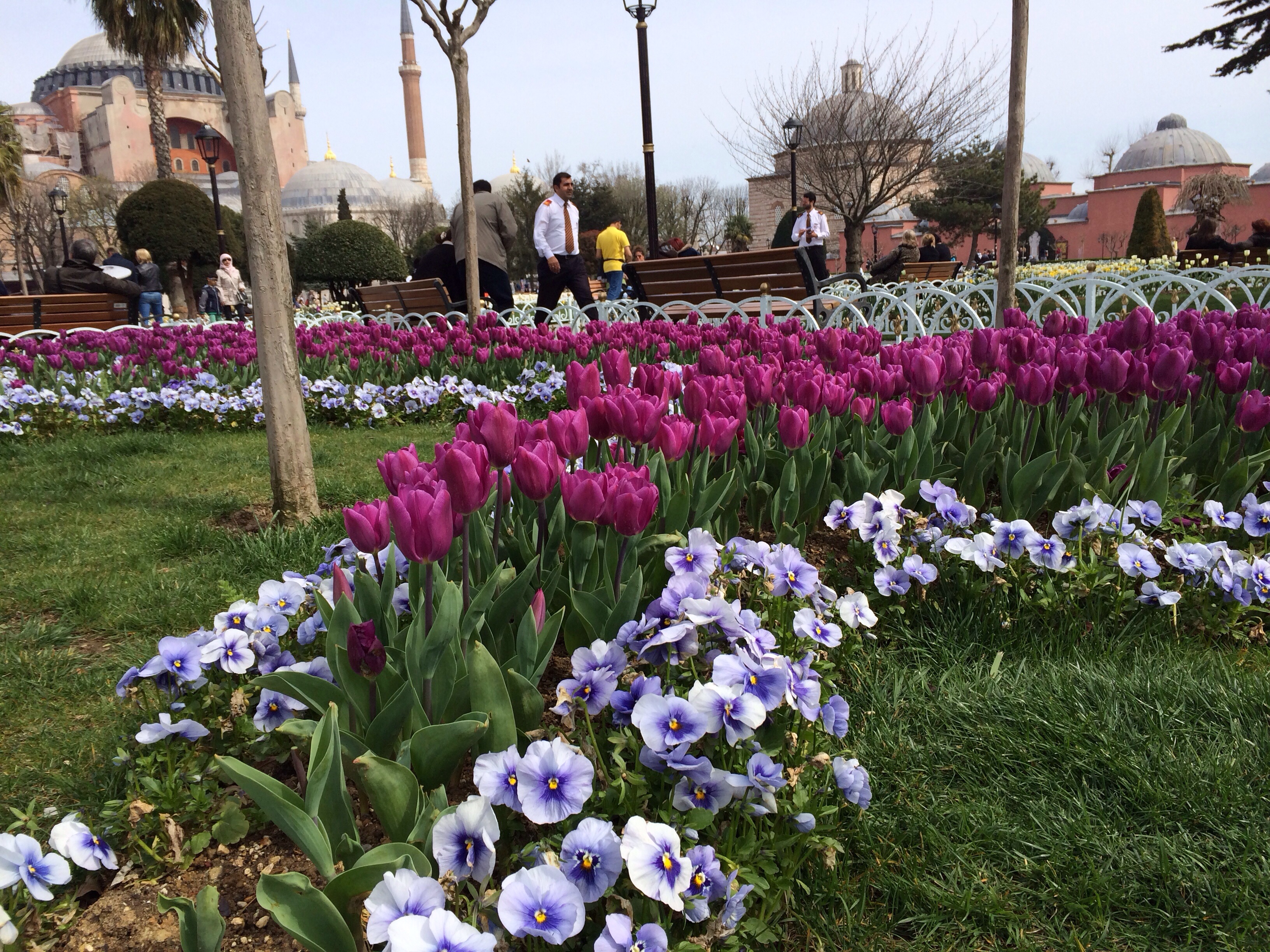
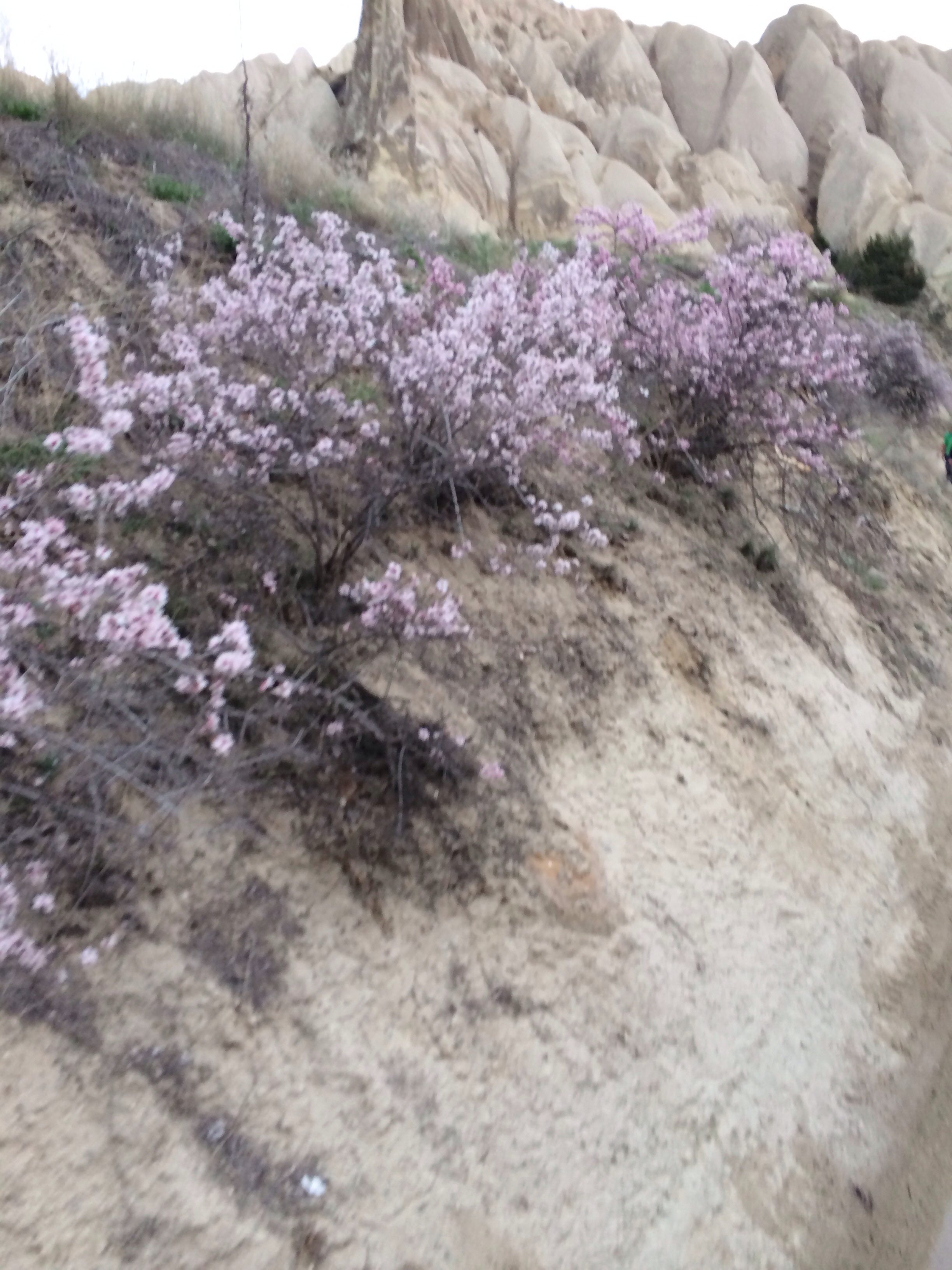
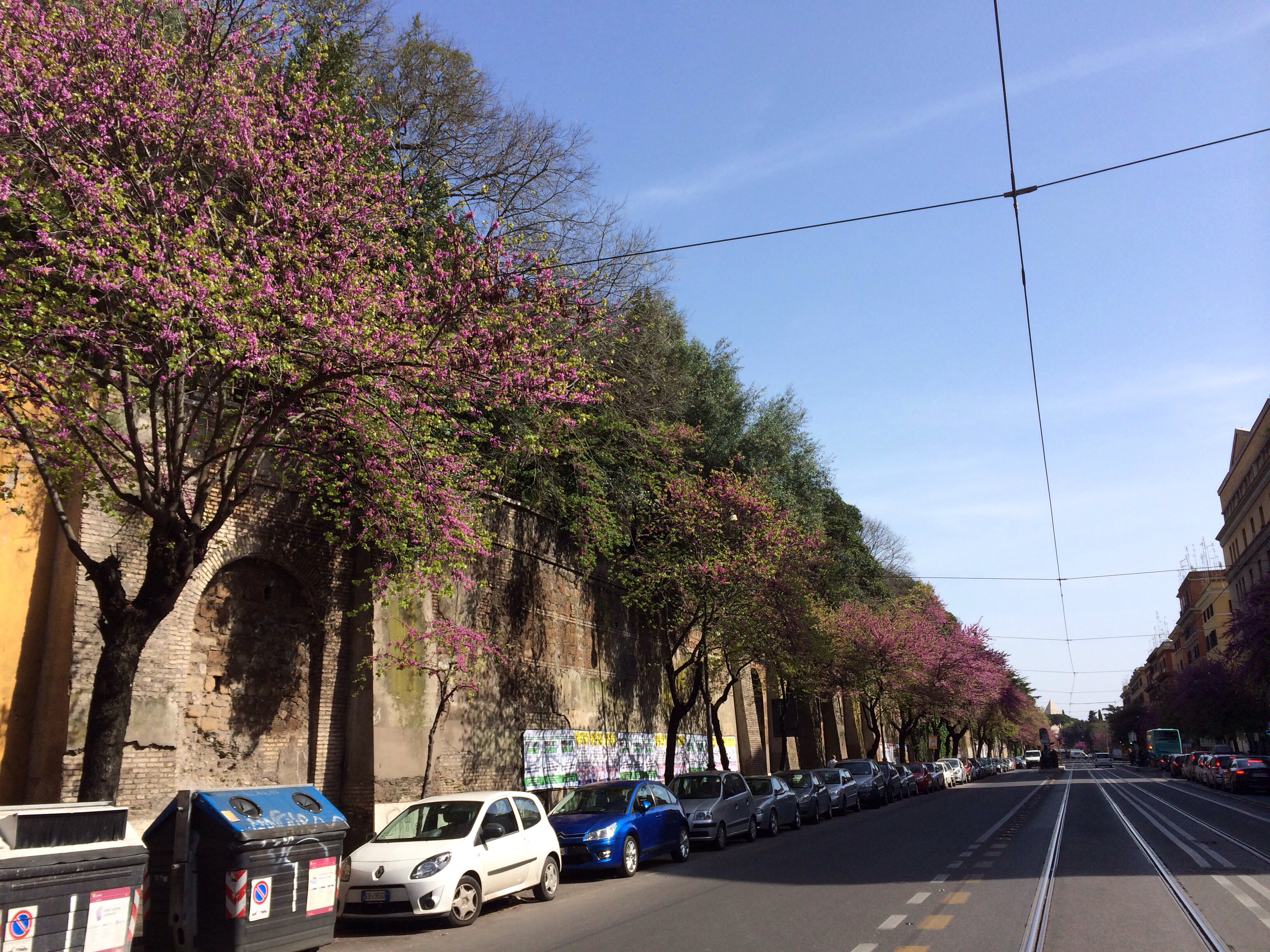
Jerusalem’s trees flowered. Tulips greeted us in Istanbul. (Istanbul planted 7 MILLION tulip bulbs this year and apparently the Turkish Sultan Ahmet III was known as the Tulip King.) In Cappadocia, I saw carpets of small purple wild flowers and shrubs with delicate pink flowers that I don’t recall in Turkish but I think are barberry. Rome’s grand streets were lined with flowering plum trees, its courtyards covered in wisteria. And now, we are in Paris. Glorious Paris.

It’s a fanciful image but I feel like I’m experiencing a scene from Disney’s Fantasia – the one set to the Rites of Spring when the fairy flies over the land and all that was dormant is made to thrive again. No matter how mild or miserable the winter, spring makes it all better.

A special hello and happy birthday to Anthony. Tania’s little boy turned 2 on April 2 but today’s his party. We love and miss you guys. Turn your Skype on!!

Photos of Spring as the Fairy works her magic:

Wadi Rum20140405-202311.jpg


Jerusalem:
20140405-202557.jpg

 
Istanbul and Cappadocia
20140405-202636.jpg
20140405-202733.jpg

Rome’s Flowering Trees
20140405-202712.jpg20140405-203039.jpg

Paris. Glorious Paris.
20140405-203121.jpg

Standard

Pagans, Popes and Pizza

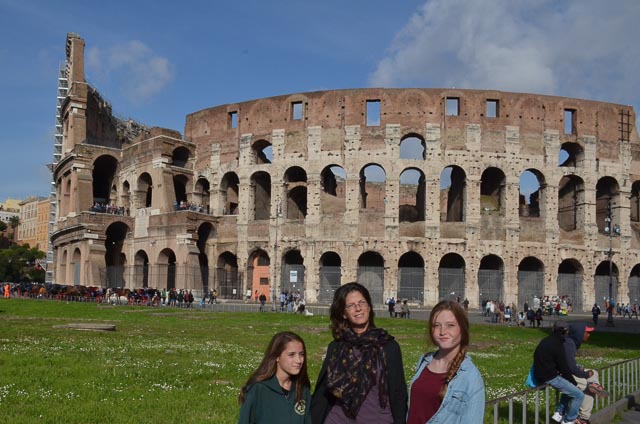
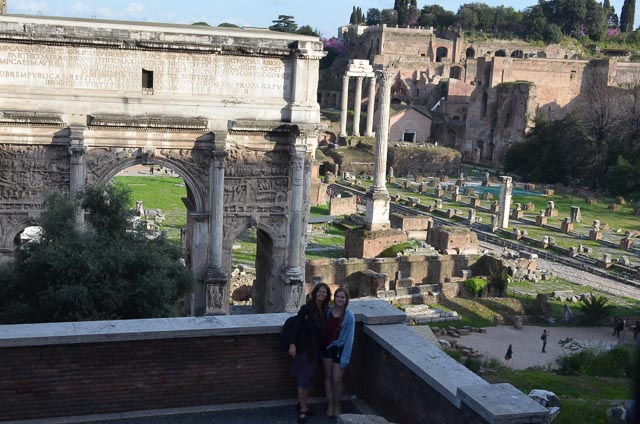
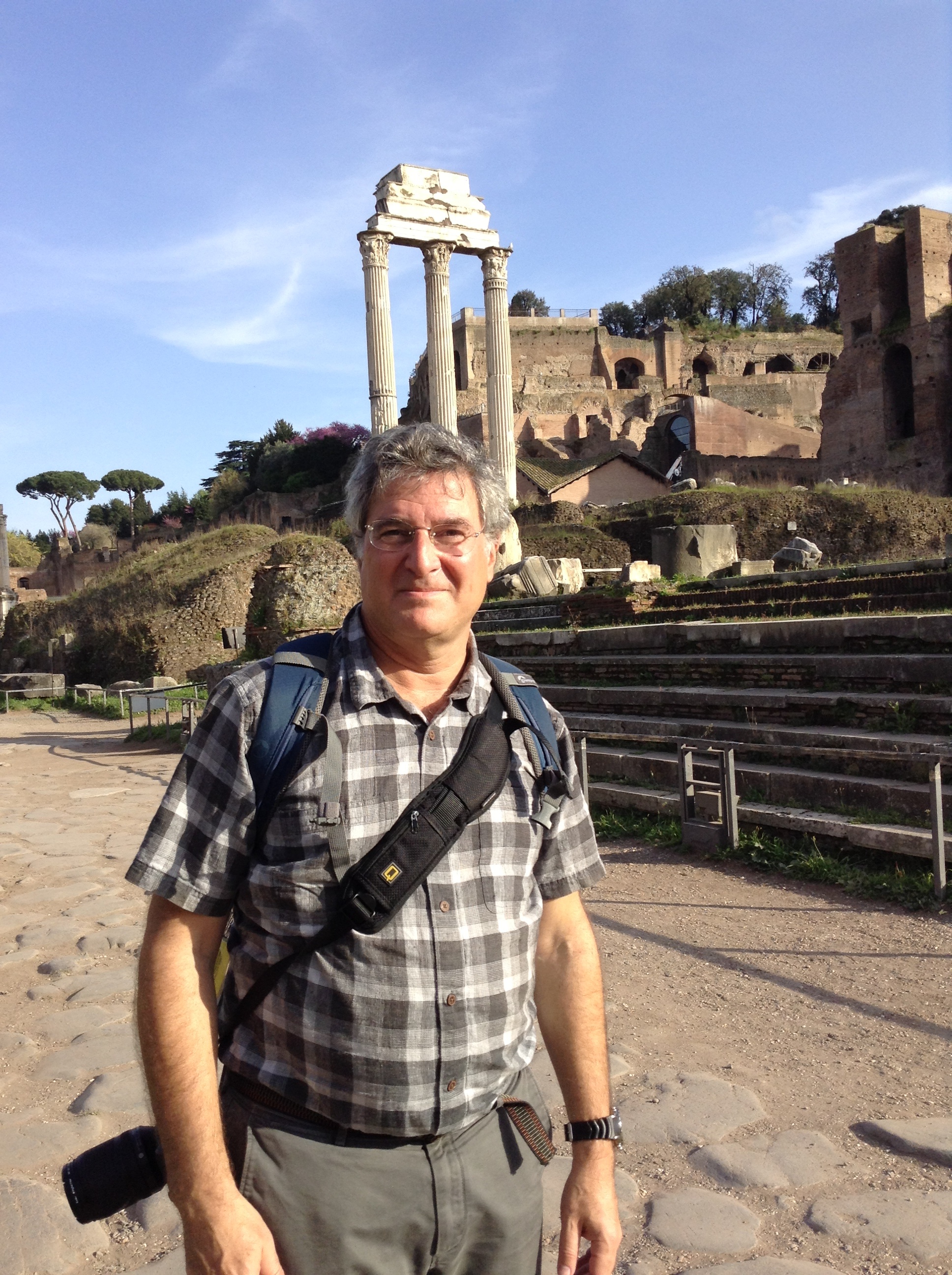
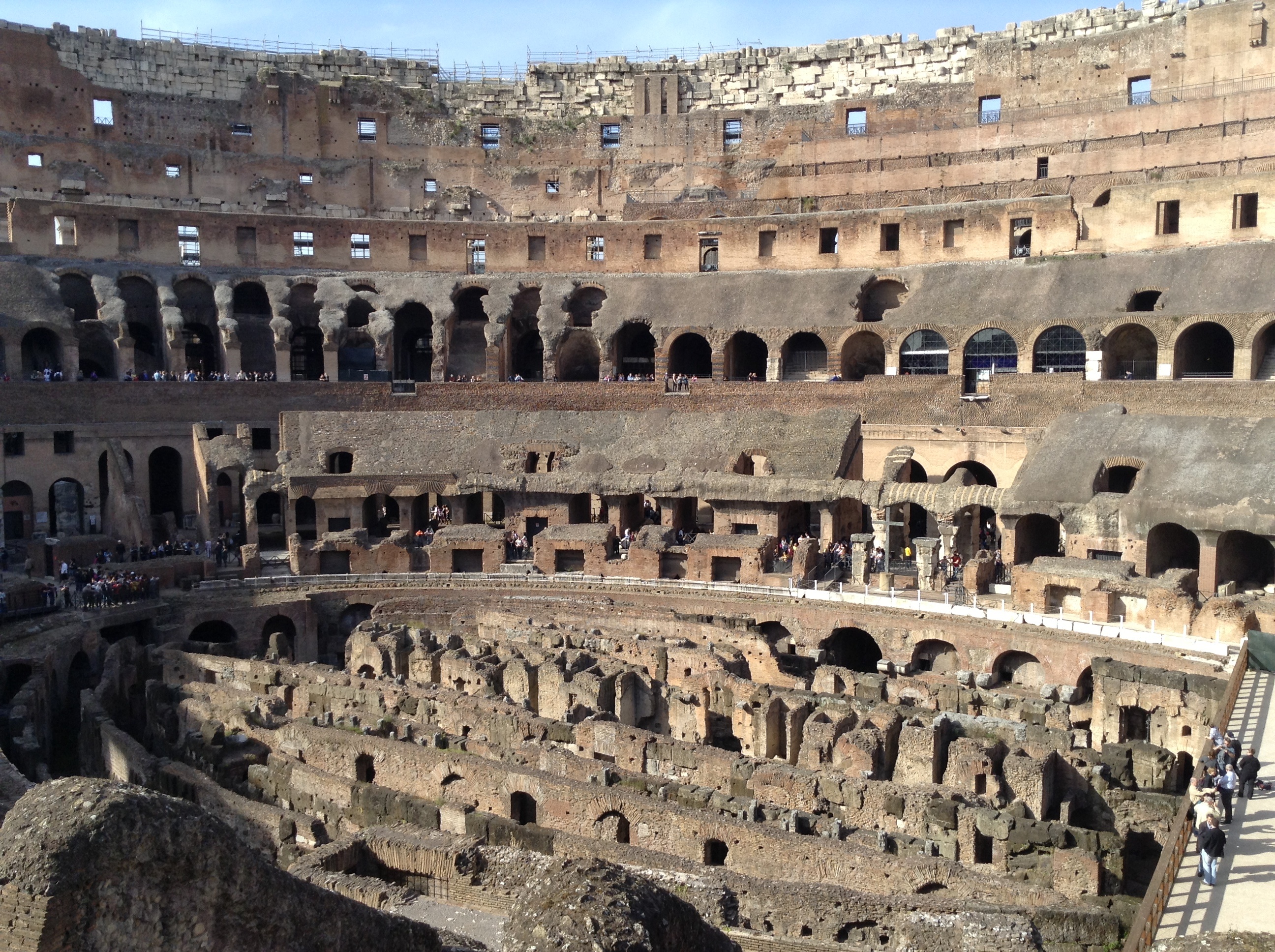
Pagans: Way back in the day…the Romans worshipped many many gods and they didn’t take kindly to those who failed to do the same. Romans killed Jews and Christians alike for failing to bow down to the Roman emperors and their gods. Oftentimes, these killings were on public display in the Roman Colosseum. The Colosseum was the Madison Square Garden of its day but the primary form of entertainment was more violent than hockey; Romans watched fights to the death. When Romans conquered Judea and other places, they brought their prisoners back, paraded them through the gates of Rome and the Roman forum before locking them in the chambers below the Colosseum. Later these prisoners would become part of the Emperor’s (and commoner’s) entertainment and would be matched against other spoils of war like lions and other beasts. The accounts of such events make the stomach turn.

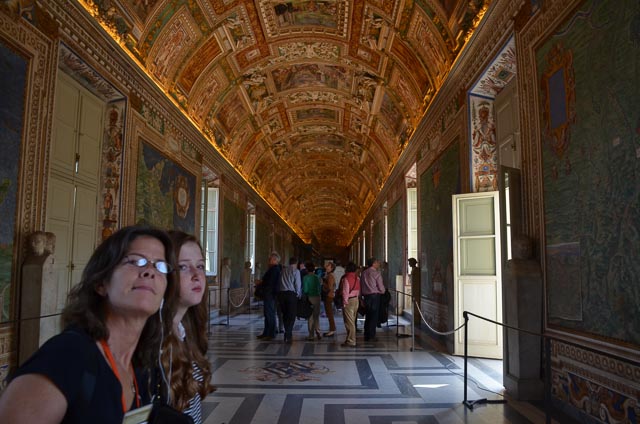
Popes: According the Church History, St. Peter was Jesus’s designated successor – “the rock” of the future church. St. Peter traveled to Rome praising the Word of The Lord seeking to convert the pagans to Christianity. St. Peter, martyred here on Vatican hill in 64 AD, is considered the first “pope” of the Catholic Church and so it seemed a fitting place for Constantine to dedicate a church to St. Peter. When people think of the Vatican, they often think of the pope standing on a balcony from St. Peter’s Basilica addressing the crowds. It is an enormous church, two football fields long and 143 feet high in the aisles, 450 feet to the top of the dome. The Vatican is its own country, with its own post office, and its treasury is rich in cash and art – early Egyptian mummies and pottery to works by Matisse and Chagall. Not to mention the papal studies and antechambers of Renaissance art – whole rooms of Rafaello and Bernini. Then, of course, there is the Sistine Chapel, a work of art in itself – frescoes painted by Michelangelo on nearly every surface.  Did you know…….Michelangelo originally refused the assignment?  He told the Pope that he was a sculptor and not a painter but Pope Julius II insisted and in the end Michelangelo could not refuse. So for four years, 1508-1512, Michelangelo painted the ceiling of the Sistine Chapel with the story of the Torah/Old Testament from Creation to Noah’s ark. The images are full of hope and goodness. Twenty three years later Michelangelo painted the Last Judgment and the images are darker, not only because it’s about Judgment Day, but because he had become disillusioned with the church and the protestant reformation was just getting underway.

Today’s Pope, Francis I, is the 266th Pope of the Catholic Church. He is the first to come from the Americas and the first Jesuit. I like the Jesuits; they value education as an individually unique pursuit (cura personalis) and didn’t judge me for choosing to be Jewish. Which leads me to food…

Pizza: we ate lots of pizza! Our AirBnB host, Emanuele, gave us two places that locals believe to be the best and I had a list of a few others from favorite food blogs and guides. In the end, we agreed that Gaudi wins for the freshest ingredients but it has a thick crust (we prefer thin); La Baffetto had the best thin crust and good proportion of tomato to cheese, but the cheese was of standard quality; and Monte Carlo wins best all-round with excellent quality cheese, good balance of tomato and good, if slightly charred, thin crust.

We searched out the best Cacio e Pepe as well – two standouts were Felice and Roshioli but if, like us, you are going to compare it to Mario Batali’s version at Lupa you might be disappointed no matter where in Rome you are.

From here we are heading to Paris. And just so you know, this was not my idea. The girls want to go and as you probably know…I can’t say no to Paris!

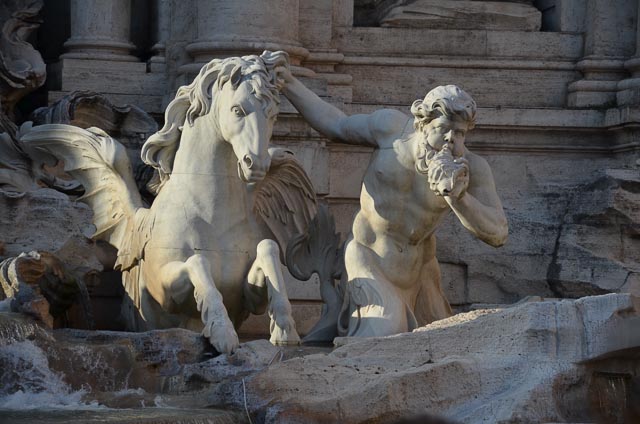
Rome-10Rome-12Rome-11imageRome-13imageRome-3Rome-4Rome-5Rome-2image

Standard

Cappadocia

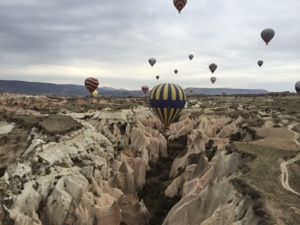
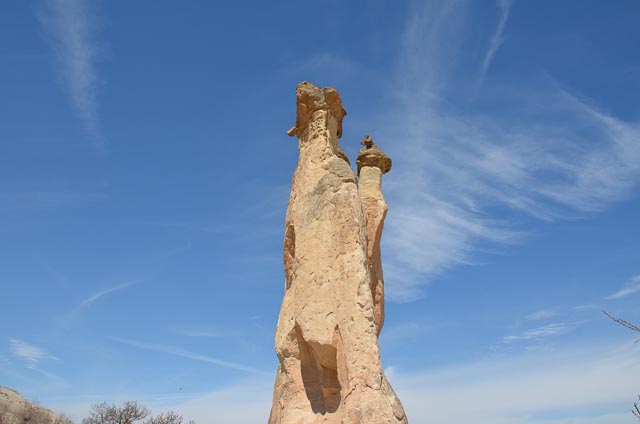
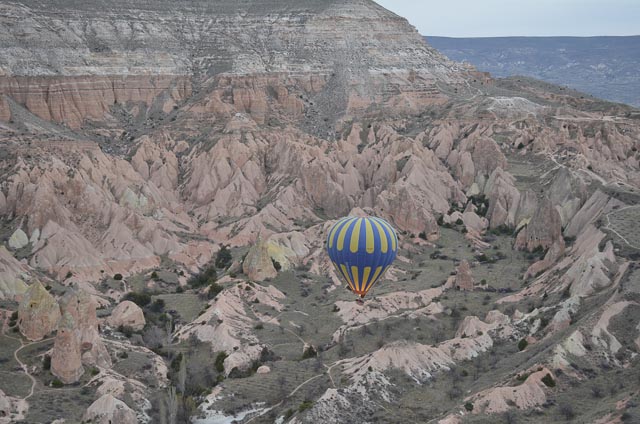
I can’t take any credit for this destination. Cheryl W suggested it as a side trip from Istanbul and I am glad she did! Geologically, Cappadocia is a bed of volcanic ash and basalt stones that erode in a way to create what people call a “fairy chimney”. Others say it looks like a moonscape. By any name, they are very cool.

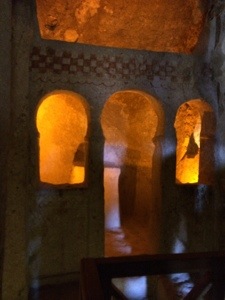
Historically, the area was home to early Christians who settled in caves here and created small churches within the rocks. I am reading a history of the early church by Eusebius (History of the Church from Christ to Constantine) written over a decade from roughly 315 – 325 AD. The book is really a compilation of earlier, and often anti-semetic, works from Josephus to the apostles to Diocletian and records years of persecution endured by the Christians in this and other areas. (The persecution is ended once Constantine the Great defeats the Roman Maxentius in 313 AD.)

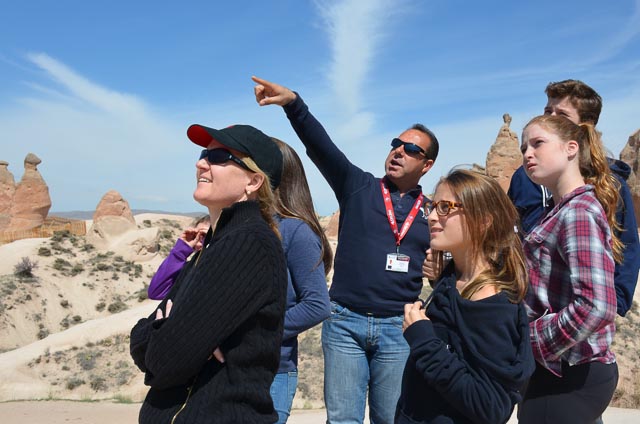
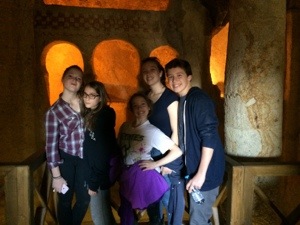
Anyway, our guide tells us there are more than 300 churches remaining but the best preserved are in Goreme. We spent a day visiting the fairy chiminies and a series of caves and churches before checking into our own cave (a rather nice boutique hotel version).

Nearby in Avanos, there are several ceramics worksops. According to our guide, the Hittites were making vessels here roughly 3000 years ago from the sand of the red river. Later, when China’s porcelain was popular, local artisans began using the white sand of the mountains to provide the Sultans with white clay ceramics.  I can’t verify it, but we were told that the potters here invented the kick-wheel (a wheel that turns the clay as the potter works).

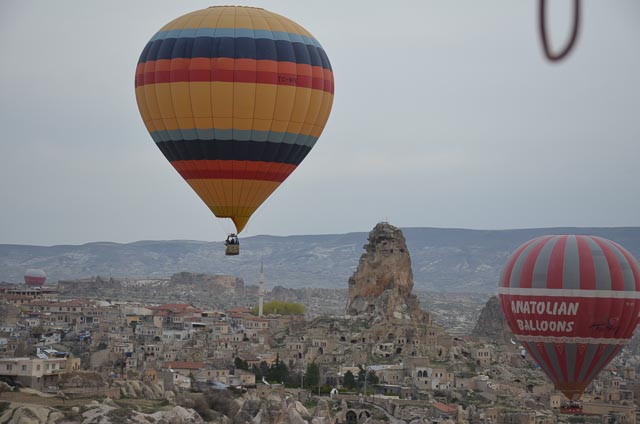
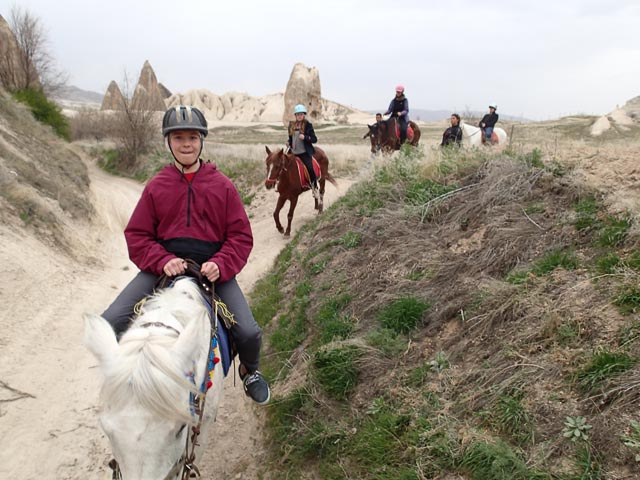
But it wasn’t all educational – we went up in a hot air balloon and rode Arabian horses too!

A final thought: our guide encouraged us to try the Turkish apricots while we were in town. I LOVE dried apricots but the Turkish ones, well, I’ve never cared for them. But he pressed me to reconsider. They are dried organically and taste good, he said, unlike those we export. “It’s the illness of this century these processed and packaged foods.” On this we agree but California’s dried apricots are still better, IMHO.

20140401-191411.jpg

Turkey-11Turkey-1020140401-191256.jpgTurkey-1220140401-191315.jpg20140401-191338.jpg20140401-191347.jpgTurkey-16Turkey-15Turkey-17

Standard

Constantinople

It looks just like the pictures in middle school history books. And there is so much history here.

Constantinople was the capital of the Byzantine, Roman and Ottoman empires from 560BC to 1453AD. It’s name comes from Constantin who, in 330AD, conquered and consolidated empires that stretched from Spain to Syria, from Gaul/France to Alexandria. He was the first Emperor to fully embrace Christianity and put an end to the persecution of the Christians.

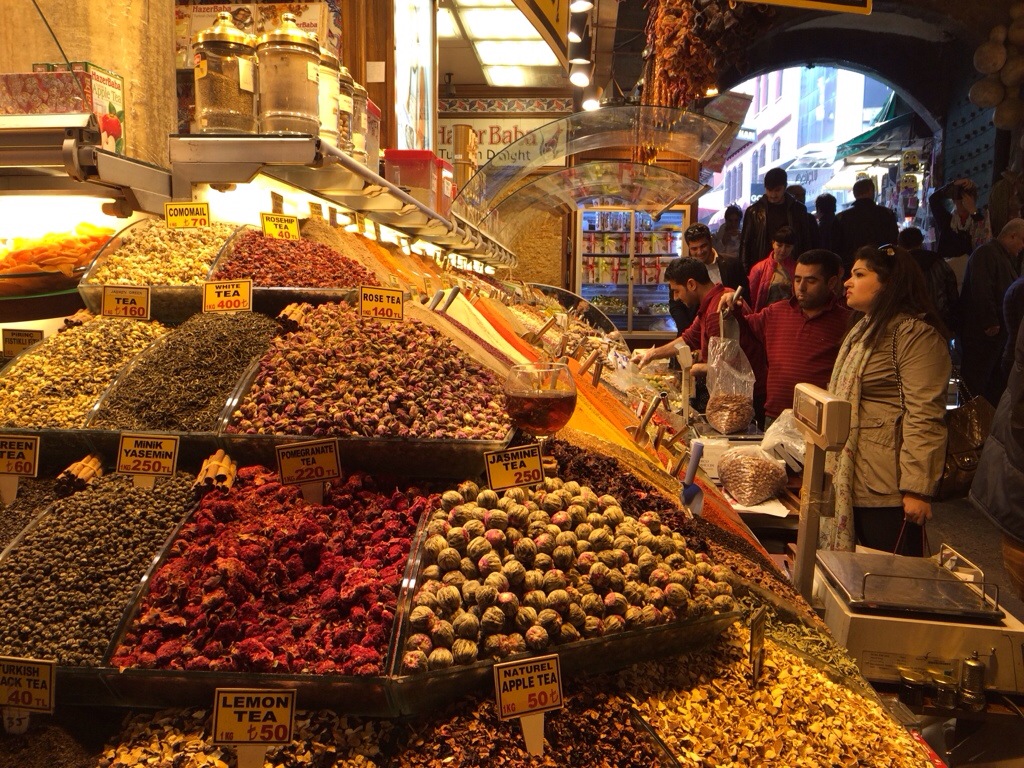
Constantinople prospered through trade (and taxation). Traders came to it’s Grand Bazaar, by some accounts the oldest shopping mall in existence today, to exchange goods that made their way here along the Silk Road (China), the Kings Road (Petra, Jordan), and the maritime Spice Road (Egypt, Sri Lanka and India).

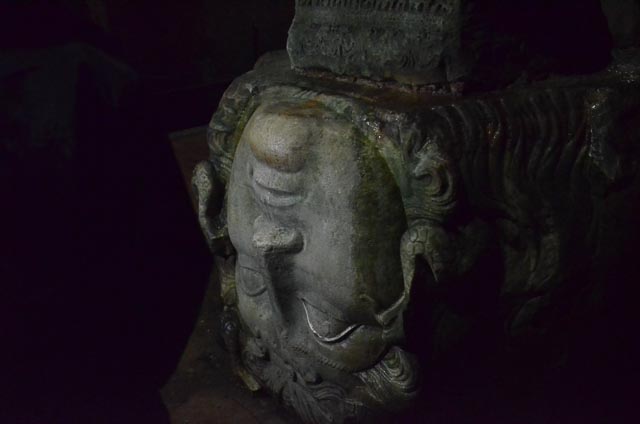
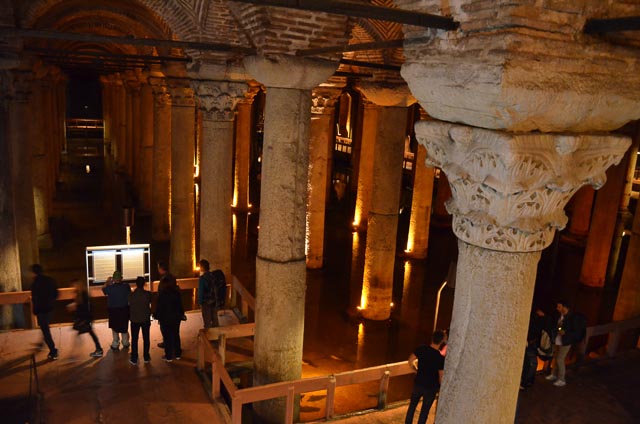
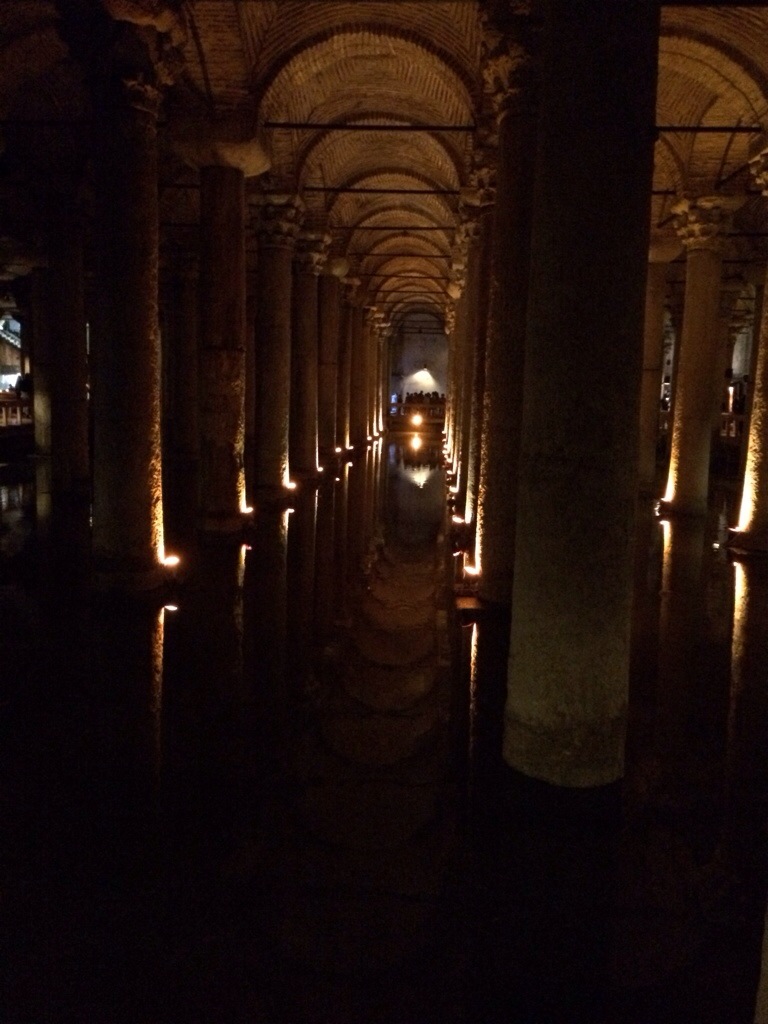
As with all great empires, there are masterfully constructed water systems like the Cistern we visited and monuments to events and emperors like the obelisks and palaces, churches and mosques.

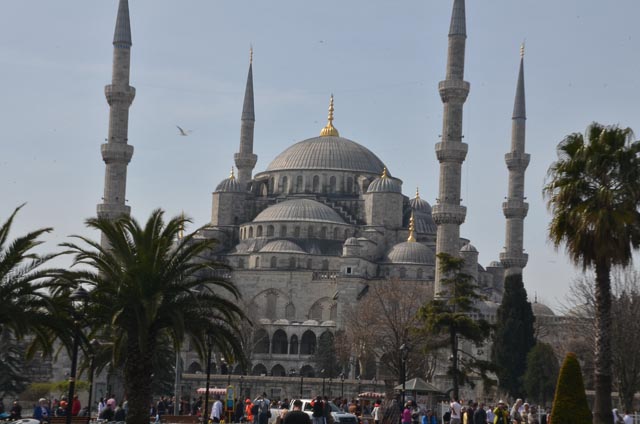
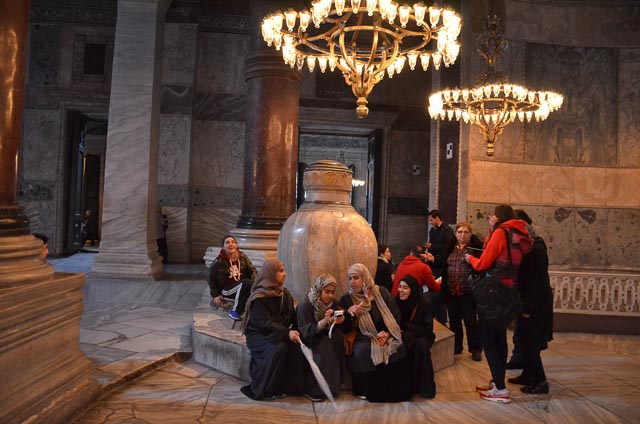
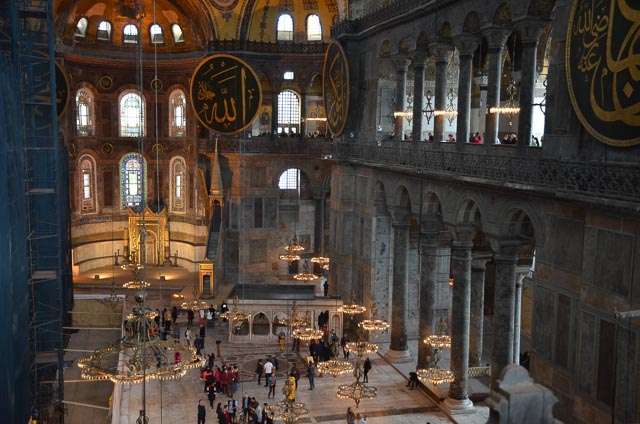
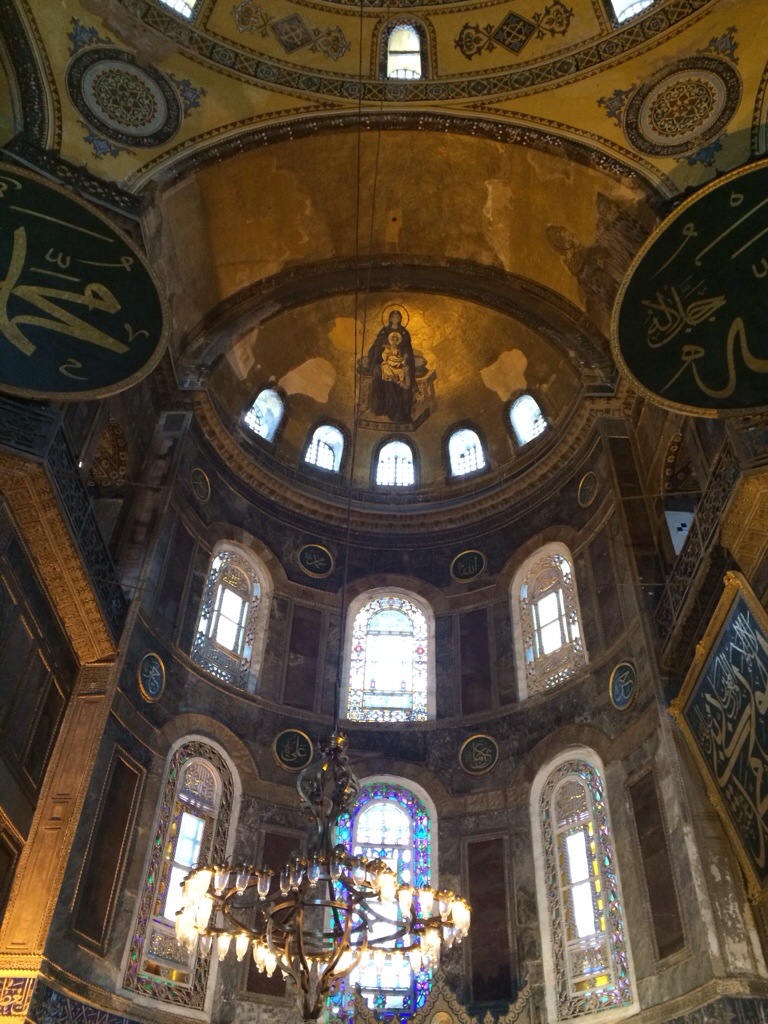
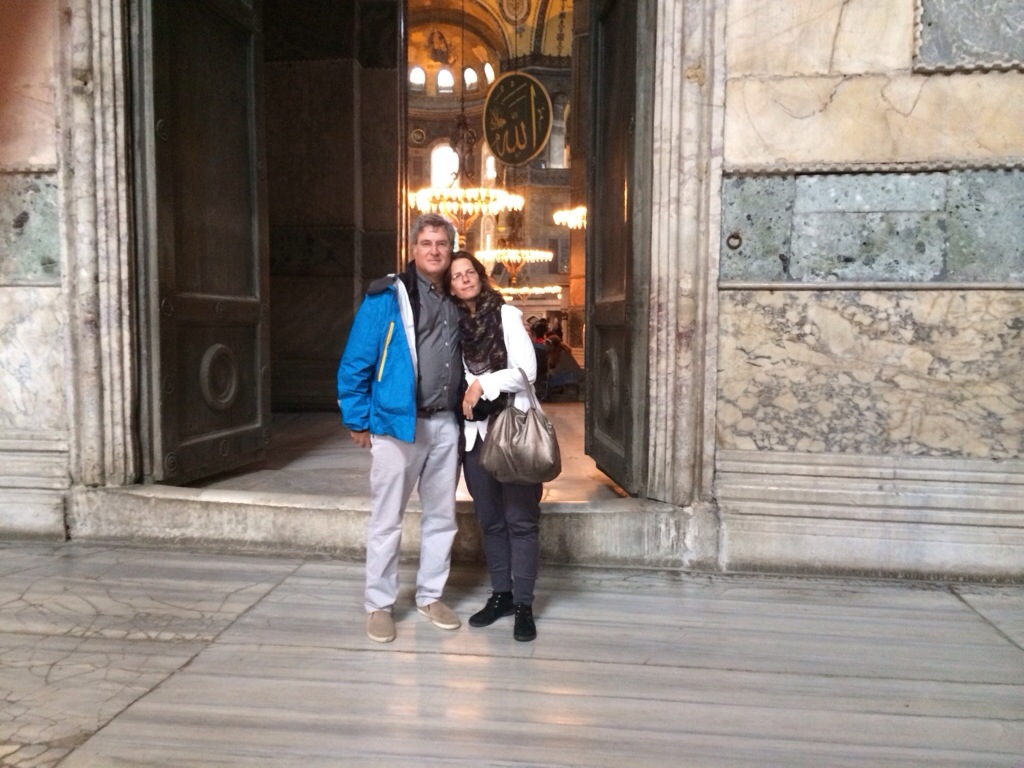
The Hagia Sophia (pronounced eye-ah-sophia) was built as a byzantine church during the time of Constantine the Great. Christianity flourished from 330 until 1200s until the Ottomans conquered the area. Under the Ottoman Empire, the Hagia Sophia was converted into a mosque and became the model for future mosque construction.

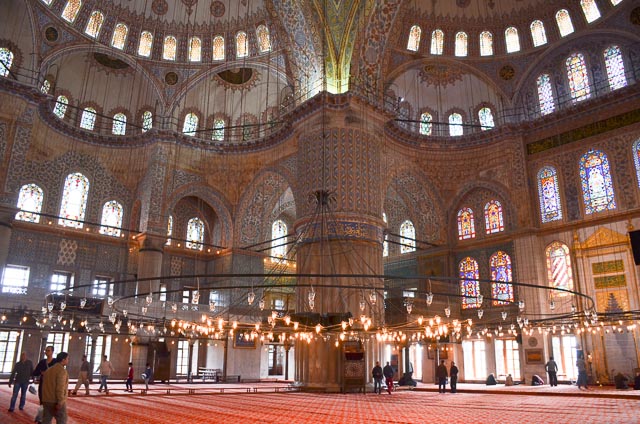
The mosques here are beautiful. The blue mosque is famous for its iznik tiles – originally these ceramics were available to anyone but later their production was made exclusively for mosques and the Sultan.

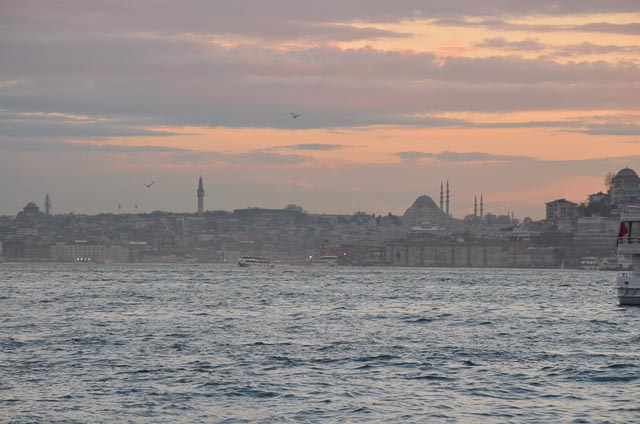
Today, we know Constantinople as Istanbul. The name Istanbul comes from the Greek for “in to the City” which is how the place was commonly referred to for centuries. This place was “THE City” long before New York became The City. The name was officially changed to Istanbul in 1930.

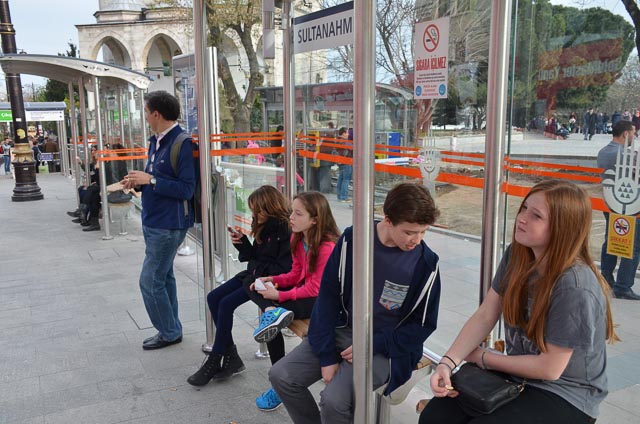
Istanbul is a great cultural city and has something for everyone. We were spoiled again with friends to share our experiences with. We explored the city together, and separately, coming together at the end of the day for great meals and a trip to Mado for Kunefe (a roll of pistachio and honey) and Turkish coffee (kahve).

As with all places, the longer we stay the more there is to do. Great neighborhoods to walk around in and modern museums accompany the tourist sites – we only saw a fraction of them.

When I return…I will spend a week on a “kahve” crawl and the evenings sourcing the best meat grill and lamb shish! And maybe take in a museum or two…

Turkey-9 Turkey-8 Turkey-7 Turkey-6 Turkey-5 Turkey-4 Turkey-320140331-072800.jpg

Turkey-220140331-072453.jpg20140331-072407.jpg20140331-073150.jpg20140331-073134.jpg20140331-073026.jpg20140331-072904.jpg

20140331-073111.jpg 20140331-073218.jpg


20140331-072904.jpg


Standard

Jerusalem Jibberish

David Sedaris keeps a notebook. In it he scribbles notes of things he sees, fodder for short stories. Wish I had done that in Jerusalem. There are so many things to write about but I am having trouble putting it together – it is all jibberish. Thoughts just flood in and I have no capacity to organize them, thematically or otherwise. So I am going to retrospectively take a Sedaris approach to keep the jibberish to a minimum and hope that I’ll make something of it later…

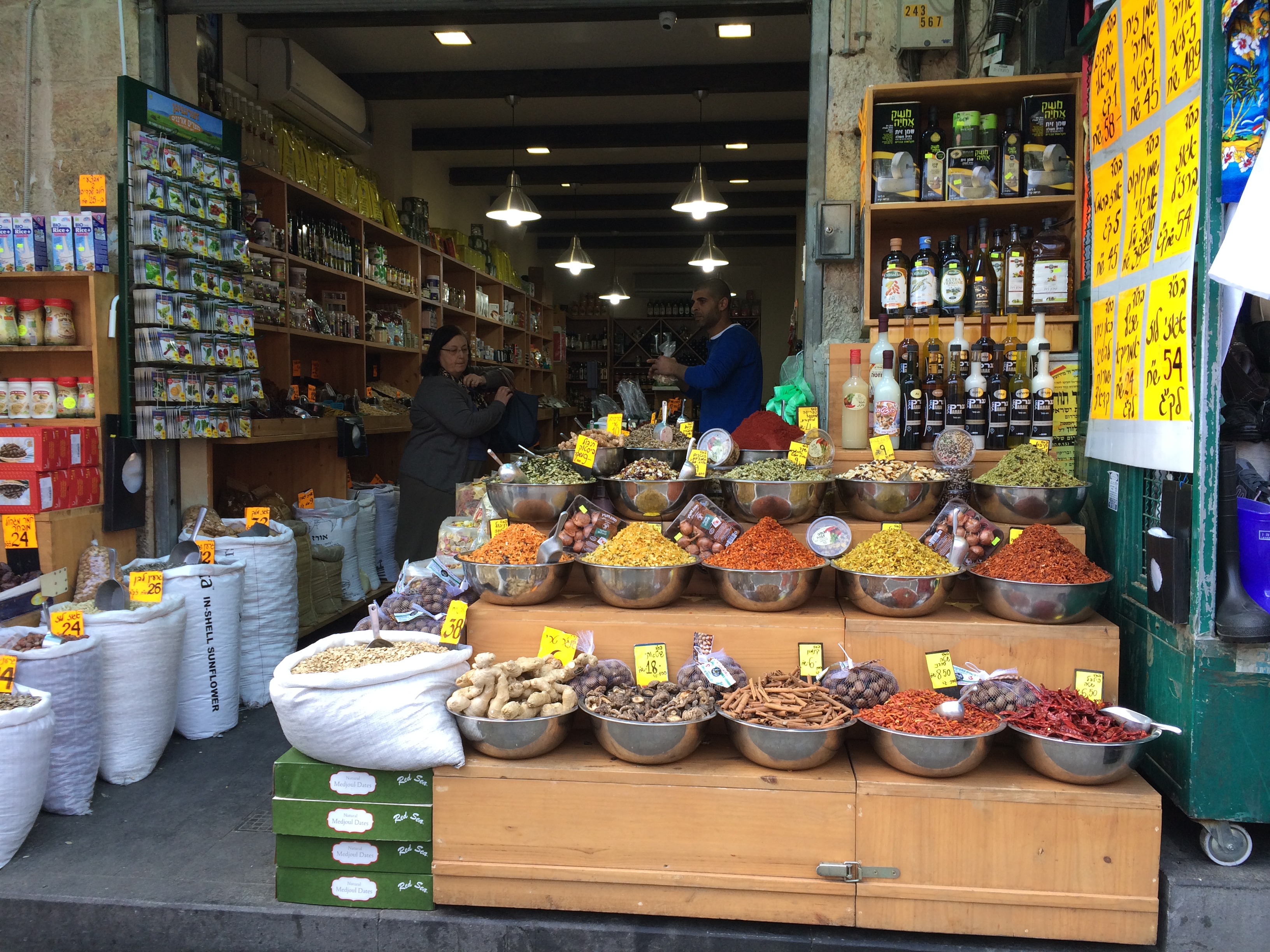
Friday – got to get there before shabbat and all is closed; tired from 5 hour drive; Rose and I rush to market; secure wine, challah; house has candles; post blessing reservations at Adom made; wine opener broken; second wine opener broken; fruit of the vine is tomato; cancel Adom; sleep instead; not what I had imagined for our first shabbat in Israel

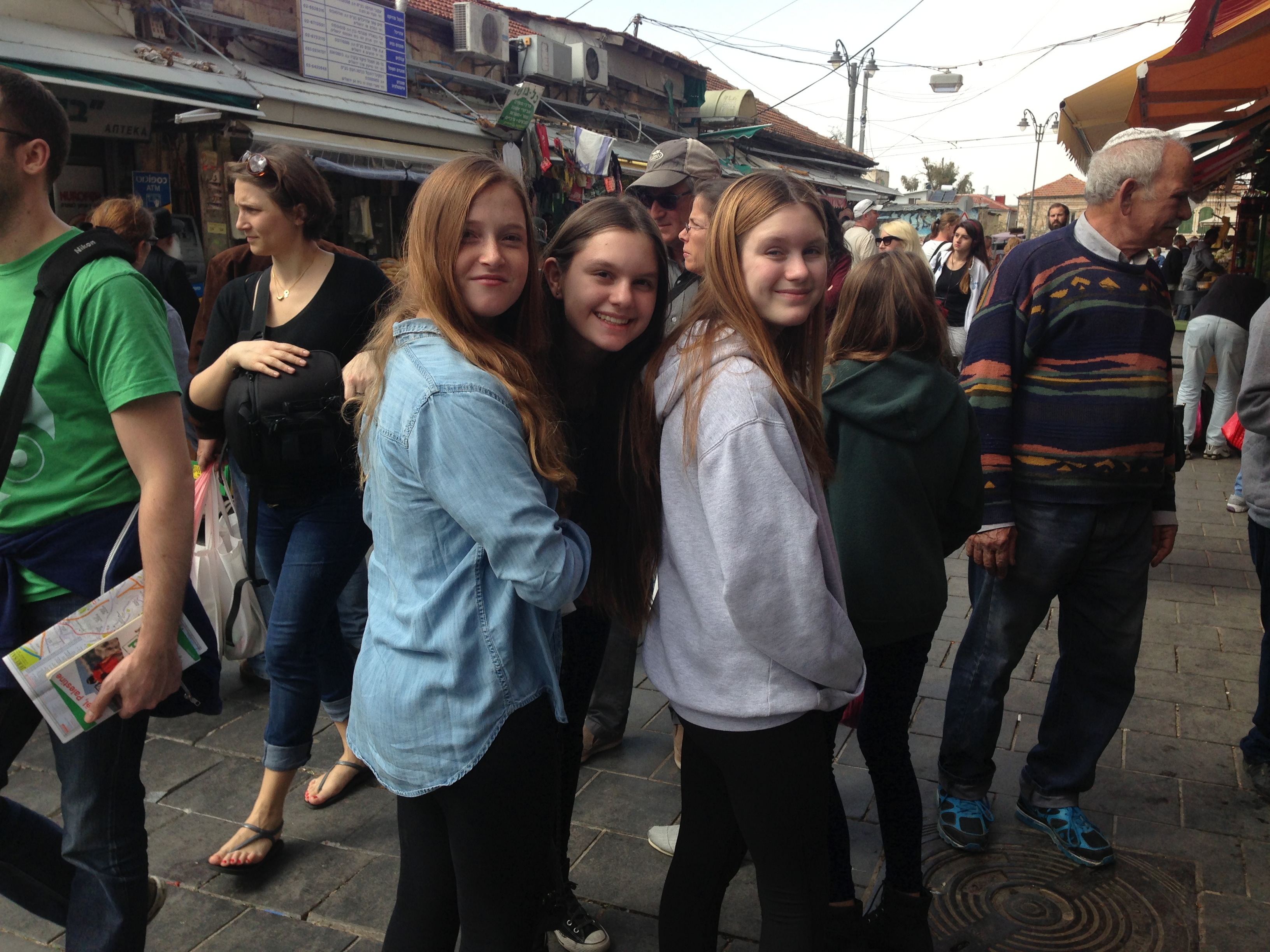
Saturday – Israel Museum – Eldad’s awesome education program; is it too late to be an artist?; art world conflicts – schools from TLV v. Jerusalem; sculpture garden link to Zen gardens in Kyoto; mind wanders off to recall the images of the Silver Pavilion (Ginkaku-ji) and the art on Naoshima, the polite culture of the Japanese which I prefer to the Chinese tourists I still think I hear spitting behind me; an amazing lunch with Miri’s cheesecake – maybe I will learn to bake; Netta and life in the military; L&R continue to impress me with their manners and ability to engage with grownups; txt msg – their best friends have arrived at the house in Jerusalem; REUNIONS – Liv and Nan and Leon; hugs and nonstop laughter – if I could I’d stream it in the background for next six days; boy bands 1D/5SOS; get hamentashen and mishloach-manot

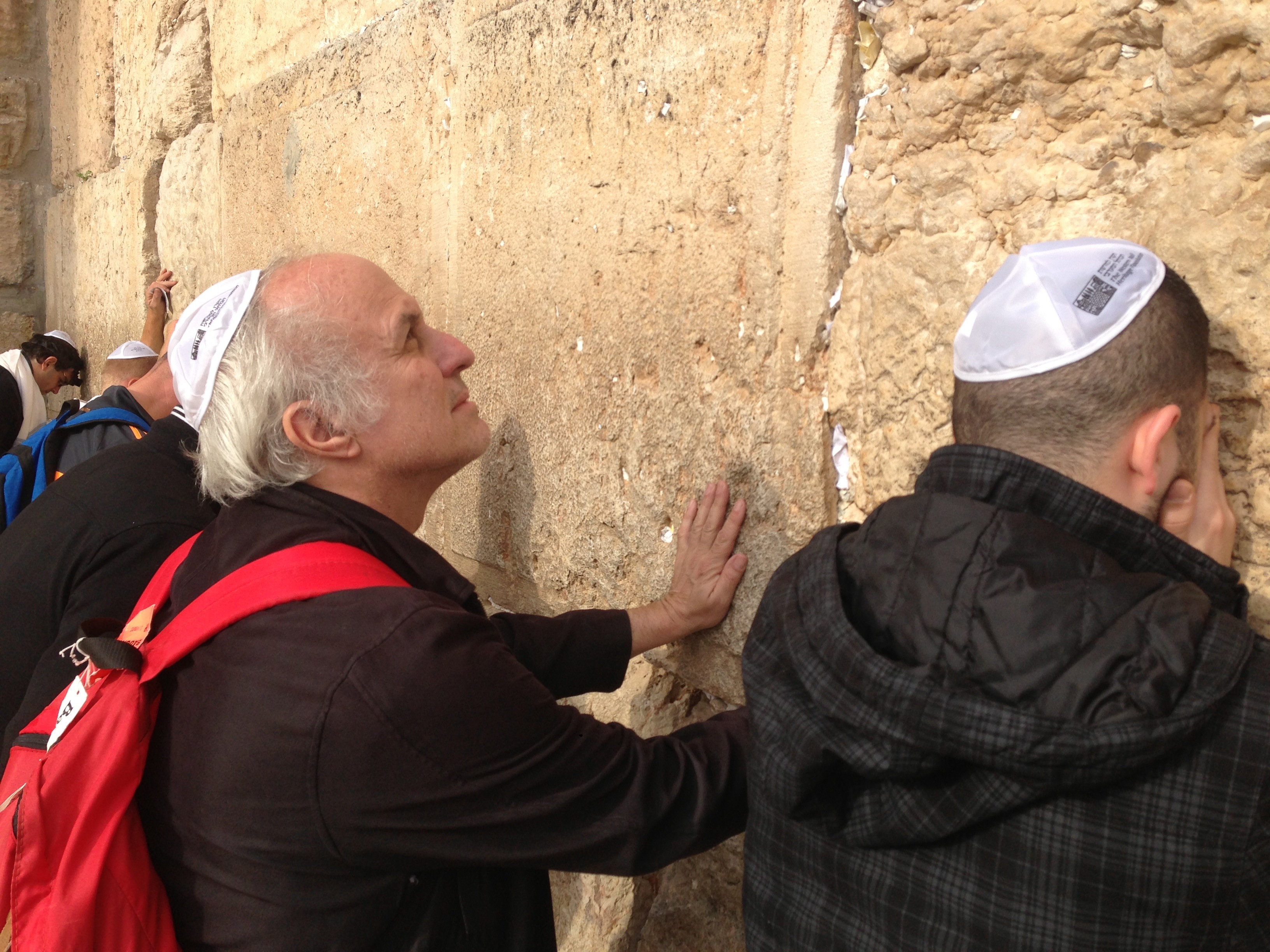
Sunday – full day tour with Danny the Digger; one god, three religions; one state v. two state solutions and lots of we-they; wet tunnel, narrow, dark, worth it; antiquities – shekels, oil container and lamp from time of Maccabees; prayers at Kotel; textile merchant with 6th C church he found under his shop; dinner discussions of property rights – examples of those returning home to east Berlin after wall came down; art looted in WWII; meaning of life

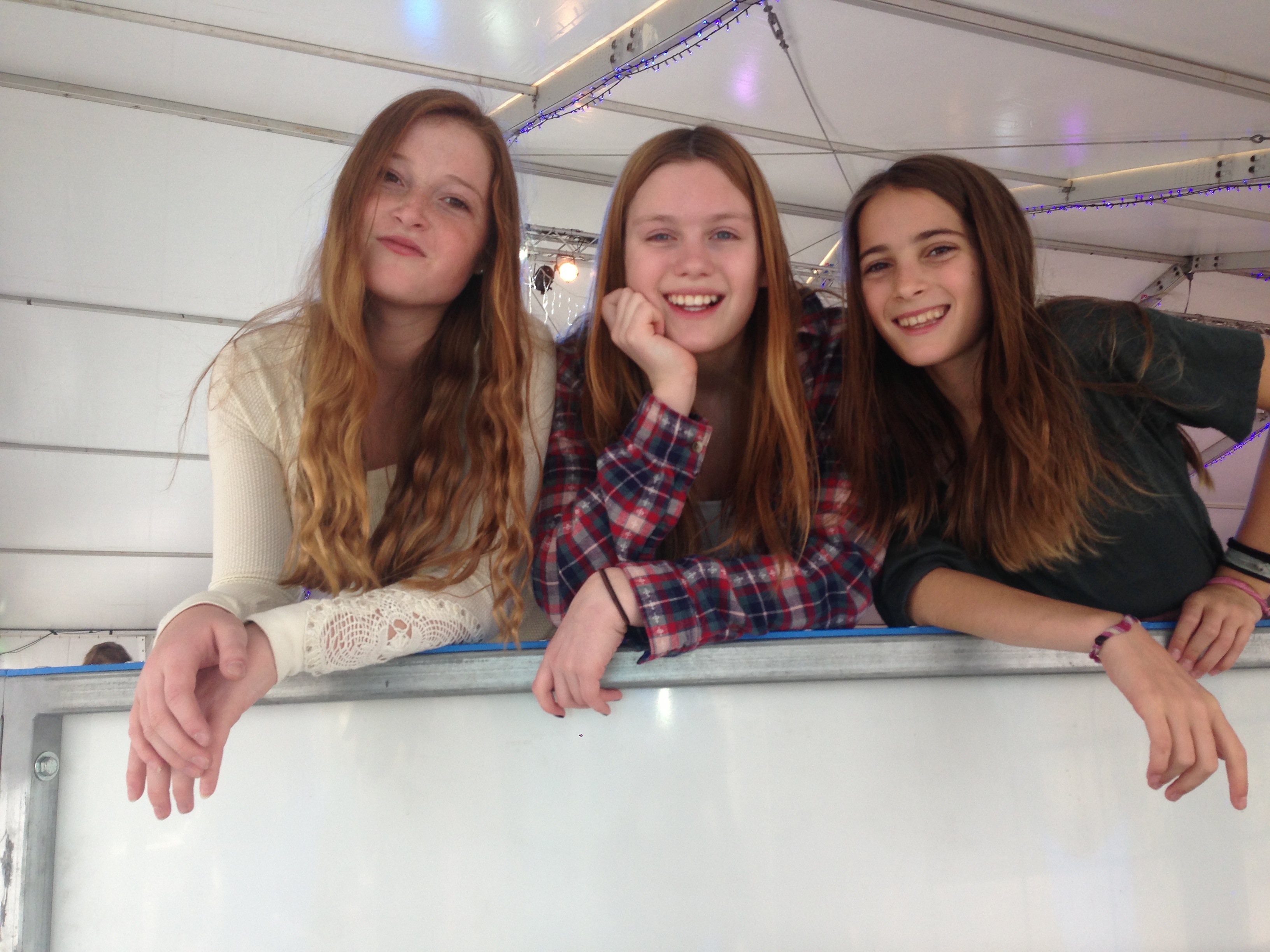
Monday – Purim; up early; taxi to wrong synagogue – Great Synagogue is not the same as Great OLD Synagogue; first is the home of a man from White Plains, second is orthodox; oops – women upstairs; seated; ahhhhh Megillah; tzedacha; do it again; women read Megillah at first station; girls listen; break for ice skating; Mehane Yehuda purim reveling; joyful feast at Chakra

Tues – Western wall tunnels; stones are massive; men and women praying (separately) closest to temple; hummus Ben Sira; homework day; more 5SOS

Wed – Yad Vashem; generosity of Scott; warmth of Malkie W; experience is more educational and less gruesome/dark than I recall; girls take it all in; story of Rivka’s courage and the commitment of true love; view out over the city – Am Israel Chai…

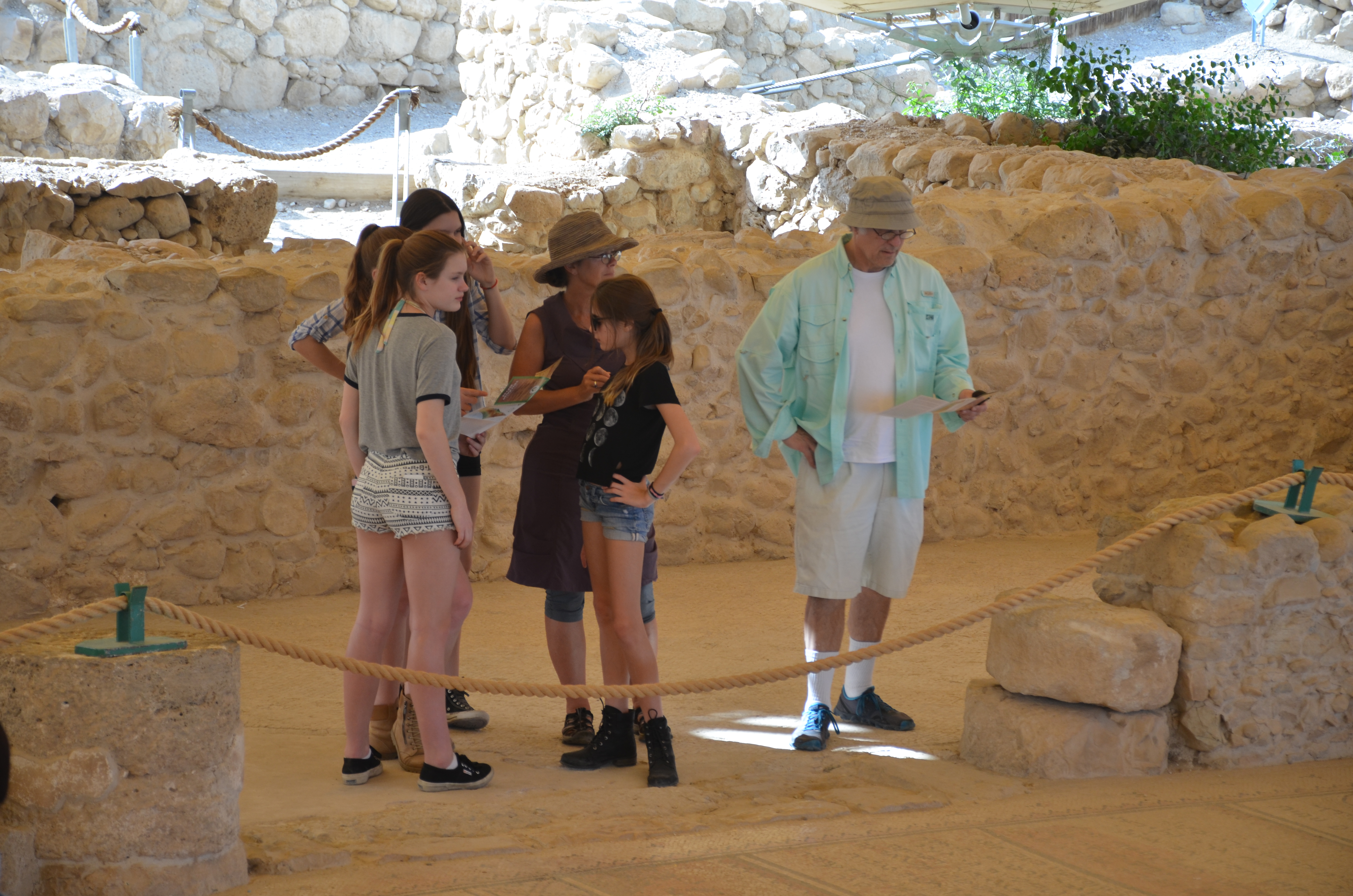
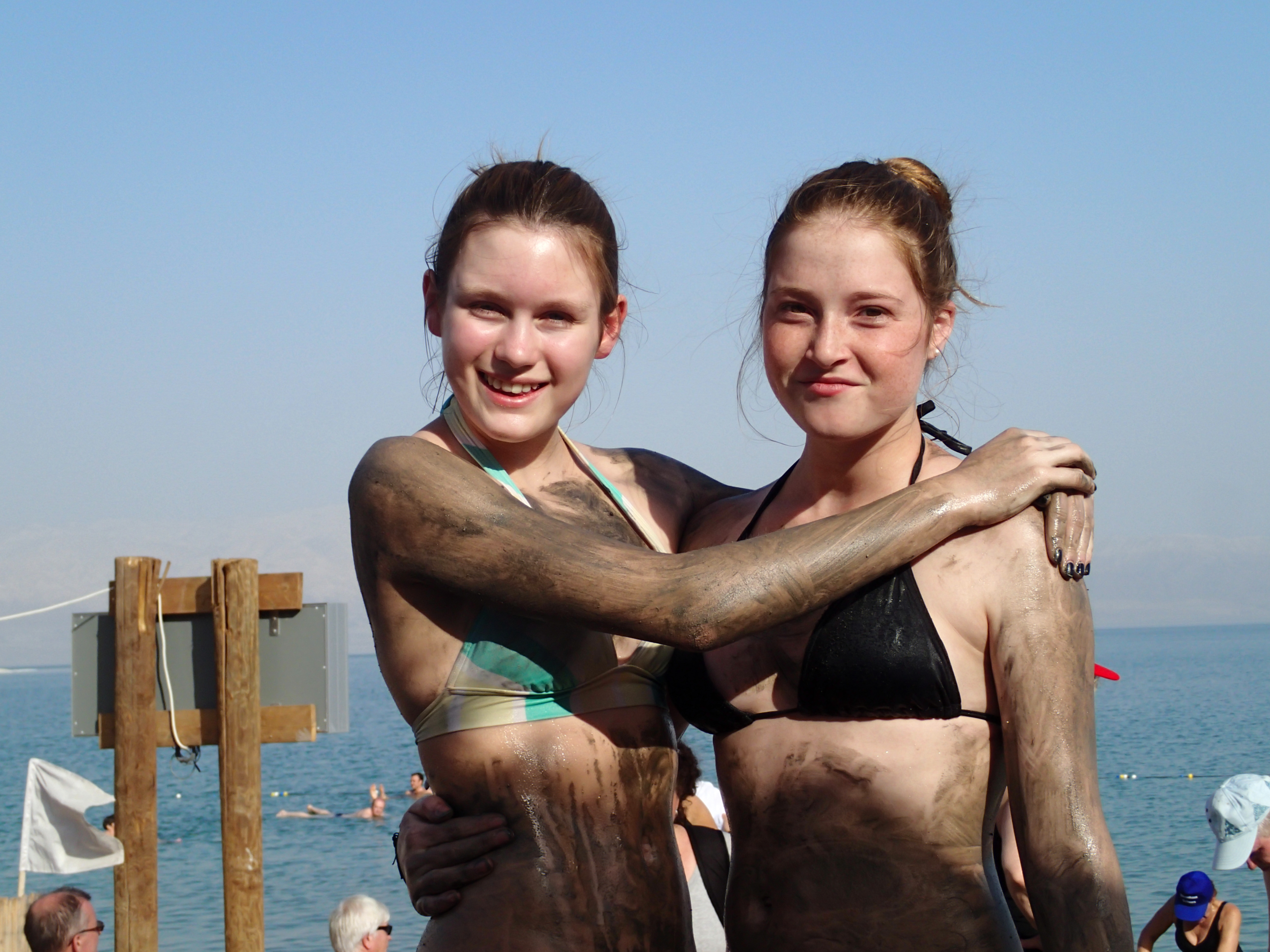
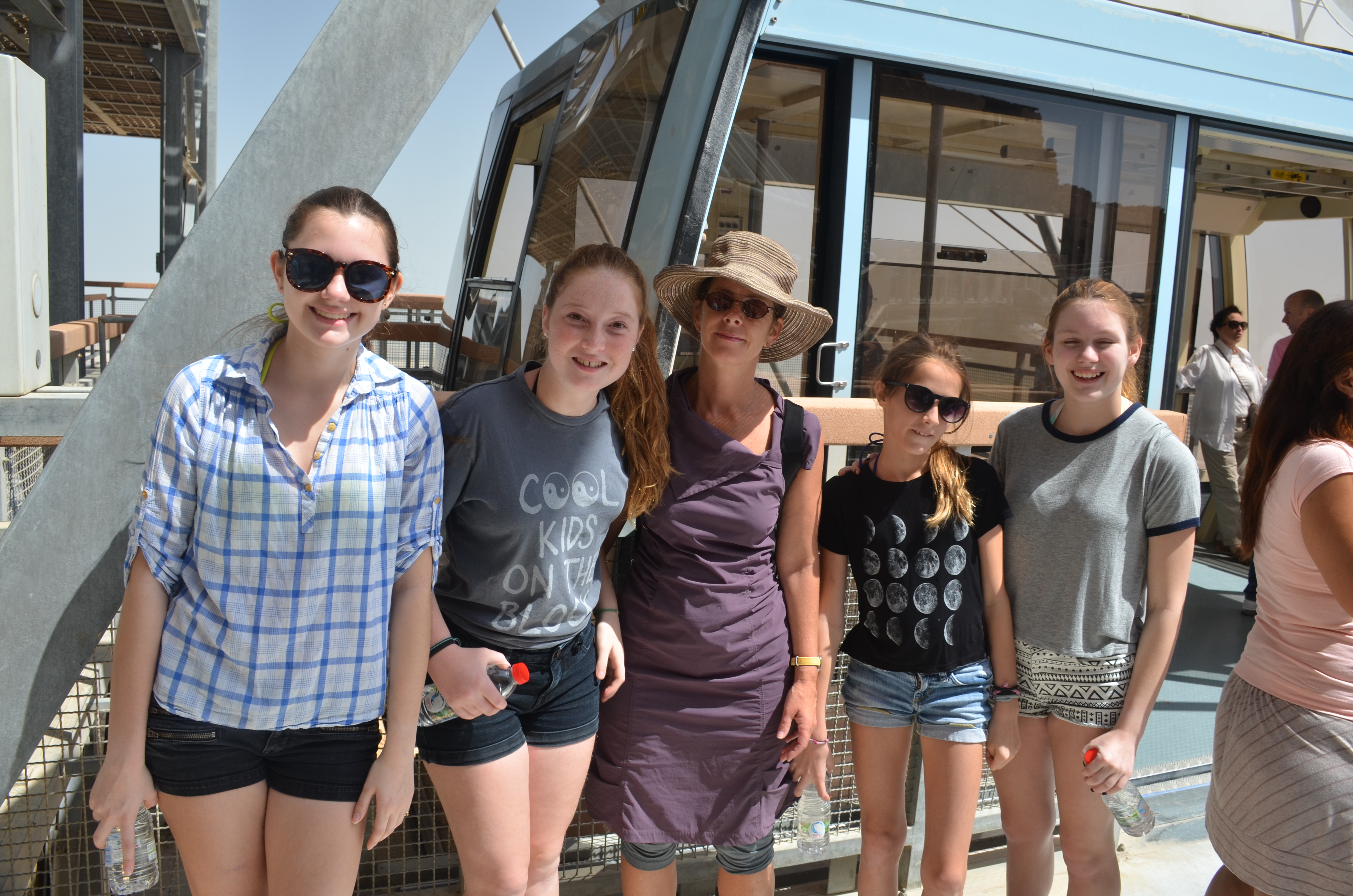
Thursday – Masada; nice Kiwi travelers and suggestions for another great walk on the South Island; gondola; En Gedi’s ancient synagogue; floating in Dead Sea; mud scrub; ouch there are rocks in that mud!; shower, repeat; harvest salt; mud for Rachel; drive back and talk abut the walls that separate communities

Friday – marathon; post office worker warm and kind, Bank Leumi teller cold and surly; Liv’s amazing packing skills gets L&R organized; shabbat at Kotel with davening black hats, tourists, military officers singing Am Israel Chai, remembering Malkie’s tour; a working wine opener; two loaves; Rose and Nan light candles; adults bless wine; Lauren and Liv make motzi; have they outgrown the camp chorus or never liked it in the first place?; from pre-K to bat mitzvah to Aliyah; don’t cry

Saturday – 5am departure; 5SOS news alert; hugs and farewells; no traffic

See what I mean?

IMG_0516 IMG_0519 IMG_0520 IMG_0522 IMG_0524 DSC_0106 OLYMPUS DIGITAL CAMERA OLYMPUS DIGITAL CAMERA DSC_0079 IMG_0458 IMG_0459 IMG_0460 IMG_0461 IMG_0462 IMG_0463

Standard

The Question

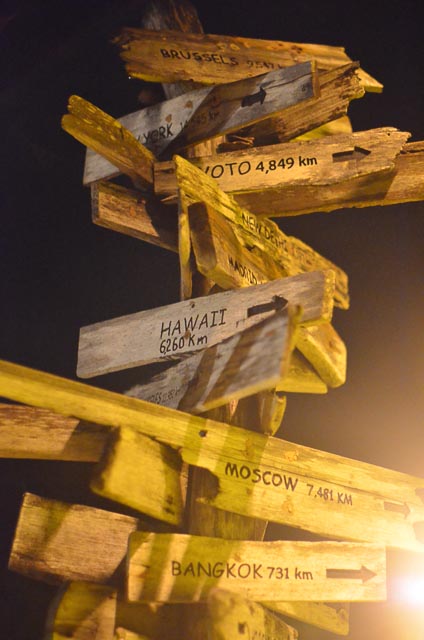
The question we are asked most frequently, when we tell people we are traveling extensively is “What is the best place that you have been?” Readers of this blog certainly know that an answer to that question is impossible.

We have adopted various strategies for answering The Question.  The most common is to say, “We couldn’t possibly pick one” and then describe a handful of memorable experiences.  Another approach is to deftly change the subject, or to pick one experience at random, possibly a good one, possibly not.

Over the past few weeks it occurs to us that the power of this kind of travel, over months, in many places, seeking out experiences, but seldom going anywhere that dozens of friends and relatives haven’t gone already, is not just in the places but also in the connections.  For example, at the Israel museum we saw crude tools that were brought from Africa, providing a link to the first tools found at the cradle of mankind in South Africa.  We have seen the link that Cricket provides between far flung former British colonies and we are beginning to understand the attraction of this slow and complex game. The links and webs grow as we see more places.

Another almost universal feeling we have been getting is that the more time you spend in a place the more there is to do and experience.  Even our longer stays of a few weeks are not enough.  We always leave wanting to stay longer, yet eager to reach our next destination.  These two ideas are described by the character Marco Polo, in Italo Calvino’s magical book, Invisible Cities.

…the more one was lost in unfamiliar quarters of distant cities, the more one understood the other cities he had crossed to arrive there.

and…

The traveler recognizes the little that is his, discovering the much he has not had and will never have.

sign post-1

Standard

Petra and Wadi Rum

We arrived Tel Aviv March 9 very tired.  We had been traveling since 10am March 8 from Knysna, South Africa.  We had to recover quickly as the agenda for visiting Jordan and Israel would be jam-packed.

As is our practice now, when we arrive in a new country we make two key airport purchases.  First stop, ATM for cash.  Some charge a small fee and others charge fees that are down right criminal.  Second stop, and this one can take a while, we get new SIM cards.  Andy and I have second phones for which we need local phone SIMs and then we get a data only SIM with 3-5 Gig capacity for our MiFi (portable wifi).  This is key because the girls have to keep up with their school work (a subject for another post but in short, they are maintaining high scores and working very hard).  Anyway, sometimes this is a painful process and other times not so much.  The girls have become used to the extra hour in each airport as these essential items are procured.  Lauren is adept at finding free wifi and settling down for the wait. Our Israeli SIMs took a long time but the staff at Cell C couldn’t have been nicer.  I left with a suggested driving route from Tel Aviv to Jordan; a list of restaurants in Tel Aviv and Jerusalem; and the name of an area, far from the hostilities, where young Israelis and Palestinians share natural springs and swim spots in peace.

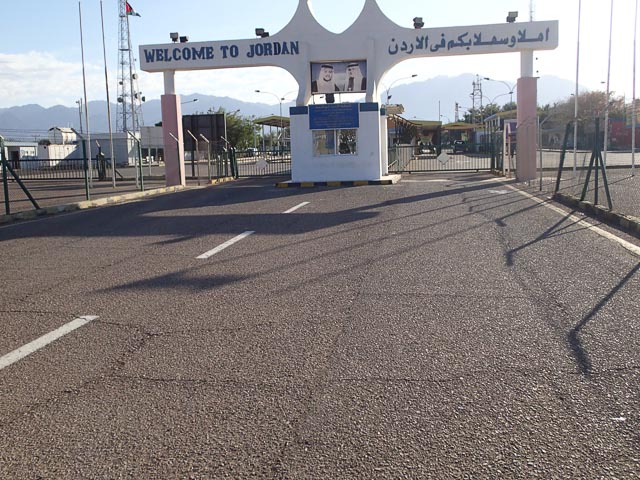
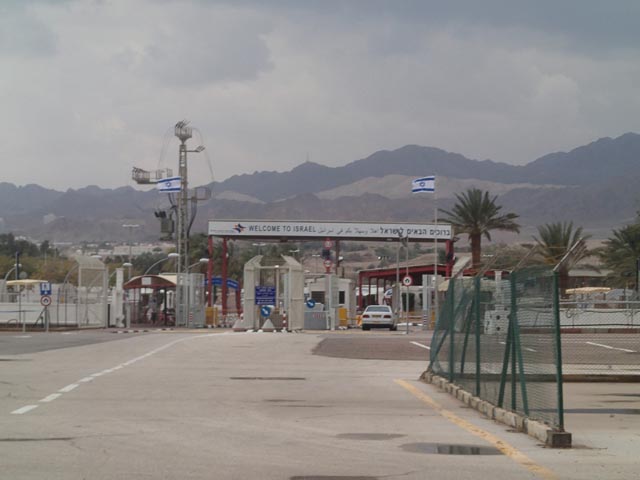
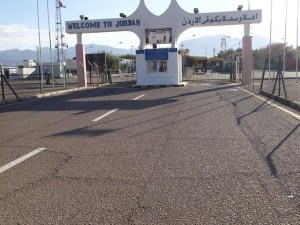
One night in Tel Aviv meant that we wouldn’t see much but we did our best to see the old fort; walk one of the hip shopping streets; and enjoy an excellent Tel Aviv bakery.  We followed our Cell C recommendations and drove from Tel Aviv to Eilat by way of Mizpe Ramon (making a stop to lay a stone at Ben Gurion’s grave) and the great crater area (Israel’s mini Grand Canyon).  One night in Eilat (which I hope to never repeat) and then a seamless crossing into Jordan at 7am on March 11.  Ahhh.  From here we will slow our pace and take in the amazing landscape and history of Jordan and Israel.

Petra

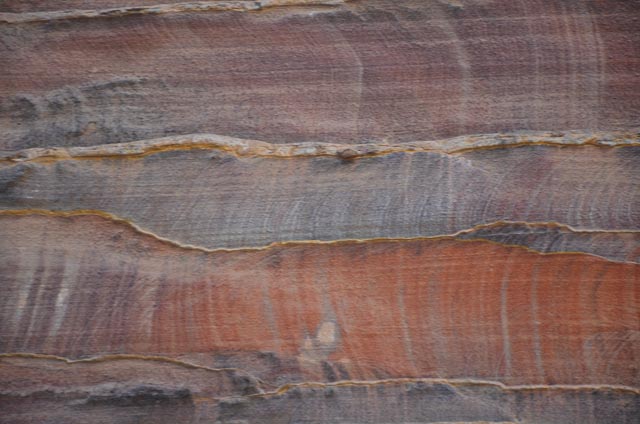
This is the beginning of the Rift Valley.  Go ahead, open Google Maps and take a look.  Or, here:  http://en.wikipedia.org/wiki/East_African_Rift   See in the insert the line that runs through Jordan and the Arabian plate and then the valley that is created down to East Africa?  The breaking apart of the three plates has created a valley that runs from Petra to Tanzania!  I find this especially interesting.

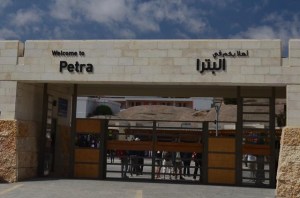
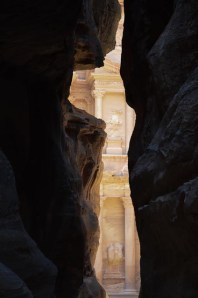
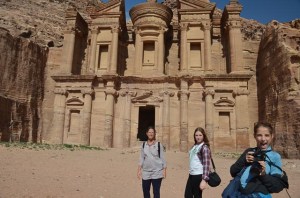
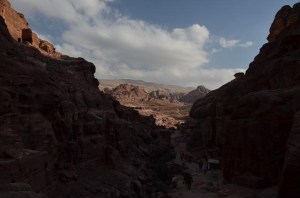
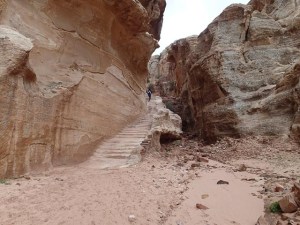
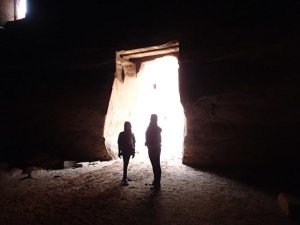
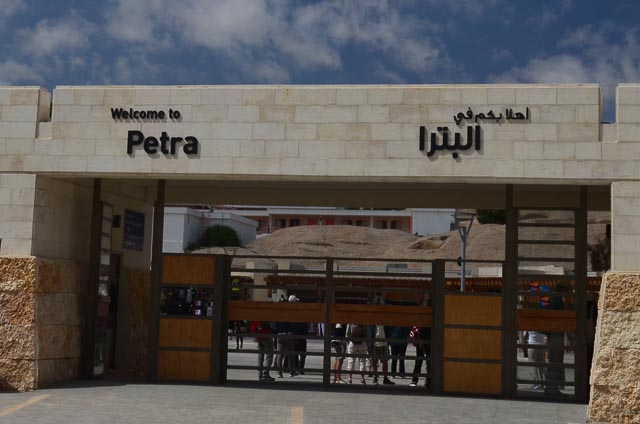
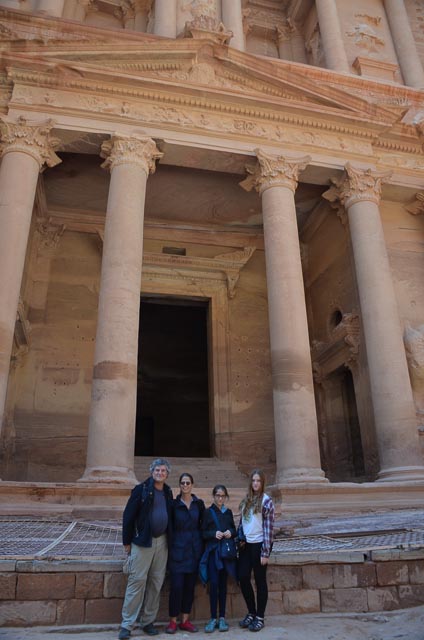
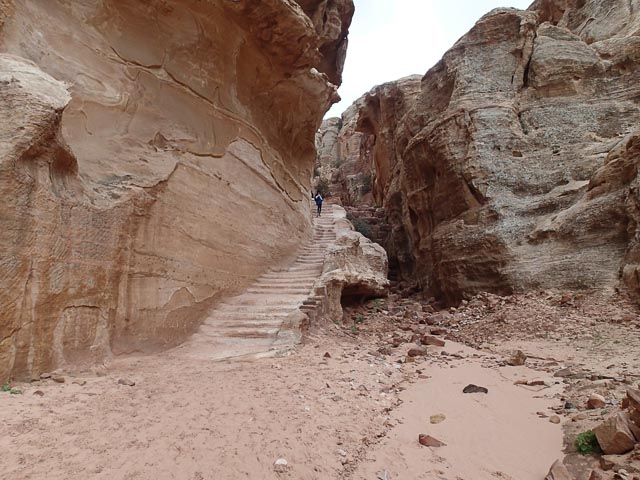
So here we are in Petra for two days.  To enter Petra (the “Lost City”, the “Rose Red City”) we must pass through the Siq – this is that fault line.  So cool.

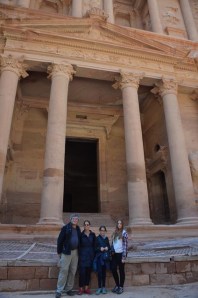
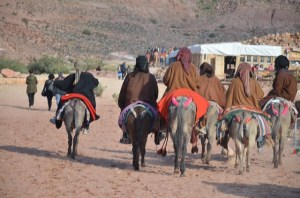
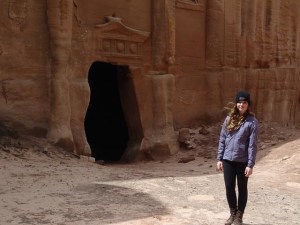
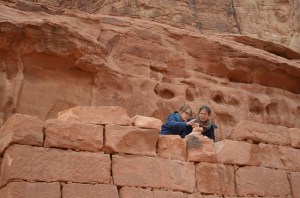
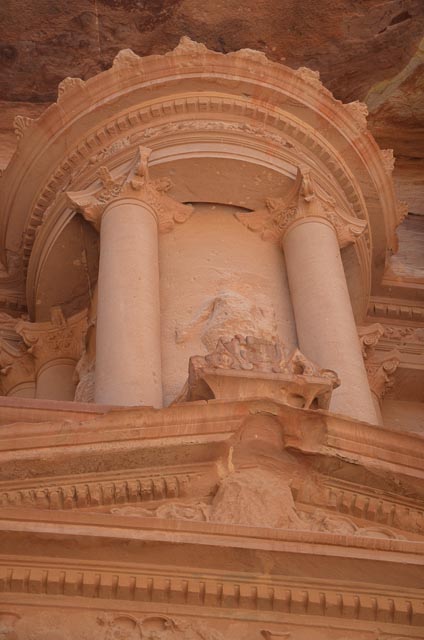
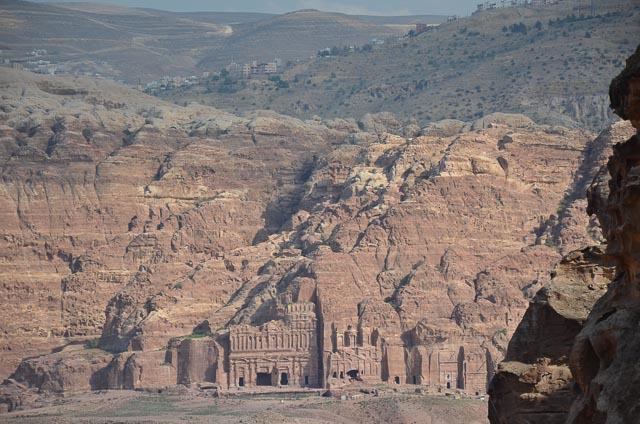
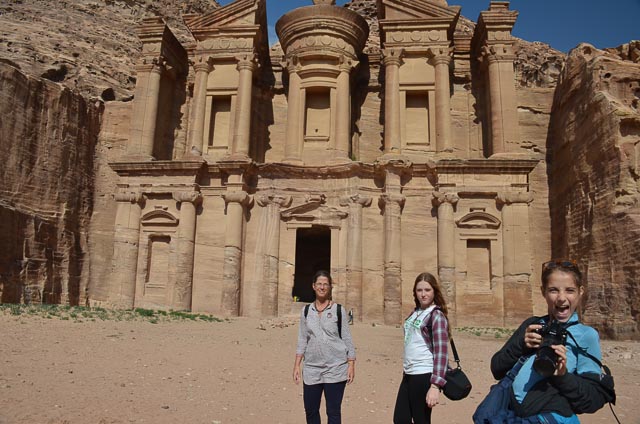
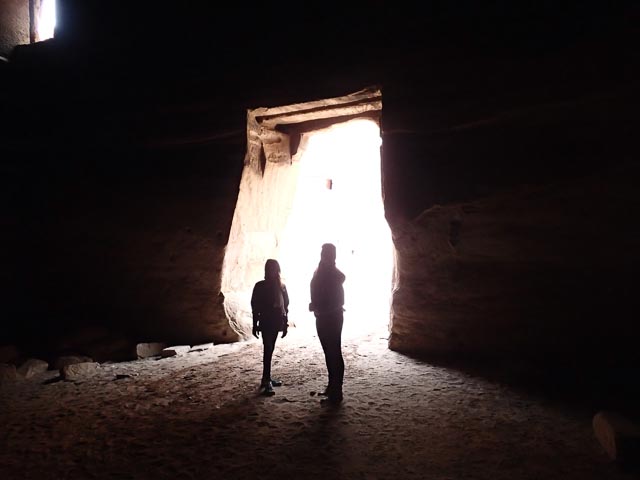
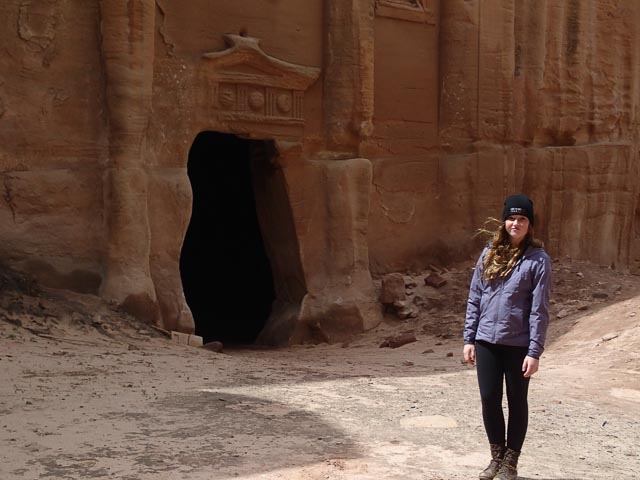
On our first day, we saw the Treasury and then took the moderate hike to see the Monastery.  On our second, we hiked to the High Place of Sacrifice.  This is where people came to offer animal sacrifice.  On our leisurely walk back down, we visited various tombs and even got lost.  The Bedouin children are quick to the rescue with directions, for a dinar.  If it hadn’t been snowing, we might have hiked up to see the Royal Tombs as well.  But alas, we were cold and the rocks are slippery when wet.
Petra-1 Petra-2 Petra-3 Petra-7 Petra-8 Petra-9 Petra-10 Petra-13 Petra-12 Petra-16 Petra-18 Petra-17 Petra-14 Petra-20 Petra-22 Petra-21

Wadi Rum

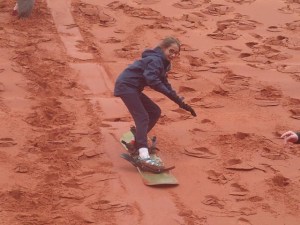
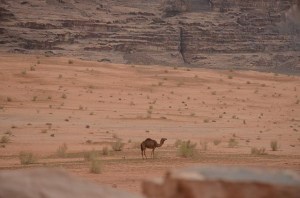
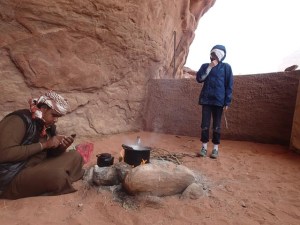
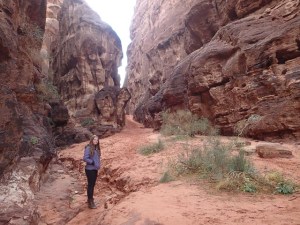
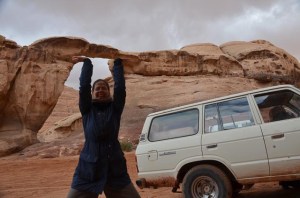
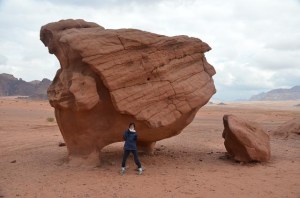
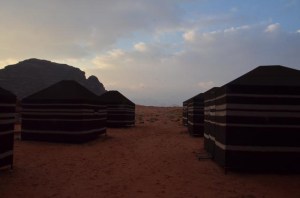
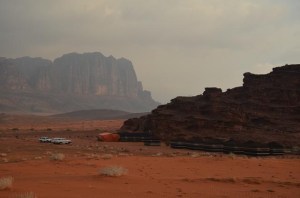
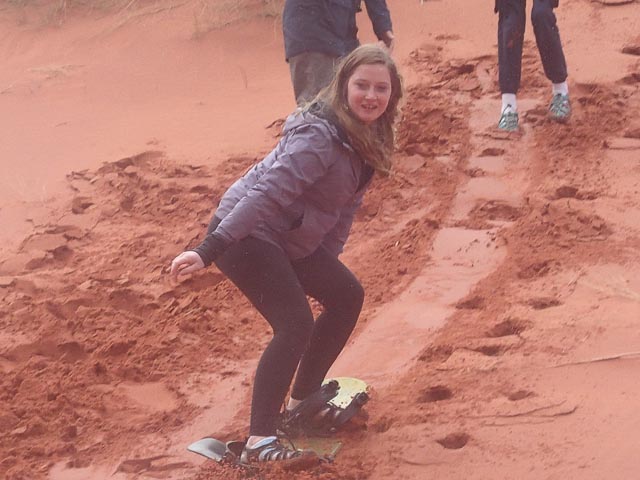
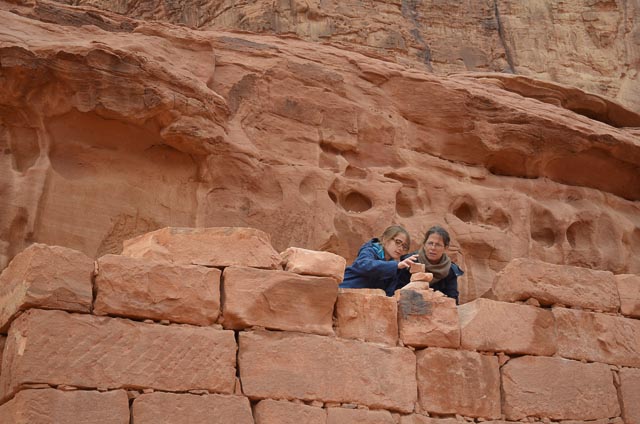
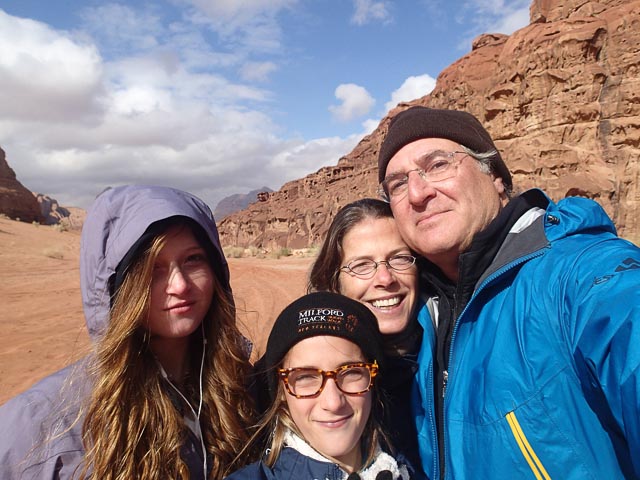
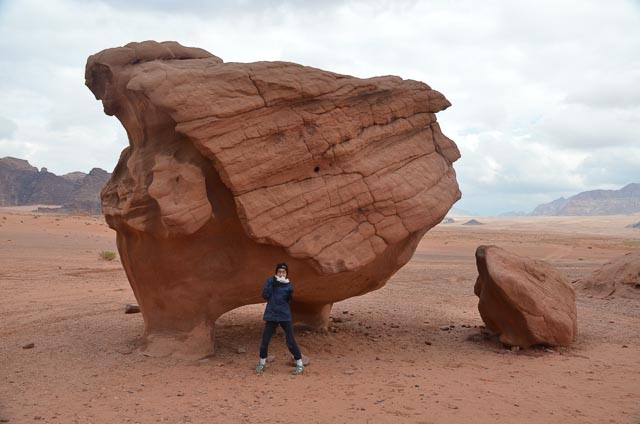
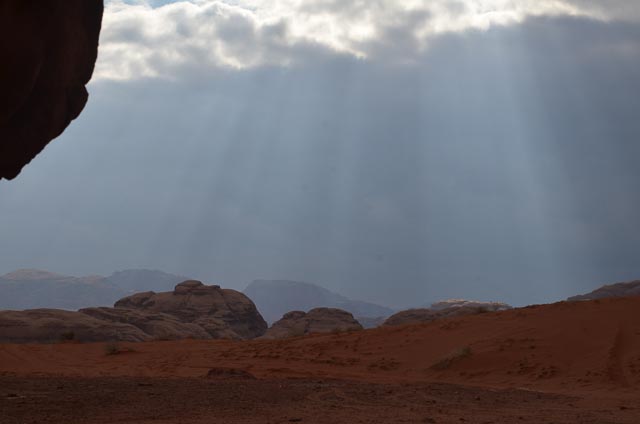
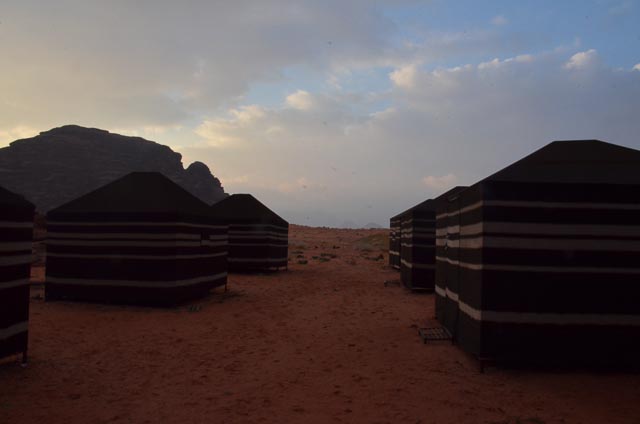
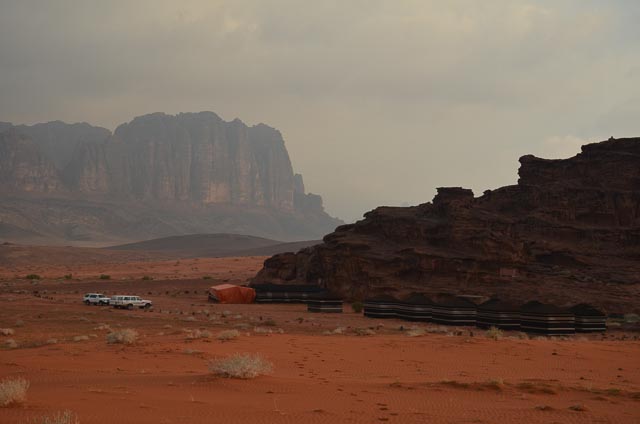
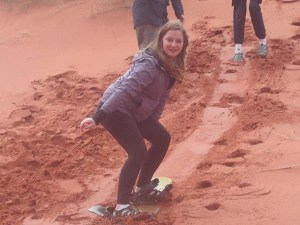
Wadi means valley and Rum means mountains.  It’s an accurate naming of this place. We left Petra at 9am and were sand-boarding by 11am.  I took a really funny video of the girls going down together with a full tumble at the end that you might have seen on my Instagram!  Our guide, Adil is sweet young man of only 20 years.  Most of our guides on our trips have been older, some with PhD’s.  It was fun to be out with this young man and his jerry-rigged car stereo. He sang full out with his stereo blasting as he drove us from site to site in this great valley.  We were in the desert with near freezing temperatures but his youthful attitude was warm indeed.  We roamed the valley taking in various sites, made lunch in a walled cave, hiked through valleys, and then Rose drove the jeep. She did well and we survived.

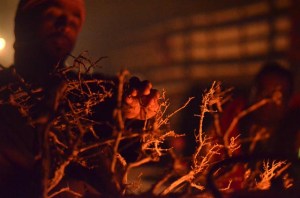
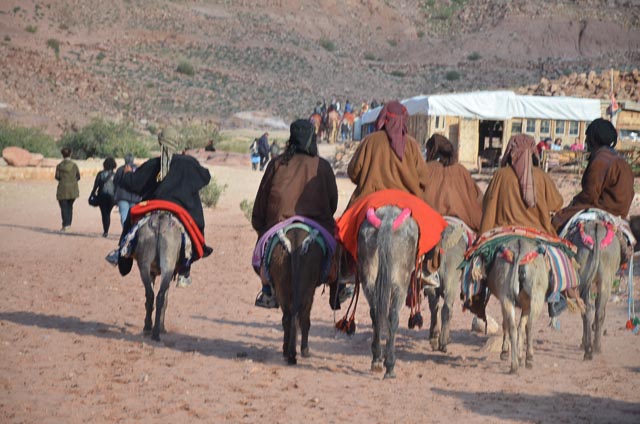
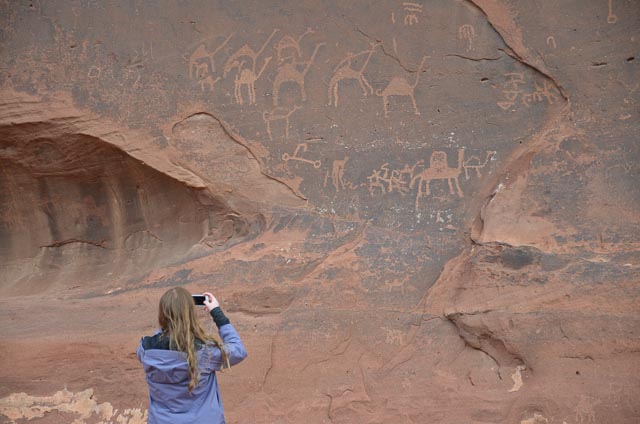
That night we joined with six others at our tented camp to drink lots of tea by the fire and hear stories passed from grandfathers to sons over many generations.  The Wadi Rum was a key passageway in ancient times and the people who lived here were wealthy from trading with the caravans as they passed from Damascus to Mecca.  We saw rock carvings of the people from that time, Lawrence of Arabia’s home, the fresh water spring that watered camels as they passed, and families still living the Bedouin lifestyle in the valley (somehow, I don’t have any photos of them).

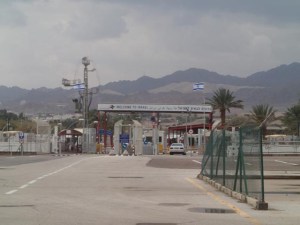
We left early March 14 for Israel.  The border crossing was equally easy, though Lauren and I both had our bags thoroughly inspected by the Israeli soldiers.  (Note to self:  lingerie should always be in its own bag.)  From here we would make our way to Jerusalem…
Wadi Rum-1 Wadi Rum-2 Wadi Rum-3 Wadi Rum-5 Wadi Rum-6 Wadi Rum-7 Wadi Rum-8 Wadi Rum-9 Wadi Rum-10 Wadi Rum-12 Wadi Rum-14 Wadi Rum-15 Wadi Rum-17 Wadi Rum-19 Wadi Rum-21 Wadi Rum-23 Wadi Rum-25 Wadi Rum-27 Wadi Rum-28

Standard

Global Pilot — Africa

I am now a licensed pilot on three continents. As with Australia, flying in Africa was not without its difficulties.

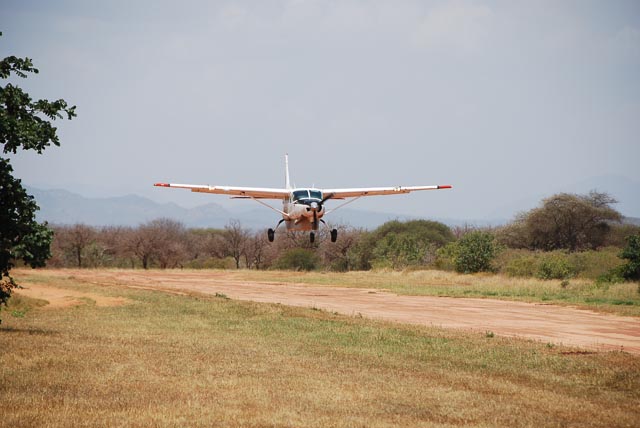
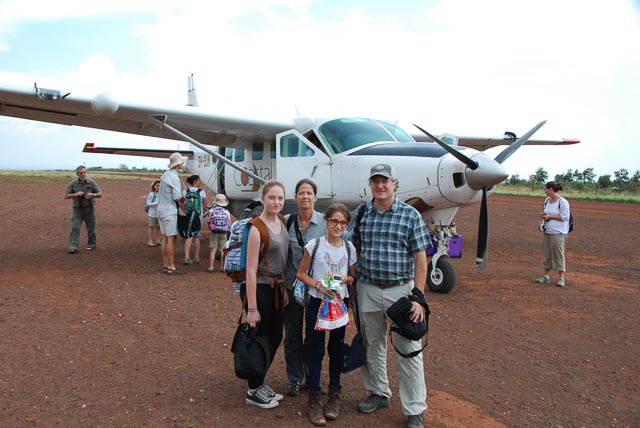
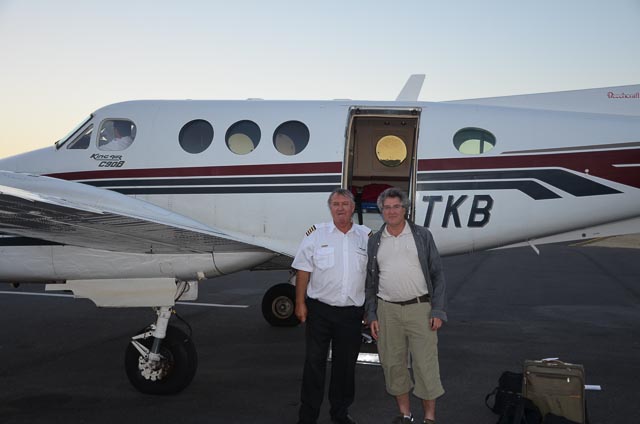
Our African flying experience started in Tanzania where we took several flights on Cessna Caravans between various safari and other locations. Although these were commercial flights, I was able to fly “right seat” on most of them, I even got in some time at the controls. Flying in Tanzania is interesting as many of the runways are not paved, and there is limited radar coverage. All of our pilots, but one, were excellent. That one pilot flew like it was it first day on the job and unfortunately I was not in “right seat” during that flight so I all I could do was sit in the back and hope for the best.

Flying Africa (1 of 15)Flying Africa (2 of 15)Flying Africa (3 of 15)Flying Africa (4 of 15)

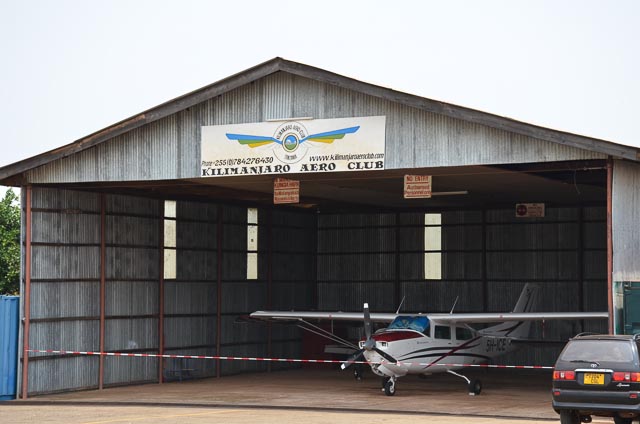
Once in South Africa, we were set up to rent a small Cessna 172 for two weeks from Hank’s Aero, a company that specializes in self-fly safaris. The South Africa validation process is nothing like Australia. Thanks to the help of Ross, who works for Hank’s, in one day my South Africa validation was complete. Hank’s arranged for me to meet an air traffic controller and an instructor for the flight test. The whole process was painless and informative.

The plan was for me to fly the seven hours from JoBurg to Cape Town by myself and for Karie, Lauren and Rose to take a commercial flight. From there we would go on various day trips and other short flights. The night before the flight, I checked in with the airports along the way and found out that the runway at Stellenbosch, the airport that I was planning to use near Cape Town was going to be closed for the week. I found an alternative airport and planned my route.

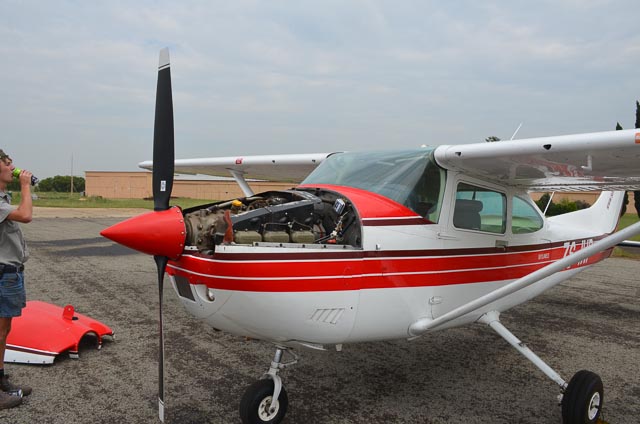
My early morning departure from JoBurg featured hazy skies, but I was well prepared for the route. I did have some trouble understanding the controllers, more due to the lack of good headsets than accents. An hour into the flight I had a major problem. The ammeter was jumping wildly and there was a smell of smoke in the cockpit. I shut down the alternator and some unnecessary electronics and the smoke smell went away. Nevertheless I was not willing to continue to fly in an unfamiliar plane over an unfamiliar country with some electrical failure.

I informed Air Traffic Control of the problem, and requested landing at the nearest airport. I didn’t know anything about the facilities there, but I figured that it was best to get on the ground quickly. I was able to land without incident as the plane was flying normally and there was no additional smoke or smell.

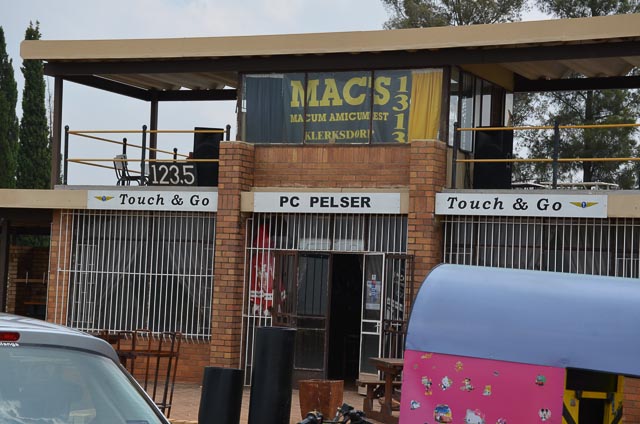
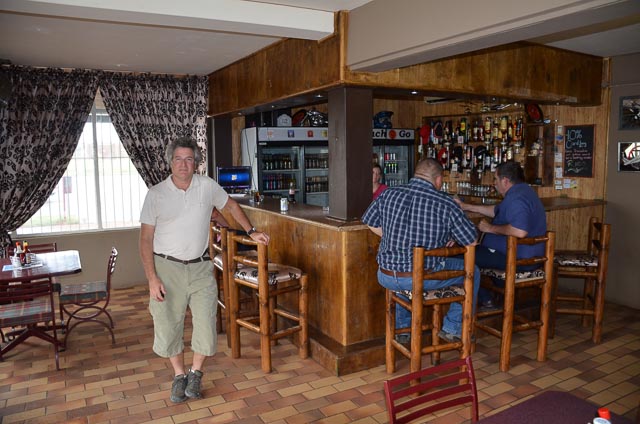
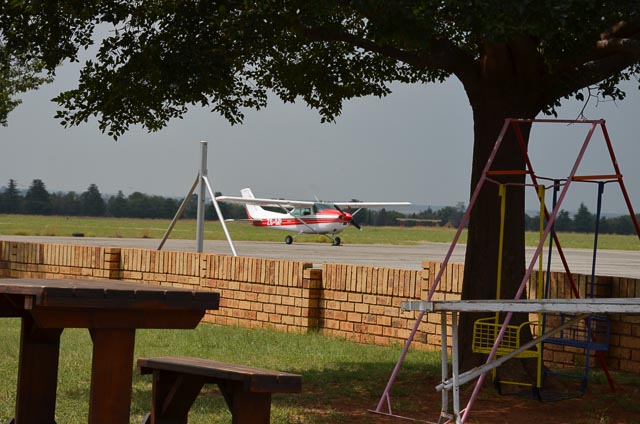
Fortunately, I landed at Klerksdorp, an airport with a mechanic, a restaurant and even a charter service. I took advantage of all three. While the mechanic was checking out the plane, I had lunch at the restaurant/bar. At first it seemed that the plane could be fixed, but unfortunately that didn’t happen. I then chartered a flight the rest of the way to Cape Town.

Flying Africa (8 of 15)Flying Africa (5 of 15)

Flying Africa (6 of 15)Flying Africa (9 of 15)Flying Africa (7 of 15)Flying Africa (10 of 15)Flying Africa (11 of 15)Flying Africa (12 of 15)

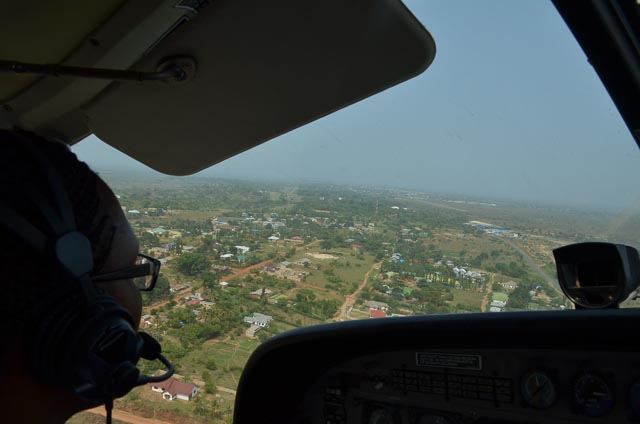
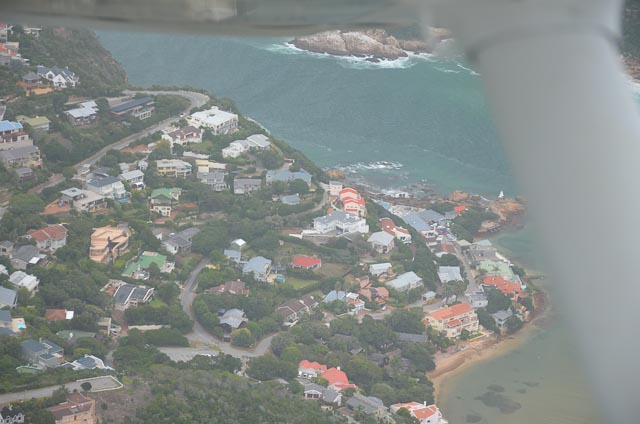
In Cape Town I made several attempts to rent a plane. However I wasn’t able to schedule another plane or instructor due to the closed runway at Stellenbosch, the short notice, and the limited number of planes available for training and rental. My flying in South Africa wasn’t a complete washout, however, as I went for another sightseeing flight over the Garden Route.

Flying Africa (13 of 15)Flying Africa (14 of 15)

Flying Africa (15 of 15)

We hope to return to both South Africa and Australia at some point and I hope to fly some more in these fantastic countries.

–Andy

Standard