Great Circle Map Updated

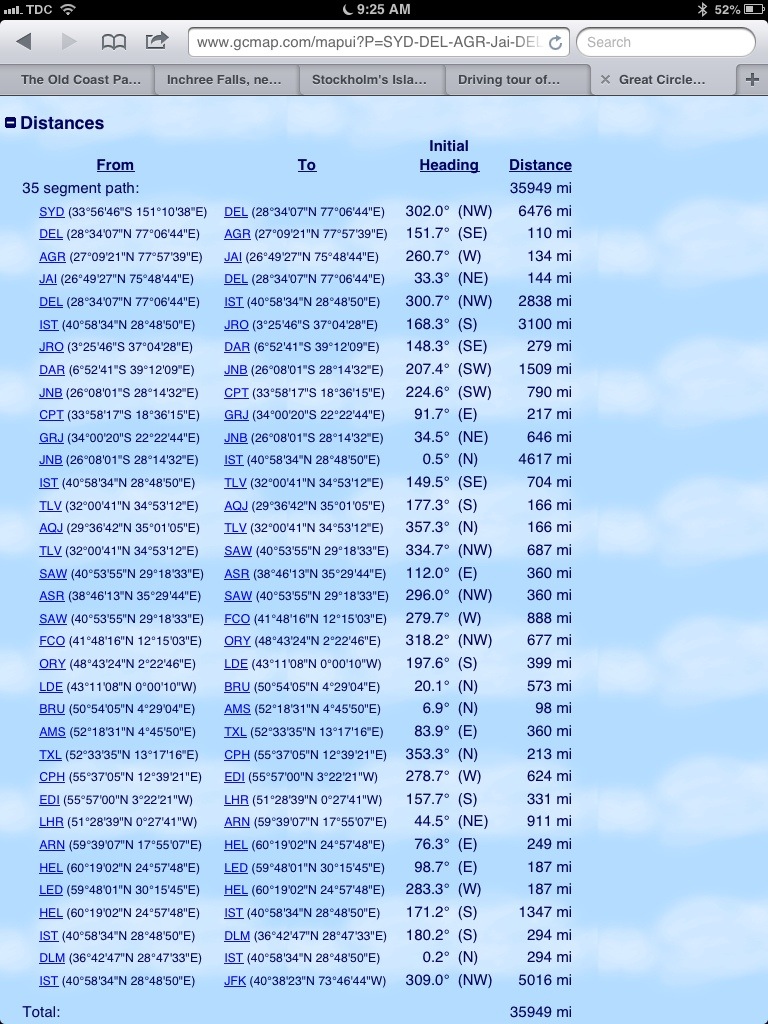
SYD-DEL-AGR-JAI-DEL-IST-JRO-DAR-JNB-CPT-GRJ-JNB-IST-TLV-AQJ-TLV-SAW-ASR-SAW-FCO-ORY-LDE-BRU-AMS-TXL-CPH-EDI-LHR-ARN-HEL-LED-HEL-IST-DLM-IST-JFK

With only a few weeks left we can say we have a final itinerary. If you’ve been reading along since August you know that the first half of the trip was booked before we took our first flight and the second half was to be left open and flexible. This made our mothers a bit crazy (in a good way we hope). We managed to set some dates in advance to take into account friends limited school vacation schedules – one week in each of March and April. And in December friends suggested a meet up and vacation in South Africa. The rest was left open; well, for as long as I could tolerate it anyway.

Turns out I like certainty. I guess we, me, you (collective readers) knew that already. My planning horizon stretches weeks and I like to read up on everything so I don’t miss anything. But, for me, there is just too much information to be able to stay on top of places while also experiencing the place you are in. Did that make sense to anyone? Let me try it another way: Being in the moment doesn’t always square well with the desire to plan your next step. (I think my mom and Kirtlye have been telling me that for years. Thanks moms. I think I got it now. Maybe.)

Anyway, here we are with a few things certain: our flights, our ferries, our hotels. The great circle map (images and data below) shows where we’ve been since January and where we go next. In the list of airport codes above, we are in CPH or Copenhagen. Next week Joan and Joel will join us here and the following week, we will meet up with Mom and Doug in Scotland and travel to London. From there….we go back up to the Scandinavian countries of Sweden and Finland, take a ferry to St. Petersburg (with only a 72 hour visa) and then a flight back to our hub of Istanbul where we will have a one week vacation on the Blue Coast before heading home….on July 1st.

So that’s our flights and ferries. A quick note on hotels and AirBnB in response to a comment. If you’re not into logistics, you can move on to your next email or blogroll as this will be rather tedious and uninteresting.

Identifying where to go Edinburgh v. Glasgow is a different kind of search process but where to stay in Edinburgh itself would go like this:

I do my internet search first on Trip Advisor. This allows me to see if the different hotel aggregators are pricing similarly. Then, all being equal, I go to Booking.com. My filters are set to look at scores above 8.1 and WiFi Free Everywhere. That tells me what the room availability statistics are for the dates I’m looking at and since we are generally flexible, I can take into account heavy weekend bookings etc. I also know a little about the yield management systems that these aggregators are using so I try to look quickly and not inflate the demand, the four people looking at this room often include your last viewing. After I learn about the availability of rooms in a city I take into account how long we want to stay and whether we need to do laundry. I compare the aggregator rate to the hotel’s direct booking but generally find them comparable and I prefer all of my bookings in one place, so I open and book using the Booking.com app (my app of choice). (And then I clear the cookies from my browser if I don’t want targeted ad campaigns.)

If we are staying more than 5 days, serviced apartments (available also on booking.com) and AirBnB are our first choice. I have wish lists that I have saved on AirBnB since last winter. AirBnB has exploded and the best spots are often booked well in advance. Our bookings are for the entire home or flat so the owners go on vacation or move to a second home during our stay. We have had great experiences with the places we’ve booked and I wouldn’t be surprised, in fact I’d be delighted, if the hosts we met came to stay with us sometime. For us, we want our AirBnB flats to have two – three beds, 1.5 bathrooms and strong WiFi so the girls can submit their assignments. After that, I want to know that there is good access to city center/sights, there is a good market nearby, that there is a Dryer!, and that they either have a Nespresso or, better still, an Illy espresso system available 🙂

AirBnB tends to be nicer when you want to connect with locals and serviced apartments are nicer when you want your bed made and towels freshened each day. Our longest stays, 12-20 days, have been with AirBnB.

Had enough? Want to talk about picking cities? food and coffee searches?

20140511-111134.jpg

20140511-111433.jpg

20140511-111442.jpg

Standard

Eurovision

When we first went to book our time in Copenhagen last summer we were surprised to find the city was so busy. AirBnB listings made reference to how to get to Eurovision Island and other key transportation information. I didn’t think too much about it and booked our place for the second two weeks of May and left the first two weeks open for later. Three more months went by and I found the room inventory was getting even more constricted. It was December and I was in Melbourne when I finally looked up Eurovision.

Eurovision was started when, in 1955, an organization of TV broadcasters in Europe met in Switzerland to figure out a way to bring Europe back together after the two world wars had torn them apart. In the first year (1956), the seven countries sent one person each to compete for the prize. This year, thirty seven countries are entered (not including Australia who got an honorary song slot just for wanting to be part of Europe). ABBA and Celine Dion both got their start on Eurovision.

Tonight we are watching the finals. Twenty six contestants remain. Yep. The semi finals had fifteen contestants each and only ten could move on. So the finals are the ten qualifiers from each semi (20) plus six more. The six are the five pre-qualifiers – more on the rules, history, and politics if you go to the Wiki link below – plus last year’s winner, Denmark.
http://en.wikipedia.org/wiki/Eurovision_Song_Contest_2014

Lauren is monitoring the tweets and the Eurovision app. We’ve seen Greek rappers on trampolines, classy singers from Montenegro and Azerbaijan, kitchey singers from Iceland and France, a quasi burlesque group from Poland, and acts worthy of Charlie W’s attention like our two favorites, Sweden and Holland. (Actually, unlike the reality shows we are used to, these performers don’t get recording contracts – just the top honor and trophy for their nation.) And then there’s Conchita.

It has been a hoot to be here during Eurovision. Visitors from all over Europe and Australia have come to watch and show their patriotism in a good humored and good natured competition.

I took some photos during the week and of the television as we watched the finals.

Spoiler alert…Winner at the very bottom.

20140510-224101.jpg 20140510-224145.jpg 20140510-224157.jpg 20140510-224227.jpg 20140510-224246.jpg 20140510-224354.jpg 20140510-224447.jpg 20140510-234008.jpg 20140510-234023.jpg

Winner is…..
Conchita Wurst

20140511-002740.jpg

Link to Video and background on Conchita:
http://metro.co.uk/2014/05/11/europe-declares-queen-conchita-the-eurovision-song-contest-winner-4723835/

Standard

Berlin

April 20-May 1

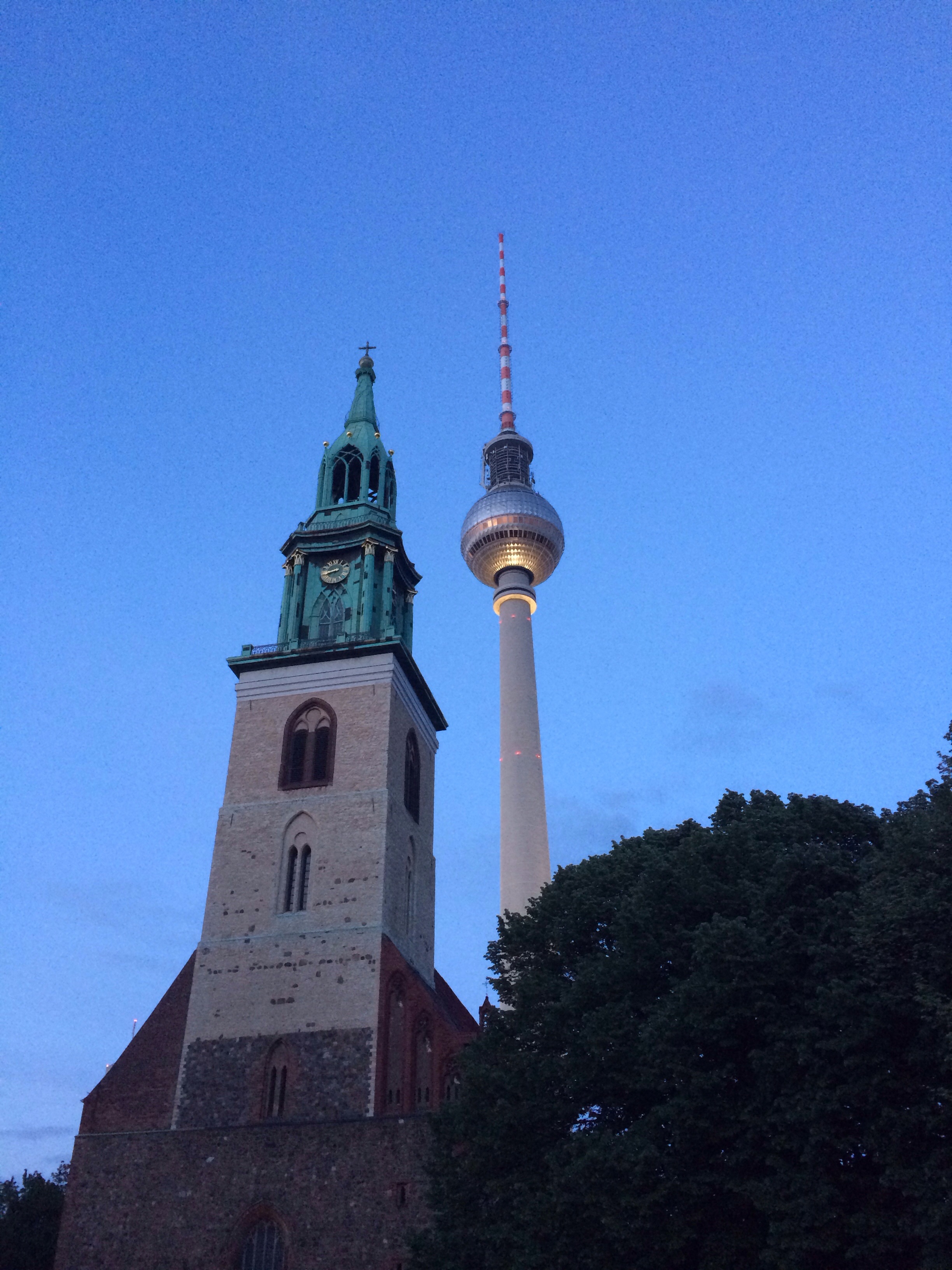
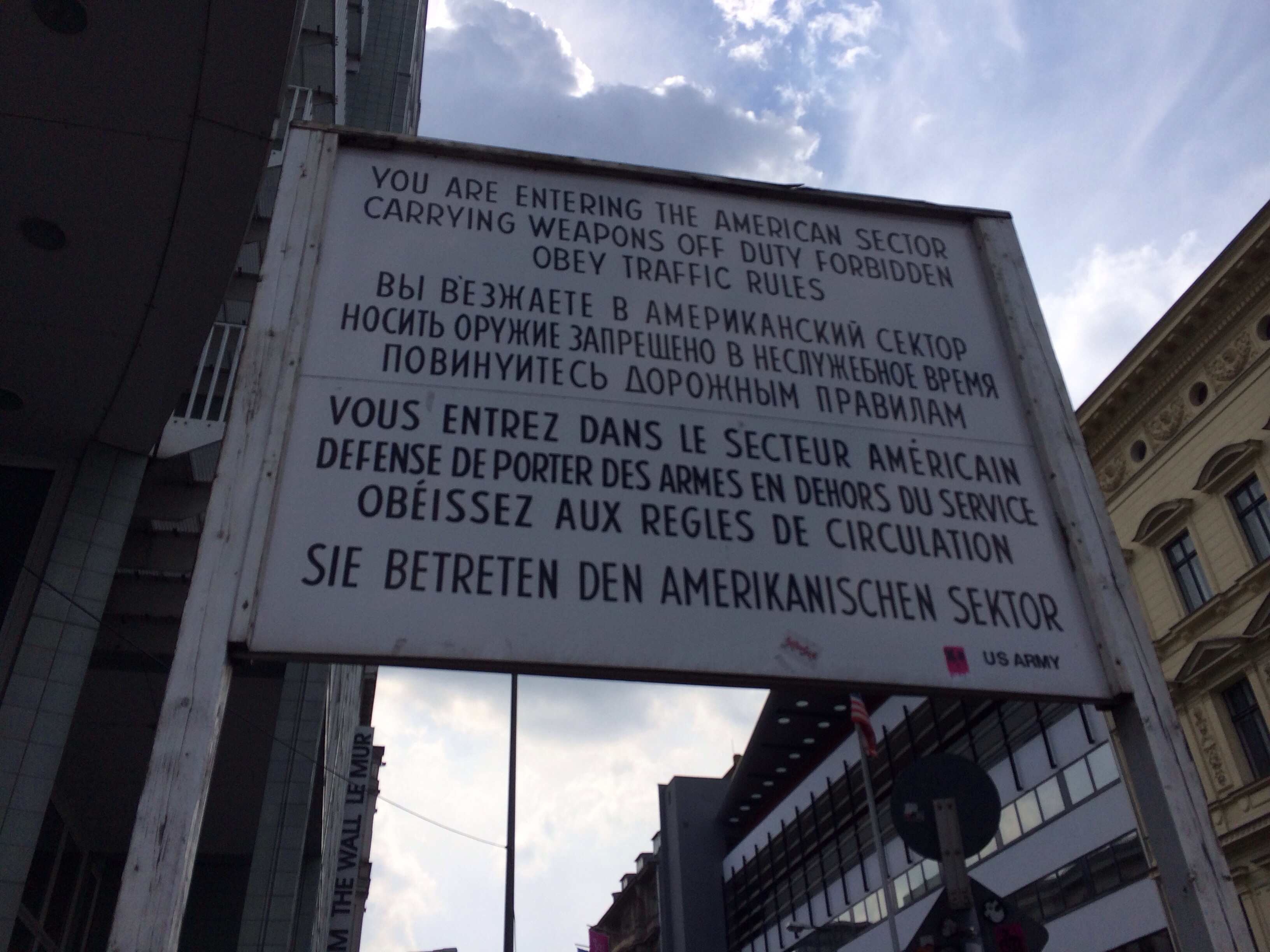
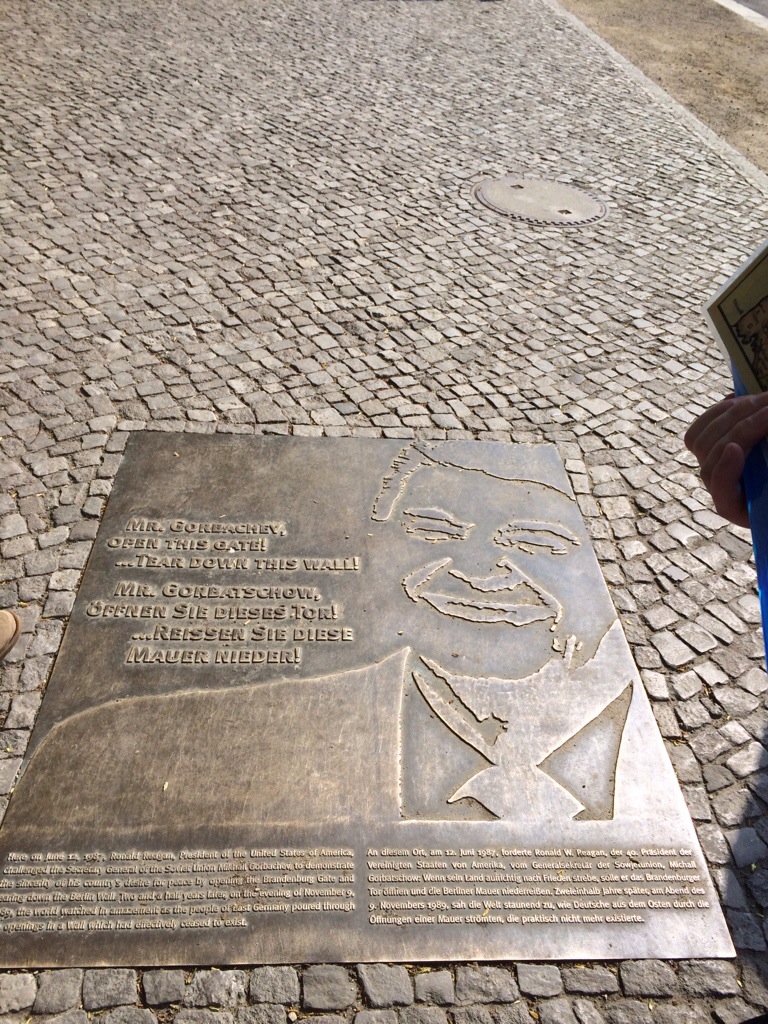
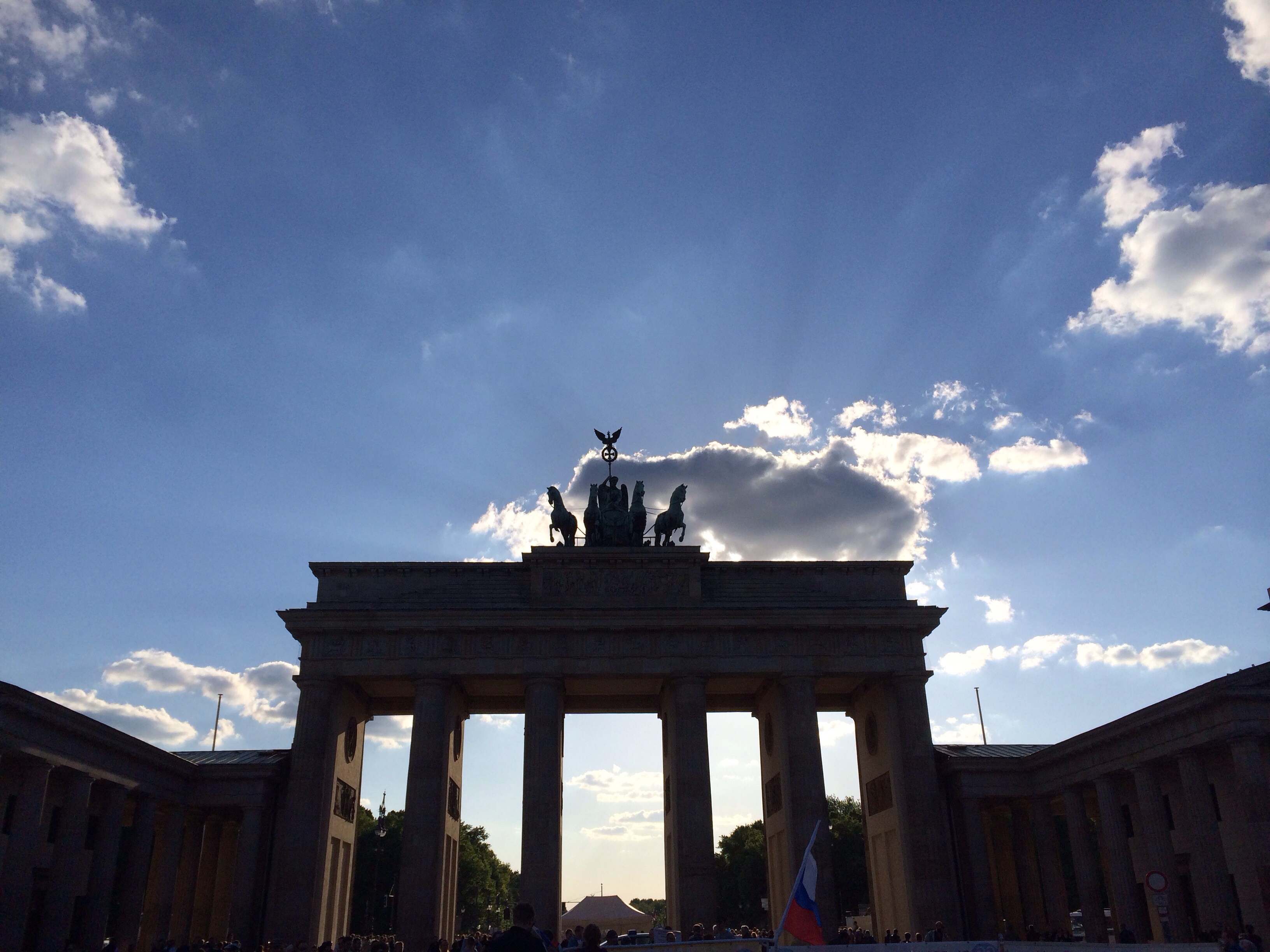
We are in Berlin. It is an intense place because it sits at the center of world history but it is also a thriving creative city with a youthful energy. We stayed the first week in a sleek hotel near the Tiergarten (West Berlin) and the second in the Hackescher Markt area (East Berlin). Being near the garden was lovely and we took advantage with long walks, a little time in a row boat, breakfasts by the water.

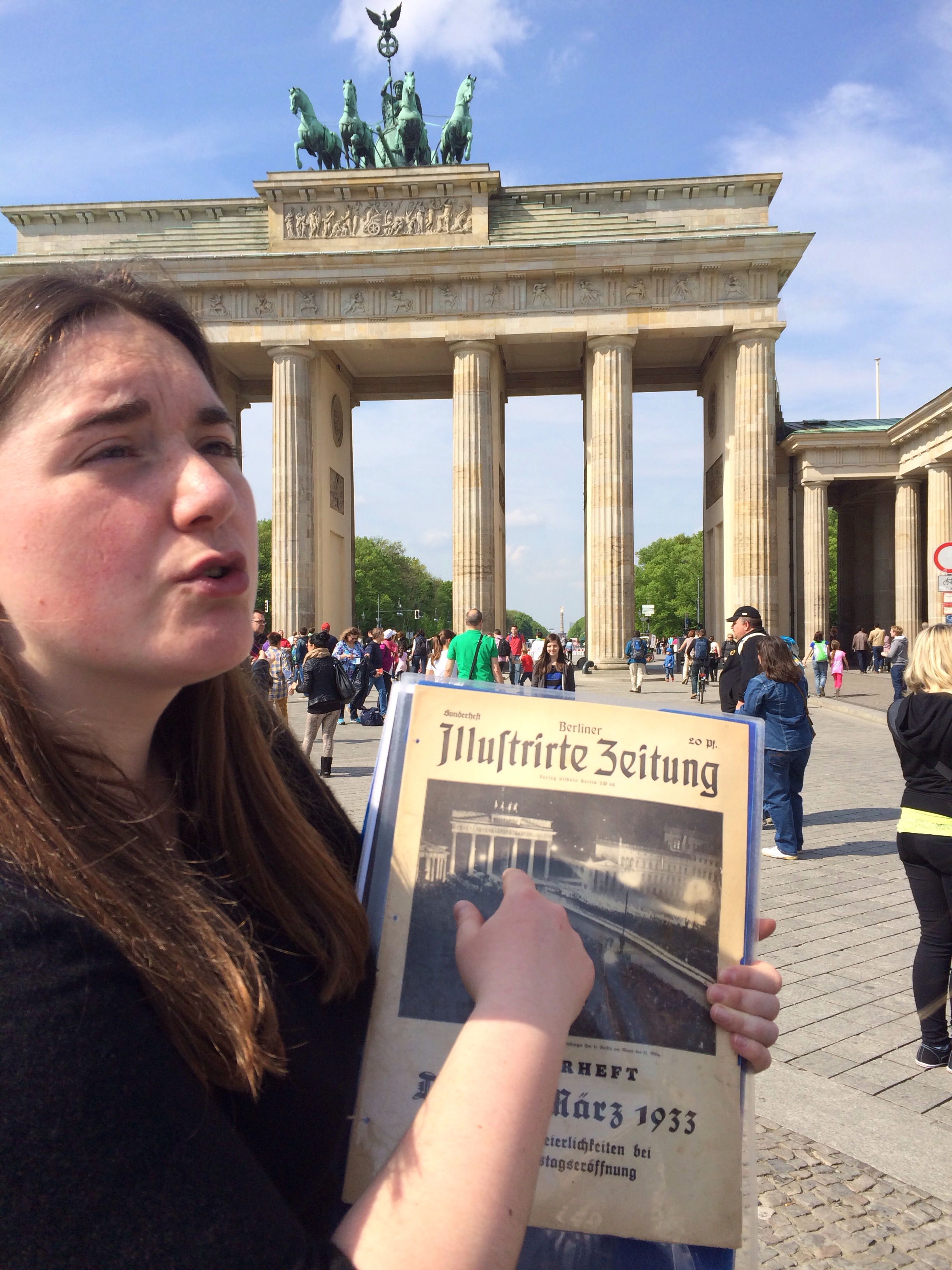
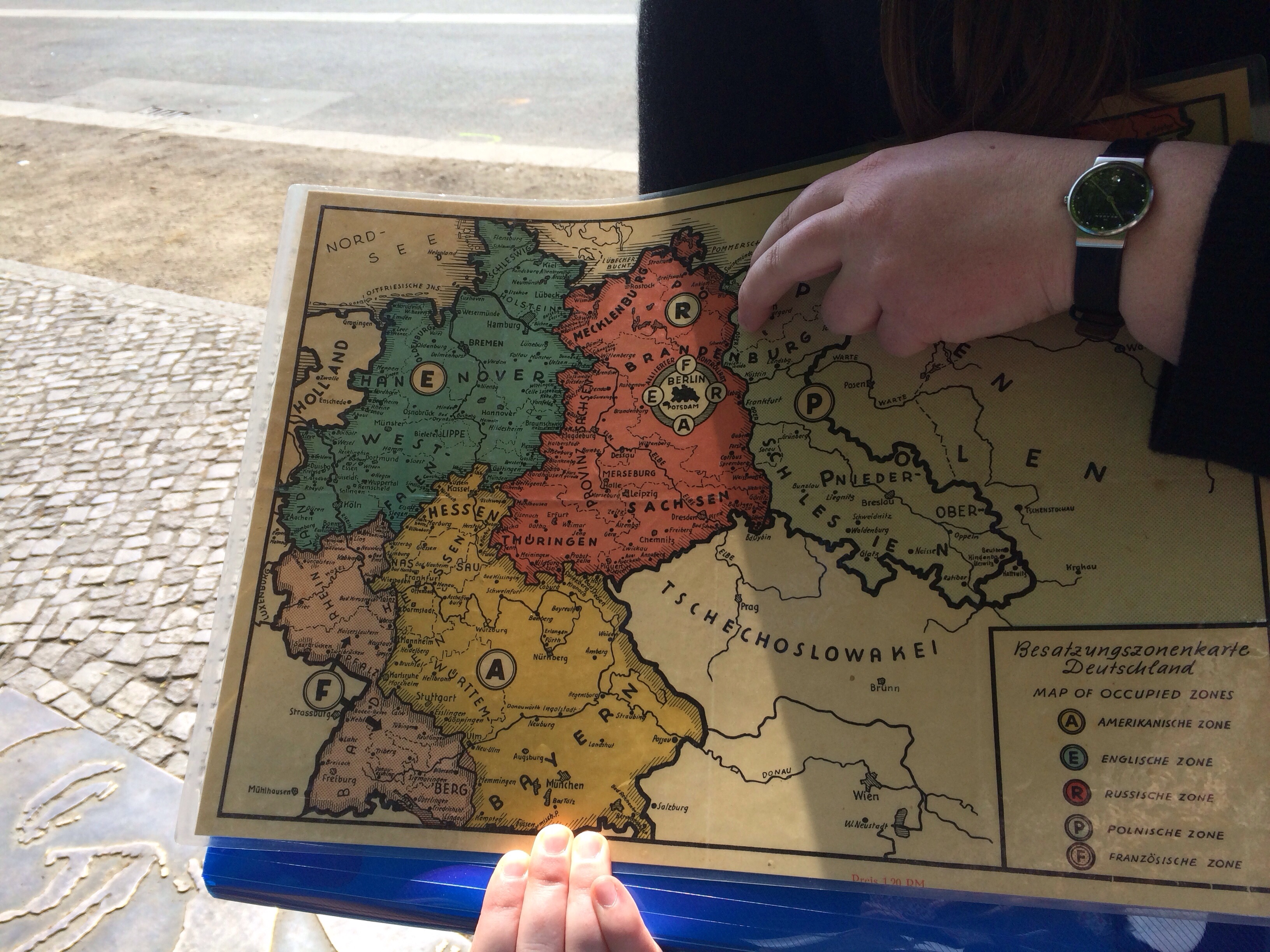
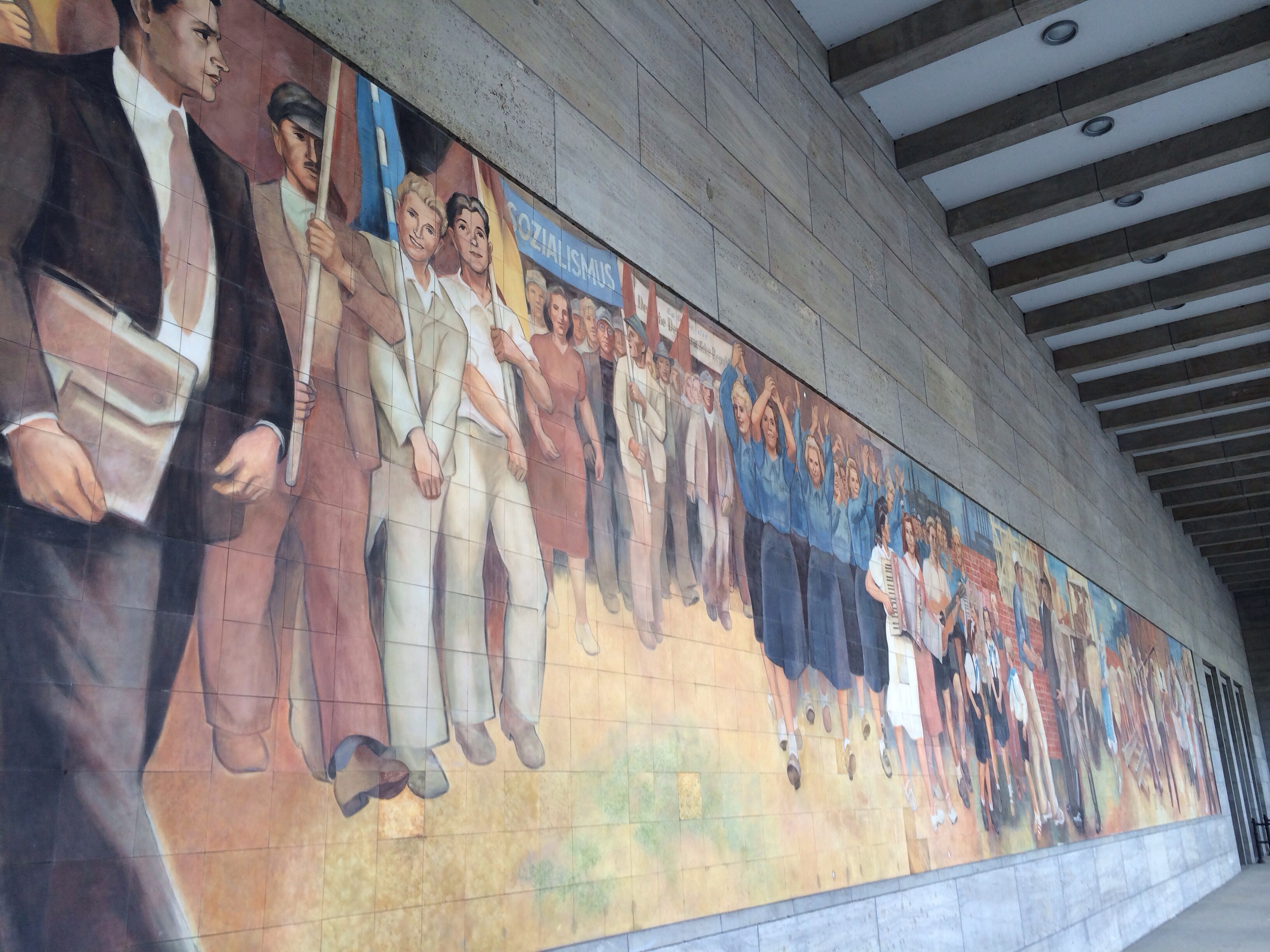
We arranged a full day’s guided tour of Berlin. By the end of the day I felt like I’d completed a college level course covering 400 years of German history. Exhausting and worthwhile, it set the tone for the rest of our stay.

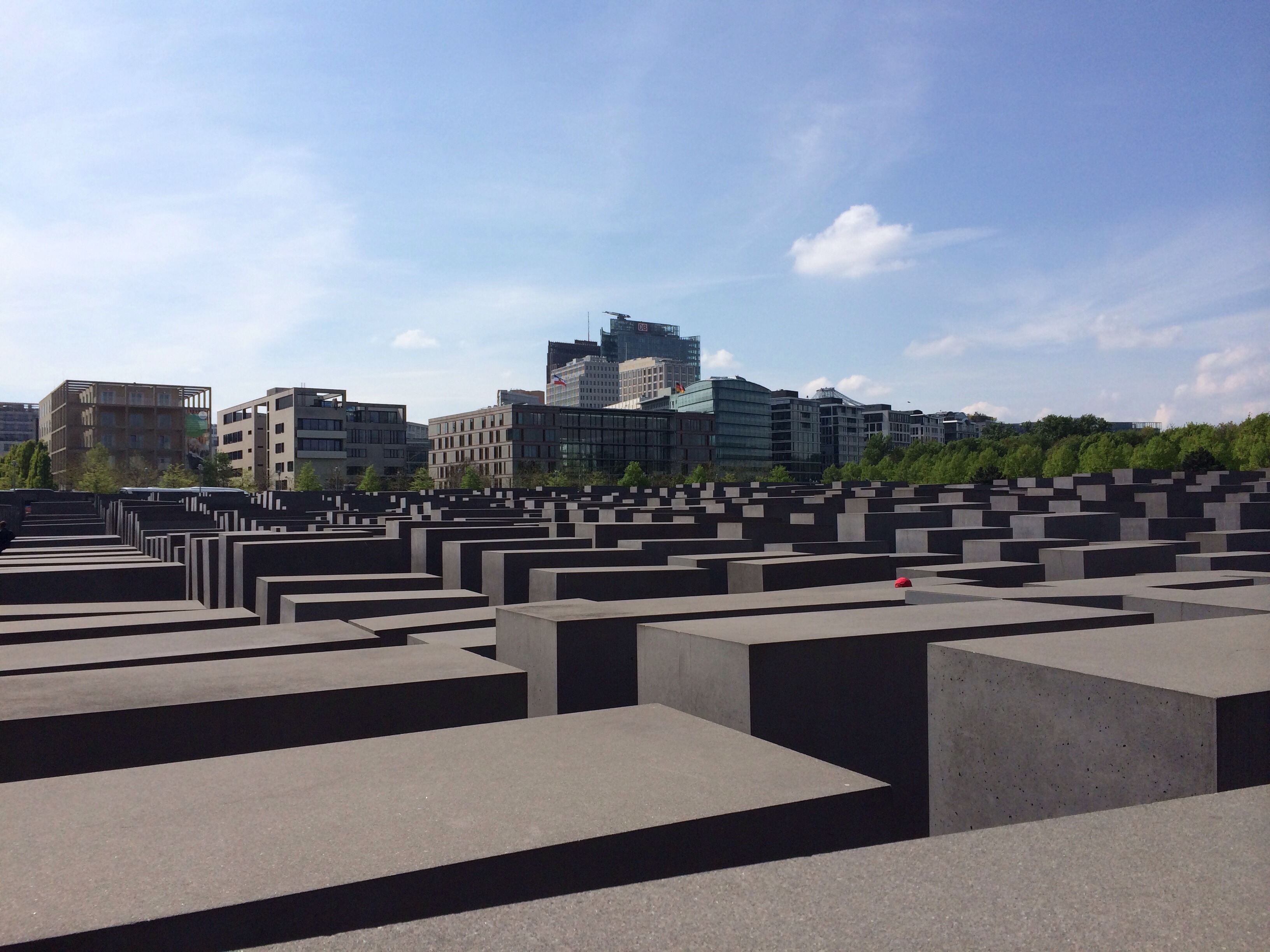
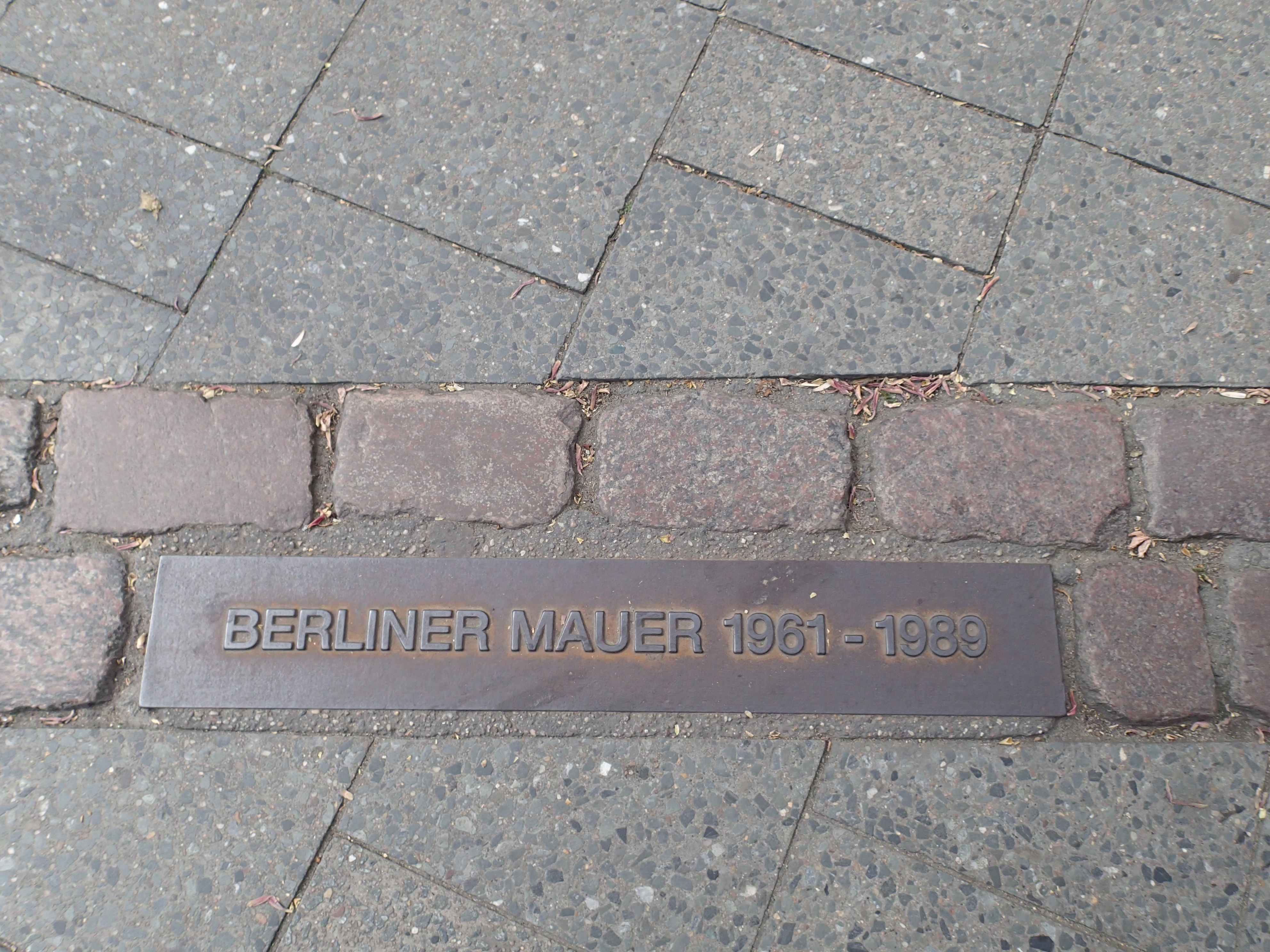
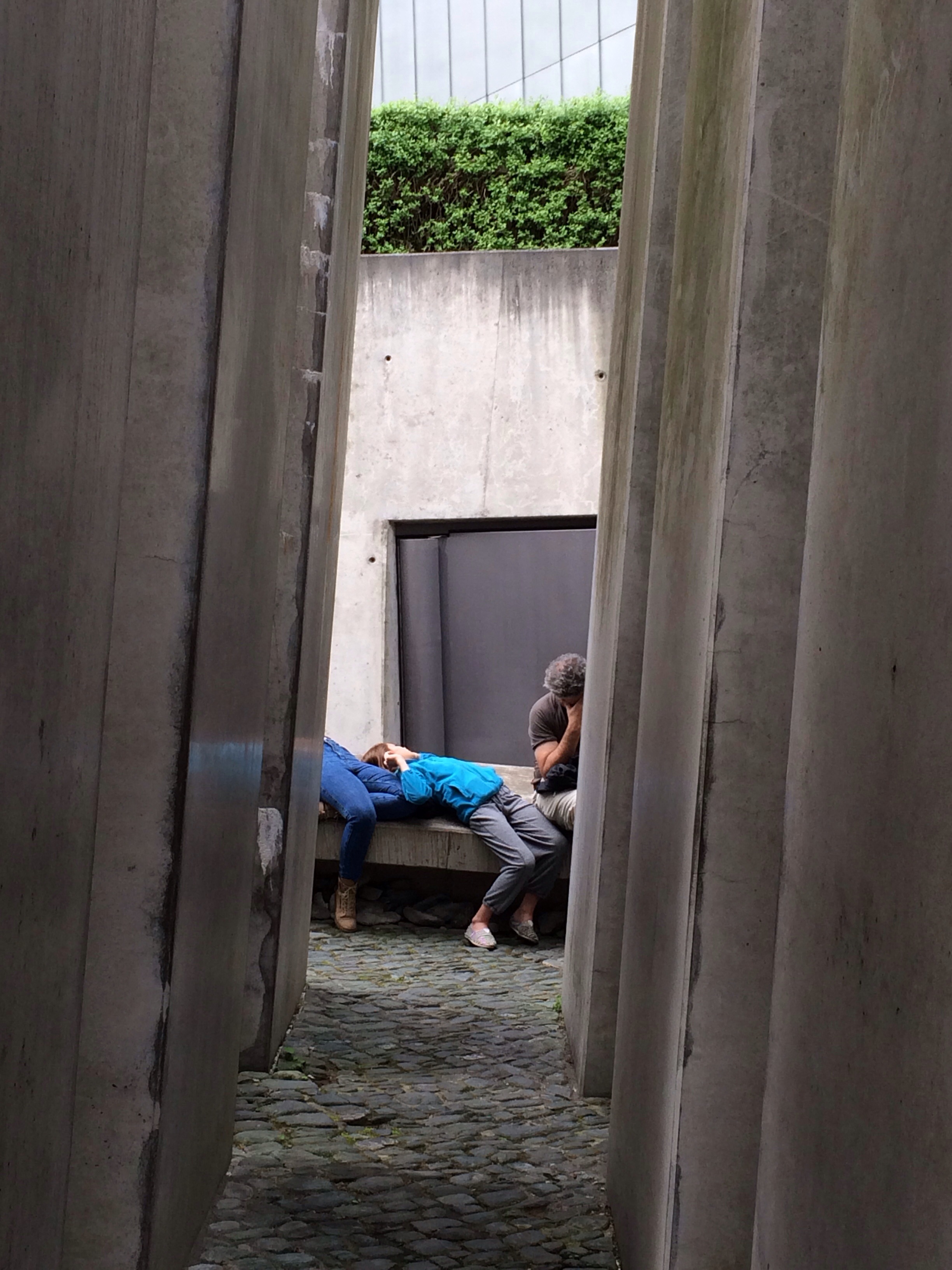
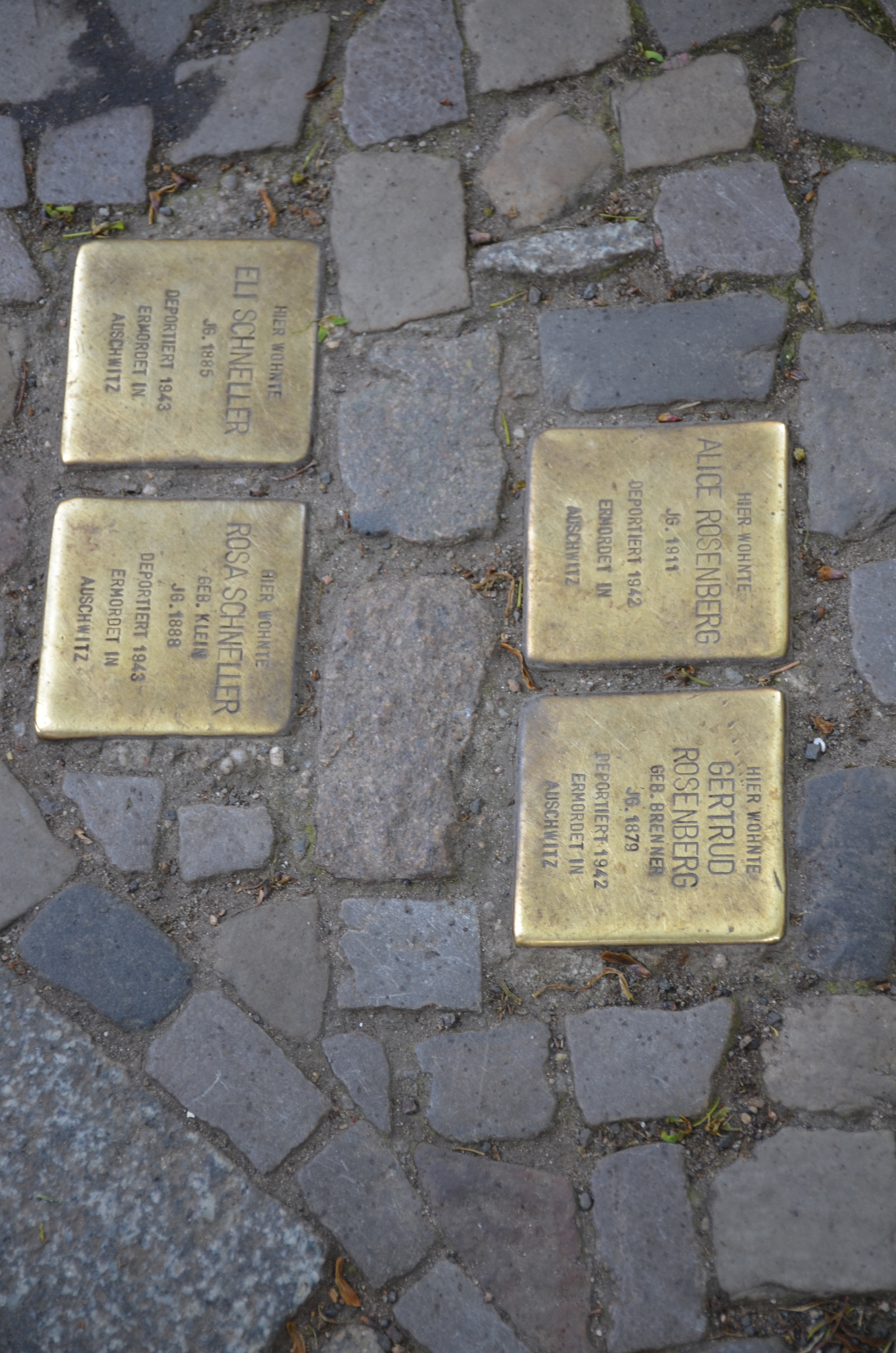
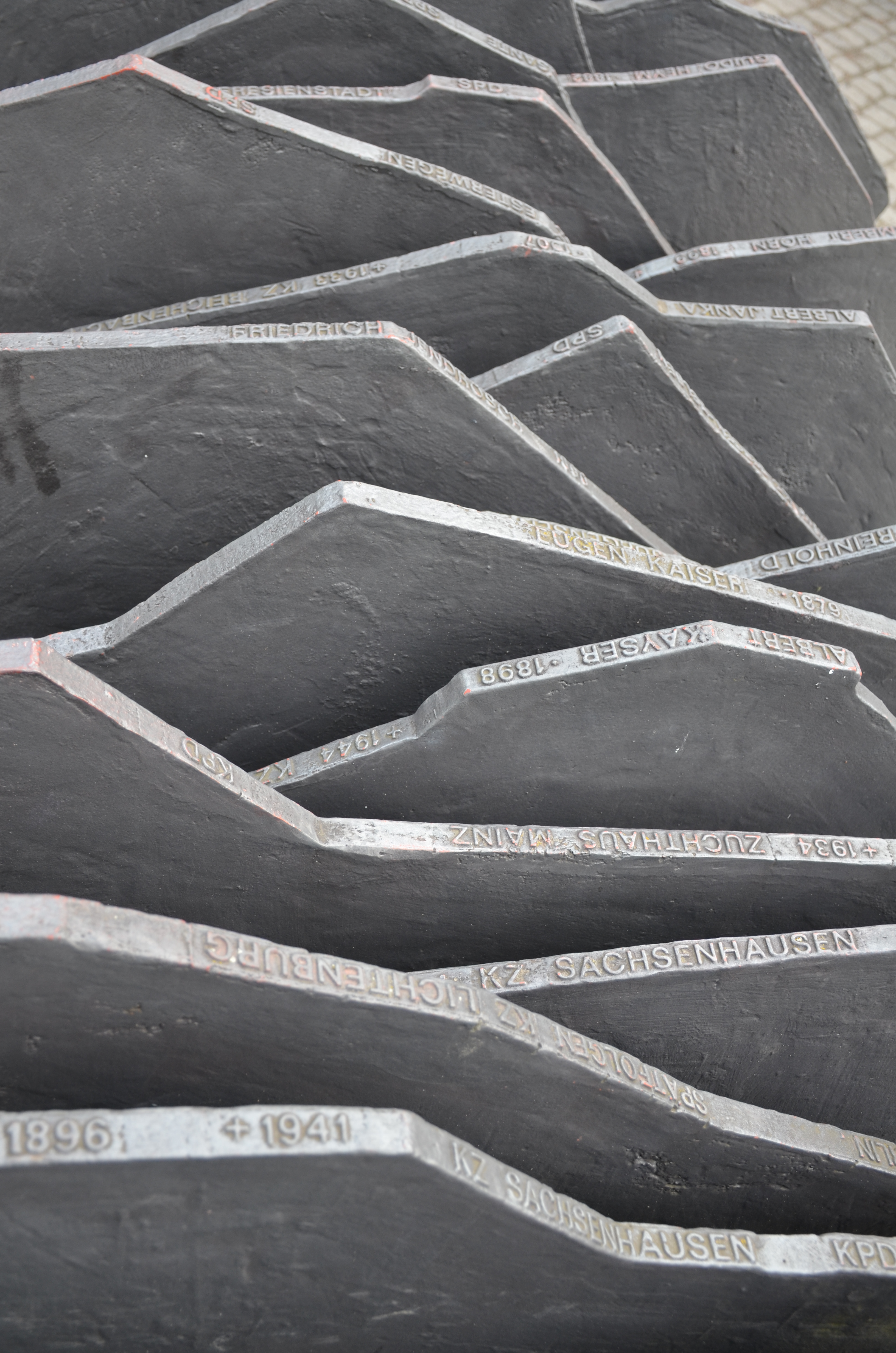
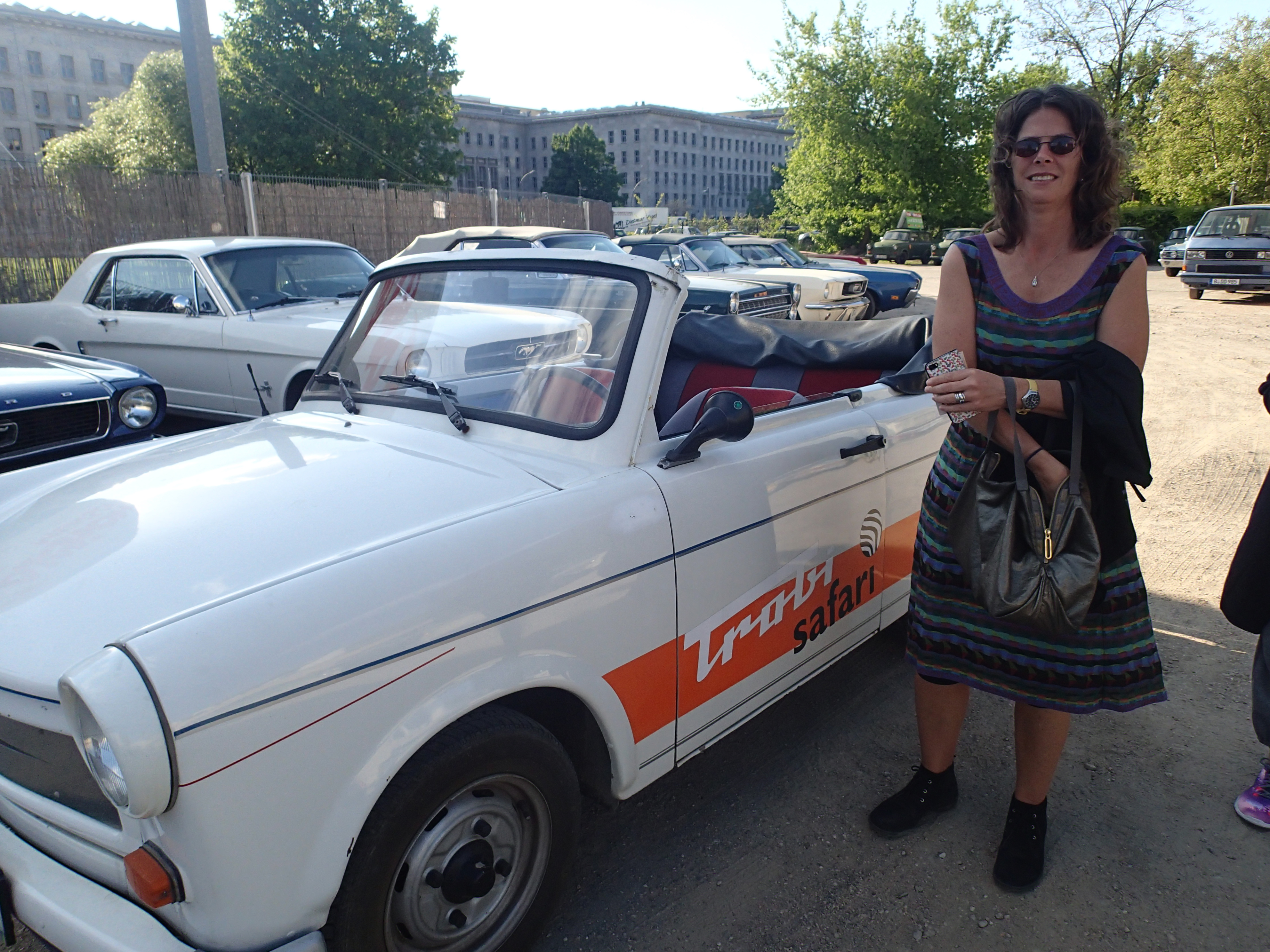
We spent time at Liebskind’s Jewish Museum and the memorial to the Murdered Jews. We walked stretches of the Berlin Wall. We took a street art tour. We took a safari in a Trabi – in communist East Berlin you would have waited 18 years to get this car made of plastic and aluminum. We walked the dome of the Reichstag.

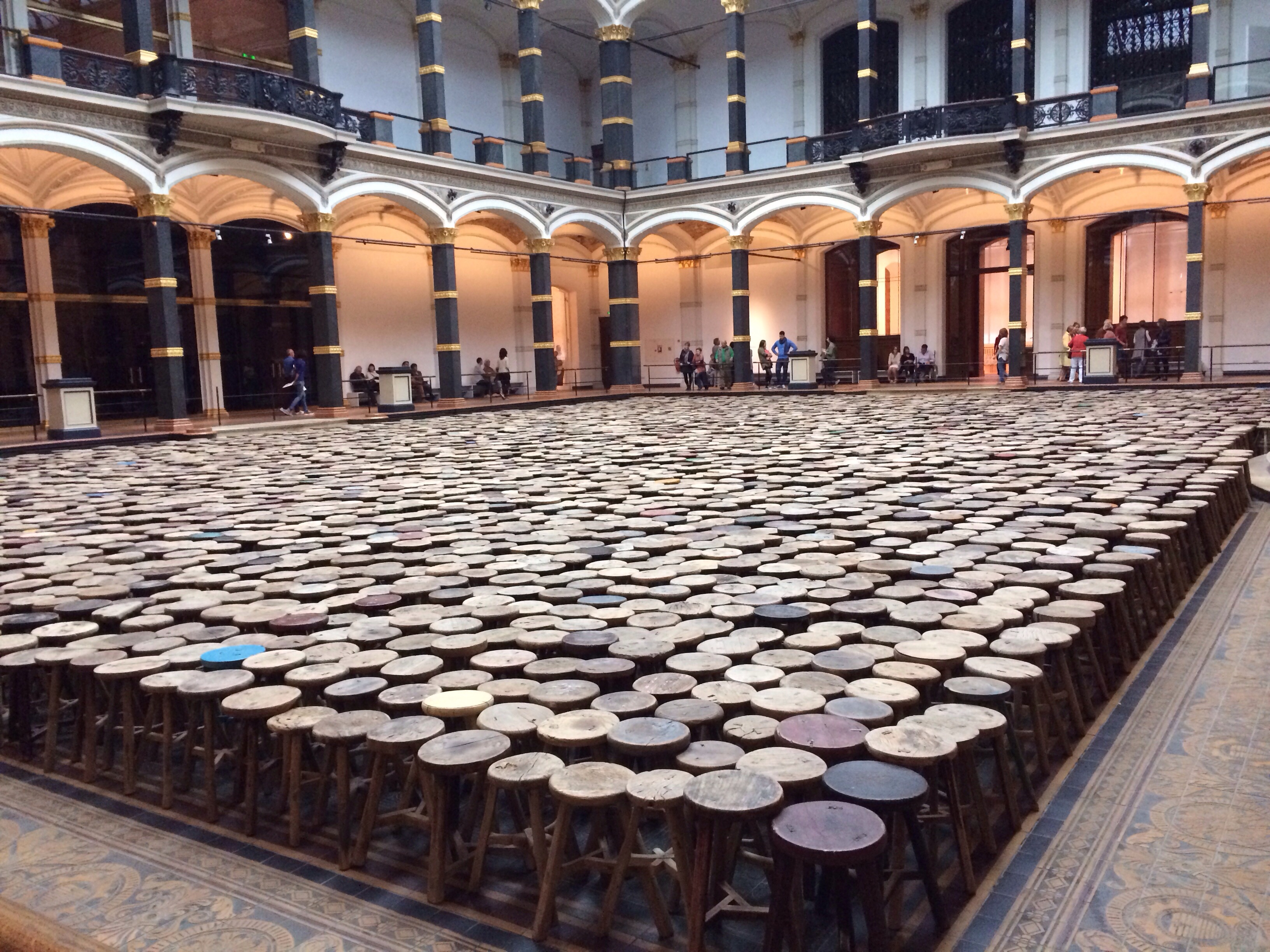
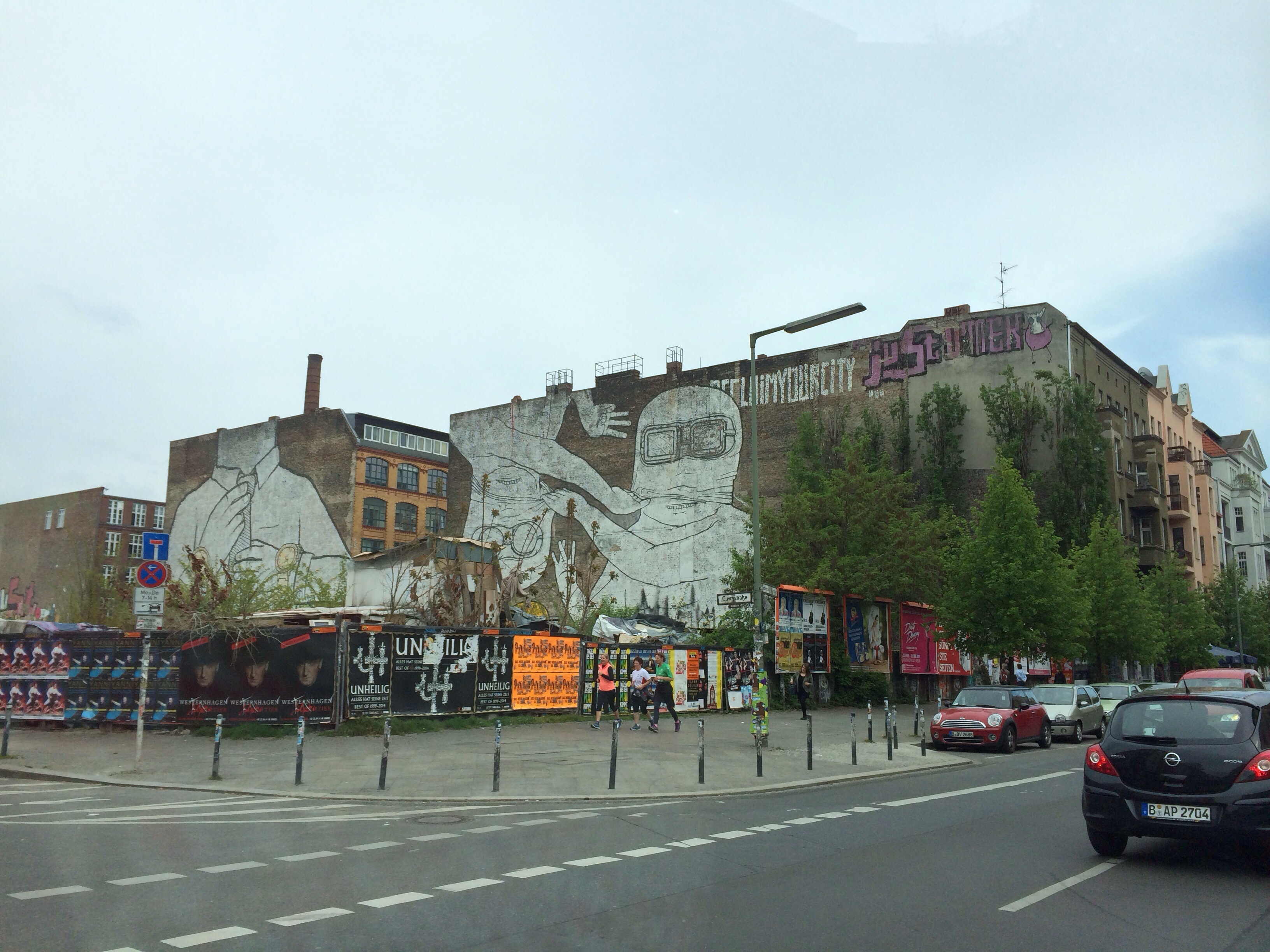
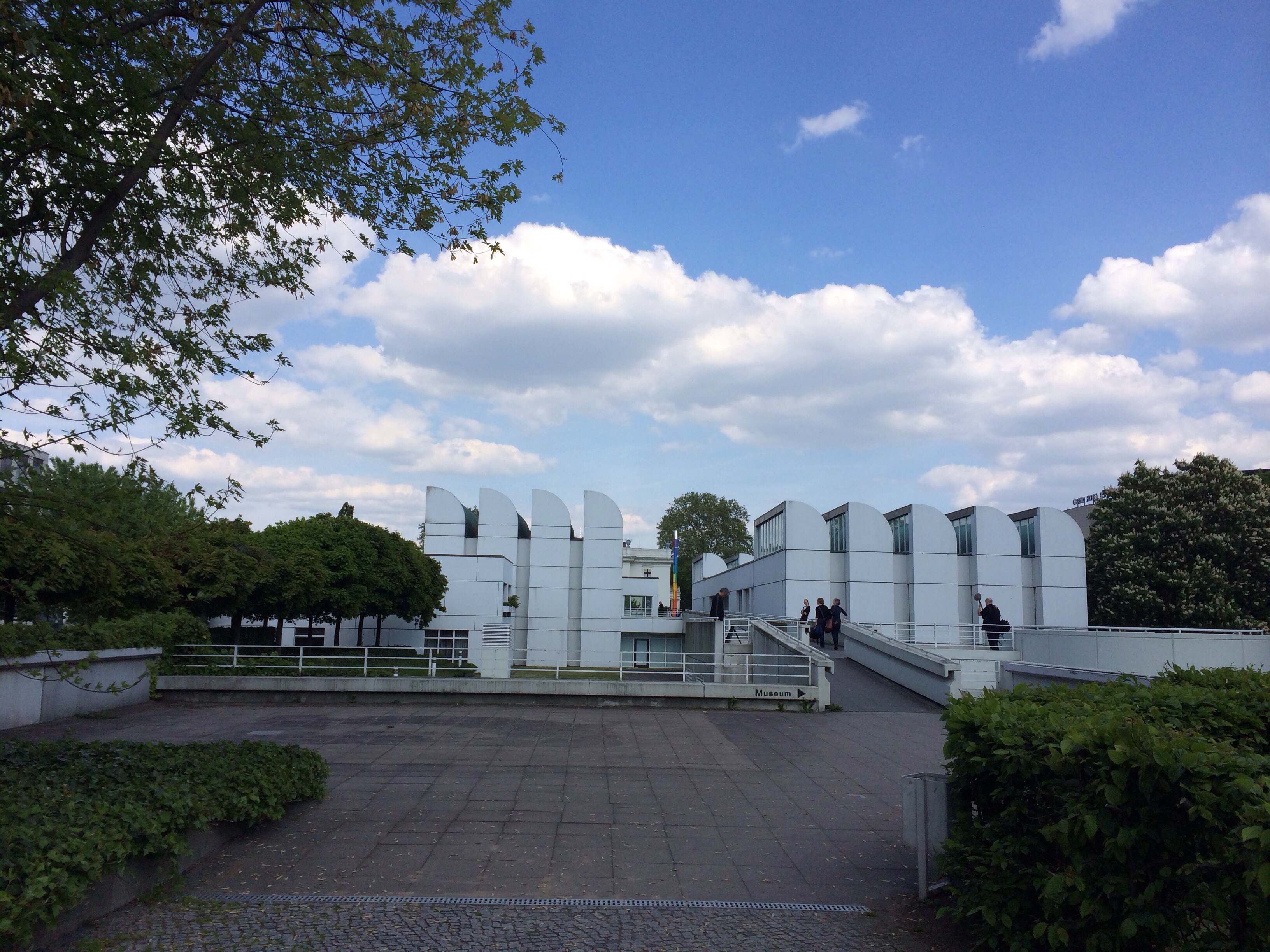
We saw a lot of art. Joel’s First Pictures exhibit and and an exhibit of photographer Frank Stein at the Jewish Museum. We saw Ai Wei Wei’s Evidence exhibit at the Martin Gropius Museum. We saw the Ishtar Gate in the Pergamon Museum. We visited the Bauhaus Archive and the smaller museums with works by Picasso and Klee. We took a street art tour with works by Blu (East meets West), Alias, ROA, El Bocho (paste ups), Jimmy C (Anne Frank) and MTO (Here’s Johnny) and local renegade Mr 6.

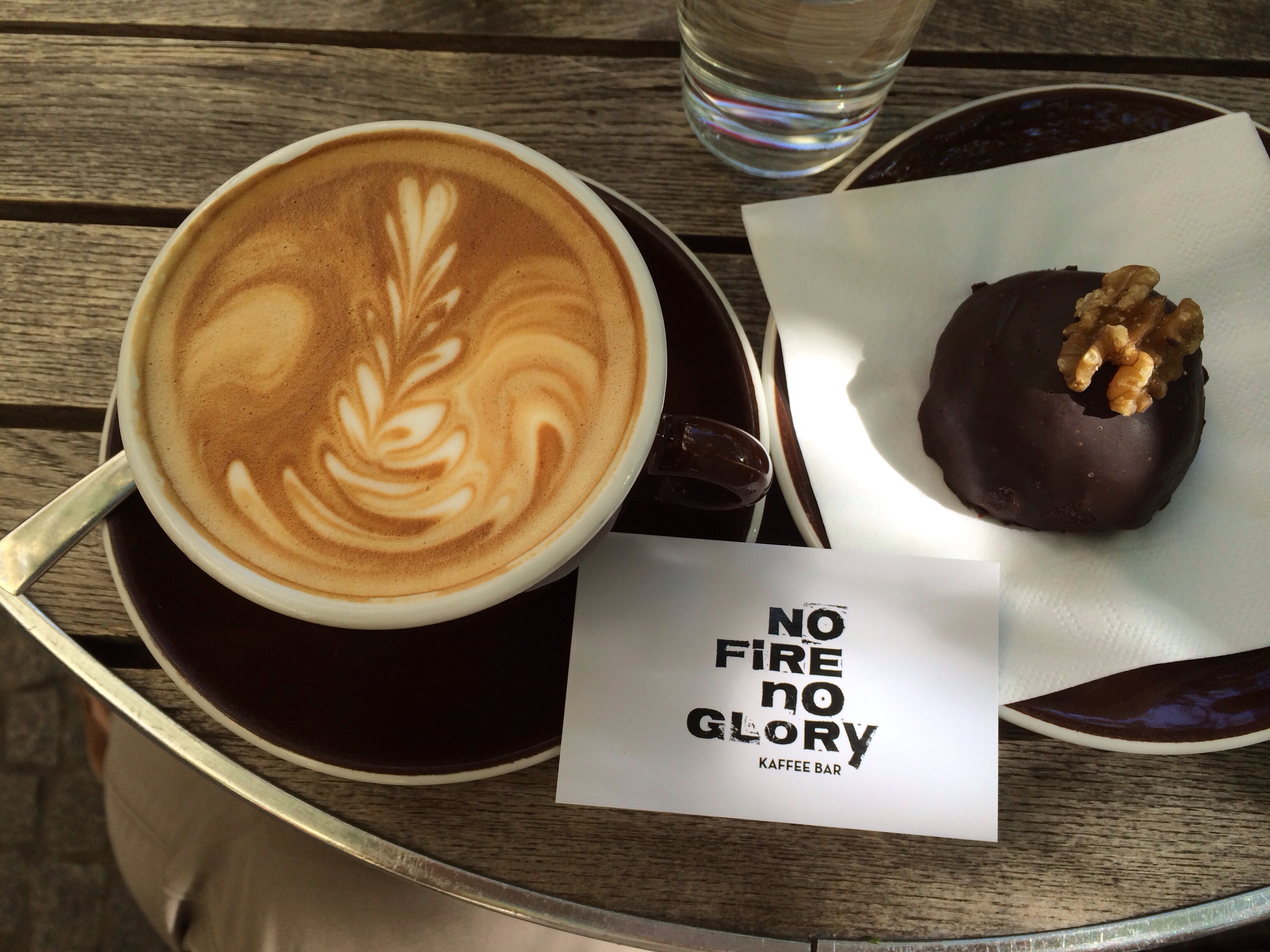
And we searched out a few coffee spots like the Barn in Hackescher and God Shot in Prenzlauer Berg. At the Aussie run No Fire No Glory is also in Prenzlauer Berg. P-Berg is dubbed by some Berliners as Pregnant Hill and there are bugaboo everywhere. As we sat here with our flat whites and long blacks, we remarked on how similar it felt to Tribeca. Lauren told us of of a Tweetersation…”Is It safe where you live?” she was asked. Her reply: “Yes, unless you are afraid of toddlers.”

May 3
*Post script: the post didn’t load before we left Berlin so this is going up from Copenhagen. And to complicate matters, we had a backpack stolen so we are dealing with tech challenges which will be sorted shortly. All of us are fine; our safety was never in danger and we were not careless. The train station in Copenhagen is a place to pass through quickly, not stop for SIM cards or passes. A bag set down at your feet can be taken without your notice. They are sly and fast. Now we know.

Photos to Come
May 5: Photos are Here

20140506-093354.jpg DSC_0064 20140506-093435.jpg


20140506-090527.jpg 20140506-092919.jpg

20140506-092706.jpg 20140506-092745.jpg 20140506-092622.jpg 20140506-092349.jpg OLYMPUS DIGITAL CAMERA 20140506-092305.jpg 20140506-092510.jpg 20140506-091933.jpg DSC_0110 DSC_0175 DSC_0232 20140506-093016.jpg 20140506-093050.jpg OLYMPUS DIGITAL CAMERA 20140506-093200.jpg 20140506-092109.jpg 20140506-091825.jpg 20140506-092035.jpg 20140506-091631.jpg 20140506-091426.jpg 20140506-091222.jpg 20140506-090954.jpg 20140506-090905.jpg 20140506-091553.jpg DSC_0144

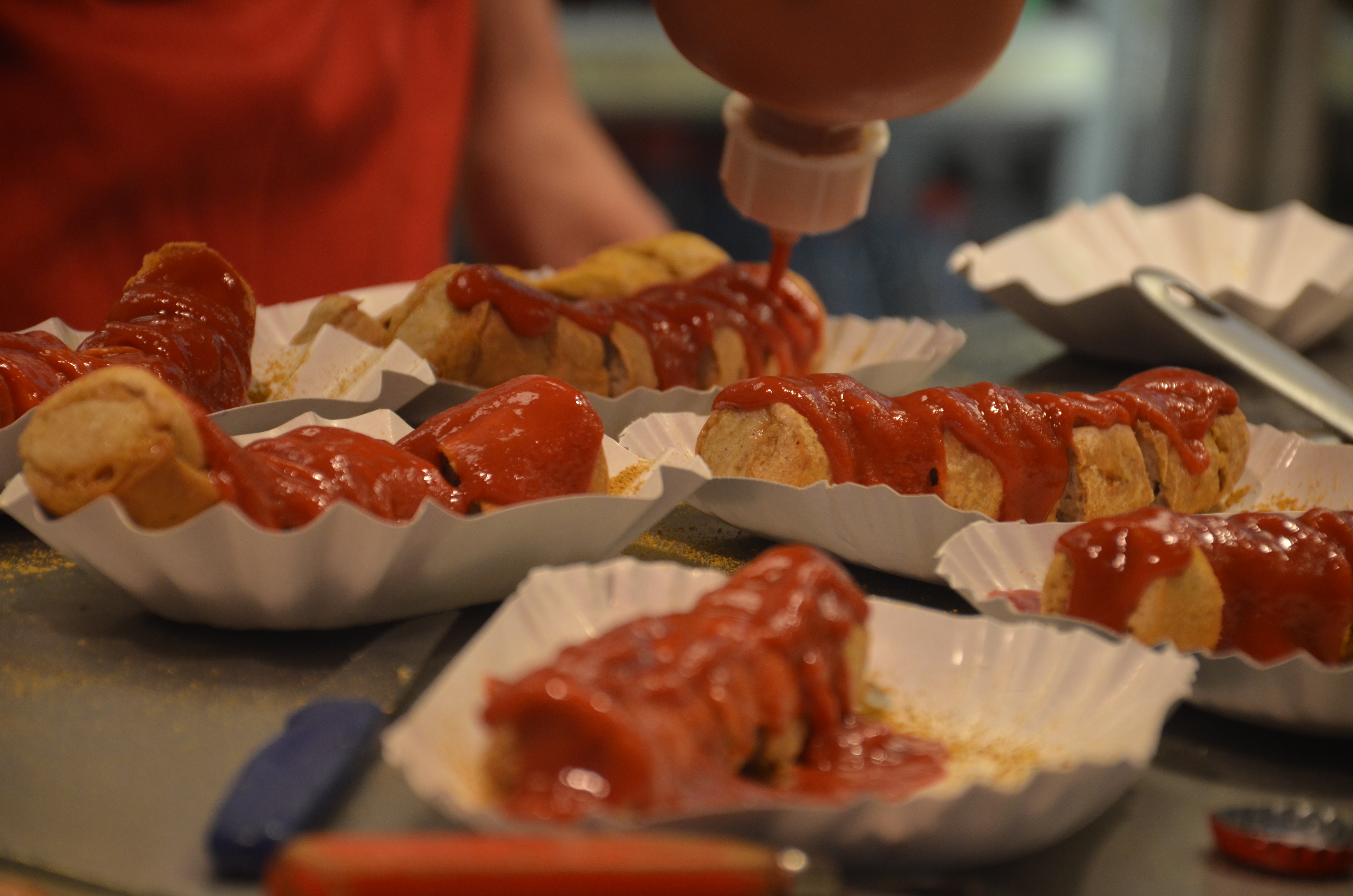
Berlin is famous for its Curryworst

20140506-090727.jpg

I preferred the kaffee bar.

Standard

Happy Coincidence!

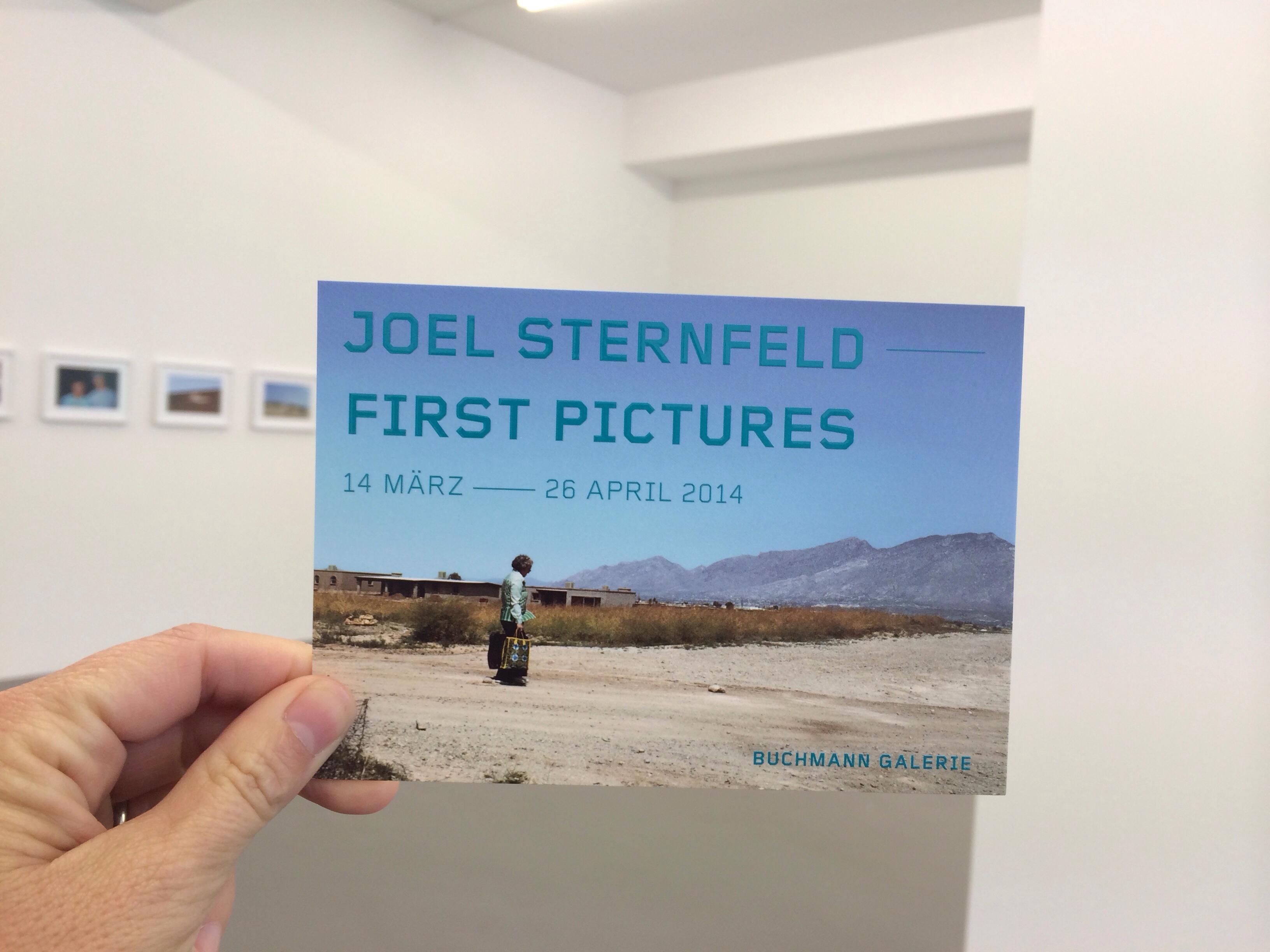
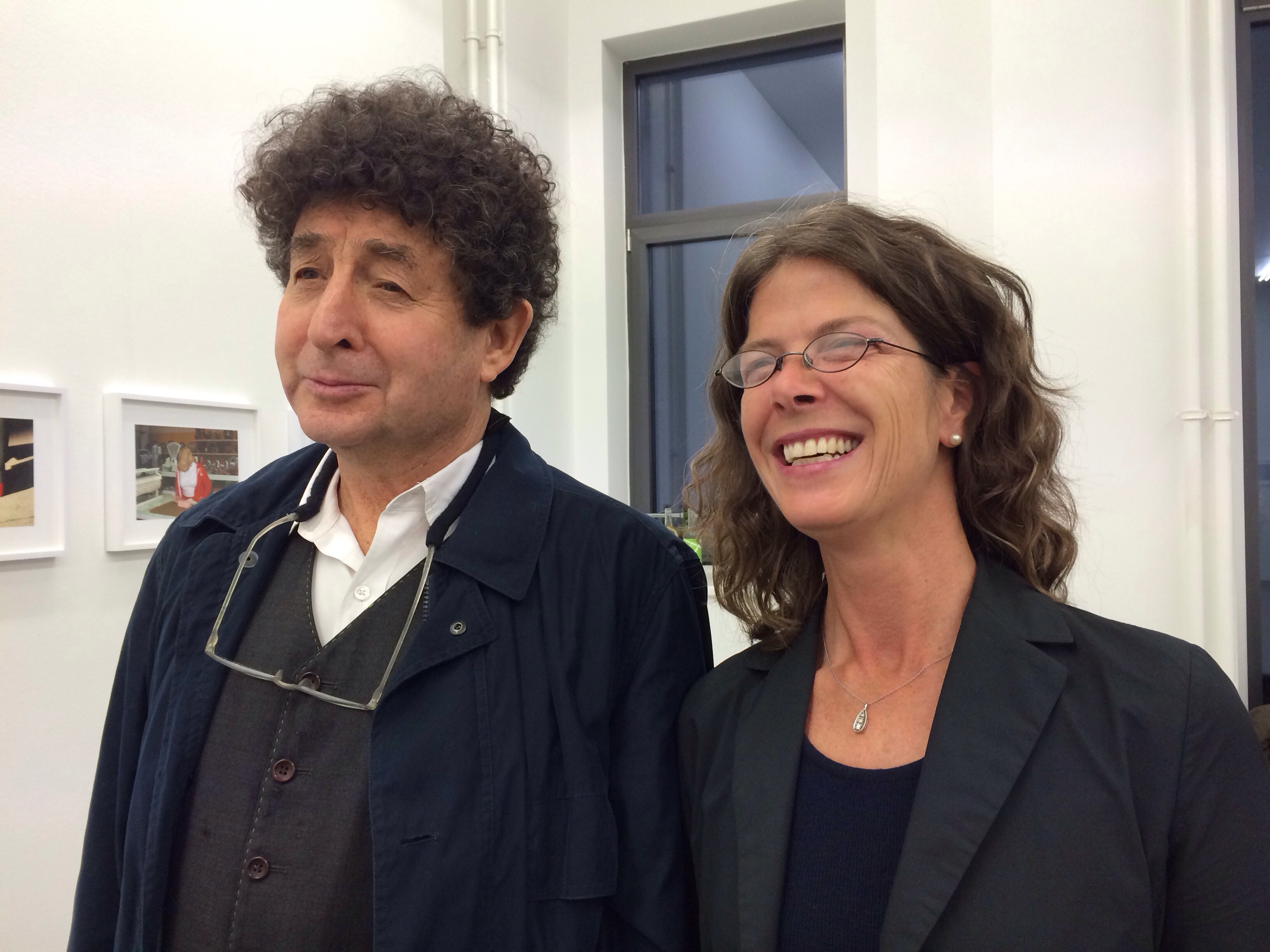
It finally happened. We ran into a friend from home. The Buchman Gallerie was showing “First Pictures” by our neighbor and friend Joel Sternfeld. Many of you know his work American Prospects and the gardeners among you will know that he photographed the High Line in its beautiful and raw phase. And those of you who live nearby know him for his lovely and calm presence, or his offers to charge phones from his car during Sandy.

Here is a photo from our night at the gallery.

20140501-130148.jpg

Standard

The Good Life

In Amsterdam, we rented bikes for the day. We hopped the free ferry from the train station across the IJ to North Amsterdam with about 30 other bike riders. With this simple act we felt we were part of a community. A community working to make life better for all the people. Perhaps we could take the Staten Island Ferry and get the same feeling at home, but that seems more a relic of past than the future of New York City.

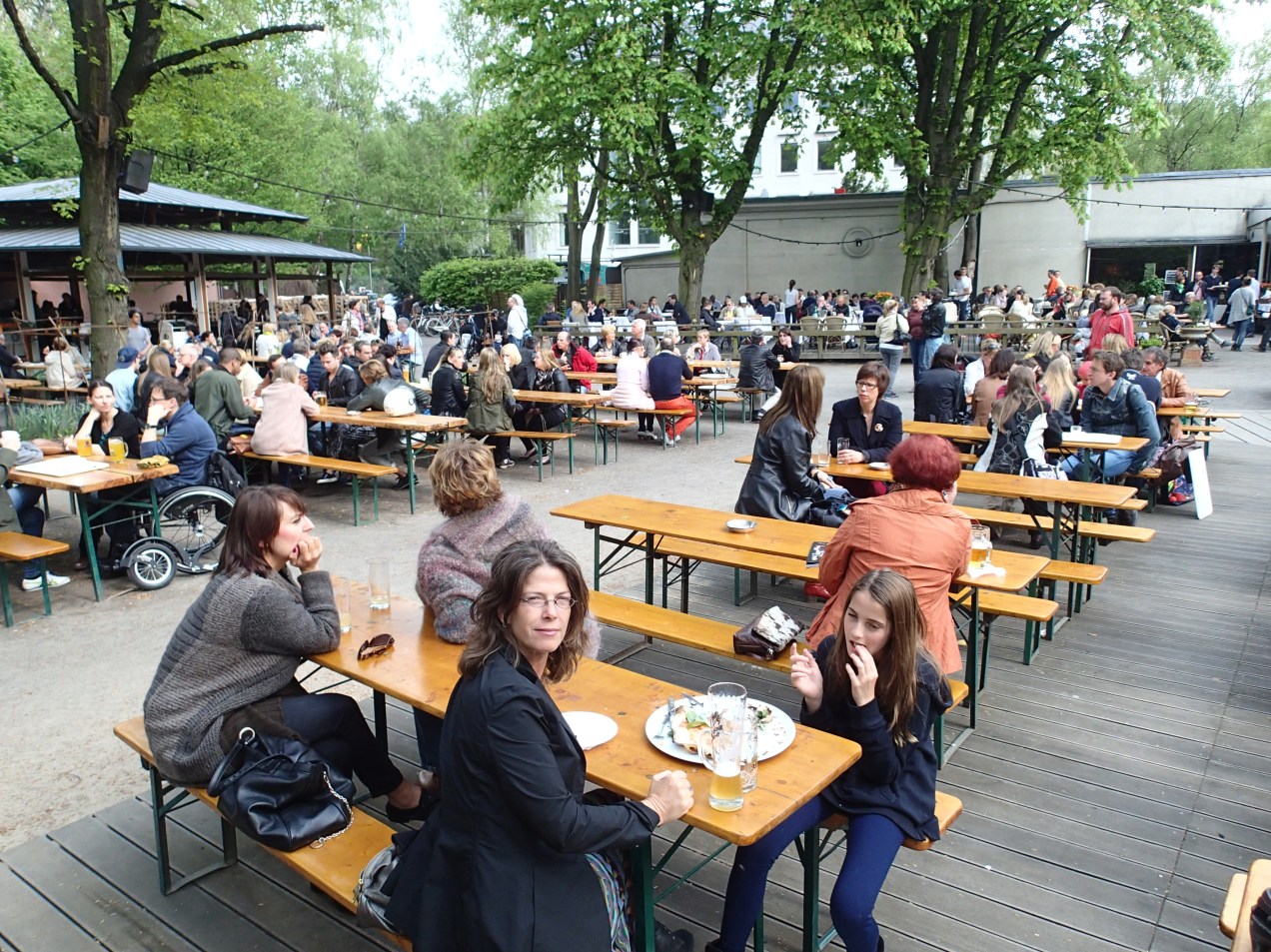
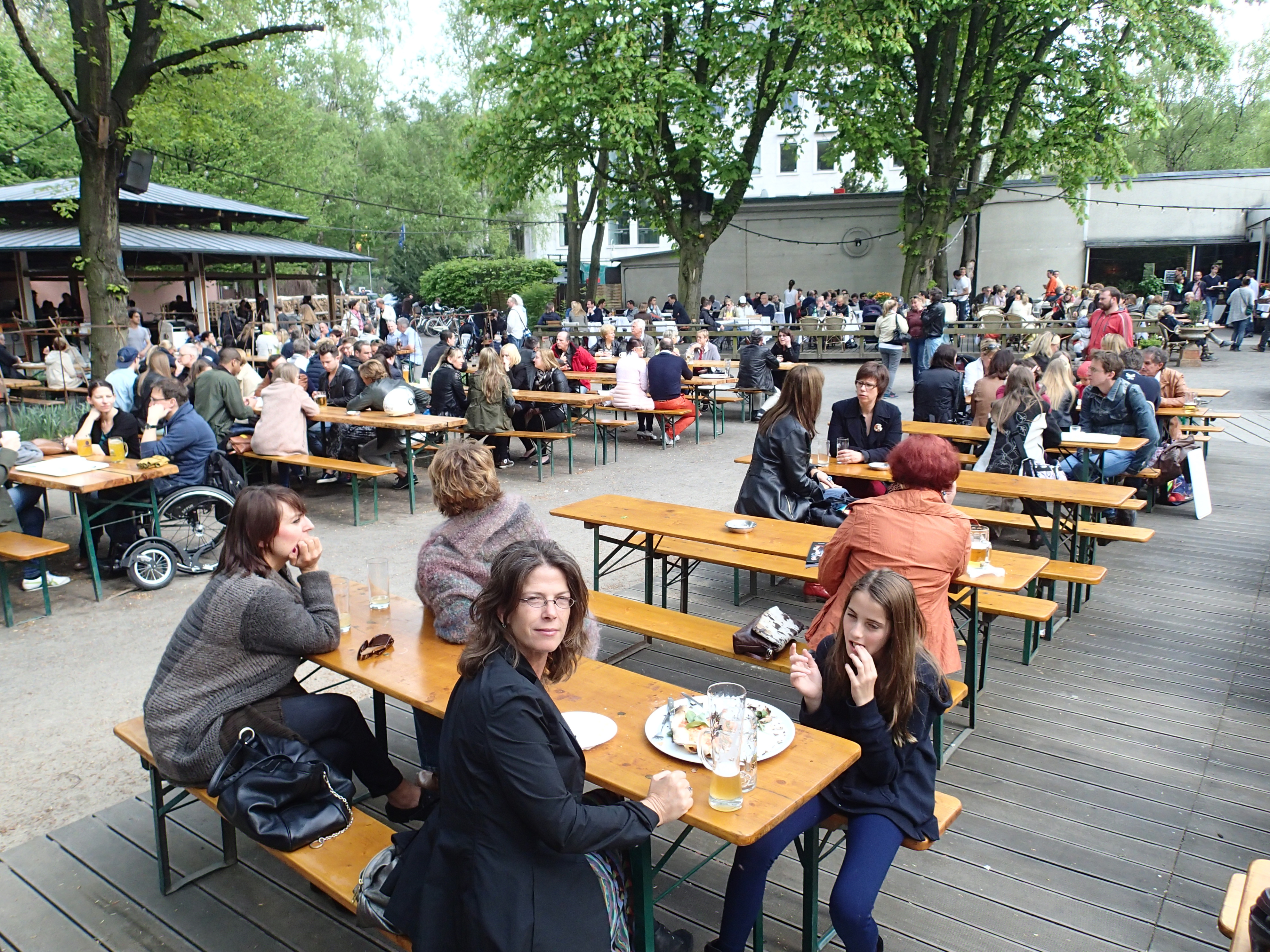
In Berlin, we sat outside at a Beer Garden in a park (the Tiergarten) near our hotel. Reasonably priced beer, pizza, deserts were available to everyone. Families and friends gathered on the Easter Monday to enjoy the good weather and companionship. In New York City such places don’t seem possible as we convert more and more prime real estate to upscale establishments catering to the rich. The Boathouse in Central Park couldn’t be further from the relaxed feel at the Beer Garden. Here is an illustration using the two different websites.

The Boathouse:
The Boathouse guests – as ladies and gentleman – should be served by ladies and gentleman. … Expectations should be surpassed, be it a grand affair, a light meal or an elegant dinner. –

While the Café am Neuen See says:
Cool beers, selected wines, grilled and crispy pizzas are right in the Tiergarten, under tall trees, are served right next to the water. Regardless of weather and time of year you can eat in the restaurant or on nice days sit outside in the spacious beer garden and drink.

When we first traveled to Europe in the 1980s and 1990s, there was little doubt that the standard of living was better in the US. We had refrigerators, television, and phone service that was largely unavailable in many European cities. France and Italy had better food, wine and art, but life was not easy for those who weren’t rich. Now we can see that the standard of living in Europe is on par with the US.

In Australia, life for the average person is better than in the US. And in South Africa the standard of living is on par or better than the US for the rapidly growing middle class and the standard of living is rising rapidly for the black population of the former townships.
Our casual observations are borne out by a recent NY times article on income growth:
http://www.nytimes.com/2014/04/23/upshot/the-american-middle-class-is-no-longer-the-worlds-richest.html?emc=eta1

The US is no longer the clear leader in income for the median family. The gap has narrowed so much that the dollars aren’t the determining factor in quality of life. Quality of life comes from community. In our travels we have seen it over and over again. A flat income structure makes life nicer. Countries where all people are viewed as equals creates a warmth that doesn’t exist in the “more is better” economies. Whether in New Zealand, Australia or the Netherlands, we found that people were happy and friendly.

On the other hand, we have China with its luxury stores, limos, and Maserati’s. Like the US, an economic and social hierarchy exists and there seems to be no end to the competition to prove you are better than everyone else.

In two countries, Australia and the Netherlands, something happened that really struck us. We sat down at a restaurant for dinner. The waiter brought our menus and then came back to see if we had questions. Seeing that we needed some help, the waiter sat down at our table to explain the menu. This would be unthinkable in the US – at least it hasn’t happened to us. While in Australia and the Netherlands it seemed completely natural. In these countries all people are treated as equals. There is no class distinction between the server and the customer. In the US, the only time you might see something like this if the celebrity chef sits with his celebrity guests while the servers circle around obsequiously.

While in the US we are celebrating VIP rooms with bottle service and exclusive restaurants, these countries are celebrating open air cafés serving beer and coffee in a come as you are atmosphere. In the US we believe that if you make more money, you are a better person. In other countries there is much more of a sense that all people are equal.

Maybe, inequality would be ok if rewarding the rich led to a better life for everyone. But, we have been taken down a false path. There is no trickle down. If you don’t focus on making life better for everyone then it will become worse for everyone. What The New York Times article shows is that the greatest growth in income has occurred in countries with strong social support and focus on making life good for everyone.

In Australia there is a focus on public transportation, high minimum wage, and national health care. The Netherlanders are so bicycle friendly that cars need to give the right of way to bicycles and bicycles have a special pathway through the middle of the newly renovated Rijksmuseum. In South Africa, the focus is on getting fresh water, toilets, electricity and education to every citizen.

A recent story in the NYT suggests you can’t get a two bedroom apartment in Manhattan (or even close by in Queens or Brooklyn) for under $1 million. Teachers, firefighters, police officers can’t afford to live in the neighborhoods that they support. (http://www.nytimes.com/2014/04/20/realestate/the-million-dollar-manhattan-apartment.html)

At the same time, our Supreme Court says corporations are people entitled to make campaign contributions and that individual contributions cannot be capped. The Court is equating money with free speech. Given our competitive culture and the prevailing legal thinking, it is unlikely we will see any change in the trajectory of the US.

Maybe more Americans need to travel, not just as tourists visiting famous sights or on expense account business trips, but to see how the quality of life is rising in so much of the world, while the quality of life in the US has plateaued, or is perhaps even declining.

OLYMPUS DIGITAL CAMERA

Standard

Amsterdam

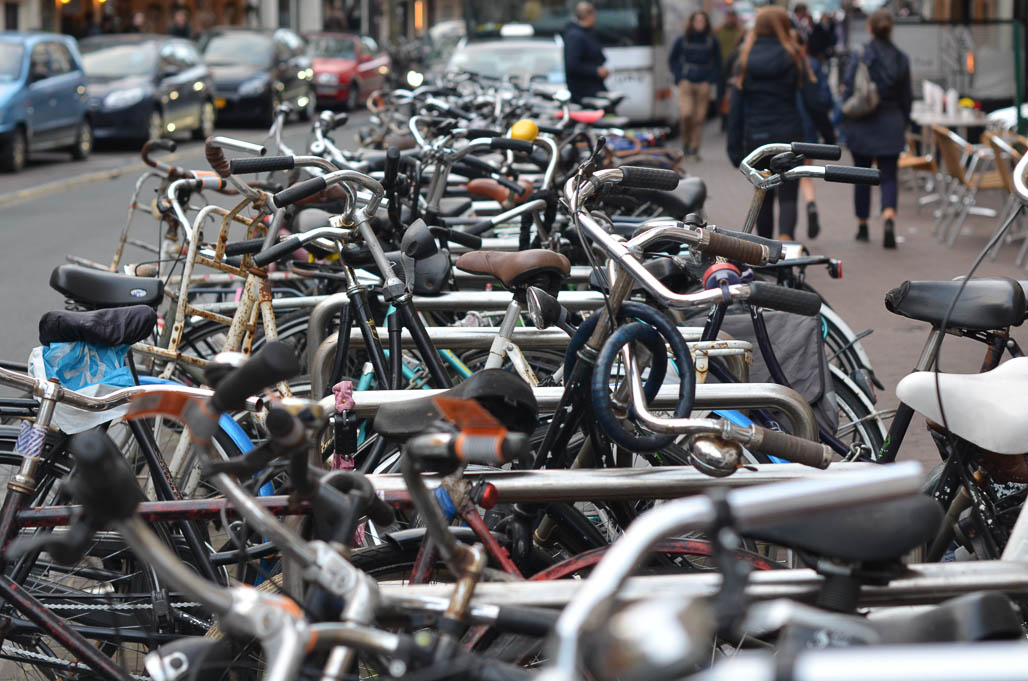
Amsterdam is known for a few things. Its businessmen. Its painters. Its canals. Its wooden shoes and windmills. Its bicycles. Its coffee-shops (they sell cannabis, not coffee). Over the course of a week we have seen or sampled most of these (cannabis isn’t our thing). And we’ve had company!

We spent a morning in the Amsterdam Museum learning about Dutch history: from the building of the city (it is a manmade city in a marsh on hundreds of thousands of pilings) to the Dutch Golden Age (when the Dutch East India company was a global trading company); from Napolean’s invasion to Hitler’s; and the changes from religious intolerance to complete tolerance of all lifestyle choices.

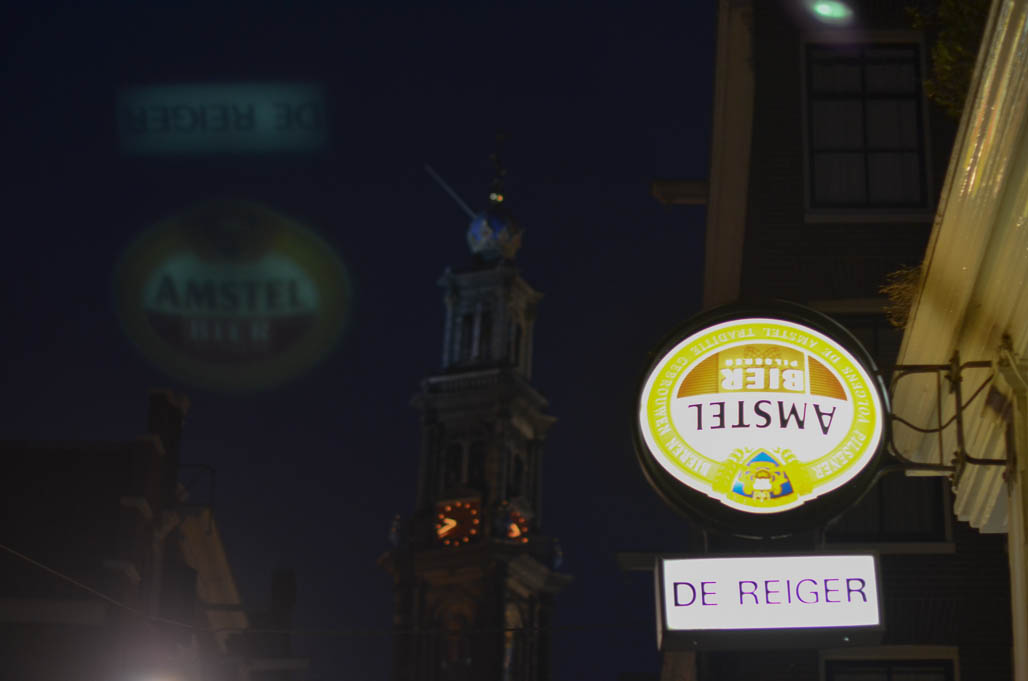
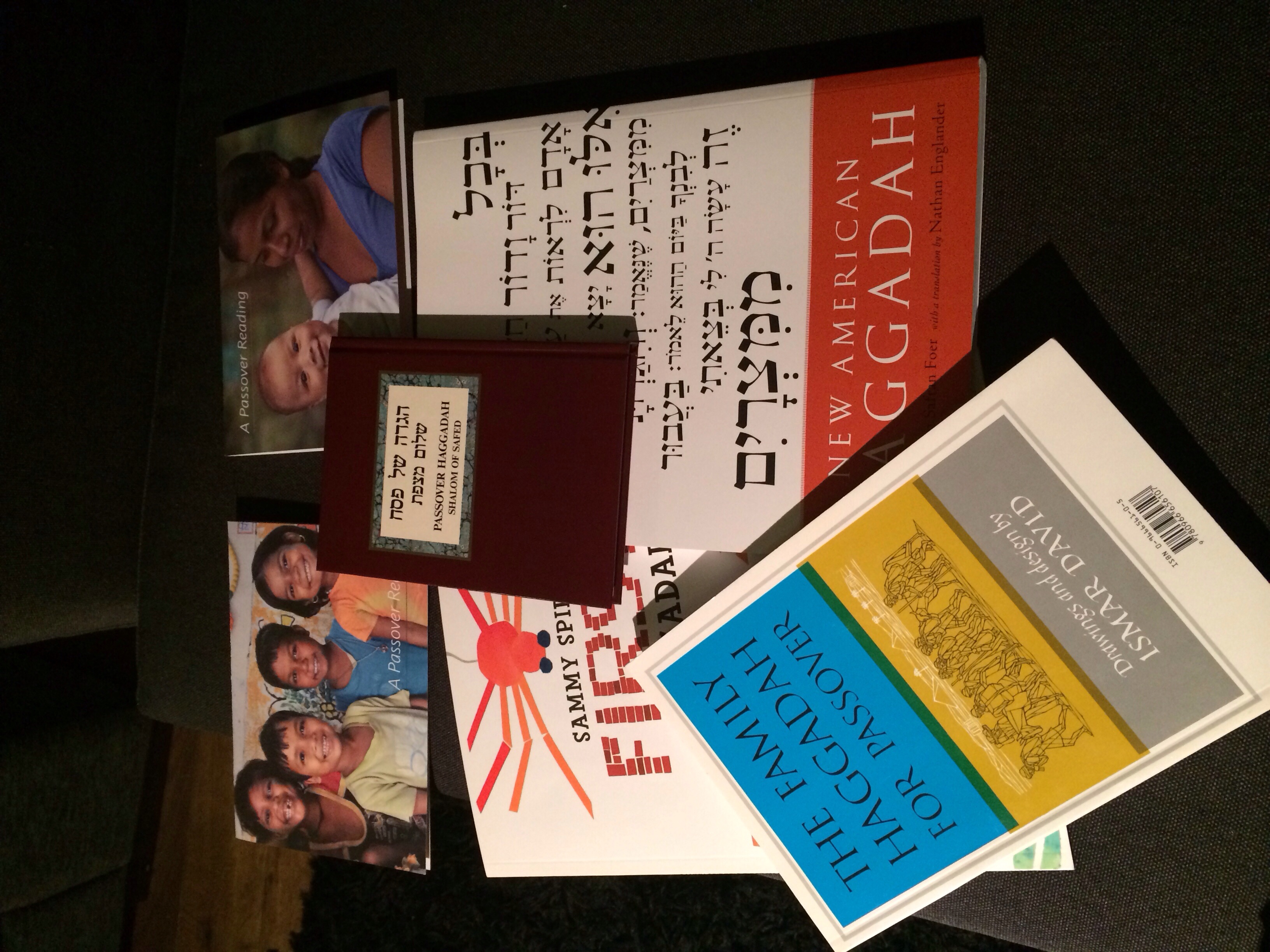
We spent a day in the new Jewish quarter securing provisions for passover – including a “brisket” that turned out to be corned beef from Mouwe’s, frogs, matzah, and our haggadot from the Jewish Historical Museum.

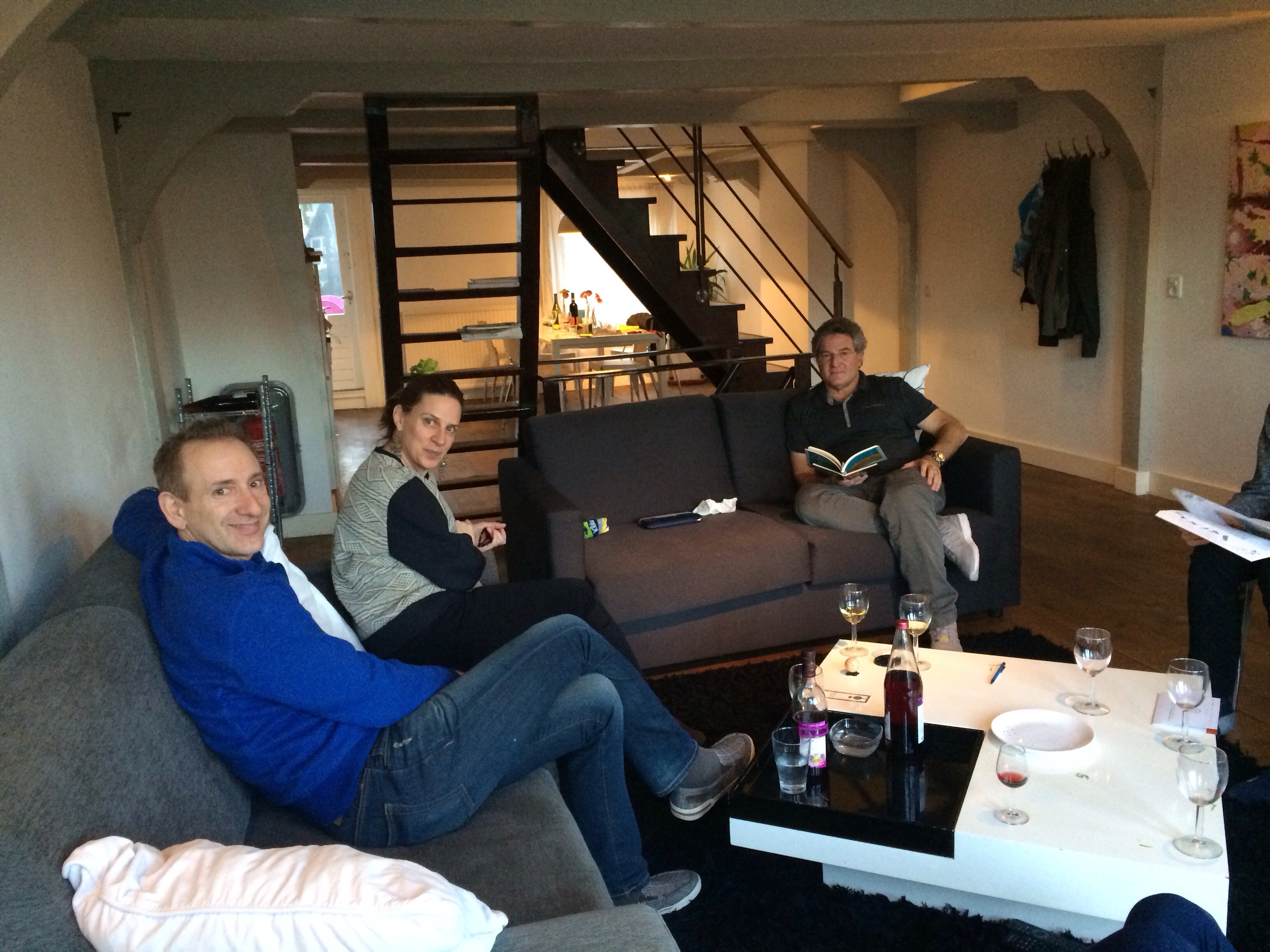
The Goldsteins arrived on our third day here – just in time for a nap, their own trip to the Amsterdam Museum, and then our passover seder!

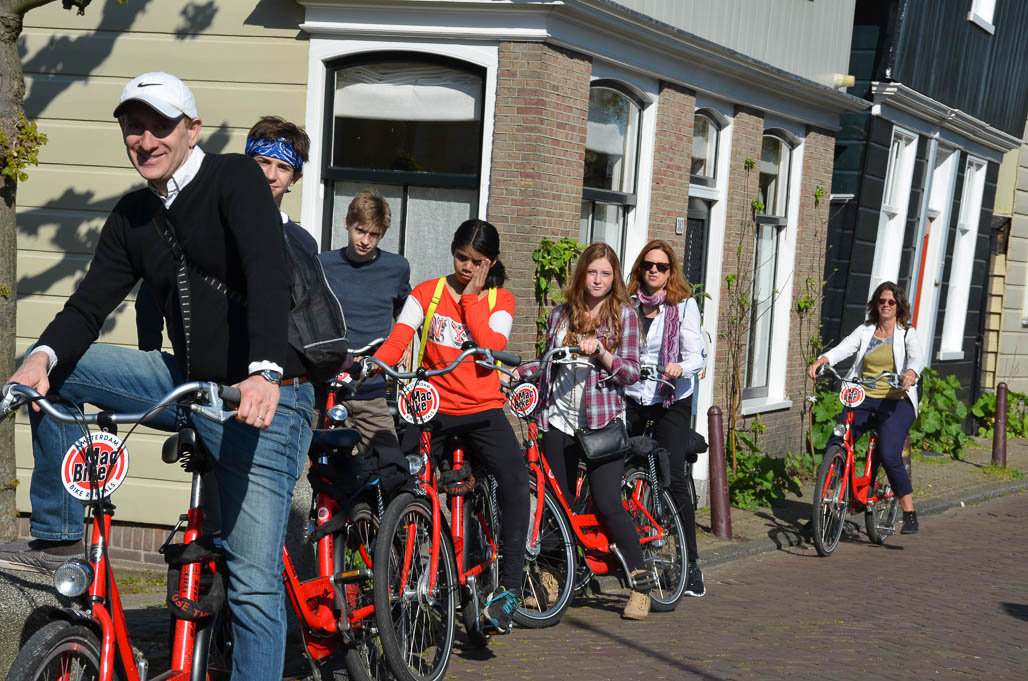
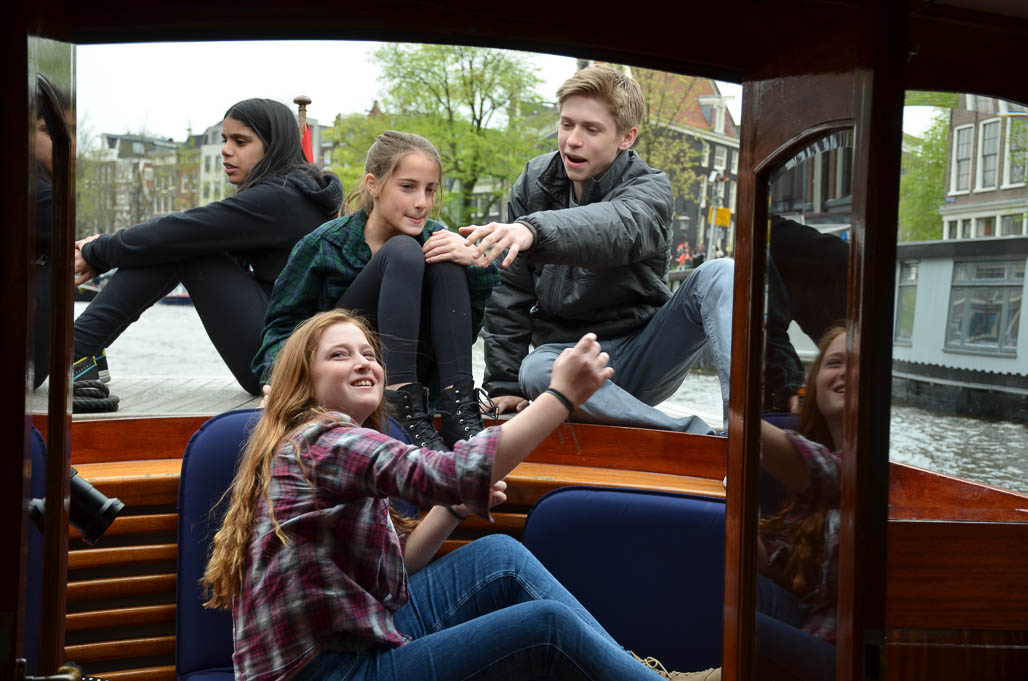
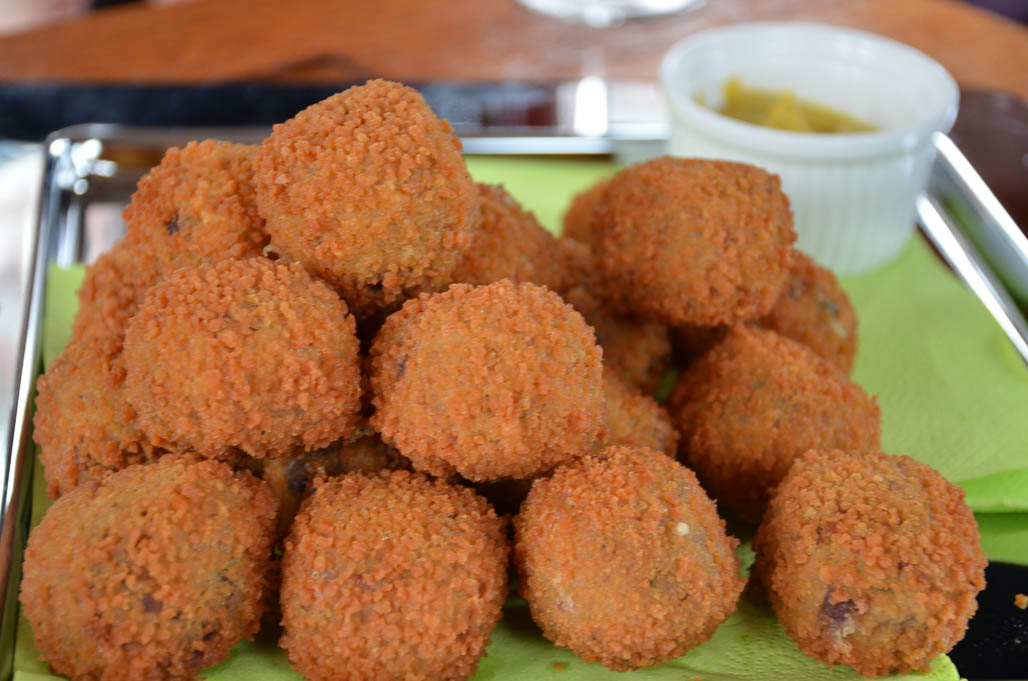
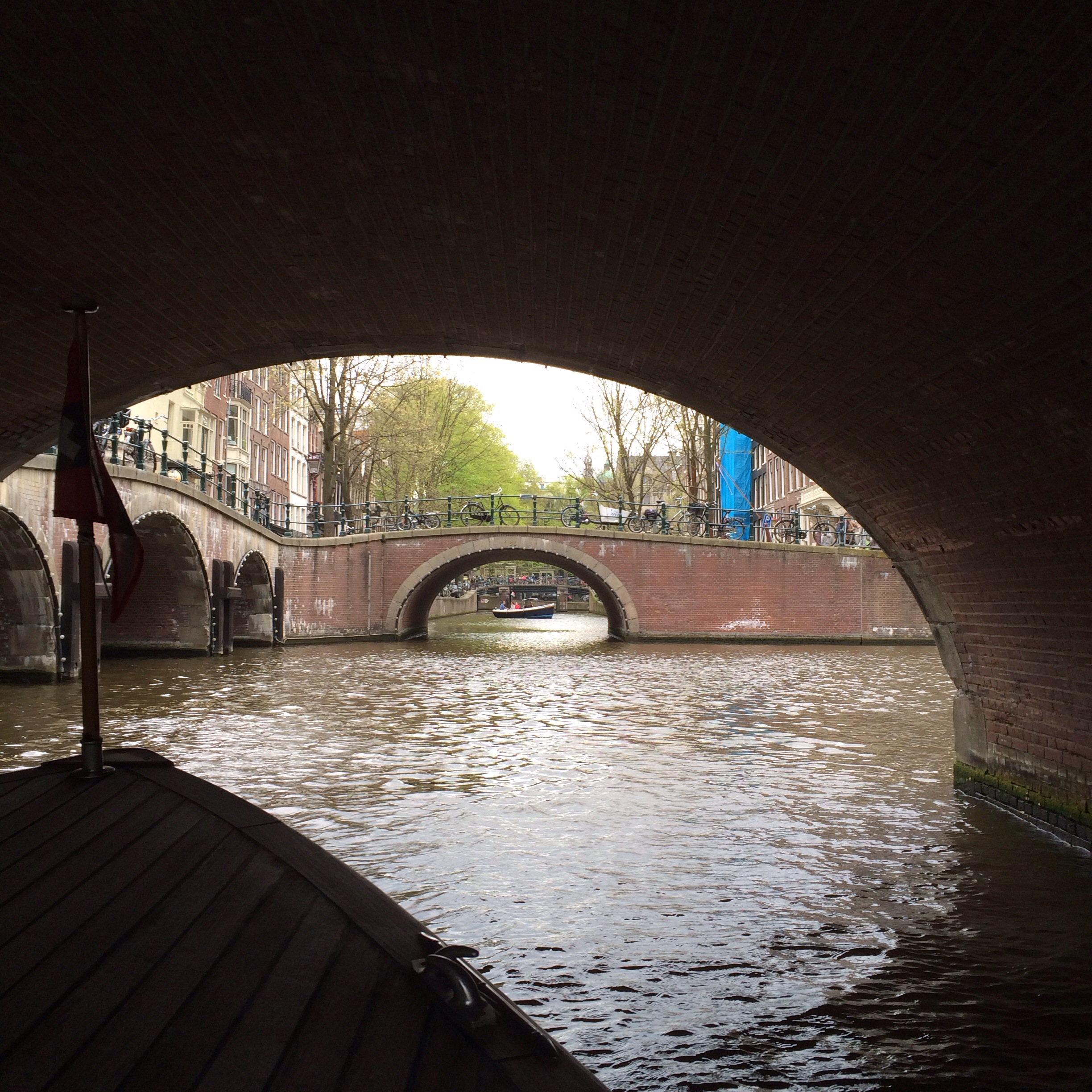
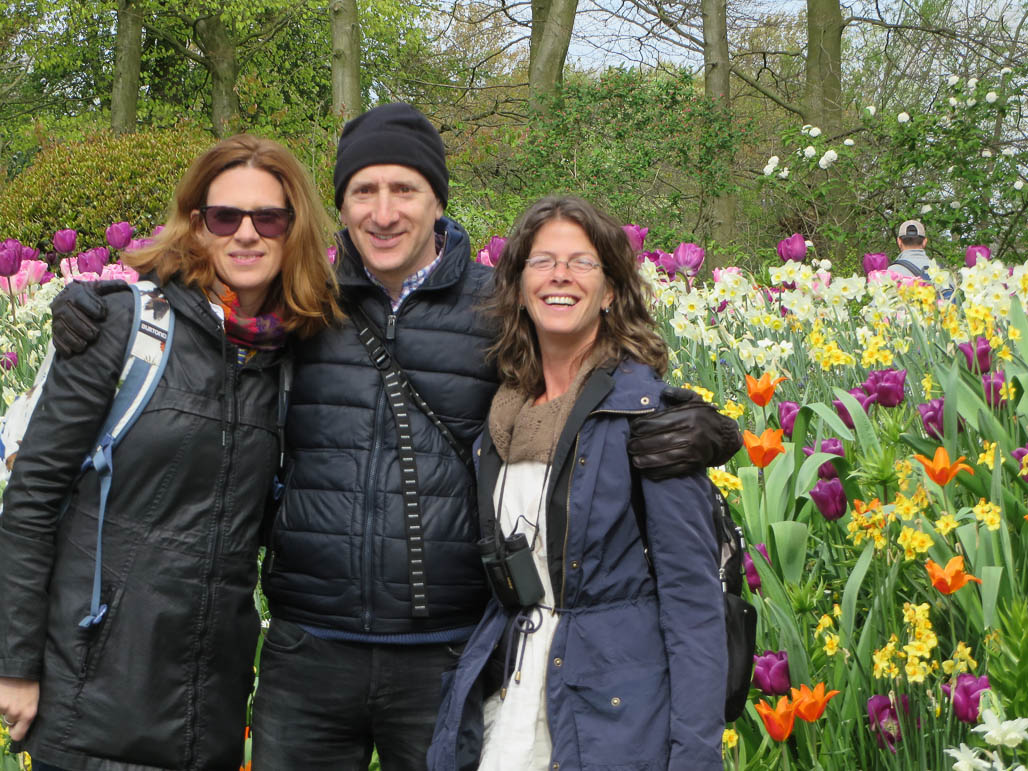
For the next several days we explored the city together. We viewed the great works of Rembrandt and Vermeer at the Riksmuseum; went for a bike ride in Amsterdam Noord; saw the tulips in Keukenhof (again!!); took a boat tour of the canals; saw Van Gogh’s life unfold through his art at the Van Gogh museum; cruised the local markets and devoured herring and waffles; bought a photo frame from a bride-to-be to fund her bachelorette party in Vondelpark; made our way through the Anne Frank house imagining life as this teenager in hiding; and capped our last night off with apple pie in the uber cool Jordaan.

It was a great week. And while we can’t compare experiences – how does one compare the time with the Hadza with being a mahout in Thailand? – we do consider our bike ride in Amsterdam Noord a highlight of our time in Amsterdam and thus, a photo Andy took of our motley crew in a picturesque town is this post’s featured pic.

Next stop Andy’s low-key birthday in Berlin…

OLYMPUS DIGITAL CAMERA Amsterdam (15 of 19) Amsterdam (11 of 19) Amsterdam (2 of 19) Amsterdam (1 of 19) Amsterdam (10 of 19) Amsterdam (8 of 19) Amsterdam (7 of 19) 20140423-092108.jpg 20140423-092334.jpg 20140423-092248.jpg OLYMPUS DIGITAL CAMERA OLYMPUS DIGITAL CAMERA 20140423-061244.jpg 20140423-061138.jpg 20140423-061100.jpg Amsterdam2 (1 of 5) OLYMPUS DIGITAL CAMERA Amsterdam (17 of 19) Amsterdam (14 of 19) Amsterdam (13 of 19) Amsterdam (16 of 19) 20140423-061403.jpg Keukenhof (16 of 11) Keukenhof (18 of 11) Keukenhof (14 of 11) Keukenhof (13 of 11) Amsterdam2 (3 of 5) Amsterdam2 (2 of 5) Amsterdam2 (4 of 5)  

Standard

On My Mind

Keeping in Touch. The girls have been so much better at keeping in touch. They “snap chat” and text and tweet (lpd only). I am old school. I make phone calls from time to time and Skype only slightly more often. Neither are very satisfying to me. I prefer the touch of a friend’s hand on my shoulder as we walk and talk and the eye contact that lets me see if they are ok, or really hurting, excited or just pretending to be. We call home on birthdays and check in occasionally but generally, I am outside. The girls have kept a foot inside. It may be that one approach proves better on our return. We’ll see.

Knowing. Traveling in a bubble/separated from normal routine is good for getting to know our girls well – their obsession with 5SOS and 1D, wattpad’s incomplete and often poorly written books; their twitter identities; their snapchat photos; early formulation of college choices and career plans. Their nascent views on life and death, on being Jewish and likely atheist, on meaninglessness and mindfulness. Their growing minds and bodies. It is also a gift that they are getting to know us. Our strengths and frailties are more apparent to them and they develop the ability to accept us for who we are – not just as parents but as people. It’s a maturity of relationship that will hopefully save them (us) from years of therapy. 🙂

Globalization. Everywhere we go we are seeing the same shops – LUSH, Body Shop, Jo Malone, L’Occitaine or Gucci, Hermes, LV, Chanel, Prada, GAP, H&M, Forever 21, Brandy Melville, Urban Outfitters, Abercrombie, Hugo Boss, Armani, Zegna…Uniqlo in Asia has just opened in Berlin and Rome. This is true not just with clothing but with also with food (Starbucks, KFC, Dunkin’, McD, Coca Cola, Nestle’s packaged foods). Globalization has its benefits – standardized sizes and availability of trusted brands. The result though is that we risk losing our diversity. What will make Brussels different from Brisbane? Bangkok from Berlin? Are we nearing the end of history? (Fukuyama) Or will the pendulum swing back to embrace individualization once more?

Comparing. And. I have always liked this word. Genesis AND the Big Bang. One needn’t chose one over another or rank everything in life. This harkens back to the post on The Question we posted in February. We find time and again that people we meet ask us to rank or chose or pick the highlight moment of any particular trip or experience. Maybe it’s just part of human nature or maybe it’s a behavior we are learning in this data driven world. And maybe we could just let things unfold more slowly knowing that, while some places are immediately impactful, others percolate and we will find them impactful at some later date for reasons not yet known. For now I’m trying to let things percolate…

Standard

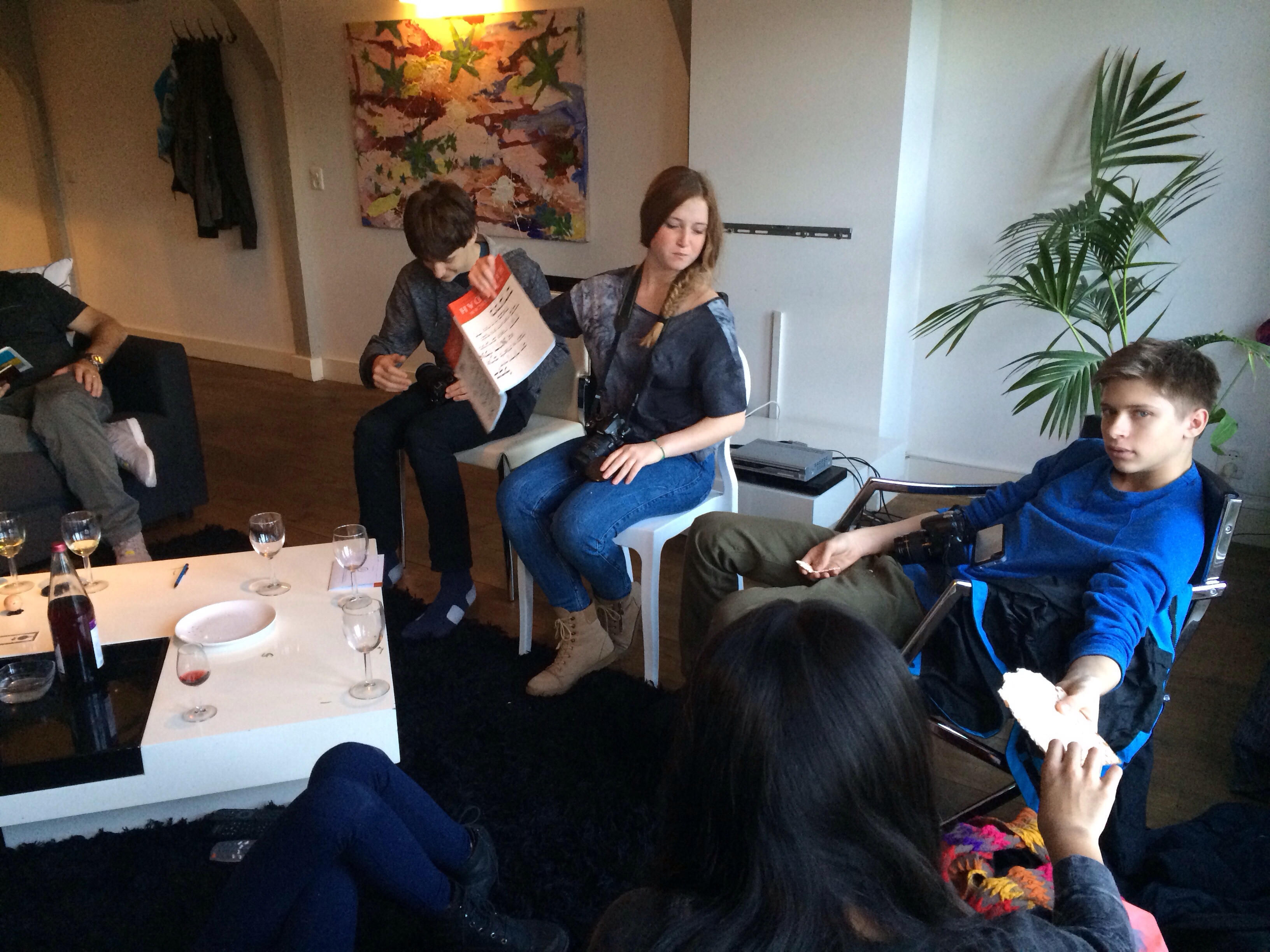
Passover in Amsterdam

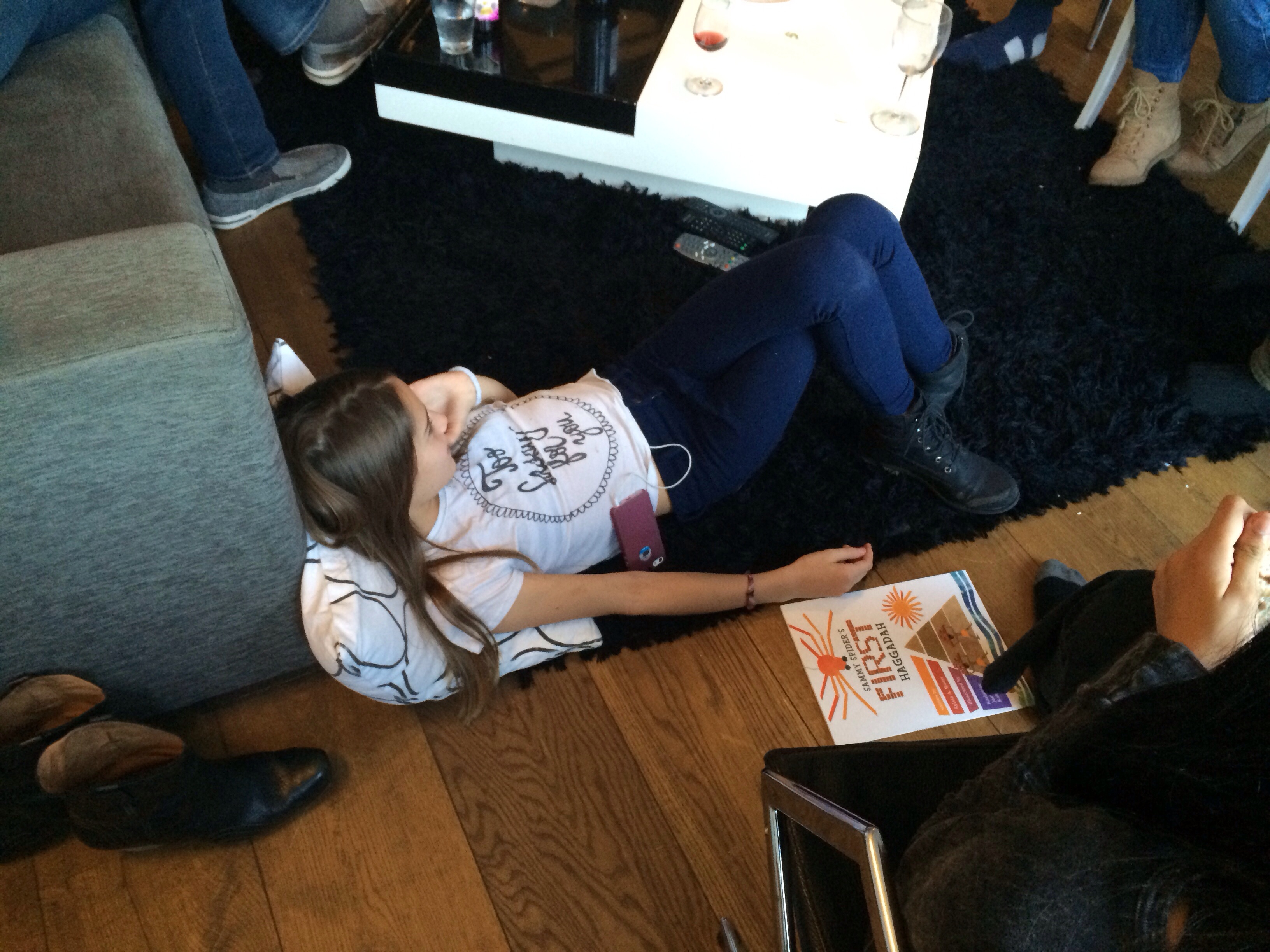
Each year we tell the story of the Exodus. We make a seder with family and friends and dutifully bless, wash, break, dip, ask, tell, wash, bless, eat….eat, look, bless and praise as we celebrate the ideas and actions that lead us to freedom. For many years Ian Arcus led us ably through our seders; he will be missed but he left a seder legacy that we tried to live up to while traveling this year. Like Ian, we used several haggadot, thought carefully about how to involve everyone in the seder, and had a thematic point to make. We honor his memory when we try to live up to the legacy he left us.

20140418-154642.jpg 20140418-154418.jpg 20140418-154537.jpg 20140418-154507.jpg 20140418-155710.jpg 20140418-155727.jpg

Standard

Tulips

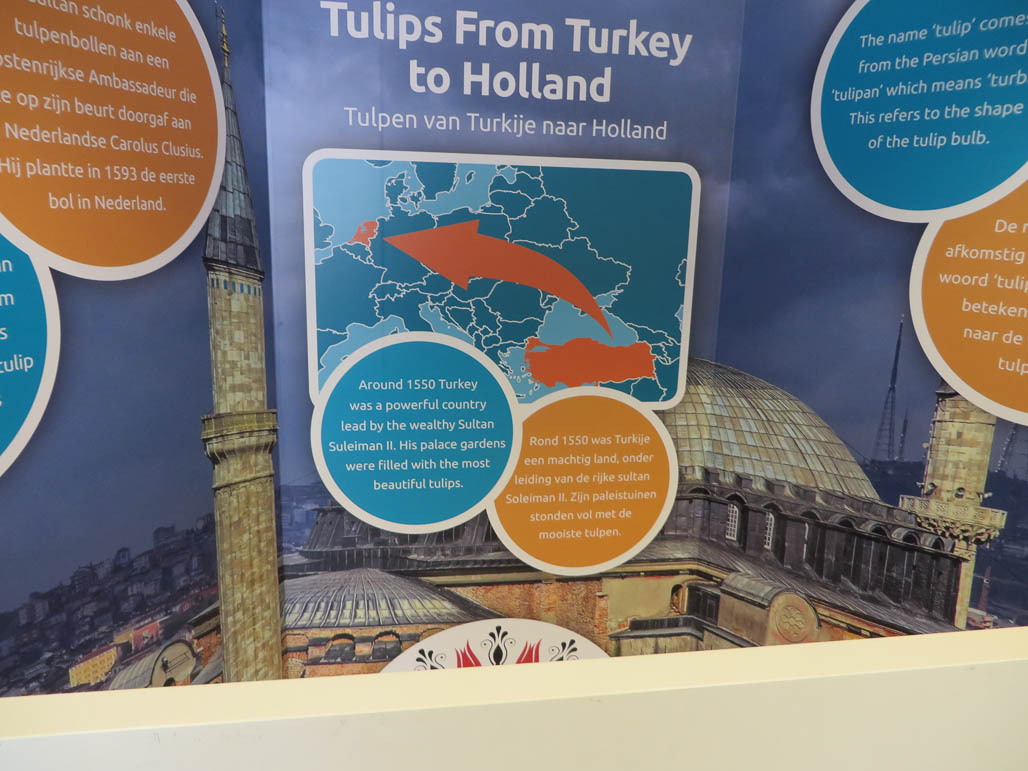
First a little history. I didn’t know until we reached Istanbul that these bulbs had been cultivated first in Turkey, by some accounts as early as 1000 AD. “According to Persian legend, the first tulips sprang up from the drops of blood shed by a lover and for a long time the tulip was the symbol of avowed love. Poets sang its praises and artists drew and painted it so often that when imported to Europe it was considered to be the symbol of the Ottoman Empire.” (http://www.sfheart.com/tulip.html)  By 1550, the very wealthy Sultan Suleiman’s Tokapi Palace was filled with tulips.

Keukenhof (12 of 11)

Holland would not have tulips until the 17th century when the ambassador to Constantinople,  gave them as a gift to a friend and botanist, Carolus Clusius. Clusius planted them in a garden in Leiden (the oldest botanical garden in Europe). He grew them, hybridized them, and initially, gave them away. Soon the tulip became a very popular sign of wealth. Dutch artists included tulips in still life paintings and created special ceramic vases to display single stems of tulips. Thirty years later Holland prized the bulb so highly they created an entire economy around them. In the period from 1630-37, Dutch speculation in tulip futures hit an all time high (the period is known as “tulip mania”). When the bubble burst, people lost their homes and their livelihood. Thankfully, they are no longer literally worth their weight in gold and can be enjoyed by all!

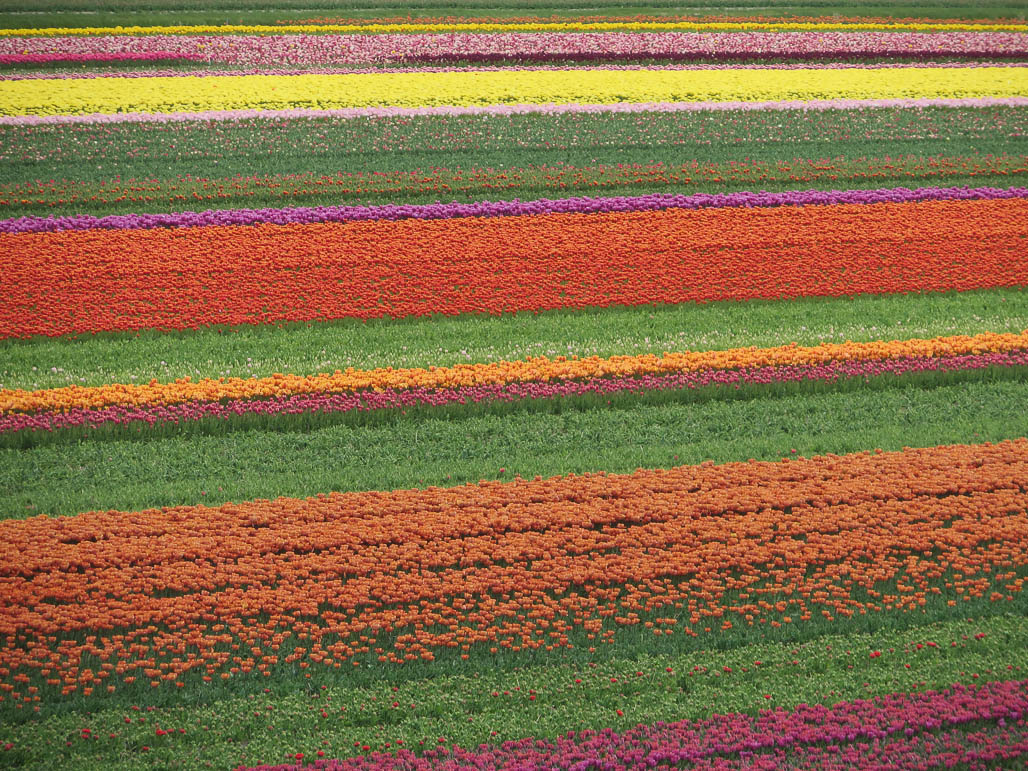
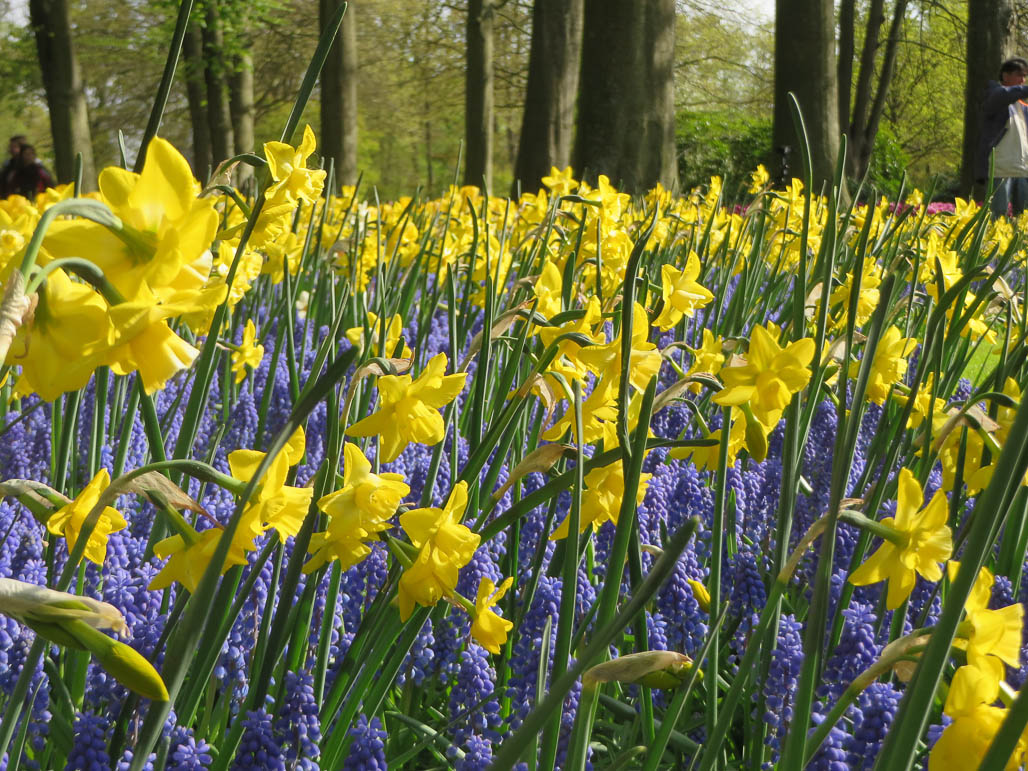
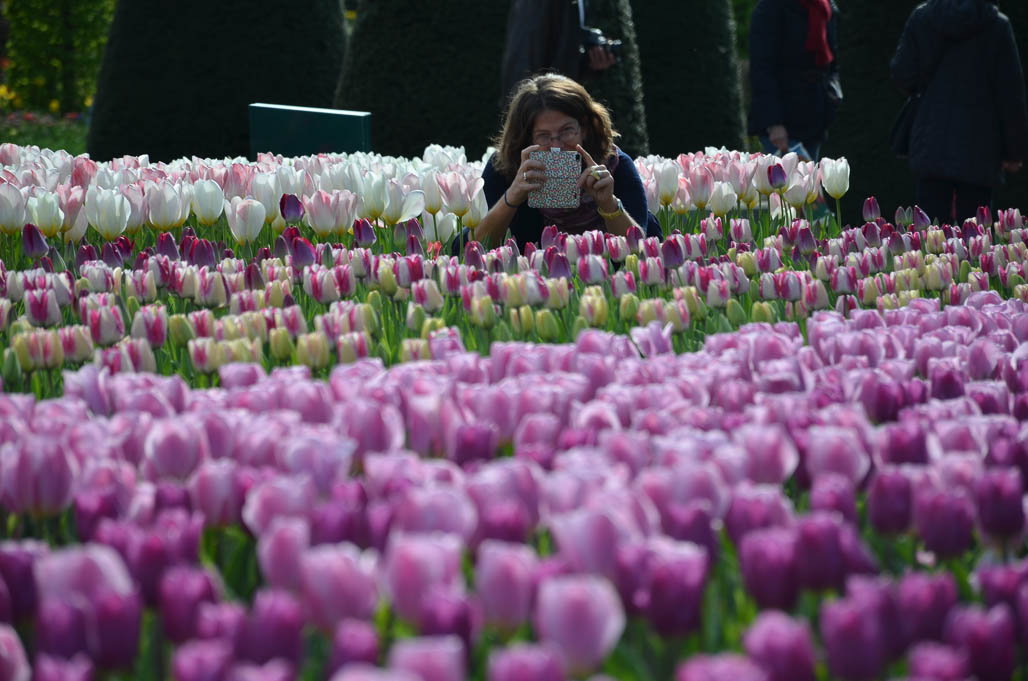
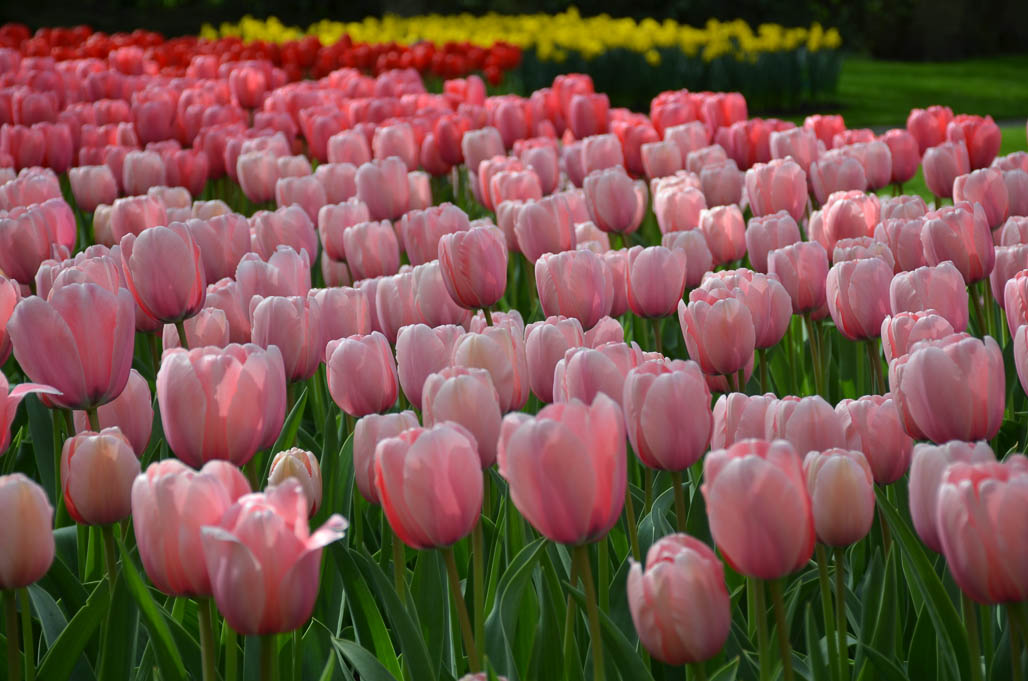
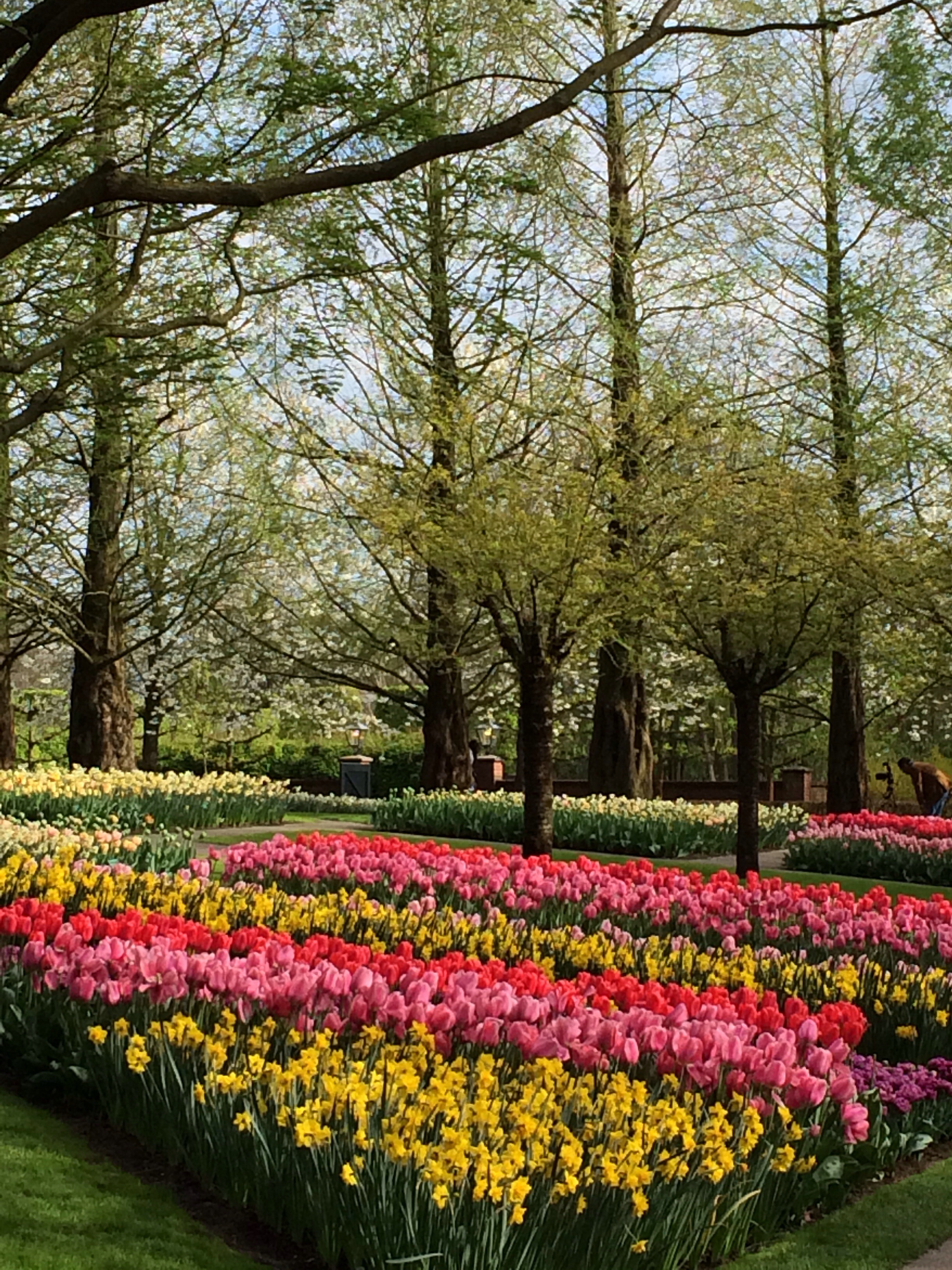
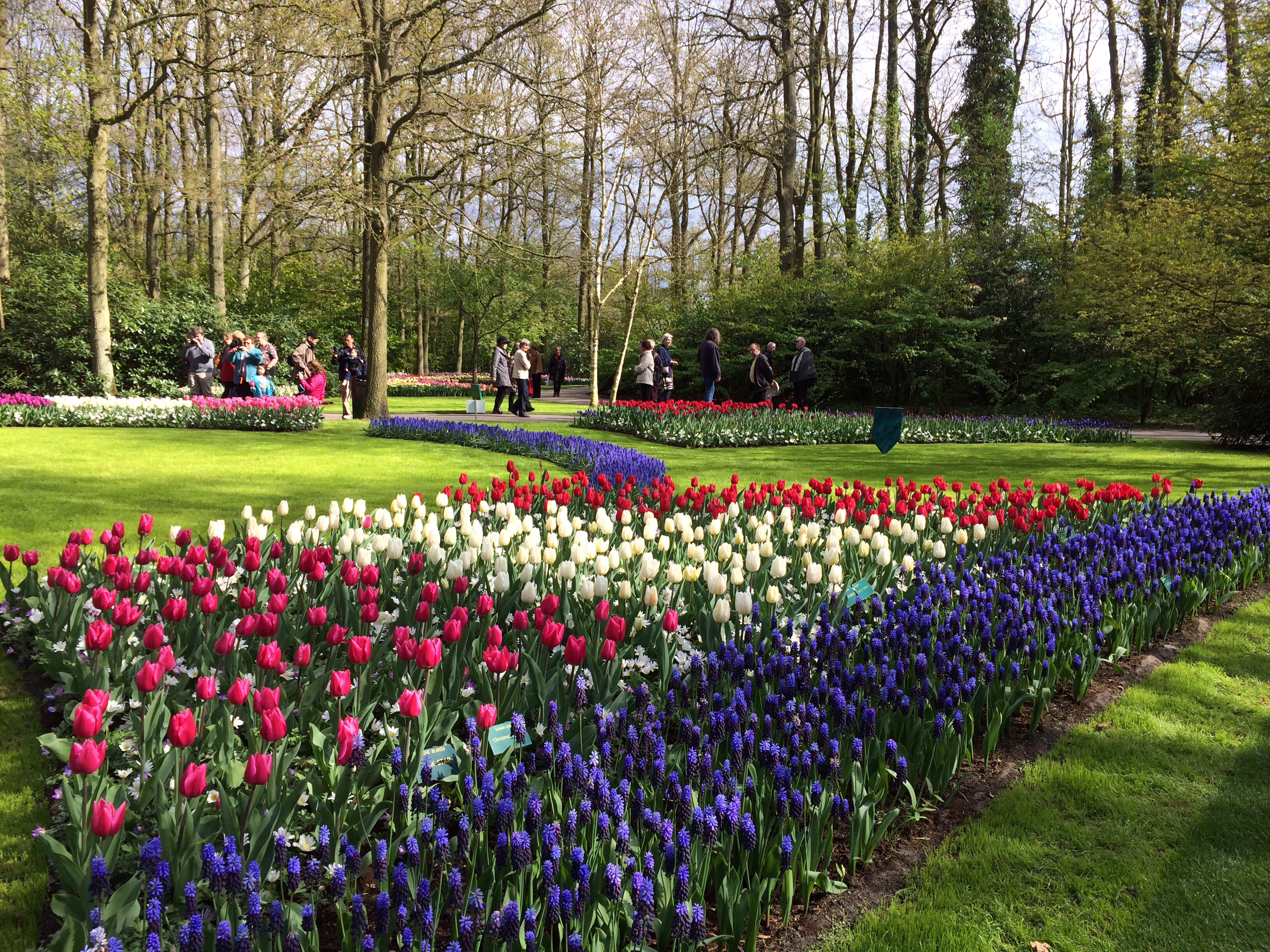
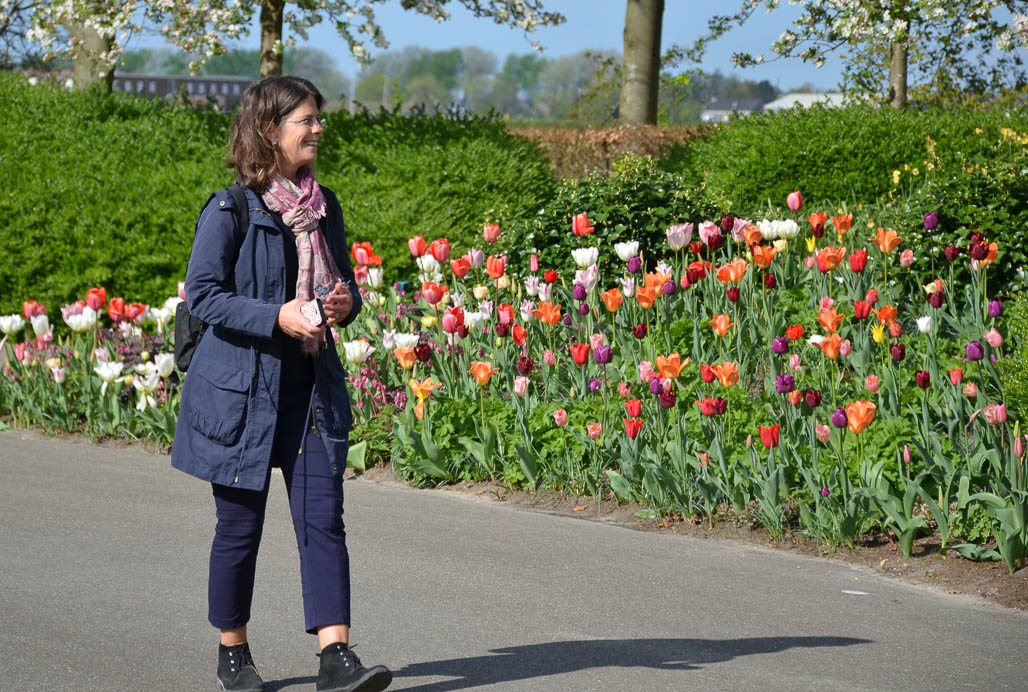
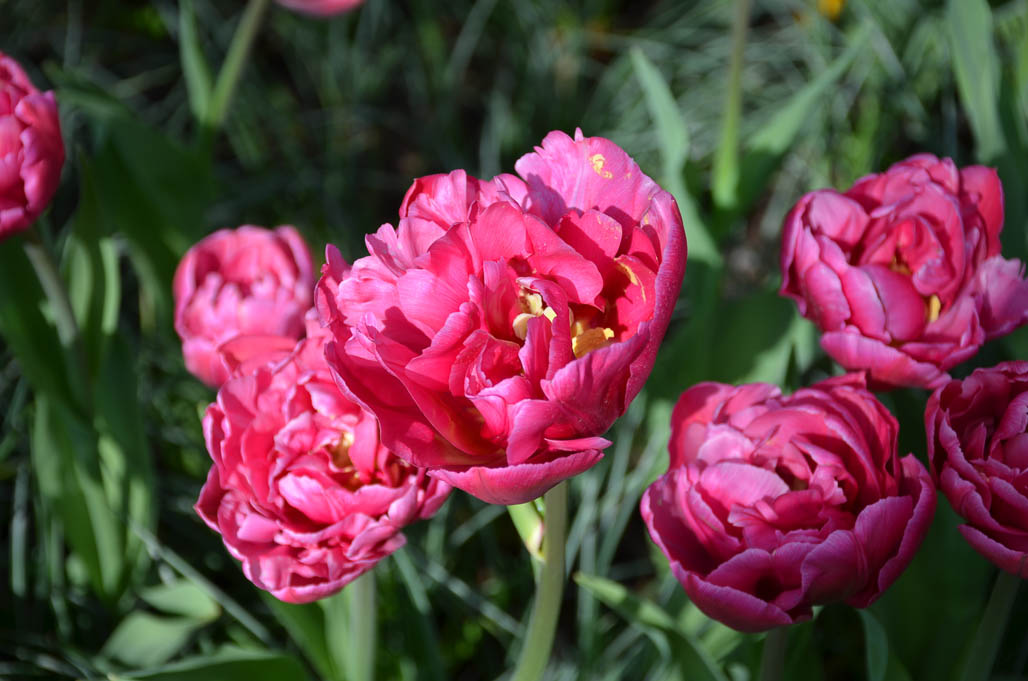
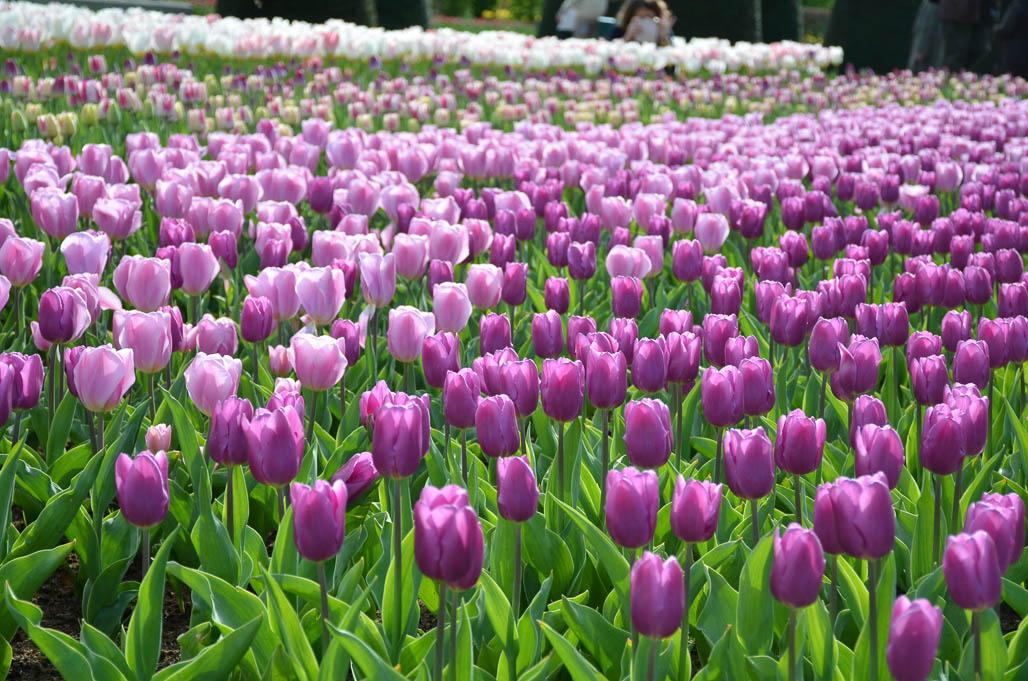
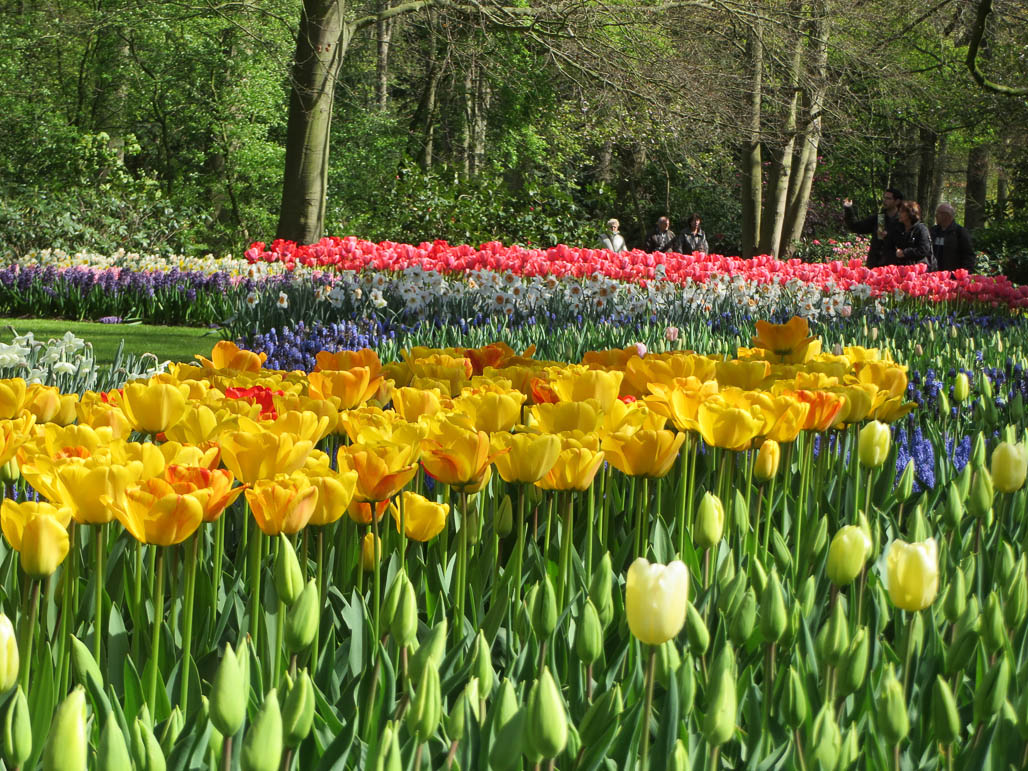
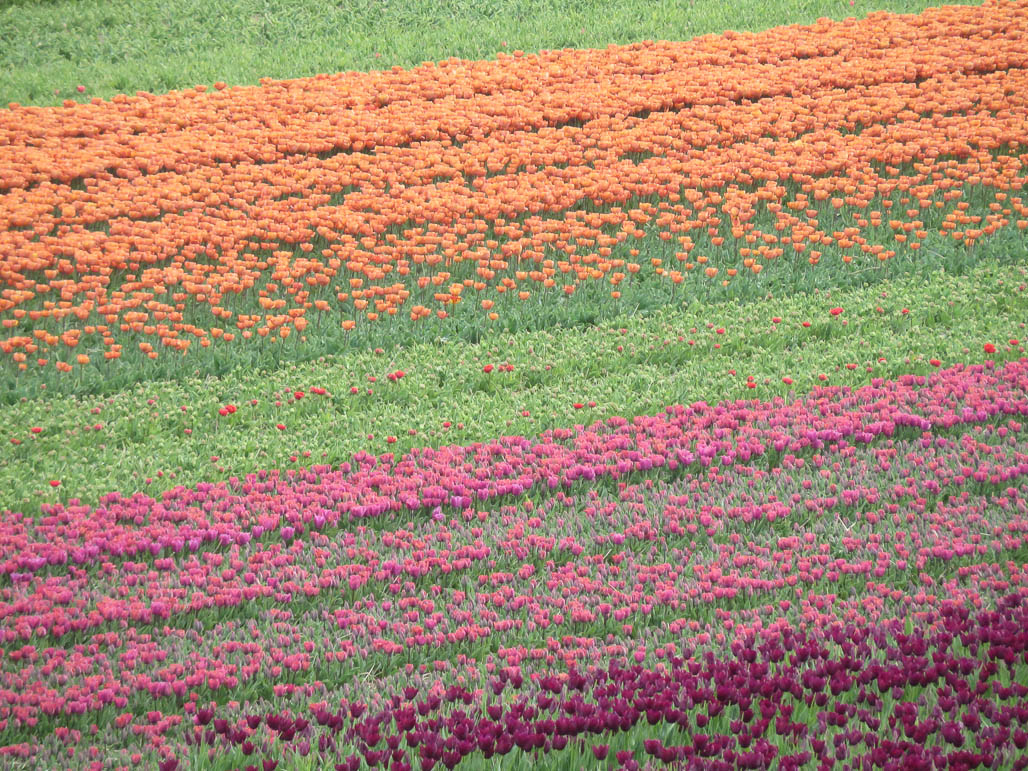
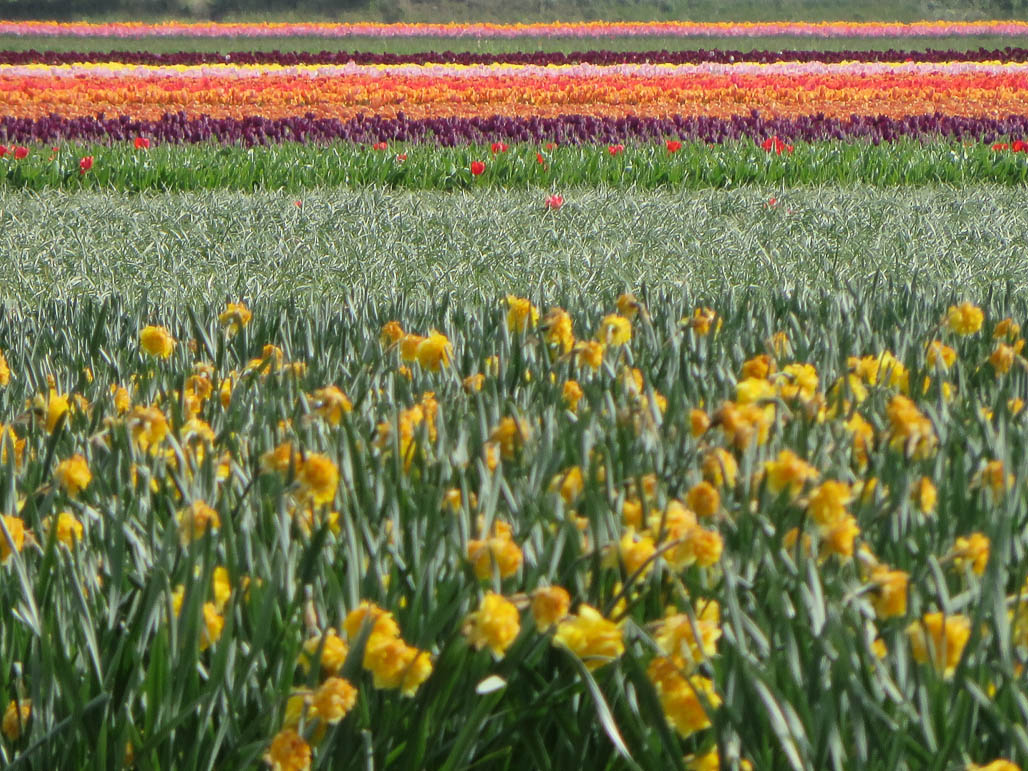
Below are photos from the Keukenhof Garden outside of Amsterdam.  Each year 30 gardeners spend three months planting 7 million bulbs for a garden that is open only eight weeks per year.  Here is just a glimpse at the 79 acre garden…

Keukenhof 2014

Keukenhof (5 of 11) Keukenhof (2 of 11) 20140417-150556.jpg Keukenhof (6 of 11) 20140417-150535.jpg Keukenhof (7 of 11) Keukenhof (8 of 11) Keukenhof (1 of 11) Keukenhof (9 of 11) Keukenhof (10 of 11) Keukenhof (11 of 11) Keukenhof (4 of 11) Keukenhof (3 of 11) Keukenhof (22 of 11) Keukenhof (21 of 11) Keukenhof (20 of 11) Keukenhof (19 of 11) Keukenhof (18 of 11) Keukenhof (17 of 11) Keukenhof (16 of 11) Keukenhof (15 of 11) Keukenhof (14 of 11) Keukenhof (13 of 11)

Standard