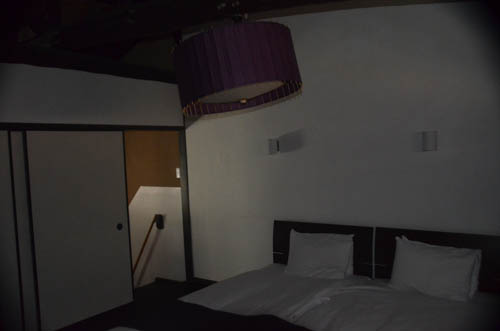
Hibakusha, Atomic Bomb Survivor

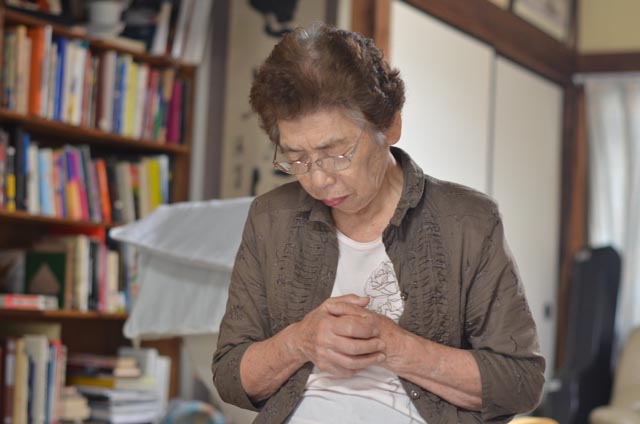
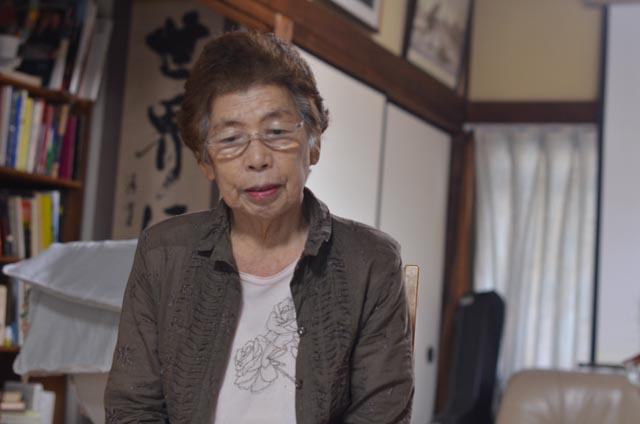
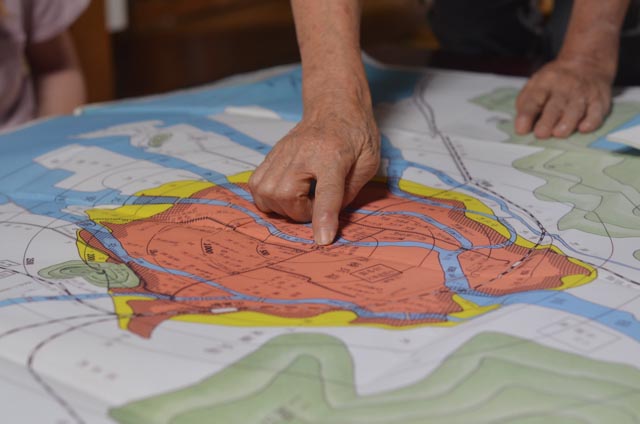
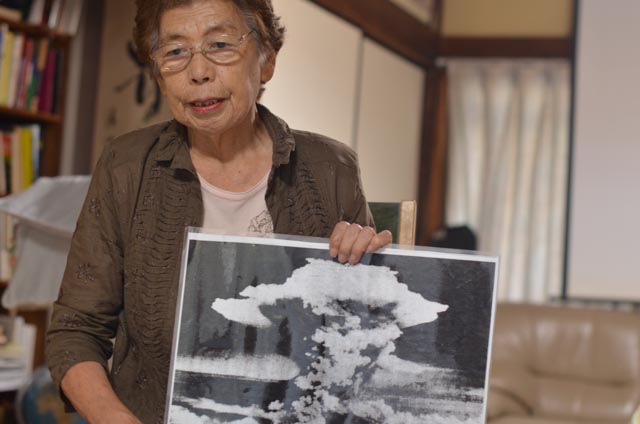
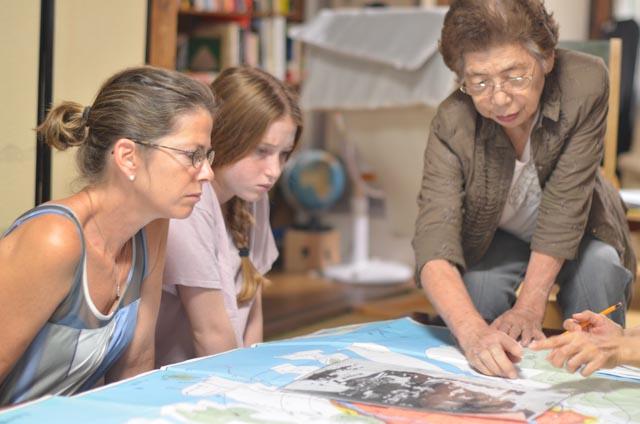
Kasaoka was 12 years old when the Atomic Bomb hit Hiroshima.  Kasaoka had the day off because she was in between wartime work assignments.  One of several children but the only one still living at home, Kasaoka was standing at the window when the flash occurred.  “It was a beautiful color.  Orange like the sunrise.”  The impact shattered the glass and threw her back several feet.  Then it was dark.  She suspects that she lost consciousness.

Her grandmother, age 90, was the only one at home at the time.  The two of them made their way to the air raid shelter.  It was there that they heard that perhaps a gas explosion had occurred.  It would be hours later when witnesses and victims returned to their villages that she would learn the horrible truth.  Only her grandmother and two brothers survived with her.

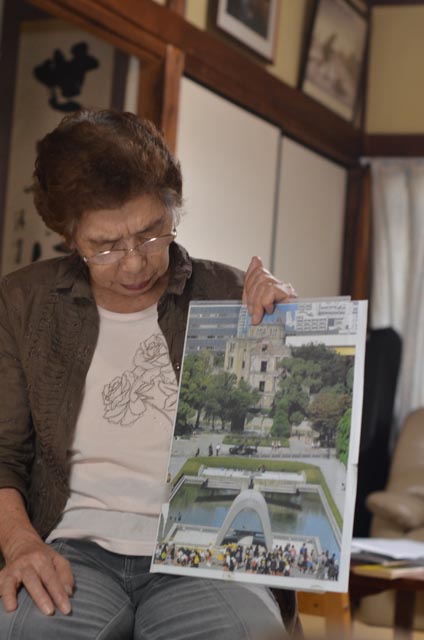
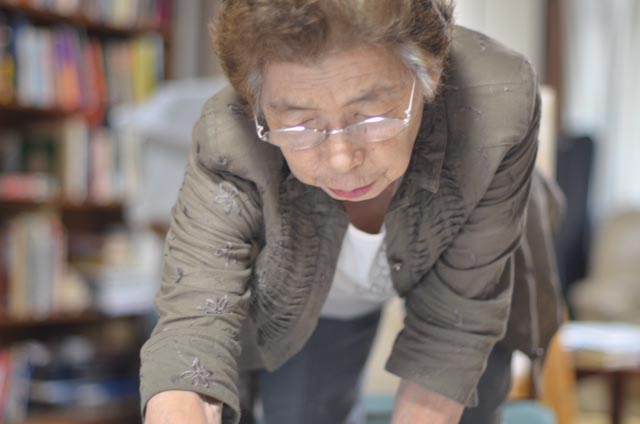
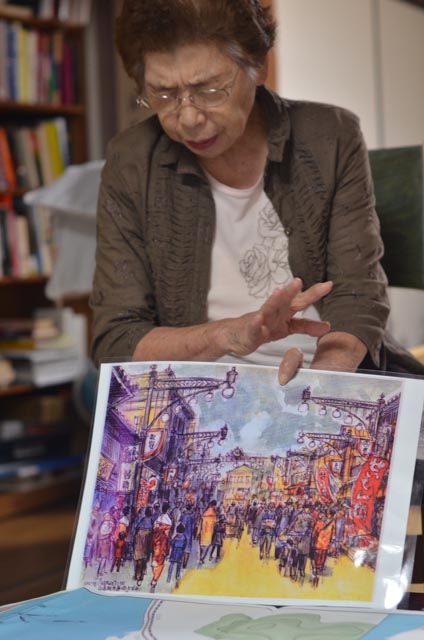
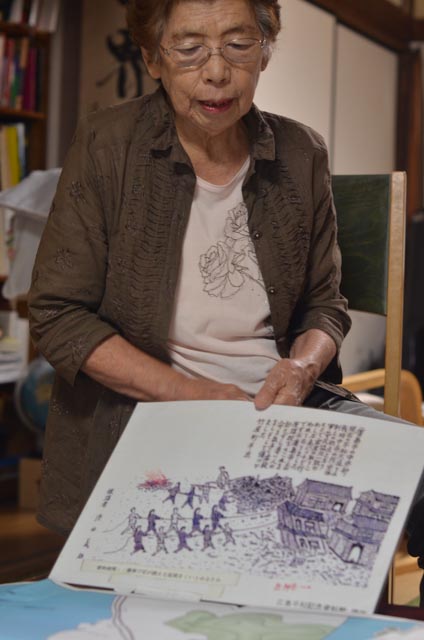
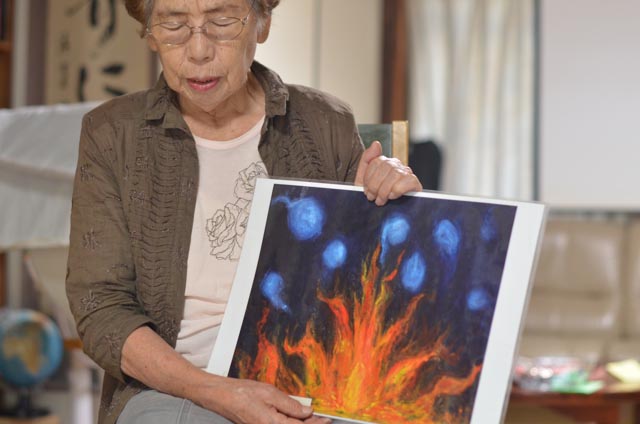
As she spoke, Kasaoka showed us artwork.  One piece she had created as a young girl in elementary school showing images of pre-war Hiroshima.  It looked charming with lanterns and shingled homes.  As the story progressed, she showed images of victims both in photograph and in abstract art.  One reflected her father’s charred back which  she treated with ointments for two days before he died.  Another reflected the loss of her mother and the regret that she and her mother had argued that morning.

We are staying at the World Friendship Center, a non-profit organization founded by American Barbara Reynolds who was so moved by the plight of the Hibakusha, A-bomb survivors, that she devoted years of her life and livelihood to honoring Hibakusha, translating their stories in to English, and training Peace Park guides.  The WFC arranged our meeting with Kasaoka, and her niece by marriage, Sachiko, who served as translator.  We were moved in a profound way by Kasaoka’s story and her message for us:  I used to hate Americans and it took me a long time to understand that it was not America that was to be hated.  It was war itself.  War is evil; nuclear weapons are evil.  Kasaoka believes now that she must share her story often so that we can live in a world that rejects war.  A world at peace.
20130919-DSC_0023 20130919-DSC_0026 20130919-DSC_0028 20130919-DSC_0002 20130919-DSC_0006 20130919-DSC_0009 20130919-DSC_0010 20130919-DSC_0013 20130919-DSC_0014 20130919-DSC_0021 20130919-DSC_0022

Standard

Naoshima

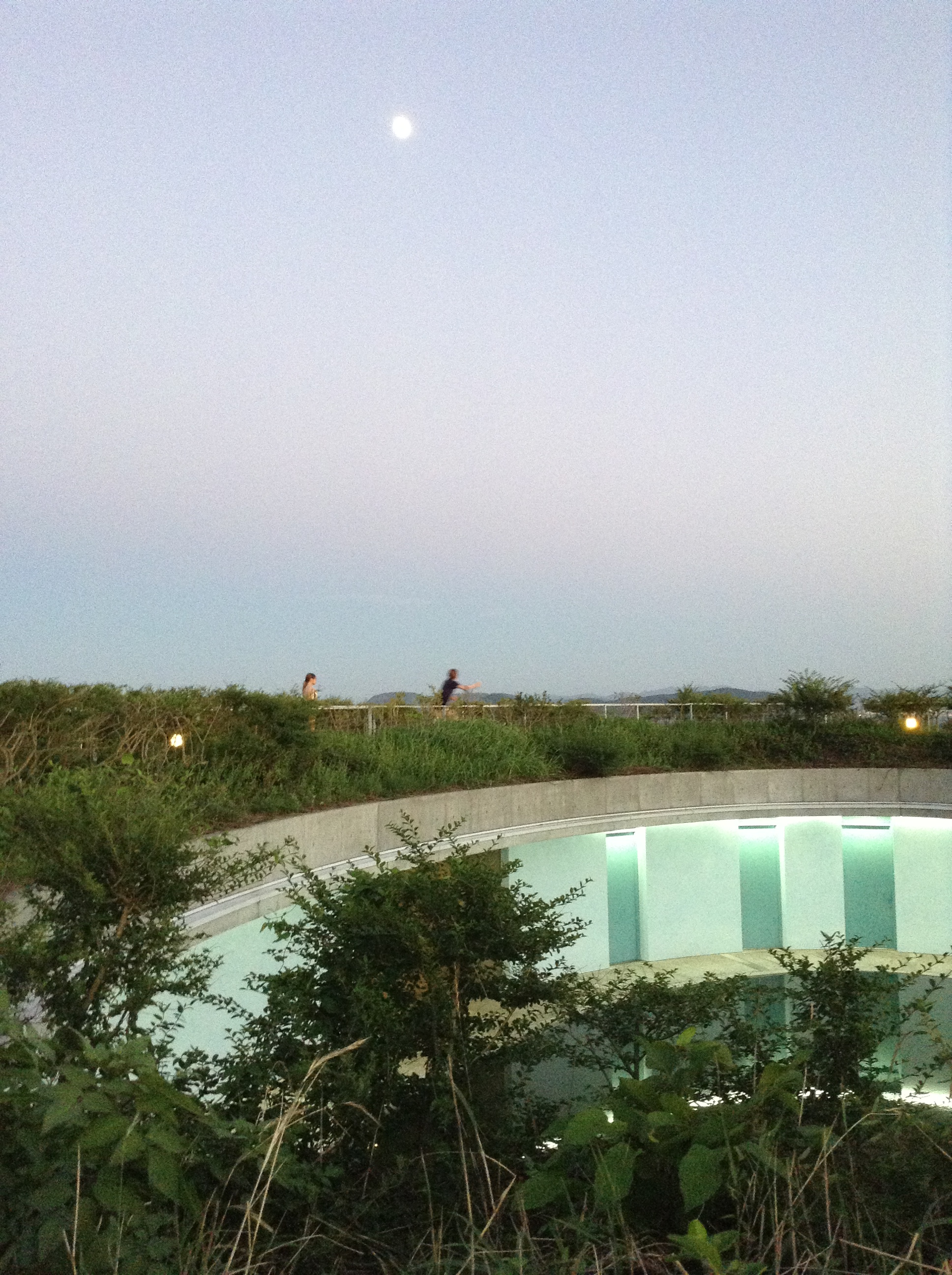
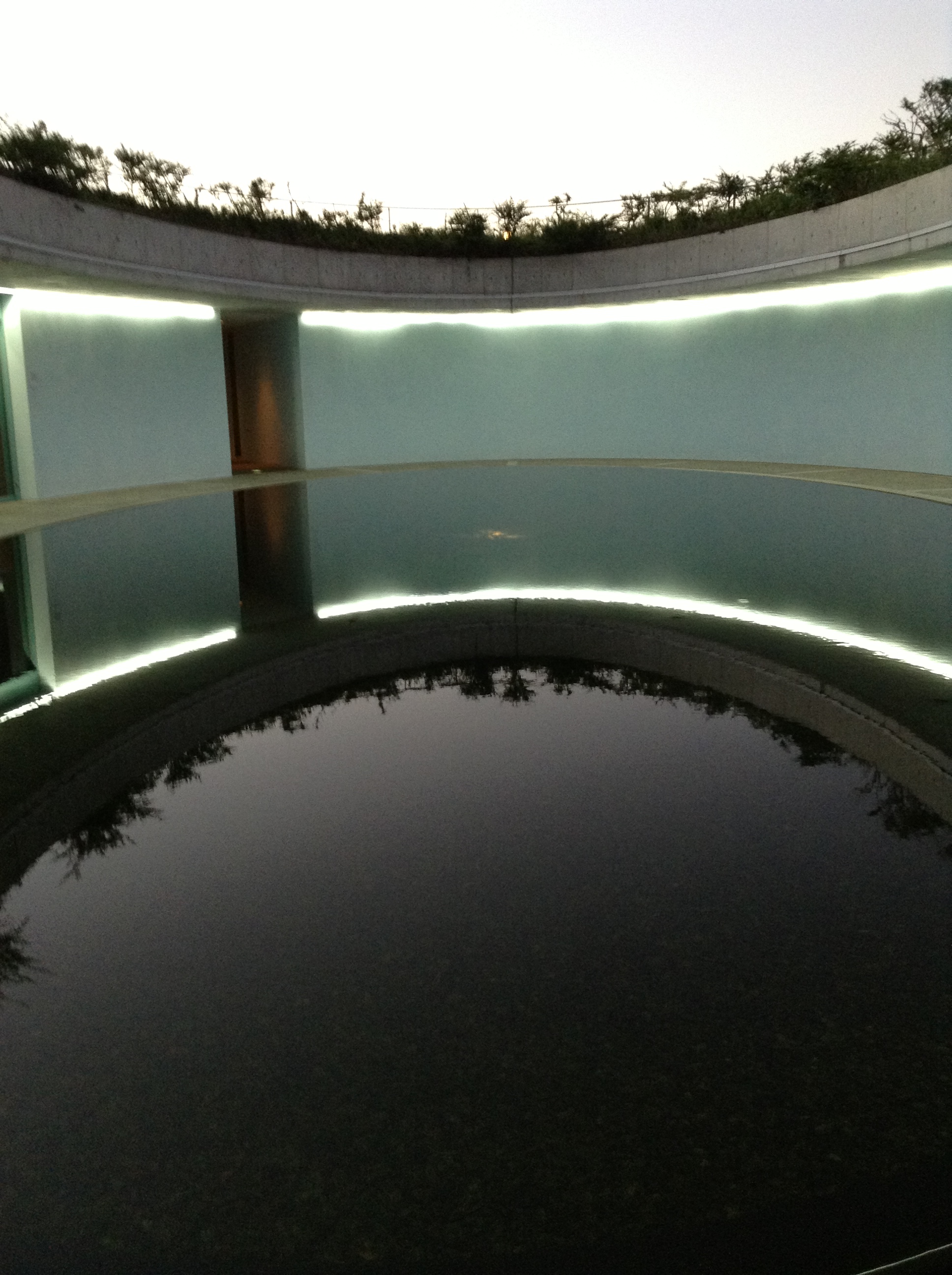
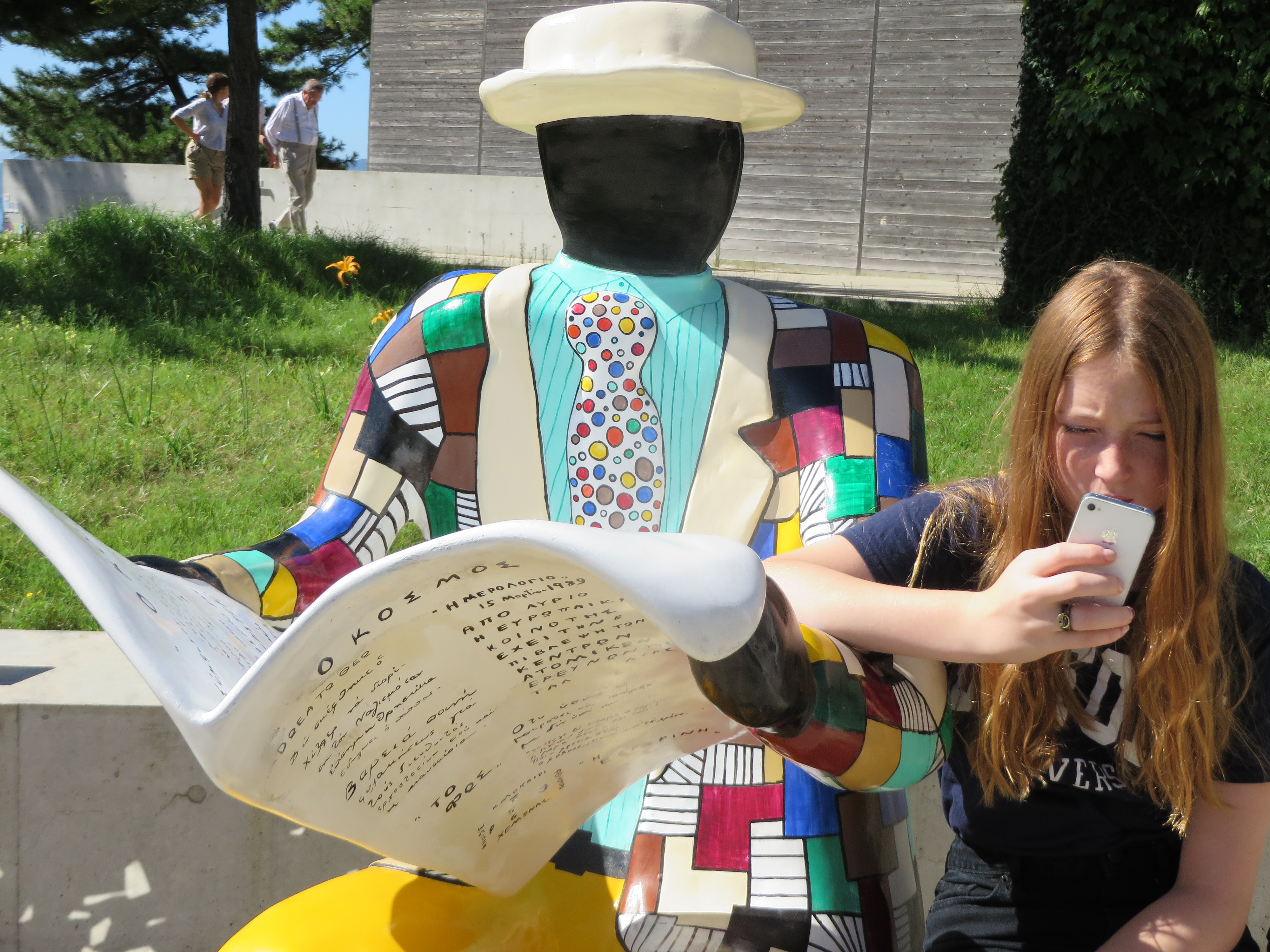
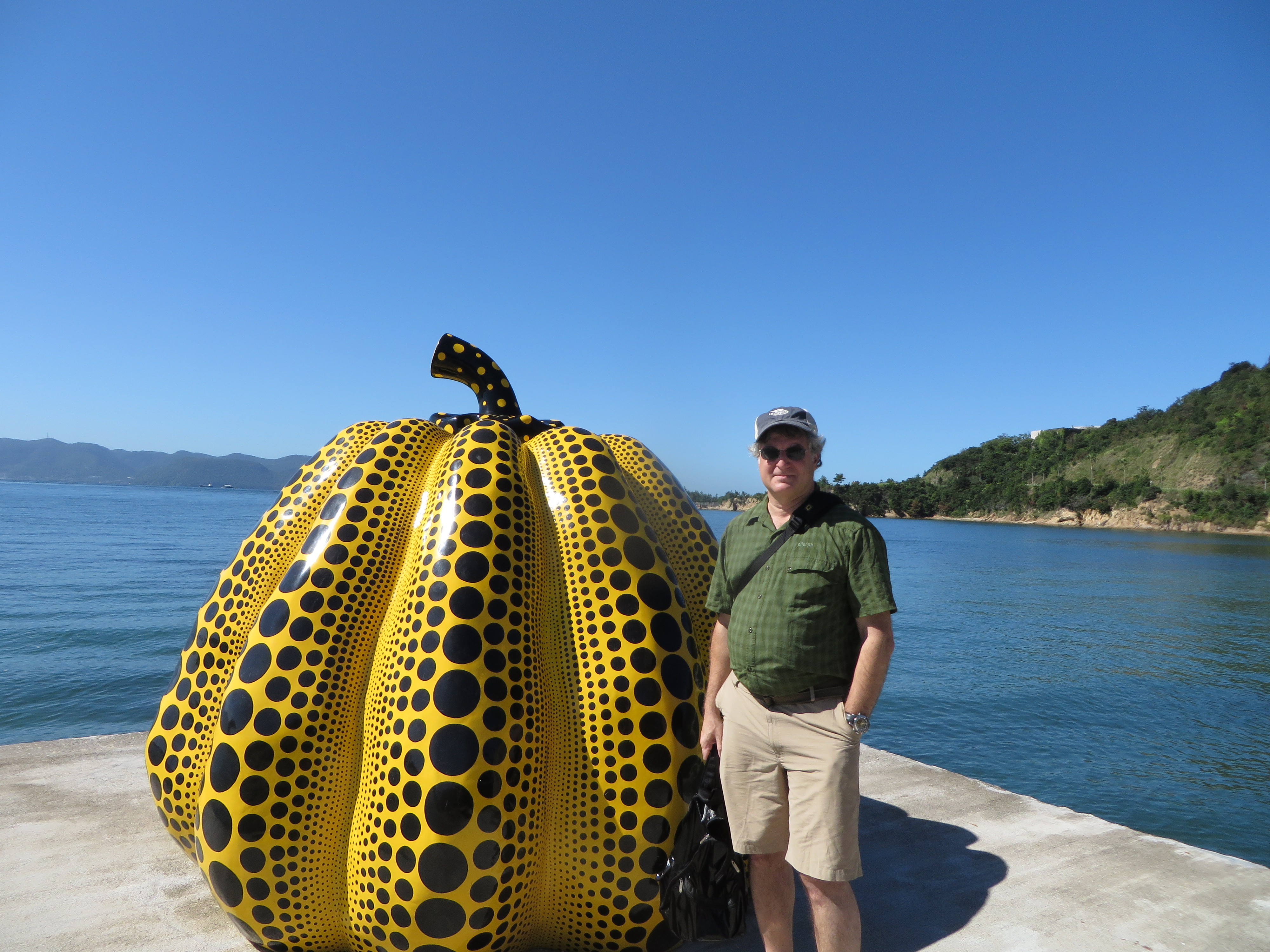
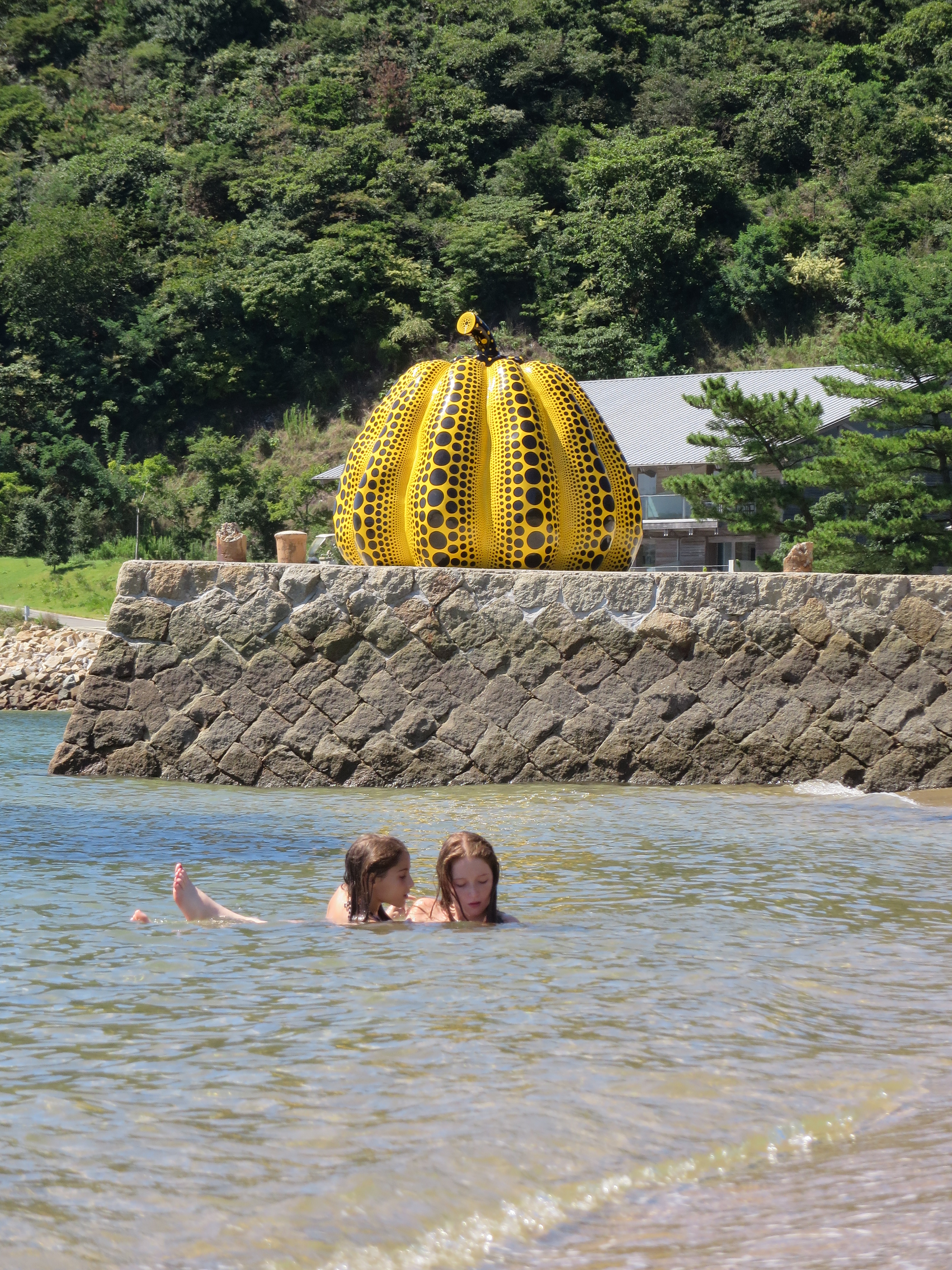
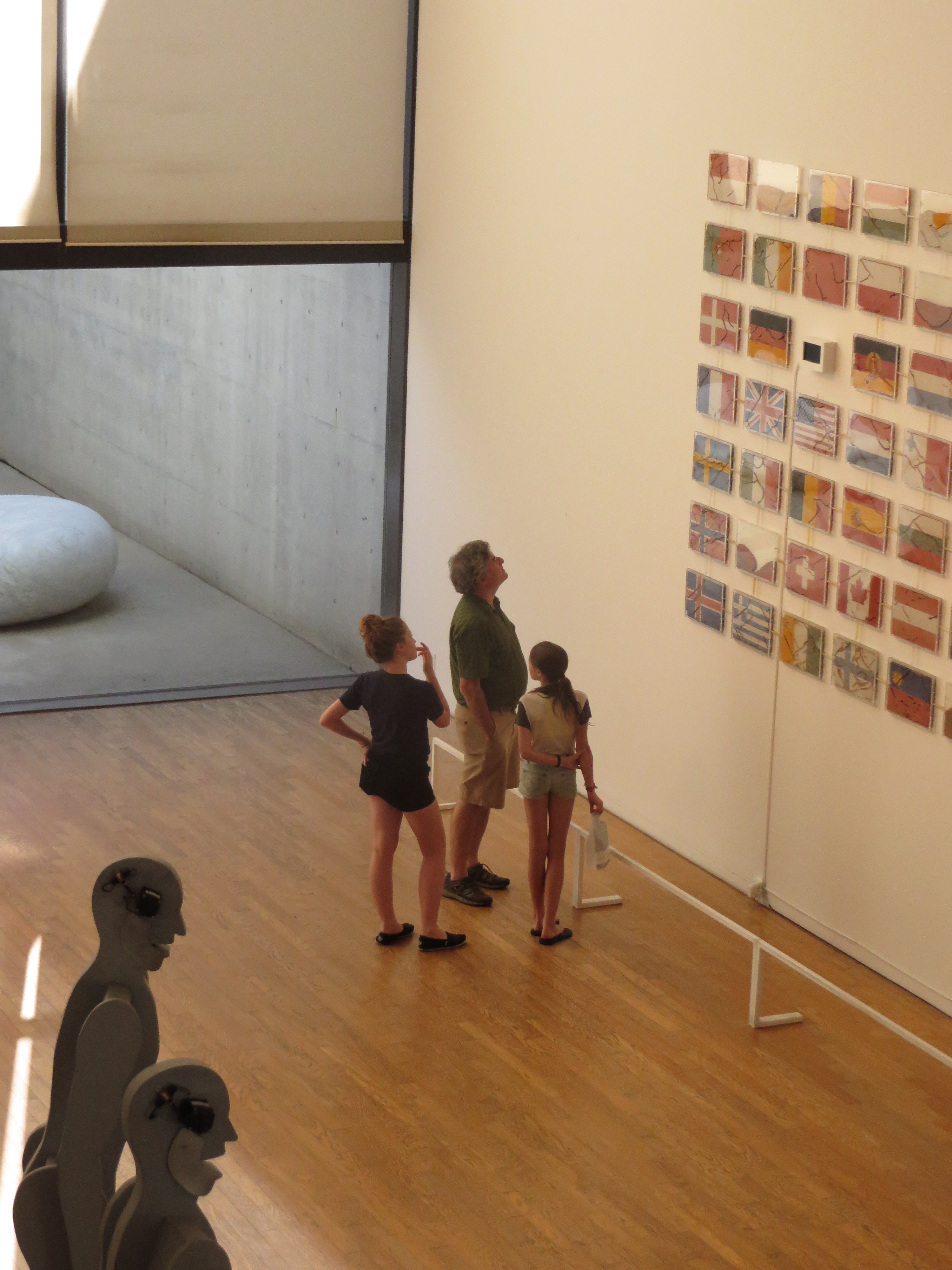
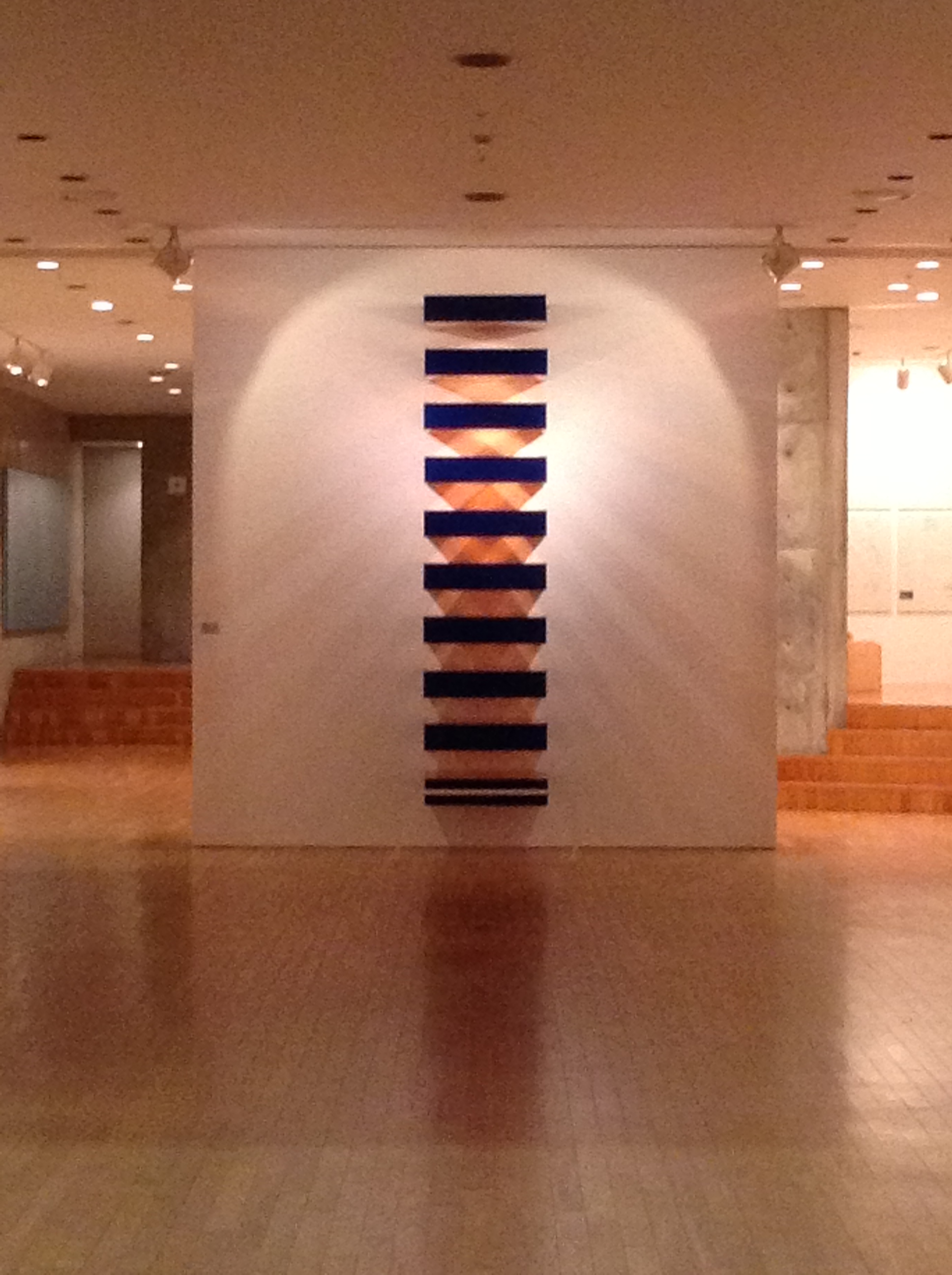
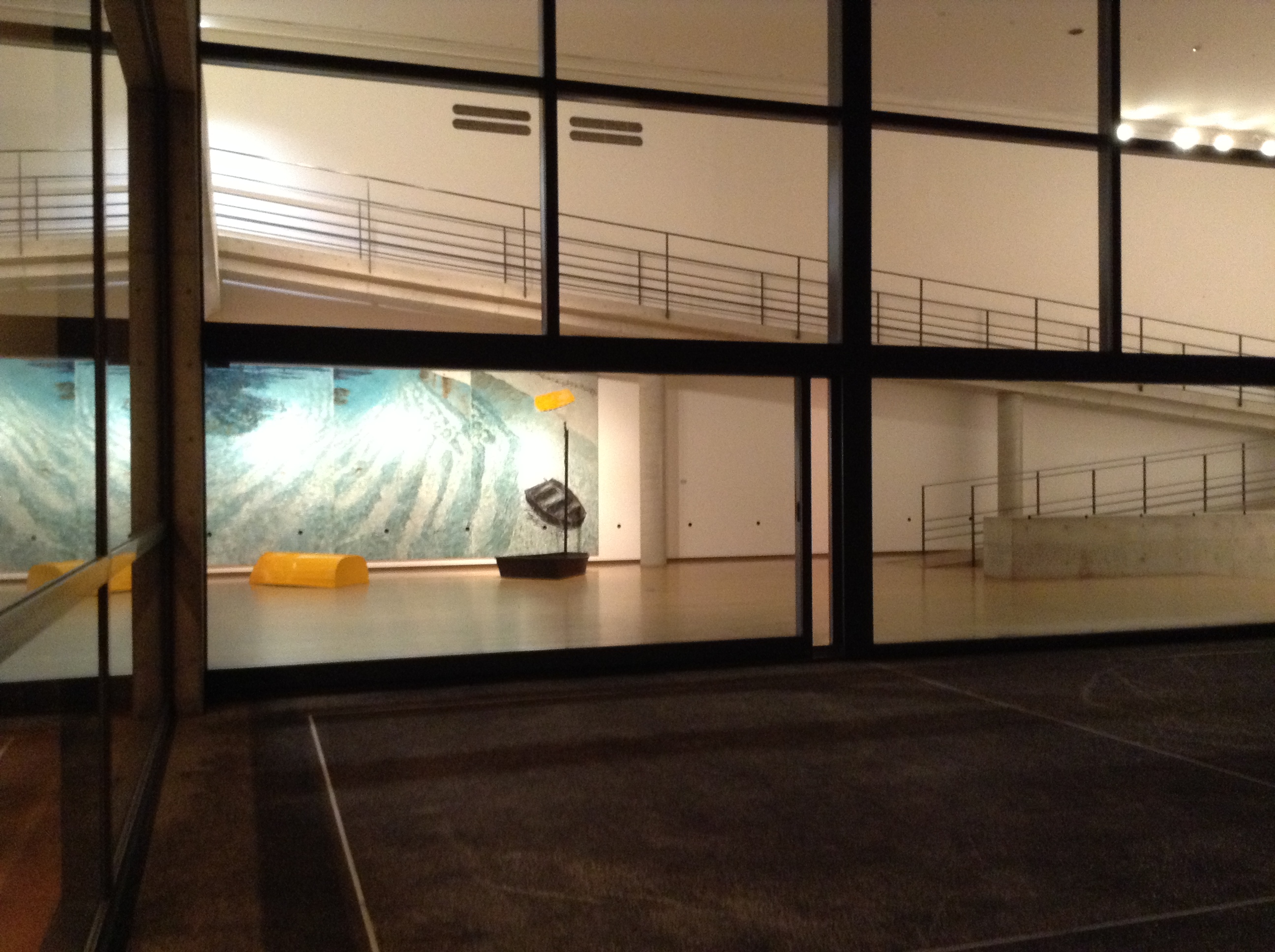
As typhoon Man-Yi arrived Kyoto we left for Naoshima, often called Art Island. It was a longer trip than planned because of flooding along the rails but we arrived Naoshima with hot full sun. Naoshima is the brainchild of artist Tadao Ando and the buildings were completed in 1992. The island has several venues in which to experience art – the Chichu Museum features a room with four Monet pieces and a James Turrell piece called Open Field which is surreal; the Li Ufan Museum celebrates this one artist for his famous brush stroke pieces and his steel and stone; and there are pieces scattered along the shoreline of Nikki Phalle and Kusuma’s pumpkin. And then, there is the Benesse Museum. The Benesse Museum also features guest accommodations Benesse House) and the benefit of staying here is that when the other museums are closed, guests of Benesse house get to wander the museum art spaces freely – we all agree that we like museums best when there are few people in them. Being alone at 9pm with the large Twombly, Pollack, Judd, Hockney, and Bartlett without interruption, babies crying, students vying for sketch space, etc. is like…..like shavasana. Your energy is fresh and your mind is at peace.

2013-09-16 18.23.24 2013-09-16 18.20.43 2013-09-17 10.45.21 2013-09-17 10.40.48 2013-09-17 10.51.44-2 2013-09-17 13.24.56 2013-09-17 12.40.27 2013-09-17 15.36.23-3 2013-09-17 20.36.58 2013-09-17 20.47.27

Standard

Aiba, 10th Generation Fan Maker in Kyoto

Making Fans Since 1689

Imagine a slat of bamboo, 12 inches long and one, maybe two inches wide. Now cut it lengthwise along the grain into 80 lengths leaving the bottom inch uncut. Now break off each sliver of bamboo and place it by hand onto your paper. This is only the beginning of a one year process for making the traditional Kyoto style fan.

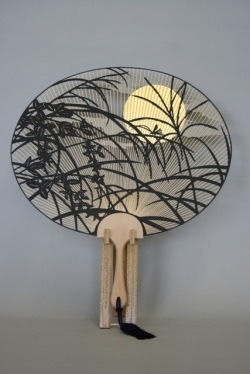
Tomiko Yamaguchi introduced us Saturday morning to Aiba, the tenth generation proprietor of the family business started in 1689. The fans made at her shop are special. Very special. They are made entirely in Kyoto and known as Kyo-Gosho. They are not the folding fans, they are the flat fan. The fans are created sometimes by painting, sometimes by wood block, sometimes both. They often feature representations of nature, a haiku or a poem.

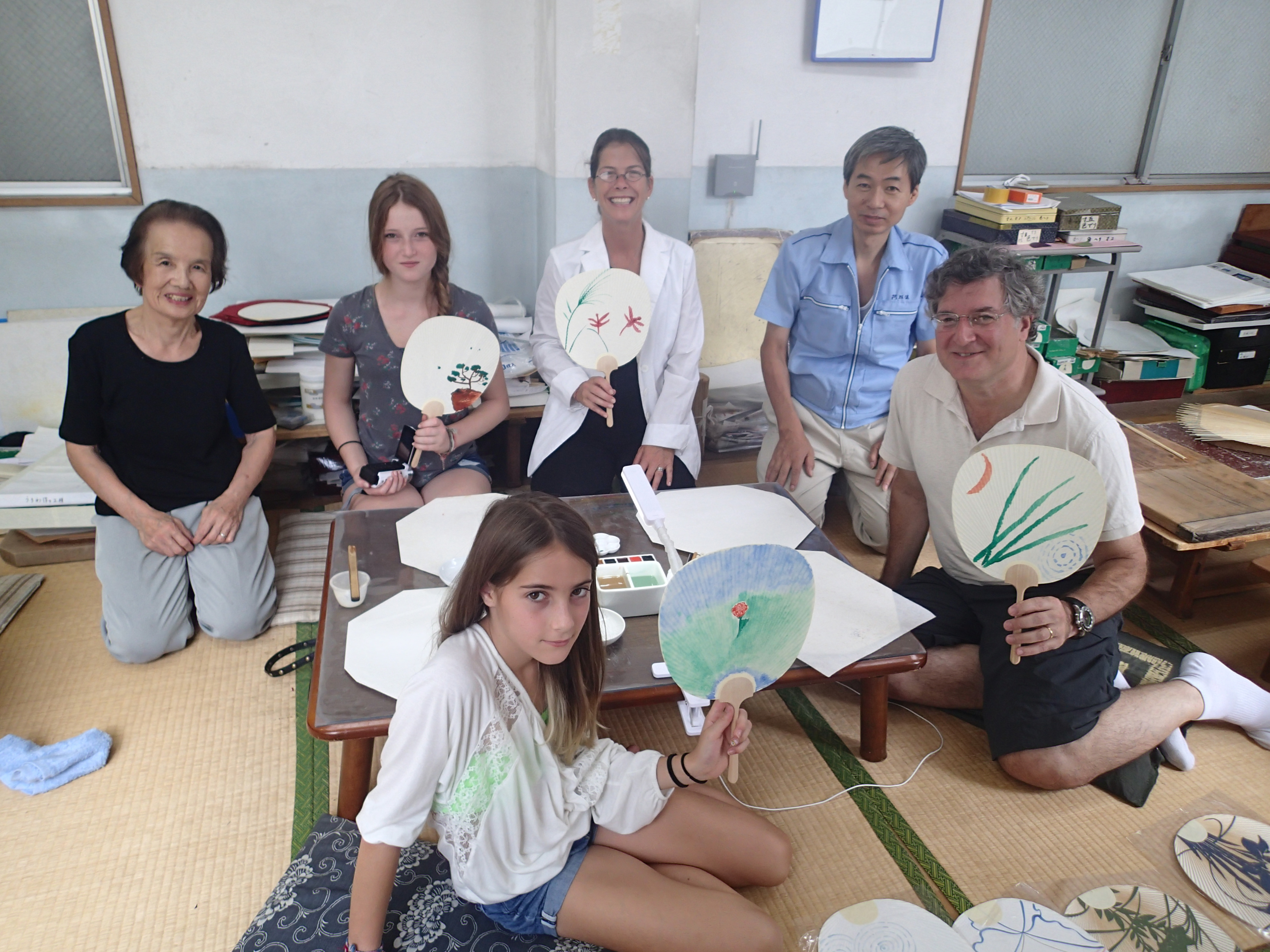
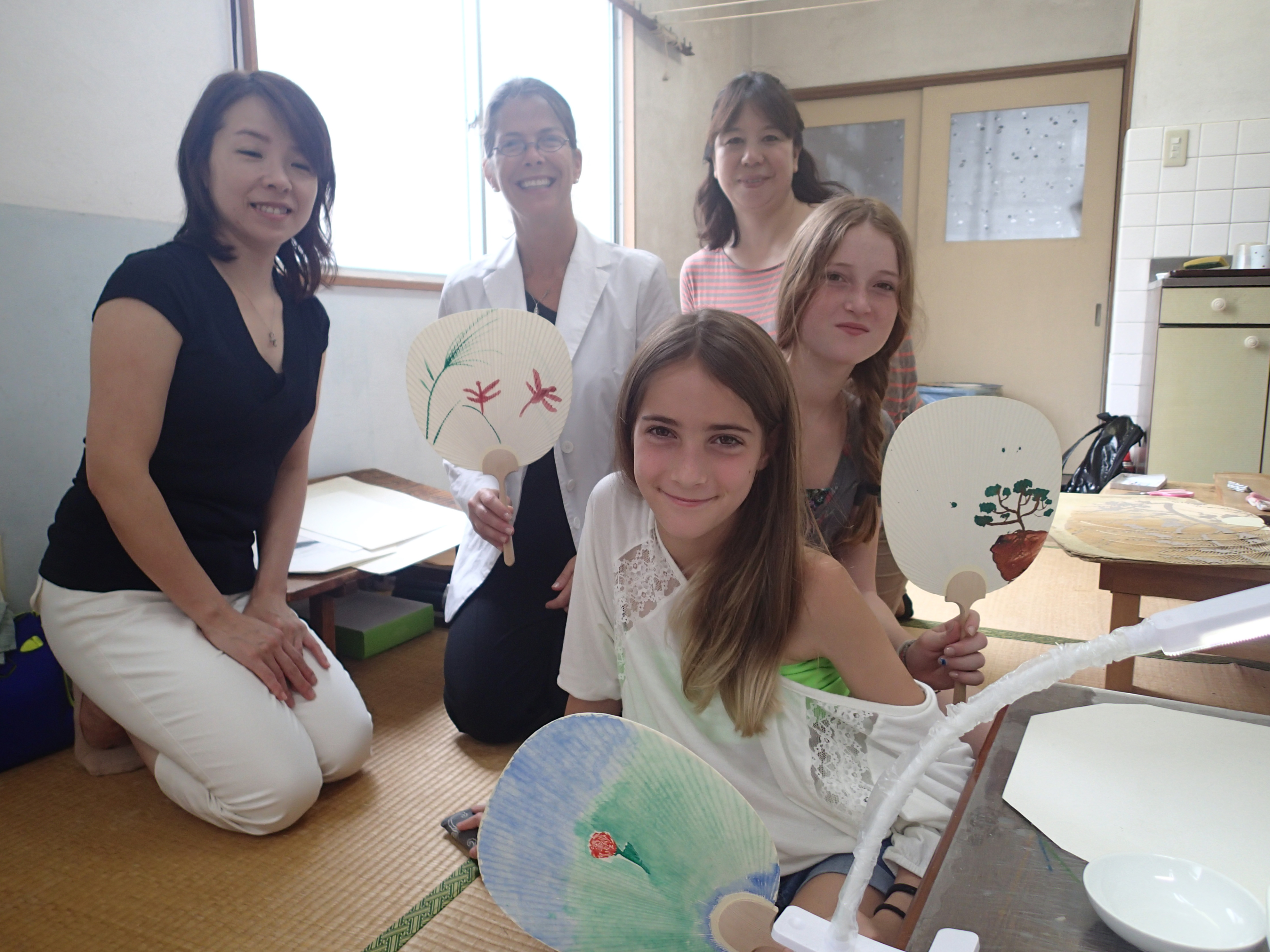
Lauren created a little video of our time there and Andy got a few photos of the fans we made (which are nothing at all like the fans that Aiba and her craftspeople create). Here is one of Aiba’s creations and futher below are Lauren’s video and our meager attempts…

20130917-212521.jpgOLYMPUS DIGITAL CAMERA
OLYMPUS DIGITAL CAMERA

Standard

Confectioner to the Emperor

It was no ordinary day.

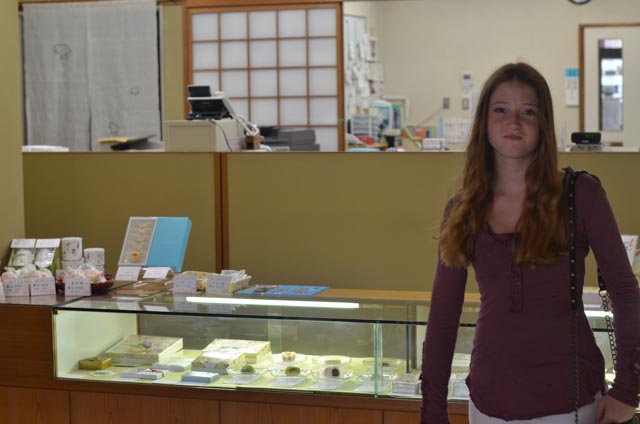
Andy’s colleague, Reggie, was kind enough to make arrangements for us to tour a very special confectionary, Suetomi.  We weren’t sure what to expect so we didn’t tell Rose (our little baker and candy maker) until one day prior when we needed to be sure her attire was appropriate.  We did a little research, prepared for a possible tea ceremony, and as Reggie recommended, we hired a translator.  But none of that prepared us for today.

Our translator, Tomoko, arrived at our machiya for introductions and a cup of tea at 9am.  By 9:30am we were off for the Suetomi confectionary, established in 1893, and located coincidentally only a short walk from our home.  On arrival, we exchanged business cards with the grandson of the founder, Tomizo Yamaguchi, his wife, also Tomoko, son Shoji and daughter-in-law Tomiko.  When the translator explained that we came from New York, his son, Shoji inquired whether we knew Bouley restaurant.  There’s nothing like hearing the name of friend in the middle of a string of words, at first utterly incomprehensible, to set the spirit soaring!

And from there on, it was magic.  I had seen David just before leaving for California and told him of our upcoming adventure. It was a chance encounter on a Saturday morning and though he offered to put me in touch his friend Mr (insert two two-syllable words here, for that is all I heard), I didn’t have time to follow up and honestly, with his kitchen renovation underway I likely would not have bothered him about it.  As luck would have it, I met his dear friend anyway!

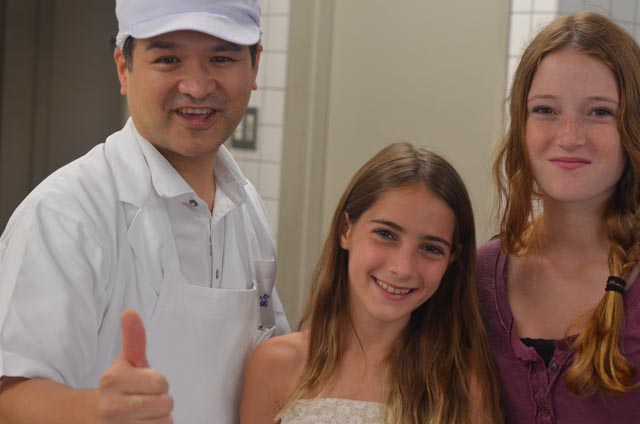
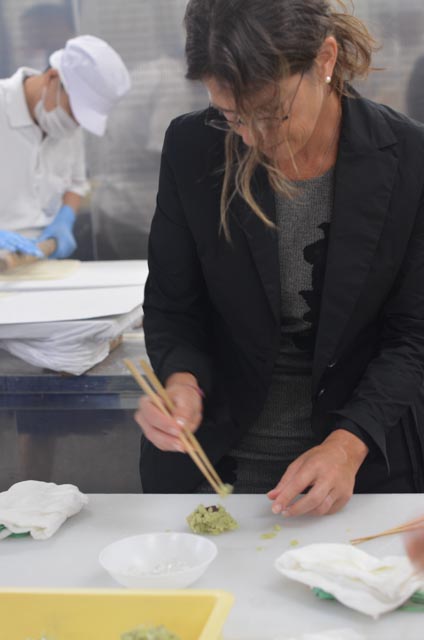
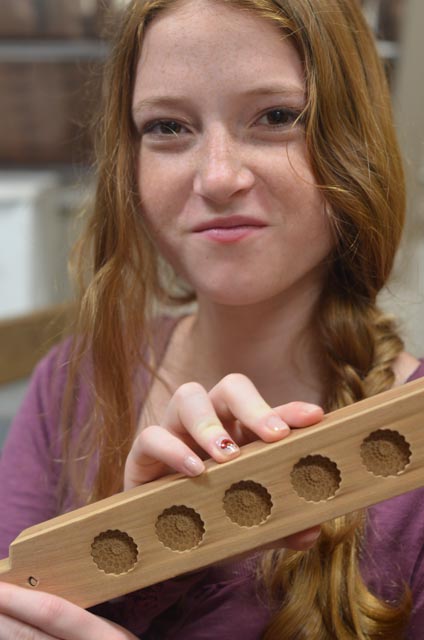
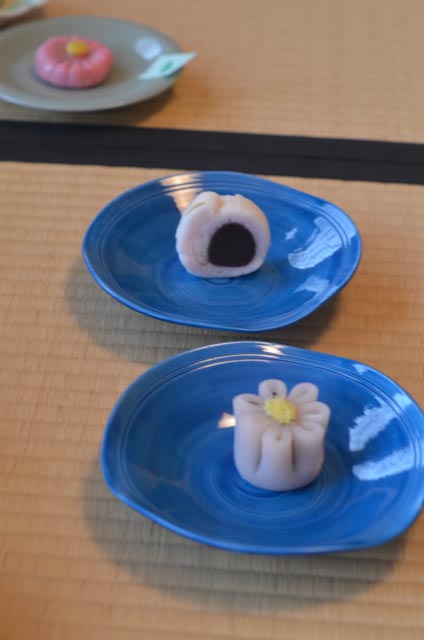
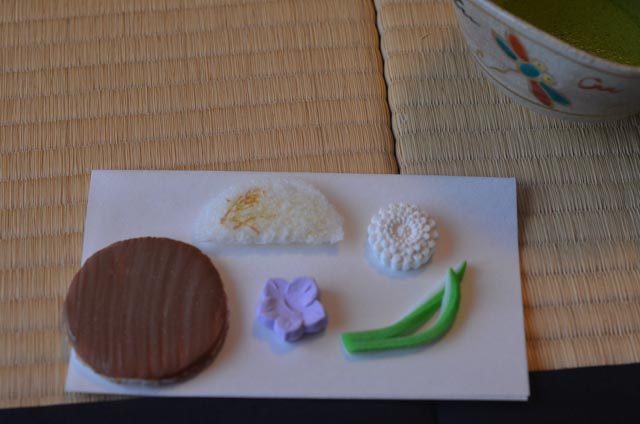
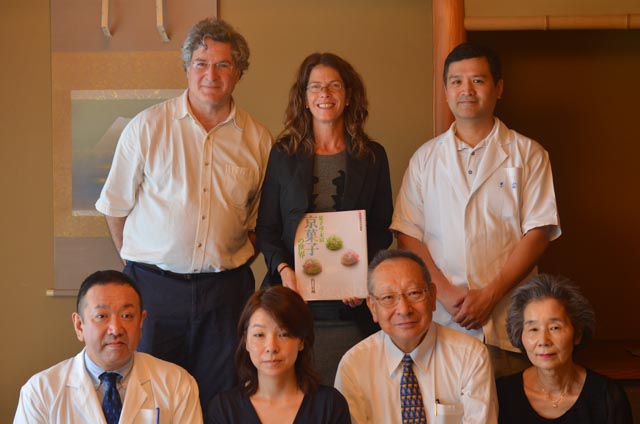
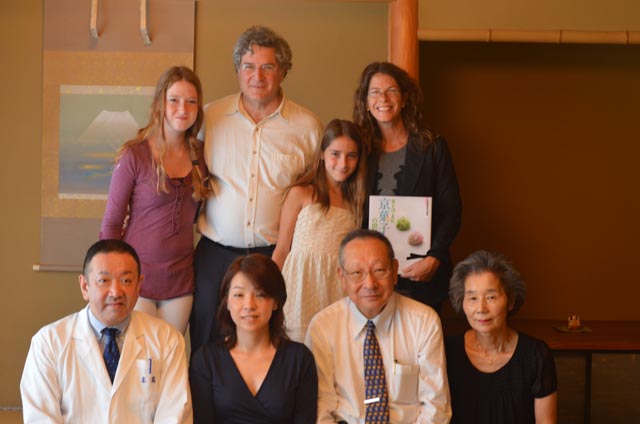
Tomizo-san and Shoji-san gave us a tour of the confectionery, the beautiful sweets, the tools used to create them, and demonstrated for us how these seasonal sweets are made.  As we are in the month of September, sweets feature the chrysanthemum, pampass grasses or the moon.  We each made our own chrysanthemum and grass with morning dew and enjoyed them over tea together.  These were the wet confections.  We were then served the dry confections, and samples of a chocolate wafer being made for MarieBelle in Soho NYC. While we enjoyed our sweets and matcha tea, Shoji-san shared photos of our mutual friend and we posed for several photos together.   We were presented with a most important gift:  the book written by Mr. Yamaguchi that shows a full year’s worth of confectionary.  Each confection is delicious certainly; each too is a work of art, an abstract depiction of nature.

After tea, it was decided that we should continue on to see the Nijo Castle (castle of the first Shogun, Tokogawa) with our translator and then Mr. and Mrs. Yamaguchi would have us to lunch and that Shoji-san and Tomiko would pick us up for dinner at 7pm.

And just like that, we were blessed with the hospitality Kyoto is known for.

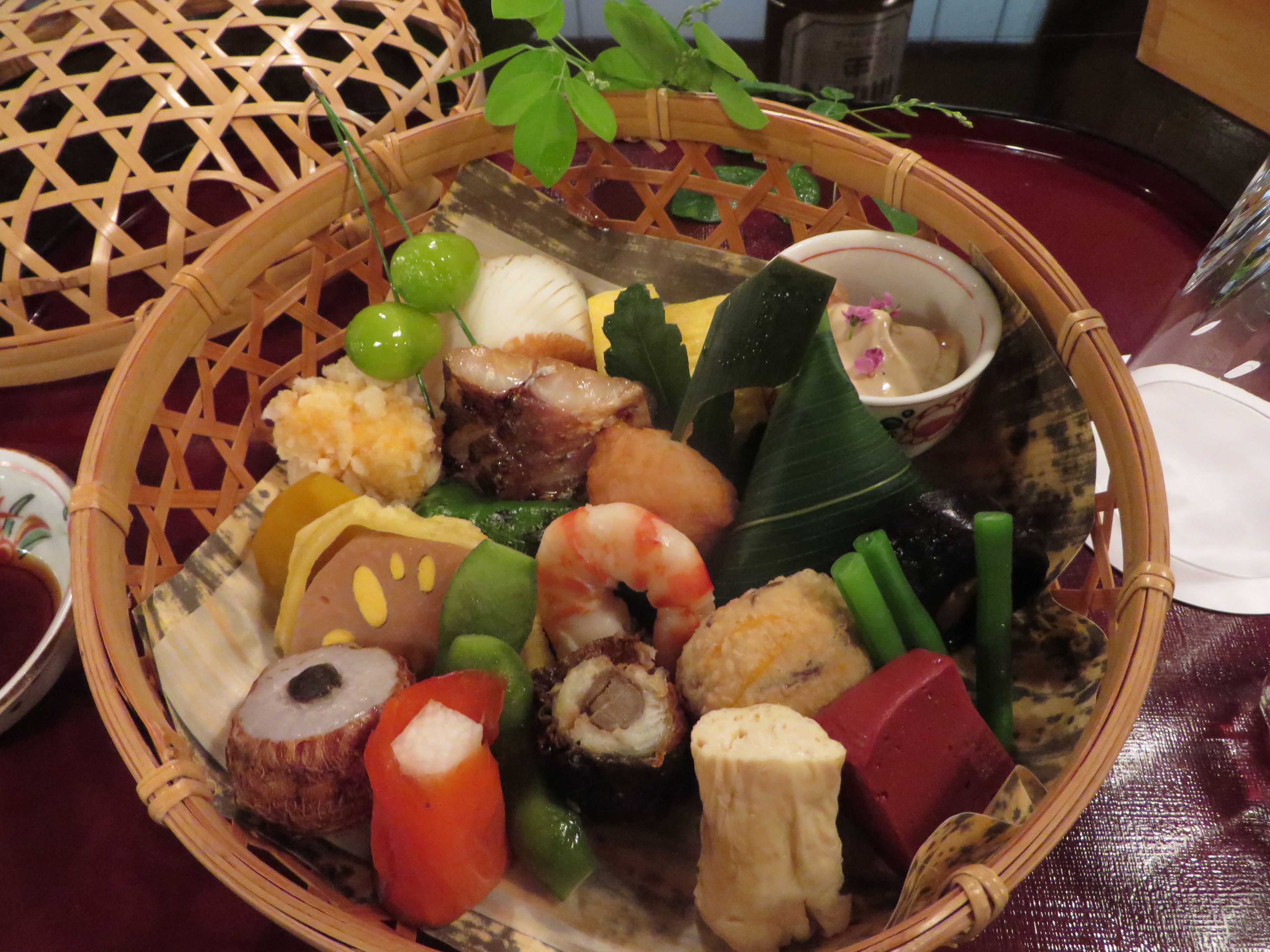
I don’t mean to ignore the importance of the Nijo Castle with its nightingale floors, its Kano school paintings, its newly restored gates of gold and lacquer, and its important history, but our kyo-keiseki lunch was a most memorable and exquisite culinary experience.  Every serving utensil, every bowl, glass, and tray was exquisite and every bite a sublime metaphor for the moon, the pampass grass or the chrysanthemum.  I took only one photograph because I didn’t want to be rude and my small point and shoot doesn’t capture the sublime manner in which food is art. We leave shortly for dinner and I look forward to spending time with our new friends.
DSC_0297  DSC_0259 DSC_0246  DSC_0262 DSC_0280 P9120179DSC_0282 DSC_0285 DSC_02872013-09-12 14.00.01

Standard

Kyoto

I still wake at 5:30am. It’s nice because I have an hour or two to read and relax before we get into full swing. The kids usually spend the morning working on assignments, listening to online lectures and then we have a bit of toast, review the maps and guides and then we set out.

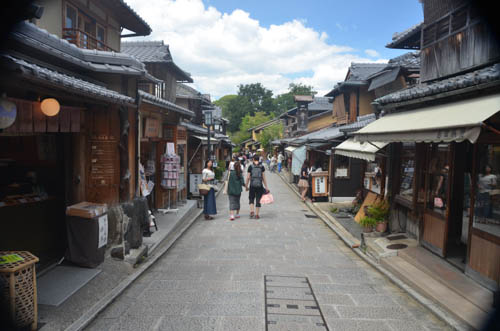
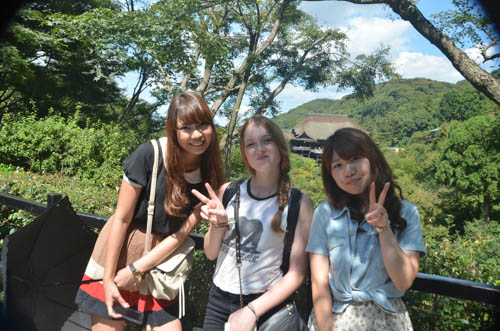
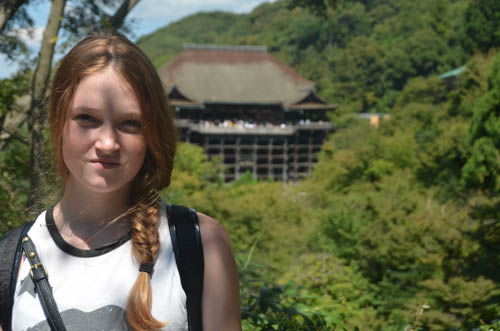
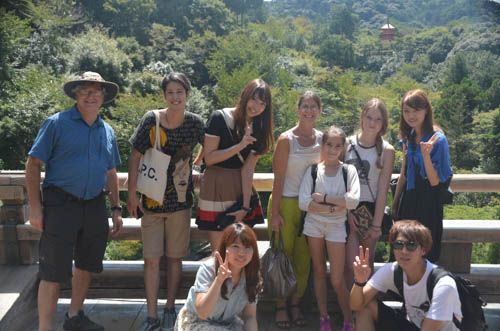
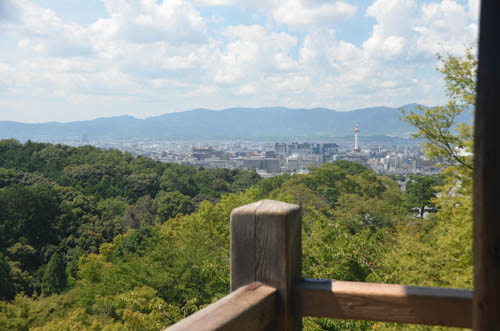
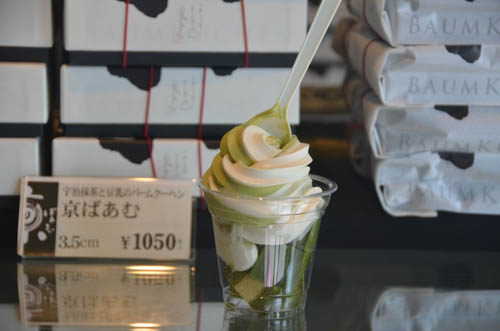
Today we went to see Kiyomizu temple. We strolled up the hill from our machiya (a traditional residence we found thanks to Keiko and Paul), stopped in at the pottery center and then made our way past the stalls of treats (the green tea and vanilla swirl ice cream was delish) to the gates of the temple. When we arrived at the gates, we were approached by university students wishing to practice their English. The one who approached us first studies marketing, a field well suited to his outgoing personality. The group of six offered to guide us through the temple and we thought, well, why not? The students, two boys and three girls, were polite (this is Japan after all) but not so informative. We have plenty of guide books and we didn’t expect a lengthy history lesson it was just fun to help them improve their English. Two of the girls are studying English Literature, a third is studying law. At the end of our time touring, we exchanged cards. Andy being the President of his company was a great surprise/delight for them. I gave the law student my card but didn’t get the ooohs and aaaahs that he did; I guess if I want Japanese accolades I will need to add an impressive title to mine. ESQ just doesn’t garner the same respect here as “President.”
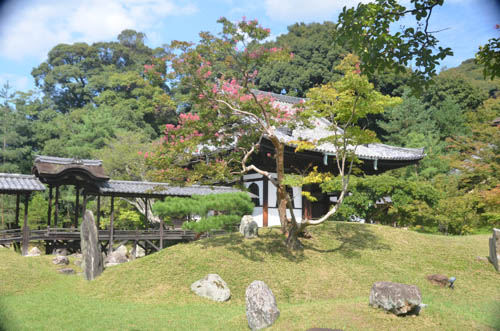
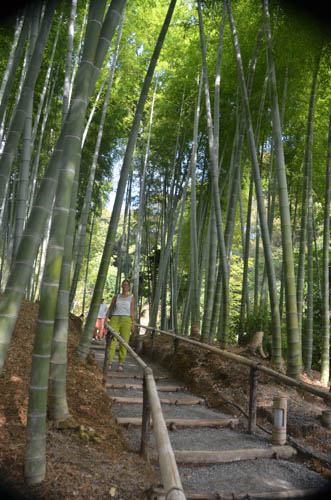
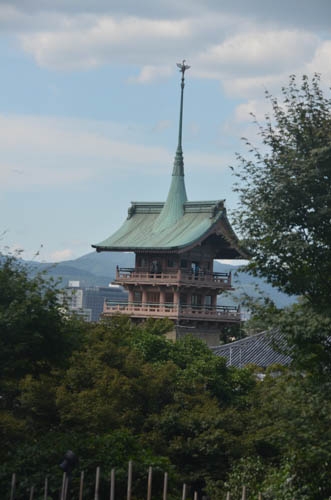
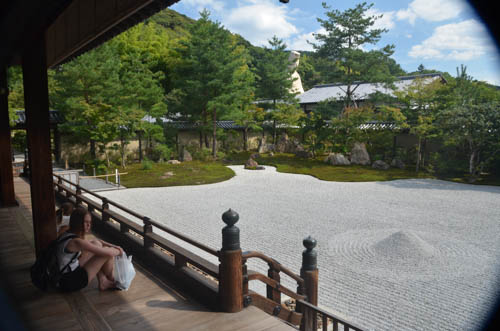
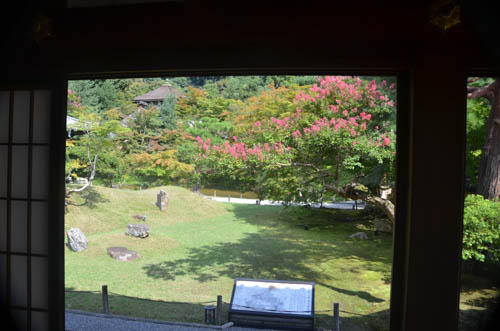
We took our leave and walked down San-nen-zaka and Ninen-zaka streets, visited the Kodai-ji Garden with its small zen garden, bamboo and tea rooms and then made our way back to the machiya to rest and have a quick bite – really quick because we had booked a class on tea ceremony for 4pm!

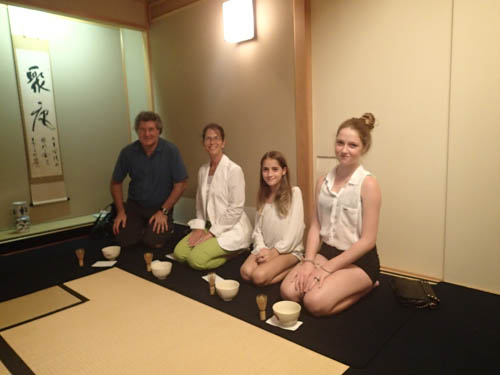
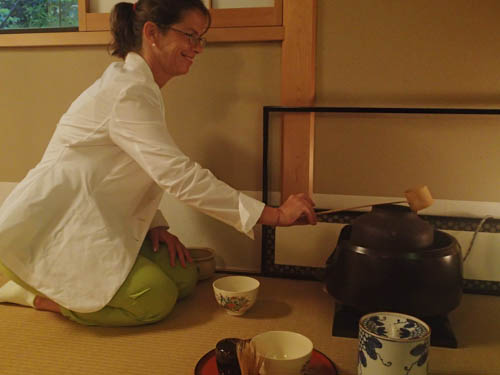
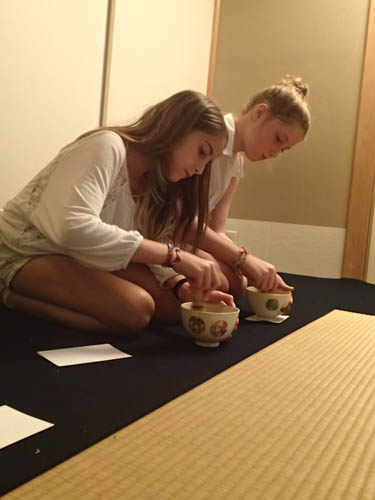
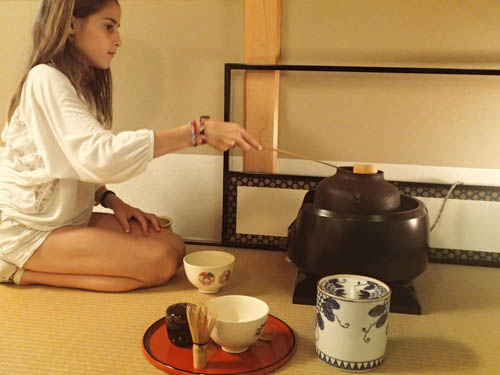
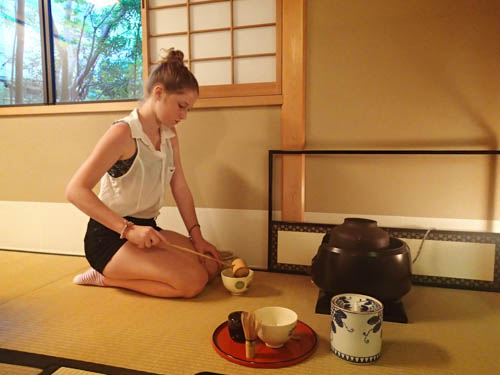
The Tea Ceremony Room Juan was a lovely experience. Our hostess explained the four principles of the tea ceremony: peace, respect, purity and tranquility. Every aspect of the tea ceremony ritual reflects these principles: hostess and guests watching in silence, bowing to one another to acknowledge gratitude for the sweets and tea, cleansing of the tea utensils, exchange of pleasantries such as complimenting the hosts tea utensils, the calligraphy in the room, the tea container and tea scoop, turning the tea bowl so that the host sees the front of the bowl and our lips don’t touch the ornate designs, all of these are mindful reflections on the four principles. We also learned a bit of history: tea came from China in the 12th century (look that up to be sure I remember that right). At that time, the tea ceremony was limited to the samurai class and because the samurai were warriors, the tea ceremony took place in tea rooms with doors only two feet high (roughly) so that the samurai sword could not fit and the warrior would have to crawl to enter the room (this assured peace). Later, around the 16th century, the merchant class held tea ceremony and later still, the more common classes. After eating two small but very sugary sweets and watching our hostess prepare a light macha tea (macha is powdered green tea) for us, we were able to prepare a cup as well. The kettle was already prepared and the water at a soft boil so we didn’t need to go to the spring for pure water or light a fire to heat the water as in ancient times. Using her tea scoop we took one and a half scoops of macha from the tea jar, took two-thirds cup water from the kettle using the bamboo ladle and with great ceremony whisked our macha into a latte or cappuccino like frothy goodness! It was an hour well-spent.
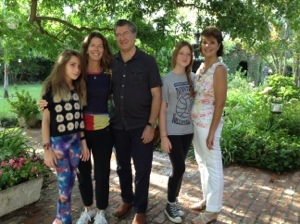
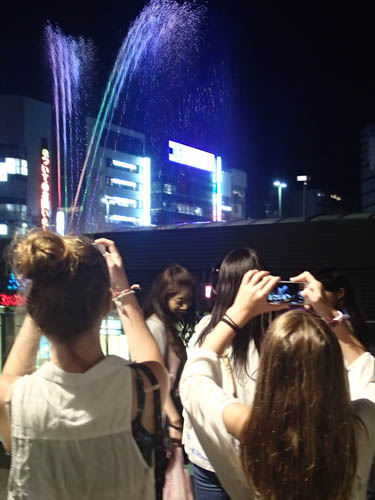
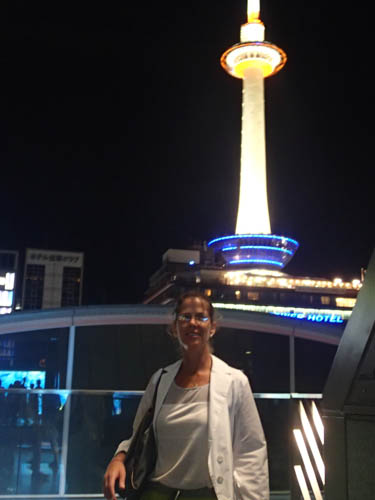
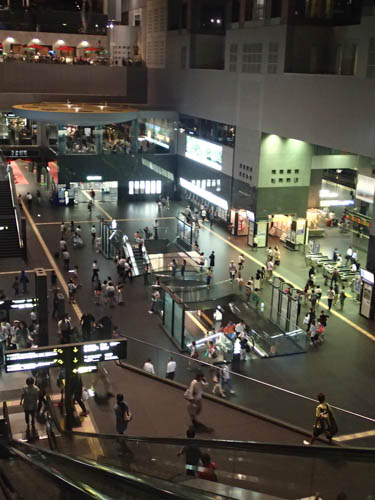
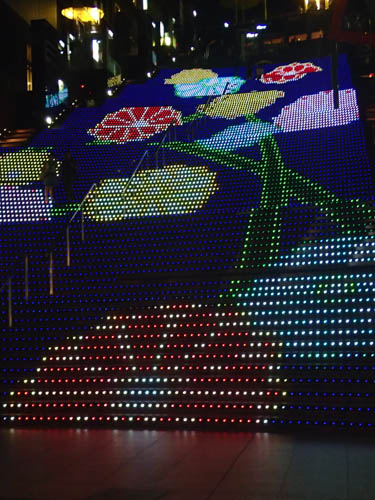
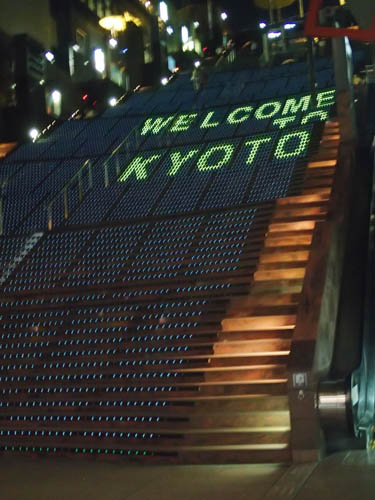
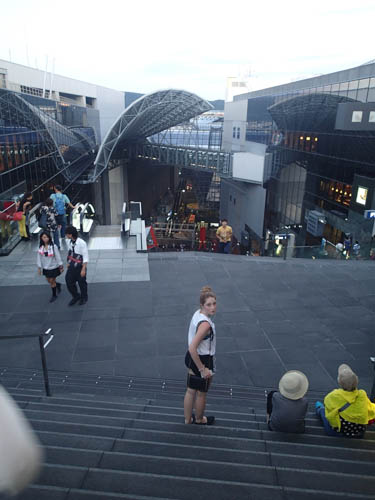
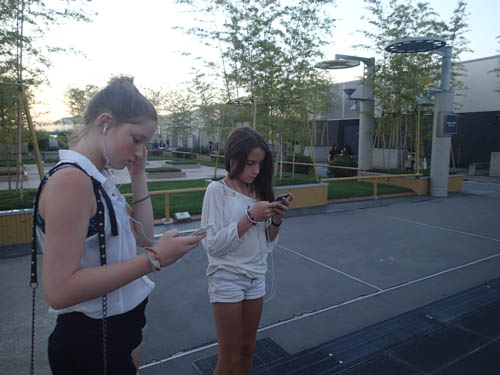
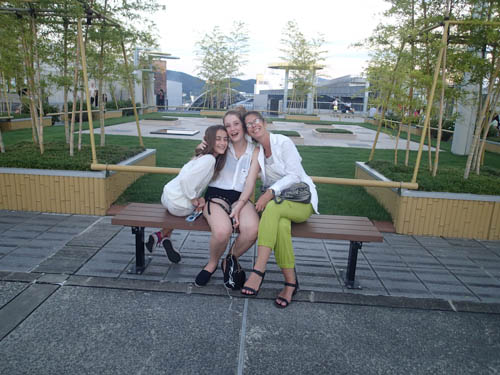
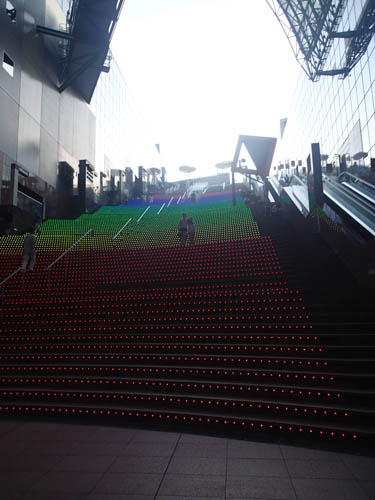
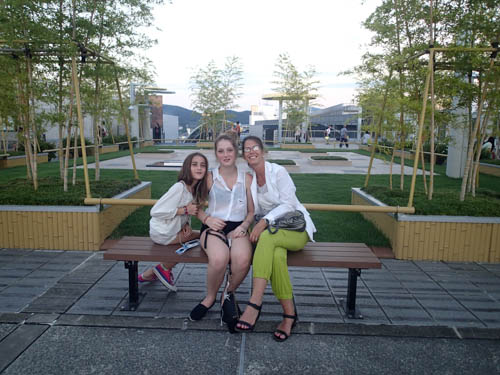
From there we decided to take a page from our friends the Goldsteins and re-visit the Kyoto Station. We had passed through yesterday after alighting (I love that word!) the Shinkansen but that side of the station could have been just another fabulously run Japanese train station. So we went back to see what it was that Amy found so amazing. Could it be the scaled down and much more tasteful water and light show? the modern and welcoming architecture of the place? the bamboo garden at roof level where you can see the sun set over the mountains? the full floor of restaurants dedicated to ramen and kobe beef burgers? the teens in their wacky garb sitting on the cascading steps with LED lights that alternate from “Welcome to Kyoto” to an image worthy of fine porcelain? It might have been all of the above. It was for us.

Kobe burgers hit the spot and we made our way home in search of the Citibank – Eric, how can there only be one branch here? ATM cards work at certain banks, JB Bank is one. I am told the ATMS at the 7-11s all take foreign bank cards as well. I’ll try that out tomorrow…

We are finishing up our day now: checking in with friends, journaling, having tea, and playing our new favorite card game Anomia a new favorite – many thanks to Rachel and Jeremy!

Well, there you have it…a day in the life. Here are some photos, in random order until I have the patience to sort them 🙂

DSC_0146 DSC_0147
DSC_0151   DSC_0153   DSC_0165 DSC_0162 DSC_0167
DSC_0140 DSC_0134 DSC_0133 DSC_0129 DSC_0125 DSC_0123 DSC_0121 DSC_0118 DSC_0115 DSC_0113 DSC_0112 OLYMPUS DIGITAL CAMERA OLYMPUS DIGITAL CAMERA OLYMPUS DIGITAL CAMERA OLYMPUS DIGITAL CAMERA OLYMPUS DIGITAL CAMERA OLYMPUS DIGITAL CAMERA OLYMPUS DIGITAL CAMERA OLYMPUS DIGITAL CAMERA OLYMPUS DIGITAL CAMERA OLYMPUS DIGITAL CAMERA OLYMPUS DIGITAL CAMERA OLYMPUS DIGITAL CAMERA   OLYMPUS DIGITAL CAMERA OLYMPUS DIGITAL CAMERA OLYMPUS DIGITAL CAMERA OLYMPUS DIGITAL CAMERA OLYMPUS DIGITAL CAMERA OLYMPUS DIGITAL CAMERA OLYMPUS DIGITAL CAMERA OLYMPUS DIGITAL CAMERAOLYMPUS DIGITAL CAMERAOLYMPUS DIGITAL CAMERA

Standard

Living in Tokyo

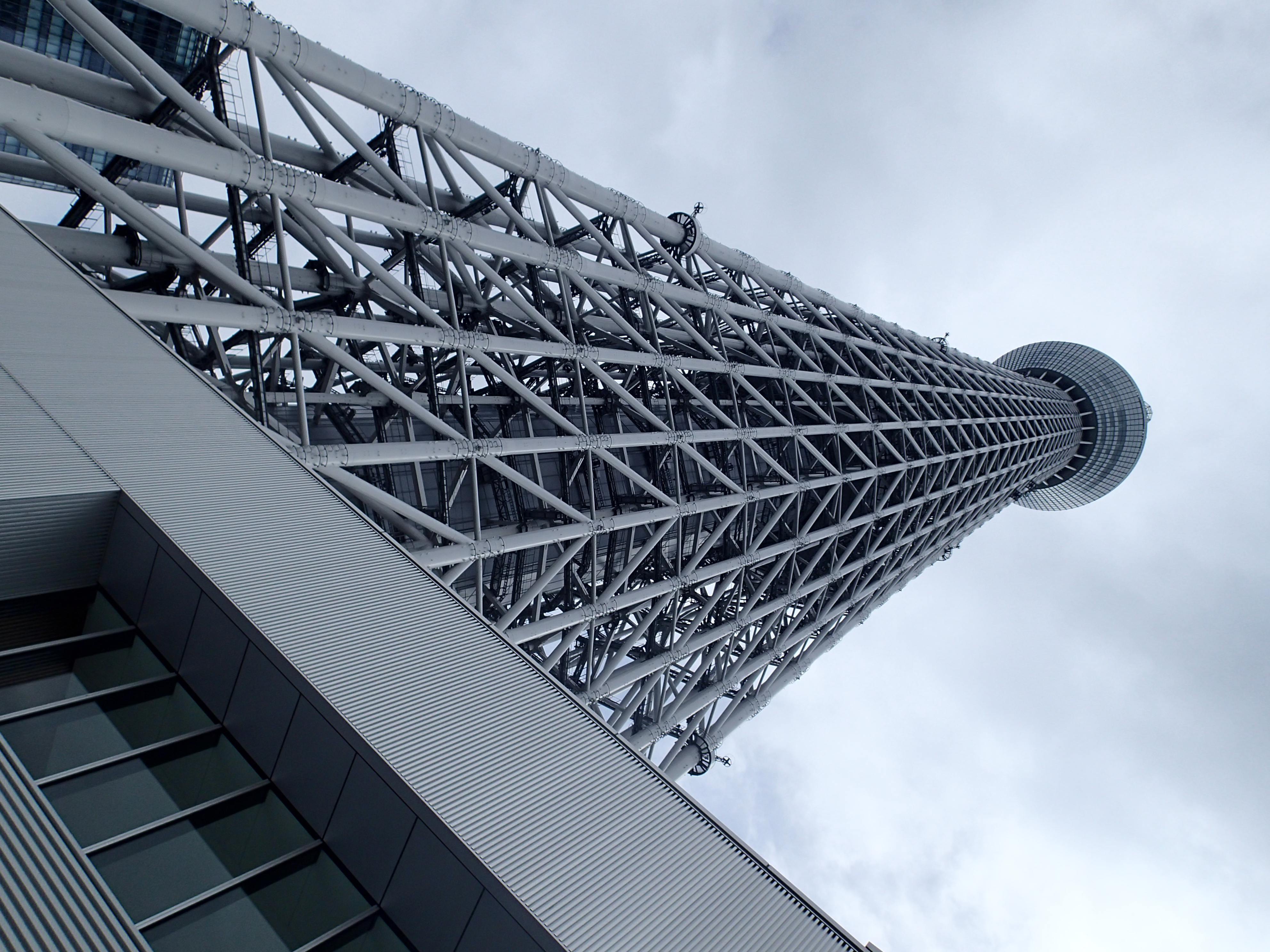
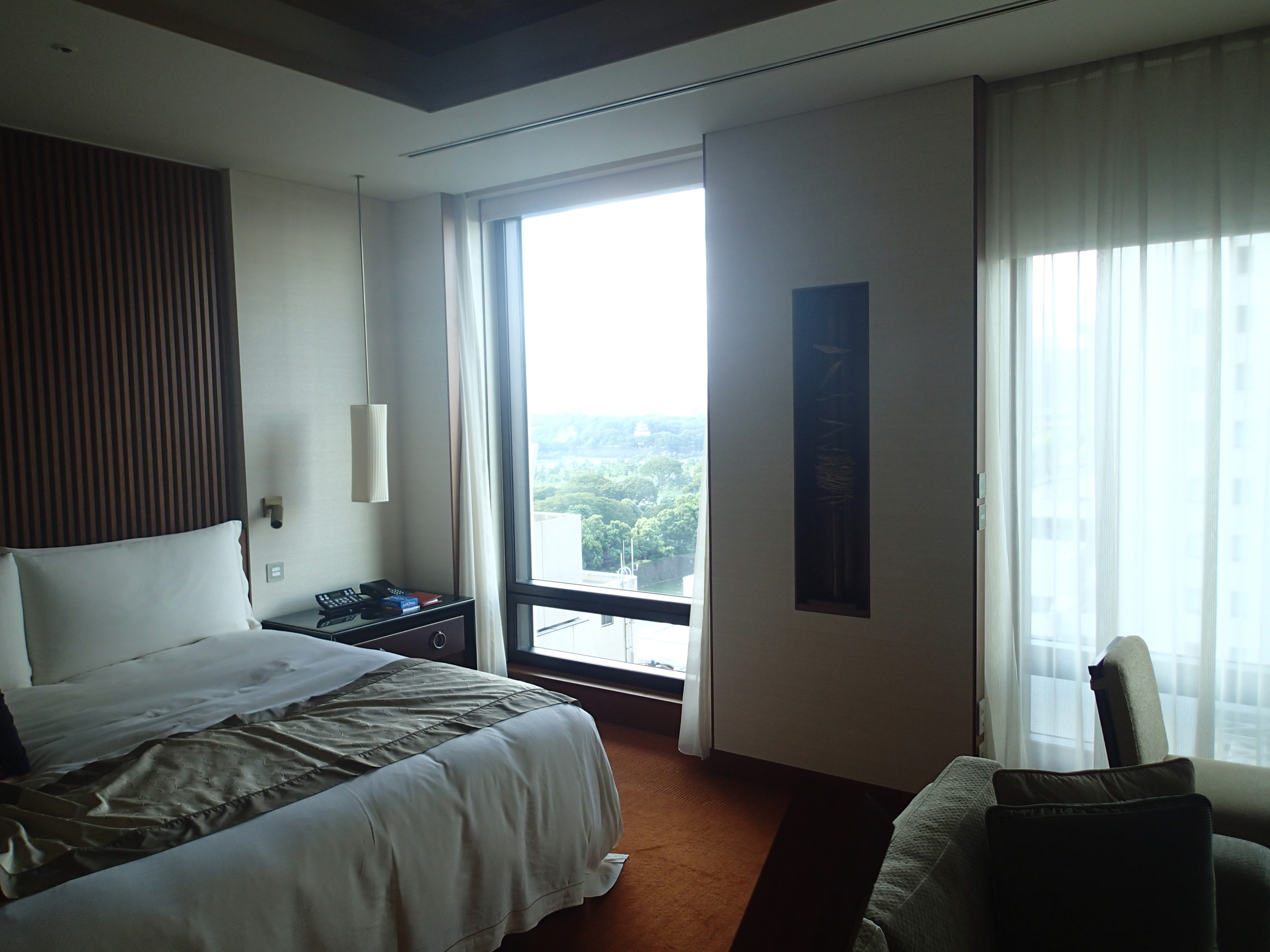
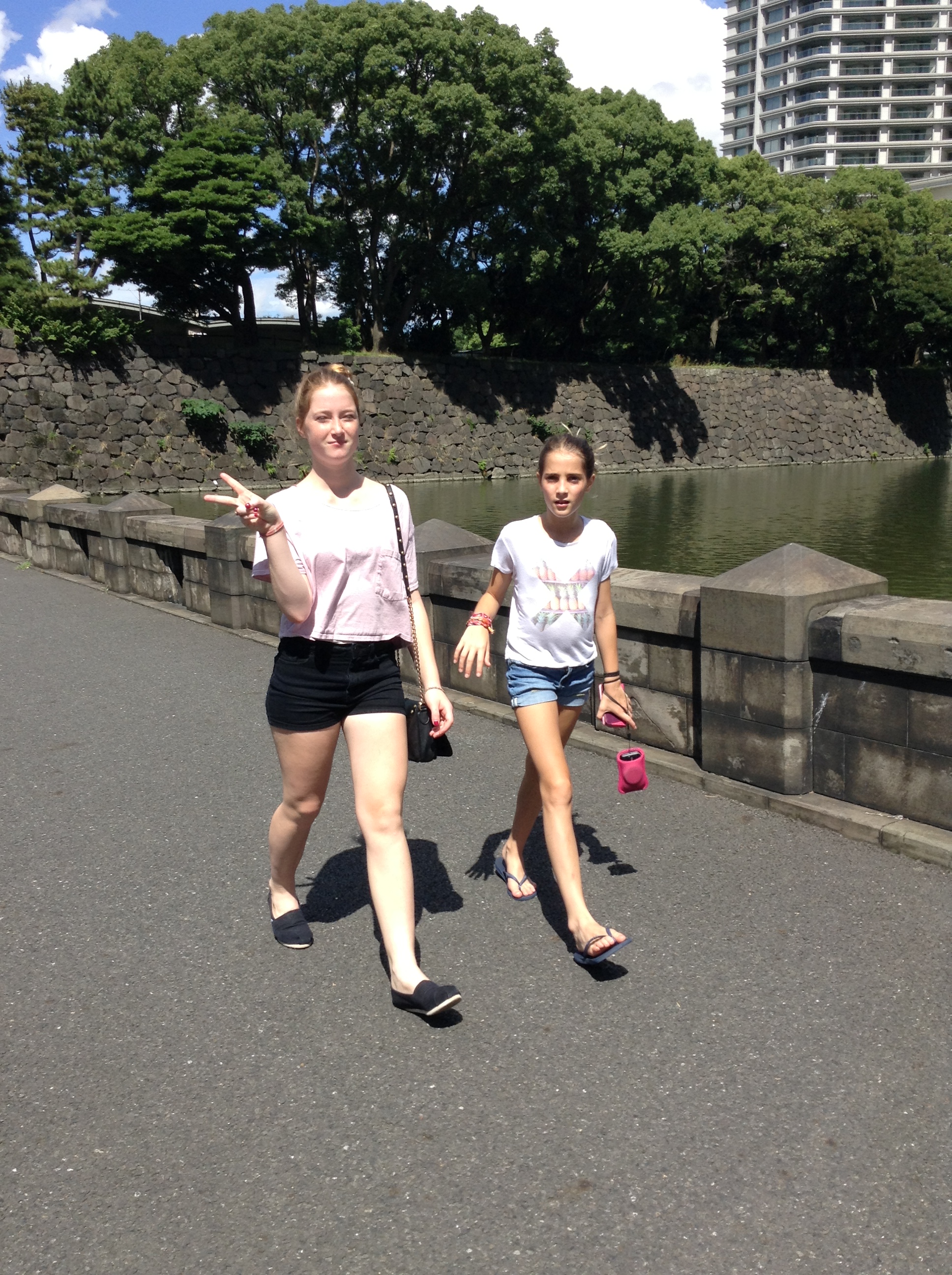
We have arrived safely and will make the Hibiya Park/Ginza area of Tokyo our home for the next week.  We had an interesting conversation on our first day about how we would manage our time and I think the distinction we made is an important one.  We plan to spend our time living in each place, not touring it.  While we may take in some of the important sites, our pace will be slower with one or two activities and leaving ample time to wander, sit in parks, read and do homework.  The blog will reflect this slower pace – and that will hopefully lead to an exchange of more interesting experiences than my packing list 🙂

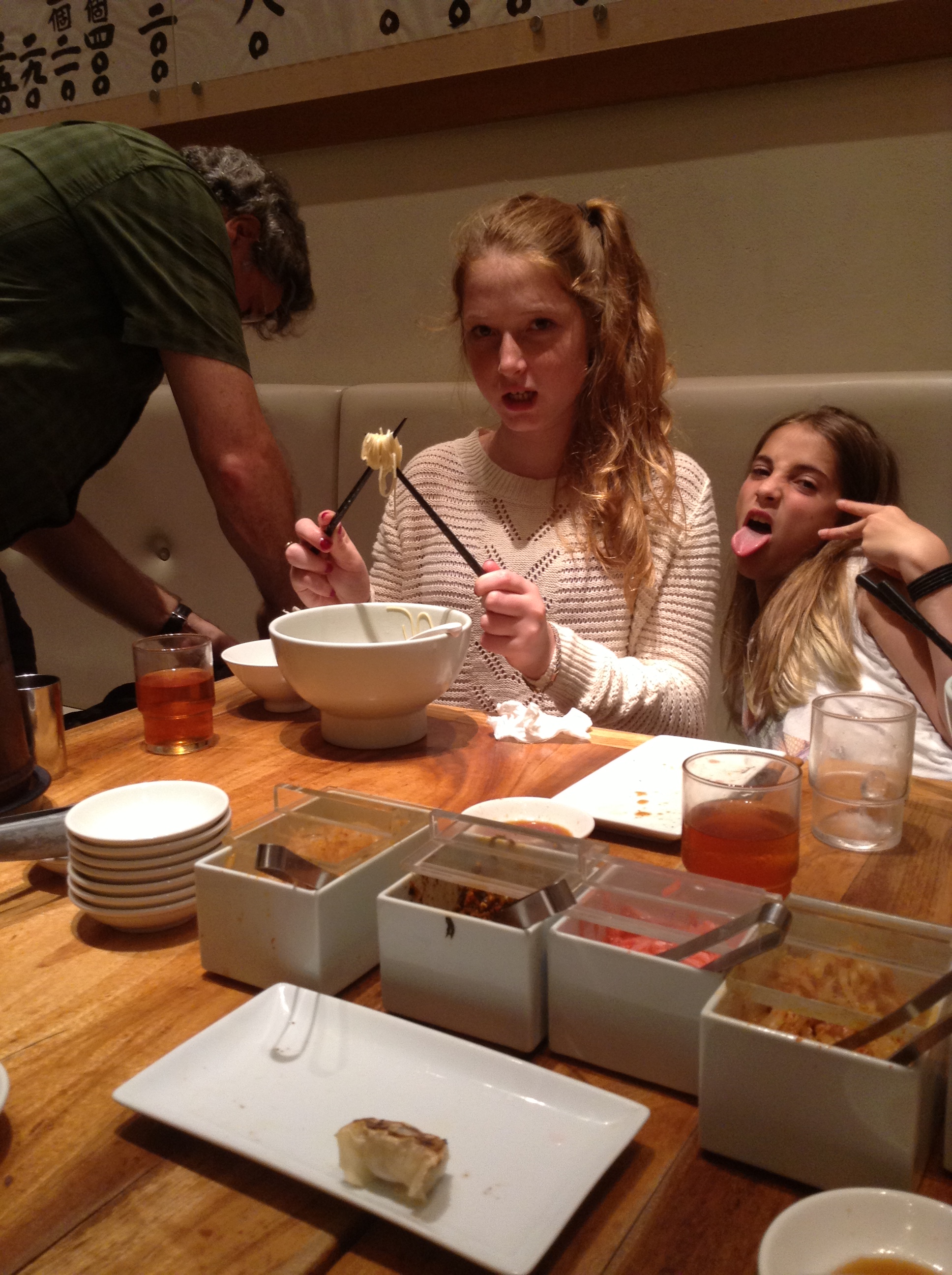
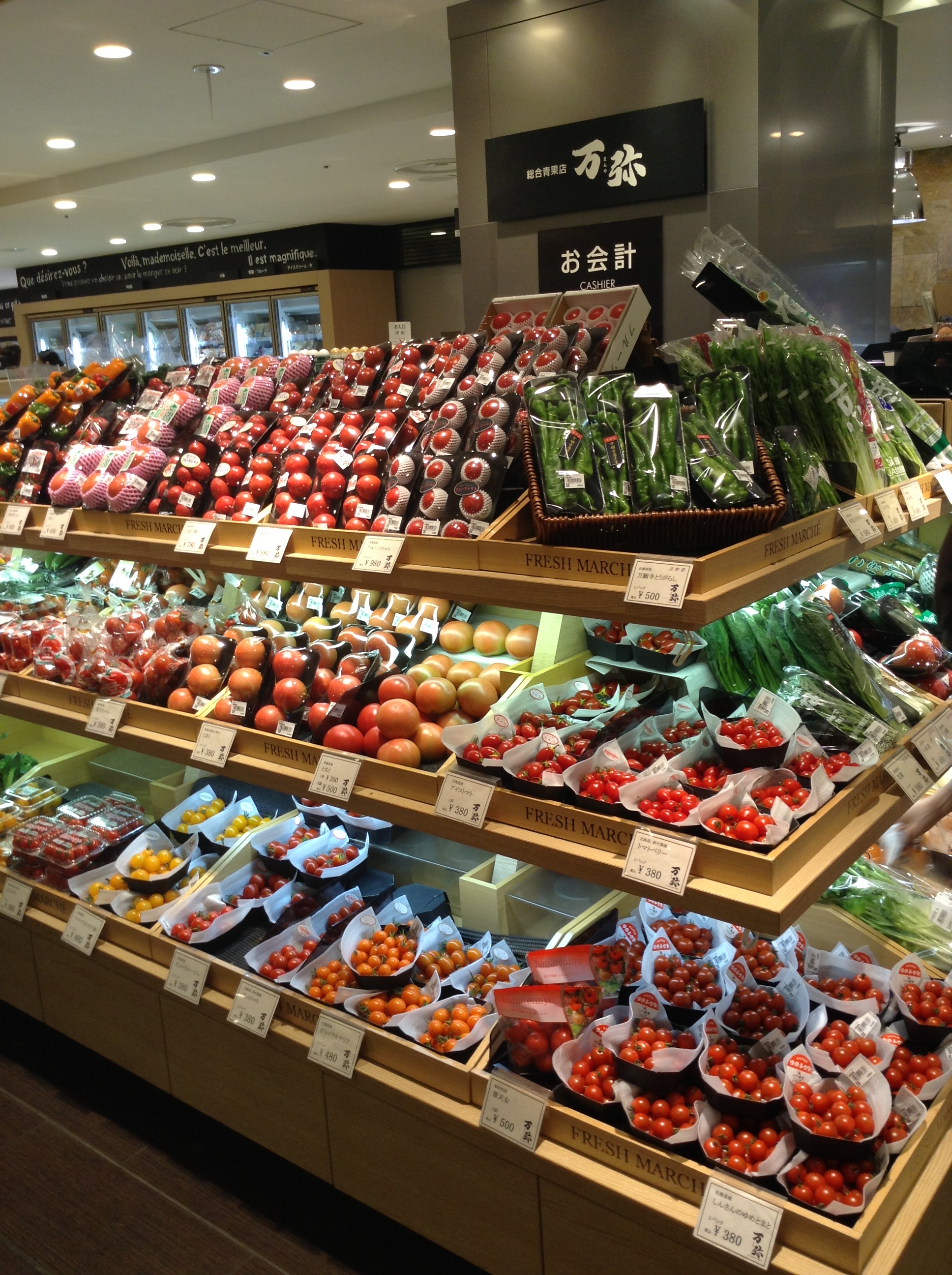
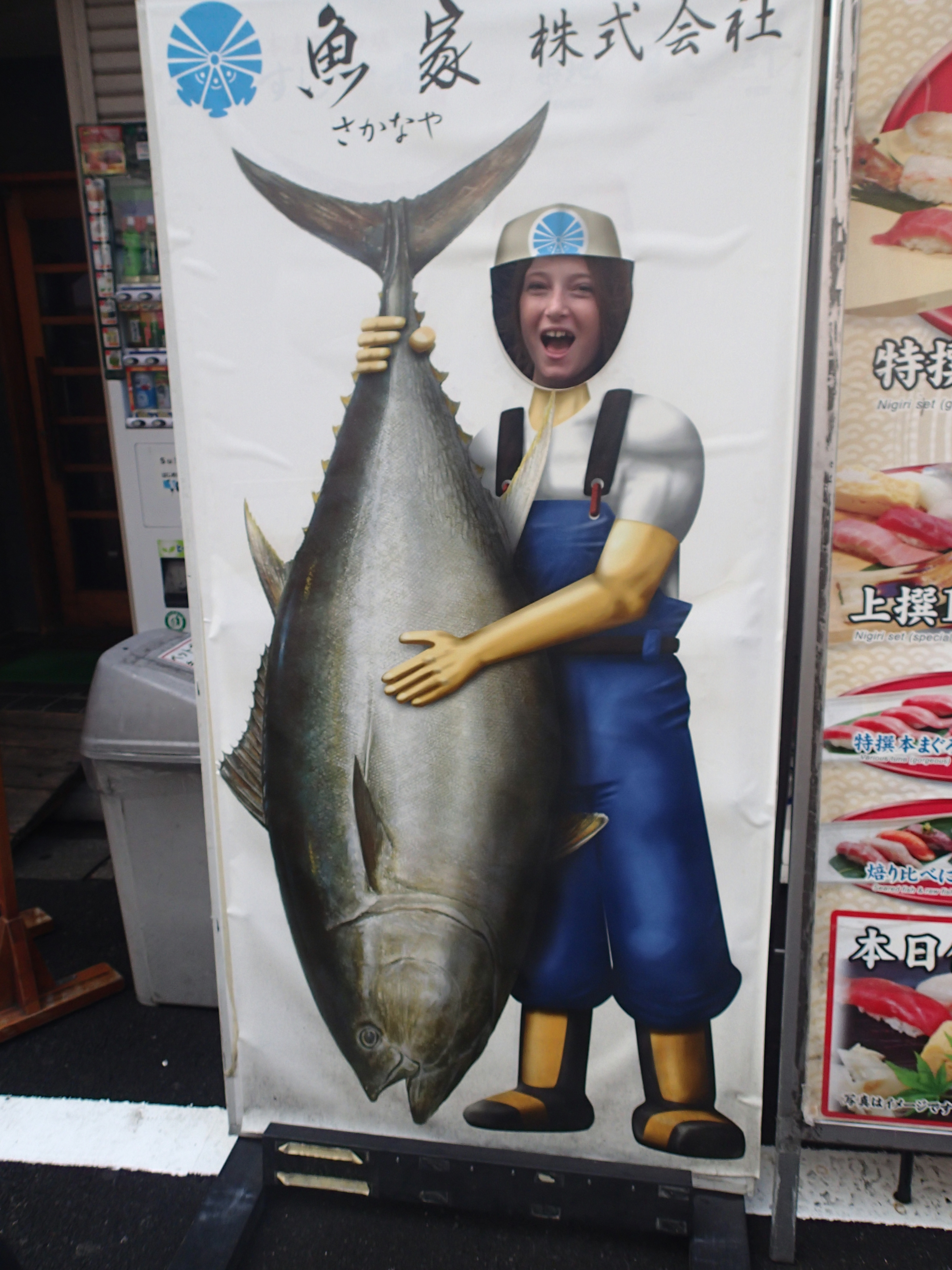
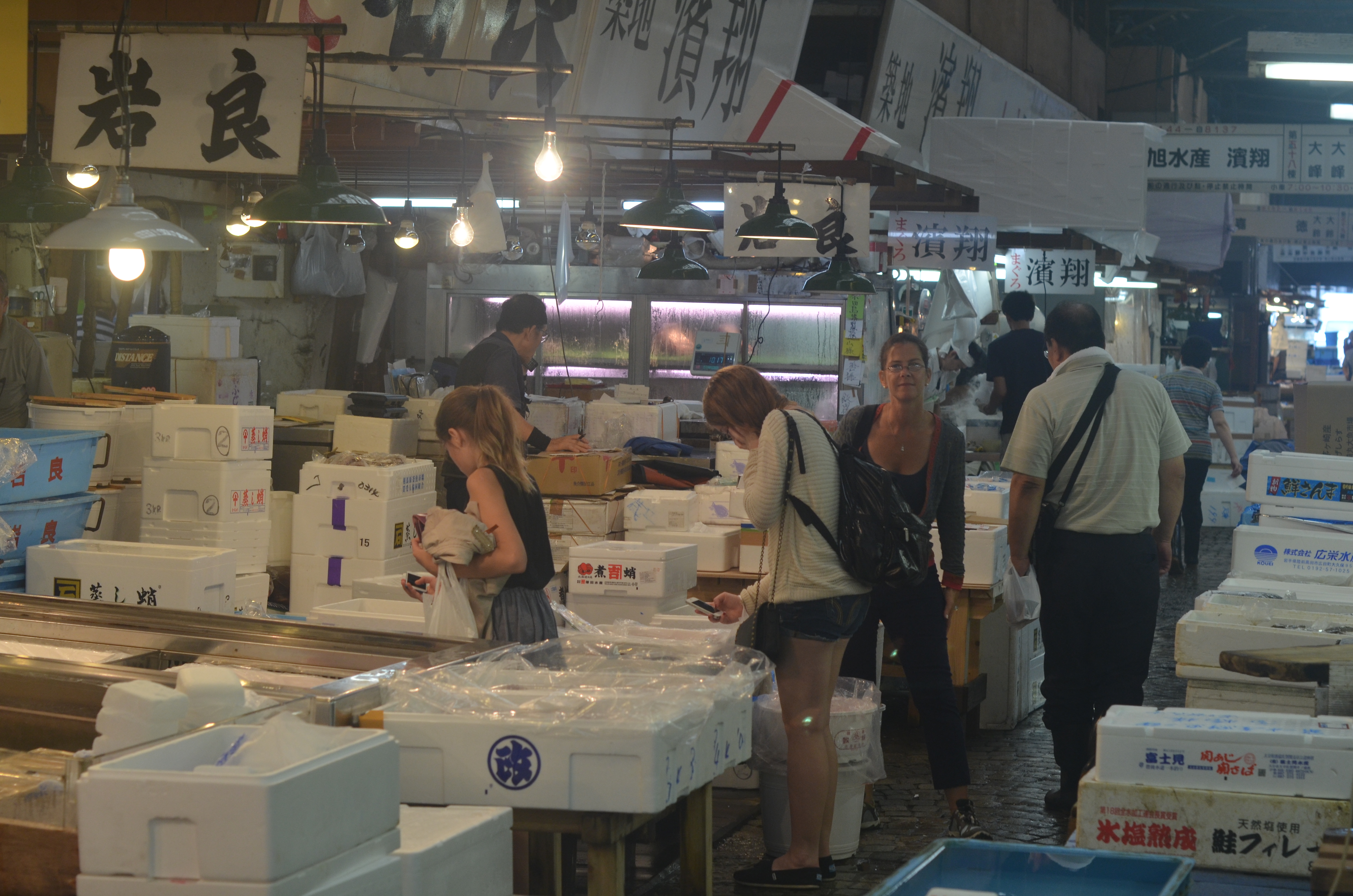
Here is our current home/hotel and photos of the local park (Imperial Garden), local ramen restaurant (Ippudo), and local markets (Mitsukoshi and Tsukiji).  So spoiled!

 OLYMPUS DIGITAL CAMERA OLYMPUS DIGITAL CAMERA OLYMPUS DIGITAL CAMERA 2013-09-03 10.19.36 2013-09-03 14.11.58 2013-09-03 15.45.43

OLYMPUS DIGITAL CAMERA2013-09-04 10.28.042013-09-04 10.01.45

Standard

Packing

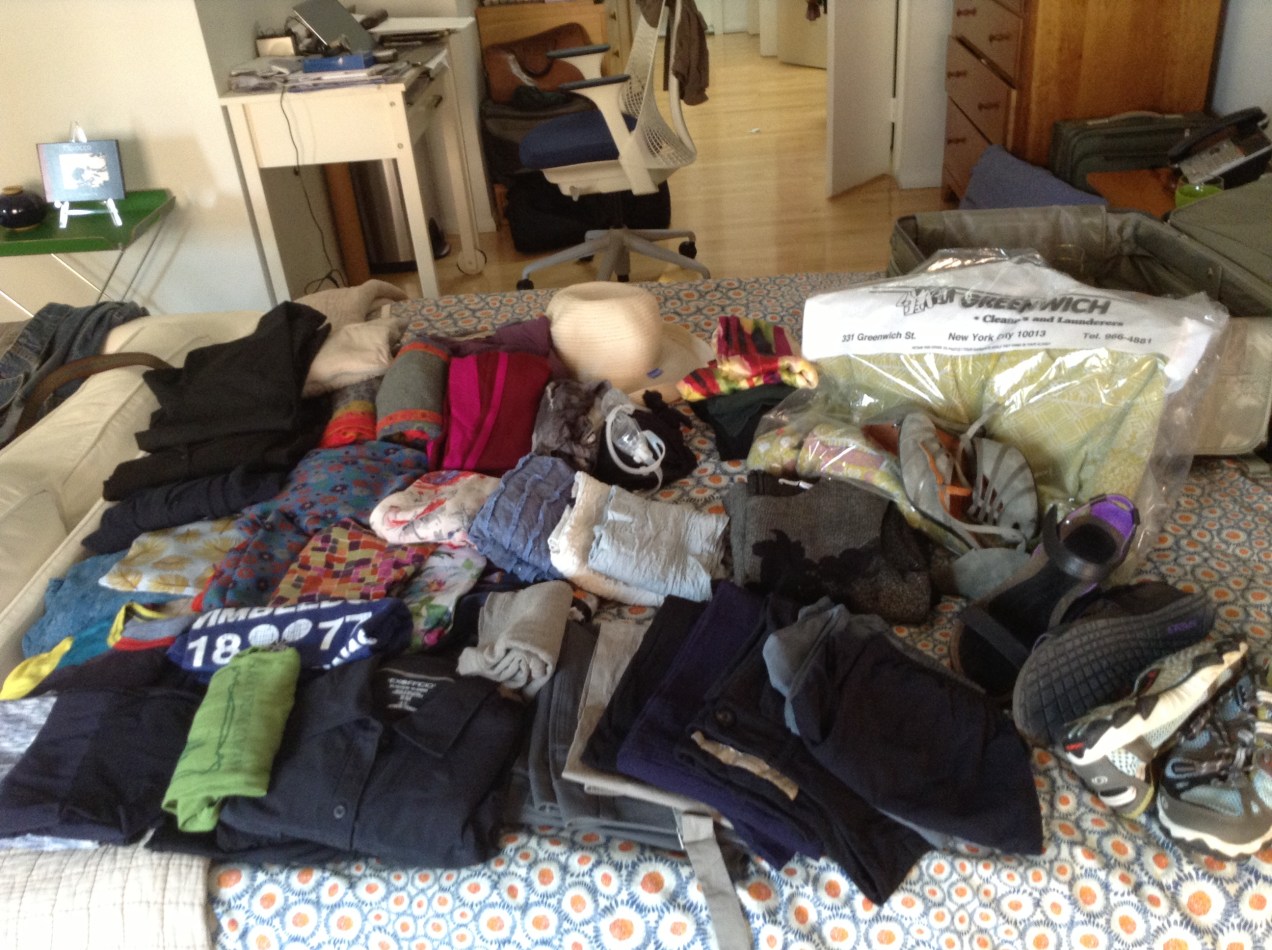
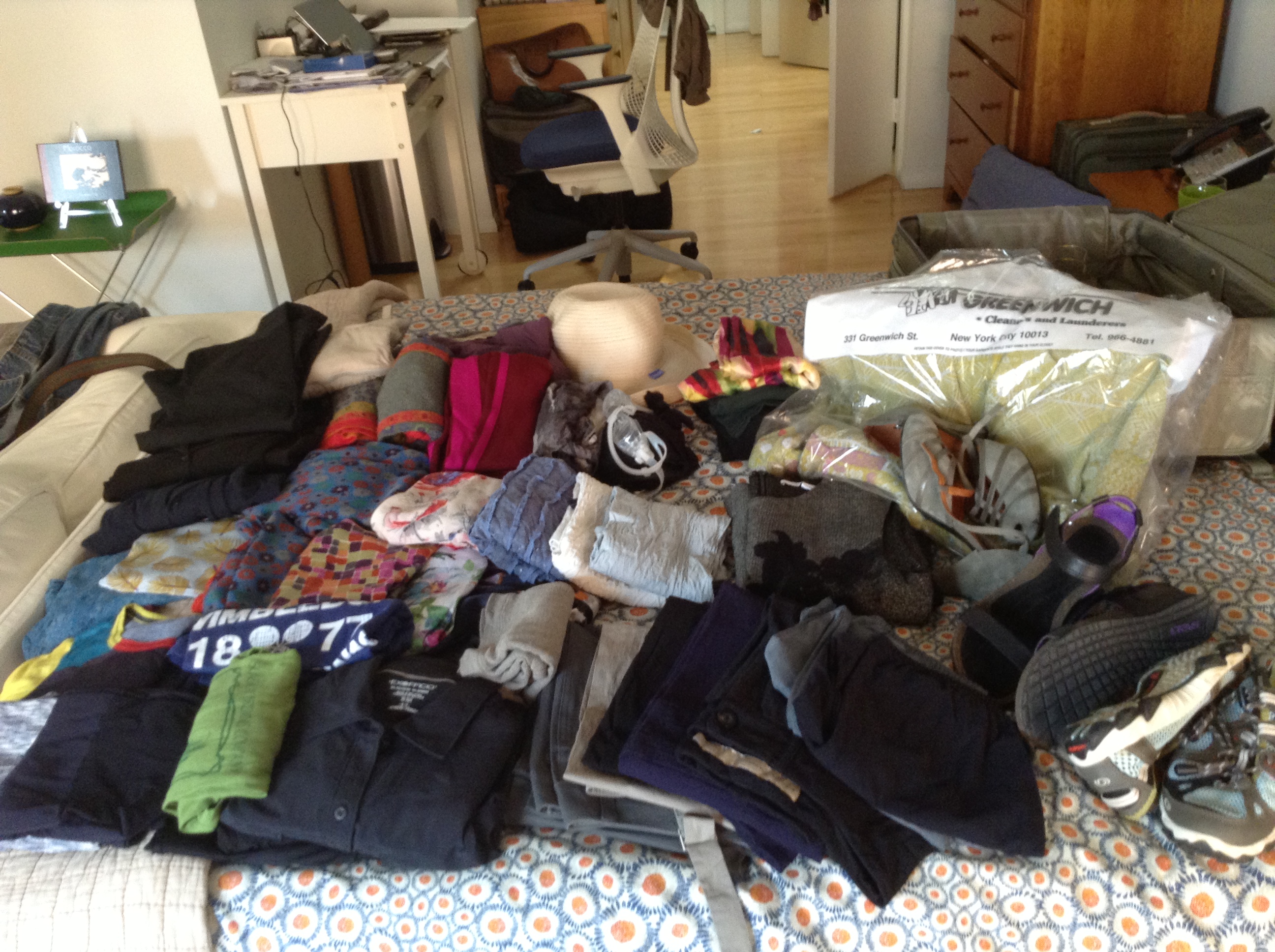
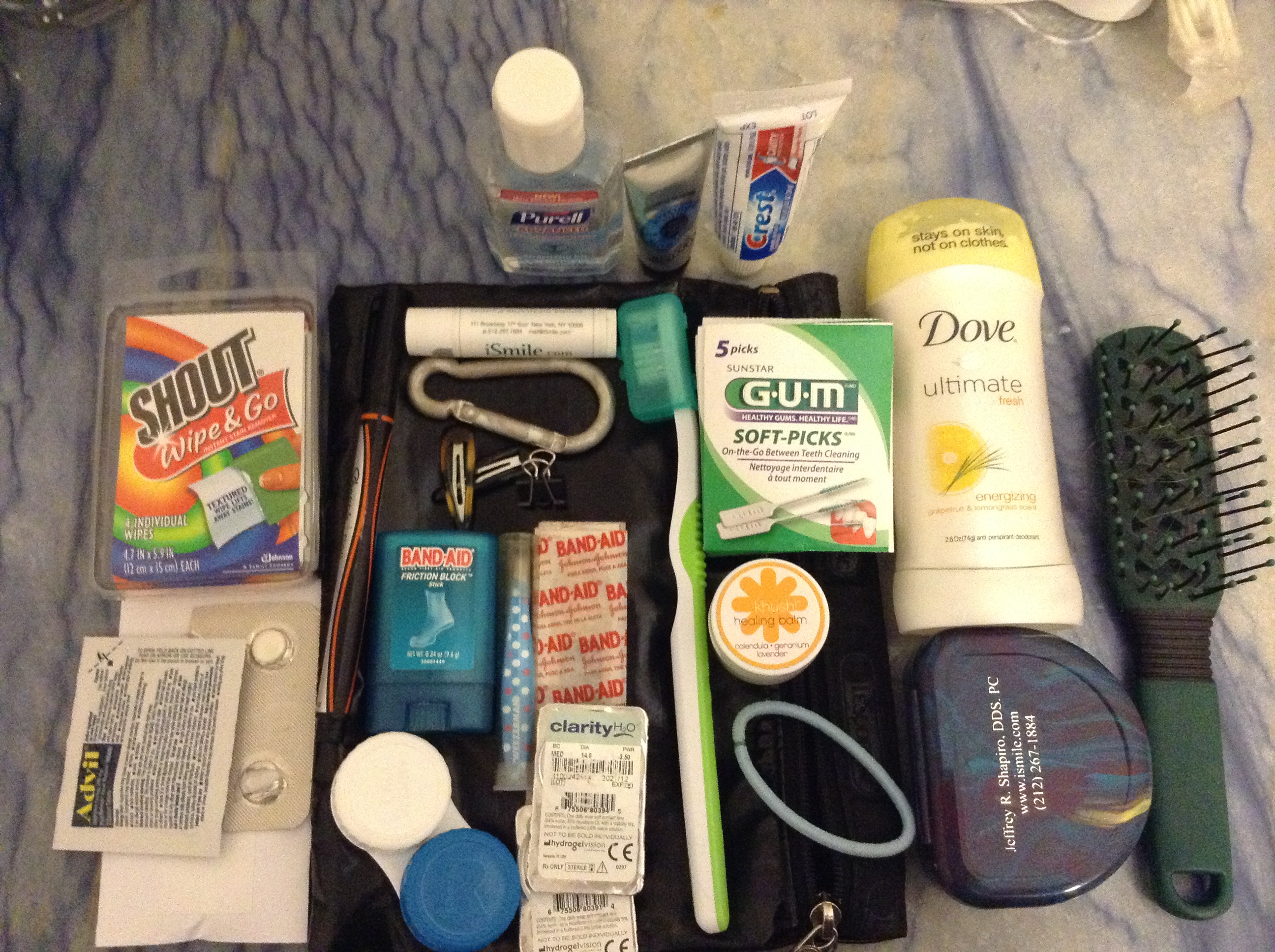
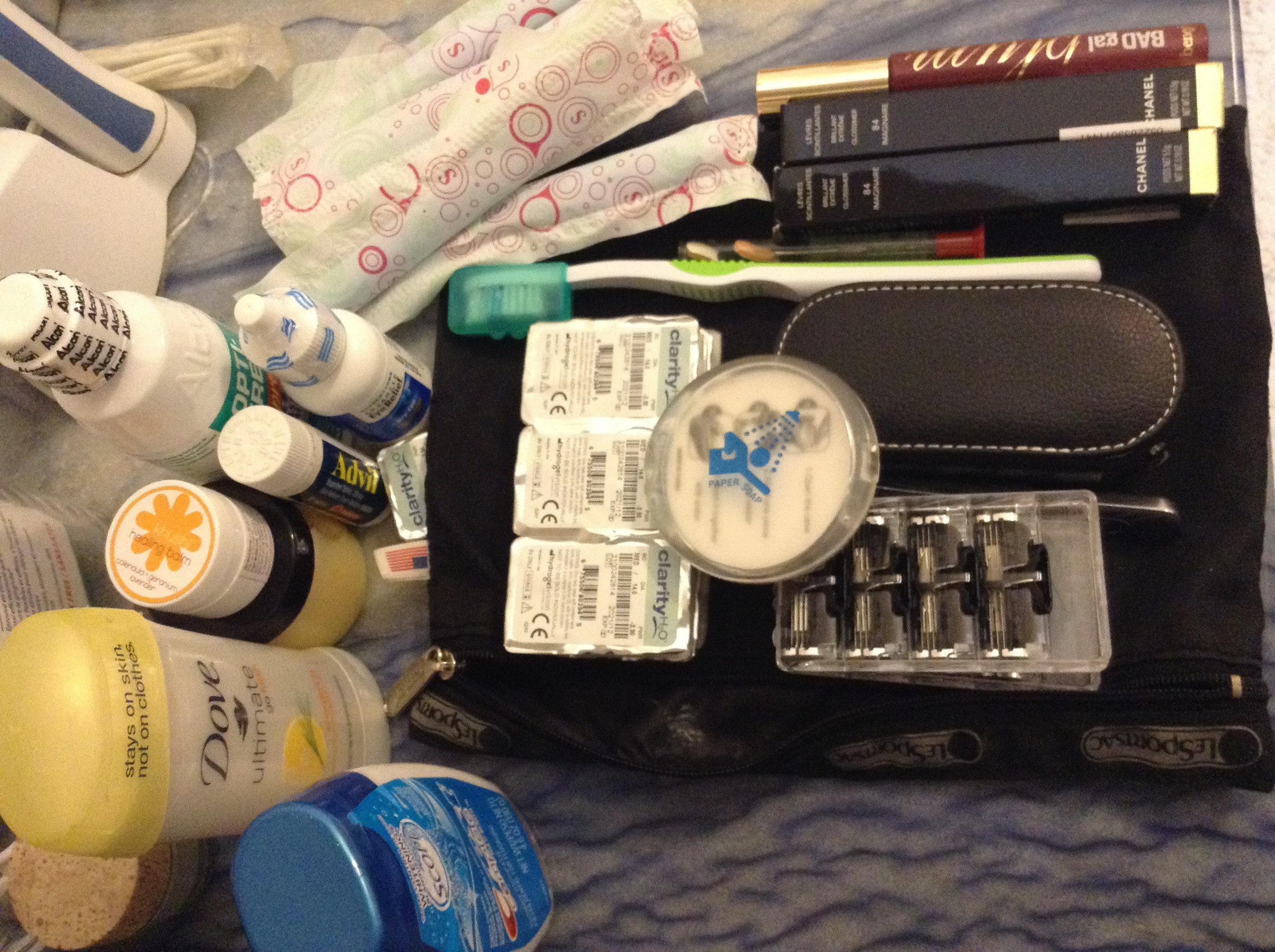
Many of you, and not all of you women, have asked how we could possibly travel with just one carry-on suitcase. And, to be honest, I wasn’t sure how we would either except that we knew that if we really needed something we could get the local equivalent wherever we travel.  So the packing list, for clothing at least, came together easily.

Based on our housing, we needed to last roughly 12 days between places with our own laundry machines. So 14 days of outfits seemed a safe bet: 5 pants, 1 skirt, 1 hiking skort, 4 day dresses, 2 dinner dresses, 14 short sleeve tops (mine: 5 cotton tanks, 5 silk tanks, 4 cotton t-shirts), 2 long sleeve, 2 sweaters, 1 raincoat, 14 days of undergarments, 2 pj, swimsuit and hat. Simple heels, water shoes, tennis shoes/chucks, Toms, Havianas. The girls and I followed this list. Andy streamlined further, bought technical clothing and may need do more laundry than the rest of us.

A note about the clothes I chose…the RTW in Easy Ways blog I read had a funny post by the father.  He was sick of the things he packed and couldn’t wait to replace his clothes; he felt that he needed to get his groove back and look sexy again.  That stuck with me.  I tried to pick things that I would have worn at home rather than the “travel clothes” that might take up less room but leave me feeling like I left my personality behind.  We will see, perhaps sensible will trump sensual.  But then again…

2013-08-10 15.33.42
2013-08-10 15.56.59
2013-08-10 15.55.56
2013-08-10 15.43.26
2013-08-10 15.34.40
2013-08-10 17.51.582013-08-10 16.58.30

Standard

Last Morning in the USA

For two weeks now, we have been saying farewell to friends and family. We love all of you and will miss you but we are ready for our adventure. Our bags (one each) are packed, our tickets printed, and our flight only a few hours away. Thank you all for your suggestions and support – we look forward to sharing our experiences with you!

Karie, Andy, Lauren and Rose

20130901-082352.jpg

Standard