






Author Archives: Davidson Family

Hanoi Cooking Centre – Street Eats Tour
This could have been a disaster and I worried plenty. Could I really ask the family to eat street food in Vietnam where everything is on the table? Literally.
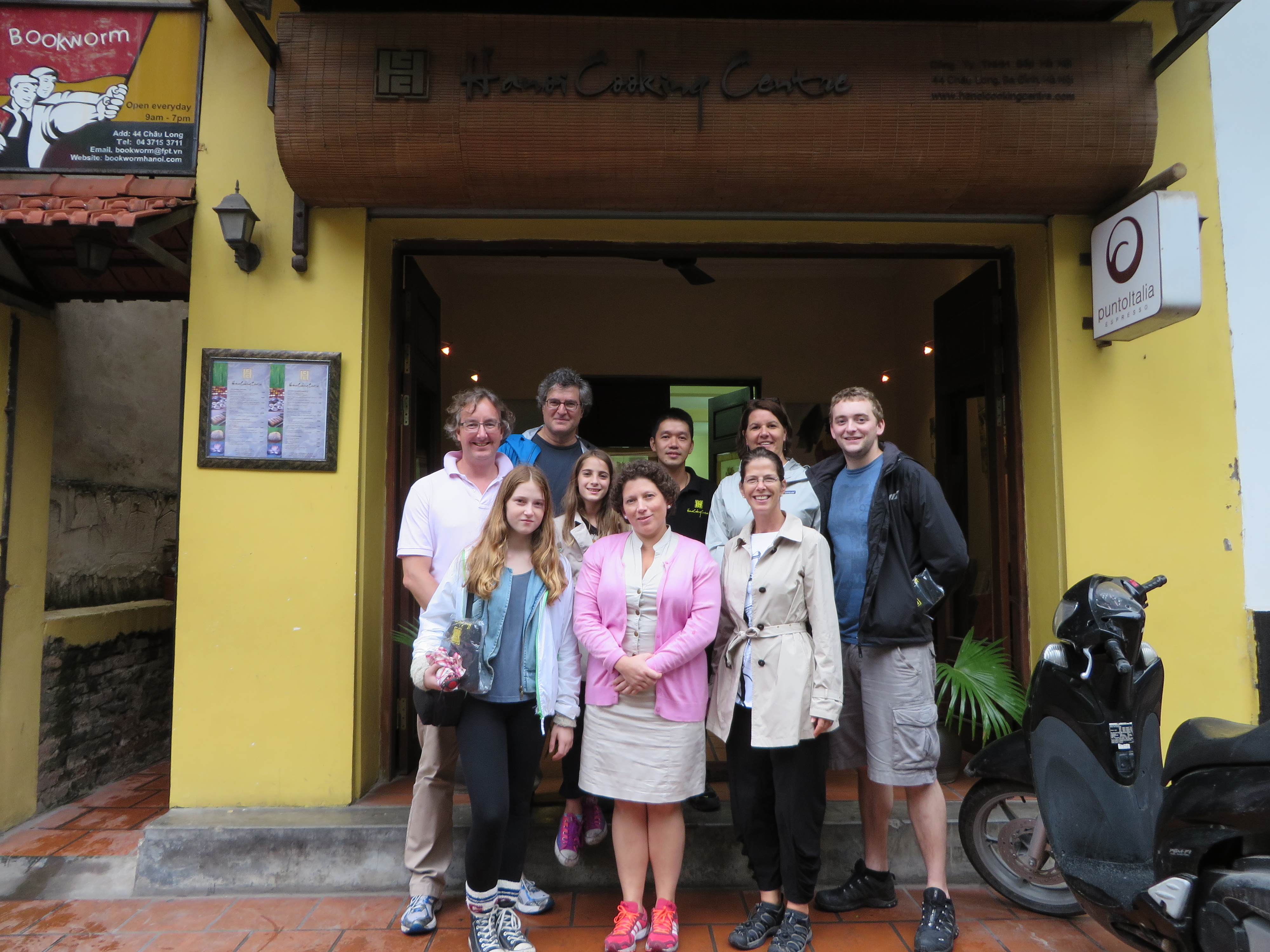
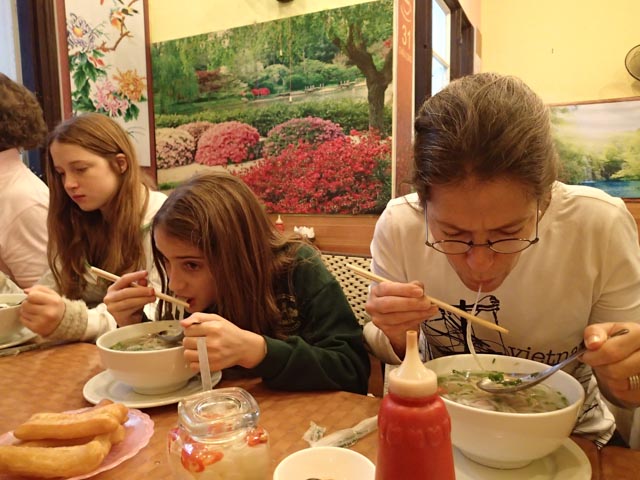
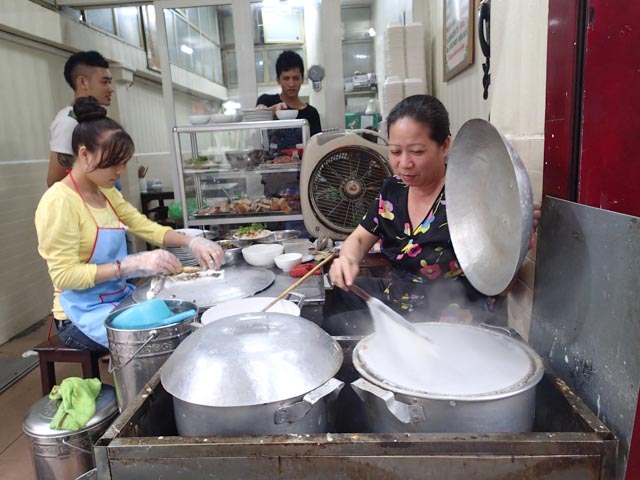
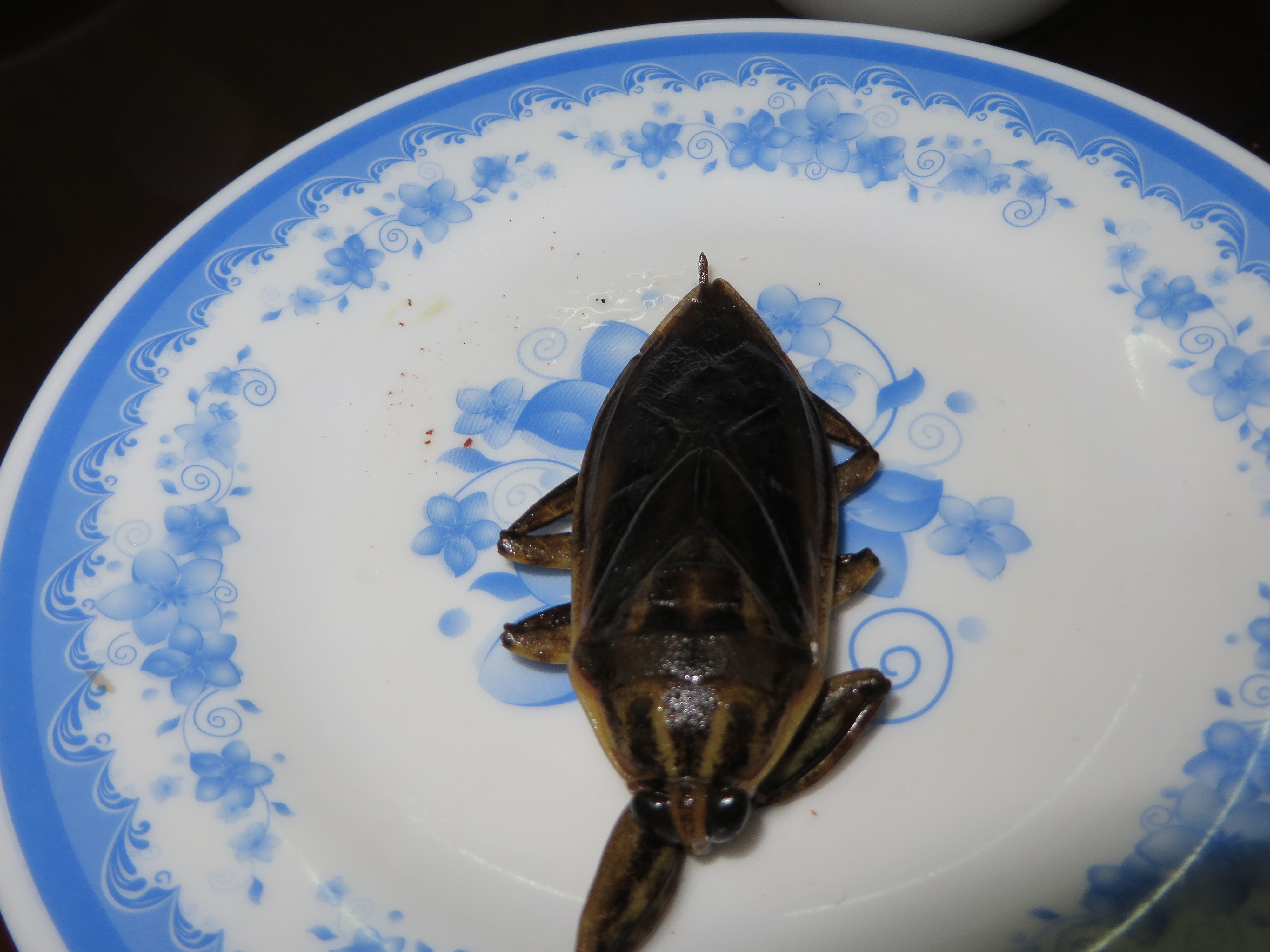
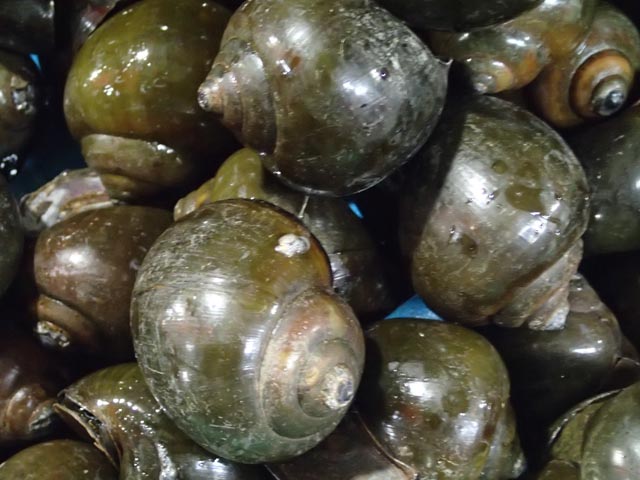
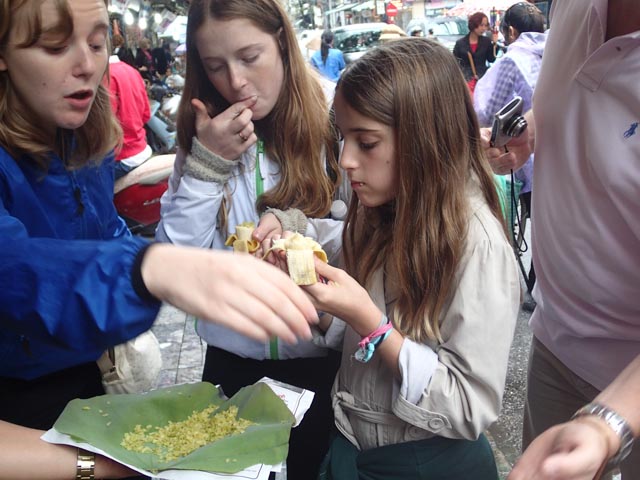
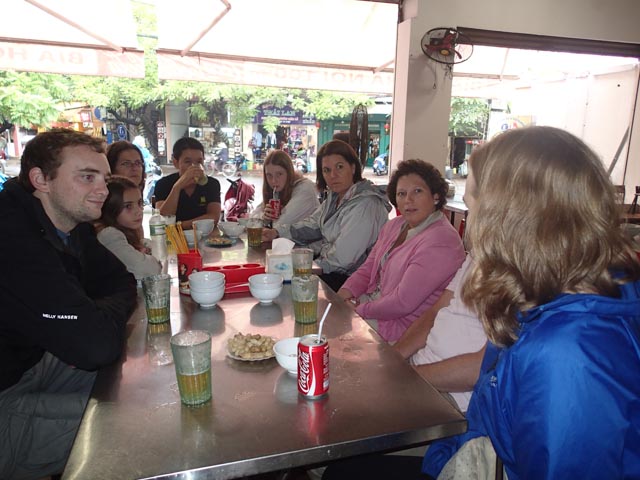
I worried for nothing. Our adventurous eating companions were delightful in their own right – that’s our group photo above minus Katie who needed to get to her teaching job and departed a bit early – and our guide Hue (or Tommy if we preferred) had us eating water bug – smells like fresh picked granny smith apples – within an hour!
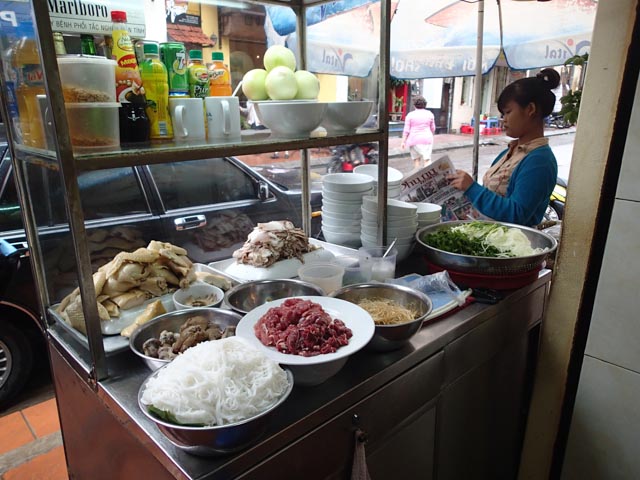
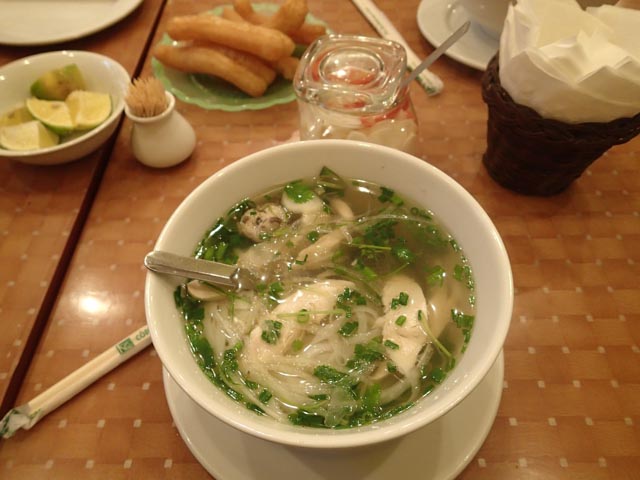
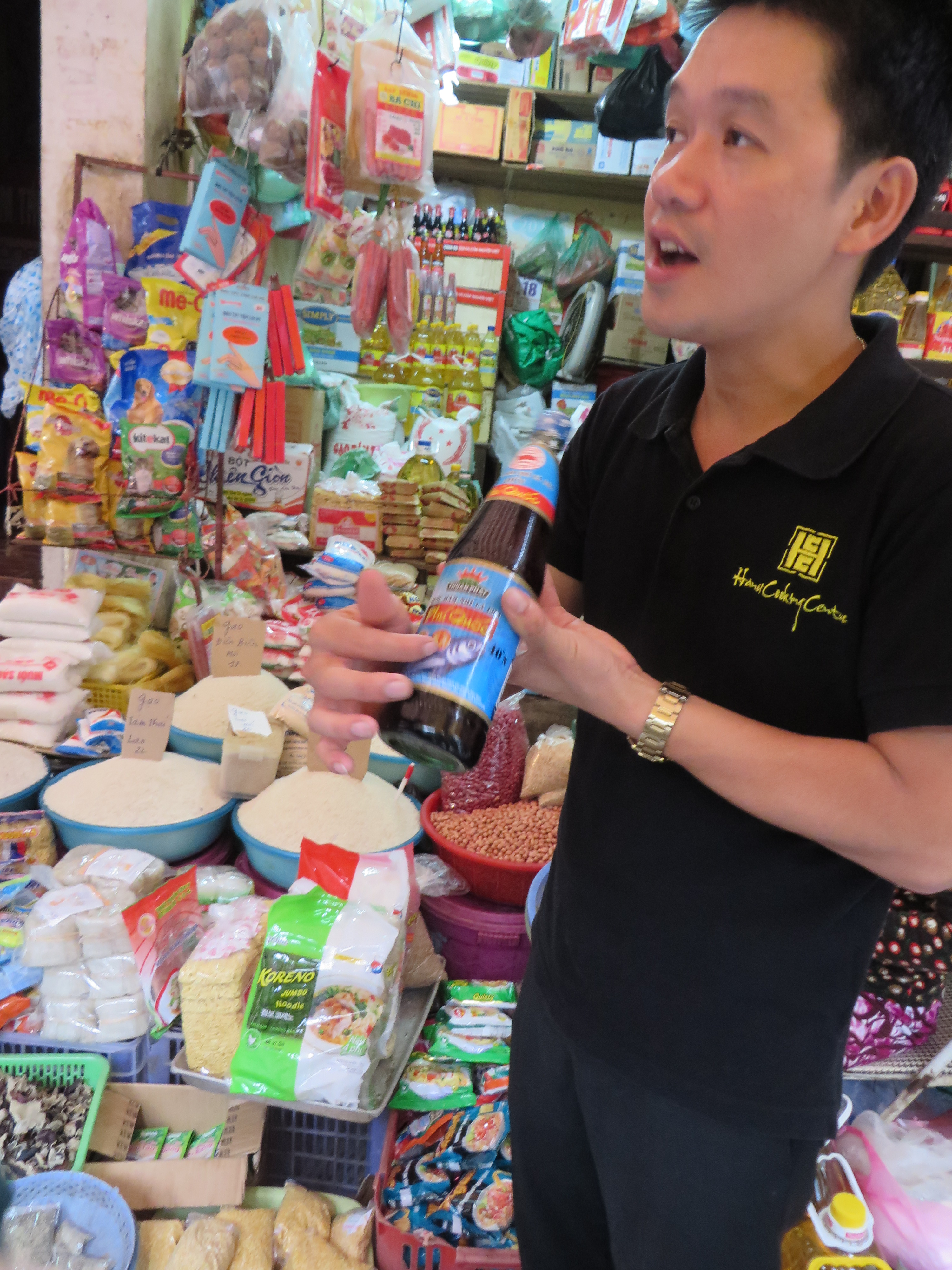
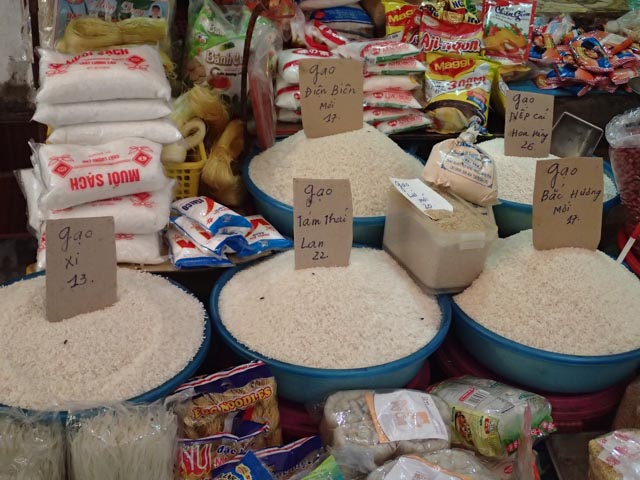
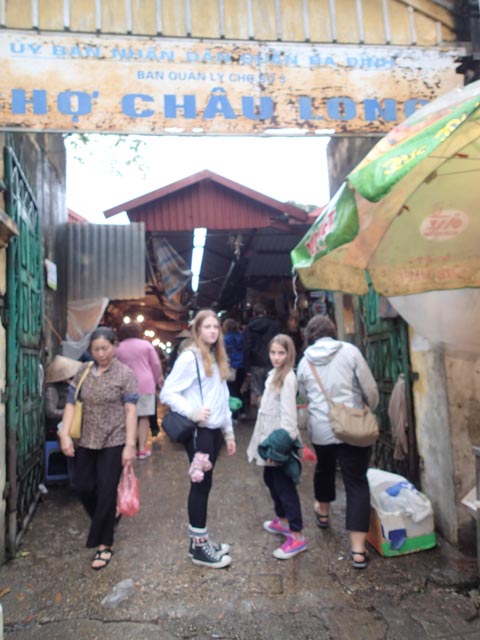
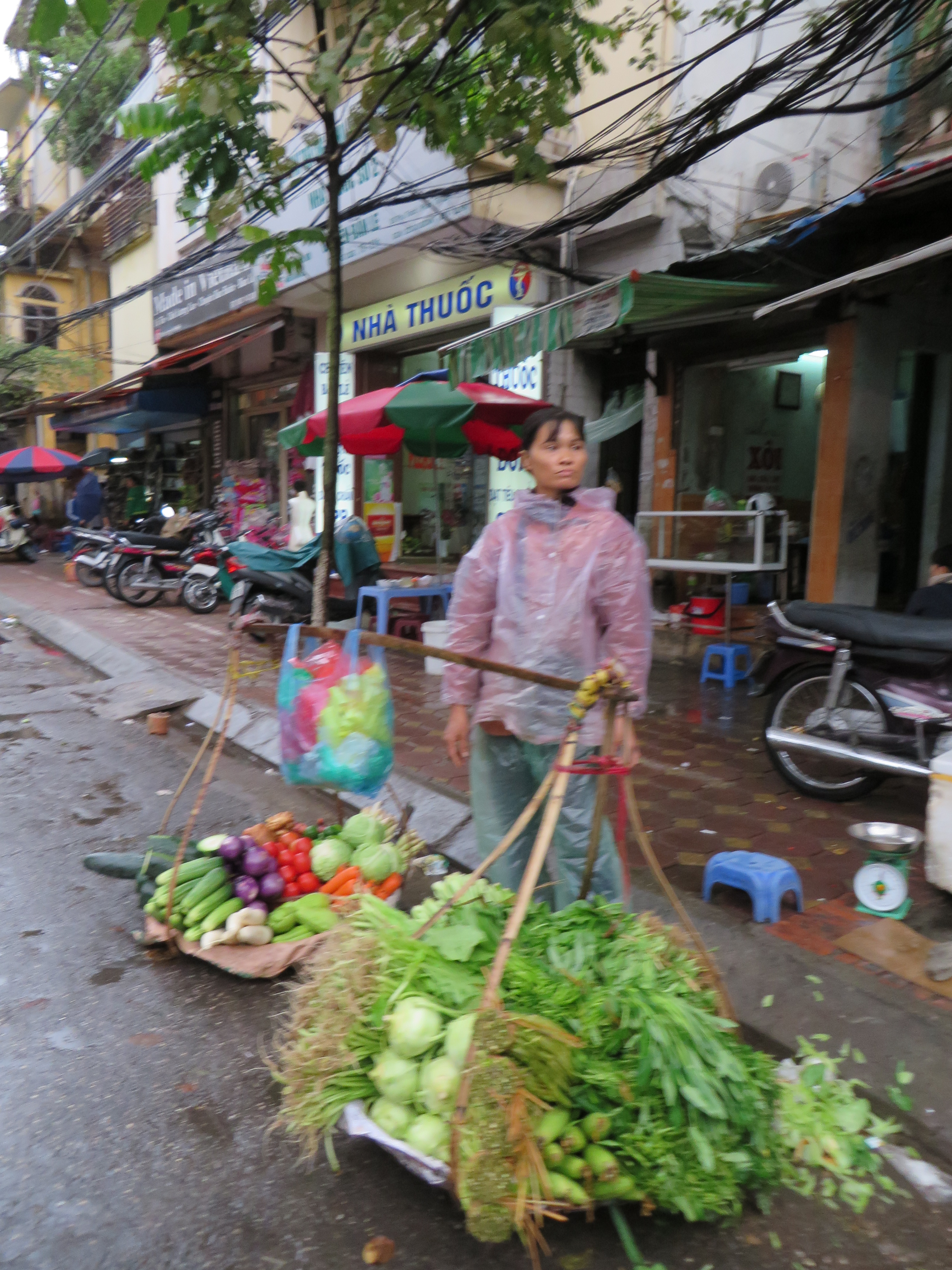
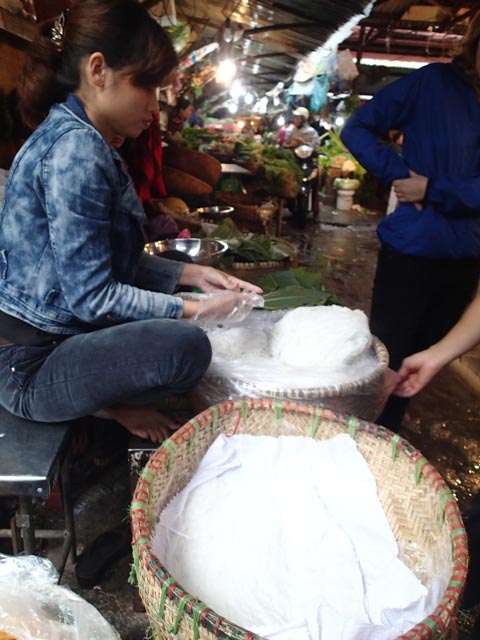
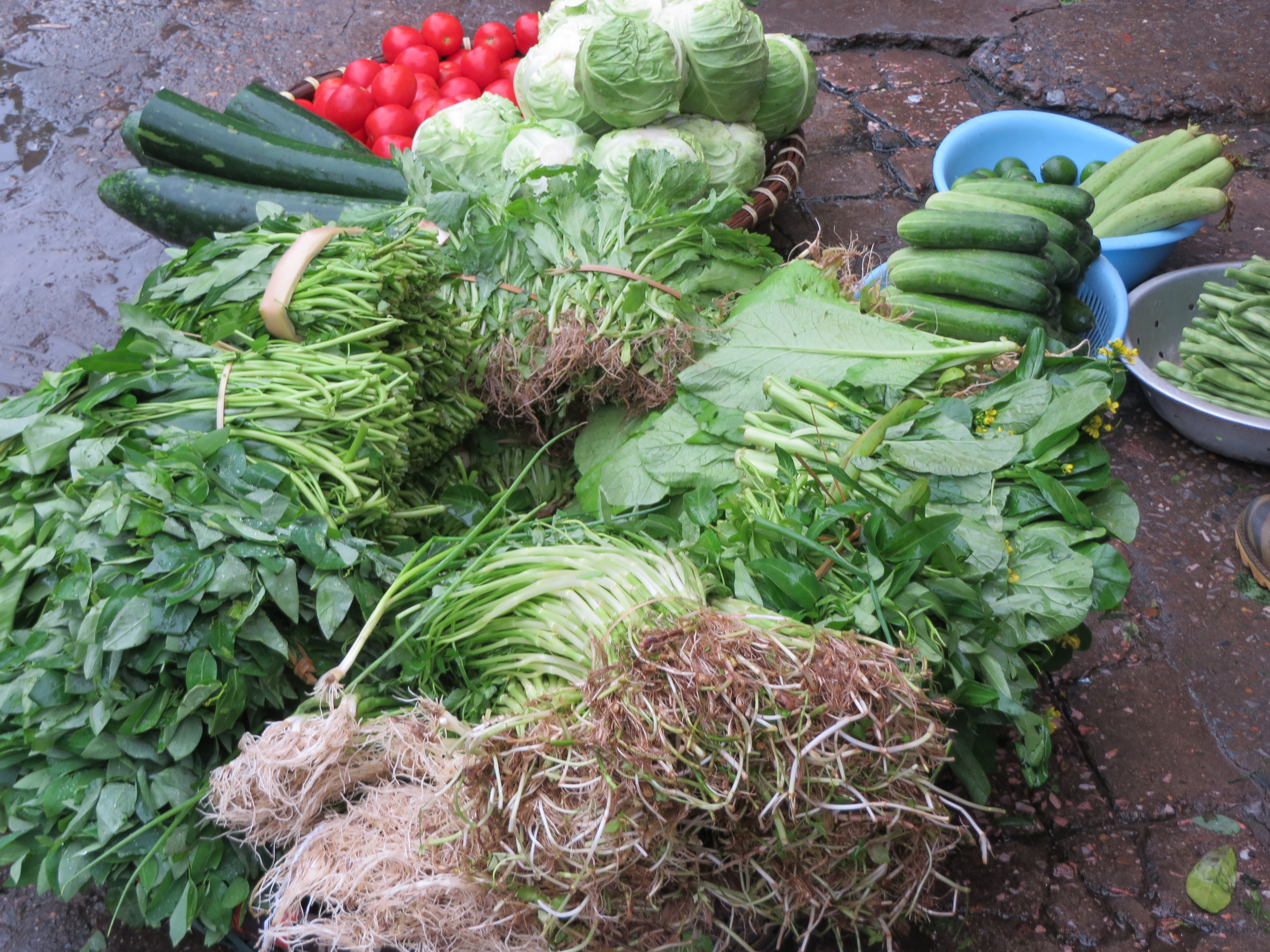
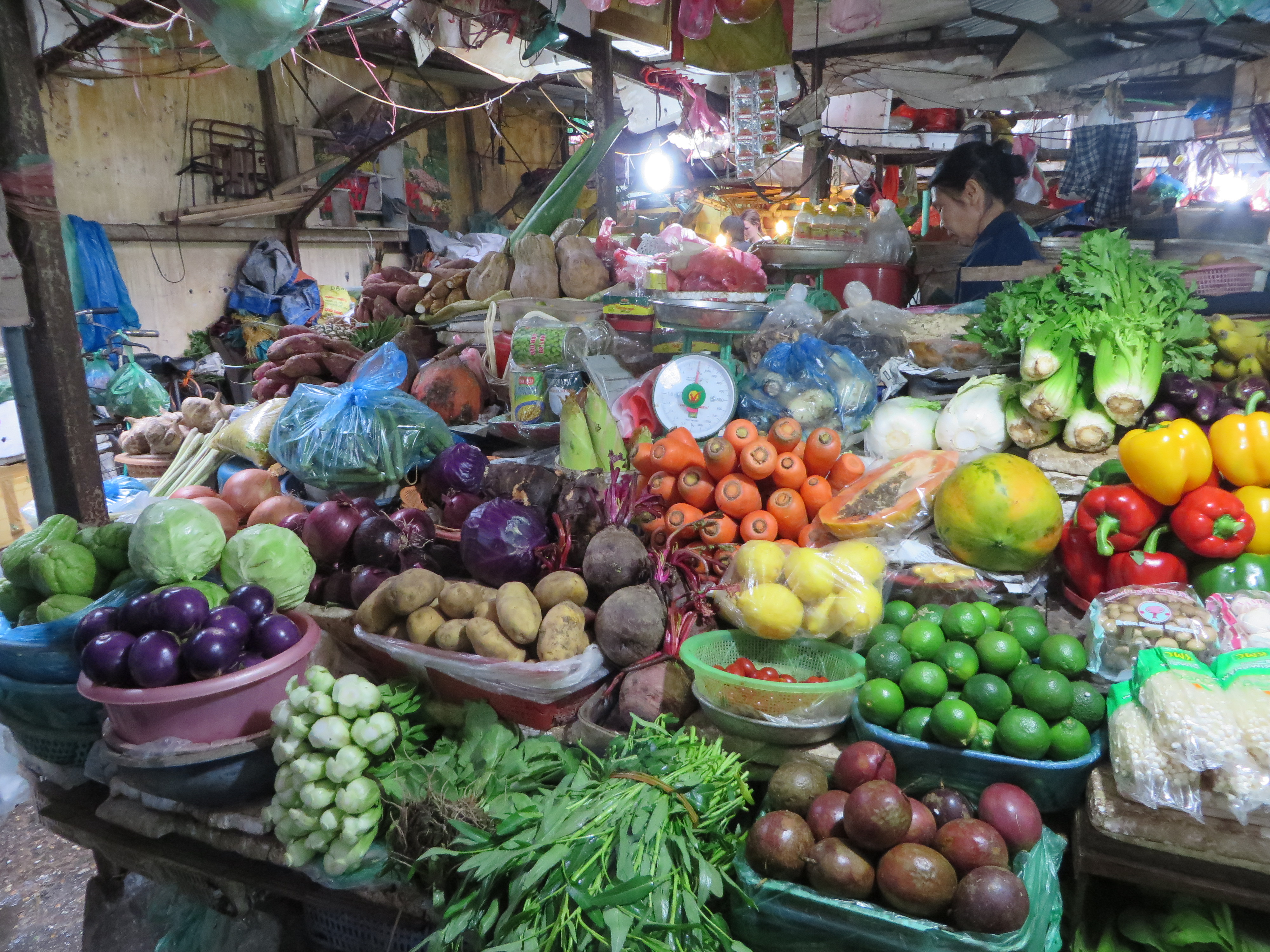
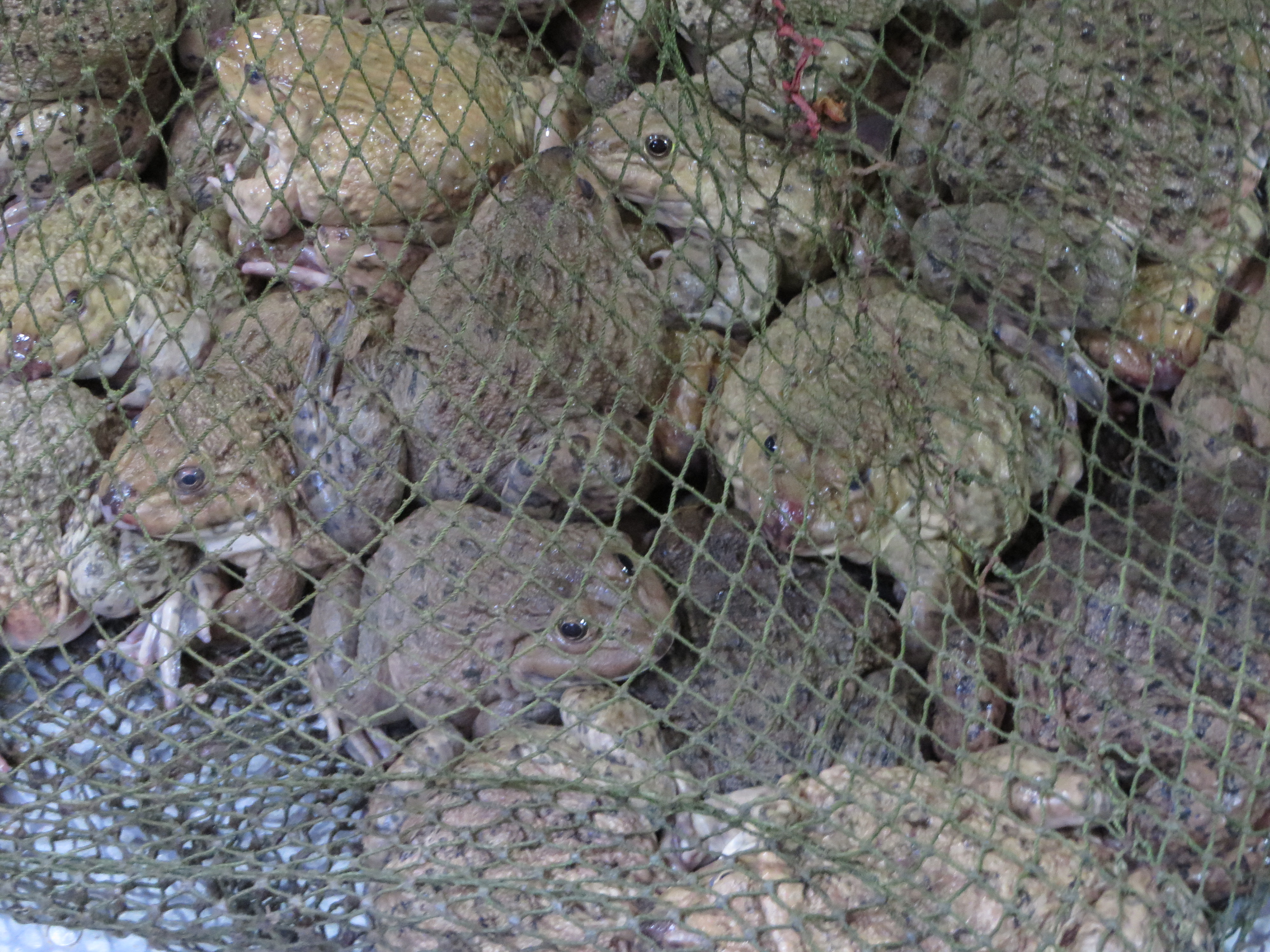
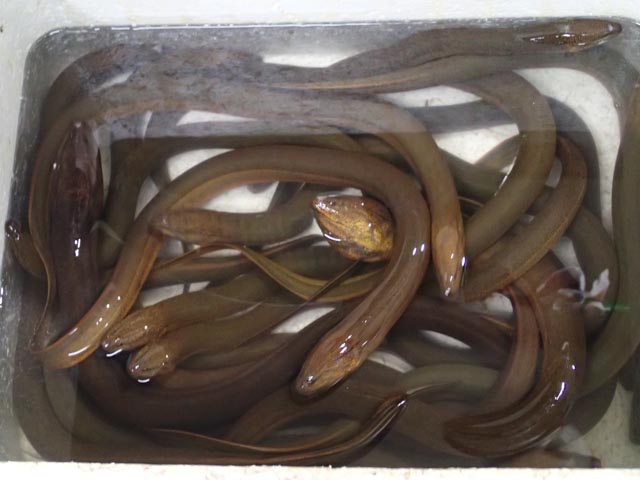
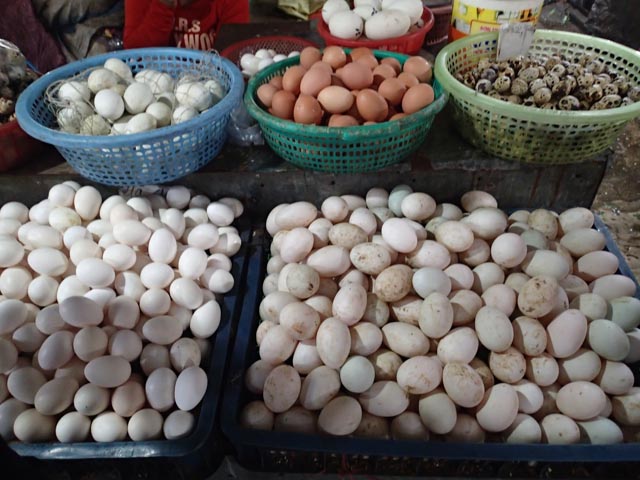
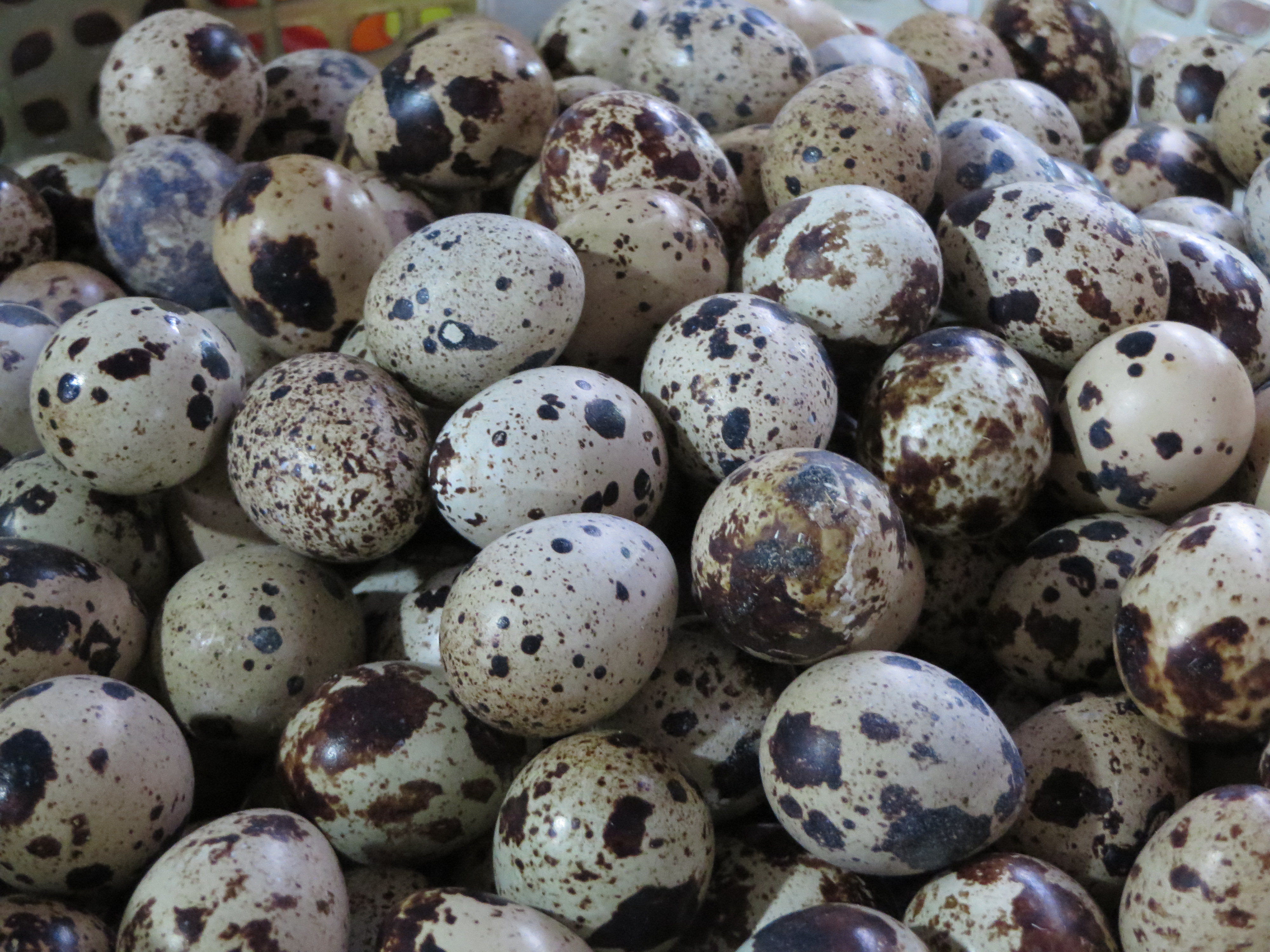
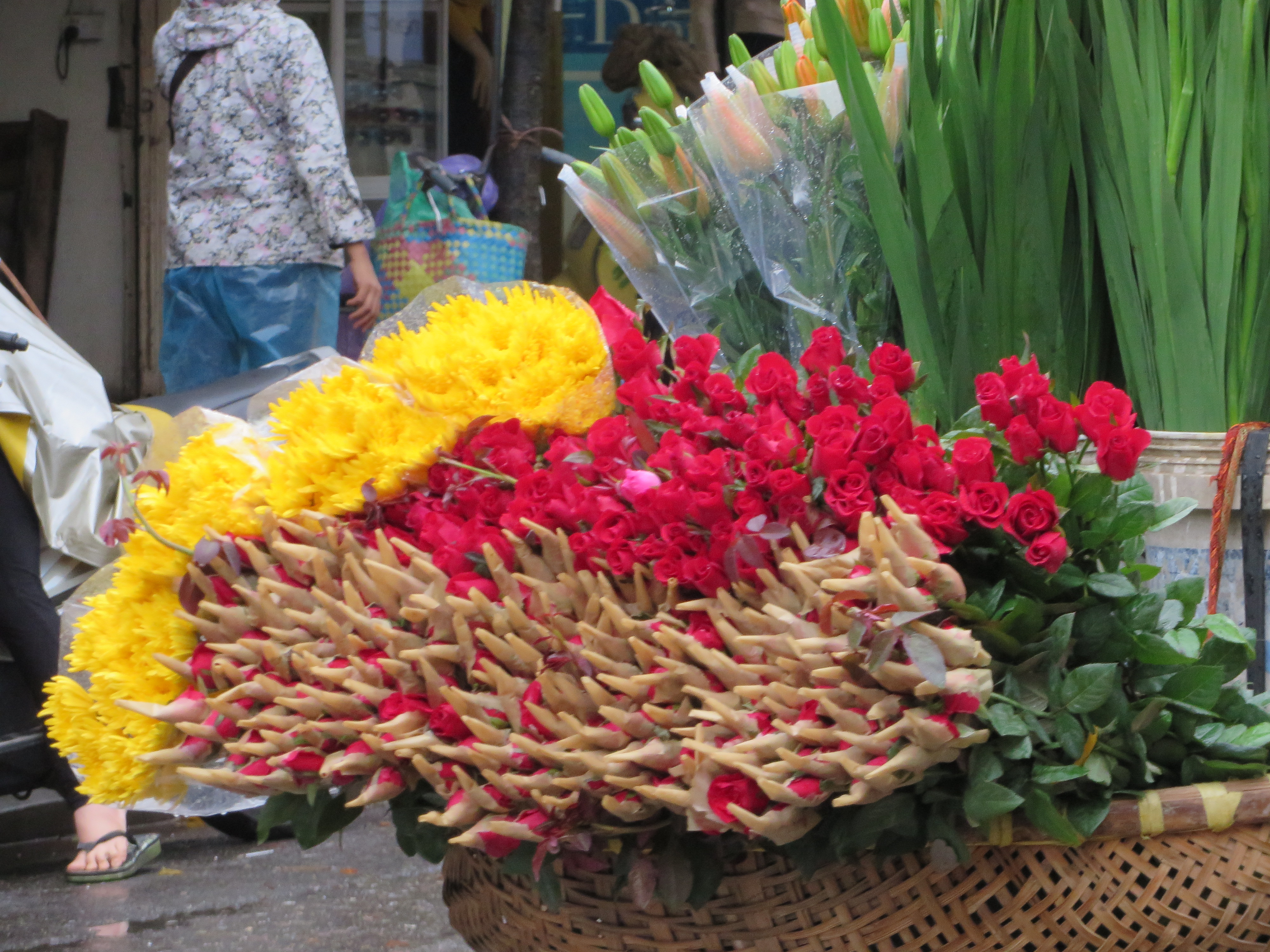
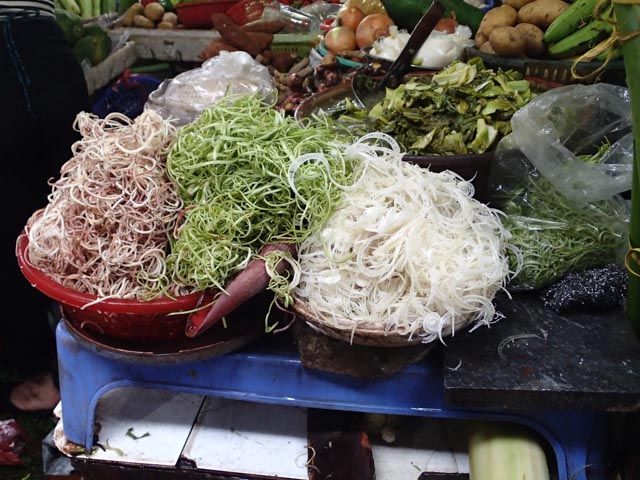
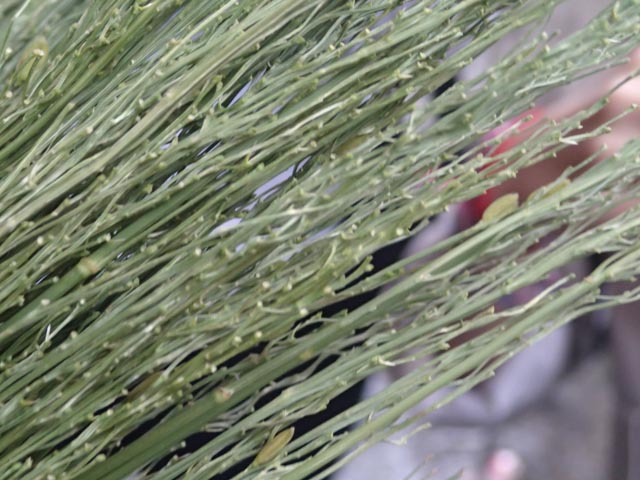
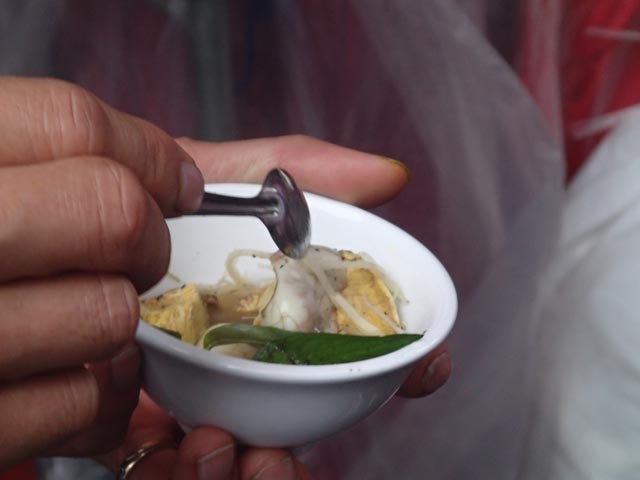
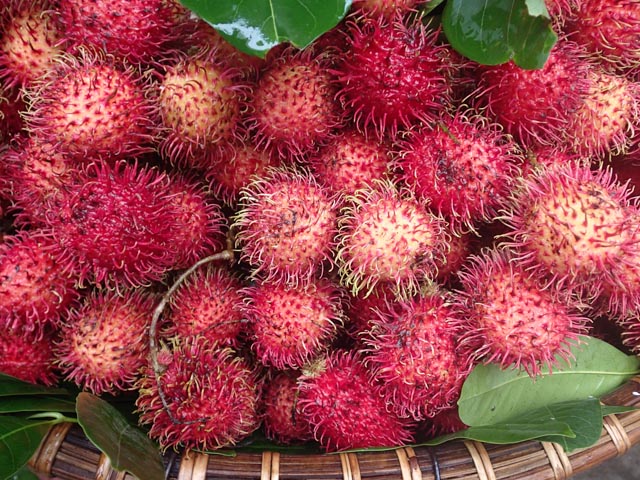
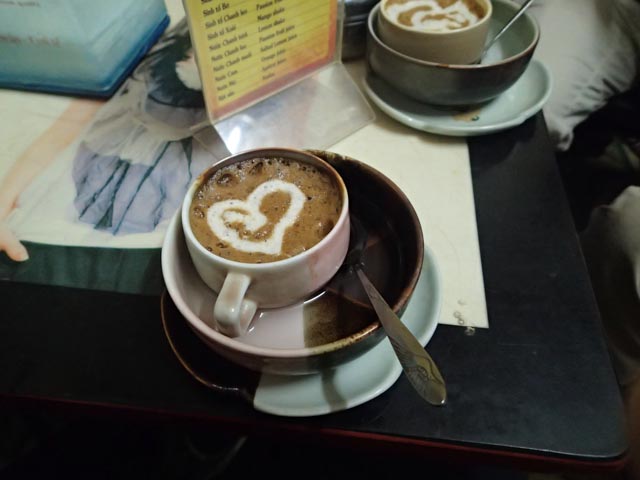
It wasn’t all crazy food though. I didn’t take detailed notes of each stop but basically it was a moving feast of several courses: we started at 9:15am with traditional breakfast food, Pho, moved to rice pancakes with pork and fried shallots (sweetened with that water bug), then a walk through the local market followed by a quick stop for green rice with banana (yum!), deep fried shrimp and sweet potato cakes, bun cha for most of us (snails for Simon), then an “unmentionable” that none in our family could stomach, rambutan fruit, “bia ha noi” (beer Hanoi) and ended at 1:30pm with amazing Vietnamese coffee from a purveyor who has been in business for 80+ years and whose “weasel digested coffee beans” served as the state gift to President Obama when he visited Vietnam. I didn’t photograph the “passed” weasel and you can thank me later.
Food photos below but first, a quick happy birthday to friends Erica M (16th) and David B (18th). Will raise a glass to you both as soon as a I find one worthy enough. Love you!



From the Great Wall to the Great Mall
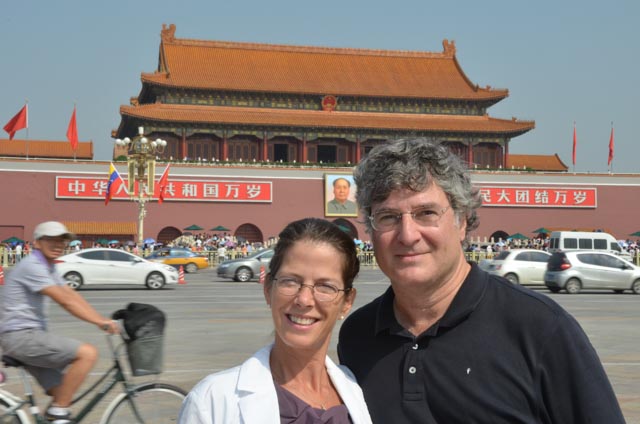
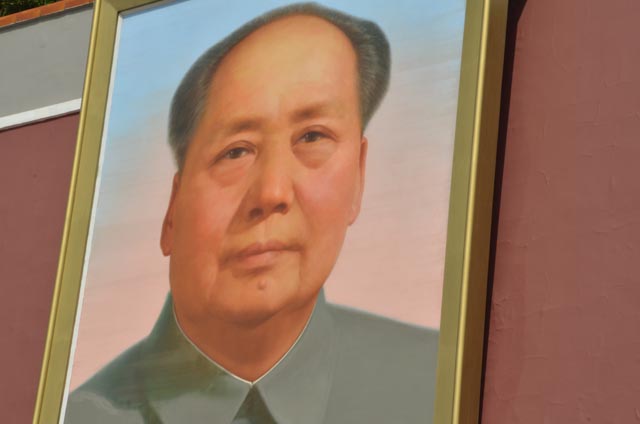
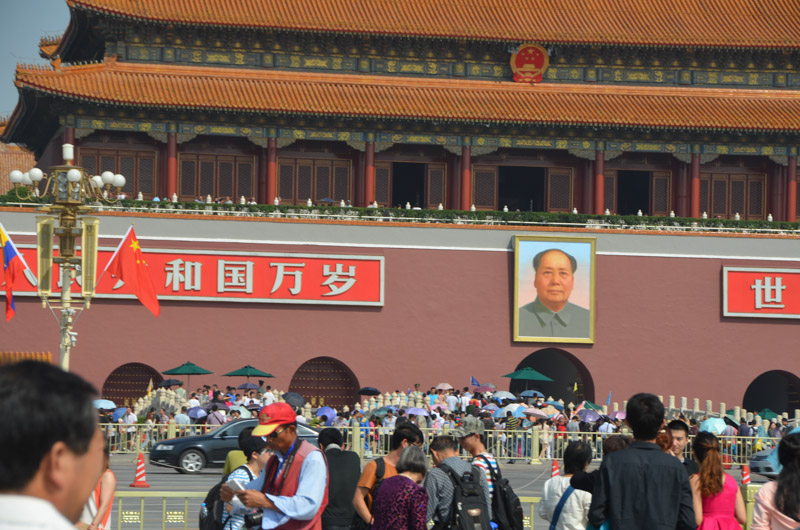
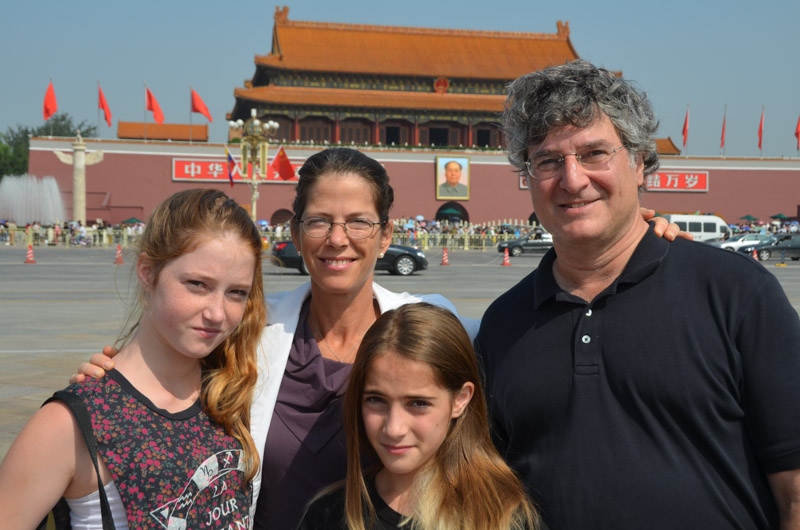
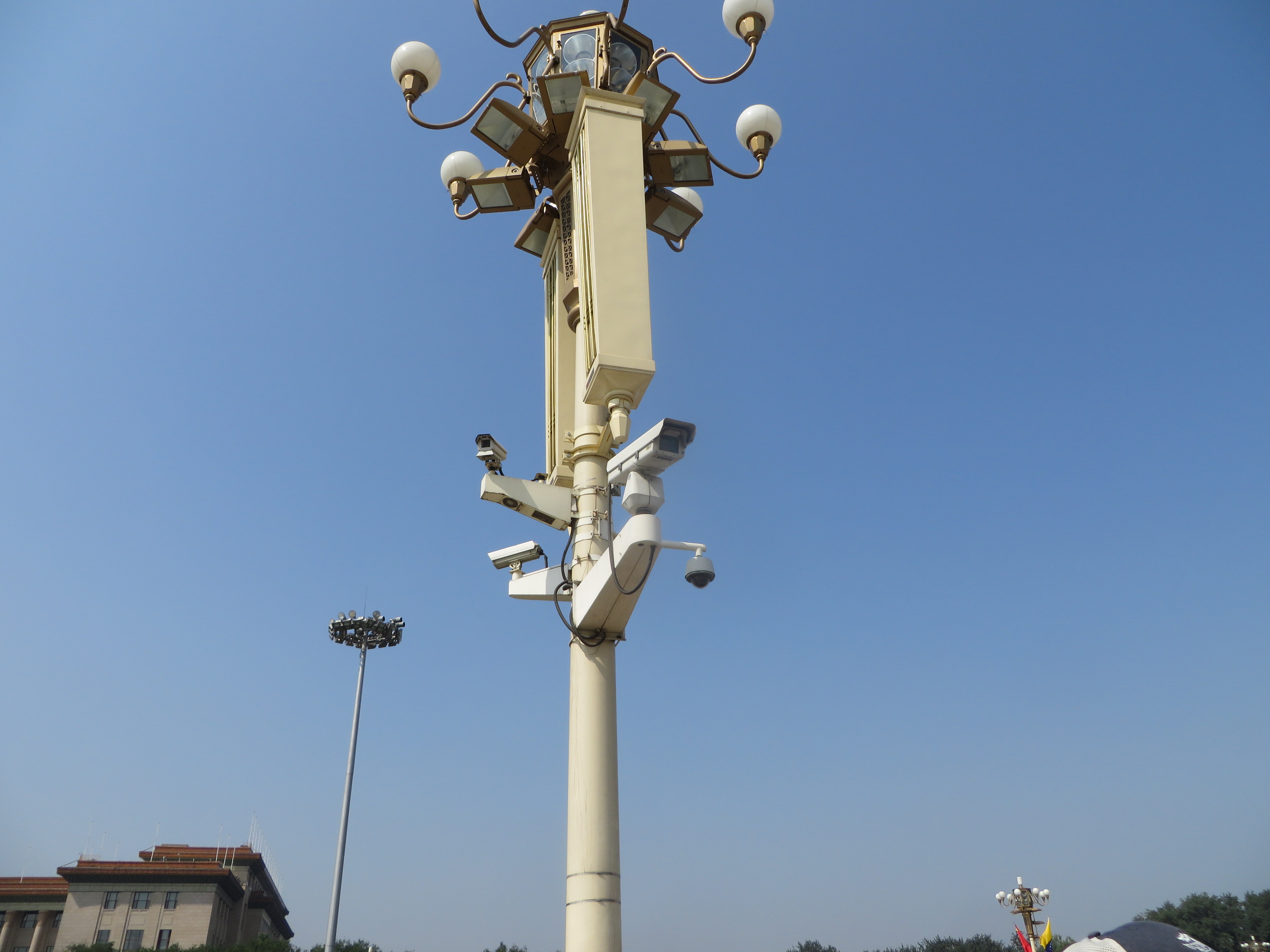
You arrive in Beijing’s expecting hordes of bicyclists passing in front of a giant portrait of Mao. There are hordes of people, but not many bicycles. Instead, there is a constant stream of new cars including the occasional Ferrari and Lamborghini. Some say that the eyes in Mao’s portrait follow you as you walk into the Forbidden City. I am not sure about that, but there can be no doubt about the security cameras that blanket Tiananmen Square with their ever watchful gaze. Thousands of Chinese tourists, maybe tens of thousands, are lined up to view Mao’s mausoleum, even more are entering the Forbidden City to take a peek at China’s historical center of power while the real center of power, the headquarters of the Party, is just a few blocks away with its gates heavily guarded. Welcome to the New China.

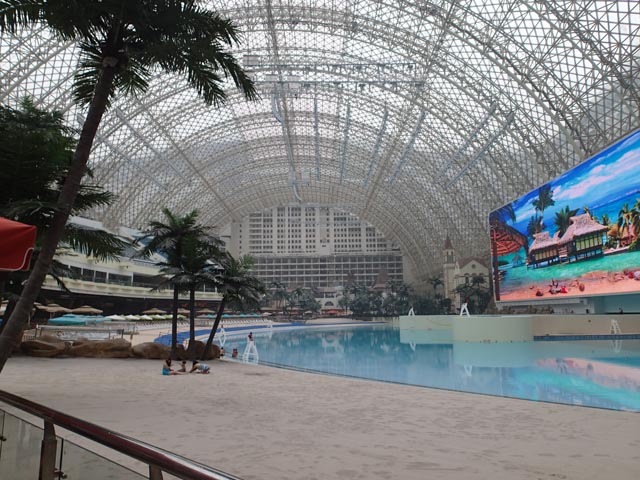
They say you can see the Great Wall from Space, and I don’t know that that’s true either, but it is more likely you can see the new Global Center Mall in Cheng du, supposedly the largest in the world. Inside the mall, in addition to retail space, restaurants, an IMAX movie theatre, and an ice rink, there are also multiple hotels and a super-sized water park. Yes, a water park. Complete with multi-story water slides and a beach with man-made waves. The New China.
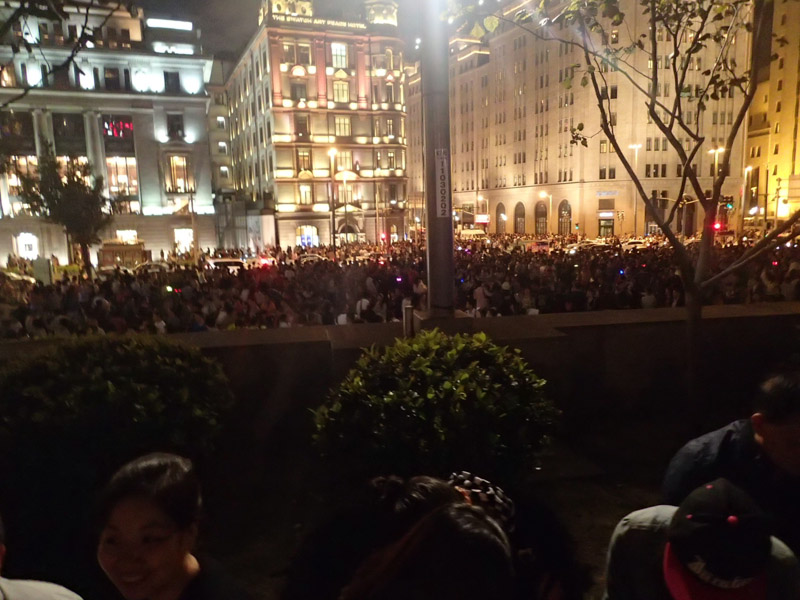
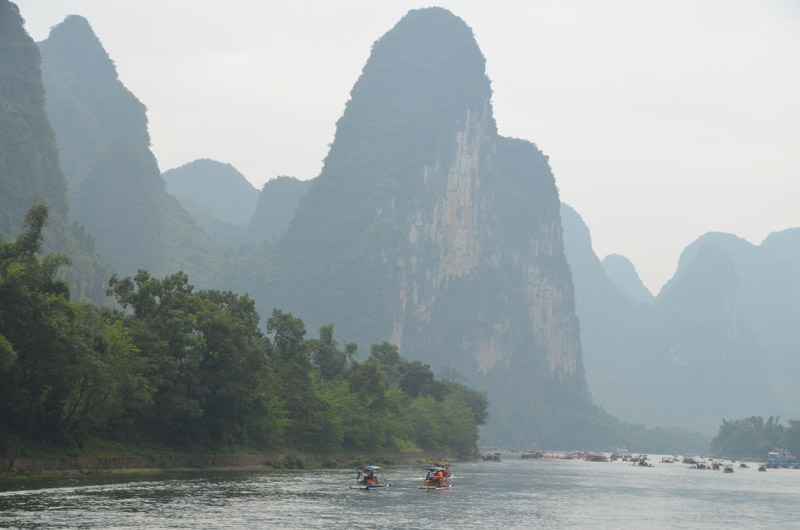
What is the New China? The New China is a growing middle class, just learning to travel and spend money. In the New China 100 million Chinese go on vacation for their Golden Week. Over five million go to Shanghai to Nanjing Street and the Bund, millions more to Guilin to see the Li River’s karst mountains. Everywhere there are massive crowds. Cities of 20 million people are commonplace. River tours on the Li River seem like Disney’s Pirates of the Caribbean, with a chain of identical ships carrying passengers through limestone mountains.
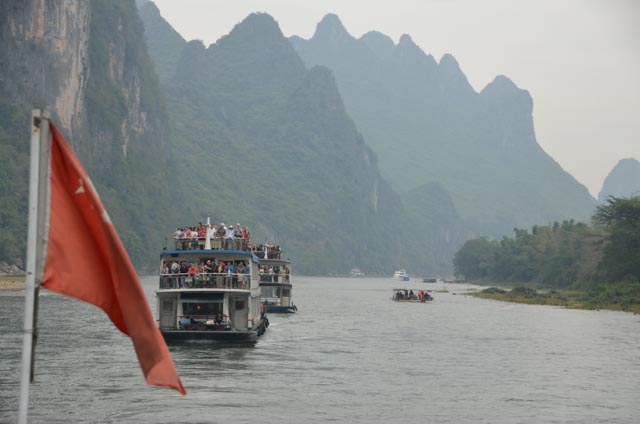

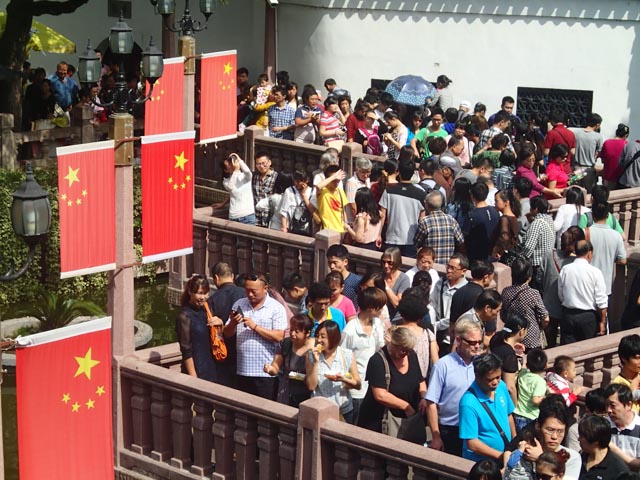
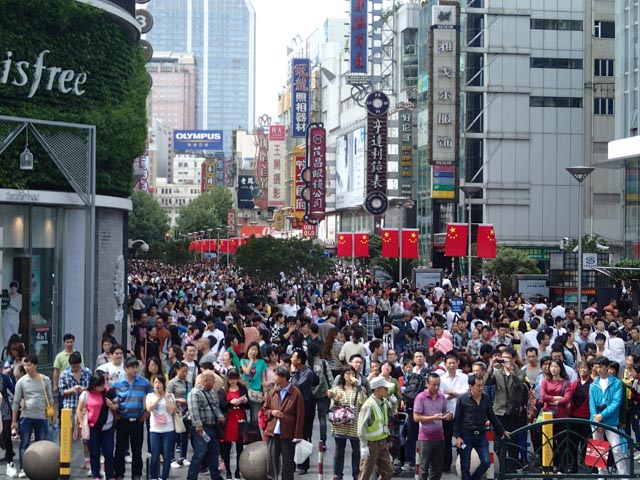
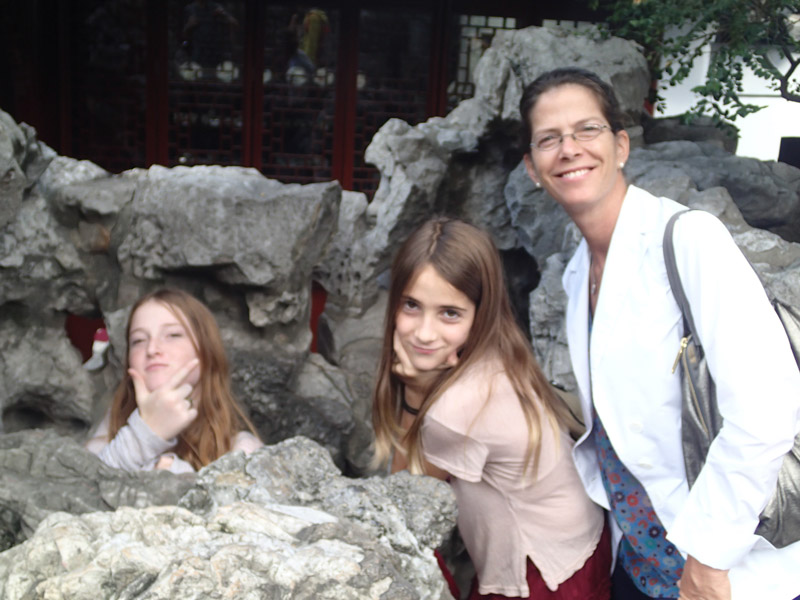
There seems to be little no appreciation or actual knowledge of Chinese history and culture. They crowd into ersatz historical streets designed to look like traditional China, but filled with knock-offs and tacky souvenirs. The terracotta warriors are just another opportunity to hop on a tour bus and follow a guide with a flag and microphone. Of course if there are two American girls there, it is a photo opportunity.
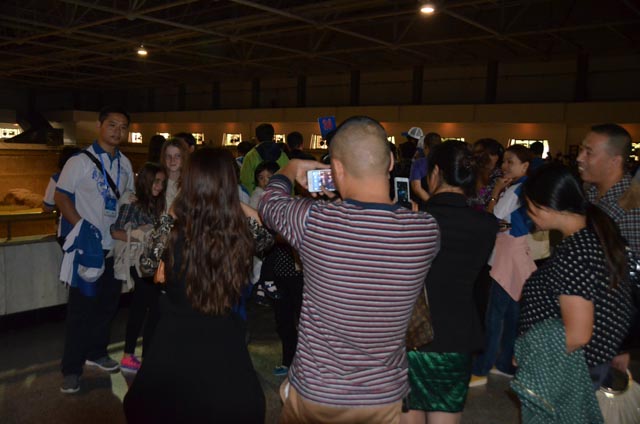
The family tree has been inverted. Instead of one ancestor with many decedents, each “only child” now has a pyramid of parents and grandparents. Grandparents are forced to retire in their 50s and sit around in parks playing hacki-sack and mah jong. Often they can be seen with their young grandchildren as the parents need to work to afford outrageously expensive rent or to buy a car (which they aren’t allowed to drive one day a week due to overcrowded streets). In touring China, nothing was a clearer sign of a foreigner than a sibling. The Chinese now recognize that the one child policy is a train wreck waiting to happen – actually it’s already happening. The government has been pushing pension and retirement funding into private sector for the past decade which means that each child will soon need wages (or bribes) sufficient to support six dependents as the parents and grandparents live longer into retirement. On the other hand, with severe over population, the policy still seems a necessity at least for a few more years.
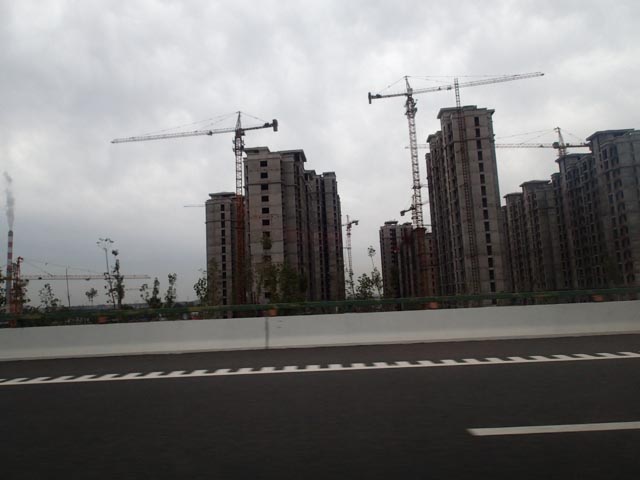

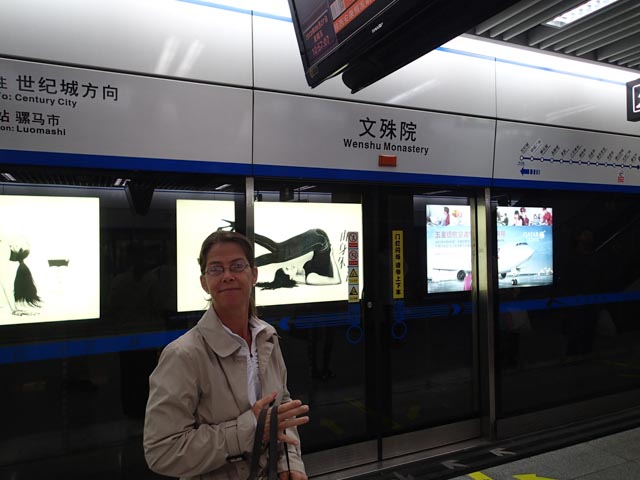
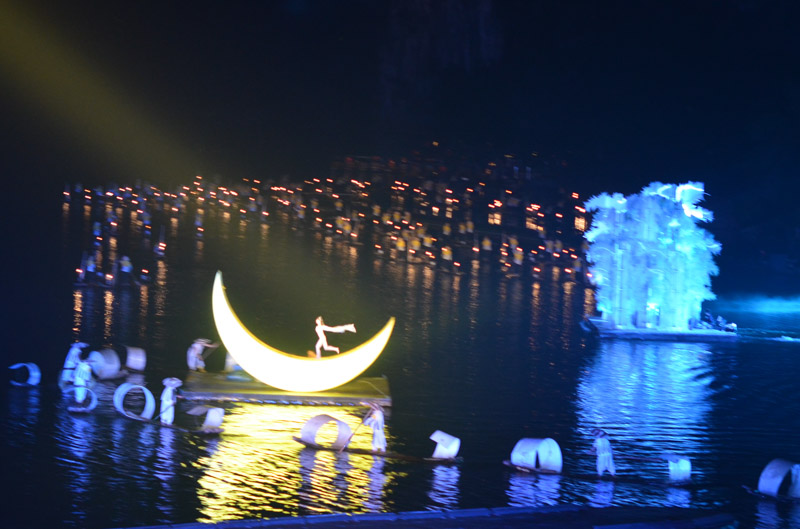
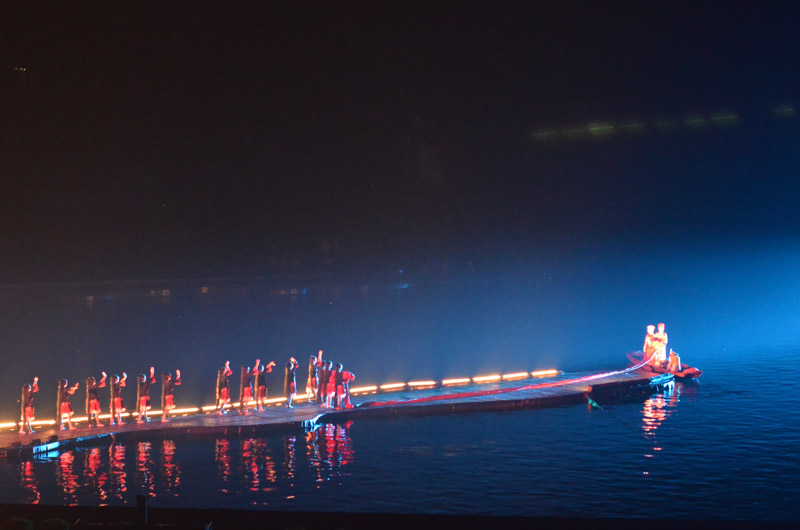
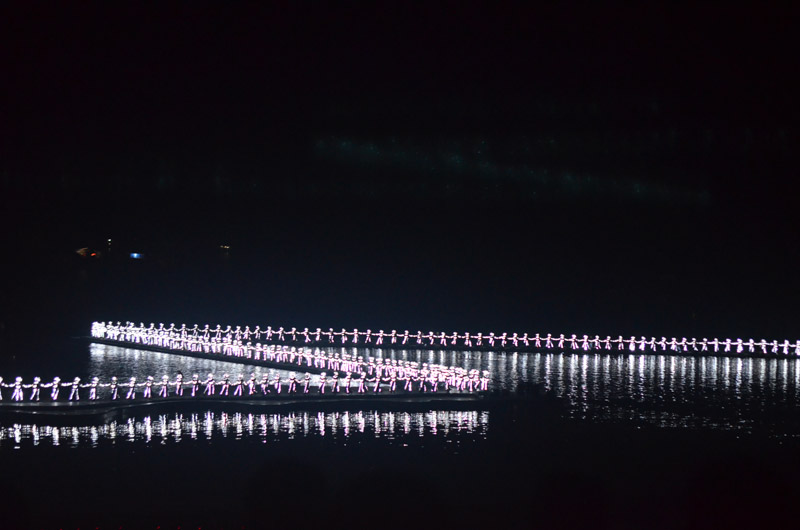
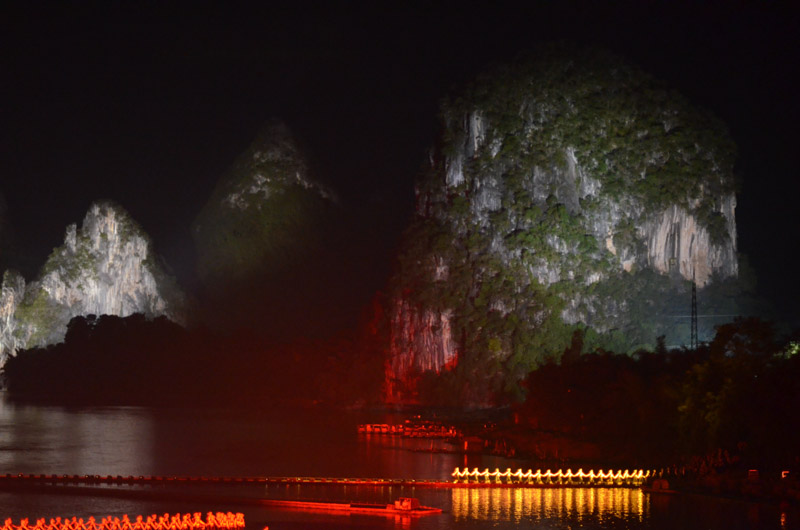
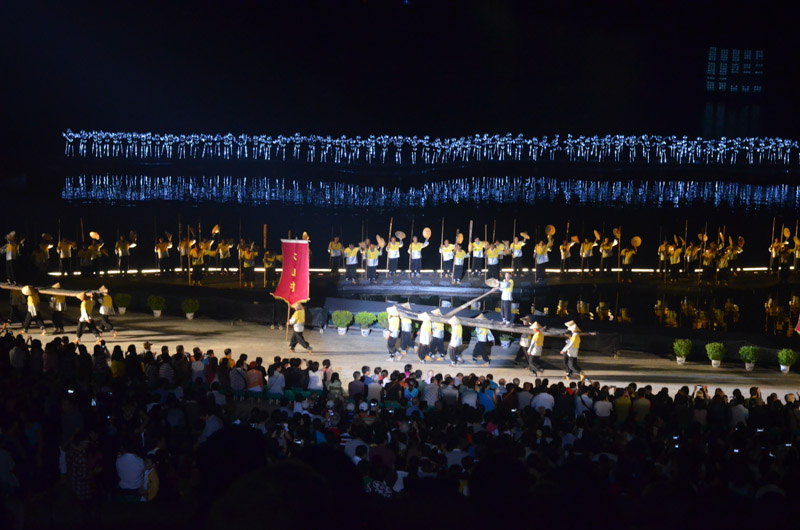
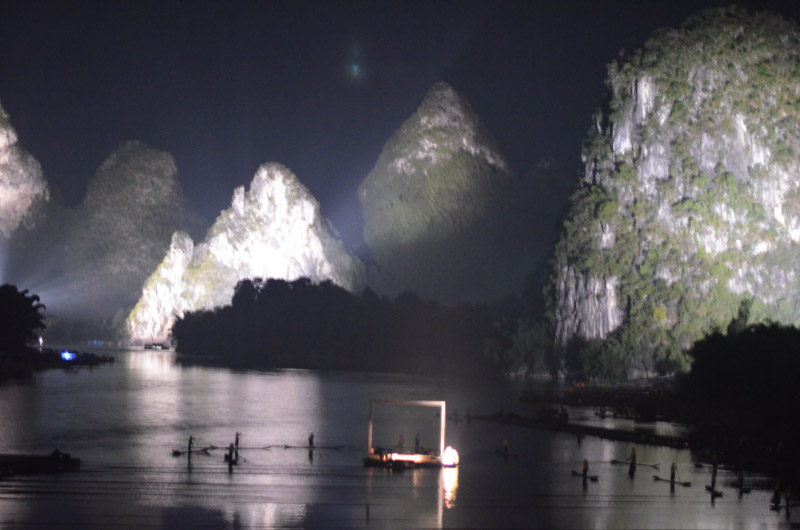
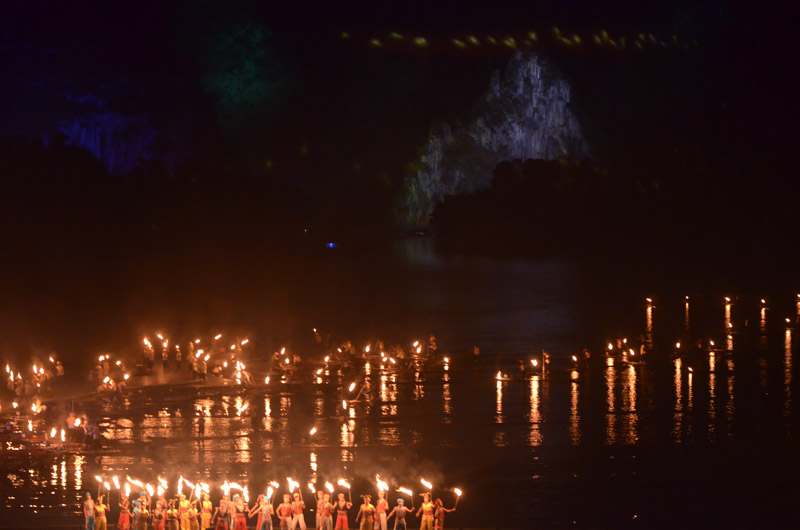
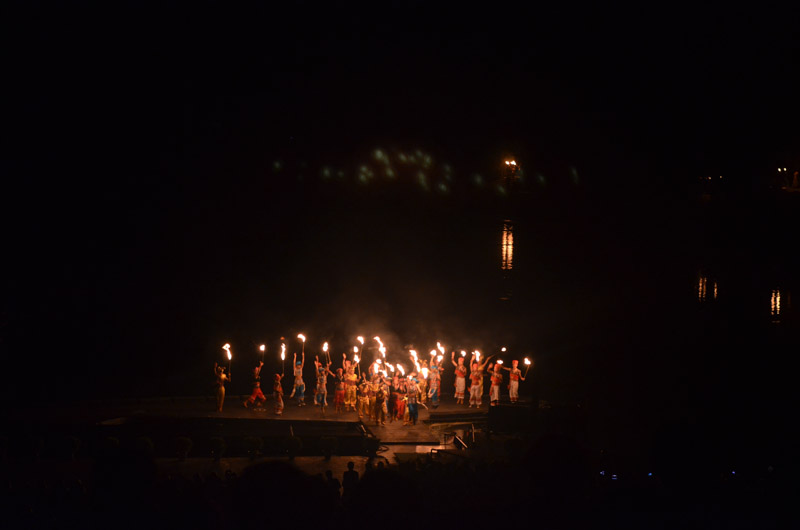
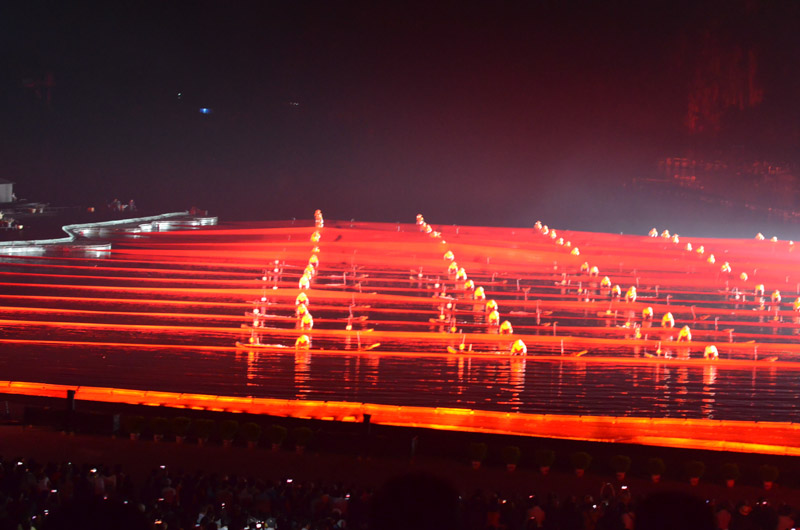
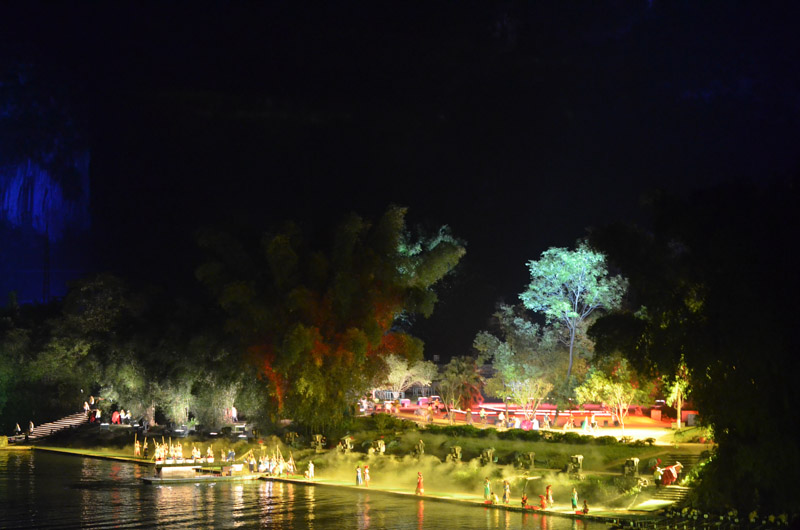
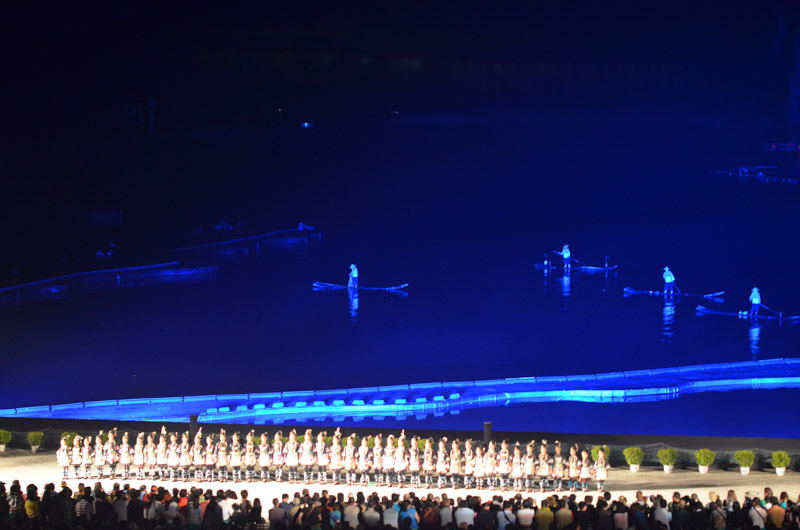
Among all the crowds, the pushing and the tackiness, a few things shine. Impressions of Sanjie Liu, an exquisite performance, shows what you can do with 600 performers (abundant labor supply) and the Li River (incredible natural resources) as a stage. It links the past and present of China together and demonstrates China’s potential. Cheng du, a city of some 20 million people has preserved its culture of tea houses and hot pot, while sporting a super-efficient subway system. Cars, buses, scooters and bicycles move together in harmony in this tech focused city.
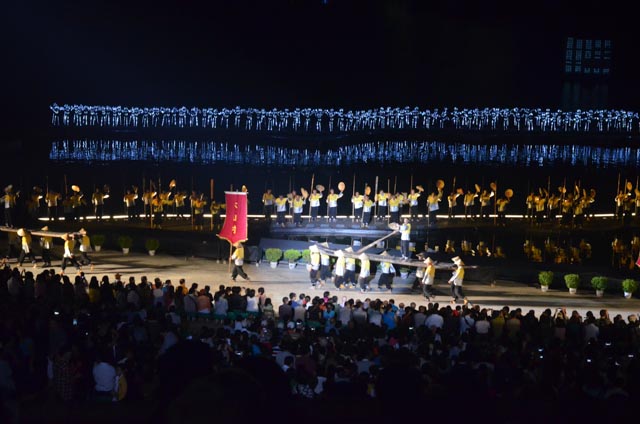

More than anything, China is a country on the move. New buildings are going up everywhere. There is an excitement associated with a whole generation leaving the countryside and moving to the cities. Everywhere there is the energy of possibility. As the US struggles with the two-party system deadlocked over paying our bills, China’s one-party system even with its inbred corruption, seems extremely efficient. While the lack of freedom is grating (Facebook and Google were banned) most Chinese seem to accept the limitations as the price for progress. It is hard to say what is next, but it is clear that the New China will be at the center of the next century.
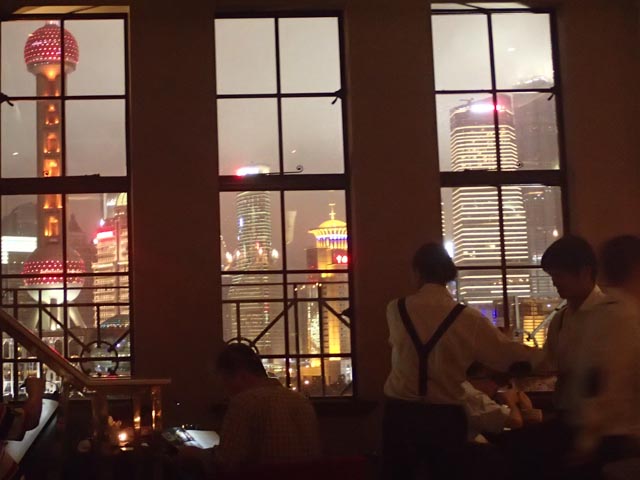

cLeaving Hong Kong
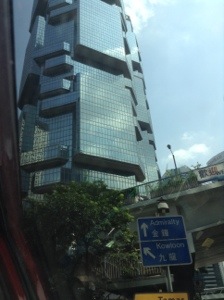
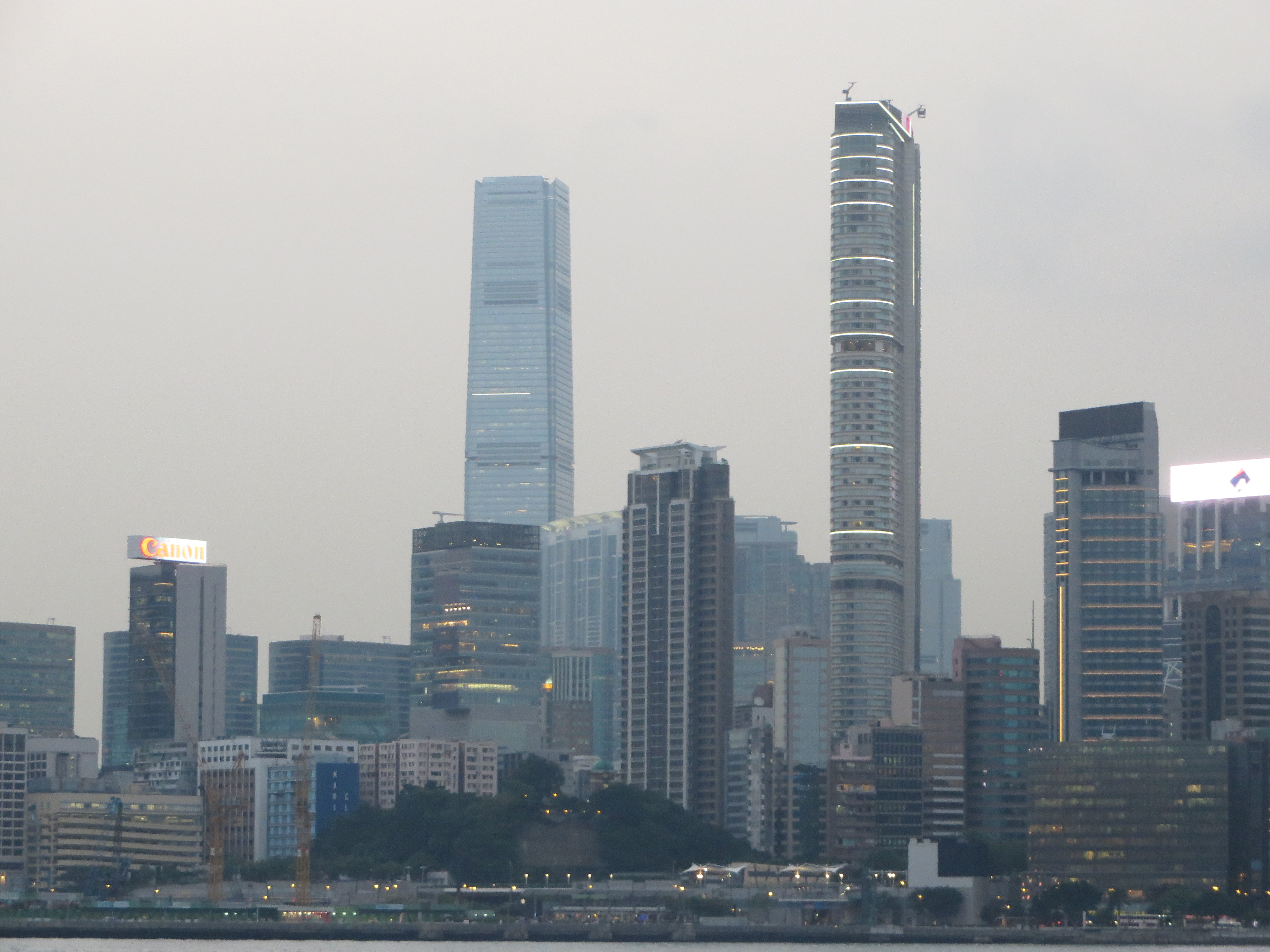
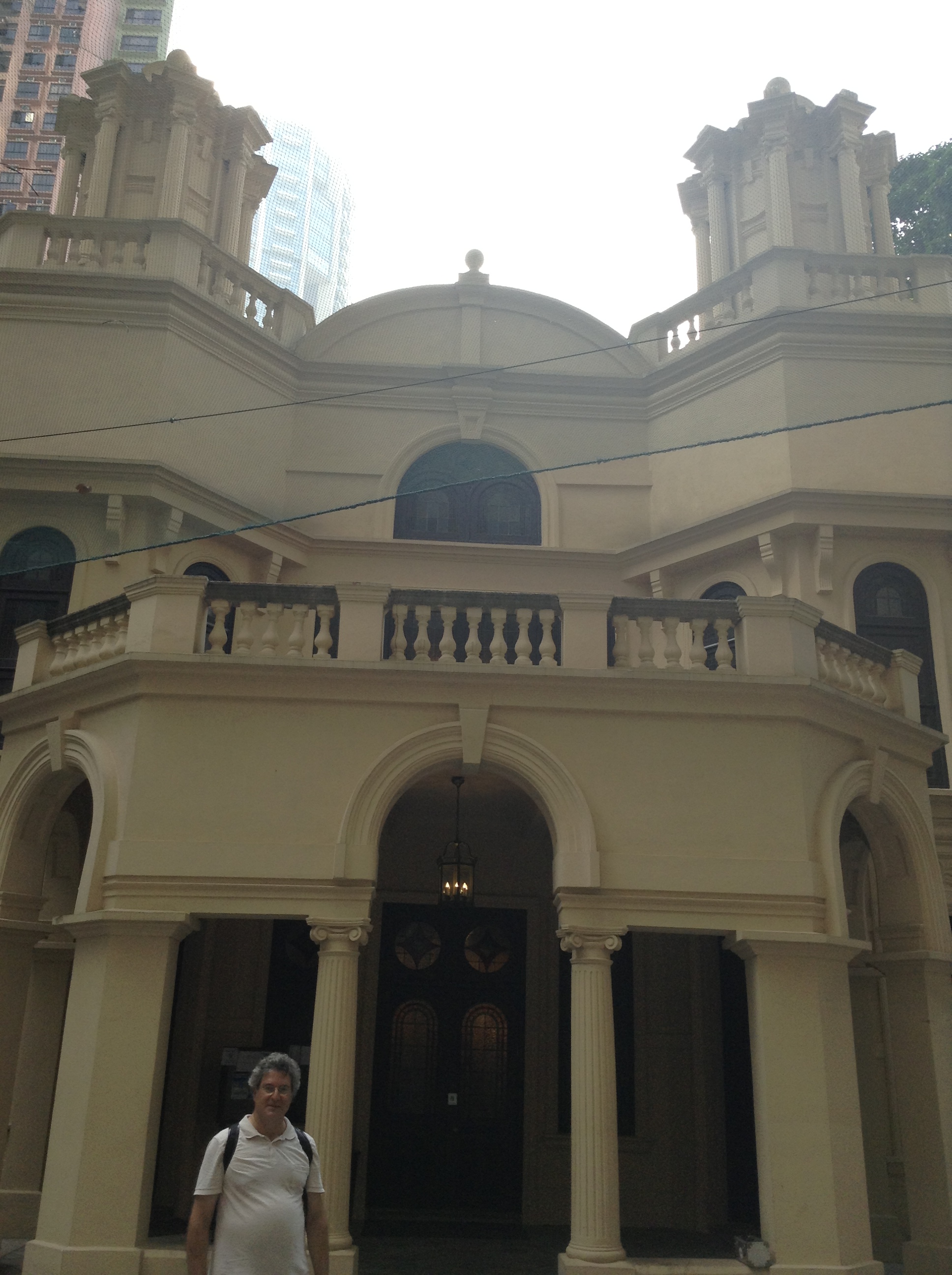
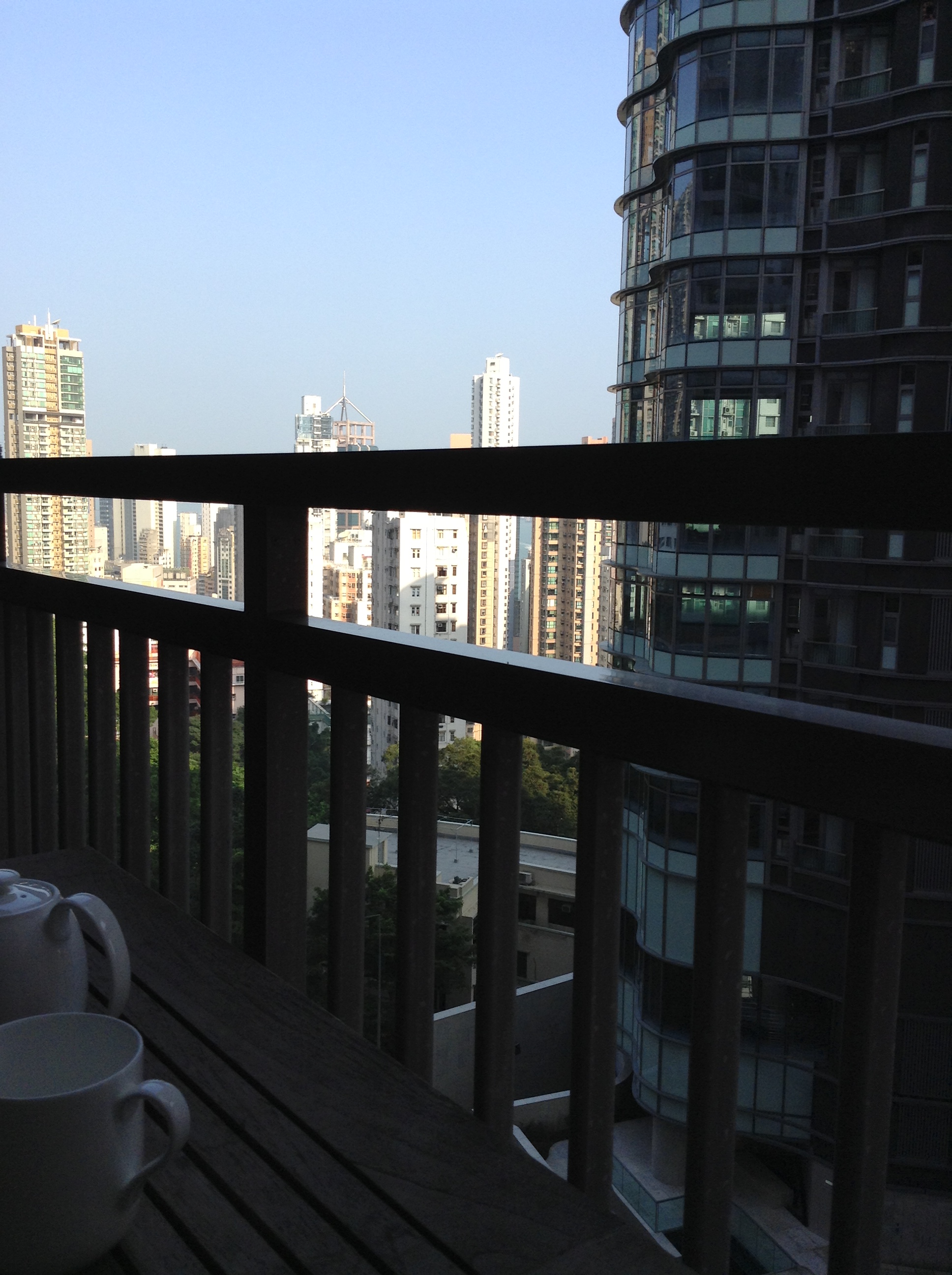
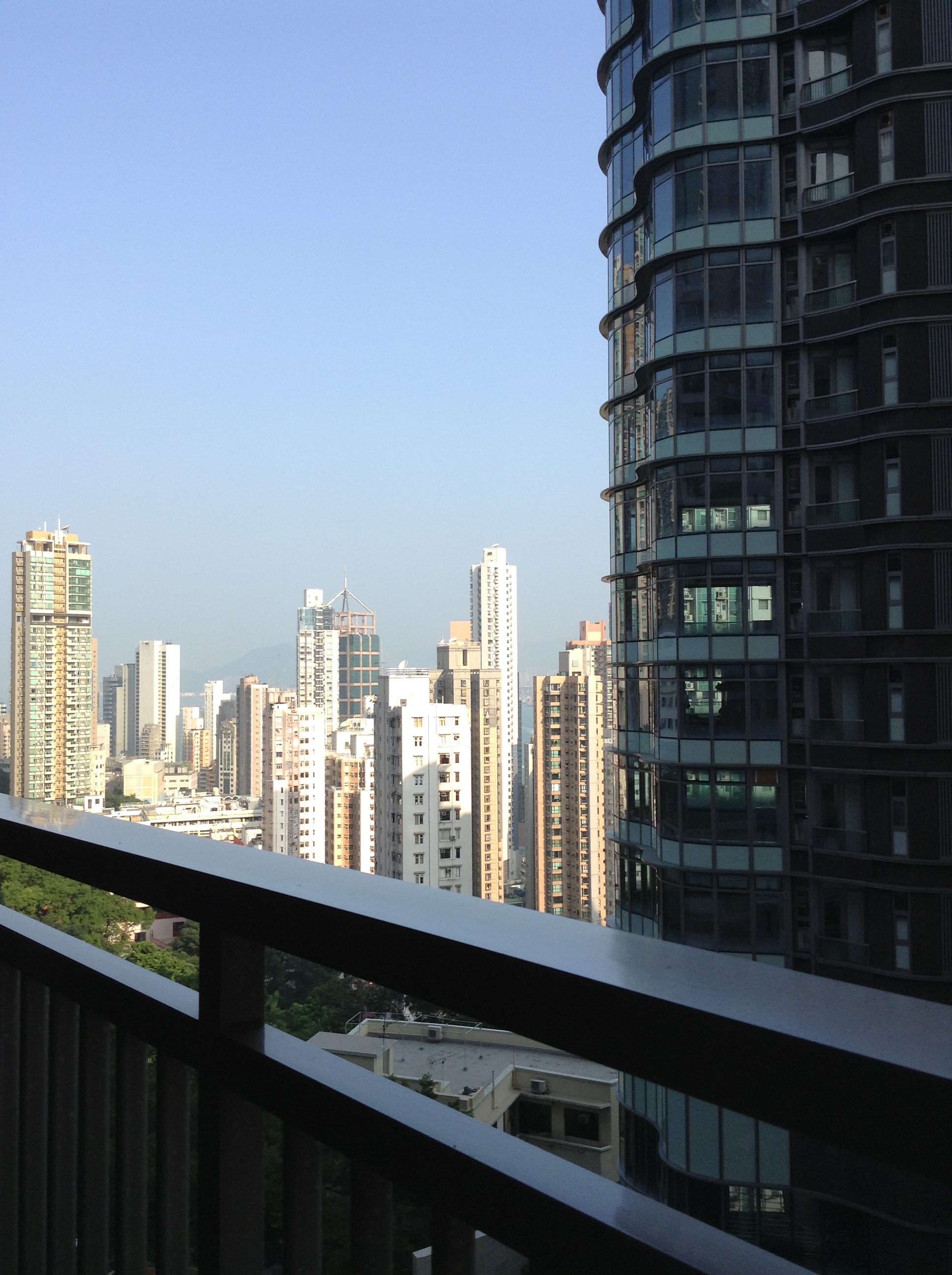
Reflecting on Hong Kong, the concept that sticks is “cleaving”. Buildings cleave to steep mountain peaks, tree roots to rocks, and koala’s to the Lippo Center building (featured picture). It seems too that HK is cleaving to its storied past as a British territory and the rights and privileges it enjoyed (and still does for the most part).
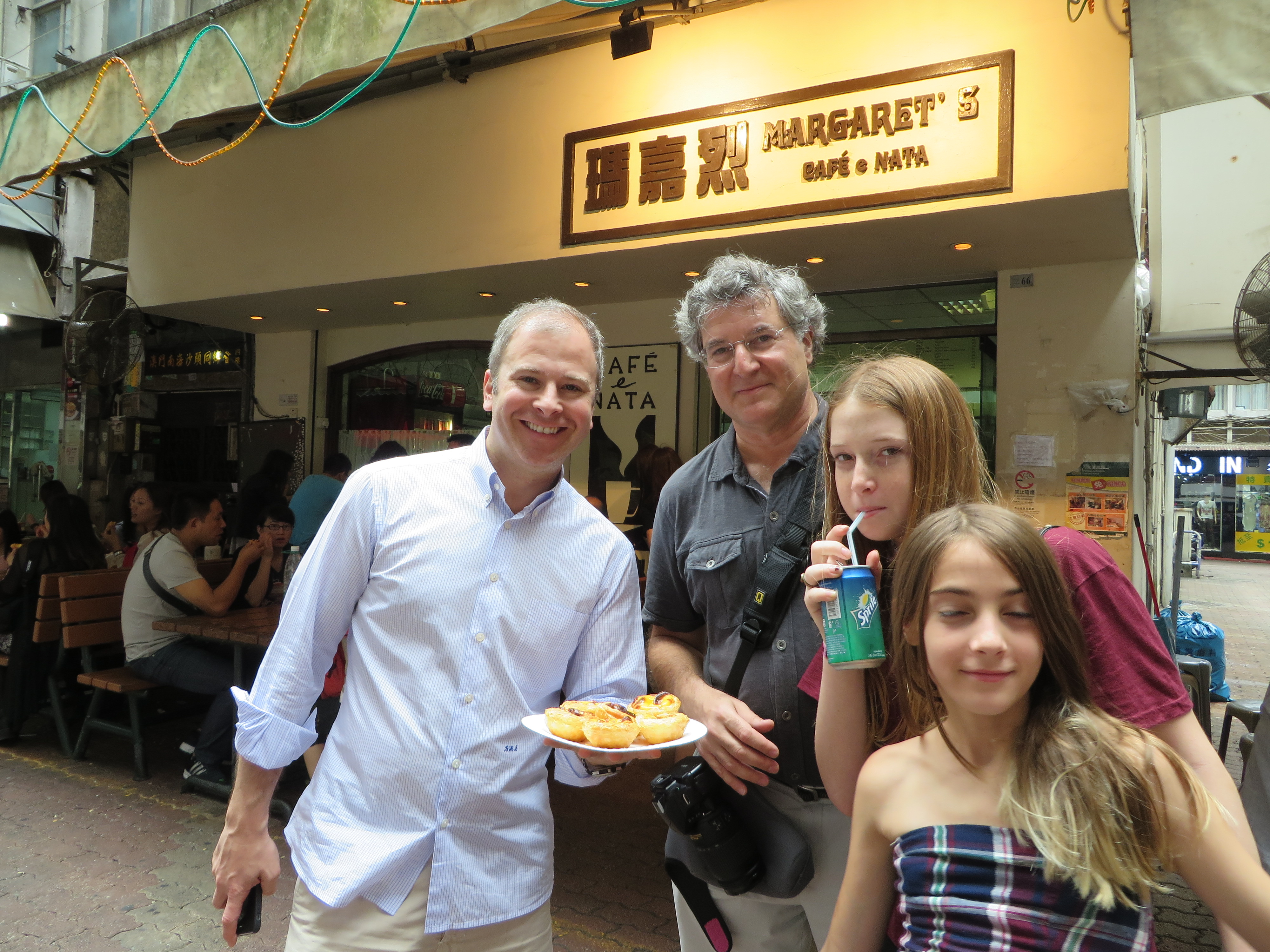
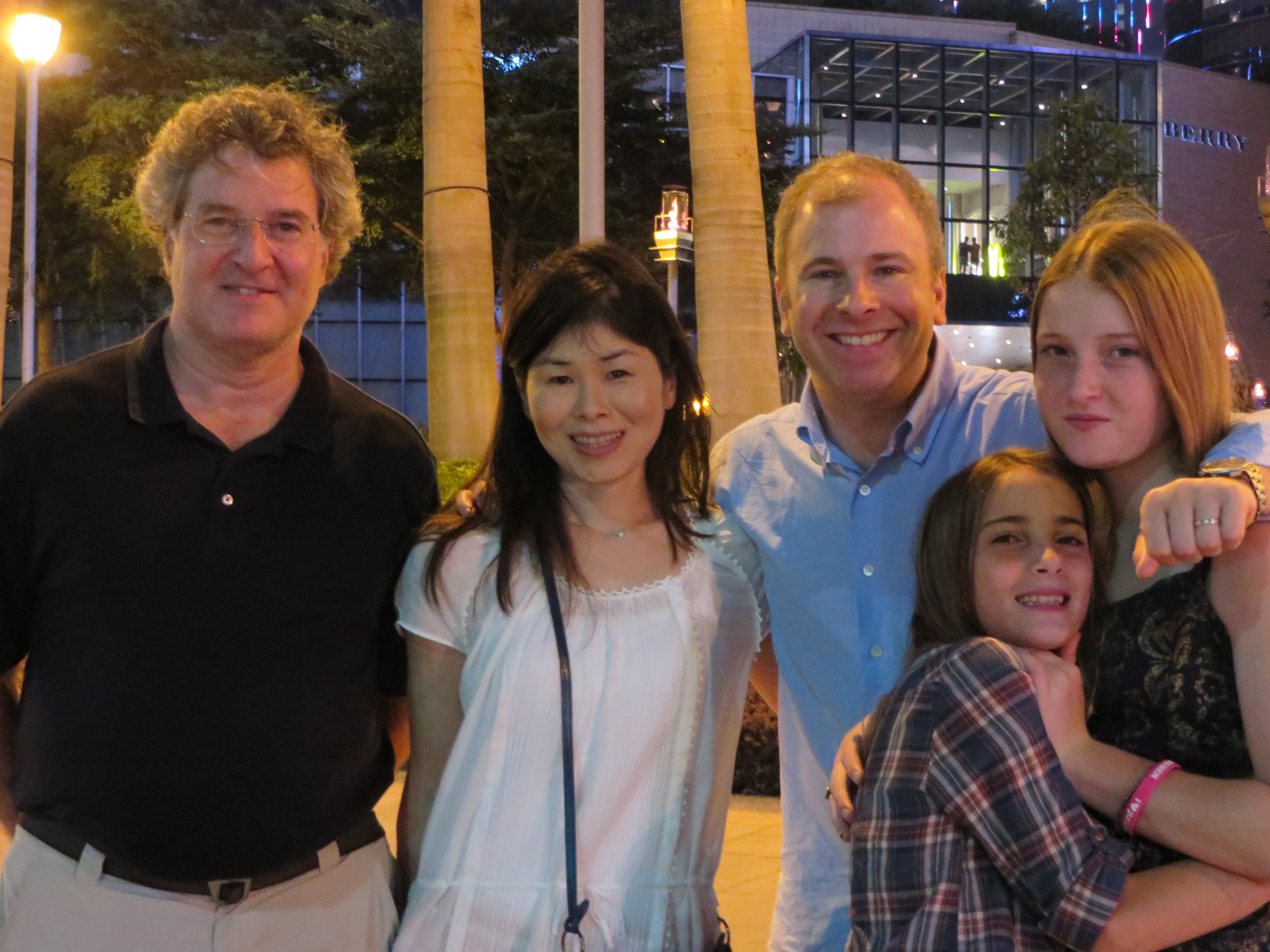
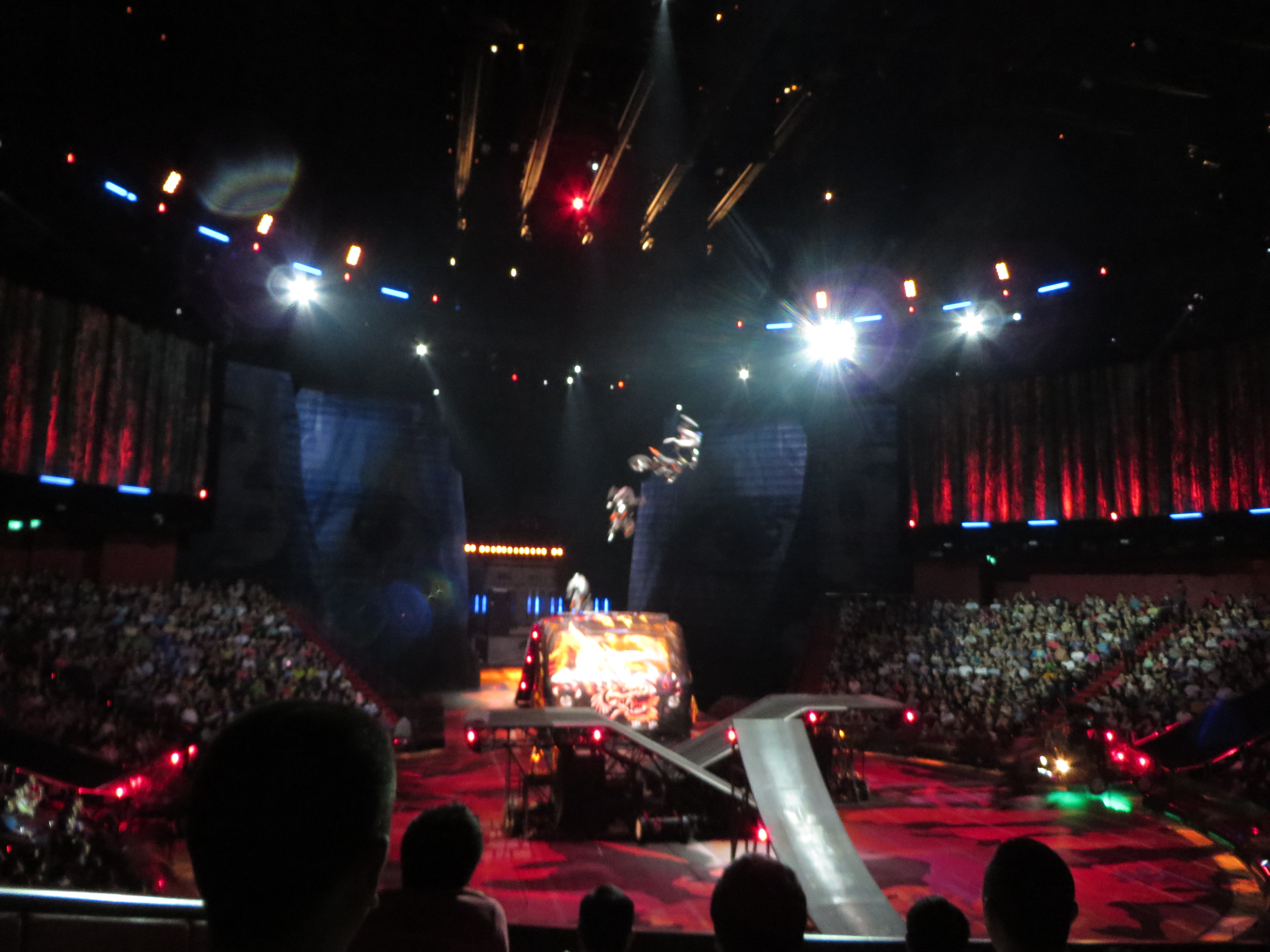
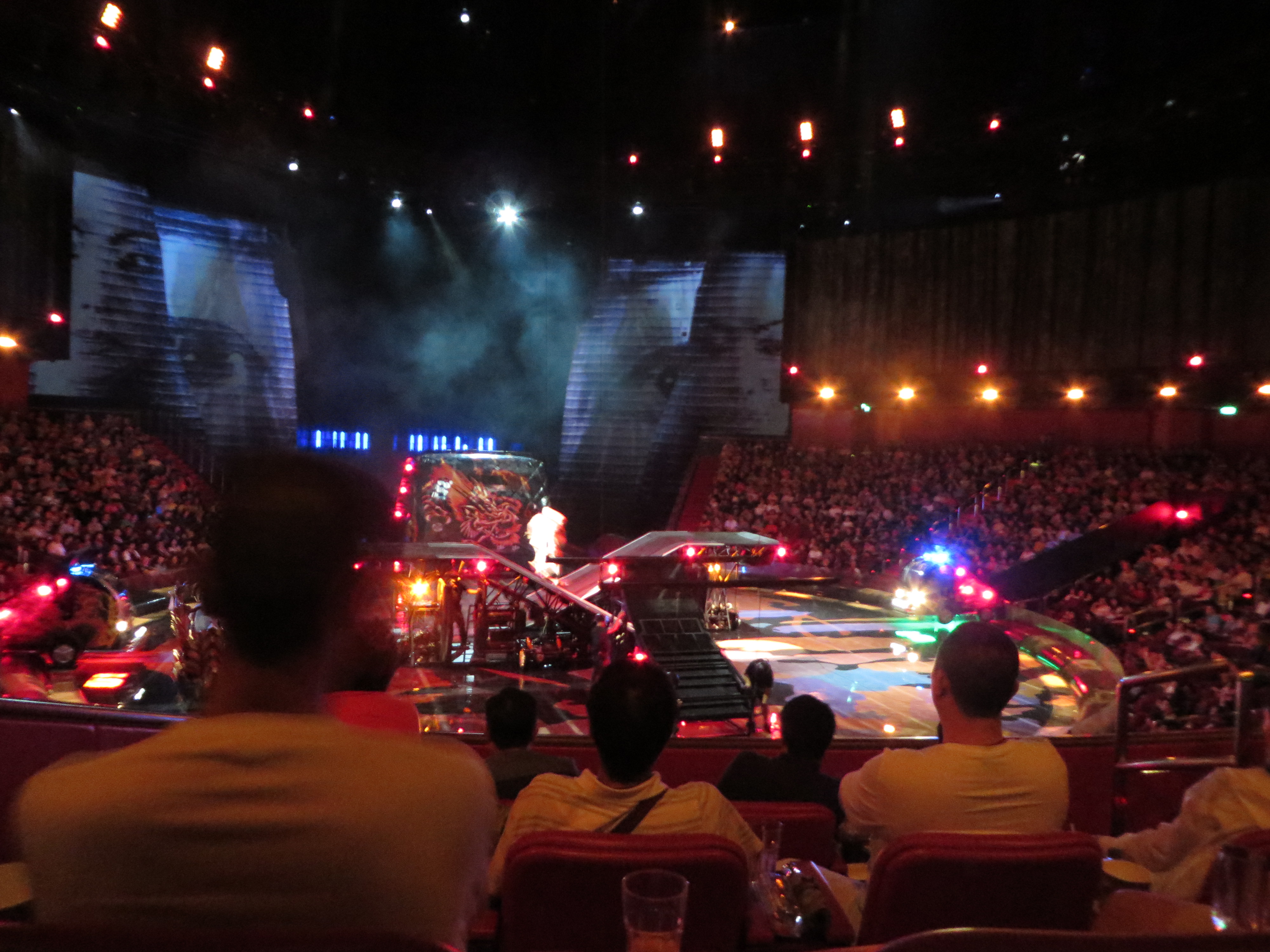
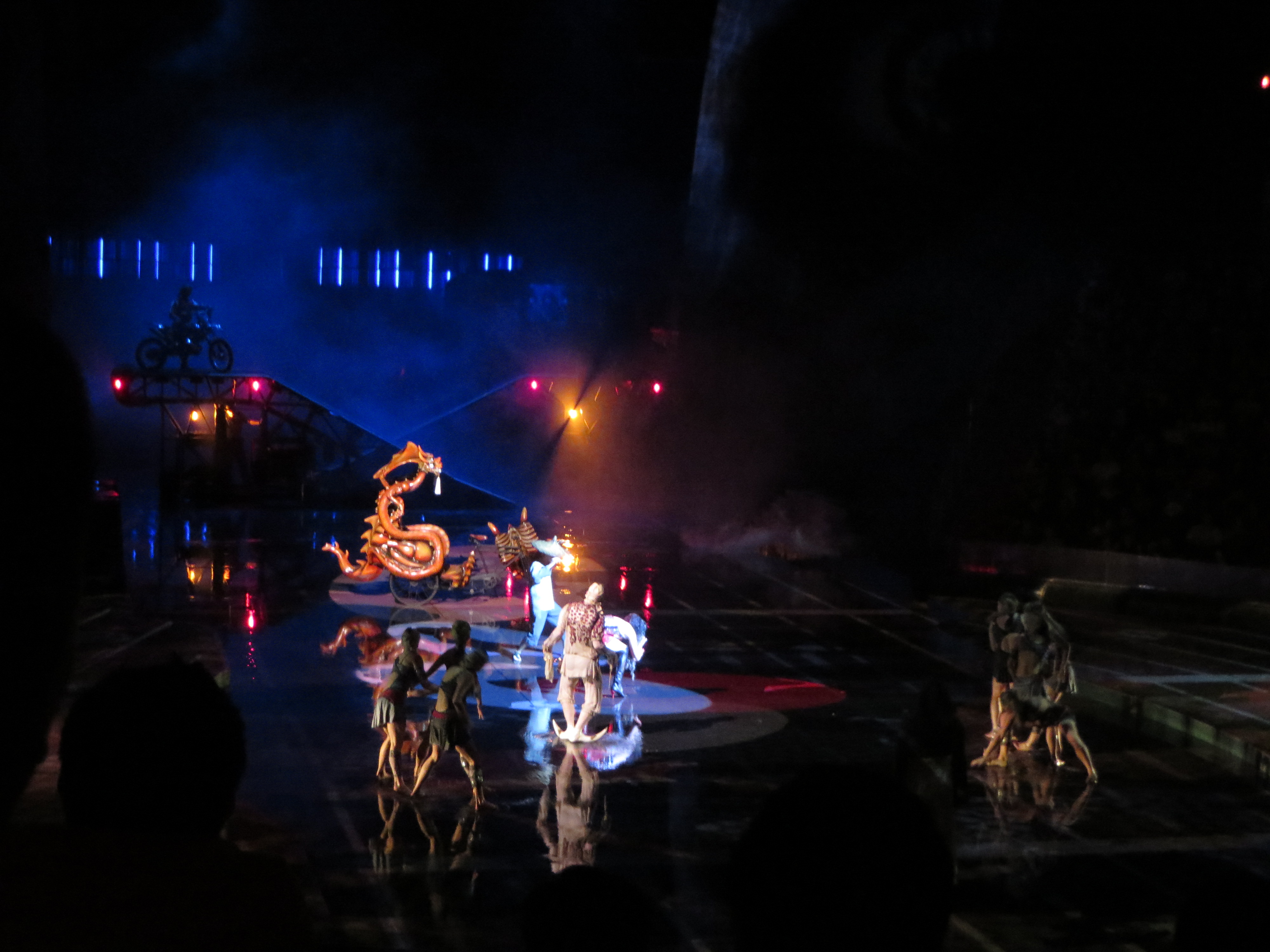
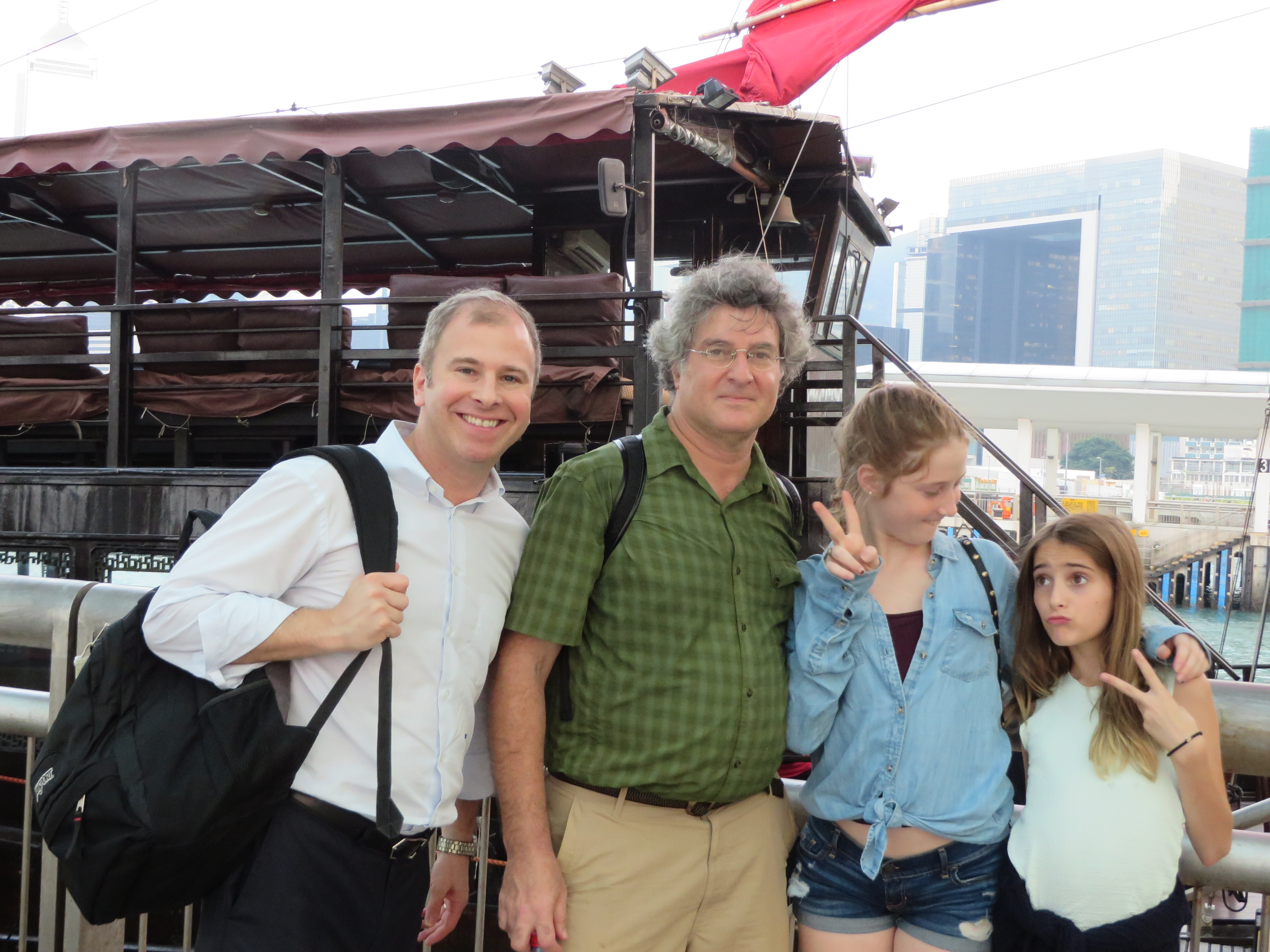
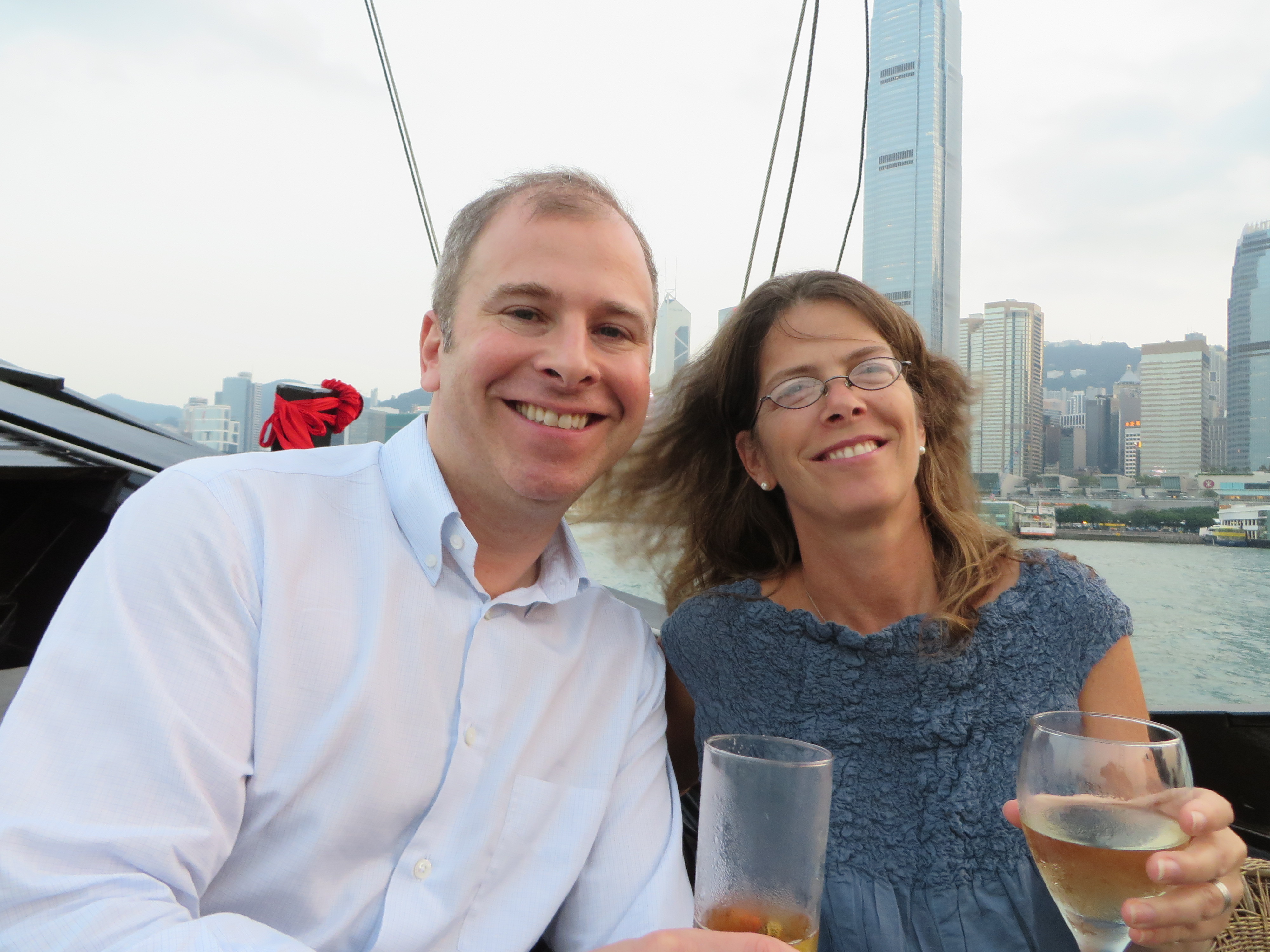
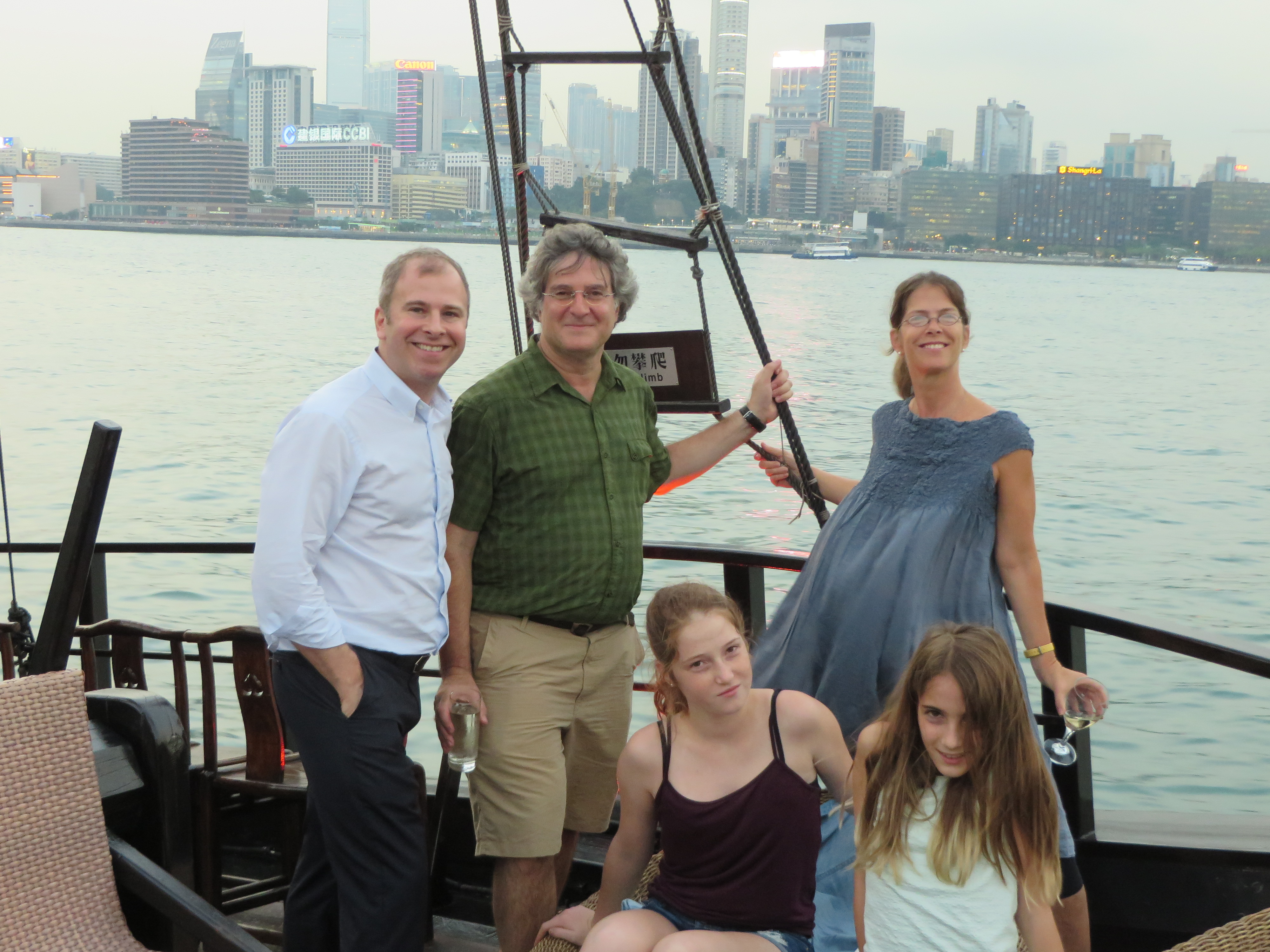
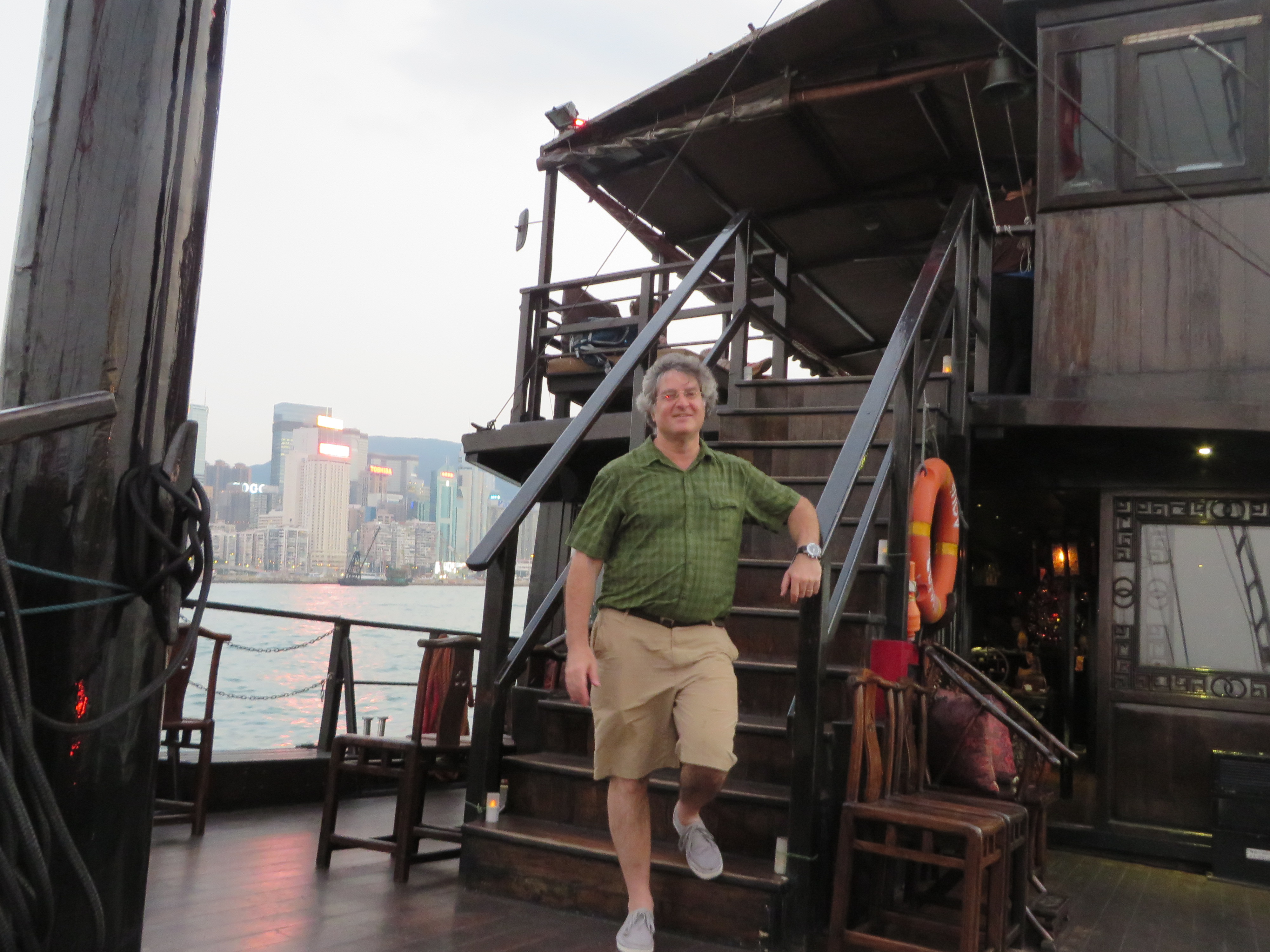
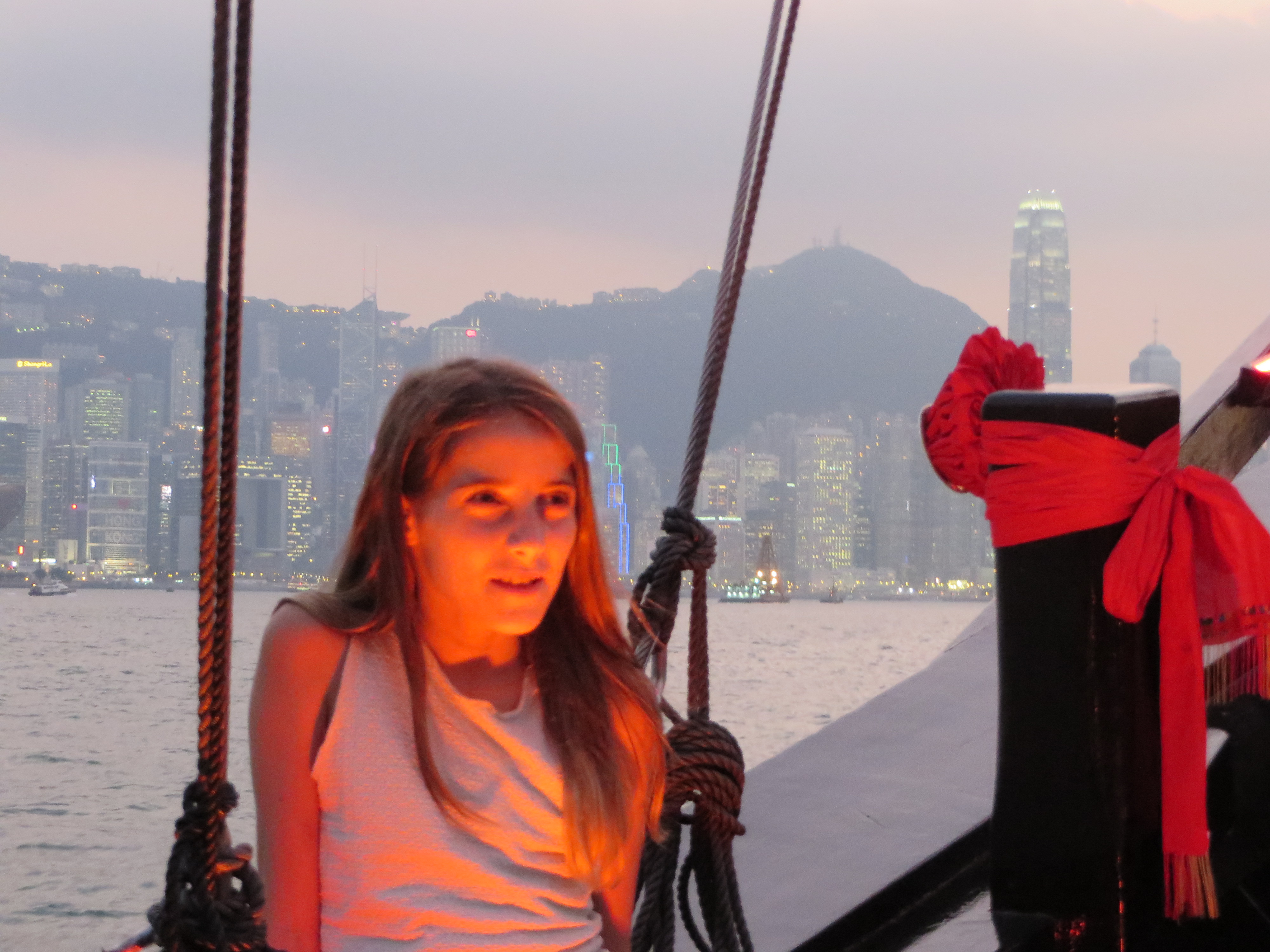
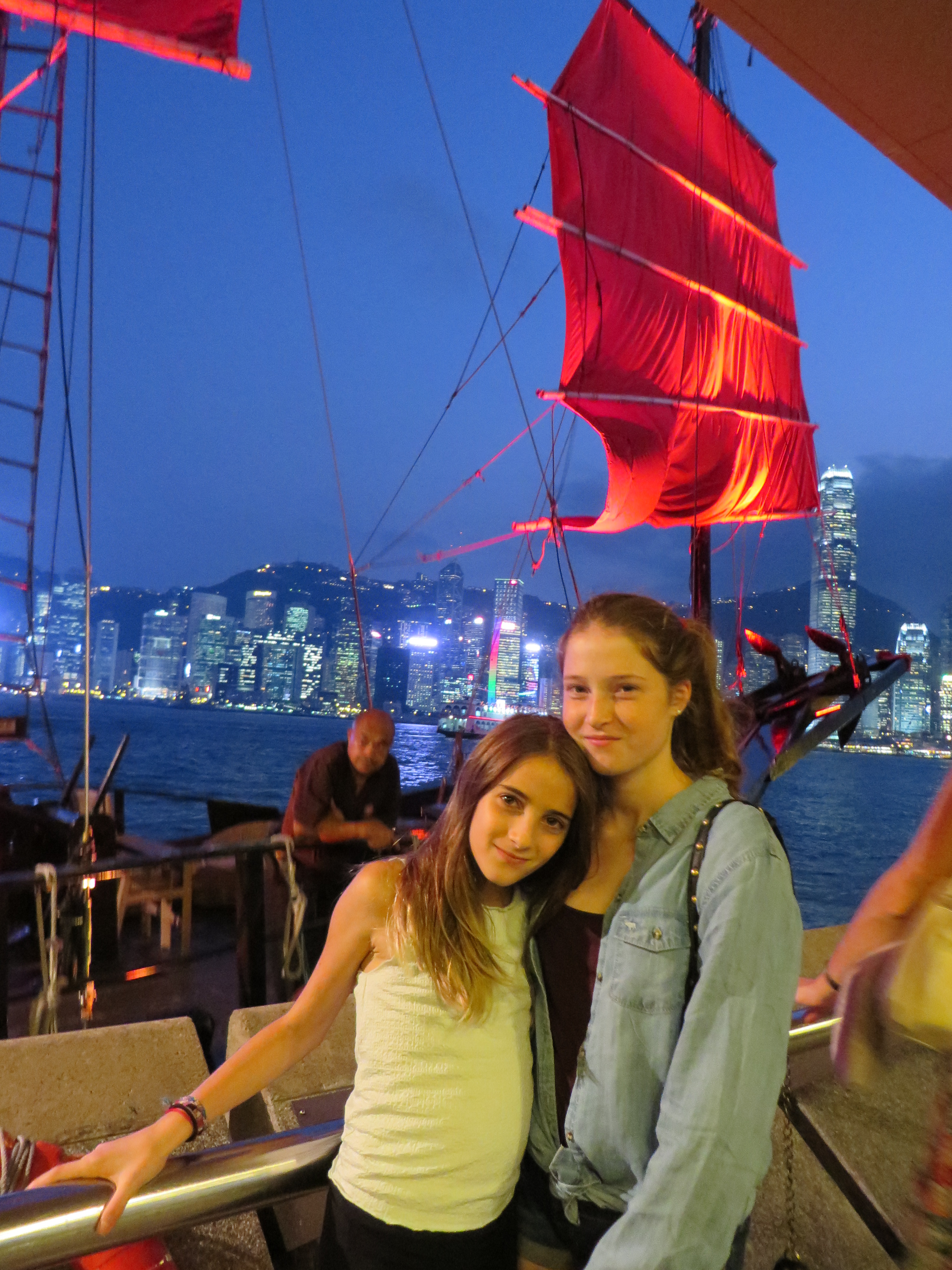
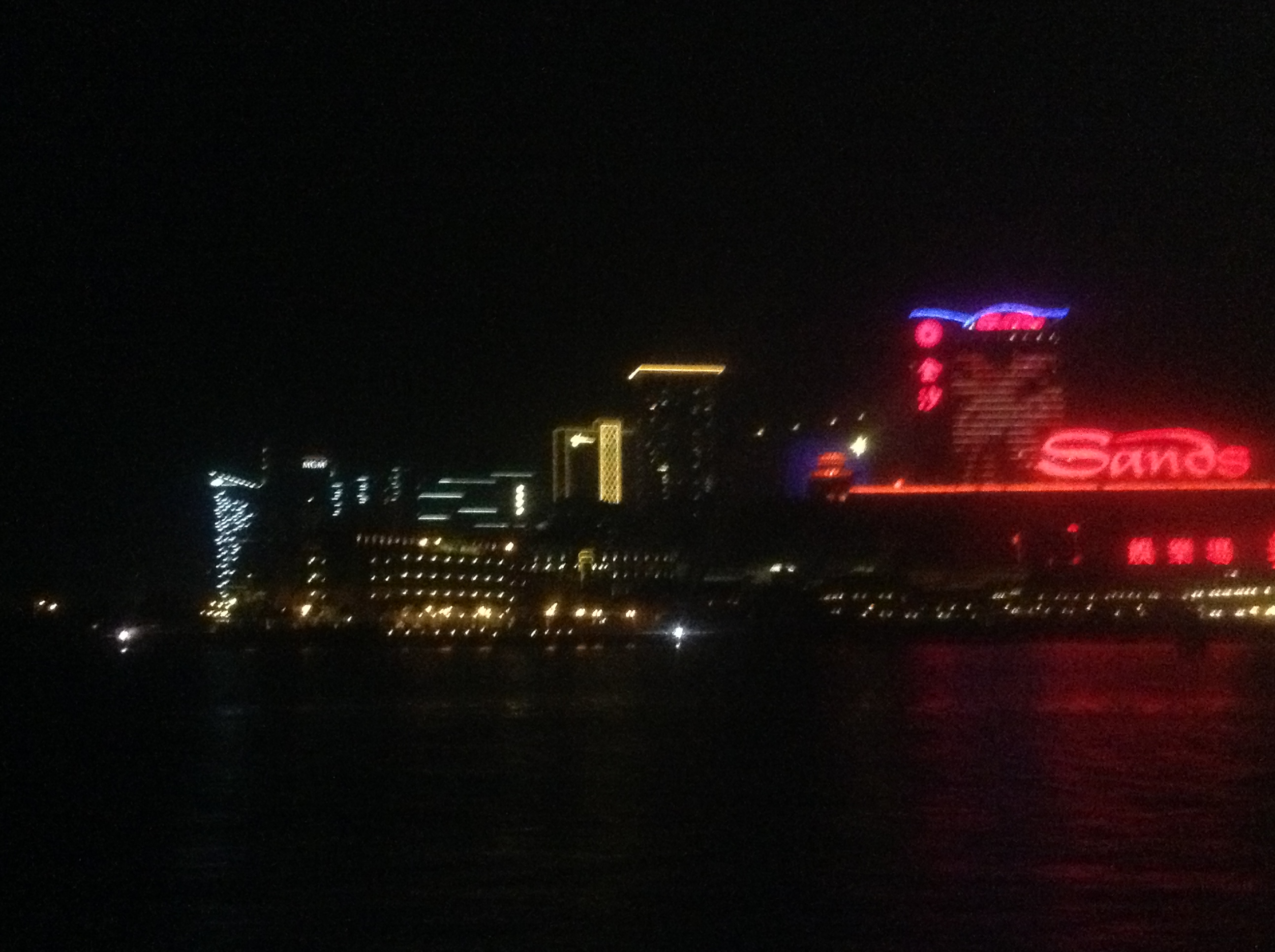
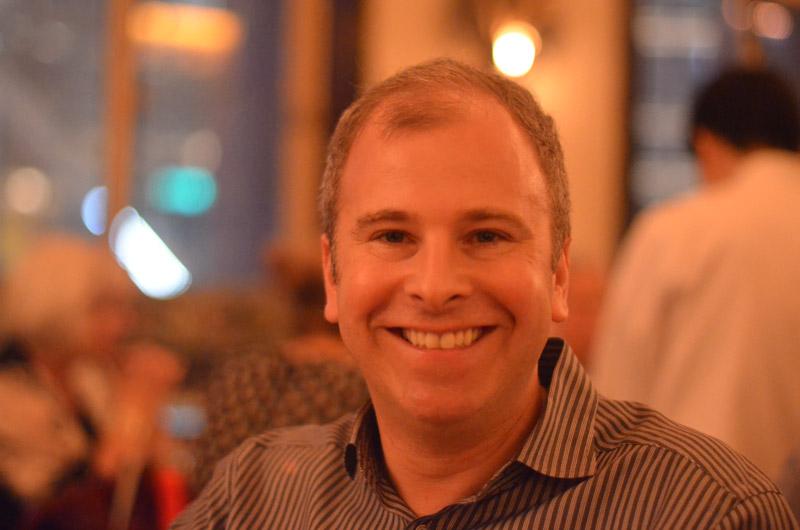
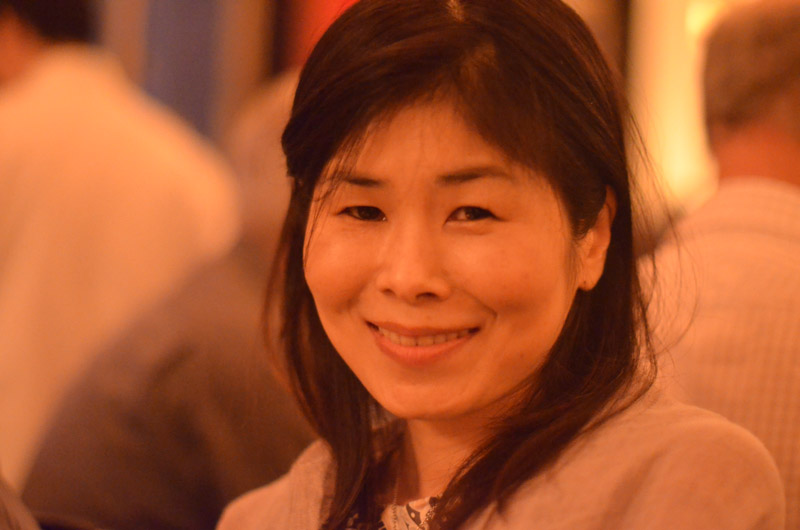
We, on the other hand, are leaving Hong Kong today after a week of being entertained by our friends Brad and Ryuko. Each day we would explore HK, hiking on the Peak, exploring gardens, doing homework, getting haircuts, etc. and then we would meet up at night for an adventure of some sort and to share the best food the city has to offer – most of it sourced and privately flown in from farms in Japan, Italy, France and the USA. A list of places is at the end of the post. We went out on a Junk Boat at sunset, up to a rooftop to see the city in lights, and to a member’s only club with an enormous Asian Art collection and ferried over to Macau to see a cirque du soleil type water/performance and some of the most ridiculous architecture we’ve seen yet – the Grand Lisboa has more mirrored gold and chandeliers than Versailles but without the elegance of Louis Quatorze. Again, lots of fabulous food and fun.
It was a perfect way to end our stay in China: good friends, good food, good times. Time to board our flight for Hanoi!
Best Eats:
Tim’s Kitchen
8 1/2 Otto Mezzo
Din Tai Fung
China Club (member’s only)
Sevva (go for drinks on rooftop)
Waygu
Wing Lei (Macau)
Risto Italian (Macau)
Litoral (Macau)
Featured Photo:



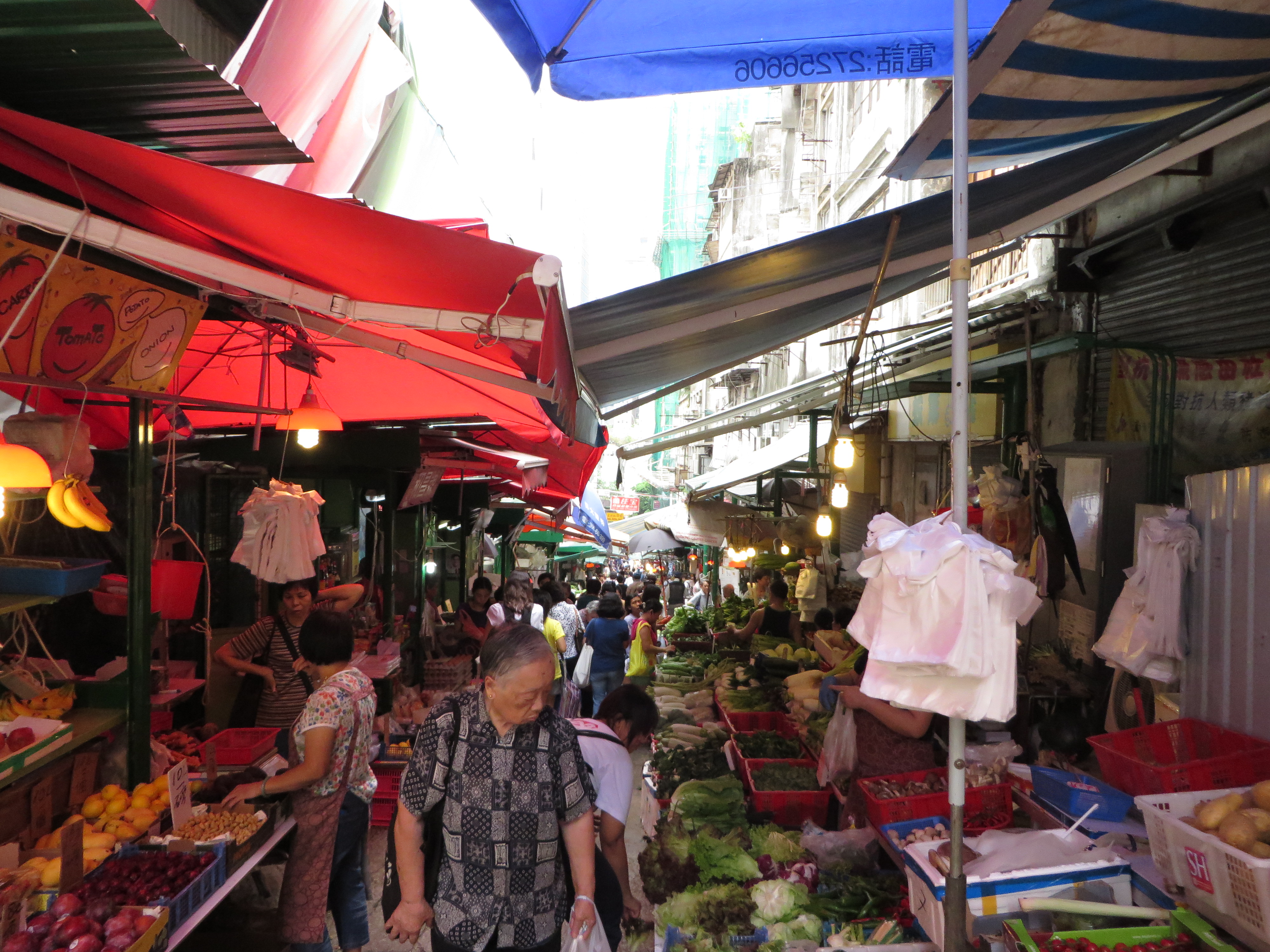
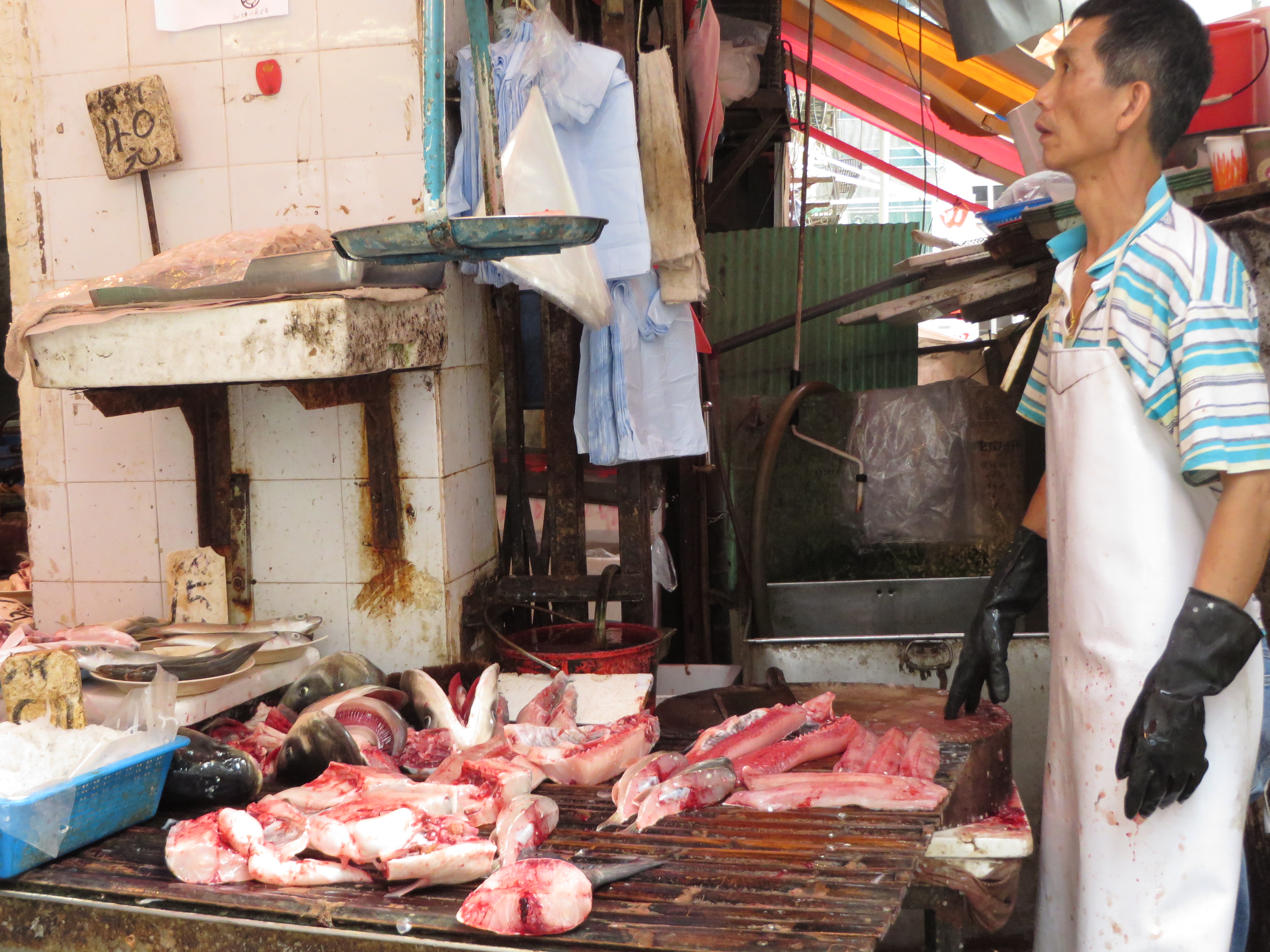


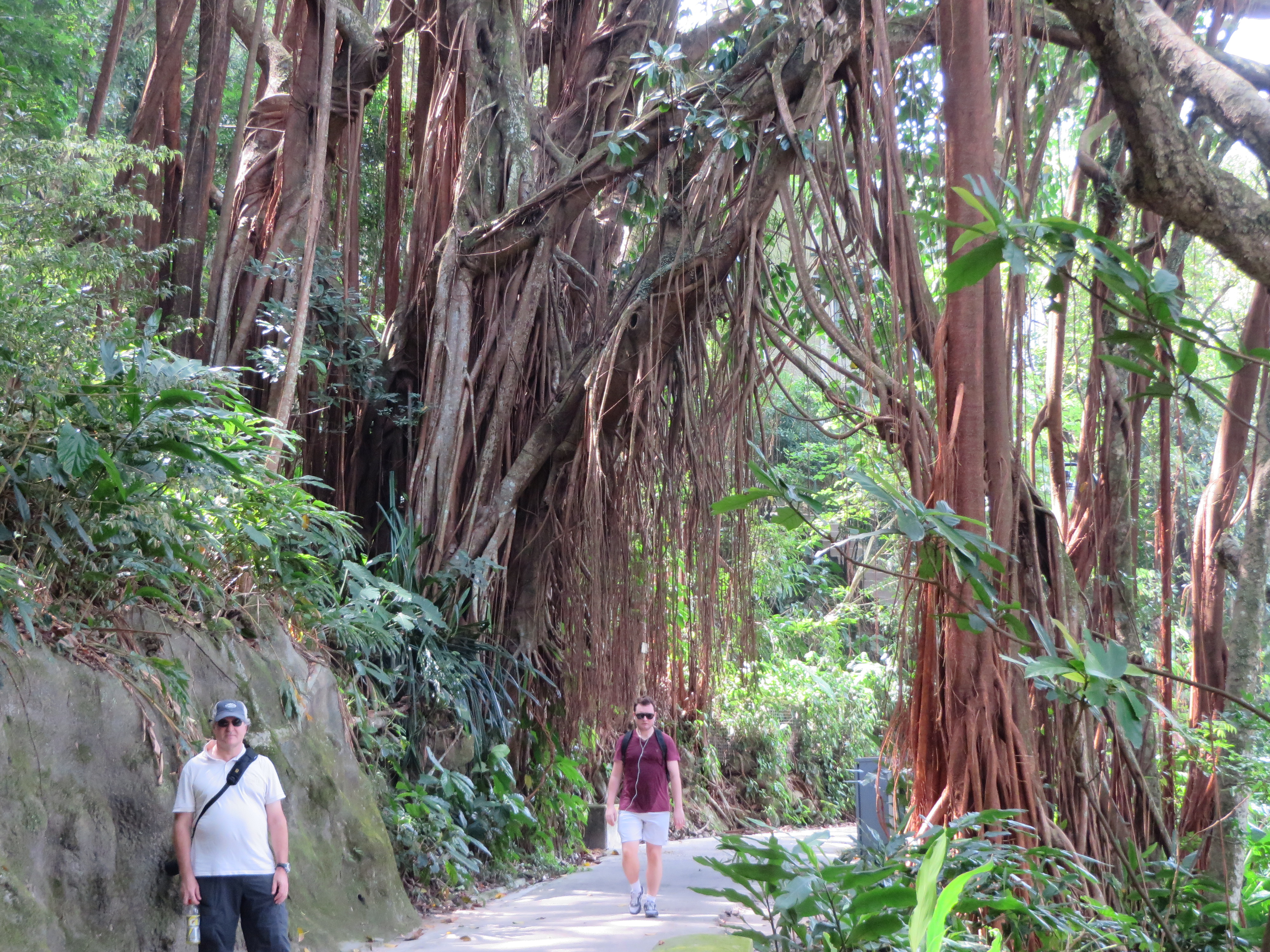

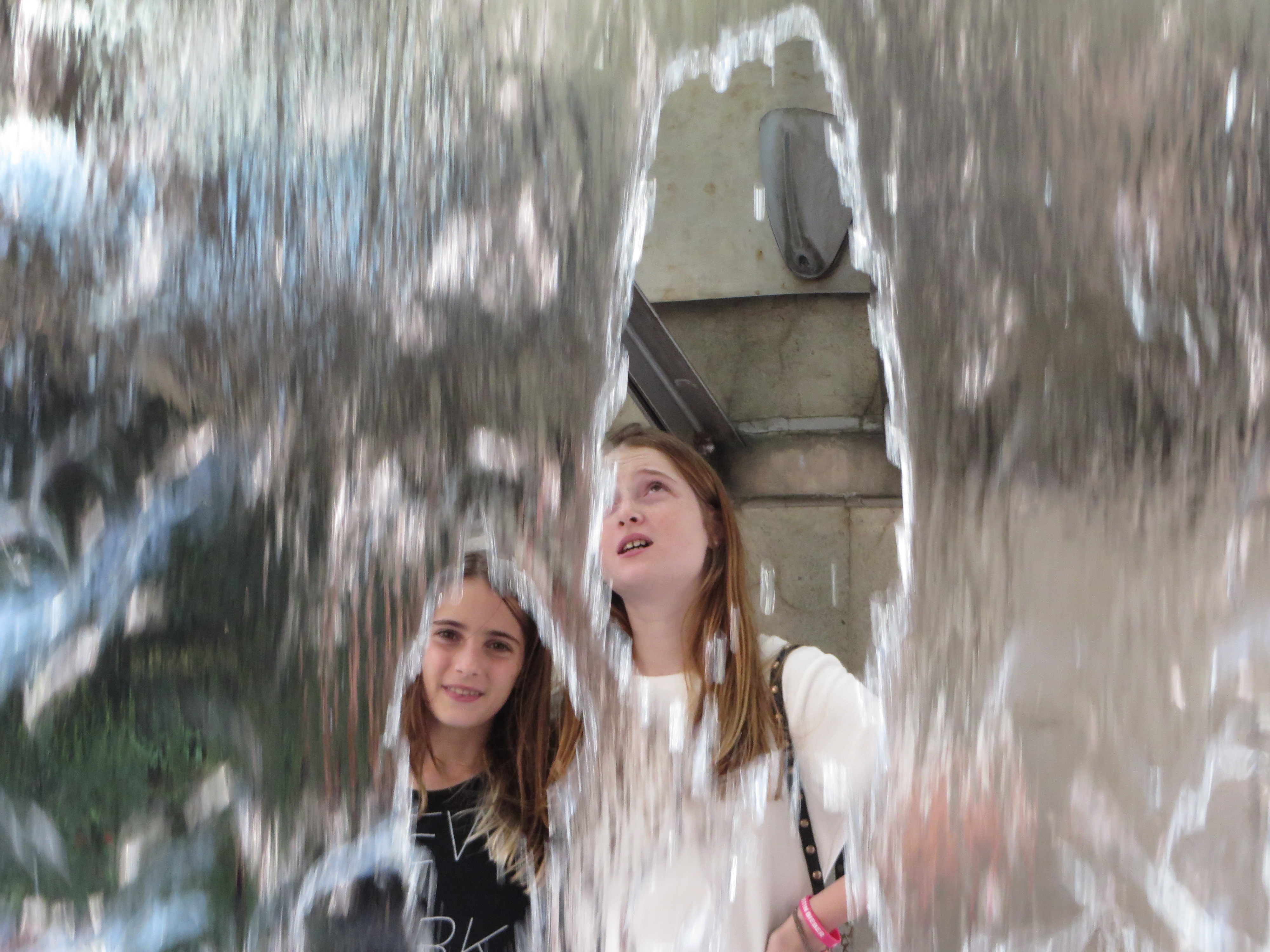
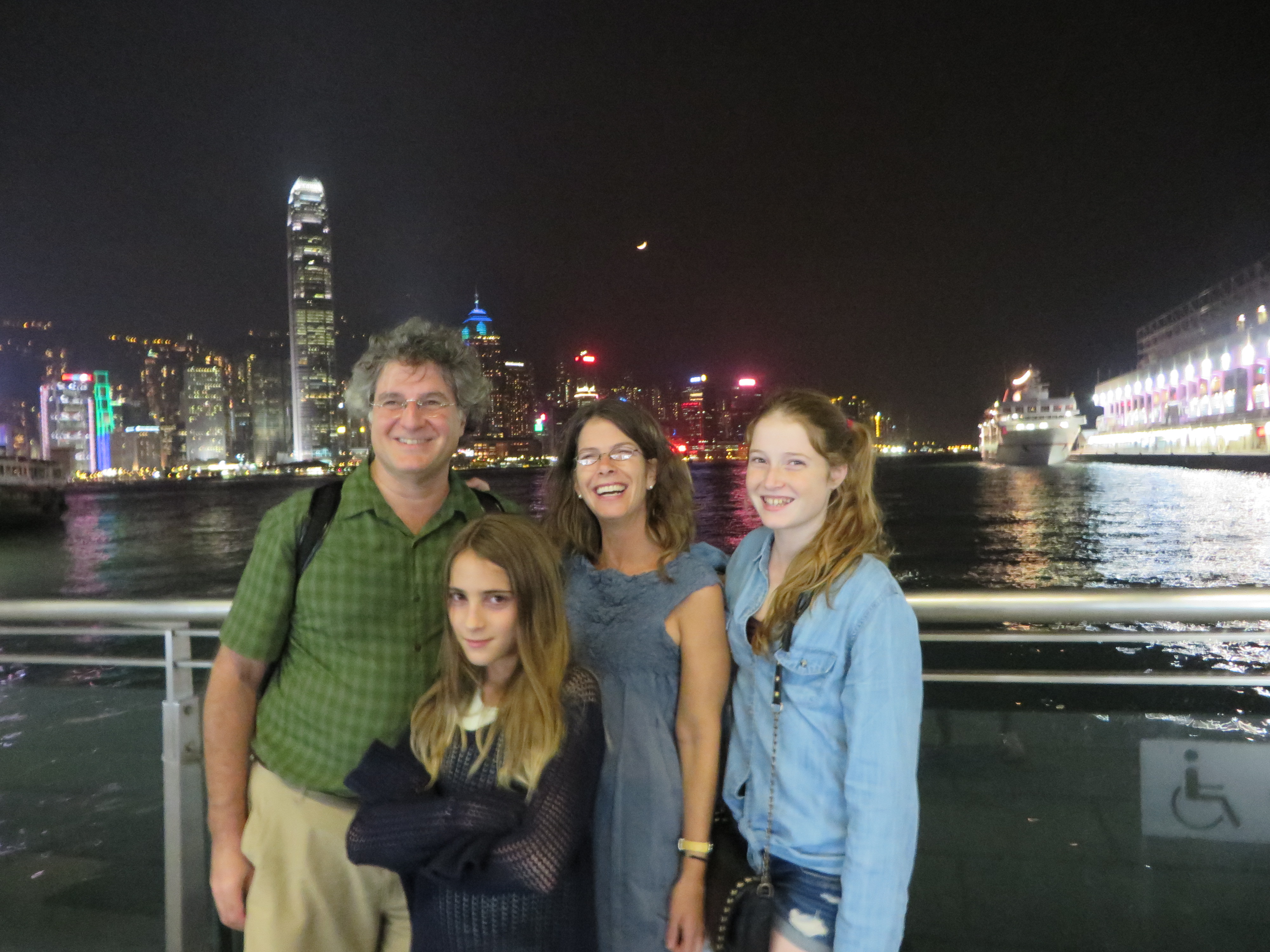
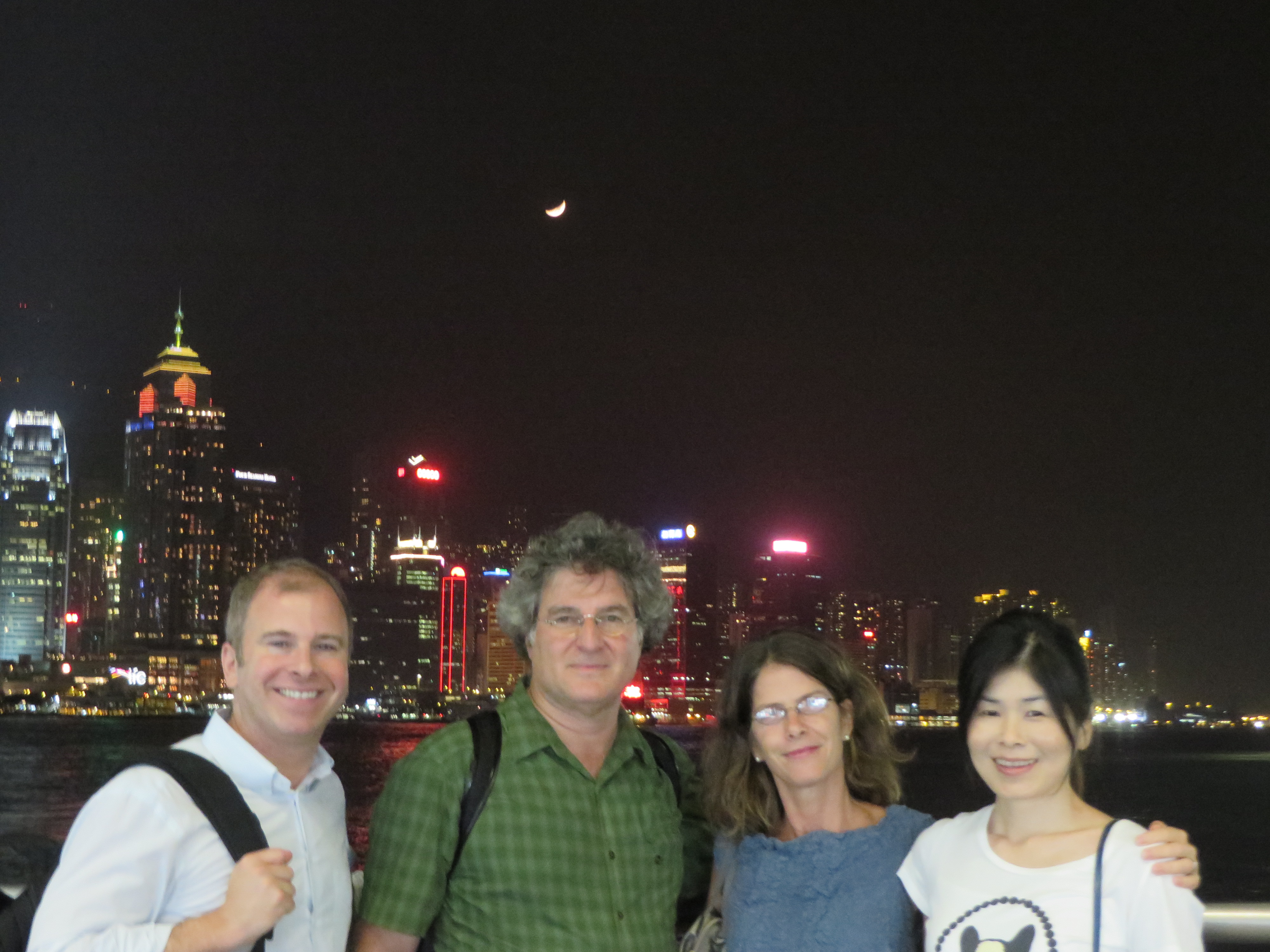
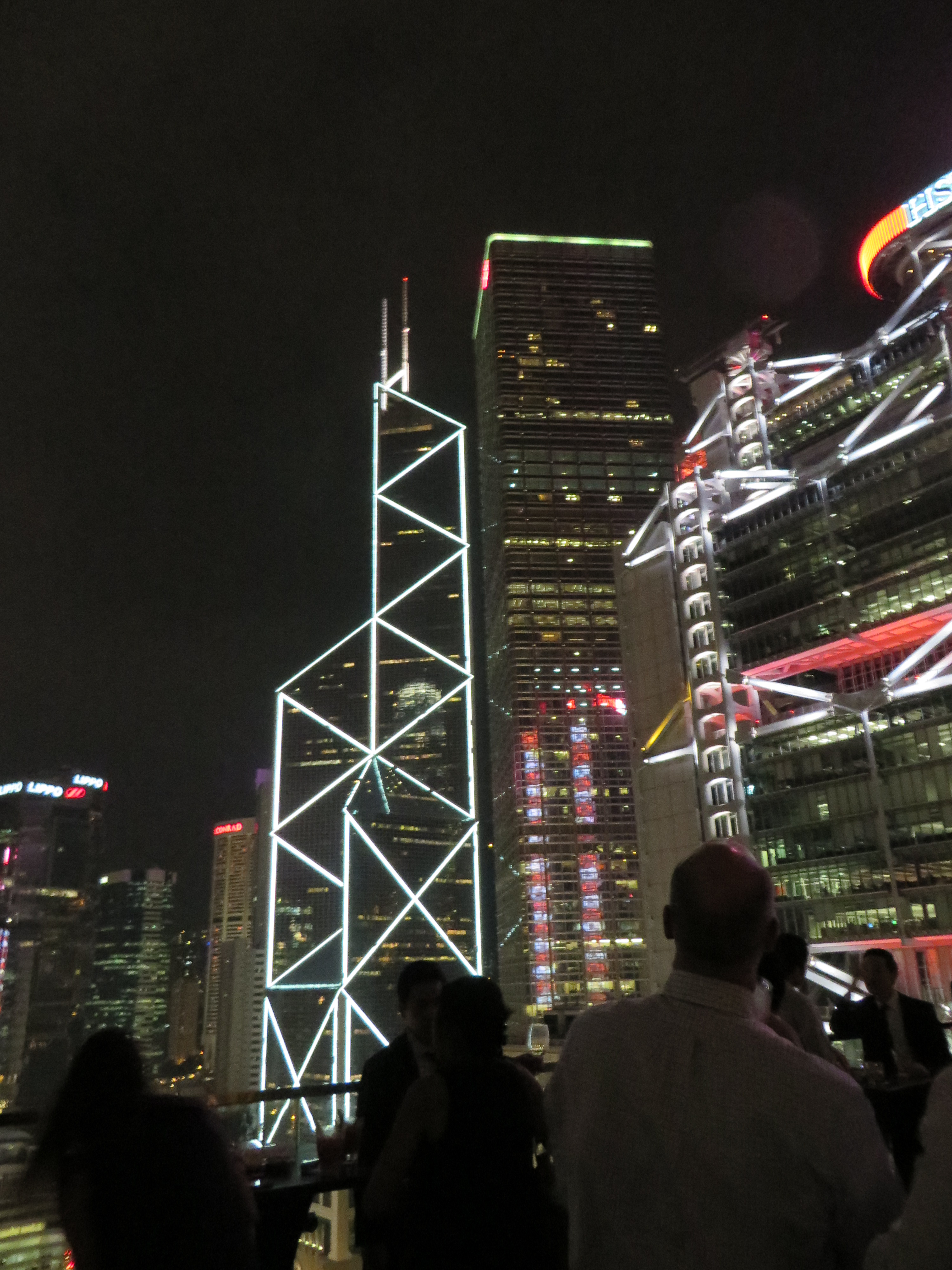
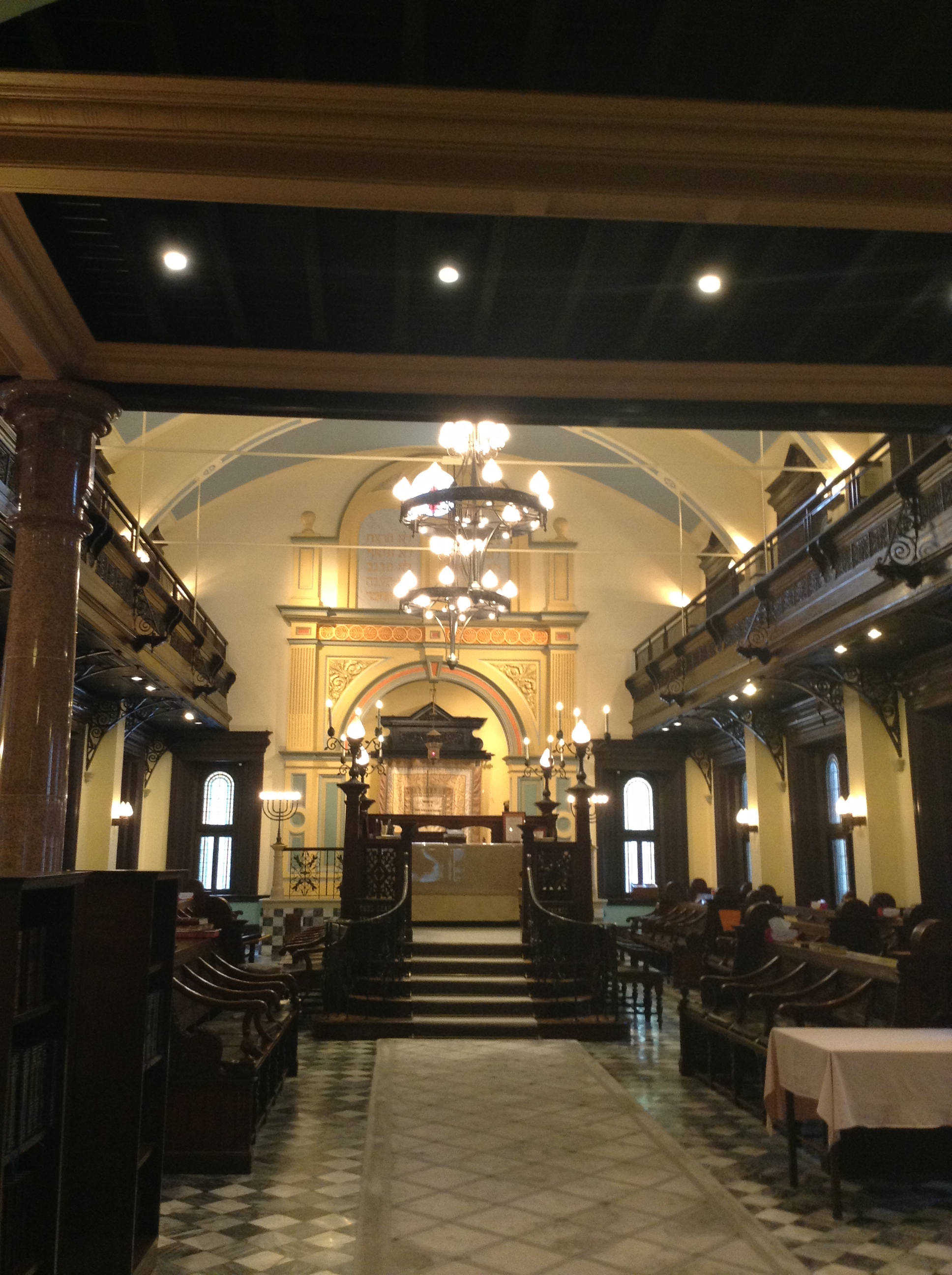





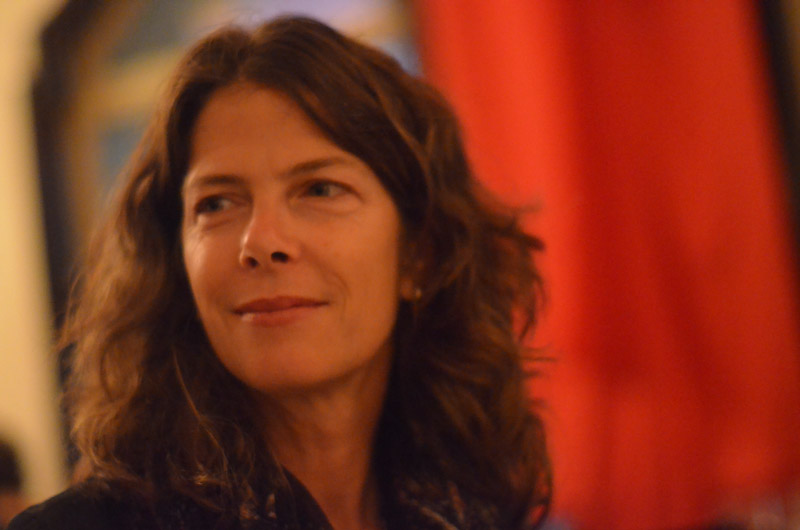

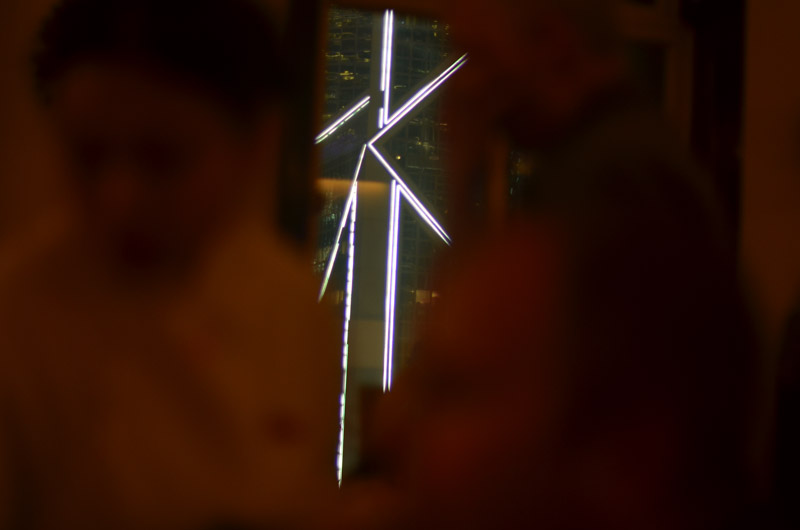
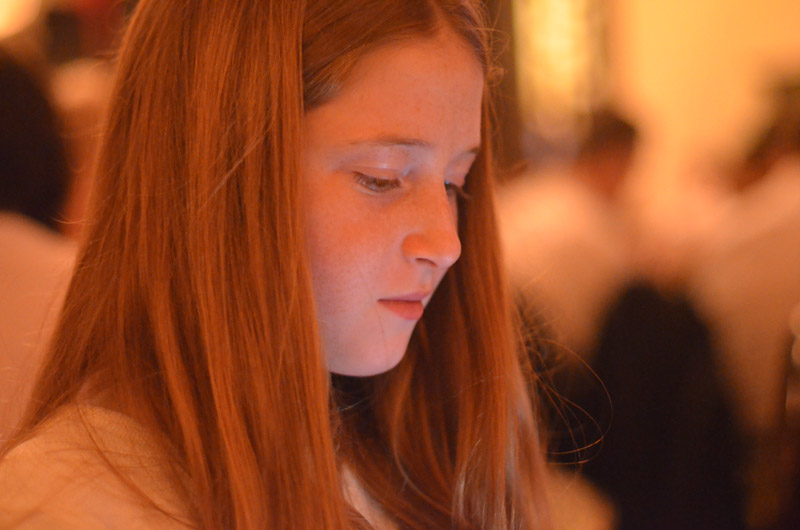


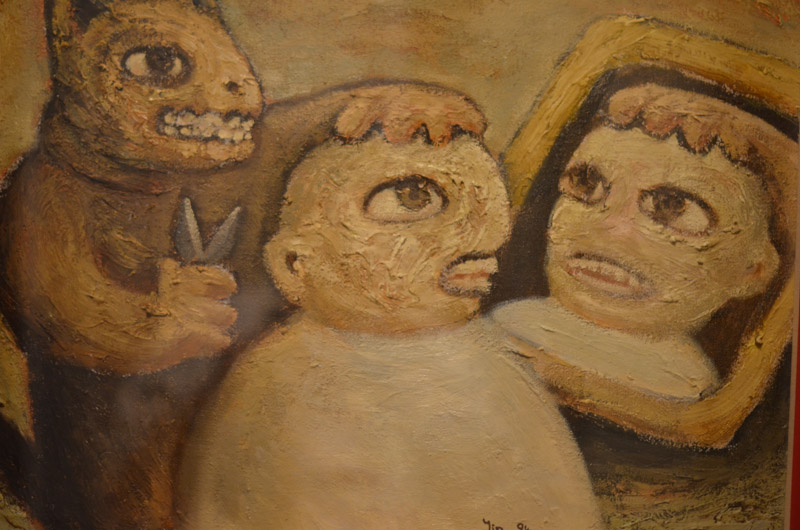
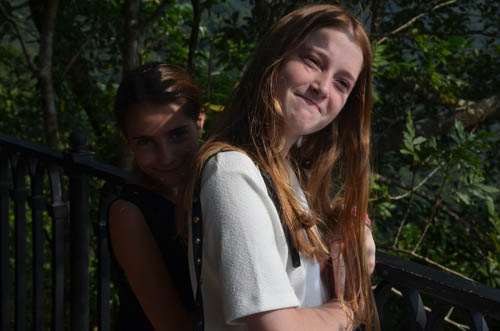
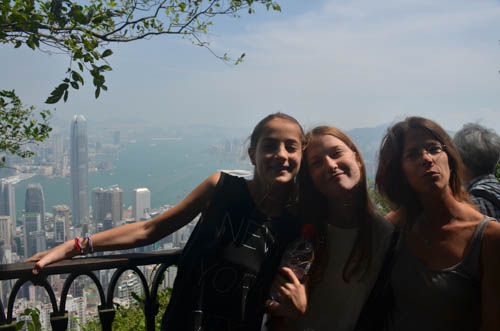
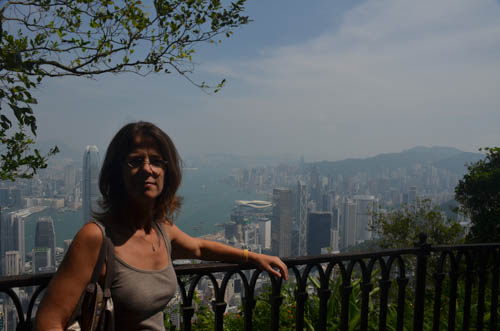


ISEE Testing in Hong Kong
The trip to the testing center was more of an adventure than we had hoped for.
Testing is scheduled for 9am we were targeting to get there by 8:30.
Our plan was to leave at 7:30 and take a taxi. If that didn’t work we would take the subway, which might take about an hour.
We left the apartment at 7:45, running a bit late, but still with plenty of time for an anticipated half hour taxi ride.
After a few minutes we flagged down a taxi, we realized that we needed to look for the red “for hire” sign. We got in the cab and handed him the name of the testing center and the map. In broken English he said he didn’t understand and couldn’t help us.
Panic begins to set in as we realize we don’t have directions in Chinese to give to the driver.
Fortunately a few minutes later a cab stops and an Asian woman gets out. We ask her to give directions to the taxi driver. She does, but he won’t go to Kowloon, because his shift is ending. She does write down the directions for us in Chinese.
As it is now getting close to 8am we are really worried. We start walking toward the train station, but recognize that that would be futile. Happily within a few steps we get a taxi driver who understands the directions and agrees to take us.
Through much traffic, a tunnel and my wifi not working so I can’t track our progress, we get to the testing center at 8:30. We make our way up to the fifth floor and find the testing room, which looks closed. After a more minutes of searching we find the real waiting room. I look on the board and the girls names are listed. What a relief.
It also turns out that the other students at the testing center are taking tests for financial mathematics and actuarial modeling. I feel like posting a job description.
A nice English speaking Asian man comes out from the office and asks if we are there for the ERB. He says we can start early and finish early. The girls go in and get started in a nice testing room. It has video surveillance of every single station.
Someone is probably reading this over my shoulder as I type.
–Andy

Shanghai Biebs and Squeeze
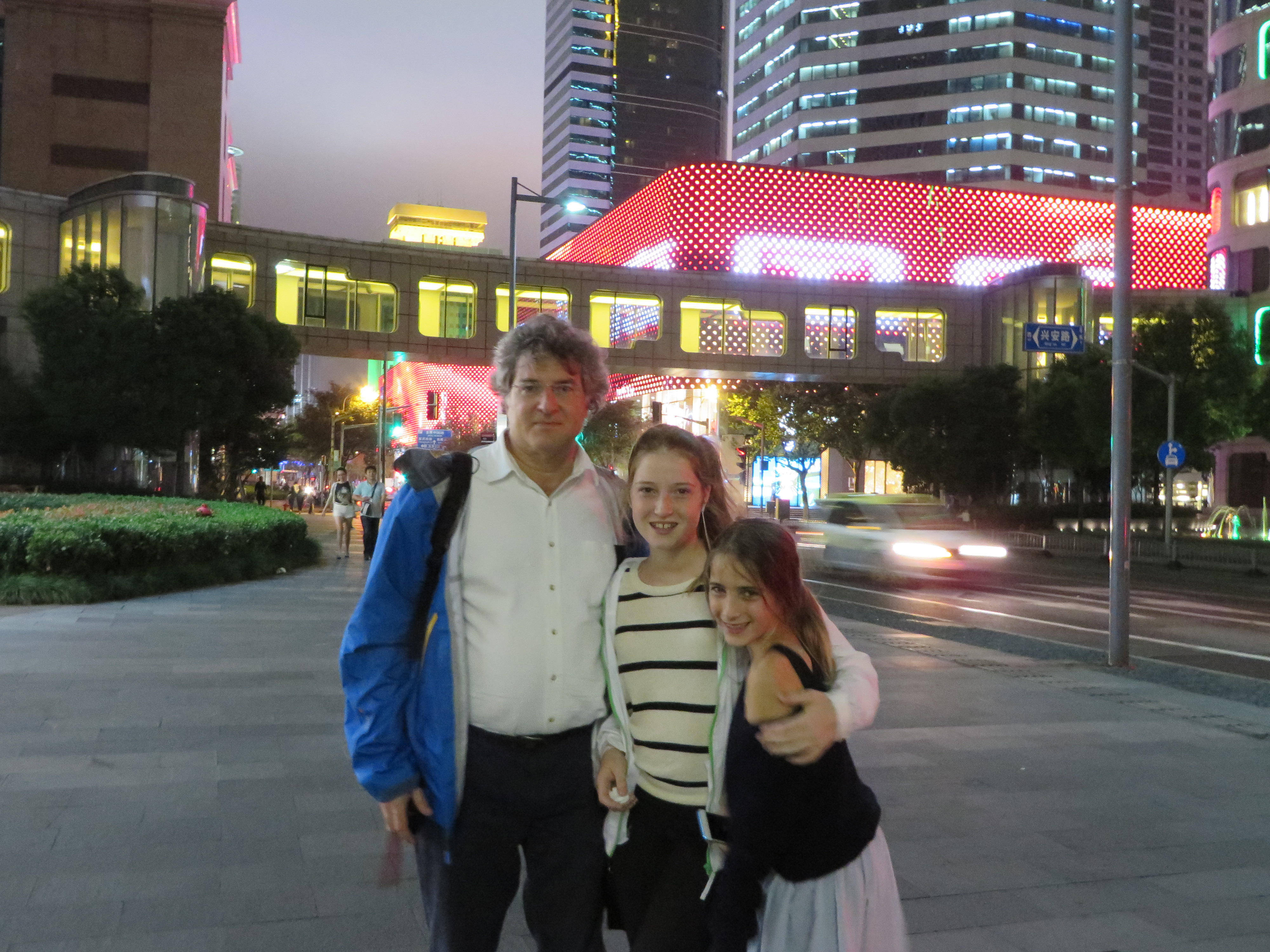
There is a sense of promise here in Shanghai.
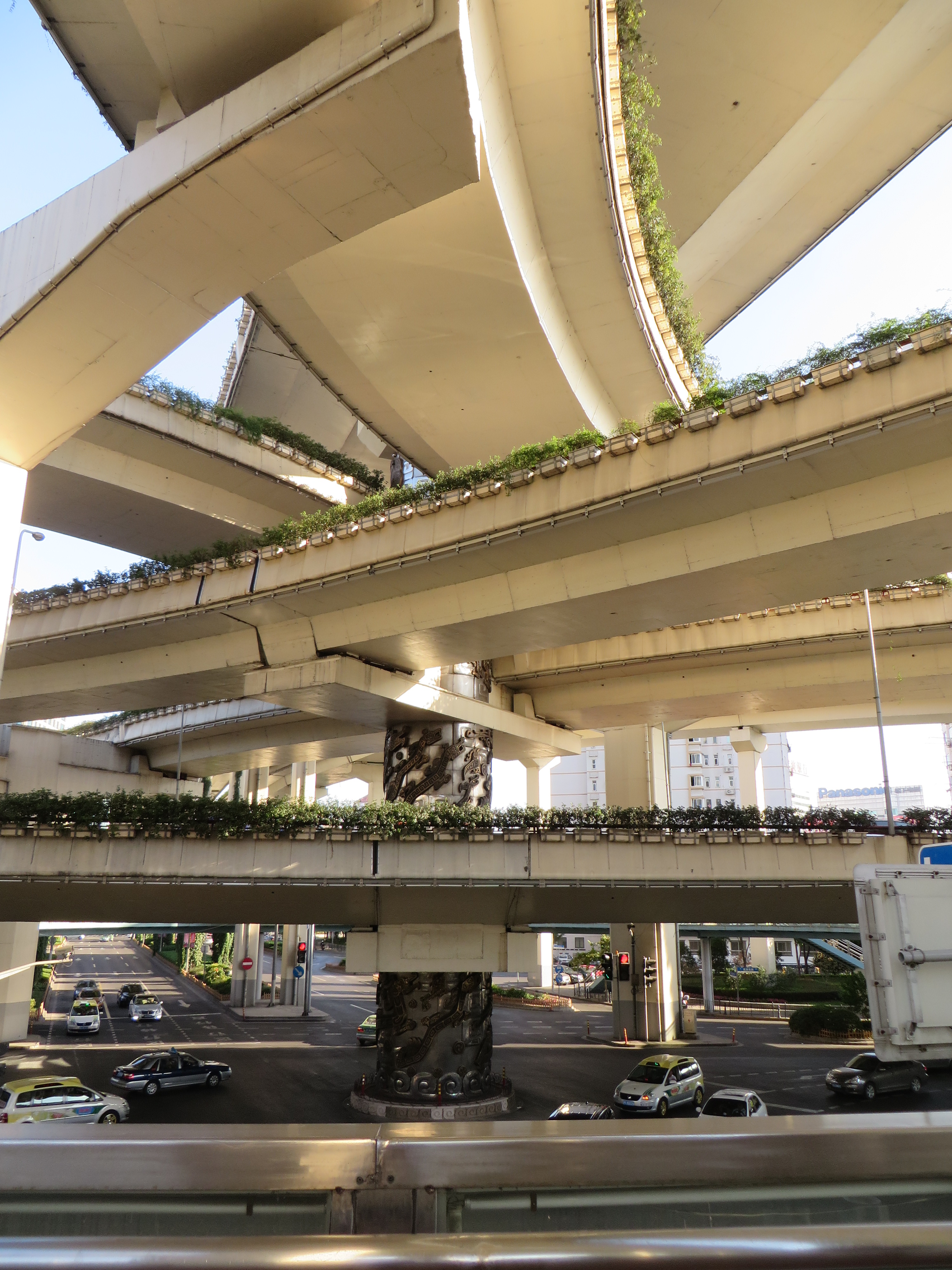
The city feels like a collection of villages; it’s distinct neighborhoods give it character and texture. Not sure I can really describe it. If I had to predict the next global epicenter then based on what I’ve seen so far, I would put money on Shanghai. Hong Kong is still the clearing house for financial transactions but it may well be Shanghai that comes out on top 10-15 years from now.
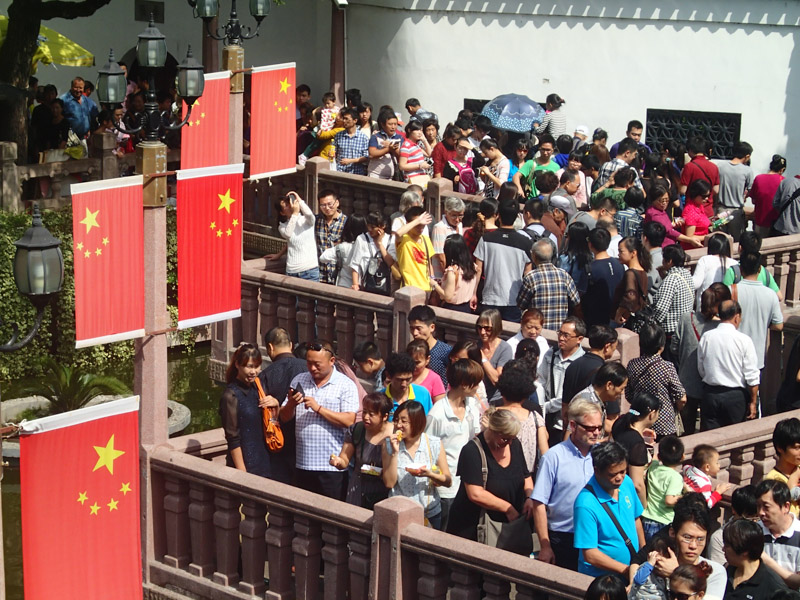
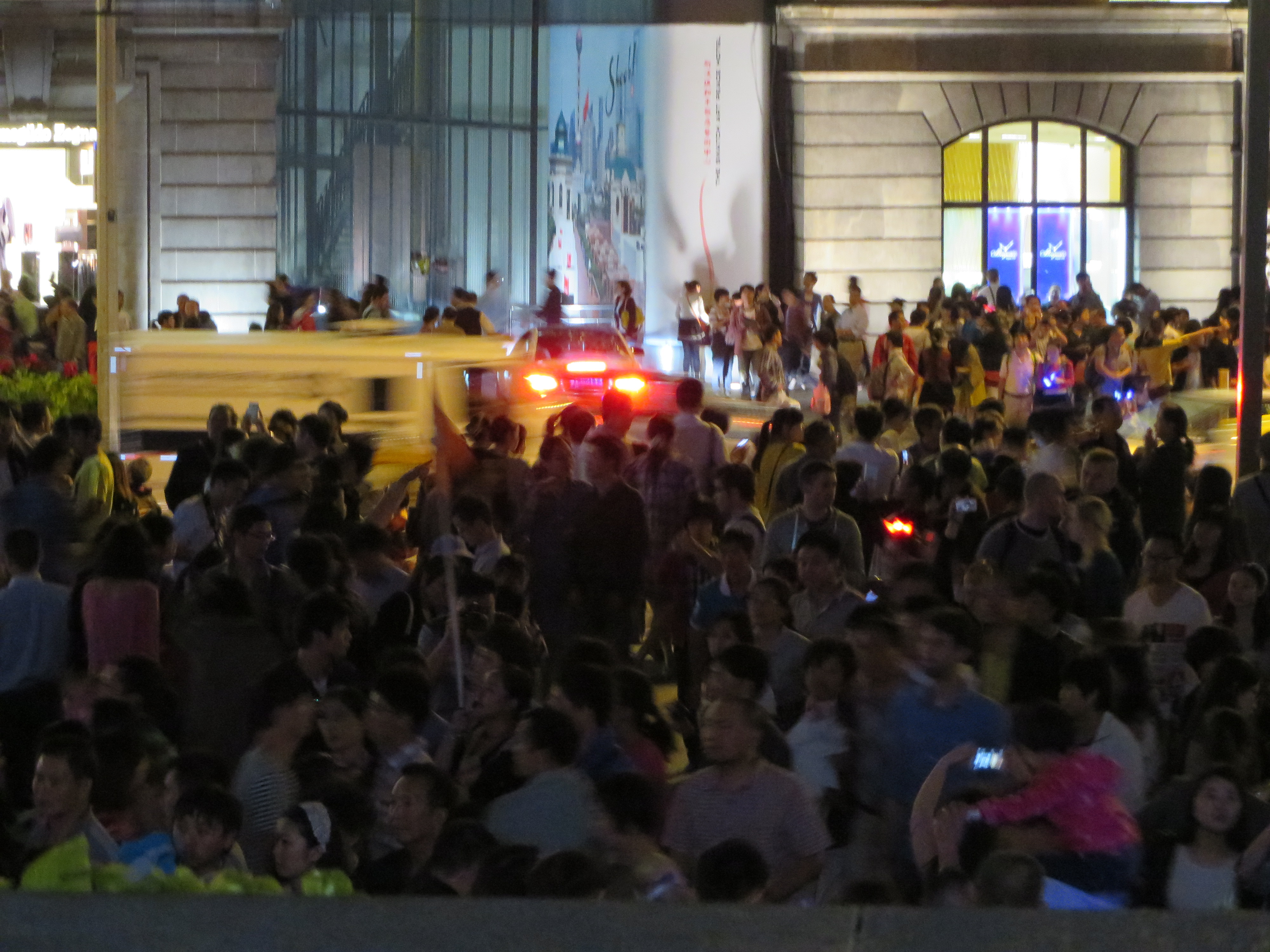
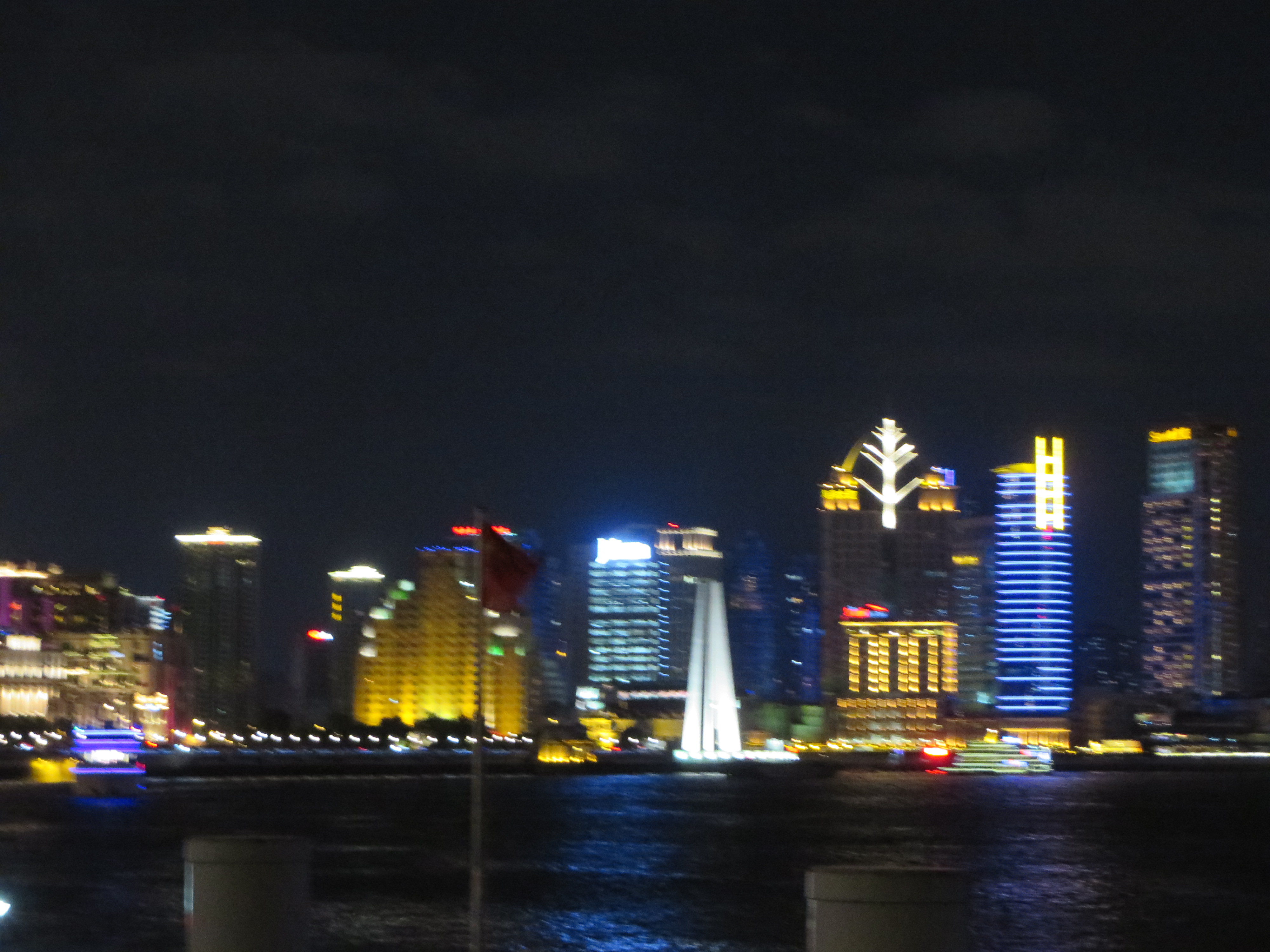
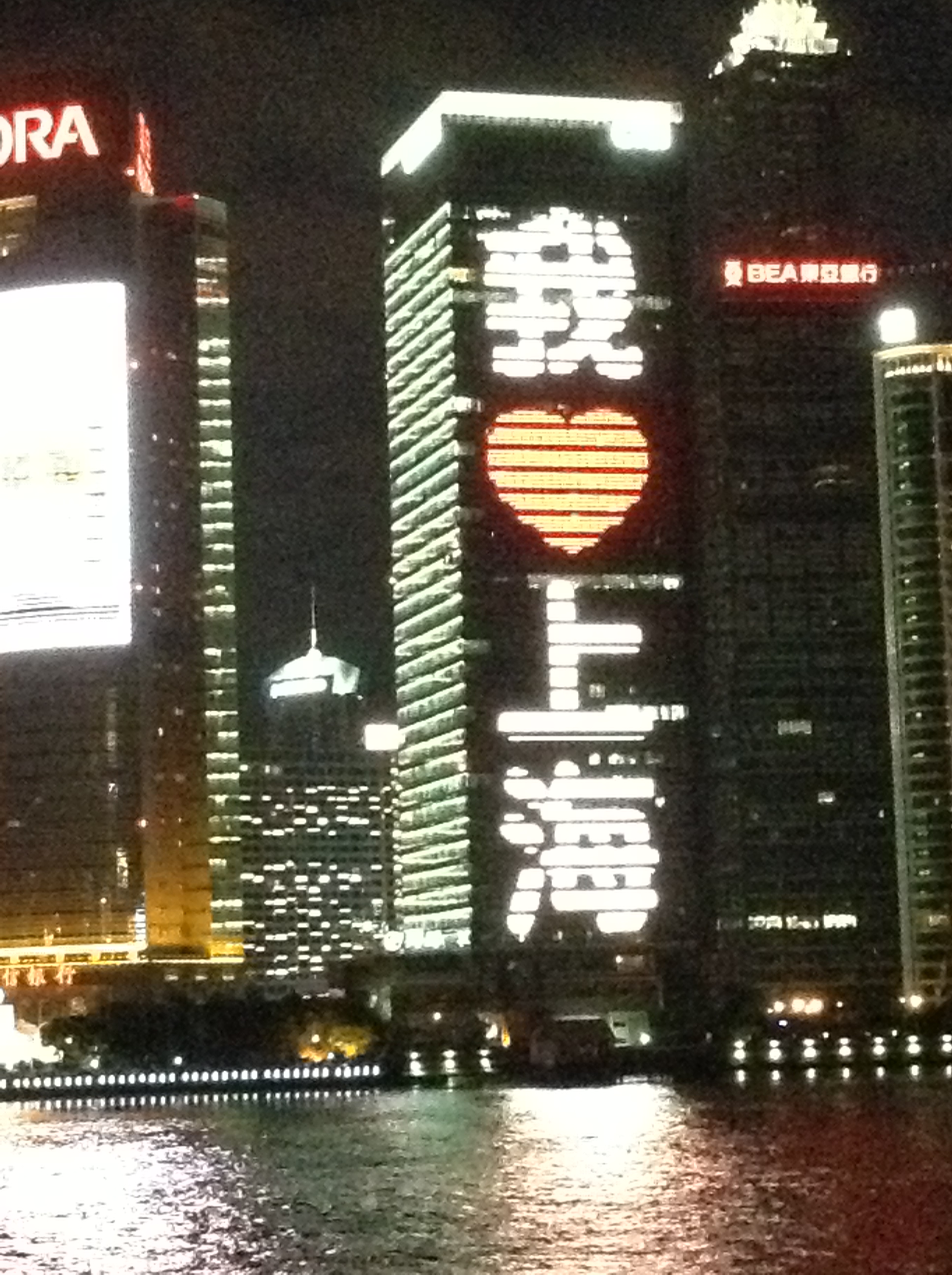
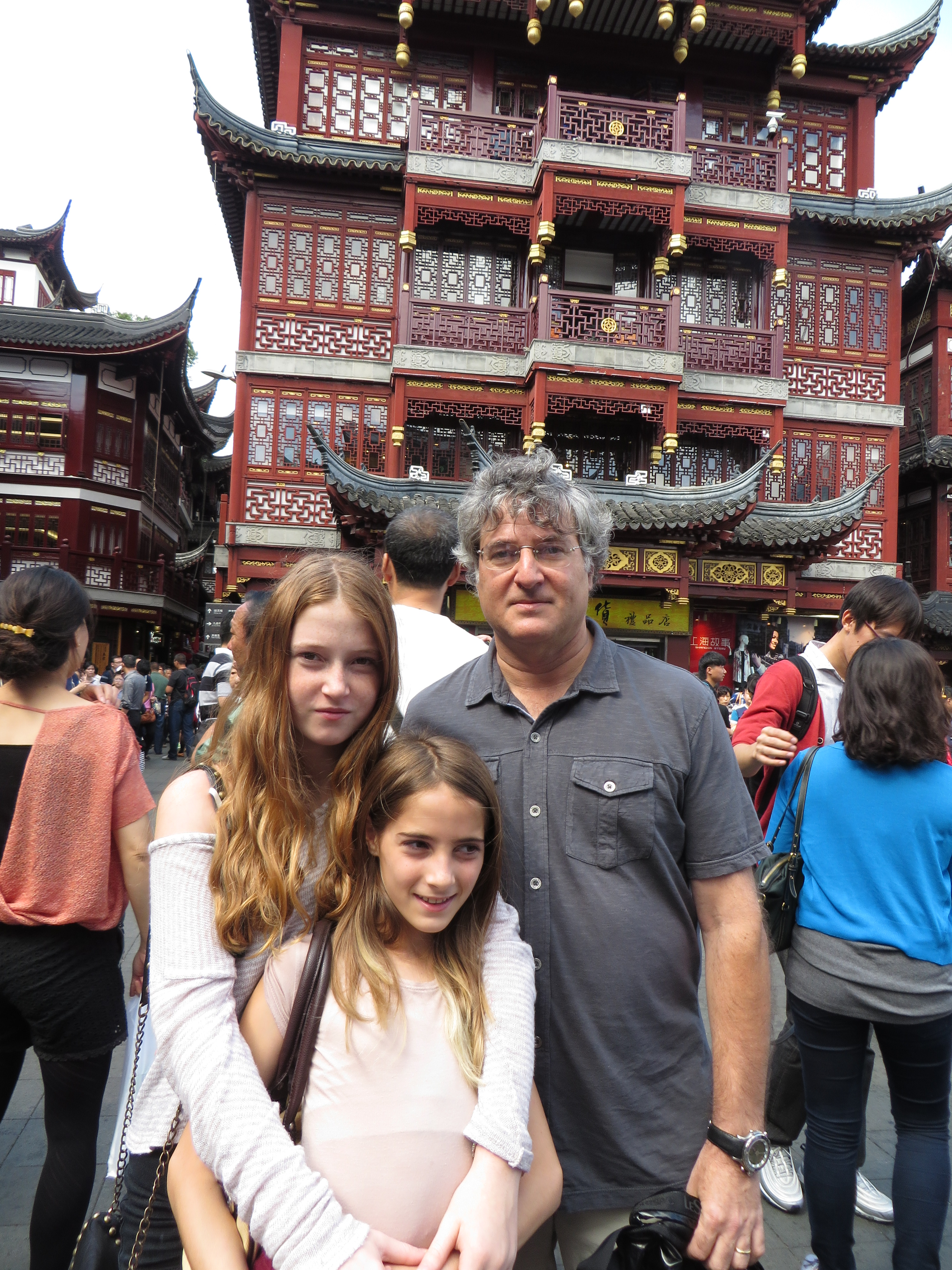
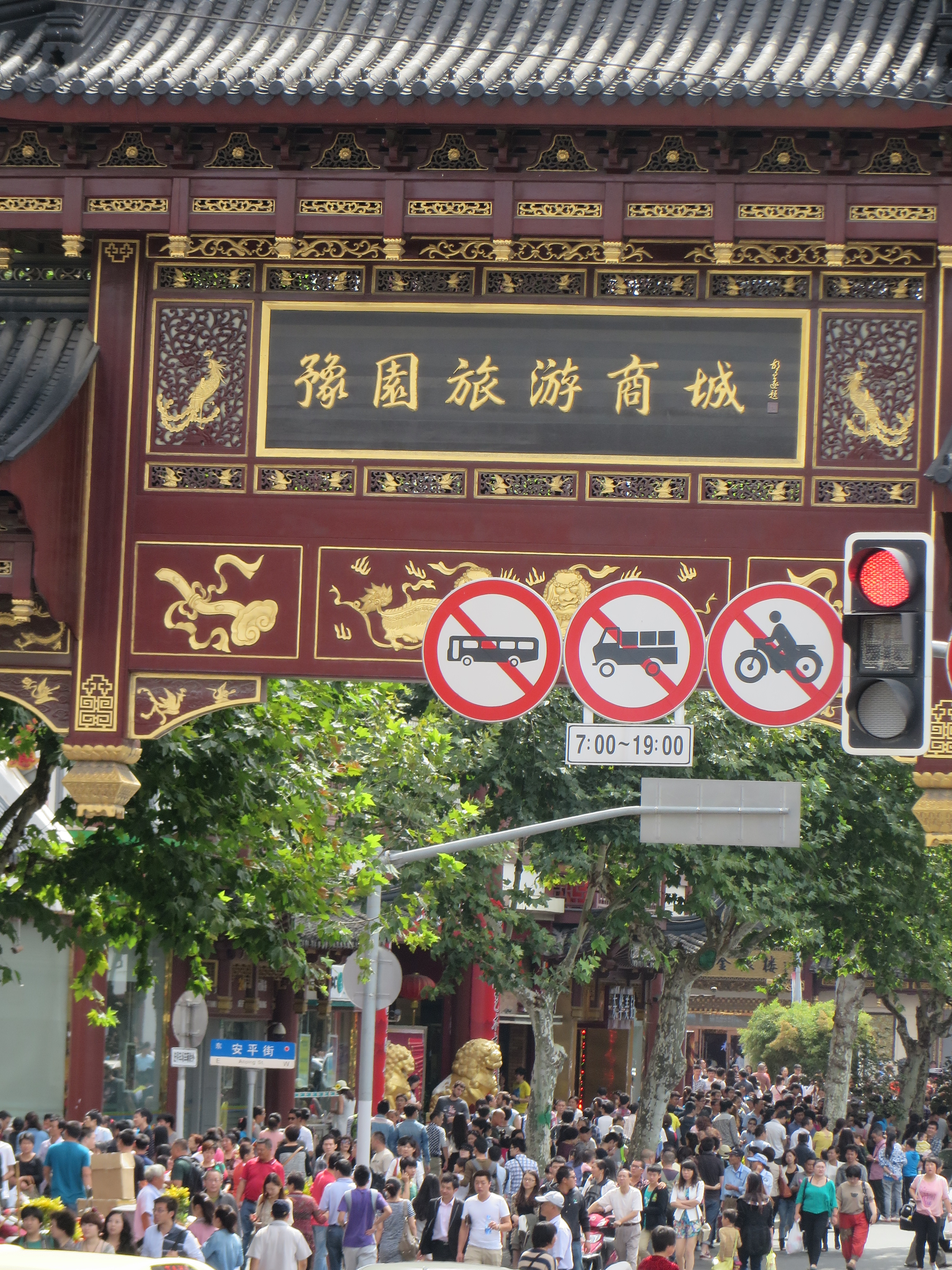
According to the Shanghai Daily paper, the old Shanghai area of Nanjing Street and Yuyen Gardens was visited by 5.8 million people during Golden Week; the Bund (the famous and historic walkway along the water) by 4.3 million. It’s impossible to capture the crowds in photos.
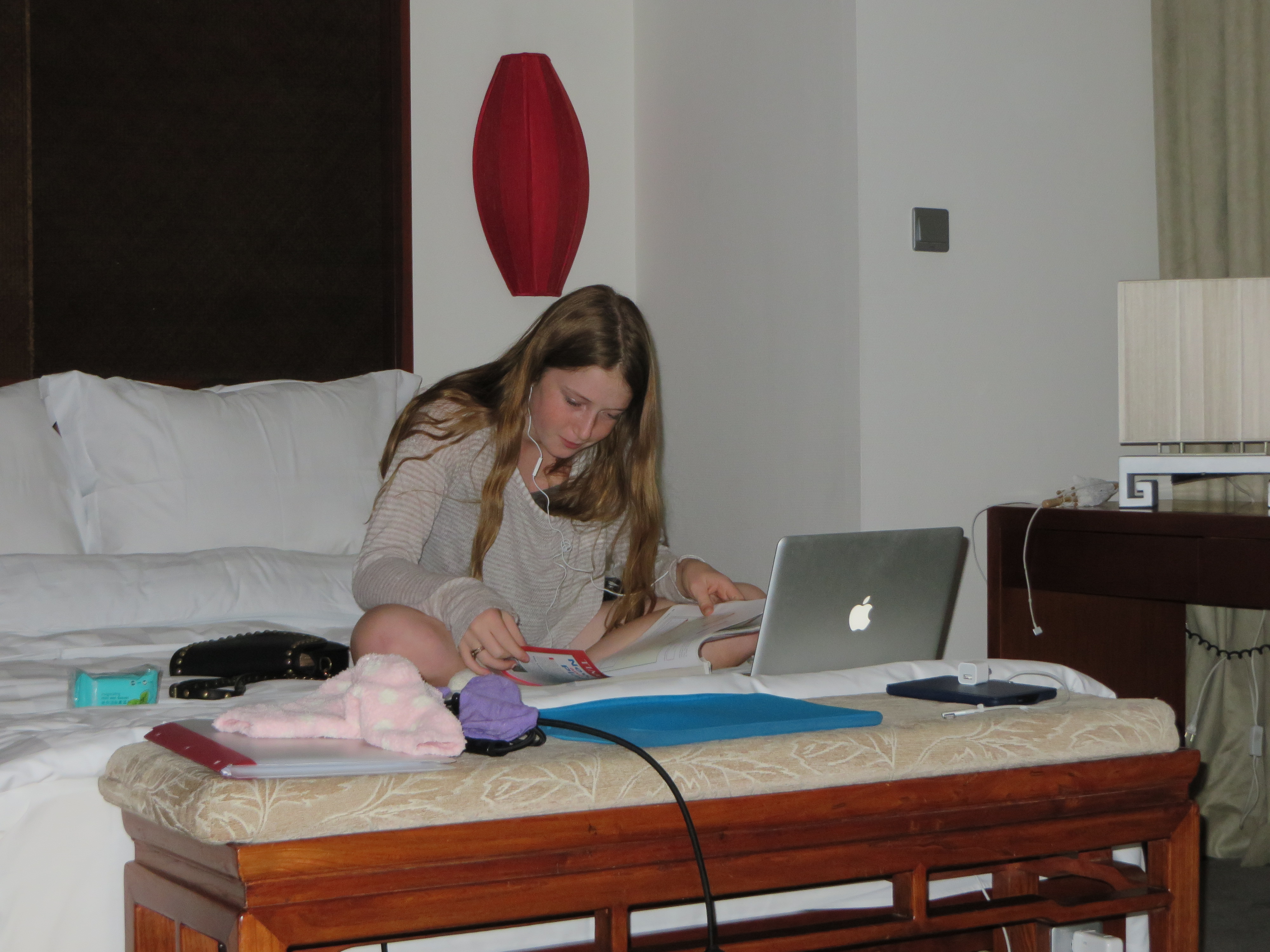
Our hotel was akin to having a small apartment (two bedrooms, two bath, sitting area, microwave, frig and tea pot) and we enjoyed being able to escape the crowds. The girls called their room “the cave” because they could close themselves off from us with heavy curtains and achieve utter darkness. They loved the cave and spent several hours being teenagers – staring at their computer screens, chatting with friends, and listening to music…
Music. So I’d like to say they learned a lot about Chinese instruments and the history of music in the Chinese courts but really the only music culture was provided by LED screens, blaring taxi radio, and Justin Bieber. Yep. Bieber. I’m not allowed to say “Biebs” – so uncool for me to do that. Anyway, Awesome Kids Club here in Shanghai was organizing an outing for 25 kids to the Bieber concert and we arranged for Lauren and Rose to join them. Lauren got some good shots from her new (Yodobashi, Kyoto) video camera and she reports that he is surprisingly talented – he sings, plays drums, piano and guitar.
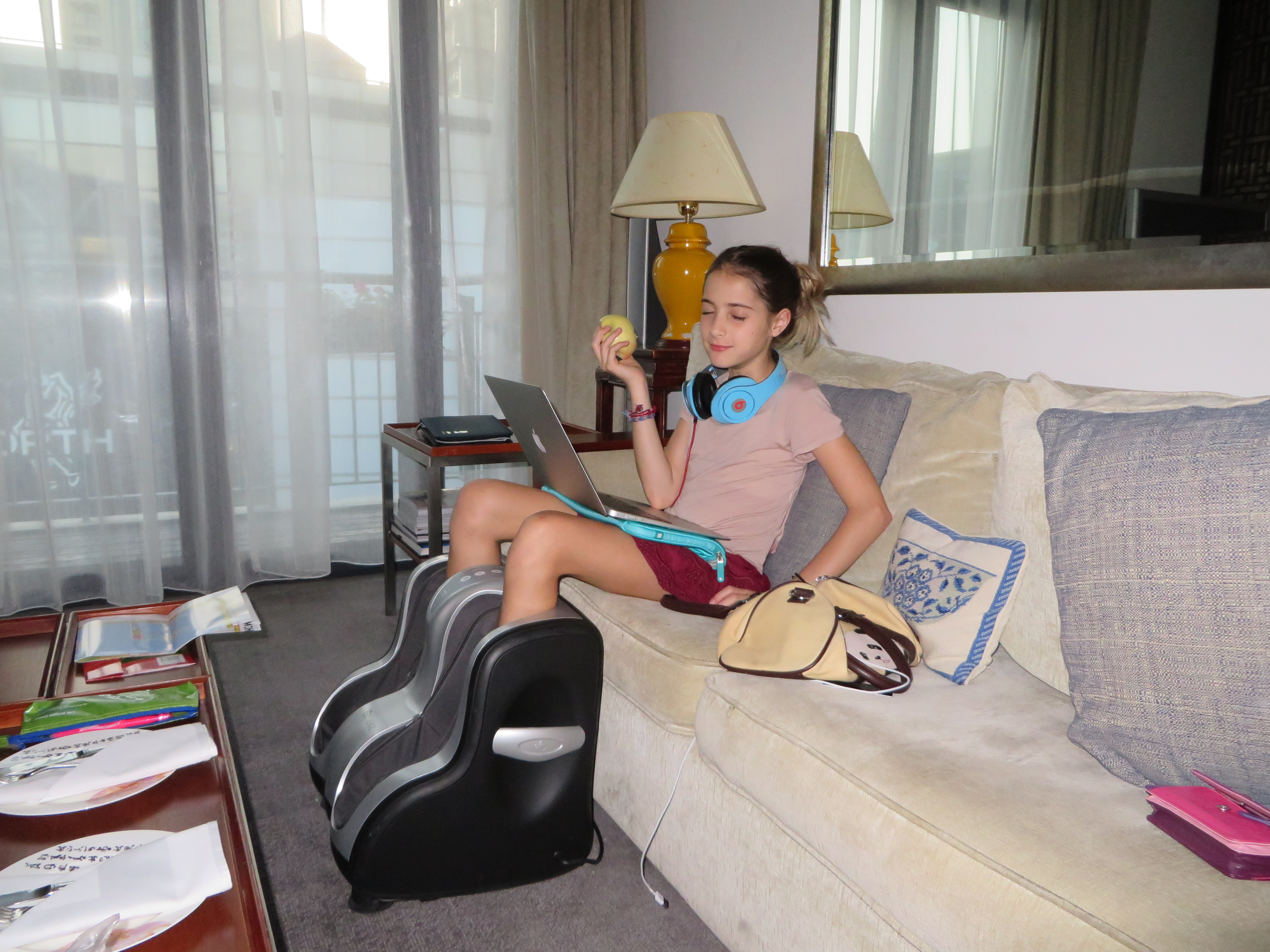
Another feature of the hotel/apartment was the iSqueeze. We first encountered his little contraption at Yodobashi. The iSqueeze is a foot and calf massager and it was how the girls and I began and ended our day. Andy called it the foot crusher and couldn’t understand why anyone would submit willingly to this kind of torture. But for me, a cup of tea, Words With Friends, and a foot crushing was a perfect way to start and end the day! Once the weather turned rainy (two typhoons passing nearby) the girls spent all day trading places from bed to iSqueeze.
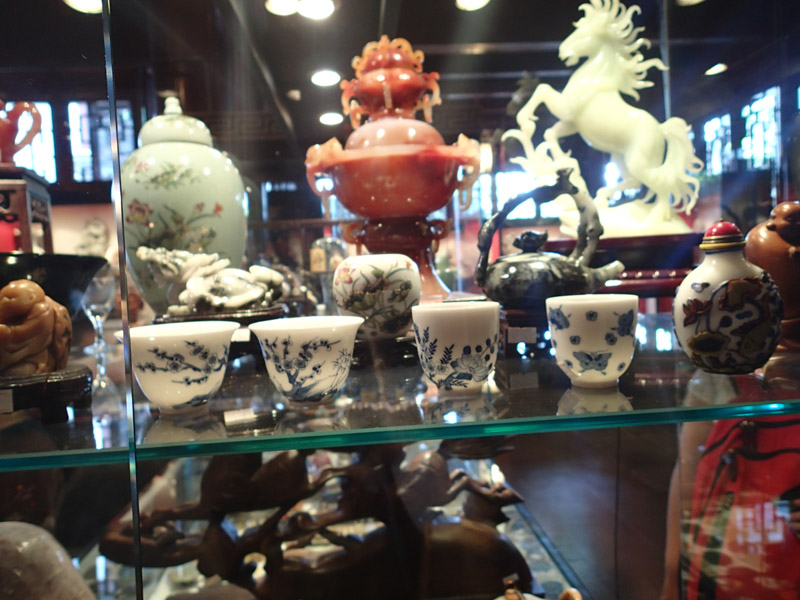
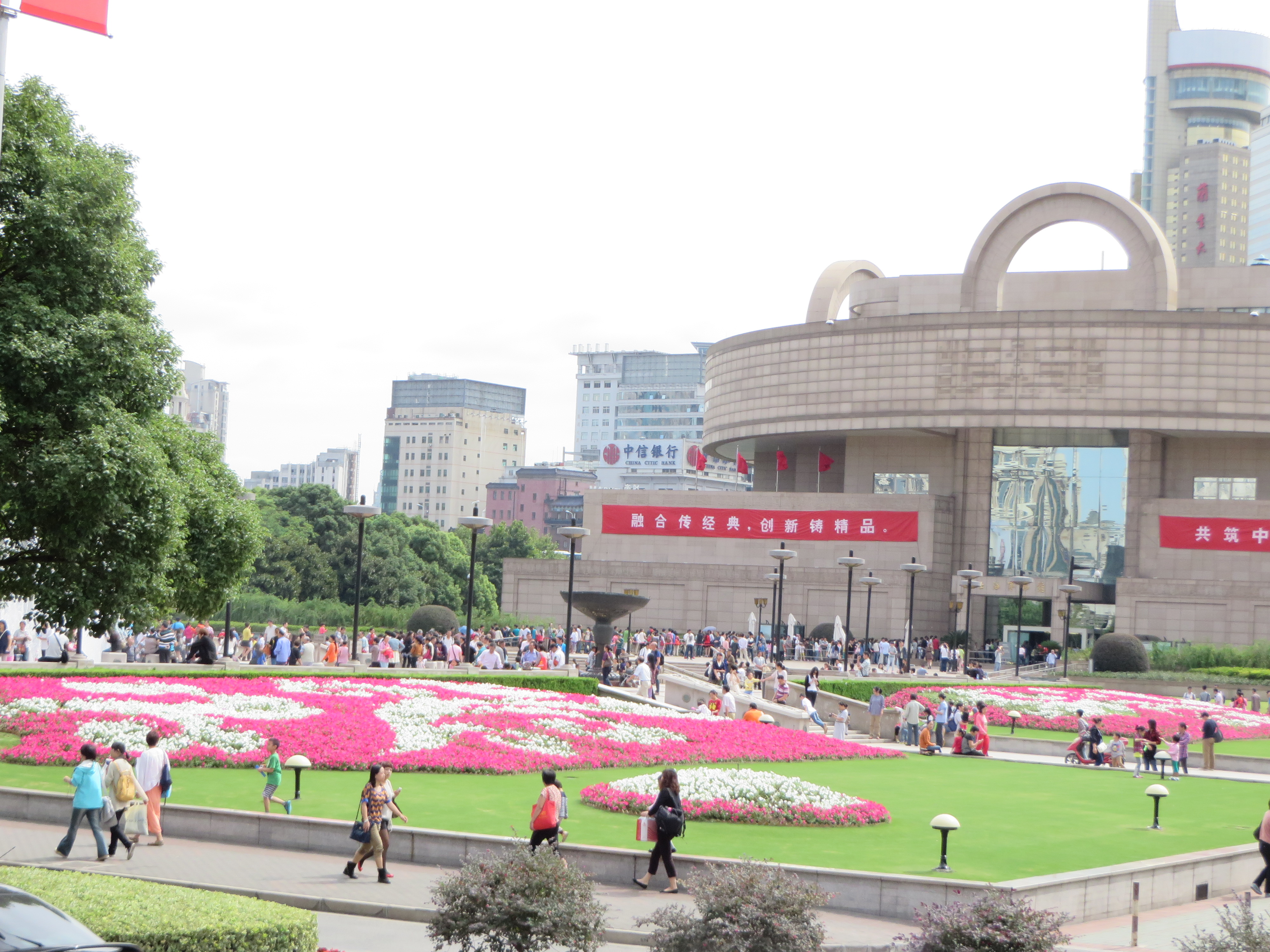
We didn’t hibernate the whole time – we saw Chinese Acrobats, Moganshan Art area, Tianzifang alleyways, east and western sections of the French Concession, walked the Bund, and spent an afternoon in Fuxing park. We had great food – both Chinese and Italian. Special mention would be Mr. and Mrs. Bund (contemporary French/Asian) and Mercato (Jean Georges Italian/Asian), Guyi for Chinese claypot and Din Tai Fung for dumplings.
Shanghai is a very livable city. Like Kyoto, I felt like I could have stayed longer but the world is calling and so we journey next to Hong Kong…










Guilin
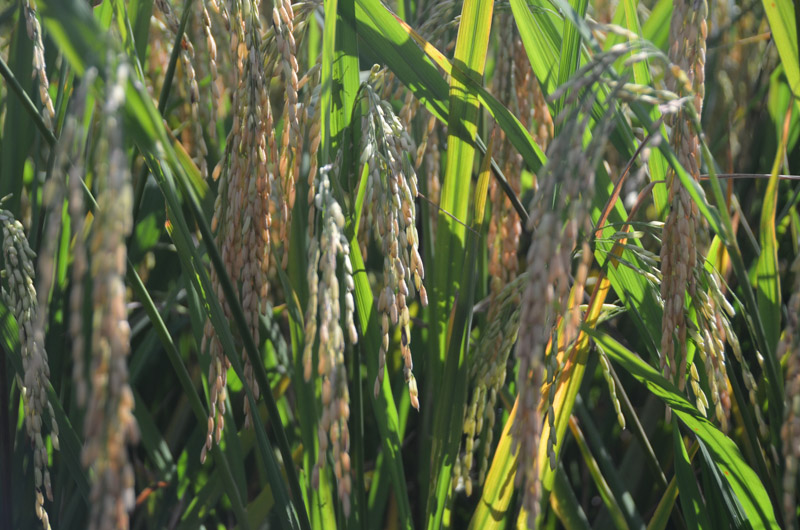
It’s Golden Week here in China. Apparently even the WSJ posted a story about the traffic jams that result when a nation of 1.4 billion people are on holiday. Of course, Golden Week doesn’t mean everyone is excused from work. The farmers are busy harvesting rice from the golden fields and anyone in the tourism business, a growing segment of the Chinese economy, is working overtime.
For the past three days we have been in Guilin. An area of southern China known for its karst mountain landscape. Lauren was here in March and liked the area despite being sick so I had a feeling it would be especially nice. It was.
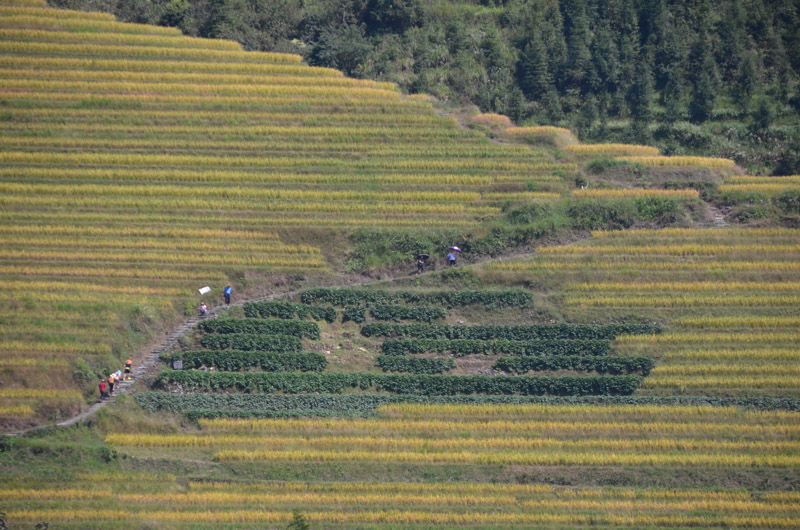
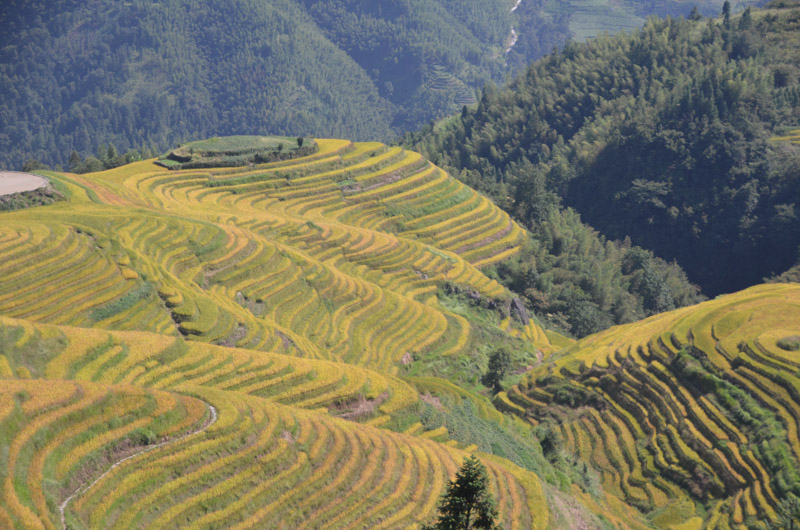
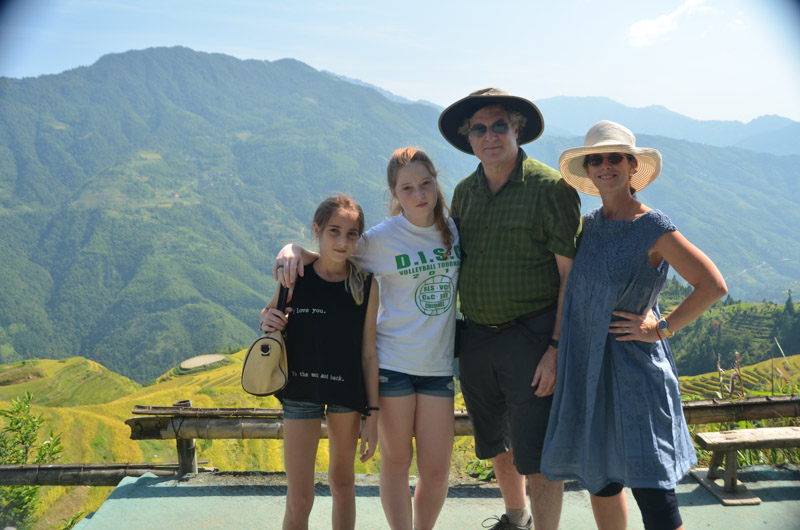
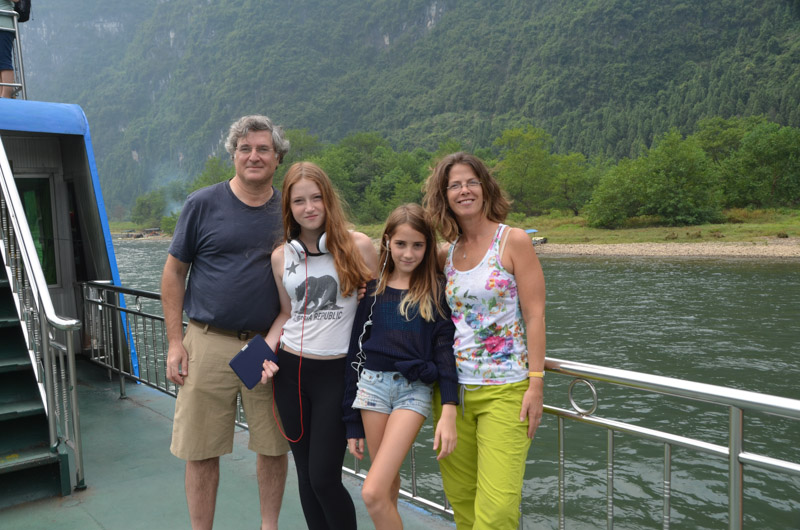
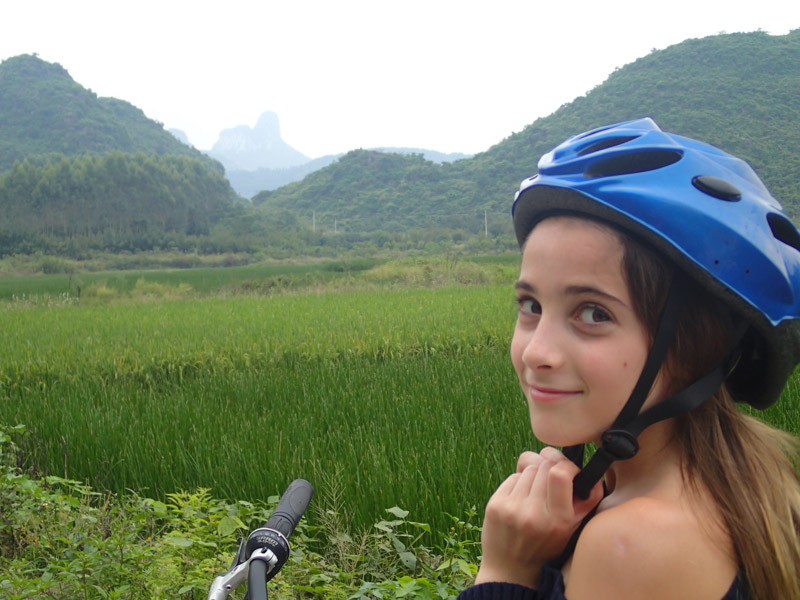
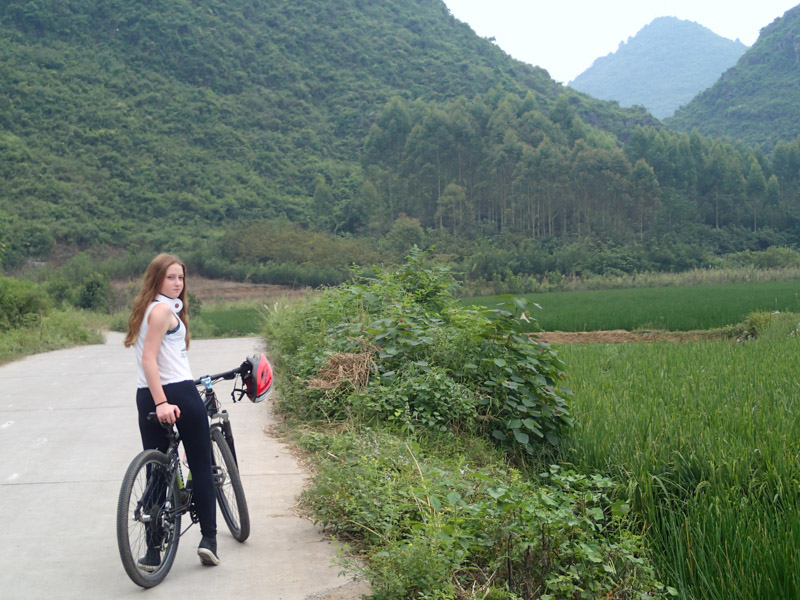
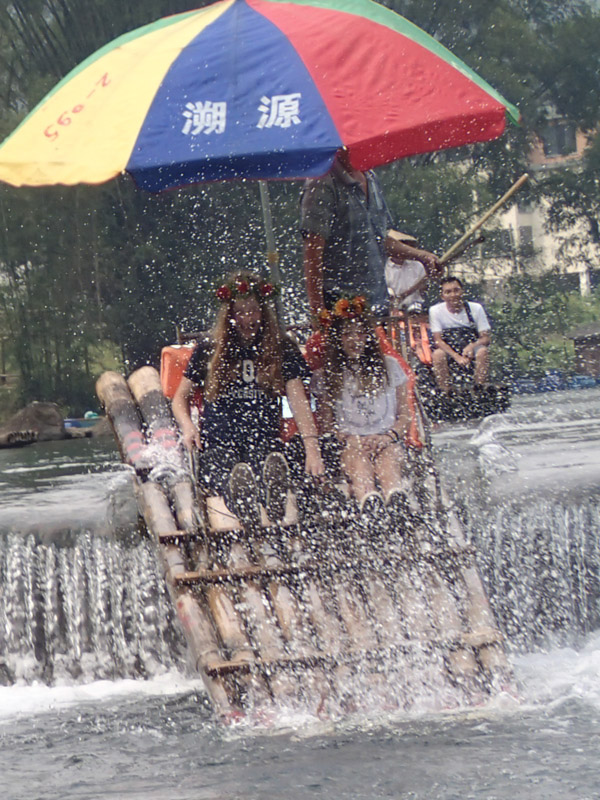
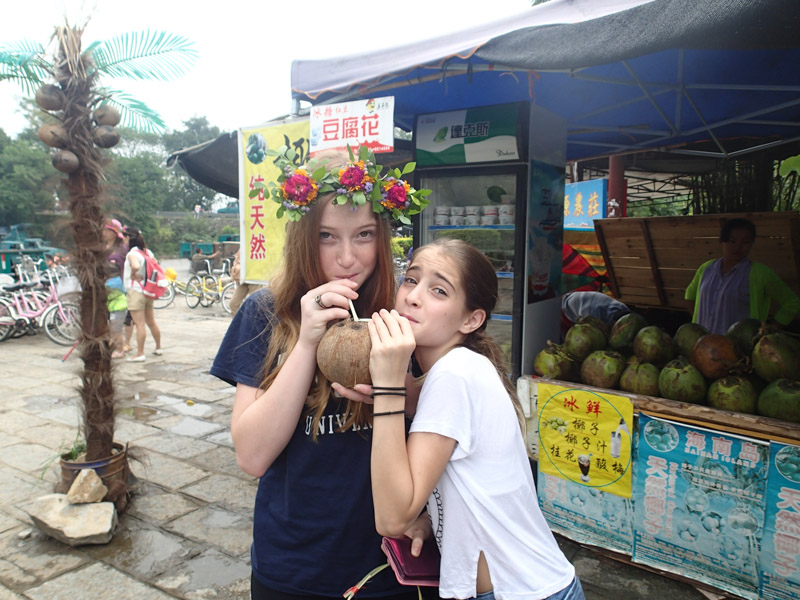
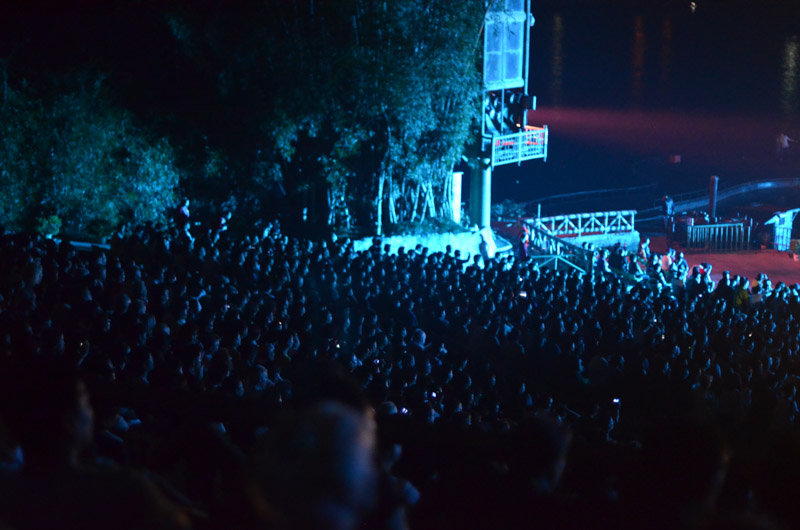
Our first day we drove to the top of a series of rice terraces in Longsheng. The people here have been farming these terraces for more than 1000 years. Next we boarded a boat (along with dozens of other tourists) heading down the Li River. Andy got a kick out of watching the parade of boats and their tourists photographing everything. We met a nice couple from Boston who have traveled extensively so we enjoyed the scene together as we made our way to Fuli. After lunch, we took a bike ride through farming villages and then drove to Yangshou. Yangshou is a resort town and people from all over southern China were coming here to holiday, making West Street a throng of people. The best thing about Yanshou for us was a show staged by Sanjie Lu the Director of the Beijing Olympics Opening Ceremony called “Impressions”. It was the telling of a love story and featured a stunning set design – its stage set within the Li River and the karst mountains lit behind – and a perfectly choreographed and synchronized cast of 400 actors.
Today marks a break for us. We booked our Beijing to Guilin trip at a tourists’ pace with three days in each place. Moving around this often was fine and we enjoyed what we saw but we are ready to get back to the slower pace and deeper experiences. We land shortly in Shanghai where there is a more open internet policy and for the next seven days I will have access (hopefully) to WordPress to post this and upload photos, perhaps even read the NYT.
Our love from the road…







Panda-monium in Chengdu
It’s Panda-monium in Chengdu!
We have a terrific guide here in Chengdu. Bobby met us at the airport, gave us an overview of the three things we should do and that Chengdu is famous for – Panda, Brocade and Food (HotPot and KungPao Chicken), and got us settled at the hotel. Pretty standard fare for guiding services. But because it was late he went the extra mile and set up a hot pot dinner for us at a local place that he was meeting friends at. He helped order food, explained how to eat it, showed us how to make our own sauces and then once settled he turned in for the night. (Food Part 1 – Check)
Our timing couldn’t be better. On Monday, the Chengdu Panda Research and Breeding Center issued a press release that showed fourteen new cubs. It’s a worldwide video sensation and apparently America’s productivity is at risk due to the cuteness factor of these new cubs. Our friend Anne C, who lived in China for a year with her husband and two daughters, sent us a link to a news report and I’ve attached it HERE
http://www.today.com/pets/panda-overload-14-cute-babies-cuddle-crib-4B11237410
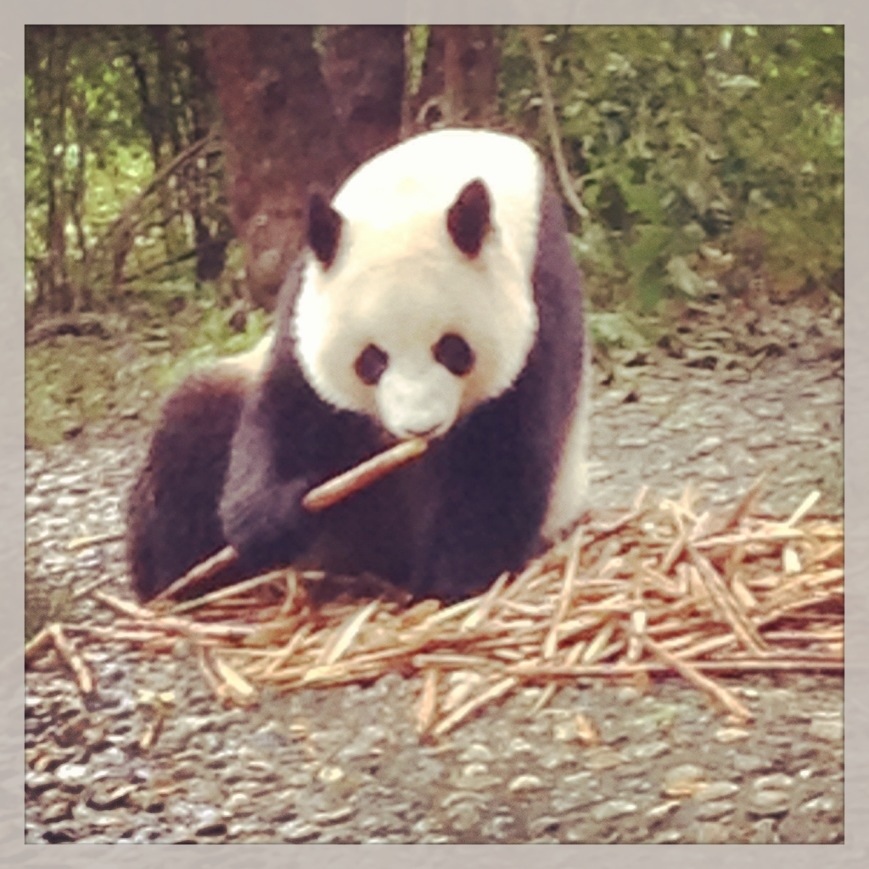
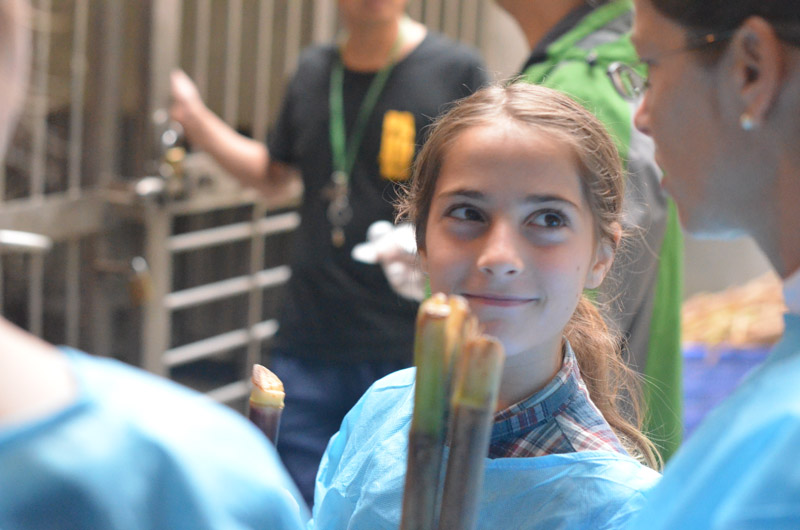
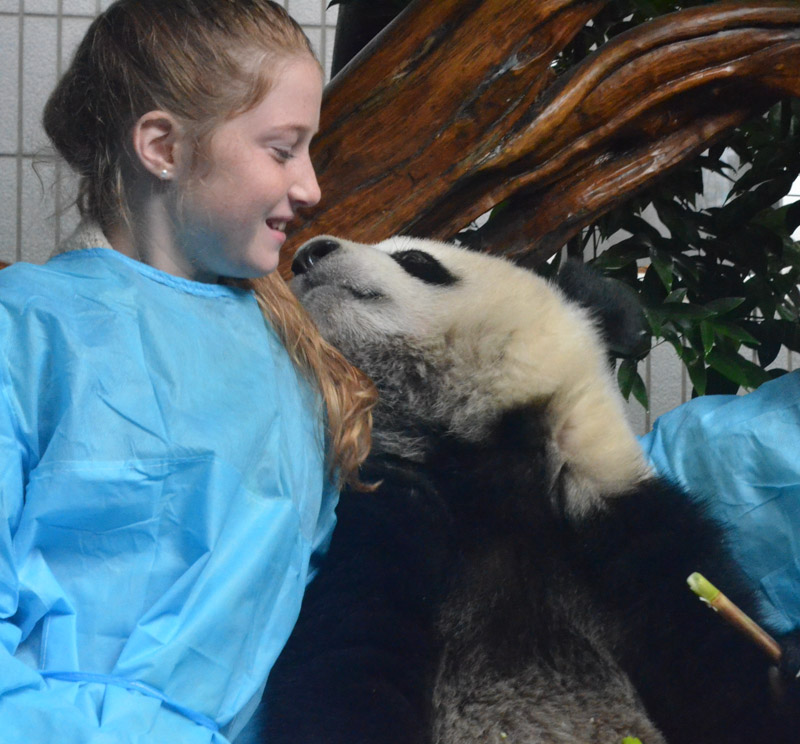
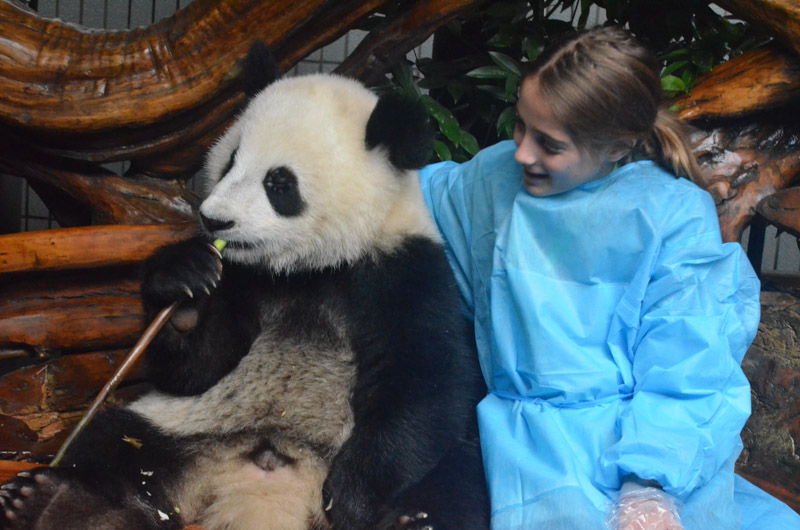
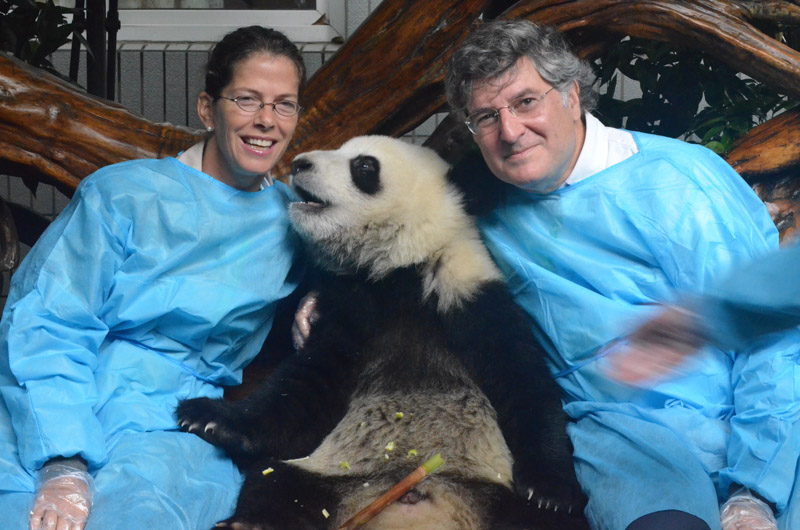
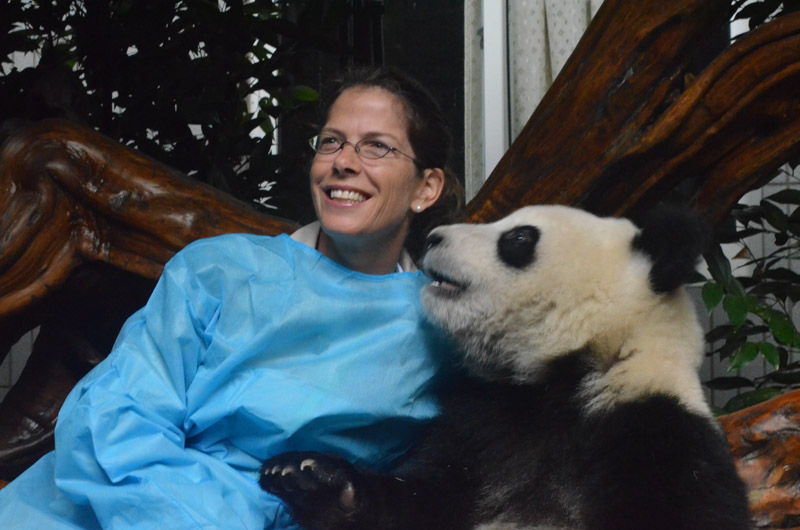
Our primary purpose in coming to Chengdu was of course the Panda. You may remember that Rose became quite the WWF (World Wildlife Fund) supporter last year, raising money through lemonade stands with the help of friends and adopting endangered species. So when I began planning the trip to China last fall I knew we would be coming here to volunteer at the Center. We then also secured one of the coveted opportunities to hold and be photographed with the Center’s one-year-old cubs. (The newborns shown in the link are too fragile to be handled and are kept in a kind of NICU for the first two months.)
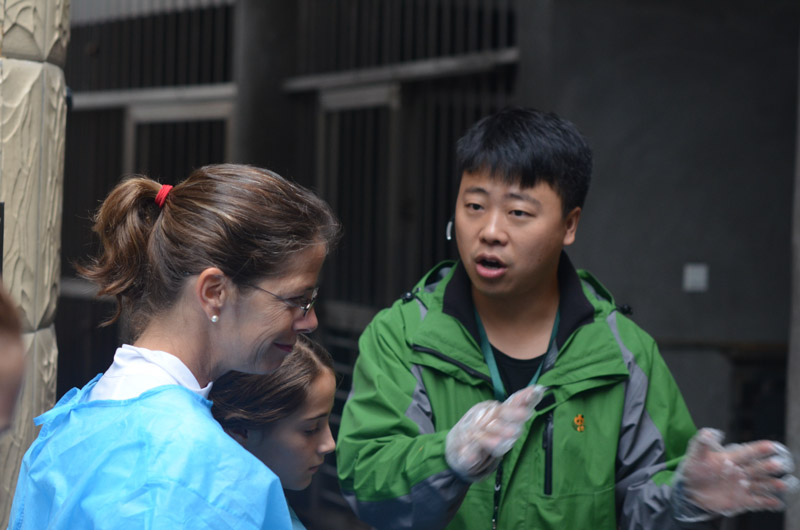
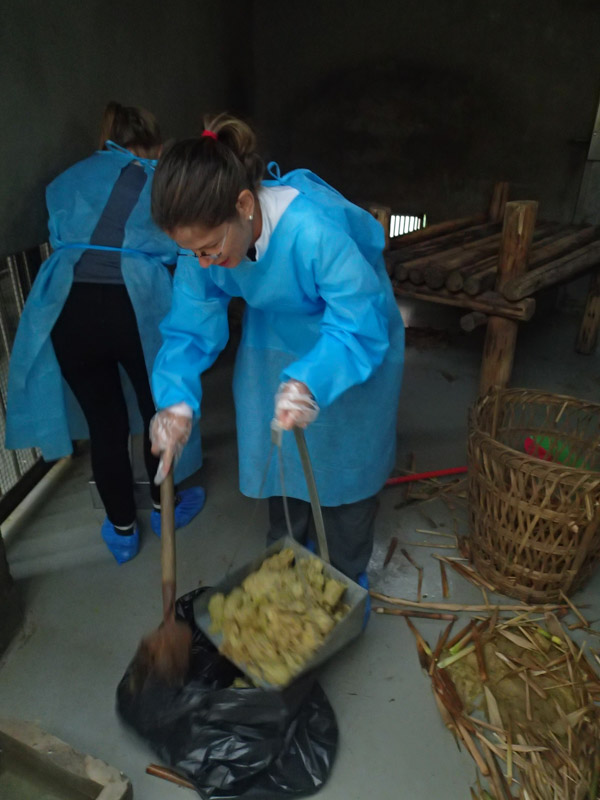
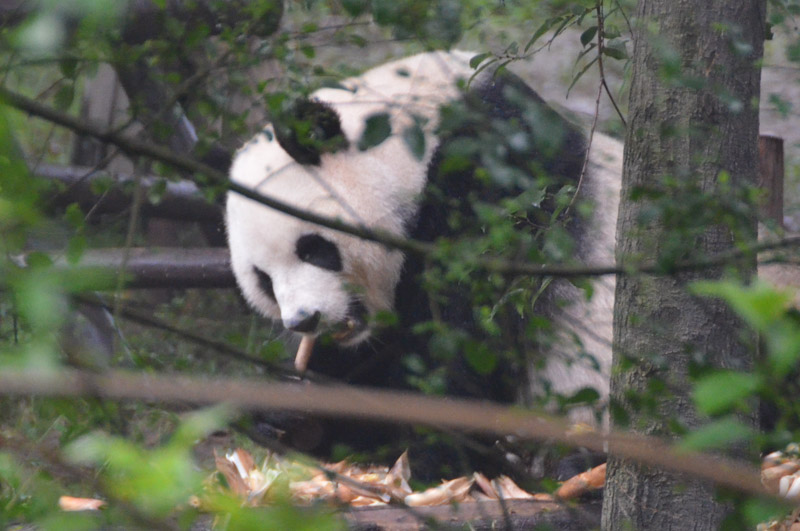
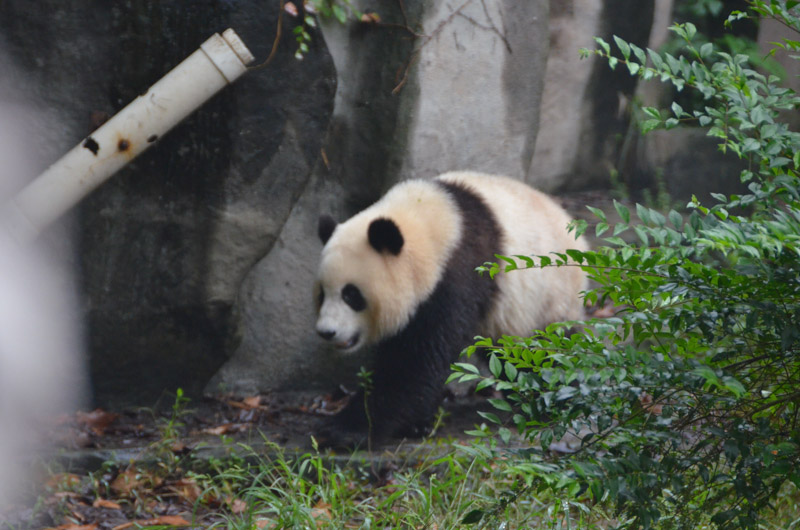
Volunteering was the best part of the experience. We learned about the Center’s breeding program and the effort to reintroduce the panda into the wild. We spent an hour helping four male pandas do their morning exercises. Each morning the panda keepers help the pandas strengthen their hind legs by raising and lowering an apple, basically making them do squats. We were taught how to lead the exercises and we took turns exercising four of the male pandas. Once the exercises were completed, we fed them a morning snack of bamboo shoots, released them to their outdoor play areas, and then cleaned out the emptied cages. In one cage, 17.5kg of panda poop for FuFu, or “abundance” in Mandarin. Based on his particular stats, 17-18 kg per morning cleaning is normal. Pandas eat roughly 40kg of bamboo shoots each day and “retain” only 45-50%. The poop is very fibrous and doesn’t smell at all.
We then went to the nursery where we would sit with a panda cub! It was a wonderful morning. (Panda – Check)
Our afternoon was supposed to include a drive to the largest sitting buddha in Leshan but we scrapped it due to the rain and opted to take in the sights and sounds of Chengdu city. Twenty two million people live here. We took a stroll in Poet’s Park, sat for tea under an arbor and had our ears cleaned!! Weird but we were up for the adventure. Next, we took in some history with a visit to the Chengdu Shu Brocade and Embroidery Museum. Chengdu is famous for brocade going back to the Han dynasty. Four brocade looms were being operated and I was tempted to buy something since brocade is hot right now but I didn’t. (Brocade – Check)
Since we’re almost done with the day, I may as well include the color commentary on the rest…After the museum, we went for a one hour reflexology and herbal medicine aromatherapy to kill an hour before dinner (Kung Pao Chicken, so Food – Check) and a Teahouse/Theater show.
We have tons of photos. Be patient though. It seems WordPress is having trouble or perhaps the photo I took of the video tower in Tianamen Square was an unwise idea. Nah….



The Terracotta Warriors
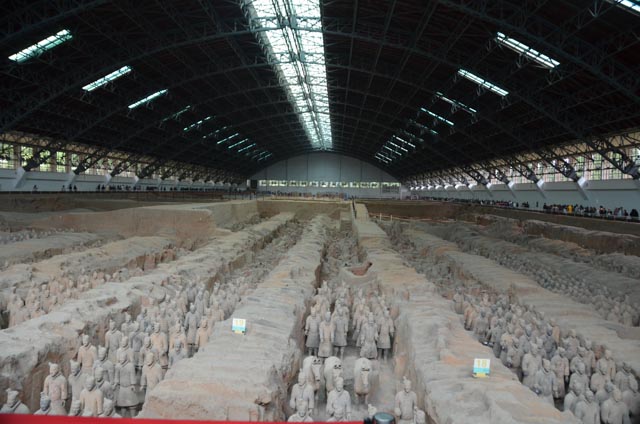
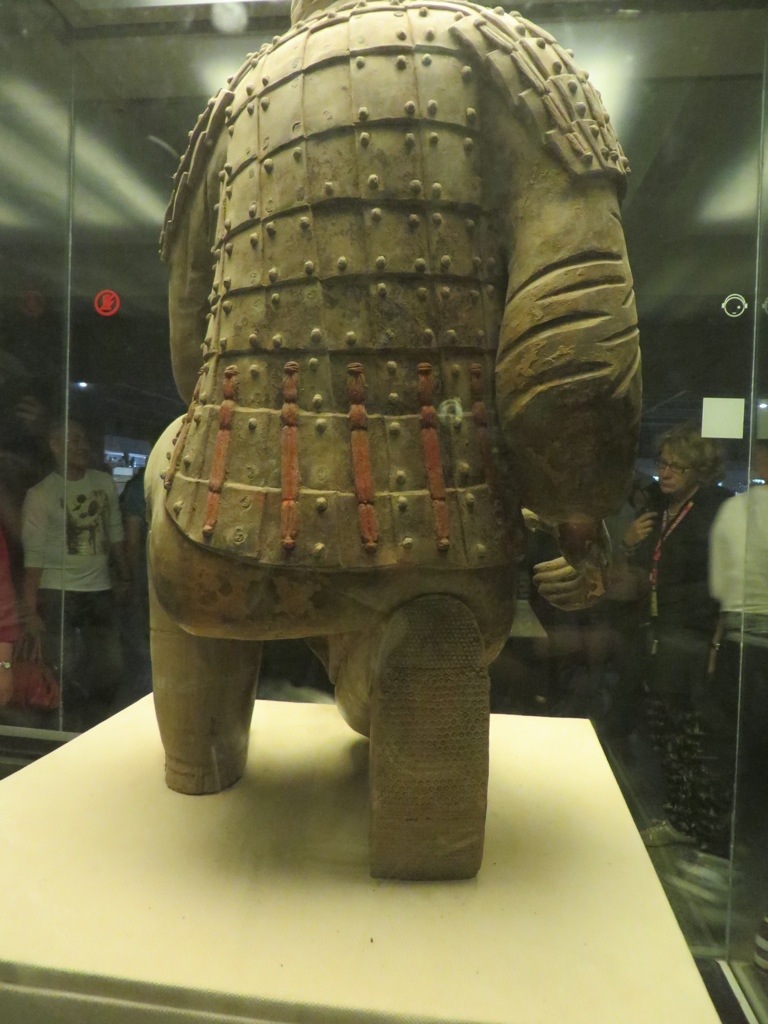
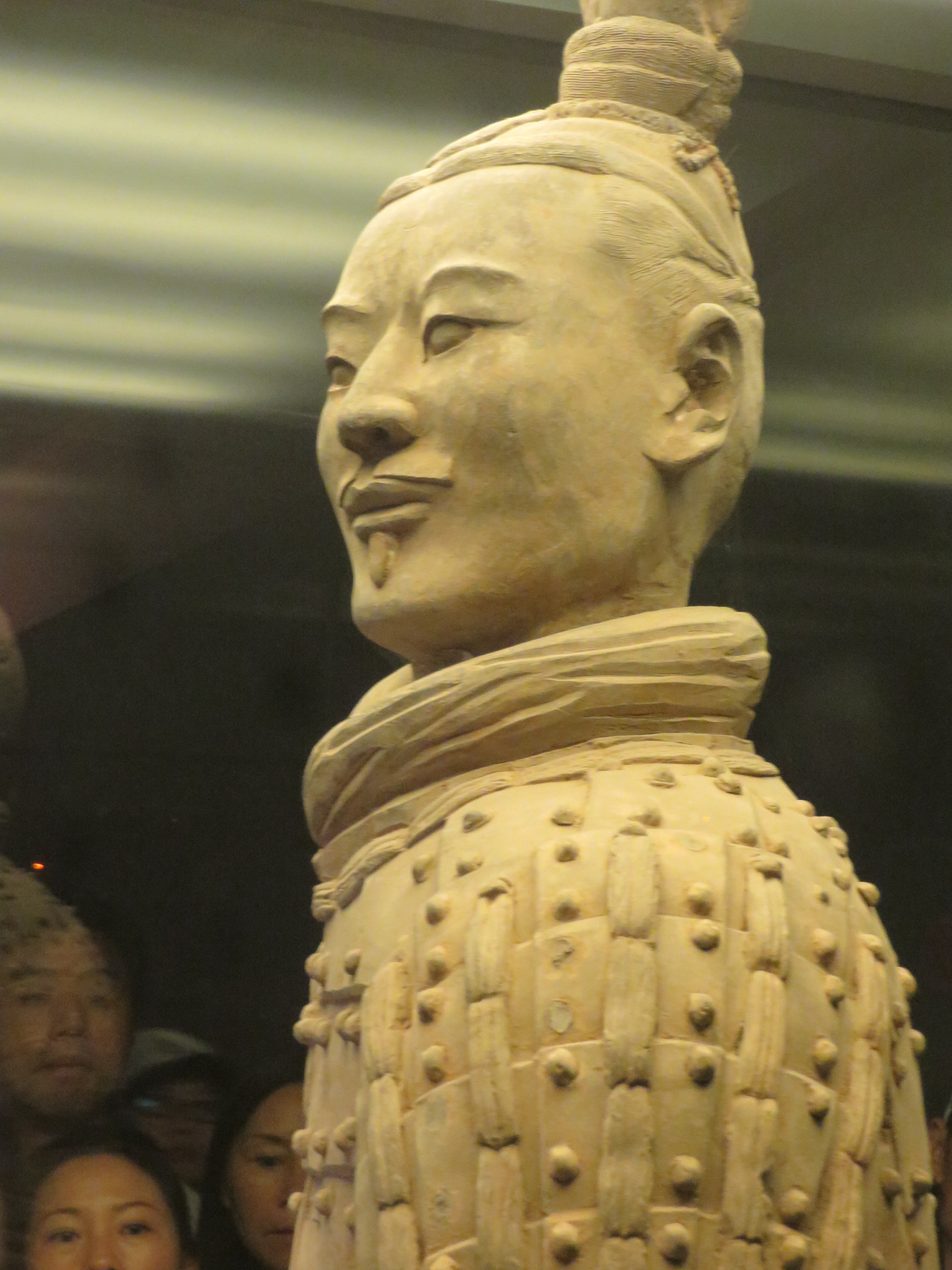
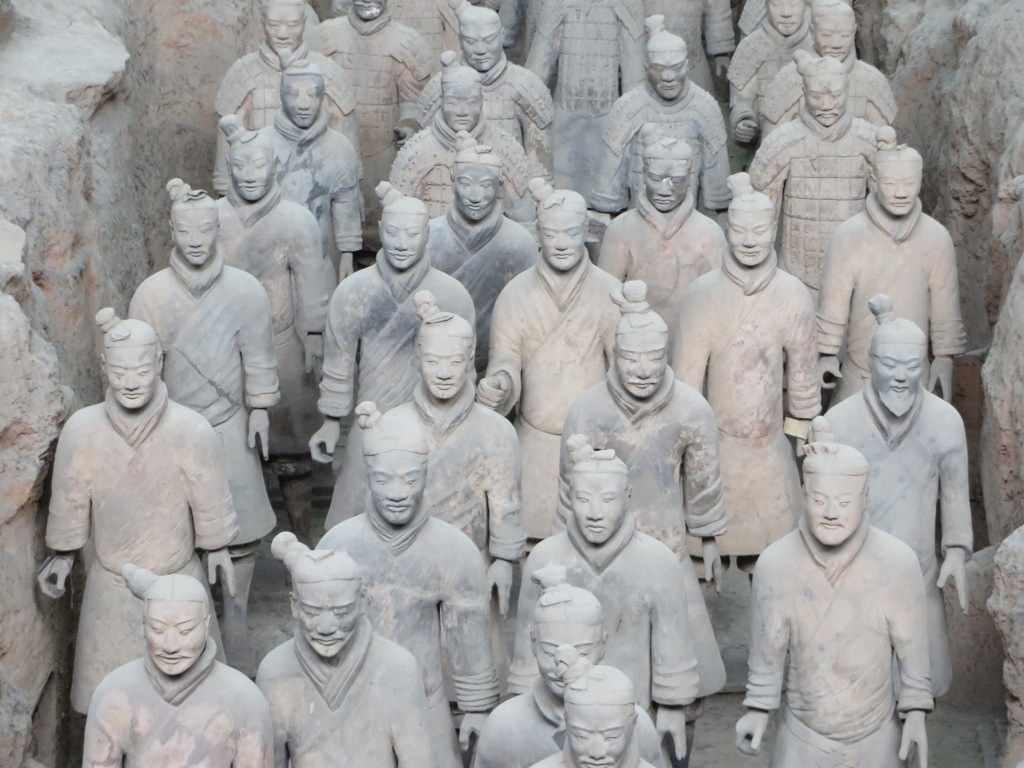
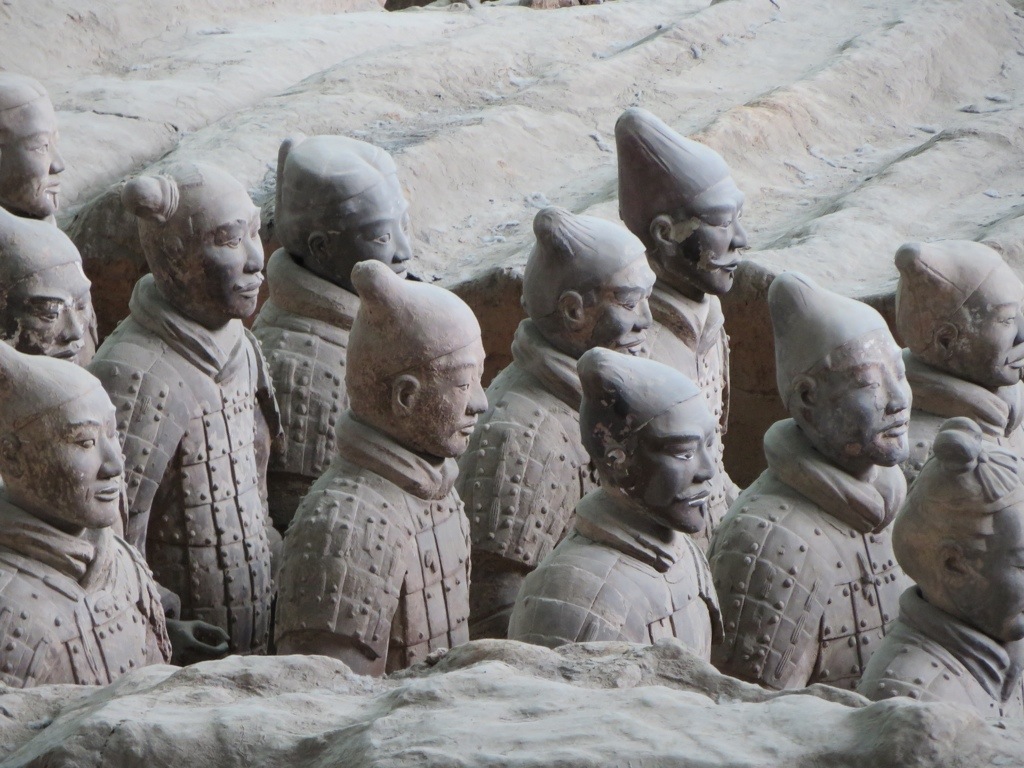
We arrived Xi’an late Monday night and set out 9:30 Tuesday morning for the terra cotta soldiers. The photo gallery doesn’t do them justice. They are very detailed works, down to the soles of their shoes they are perfect copies of what the imperial soldiers might have worn during the reign of unified China’s first emperor. We had private platform viewing for 5-10 minutes which allowed us to escape the crowds and get good photos of the first pit of soldiers unearthed in the late 70s.
If you don’t know the story, the terra cotta soldiers were discovered when a group of farmers were digging a well. When they brought up the bucket of earth, they found pieces of a terra cotta soldier. (The actual place is marked and interestingly, had he decided to dig only one or two meters further north, the soldiers may never have been unearthed.) At first the farmers didn’t report their findings but one soldier decided to report in secret to the Government. THAT farmer was rewarded with a large sum of money and a full time job signing books in the museum; not sure what happened to the others.
Emperor Qinshi Huangdi was the first emperor to rule a unified China – I should say that differently. He unified China under one ruler consolidating the various kingdoms by overtaking them militarily. He is said to have been a brutal ruler. In any case, he presided over a unified China. Once unification was achieved he set about connecting the various ramparts into The Great Wall and building his tomb. Seven hundred twenty thousand men spent 38 years building his tomb and then filling it with soldiers, weapons, food, concubines and treasures to accompany the emperor on his death to the afterlife. After the Emperor died, there was a peasant uprising and the peasants raided the tomb. They took the weapons as arms and smashed and burned the remaining contents. Of the thousands of soldiers unearthed so far, only one has been found in tact. An archer. I found his expression quite peaceful and his is the close up that you will see below.
There are three pits excavated so far and only 2,000 of the 8,000 soldiers are restored. The staff working to reassemble these smashed soldiers face an incredibly difficult task. For now the unearthing is on hold until they can figure out how to preserve the colors of the figures. As you have seen perhaps in photos previously, and in the ones below, the figures appear to be of simple earthenware color but when they were first discovered and put on display they had blue pants, red jackets, and purple adornments. Once exposed to the air, the colors faded so preservationists from China, Germany and elsewhere are working on a process to preserve the colors before they excavate the two other pits.
There is a movie at the museum building at the site and seeing it is worthwhile. You can also get the farmer’s autograph while you are there!
It was a great experience.
We spent the rest of our time exploring the muslim quarter, doing homework and riding bikes on the city wall. A quick lunch and now it’s off to Chengdu to volunteer for a day caring for (feeding and cleaning cages) the great Pandas!
K


Beijing
We were lucky.
We arrived Beijing late on the Friday holiday and traffic into town was mild, our courtyard hotel inside a hutong area was on a street that didn’t smell terrible, the corner Chinese restaurant was quite good, and for the following two days we had partly sunny/cloudy with a chance of meatballs. What pollution? It was like LA in the early 80s; thin layer of gunk but mostly OK. Like I said; we were lucky.
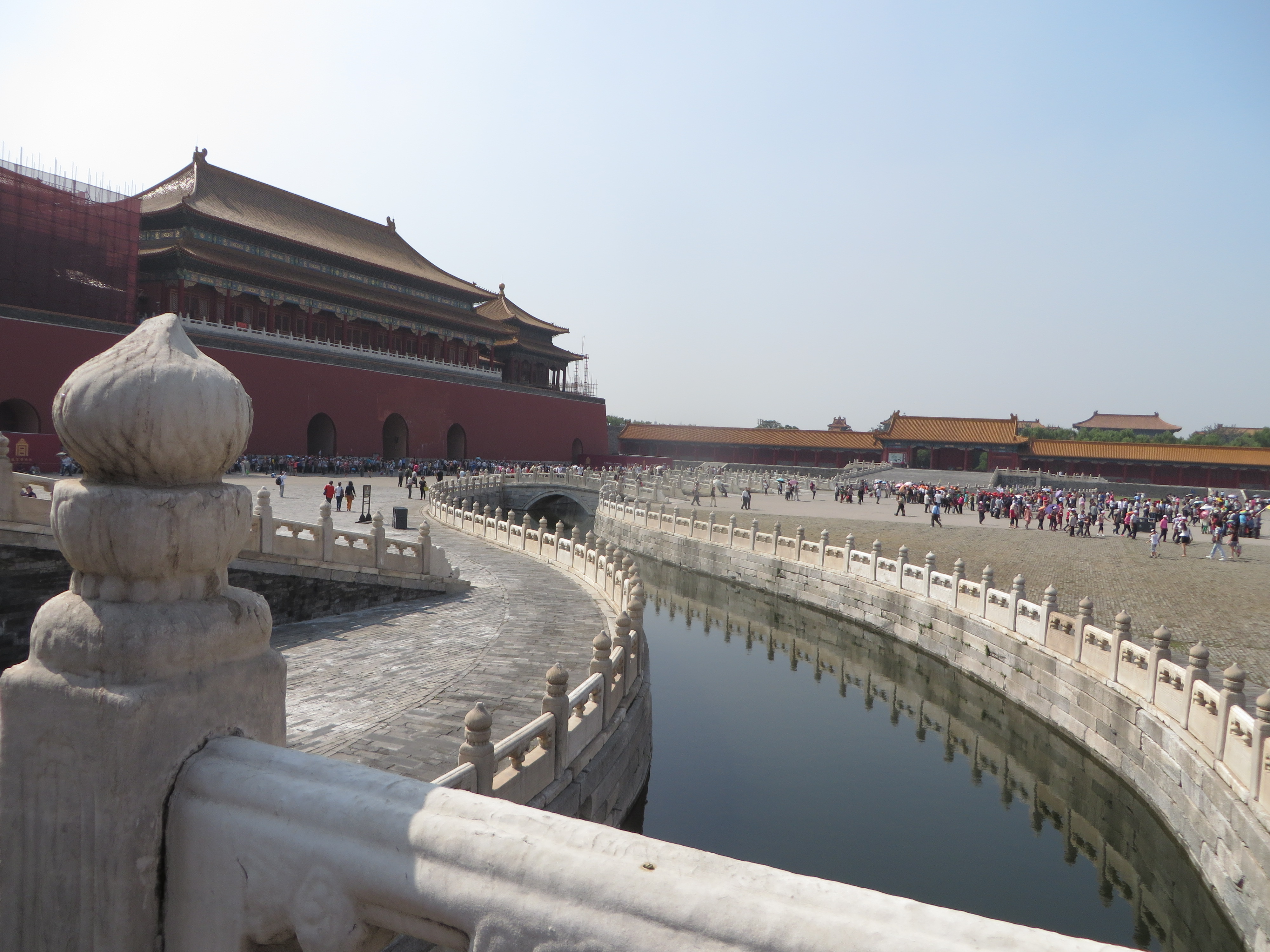
Our first day was a bit rough. All of China is on short holiday. This means that everyone who can is traveling. Those who came to Beijing from the countryside are going home to visit family and those who live in the countryside have come to see Chairman Mao’s mausoleum in Tiananmen Square. The line of people, whose form was loosely managed by ropes and soldiers in a serpentine pattern, must have stretched over one mile. The lucky ones will reach the front of the line before noon when it closes. If they don’t reach the front in time, they will race to enter the Fobidden City and jam into the largest palace in the world.
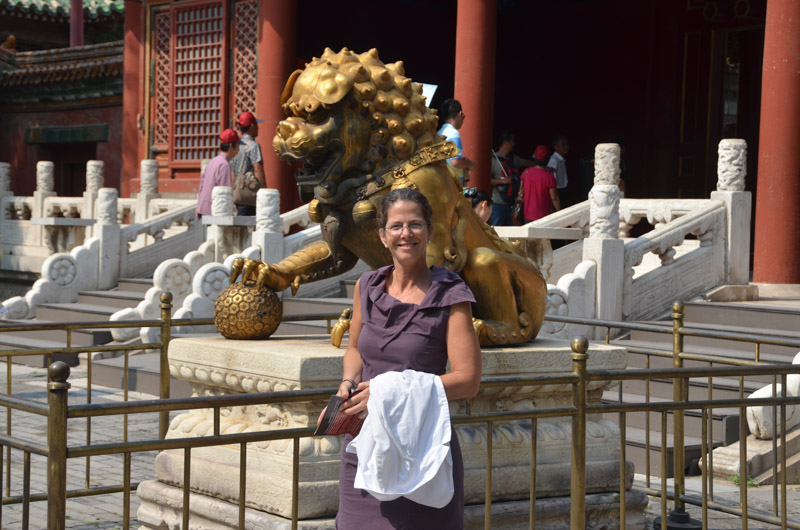
We made our way through the Forbidden City and its throngs of people with their pushing, elbowing and spitting. I actually had to push back to keep one woman from knocking me over! By the end, I understood why Lauren, who had been here in March, advised that we spend no more than three days in Beijing.
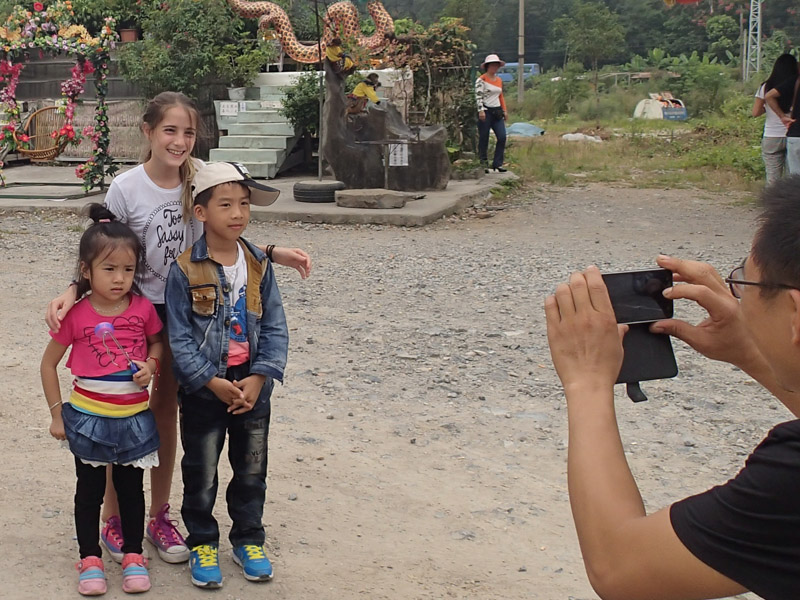
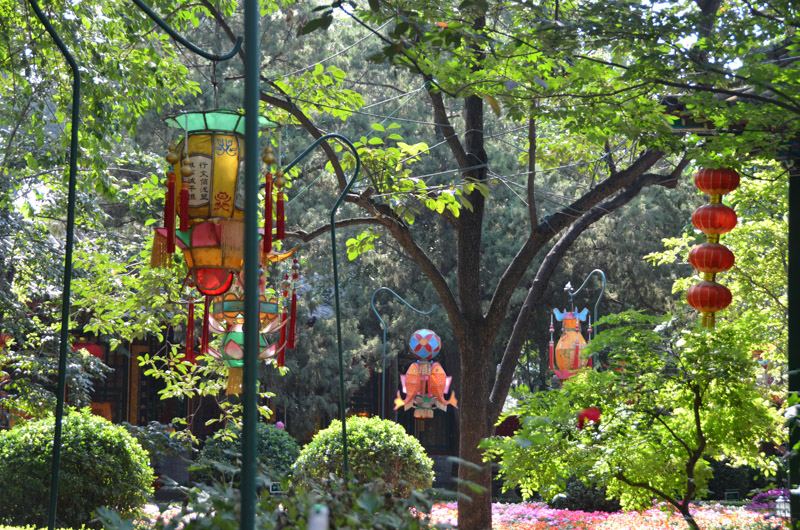
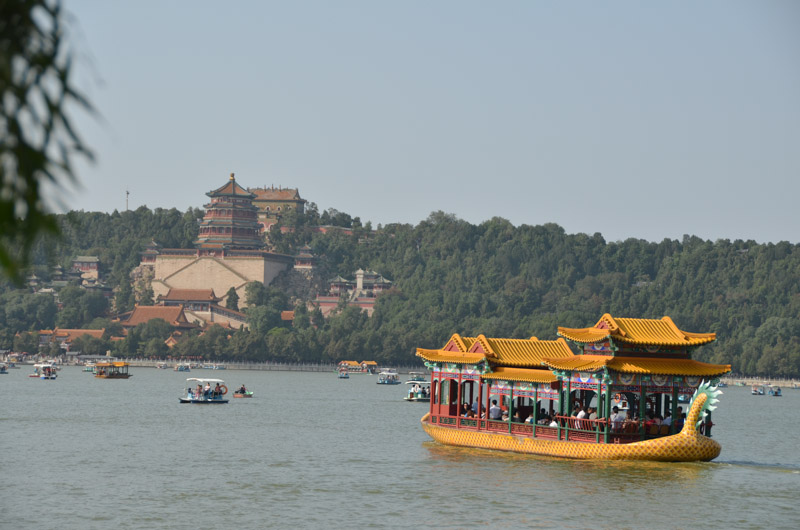
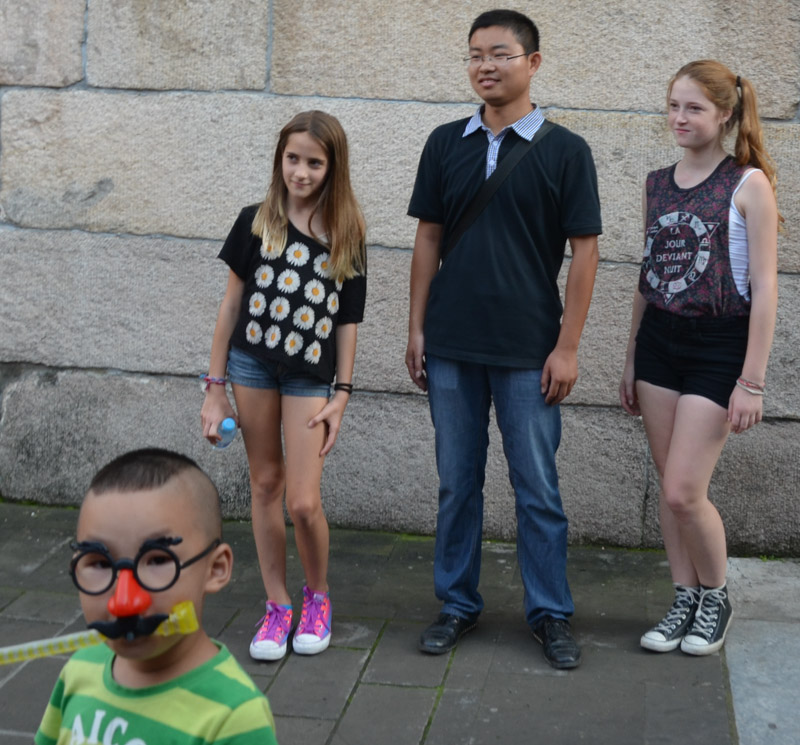
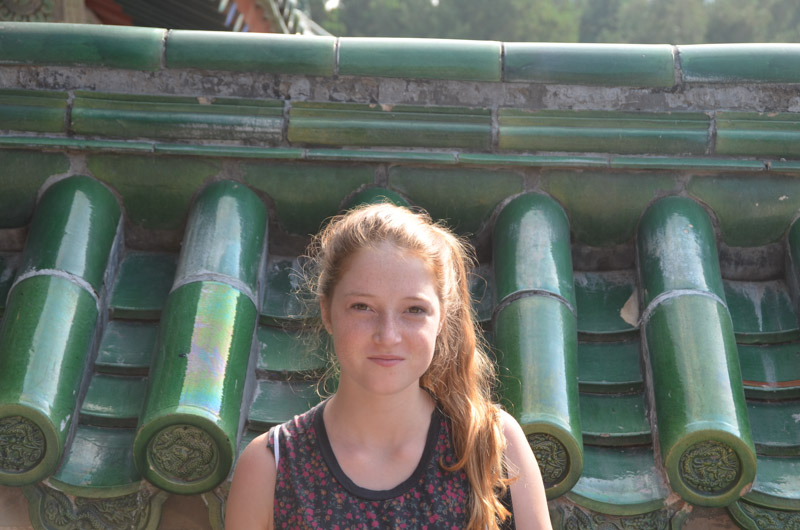
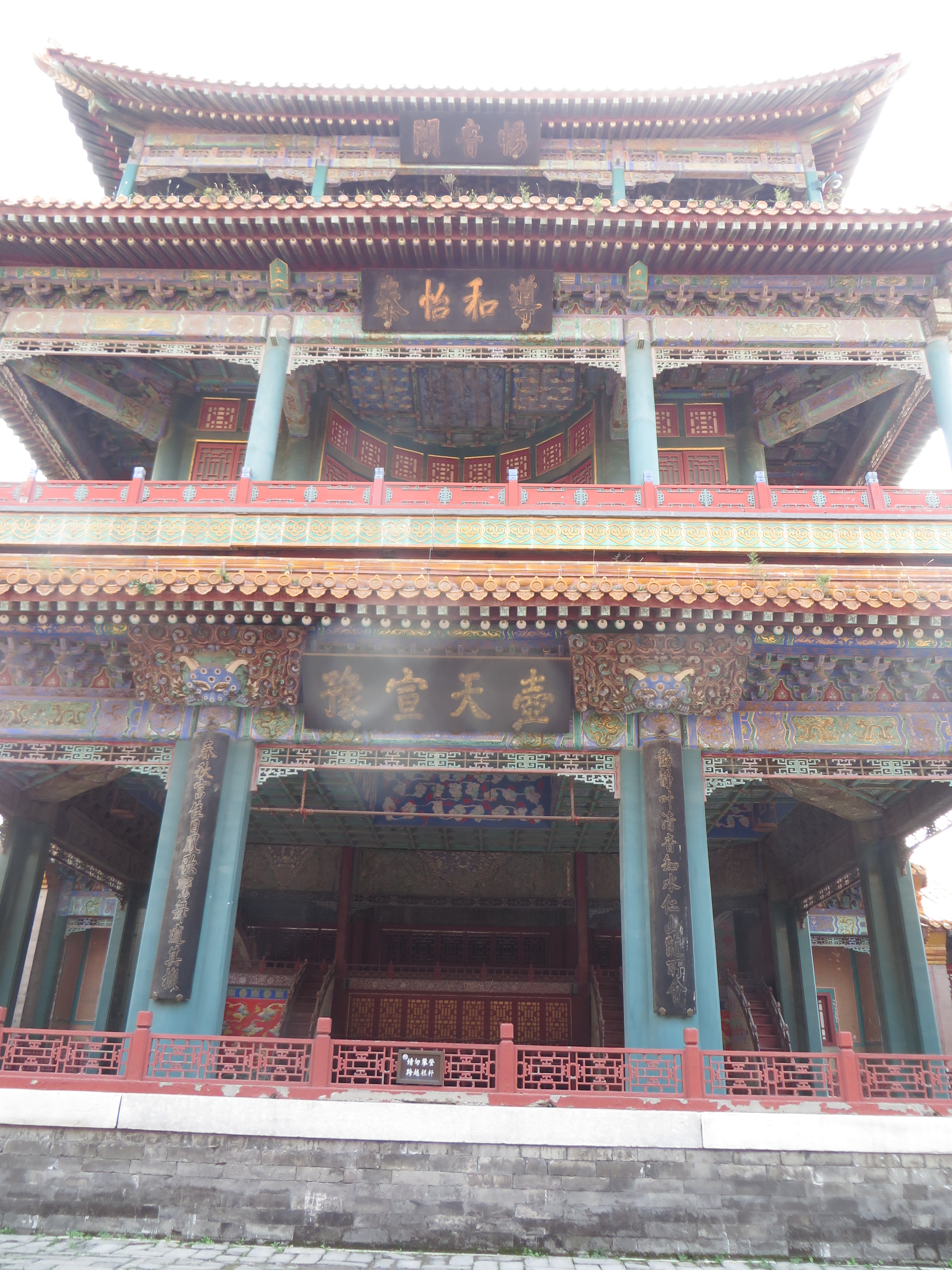
The Summer Palace was more pleasant. A large lake area, paddle boats, dragon ferry boats, people holidng hands and ambling along the bridges and trails up to the Palace. People stopping us to take pictures with our two girls (more on that later). There was space to move around and to appreciate the landscape and the history.
We were guided that first day by Jerry. Jerry is smart and very informative about Chinese history and the modern China. It was a very pleasant refresher course from the ancient civilizations course one might have taken in high school with discussions of culture, economics, politics, uprisings, migration and assimilation. We capped off the day with Peking Duck at Dadong, a modern china place with good food and mostly decent wine by the glass. (I am missing my wine collection right about now. There is no sake here and I just don’t like beer.)
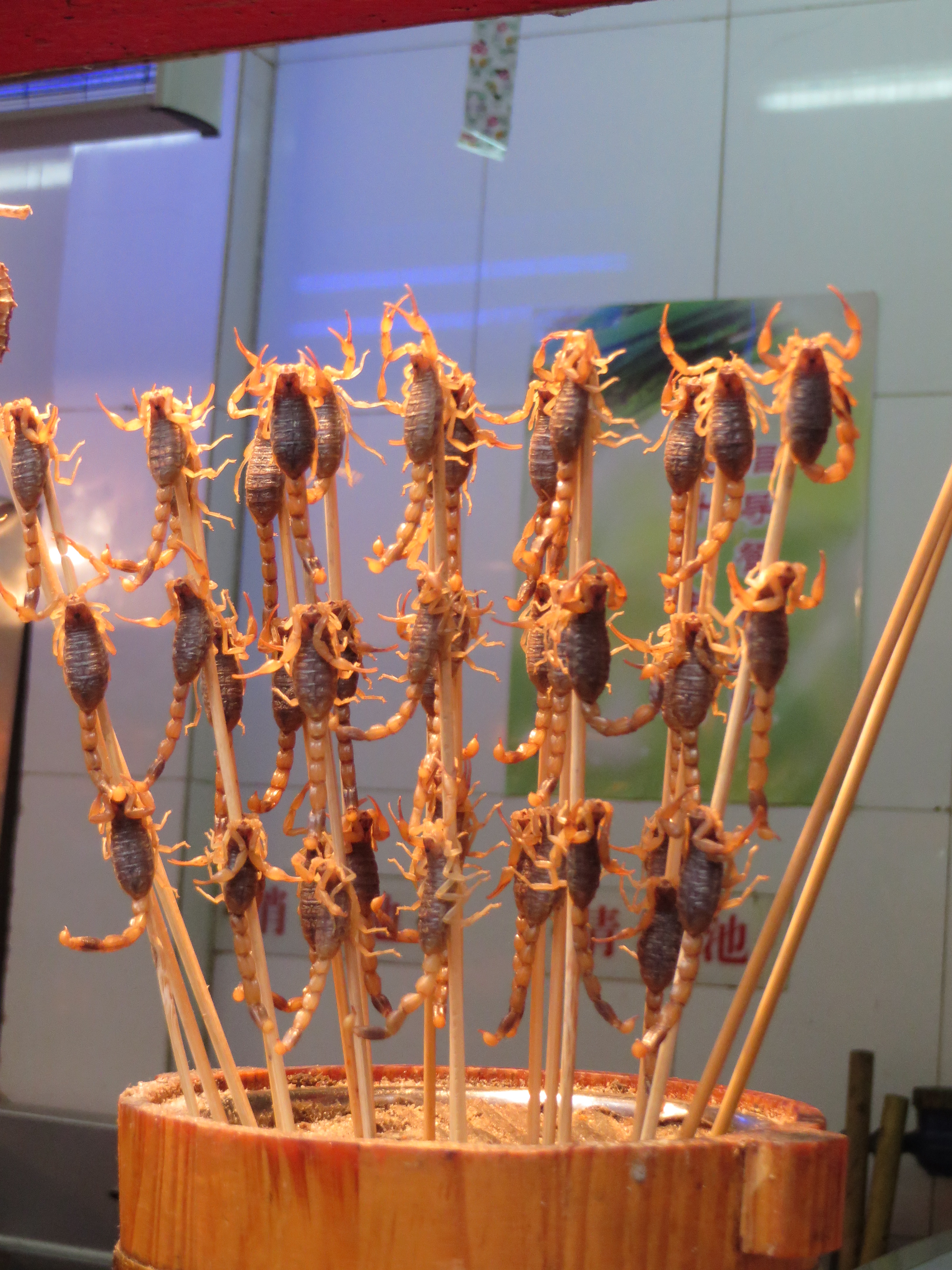
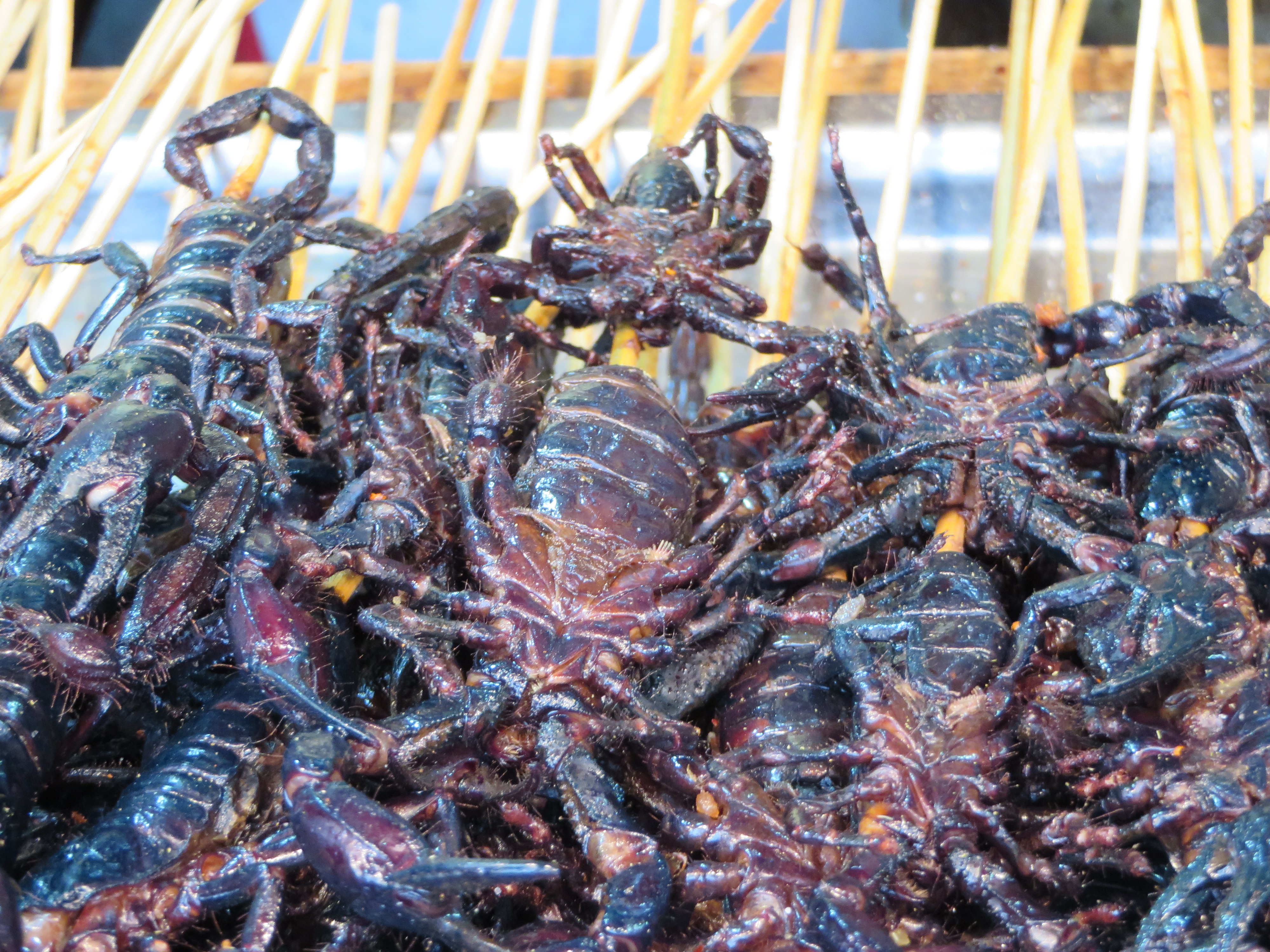
Day two in Beijing was spent on our own with a morning walk along Behai lake, haggling in the market (pearl market) and photographing “snack street” and it’s scorpions, starfish, and even seahorses on kebab. (I thought of you Kim P – you would have been so sad to see these seahorses.)
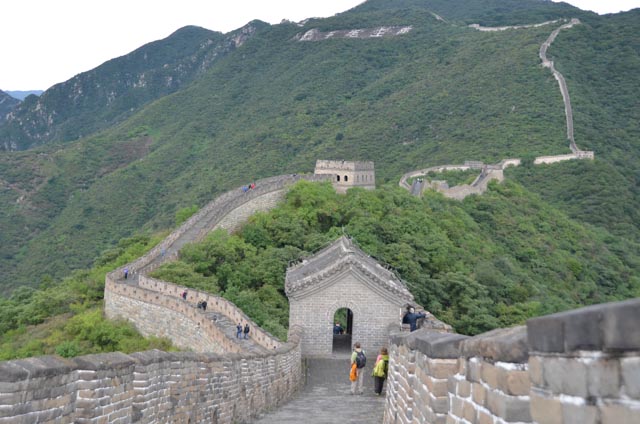
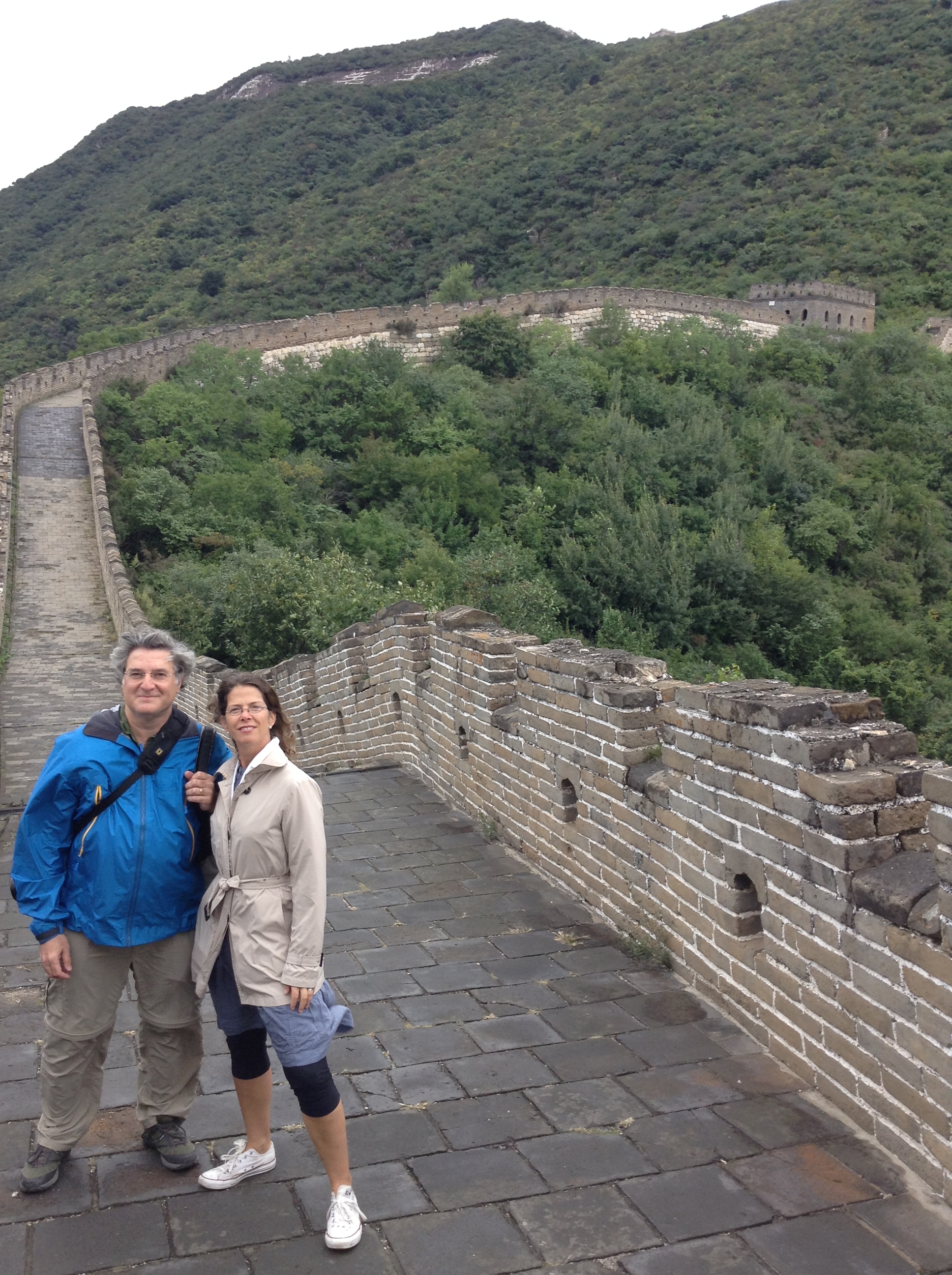
Our third and final day was spent at the Great Wall. The Mutiayu section was visited by “Billy Boy” says our new guide, Tim. Apparently the Chinese liked Bill Clinton very much.Tim is funny and presents us with a slide show of how the westerners and Chinese are different – a tongue in cheek comparison of our ideologies and lifestyles: western old people walk their dogs, Chinese old people walk their grandchild (singular); western people go to a party and talk in small groups all equal, Chinese people stand in a circle with the boss in the middle.
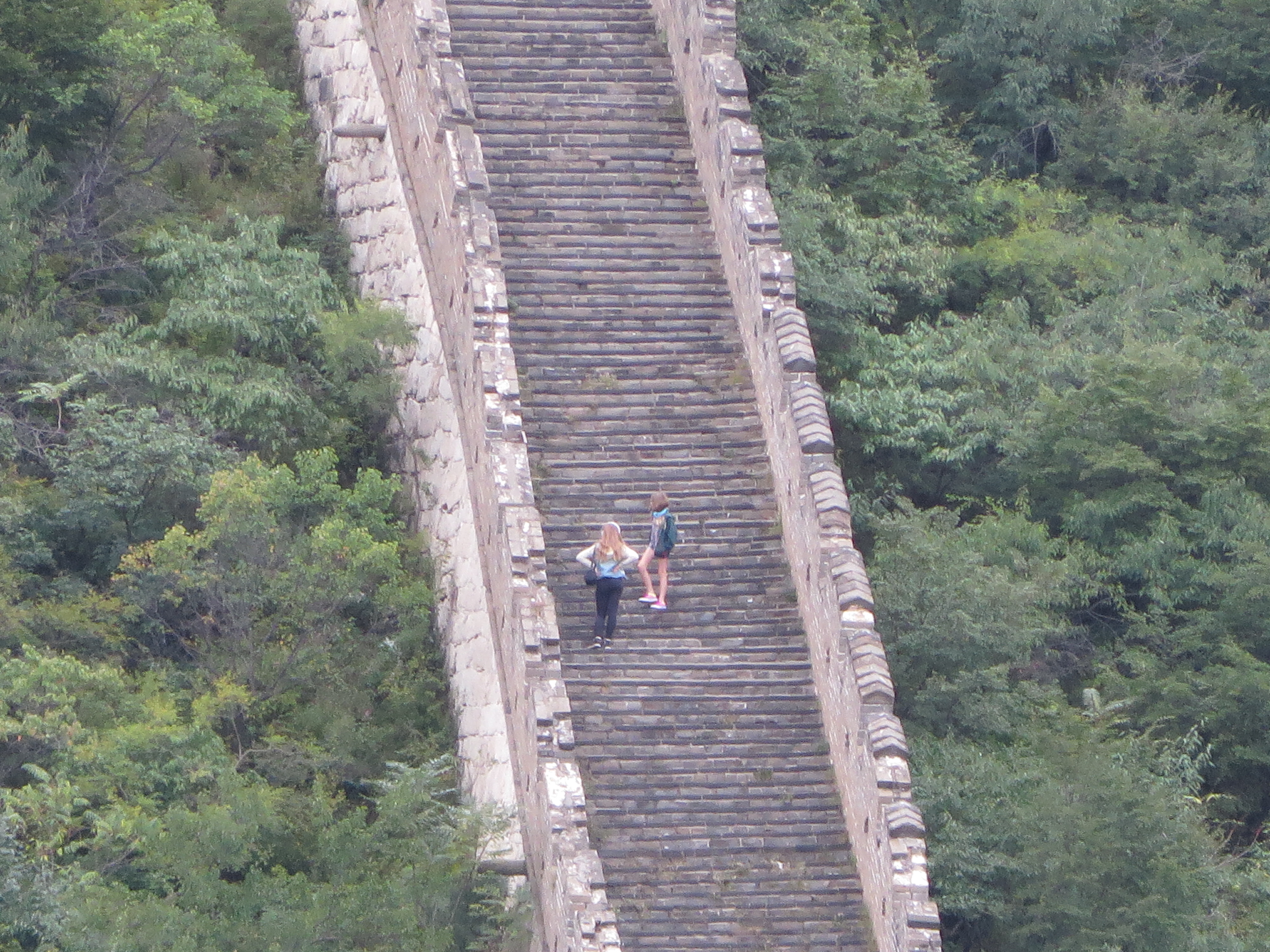
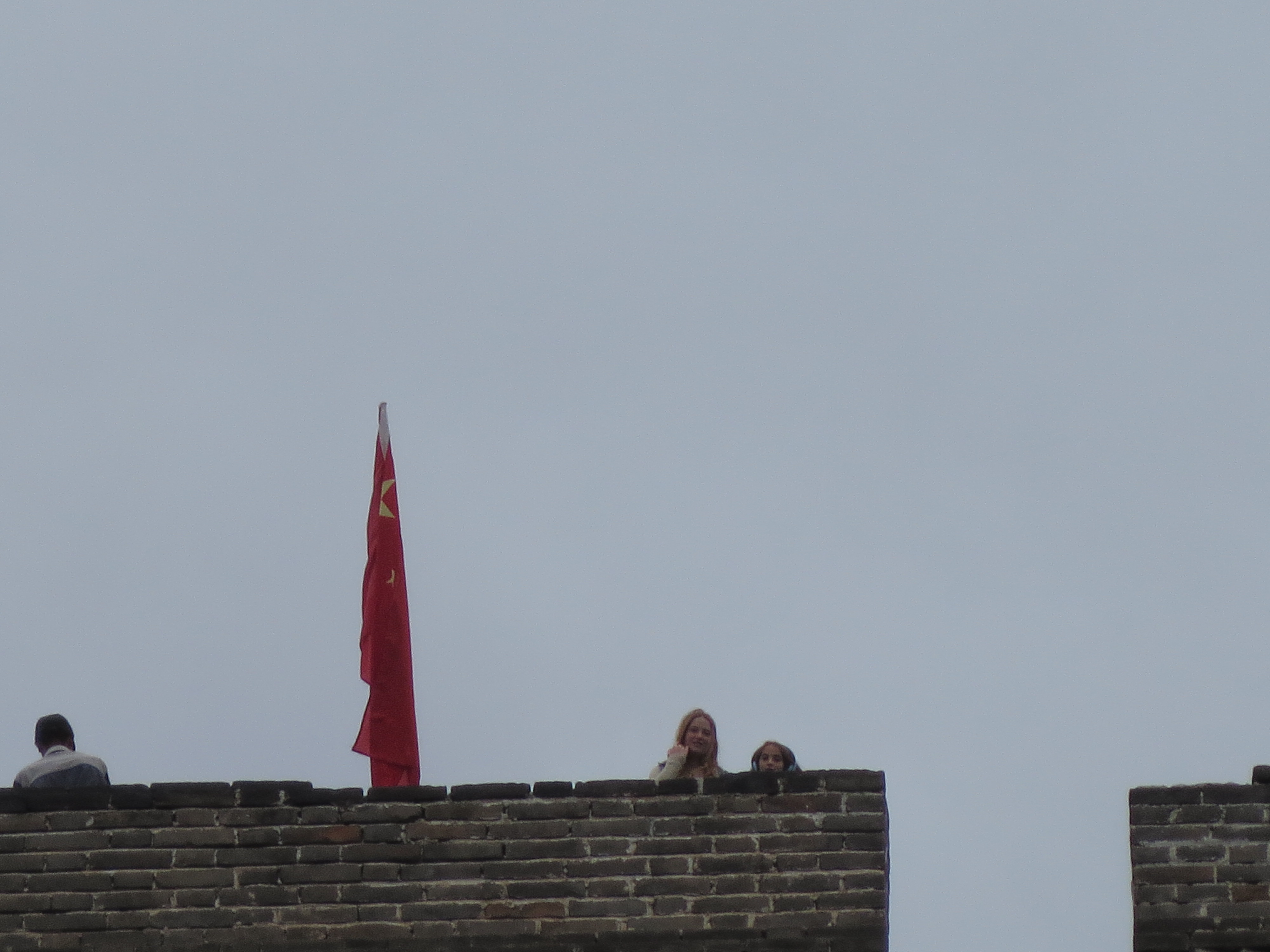
To get to the wall we drive 45 minutes, stopping for lunch along the way, and then take a cable car up from the valley to the wall. We spend the next three or four hours walking the wall, listening to Tim’s comedy routine interlaced with actual history and social commentary. Lauren and Rose scrambled on ahead and went until the wall was more like mud and broken stones – the unrefurbished section.
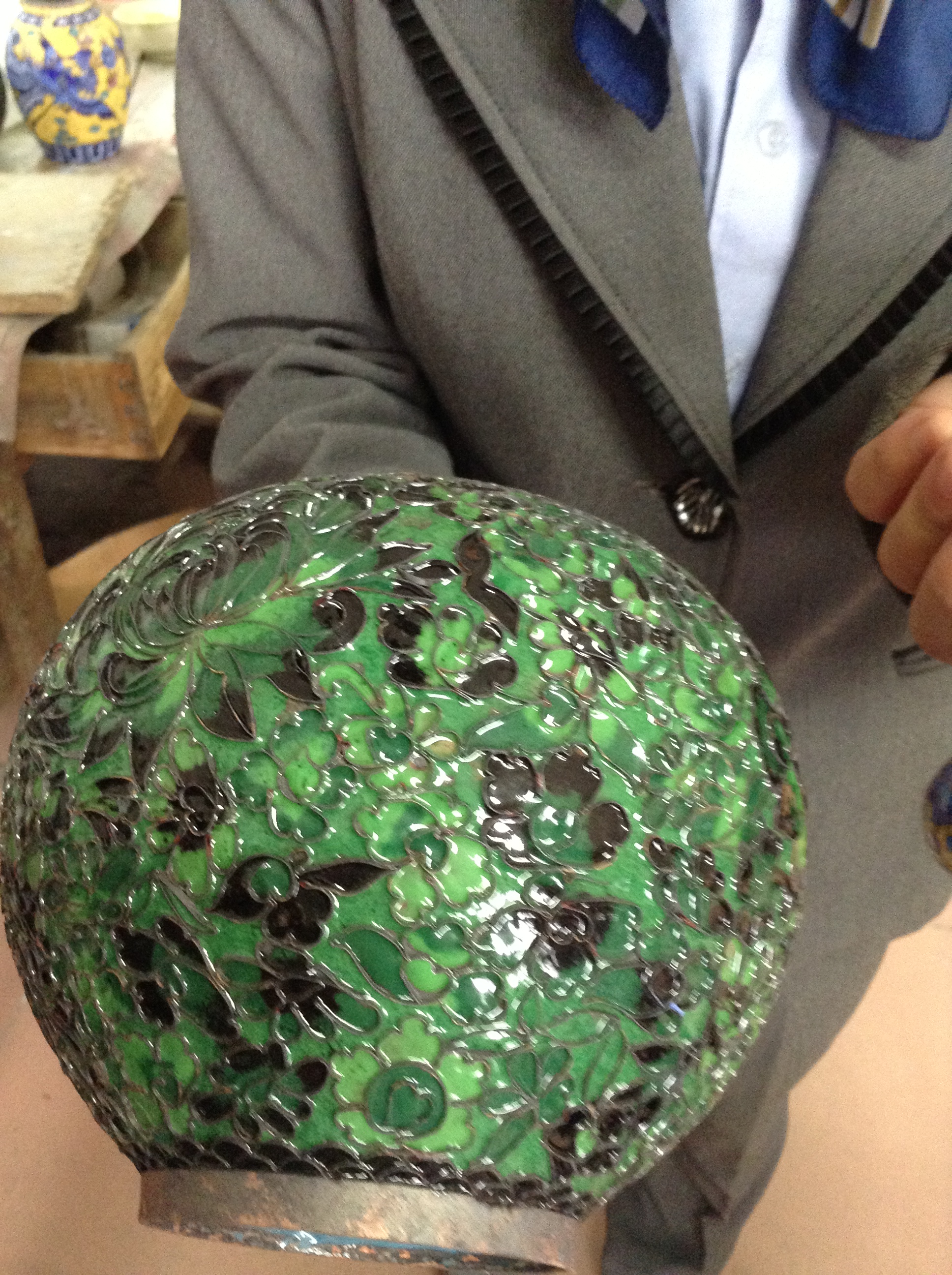
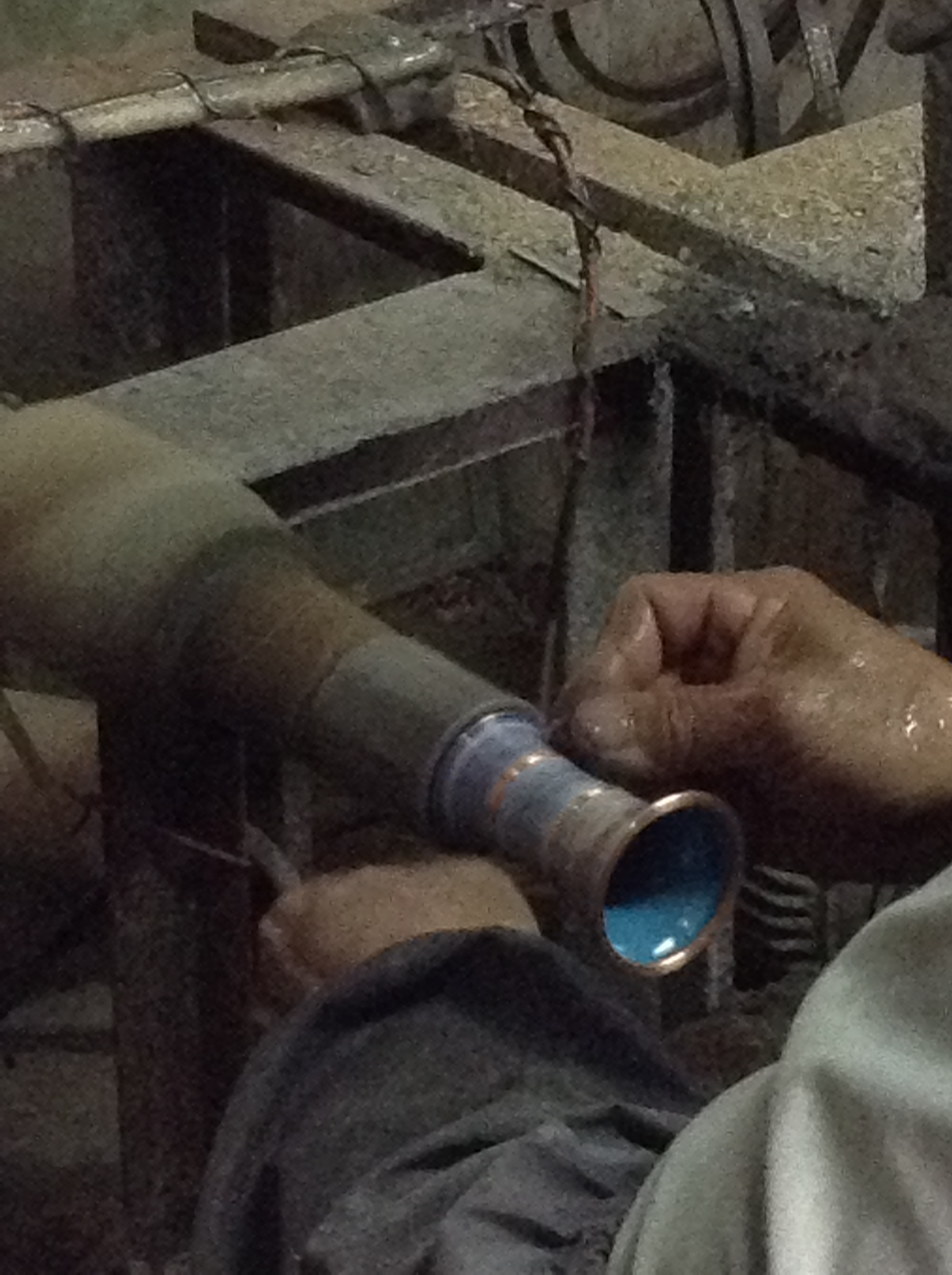
We stopped at a cloisonné factory to kill time on the way to the airport. It turned out to be a nice little stop. The factory manager showed us the process for making cloisonné (pound and solder pieces together, hand lay the wire, drop paint and glaze into the designs, fire at 1000 degrees, fix any discoloration, fire again and again, polish twice, overlay the gold leafing (top secret so won’t show that step) and voila! your bowl, vase or bracelet is finished.
Another 45 minutes drive with Tim to the airport. On the whole, the Chinese people are happy he said. From what I can see here in Beijing, that seems about right.
Off to Xi’an…

 Davidson Big Trip