At the suggestion of Ben F, I brought along a travelogue by former NYT correspondent Edward Gargan. Ben had read it on his one year sabbatical with his family and thought it would compliment our journey. I dutifully purchased it and tossed it in my backpack/technology bag. I finally finished it here in Chiang Mai.
The book chronicles a journey from the start of the Mekong River on the Tibetan Plateau to its mouth in the South China Sea and makes keen observations about the people and countries he encounters along the way. Written five years ago, it still accurately describes the region.
Historically, the countries of Southeast Asia have had shifting borders for a thousand years. In turns the Chinese, Khmer, Vietnamese, colonizing Westerners (French, Portuguese, British, American), Thai and Burmese have all fought one another in this area. Great civilizations have come and gone. Leaders have brutalized the enemy and their own people. The past is painful. The people we met were mostly from younger generations and they seem rather uninterested in the past.
All are looking forward. Governments are looking forward. And from what we’ve seen the future looks bright. Not always but mostly.
We have written about our observations of China already – Great Wall to Great Mall. We didn’t talk about the Chinese policies that incentivize assimilation of the Han Chinese with minority areas however. Gargan writes of it; the journalists warn of it; and our guide confirmed it. He not only games the housing market rules in his large city, he married a woman from Inner Mongolia because there are incentives for doing so. Minority villages are tourist destinations and so the government encourages the safeguarding of minority exhibitions for purposes of tourism but the practices of the minority peoples are slowly giving way to integration and assimilation of Han Chinese culture. The Tibetans and the Uighur population are eyed suspiciously. We know from conversations with our guides that there is tension. So it was no surprise that when the car caught fire in front of Mao and the Forbidden City that eight or nine Uighur men were rounded up in Beijing. But that story doesn’t really add up does it? A guy takes his mother and his wife and blows them all up in front of Mao? Perhaps more information will come to light. Despite the flaws of absolute rule, we all found ourselves sympathetic to the challenges that the Chinese government is facing. Trying to manage a population and economy as large as China’s can’t be easy and the level of corruption for now is deemed passable by most of the Chinese. The people acknowledge that their government is corrupt but while the nation’s general quality of life is improving, the Chinese people are willing to look the other way. At least for now.
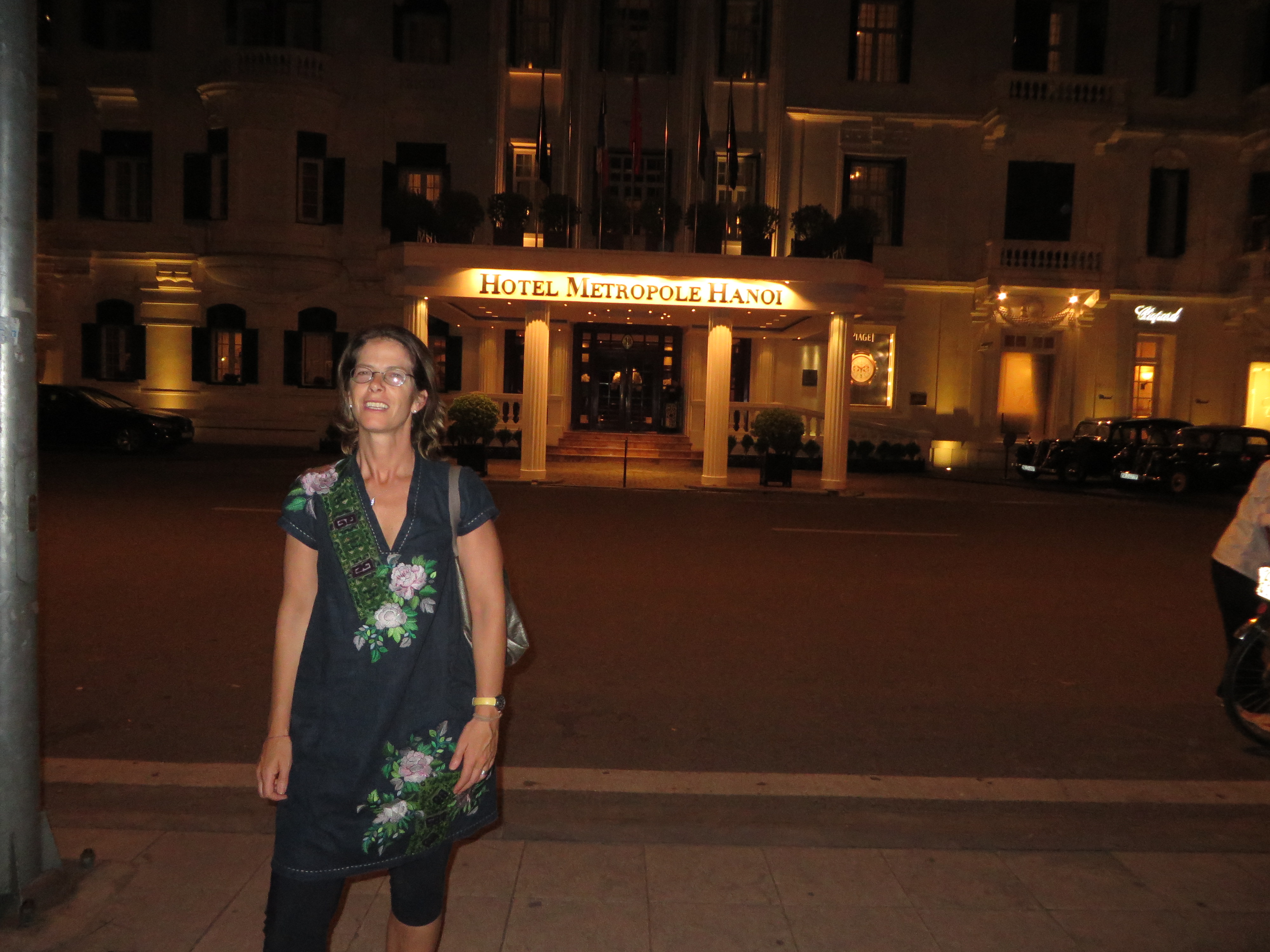
In Vietnam we stayed exclusively in the north so we didn’t experience the tensions Gargan writes about between the progressive south and the northerners in the country’s capital. What we did notice is the utter disinterest in the Vietnam war. They won, we lost, what more needs to be said. The Hoa Lo Prison (you probably know it by the nickname given by US POWs: Hanoi Hilton) tour talks mostly about the French and that colonizing country’s use of the guillotine against the Vietnamese. Of course they also talk about how humanely the Vietnamese treated John McCain and the other American pilots held in captivity there but this was one small display, not the main message.
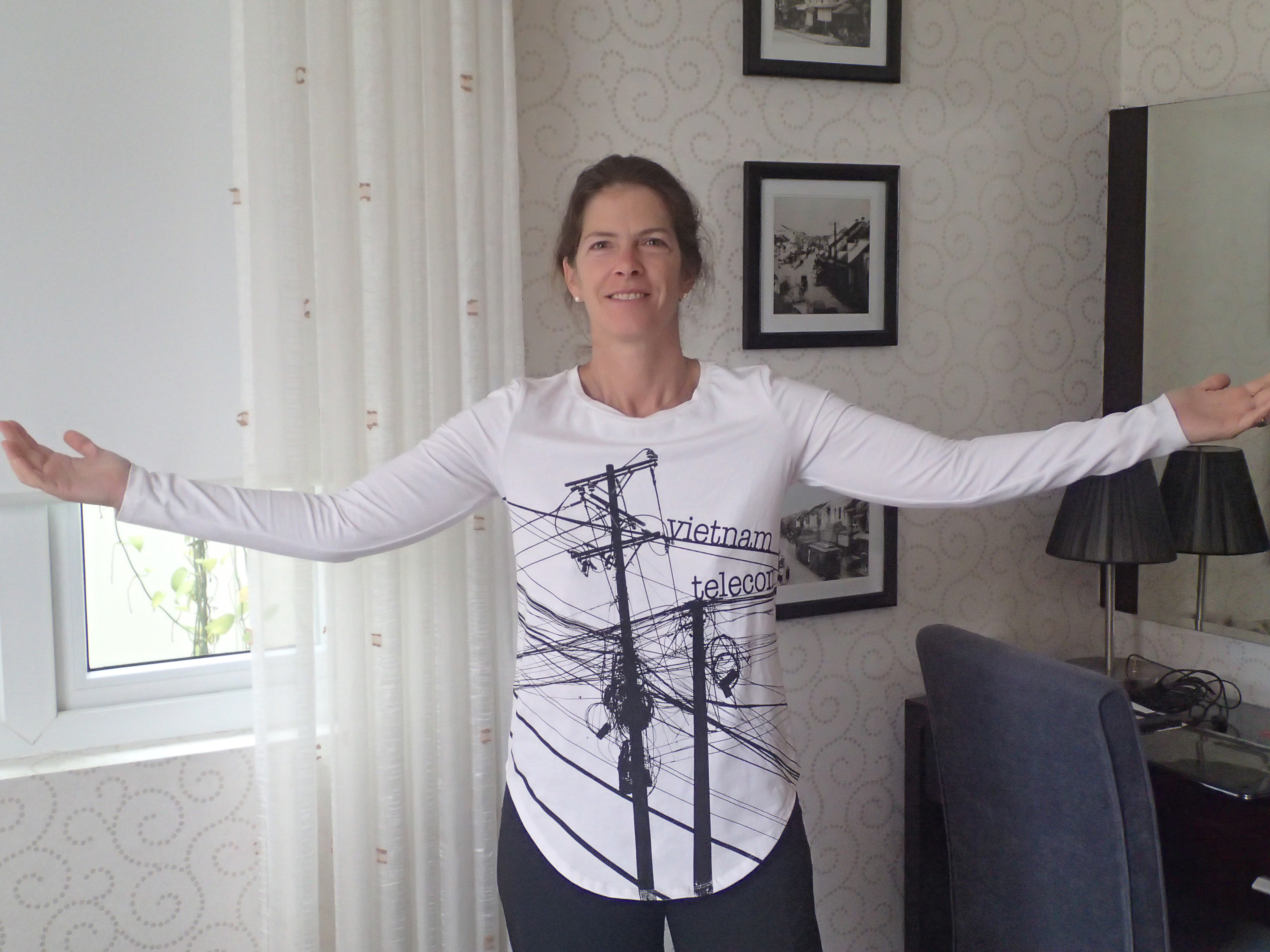
The Vietnamese have an economy that doesn’t quite work but its growth is now in double digits. They seem to be focusing on improving their infrastructure though I have already posted the sad state of the telecom wiring in Hanoi. Most are eschewing landlines for mobile so perhaps a great number of the phone wires are obsolete and unnecessary. But for all of that, it has an infectious energy and a highly literate people so even if the wealth isn’t evenly distributed, the education is. Statistics put literacy at 95%. (Not sure that explains my most curious observation in Hanoi however: a 70+ year old woman with a shoulder pole carrying fruits in the front basket, dragon fruit, banana, rambutan and Fifty Shades Freed in the back. Do you suppose that when its a slow day at the market she kicks back with the final chapters? It was in fact the most bizarre site I’ve seen on the trip so far.)
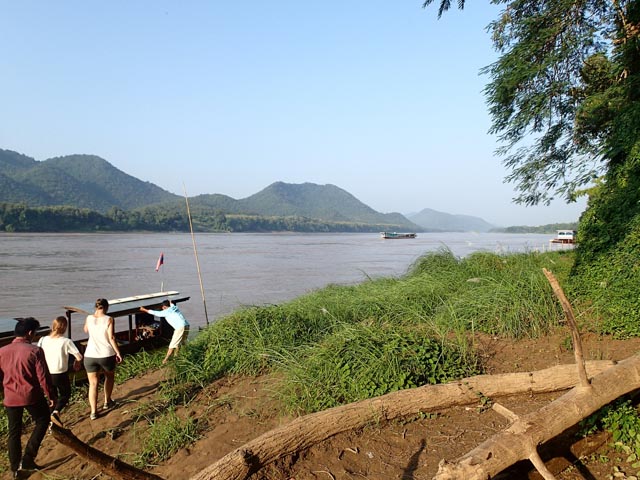
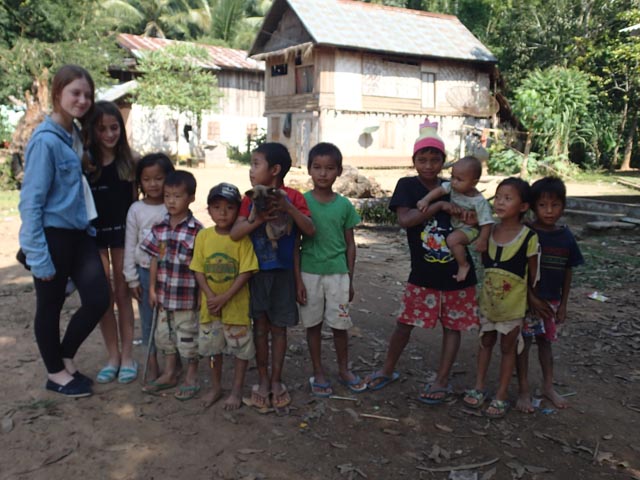
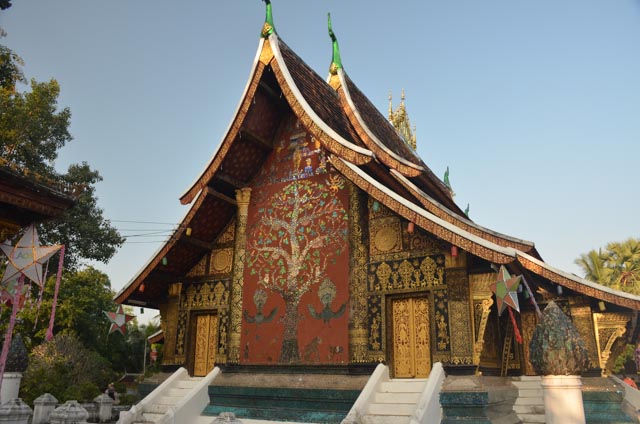
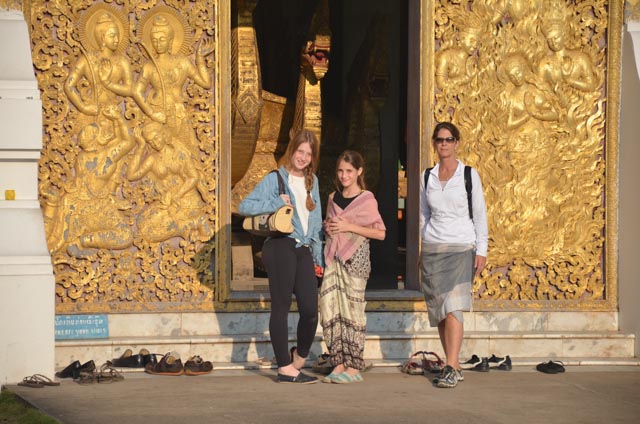
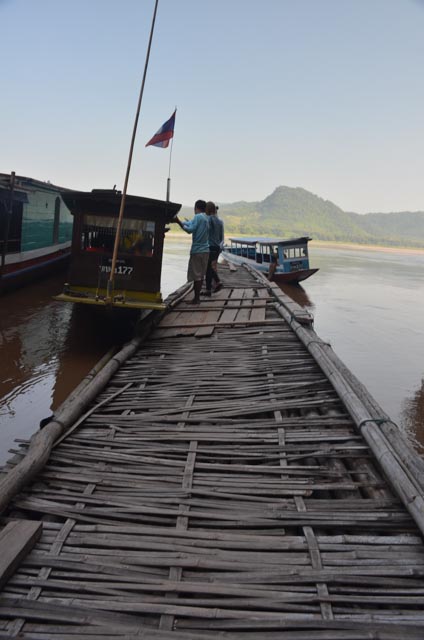
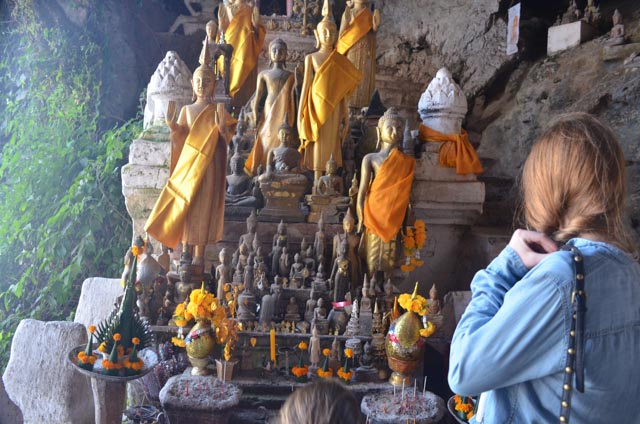
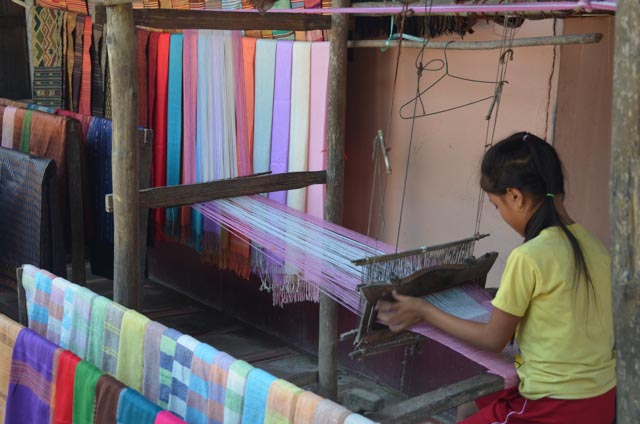
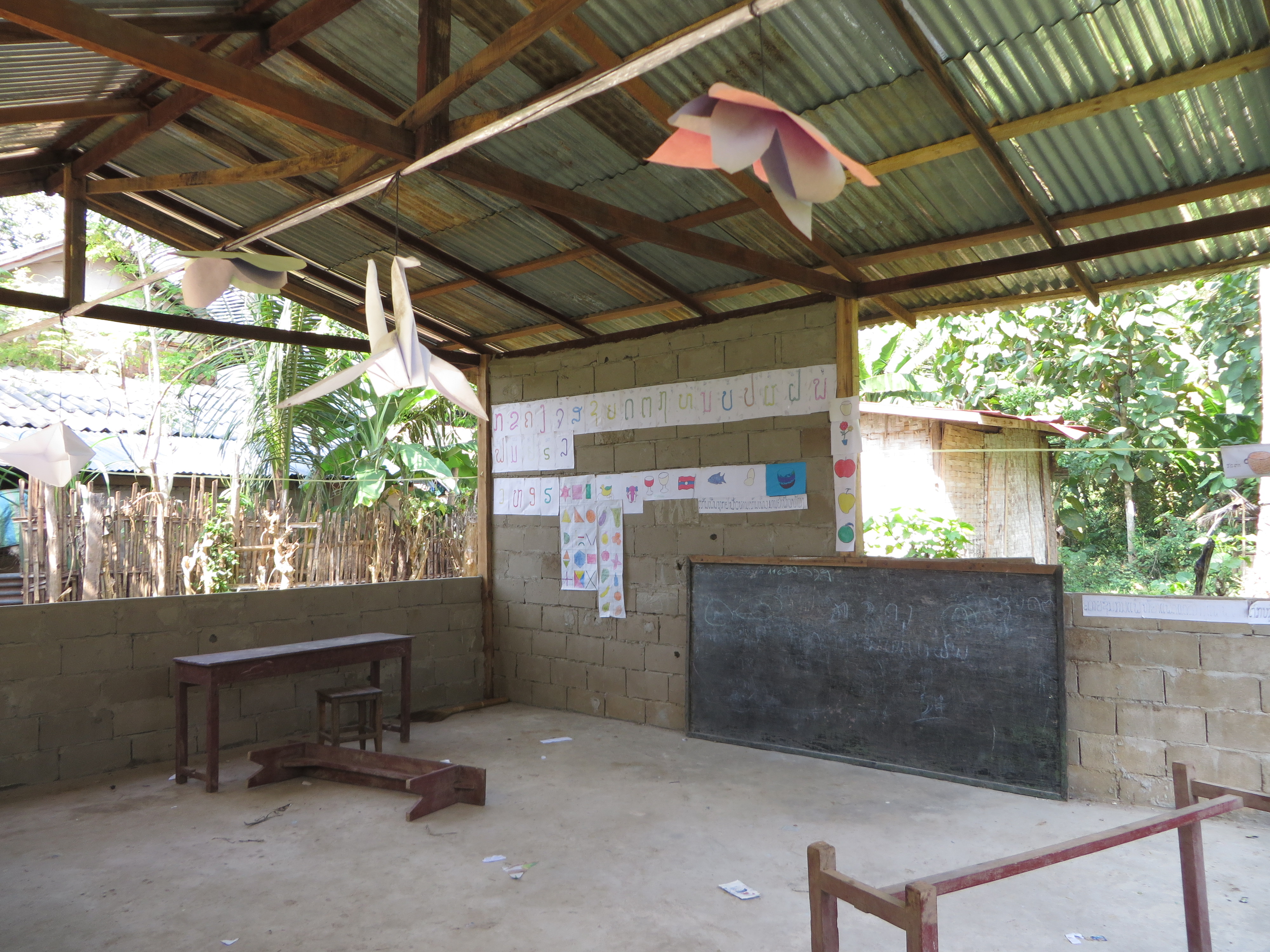
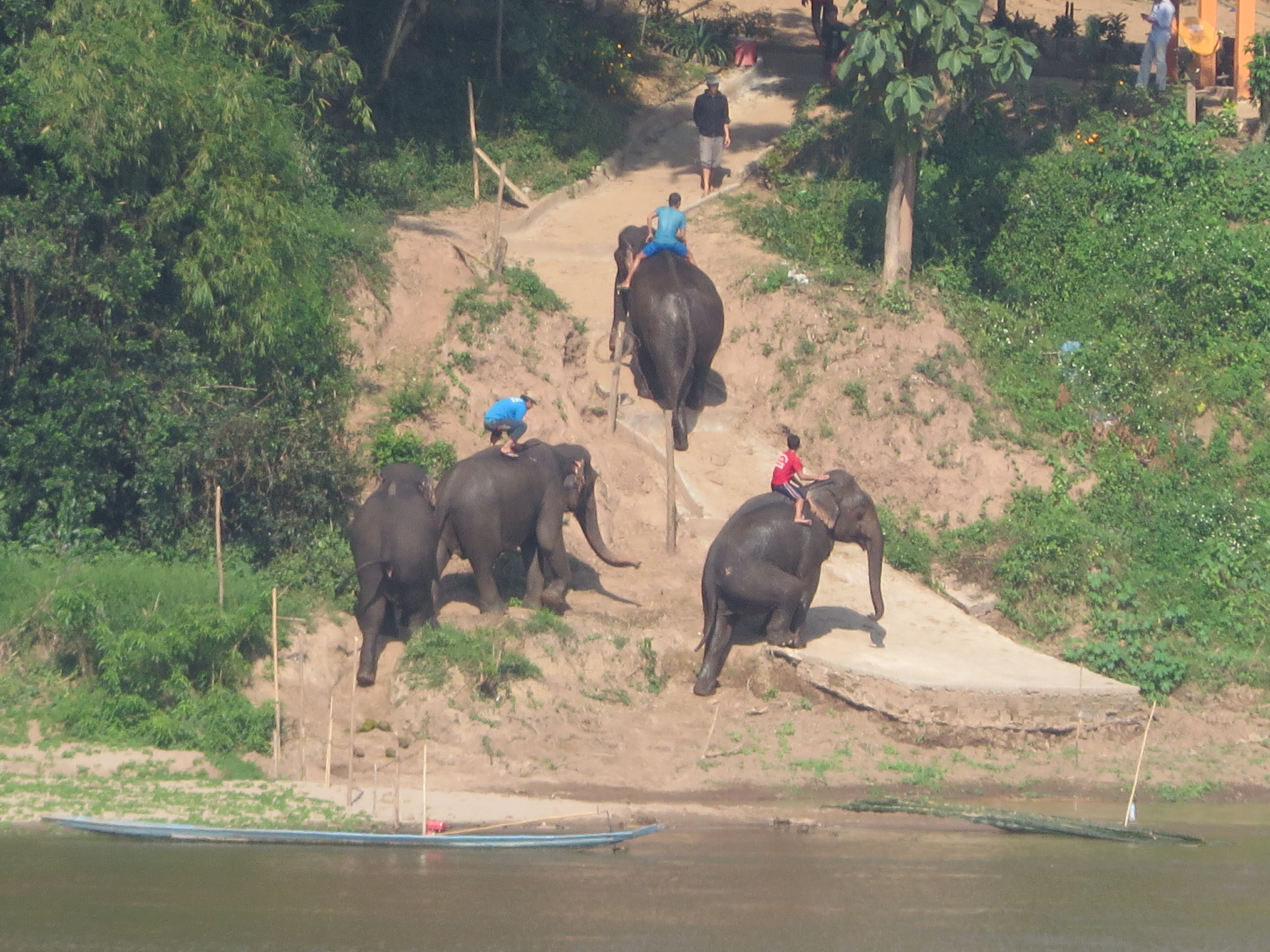
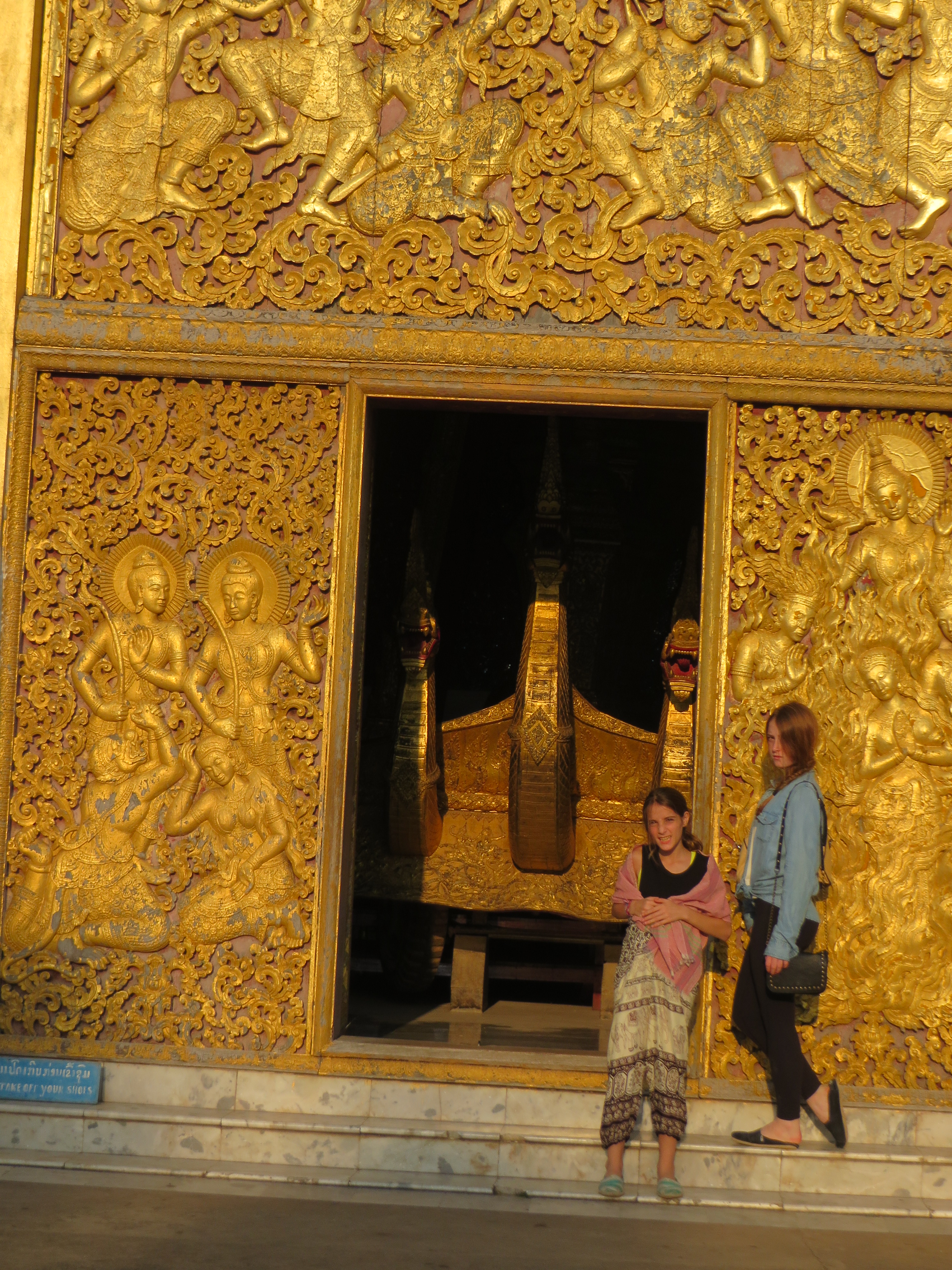
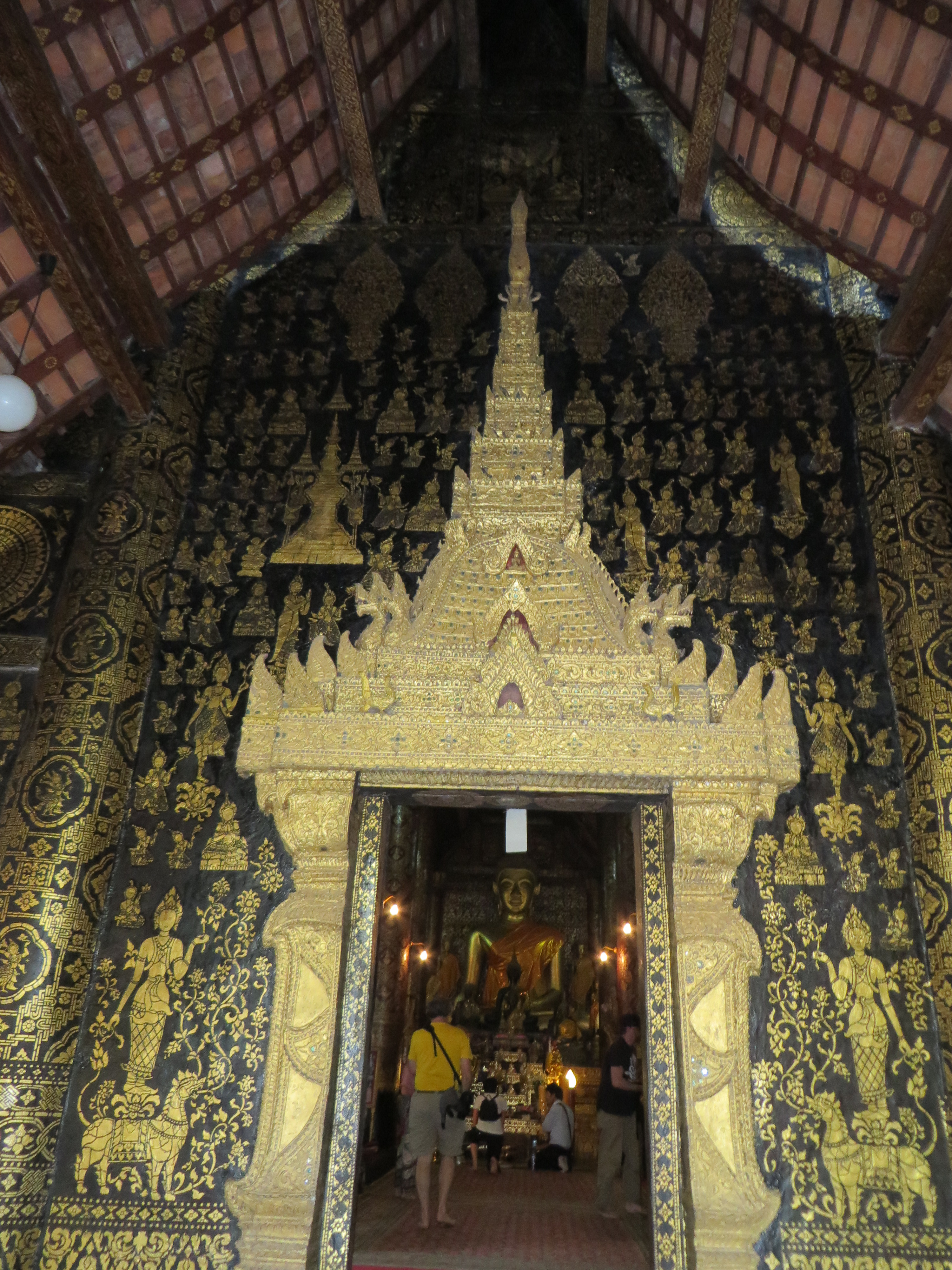
In Laos, we stayed in the hippy, Hampton-ish destination of Luang Prabang where you could have a first class bottle of wine and French meal at l’elephant and a conversation about Jun pottery (a special era of ceramics in Chinas Yunnan province in the Song dynasty) with a merchant/collector. But outside this little tourist haven, this is a poor country with a corrupt and emasculated government. In a village a little ways up the Mekong, a school teacher walks two hours each way to get to the village. The village children don’t have birth certificates that tell their age so if you can touch your right hand to your left ear then you are old enough to attend school. At school you will learn to read and write the Lao language. If you are from a poor family, you might be sent to the wat in Luang Prabang to be a novice so that you may be fed on a regular basis and learn English. This is probably still the poorest of the countries we visited though Cambodia runs a close second.
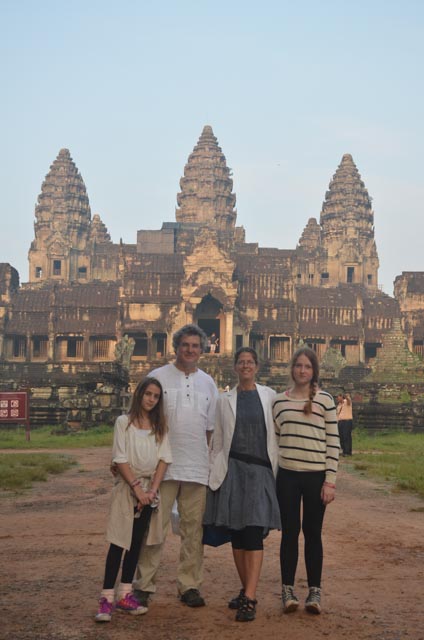
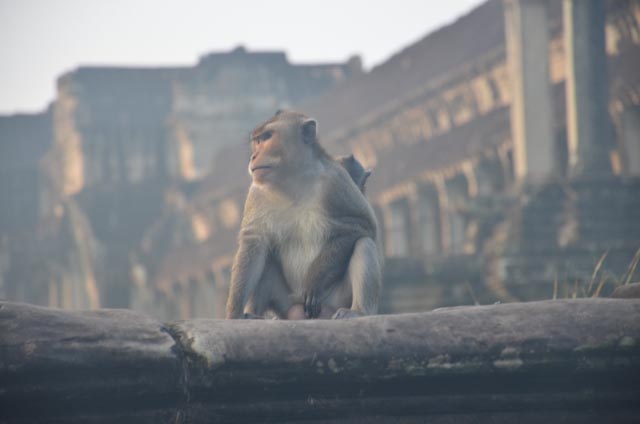
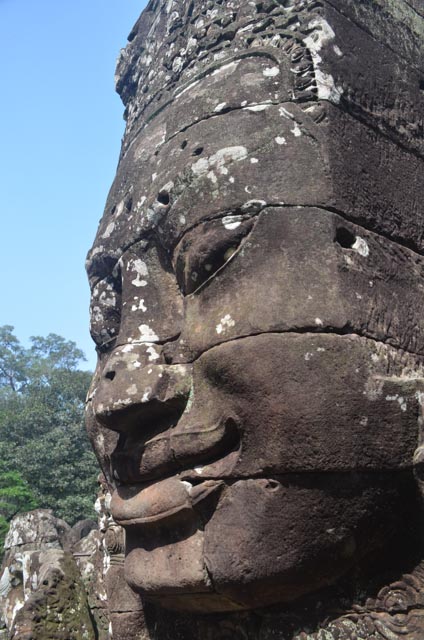
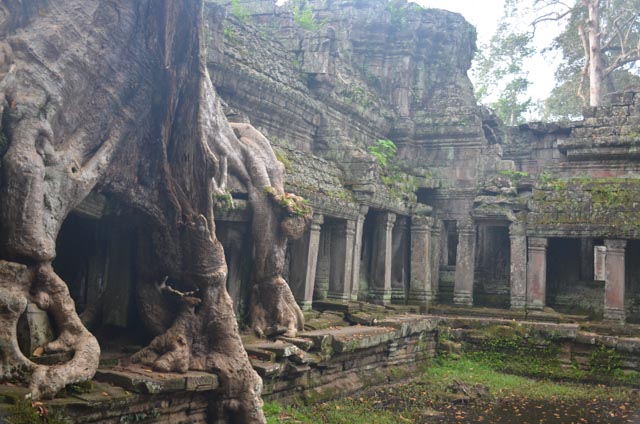
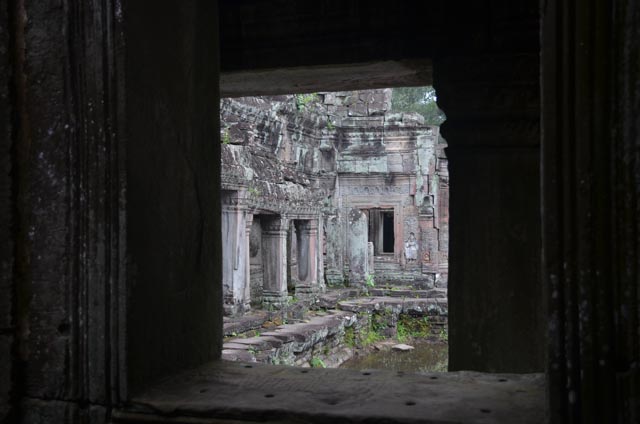
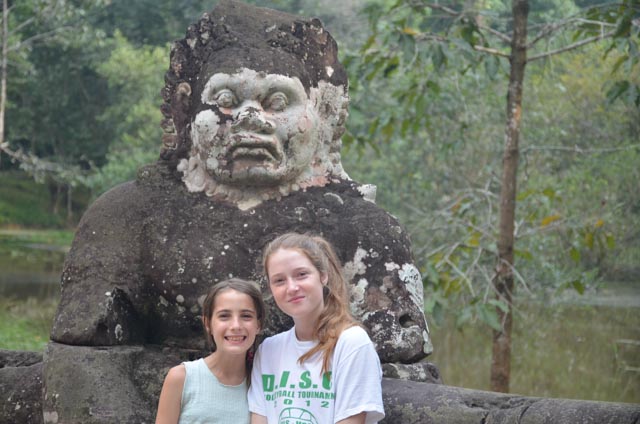
We spent only a few days in Cambodia, mostly touring the impressive Angkor Wat temple complex. But we also took a ride some distance outside of town to visit the Landmine Museum. Cambodian people live in stilt or pole housing and the clay oven is still the primary cooking method. There is no electricity or running water. The Landmine Museum and Cambodia De-mining project are run by an exceptional Cambodian man, Aki Ra , who served as a teenage soldier for the Khmer Rouge, then for the Vietnamese, and then whoever came calling next as a manner of preserving his life. Today he is devoted to de-mining the Cambodian countryside with the aid of a team of 30 de-miners including Mr. Bill Morse. This guy made you proud to be an American, more than just in the Lee Greenwood way. His draft number was due in June 1973 but the war ended in May so he went into the reserves, later became a successful businessman in California. On a visit to Cambodia he met Aki Ra and started volunteering and raising money to help with the de-mining efforts. He and his wife have moved to Siem Reap and run the educational facilities – the museum, a school for orphans, and soon a center for the aged amputees. All of this goes on despite rampant government corruption in the area.
Thailand is on a different level. The Thai avoided colonization in the late 1800s because it had an astute ruler at the time and the US had military bases in Thailand during the Vietnam War so it doesn’t have the same war ravaged mental or physical landscape. The Thai are on economically sound footing and the standard of living is higher than in the other SEA countries. There are ethnic divisions however. The northern region was formerly part of the Lanna Kingdom (1200-1500s) and is more closely related to the people in China’s Yunnan, Vietnam and Laos than to the people in the far south (Phuket for example) who are more closely aligned with people of muslim backgrounds. Bangkok sits in the middle with ties more to capitalism than any particular religion or historical benchmark. Lots of shopping and snacking, commuting and working. Personally, I found it the least interesting of the large cities we visited and I am sure that there must be more to it than what I saw.
The Thai are having a series of protests now in Bangkok over an amnesty bill that would exonerate a former Prime Minister from the northern Thai area that includes Chiang Mai – red shirts v. yellow shirts. We spent three days in Bangkok and had no issues there even with the protests. (Just like an upper east sider felt little effect of the Zucotti Park camp out last year.) The amnesty bill was rejected and there are resignations afoot but on the whole, the demonstrations are not unlike what we might see at home and the Thai democracy and monarchy seem to have found a decent balance since the days of the coup in the early 90s.
Anyway, this is longer than I intended but I thought I would try to capture our own and very limited experience as we zigzagged our way through countries along the Mekong.
Now back to photos and activities…
8.079410
98.312799






































 Davidson Big Trip