
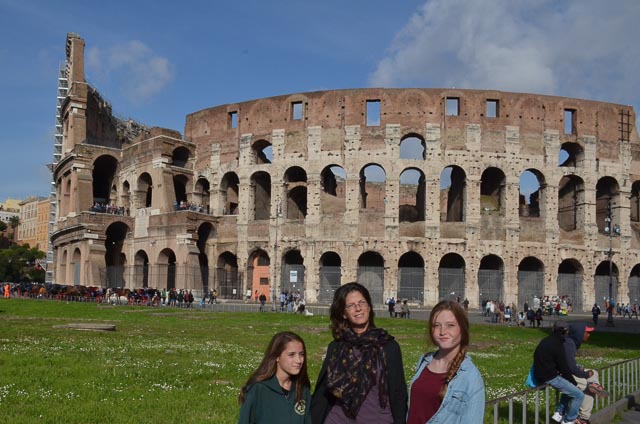
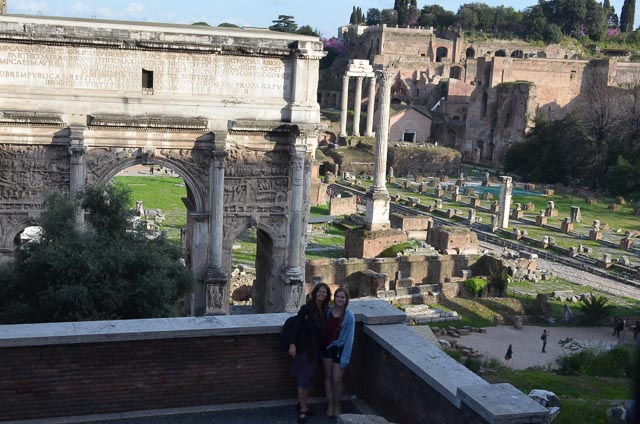
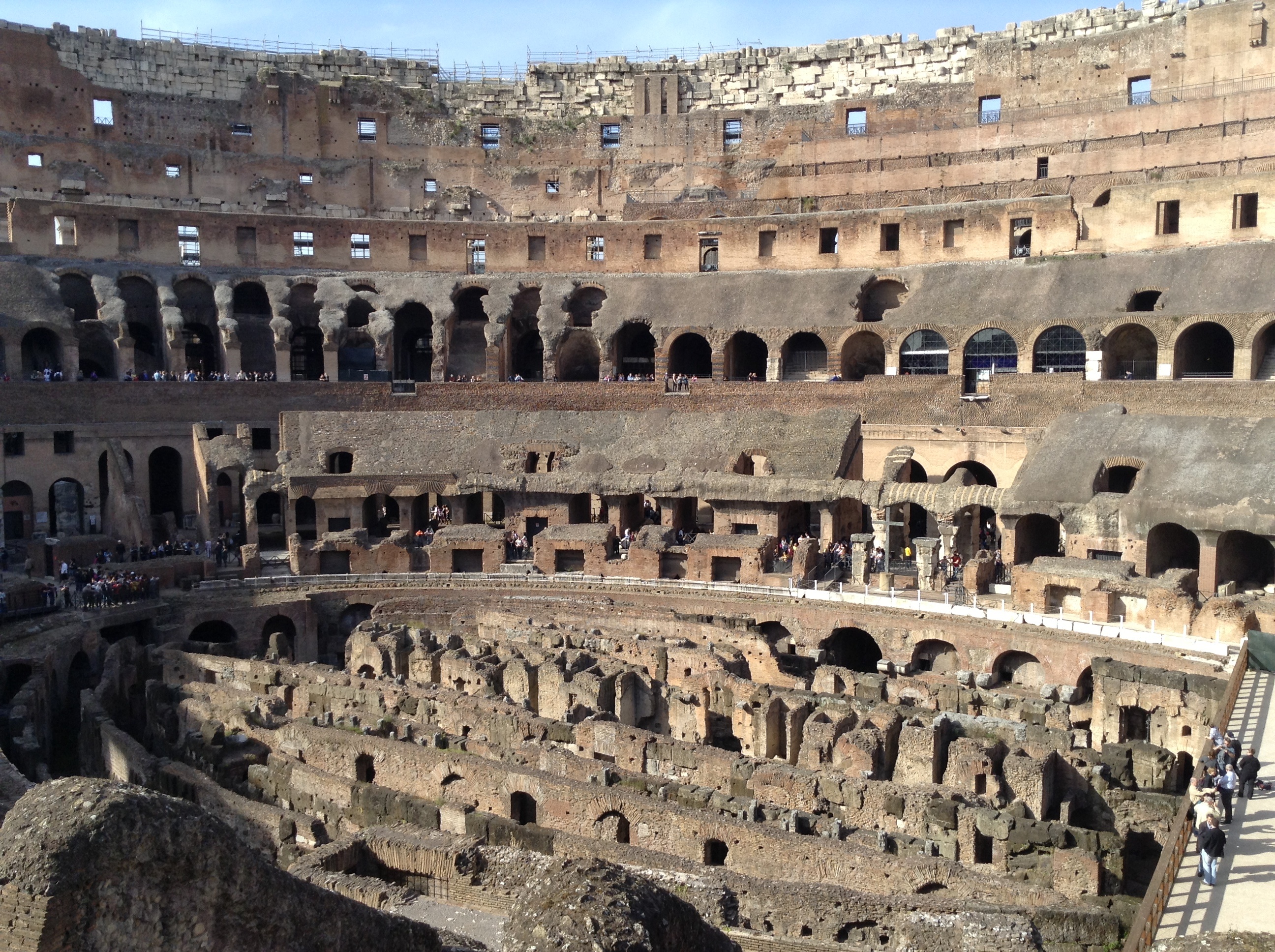
Pagans: Way back in the day…the Romans worshipped many many gods and they didn’t take kindly to those who failed to do the same. Romans killed Jews and Christians alike for failing to bow down to the Roman emperors and their gods. Oftentimes, these killings were on public display in the Roman Colosseum. The Colosseum was the Madison Square Garden of its day but the primary form of entertainment was more violent than hockey; Romans watched fights to the death. When Romans conquered Judea and other places, they brought their prisoners back, paraded them through the gates of Rome and the Roman forum before locking them in the chambers below the Colosseum. Later these prisoners would become part of the Emperor’s (and commoner’s) entertainment and would be matched against other spoils of war like lions and other beasts. The accounts of such events make the stomach turn.
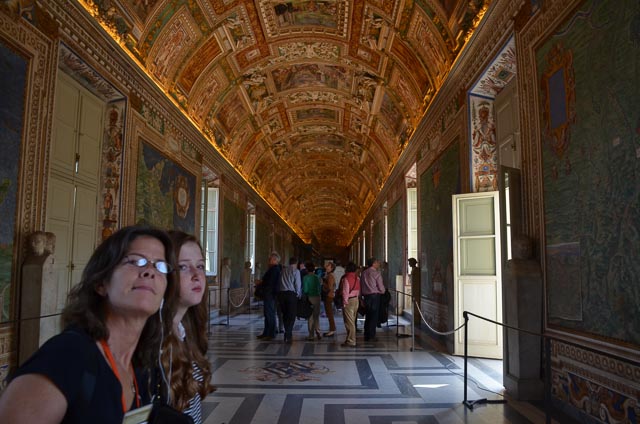
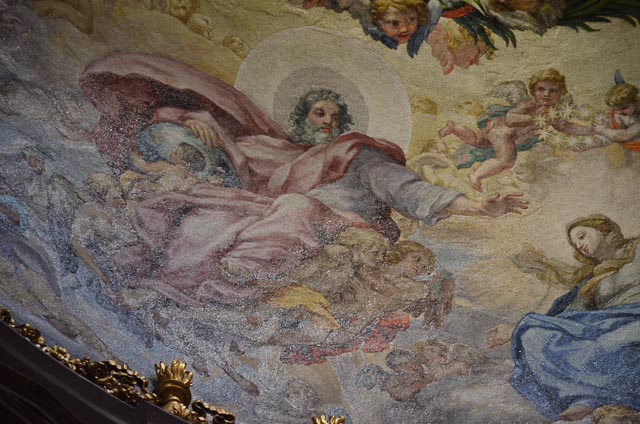
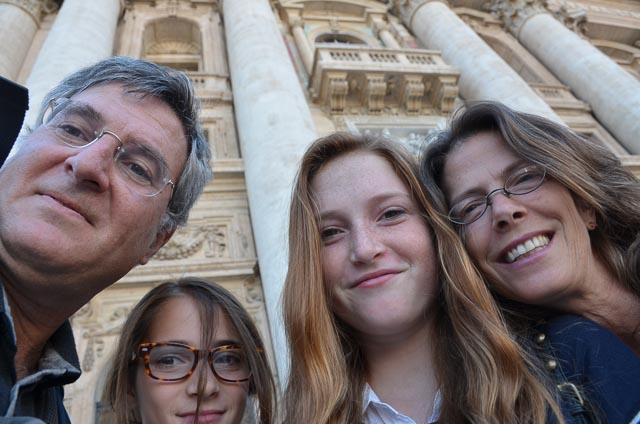
Popes: According the Church History, St. Peter was Jesus’s designated successor – “the rock” of the future church. St. Peter traveled to Rome praising the Word of The Lord seeking to convert the pagans to Christianity. St. Peter, martyred here on Vatican hill in 64 AD, is considered the first “pope” of the Catholic Church and so it seemed a fitting place for Constantine to dedicate a church to St. Peter. When people think of the Vatican, they often think of the pope standing on a balcony from St. Peter’s Basilica addressing the crowds. It is an enormous church, two football fields long and 143 feet high in the aisles, 450 feet to the top of the dome. The Vatican is its own country, with its own post office, and its treasury is rich in cash and art – early Egyptian mummies and pottery to works by Matisse and Chagall. Not to mention the papal studies and antechambers of Renaissance art – whole rooms of Rafaello and Bernini. Then, of course, there is the Sistine Chapel, a work of art in itself – frescoes painted by Michelangelo on nearly every surface. Did you know…….Michelangelo originally refused the assignment? He told the Pope that he was a sculptor and not a painter but Pope Julius II insisted and in the end Michelangelo could not refuse. So for four years, 1508-1512, Michelangelo painted the ceiling of the Sistine Chapel with the story of the Torah/Old Testament from Creation to Noah’s ark. The images are full of hope and goodness. Twenty three years later Michelangelo painted the Last Judgment and the images are darker, not only because it’s about Judgment Day, but because he had become disillusioned with the church and the protestant reformation was just getting underway.
Today’s Pope, Francis I, is the 266th Pope of the Catholic Church. He is the first to come from the Americas and the first Jesuit. I like the Jesuits; they value education as an individually unique pursuit (cura personalis) and didn’t judge me for choosing to be Jewish. Which leads me to food…
Pizza: we ate lots of pizza! Our AirBnB host, Emanuele, gave us two places that locals believe to be the best and I had a list of a few others from favorite food blogs and guides. In the end, we agreed that Gaudi wins for the freshest ingredients but it has a thick crust (we prefer thin); La Baffetto had the best thin crust and good proportion of tomato to cheese, but the cheese was of standard quality; and Monte Carlo wins best all-round with excellent quality cheese, good balance of tomato and good, if slightly charred, thin crust.
We searched out the best Cacio e Pepe as well – two standouts were Felice and Roshioli but if, like us, you are going to compare it to Mario Batali’s version at Lupa you might be disappointed no matter where in Rome you are.
From here we are heading to Paris. And just so you know, this was not my idea. The girls want to go and as you probably know…I can’t say no to Paris!



 Davidson Big Trip
WOW WOW WOW!!
When in Rome let the moon hit your eye. Beautiful